1. Search Result
Search Result
Results for "

toxicant

" in MedChemExpress (MCE) Product Catalog:

37

Inhibitors & Agonists

5

Natural
Products

9

Isotope-Labeled Compounds

Cat. No. Product Name Target Research Areas Chemical Structure
  • HY-18260
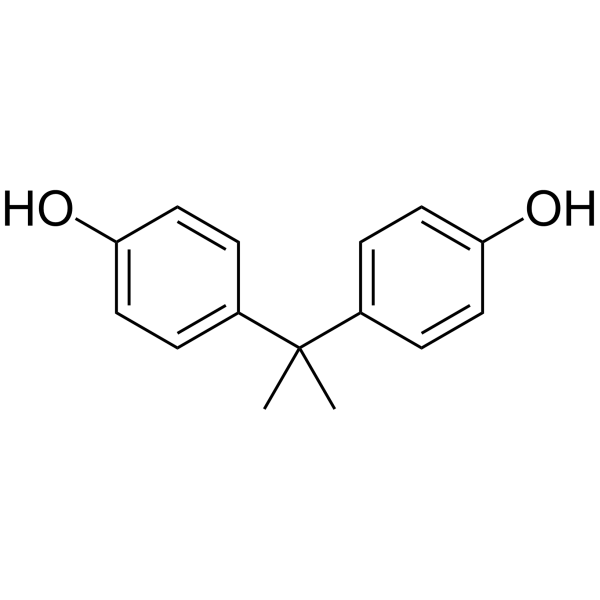
    Bisphenol A
    Maximum Cited Publications
    15 Publications Verification

    Environmental Pollutants Endogenous Metabolite Apoptosis Reactive Oxygen Species (ROS) p38 MAPK Akt Cardiovascular Disease Metabolic Disease Endocrinology Cancer
    Bisphenol A is a phenolic, organic synthetic compound widely used in the production of polycarbonate plastics and epoxy resins. Bisphenol A is a reproductive, developmental, and systemic toxicant, often classified as an endocrine-disrupting compound (EDC). Bisphenol A is associated with many diseases, including cancers, cardiovascular diseases, respiratory diseases, diabetes, kidney diseases, obesity, and reproductivedisorders .
    Bisphenol A
  • HY-136924

    FAAH Others
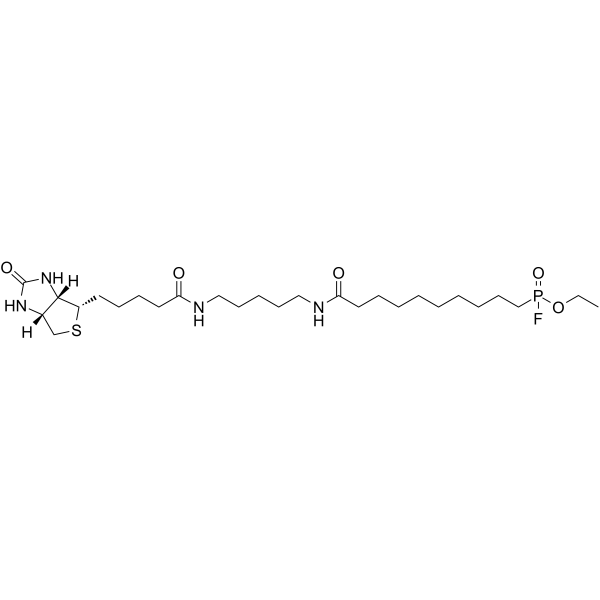
    FP-biotin is a potent organophosphorus toxicant, well-suited for searching for new biomarkers of organophosphorus toxicants exposure. FP-Biotin quantifies FAAH, ABHD6, and MAG-lipase activity. FP-biotin is used for studies with plasma because biotinylated peptides are readily purified by binding to immobilized avidin beads .
    FP-Biotin
  • HY-B0837
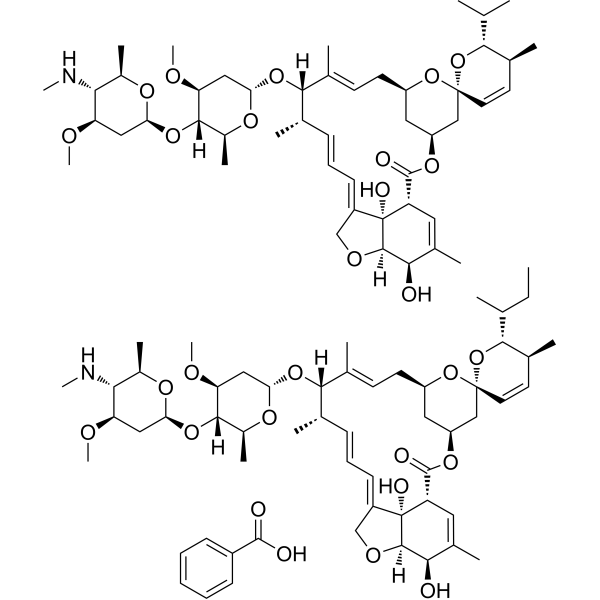
    Emamectin Benzoate
    1 Publications Verification

    MK-244

    Environmental Pollutants Parasite Apoptosis Reactive Oxygen Species (ROS) GABA Receptor Infection Neurological Disease
    Emamectin Benzoate (MK-244) is an orally active nervoussystem toxicant by binding g-aminobutyric (GABA) receptor in insects. Emamectin Benzoate is one of semi-synthetic derivative of Avermectin (HY-15311) with a broadspectrum of insecticidal and acaricidal activity. Emamectin Benzoate induces ROS-mediated DNA damage and cell apoptosis. Emamectin Benzoate, a mixture of the natural Emamectin B1a benzoate and Emamectin B1b benzoate, has the main component of Emamectin B1a benzoate .
    Emamectin Benzoate
  • HY-18260S2

    Isotope-Labeled Compounds Reactive Oxygen Species (ROS) p38 MAPK Apoptosis Akt Endogenous Metabolite Metabolic Disease
    Bisphenol A- 13C12 is the 13C-labeled Bisphenol A (HY-18260). Bisphenol A is a phenolic, organic synthetic compound widely used in the production of polycarbonate plastics and epoxy resins. Bisphenol A is a reproductive, developmental, and systemic toxicant, often classified as an endocrine-disrupting compound (EDC). Bisphenol A is associated with many diseases, including cancers, cardiovascular diseases, respiratory diseases, diabetes, kidney diseases, obesity, and reproductivedisorders .
    Bisphenol A-13C12
  • HY-W007330

    Aldehyde Dehydrogenase (ALDH) Microtubule/Tubulin Metabolic Disease
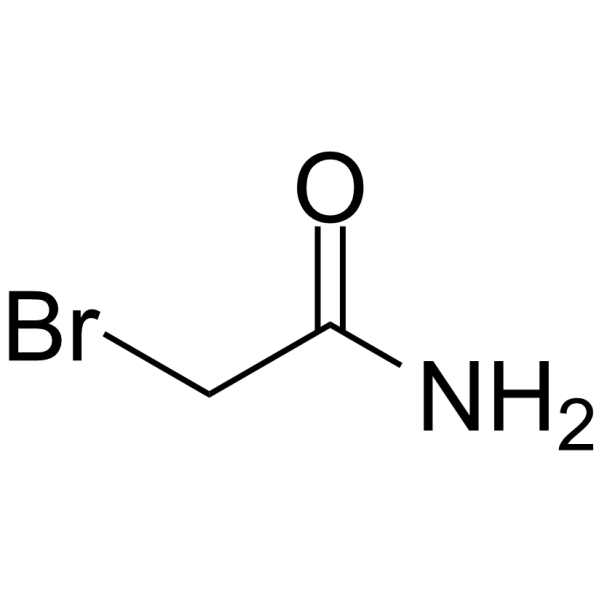
    2-Bromoacetamide is a disinfection byproduct. 2-Bromoacetamide can inactivate liver alcohol dehydrogenase and interfere with microtubule and actin cytoskeletal function. 2-Bromoacetamide is a potent developmental toxicant in animals .
    2-Bromoacetamide
  • HY-18260S

    Endogenous Metabolite Metabolic Disease
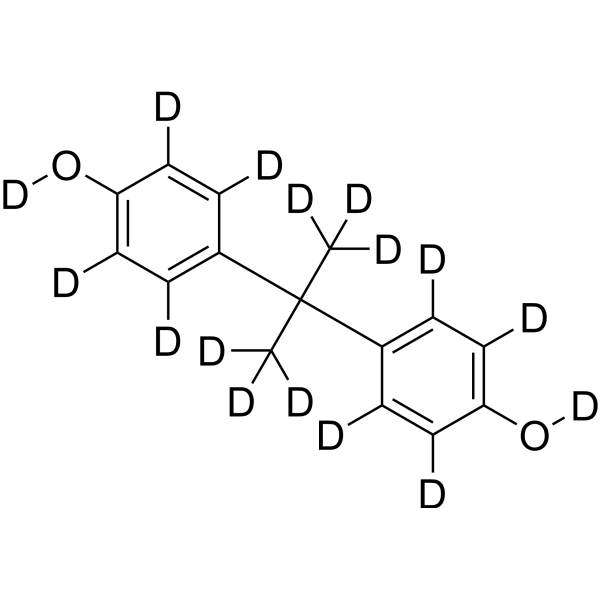
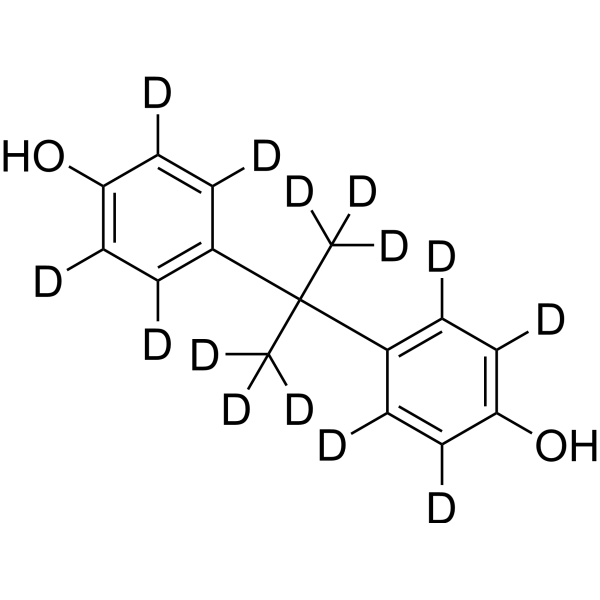
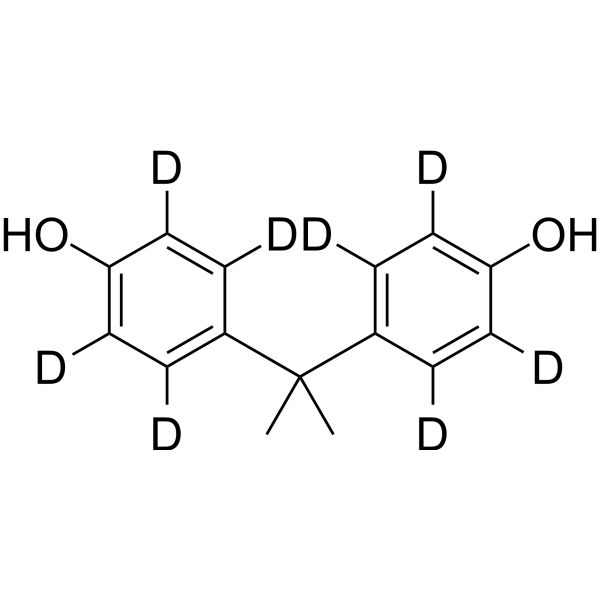
    Bisphenol A-d16 is the deuterium labeled Bisphenol A . Bisphenol A is a phenolic, organic synthetic compound widely used in the production of polycarbonate plastics and epoxy resins. Bisphenol A is a reproductive, developmental, and systemic toxicant, often classified as an endocrine-disrupting compound (EDC). Bisphenol A is associated with many diseases, including cardiovascular diseases, respiratory diseases, diabetes, kidney diseases, obesity, and reproductivedisorders .
    Bisphenol A-d16
  • HY-B1991

    Environmental Pollutants Herbicide Others
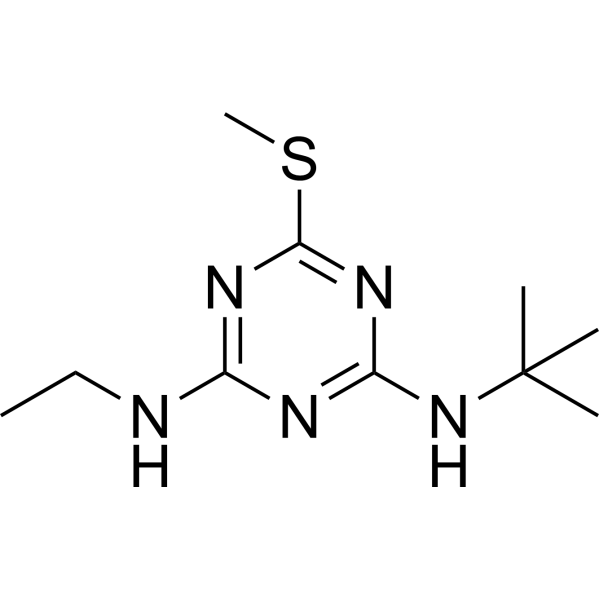
    Terbutryn is a photosystem II inhibitor and aquatic toxicant. Terbutryn interferes with photosynthesis by inhibiting photosystem II. Terbutryn reduces the production of periphyton by acting directly on periphytic algae in artificial indoor streams. Terbutryn reduces the population growth of Lumbriculus variegatus in artificial indoor streams through indirect effects associated with the reduction of food sources for periphyton. The overall 50% dissipation time (DT50) of Terbutryn in the water of artificial indoor streams is 28 d .
    Terbutryn
  • HY-18260R
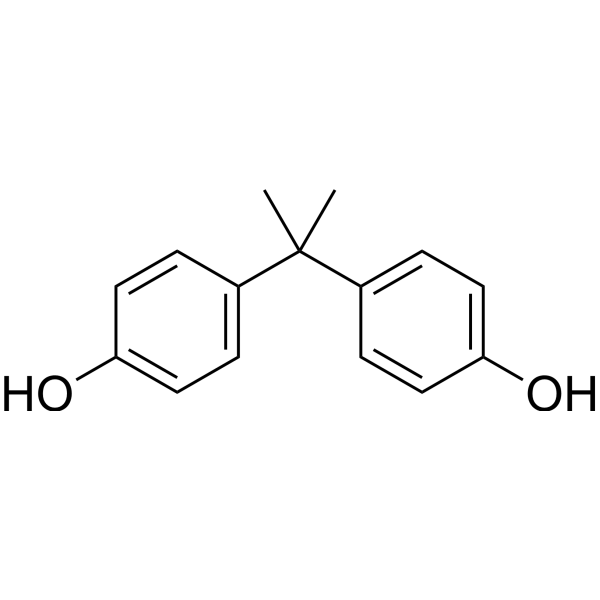
    Bisphenol A (Standard)
    Maximum Cited Publications
    15 Publications Verification

    Endogenous Metabolite Reference Standards Metabolic Disease
    Bisphenol A (Standard) is the analytical standard of Bisphenol A. This product is intended for research and analytical applications. Bisphenol A is a phenolic, organic synthetic compound widely used in the production of polycarbonate plastics and epoxy resins. Bisphenol A is a reproductive, developmental, and systemic toxicant, often classified as an endocrine-disrupting compound (EDC). Bisphenol A is associated with many diseases, including cardiovascular diseases, respiratory diseases, diabetes, kidney diseases, obesity, and reproductivedisorders .
    Bisphenol A (Standard)
  • HY-137994

    Drug Derivative Neurological Disease
    Deschloroetizolam is a designer Benzodiazepine. Deschloroetizolam is a psychoactive substance, with physical and cognitive effects .
    Deschloroetizolam
  • HY-W011215
    Dihexyl phthalate
    1 Publications Verification

    Apoptosis Reactive Oxygen Species (ROS) Inflammation/Immunology
    Dihexyl phthalate is one of the commonly used phthalate esters in various plastics and consumer products. Dihexyl phthalate is classified as a priority pollutant and an endocrine disruptor. Dihexyl phthalate can induce reactive oxygen species (ROS) accumulation, promote inflammation, and lead to significant increases in apoptosis and inflammation-related gene expression levels. Dihexyl phthalate can cause testicular atrophy and is a reproductive toxicant .
    Dihexyl phthalate
  • HY-18260S1

    Isotope-Labeled Compounds Endogenous Metabolite Endocrinology
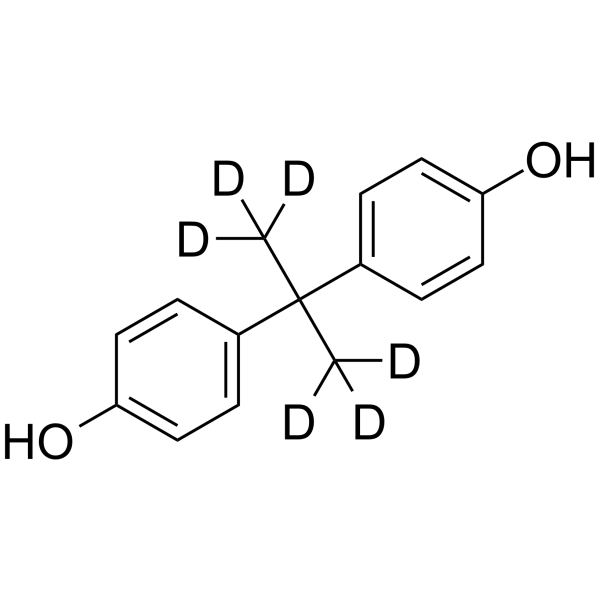
    Bisphenol A-d6 is the deuterium labeled Bisphenol A. Bisphenol A is a phenolic, organic synthetic compound widely used in the production of polycarbonate plastics and epoxy resins. Bisphenol A is a reproductive, developmental, and systemic toxicant, often classified as an endocrine-disrupting compound (EDC). Bisphenol A is associated with many diseases, including cardiovascular diseases, respiratory diseases, diabetes, kidney diseases, obesity, and reproductivedisorders .
    Bisphenol A-d6
  • HY-13318A
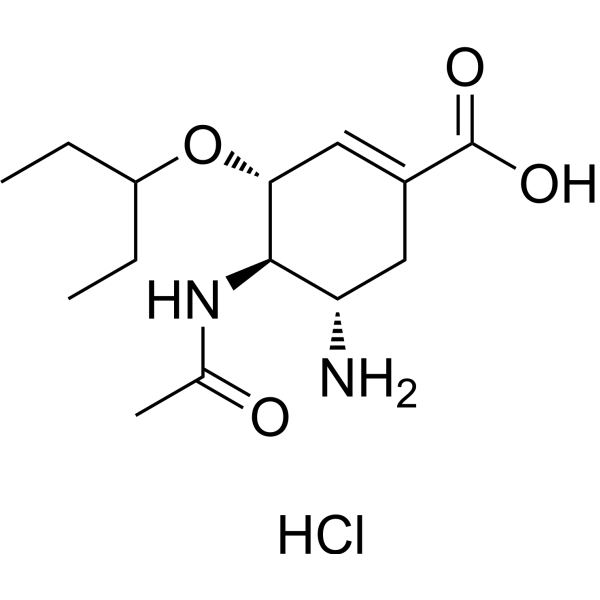
    Oseltamivir acid hydrochloride
    Maximum Cited Publications
    75 Publications Verification

    GS 4071 hydrochloride; Ro 64-0802 hydrochloride; Oseltamivir carboxylate hydrochloride

    Drug Metabolite Infection
    Oseltamivir acid hydrochloride is an active metabolite of the antiviral agent Oseltamivir (HY-13317) ethylester. Oseltamivir acid hydrochloride belongs to baseline toxicants in toxicity ratio analysis .
    Oseltamivir acid hydrochloride
  • HY-18260S6

    Isotope-Labeled Compounds Endogenous Metabolite Metabolic Disease
    Bisphenol A-d14 is a deuterium labeled Bisphenol A (HY-18260). Bisphenol A is a phenolic, organic synthetic compound widely used in the production of polycarbonate plastics and epoxy resins. Bisphenol A is a reproductive, developmental, and systemic toxicant, often classified as an endocrine-disrupting compound (EDC). Bisphenol A is associated with many diseases, including cardiovascular diseases, respiratory diseases, diabetes, kidney diseases, obesity, and reproductivedisorders .
    Bisphenol A-d14
  • HY-W013816

    AMPK Akt Metabolic Disease
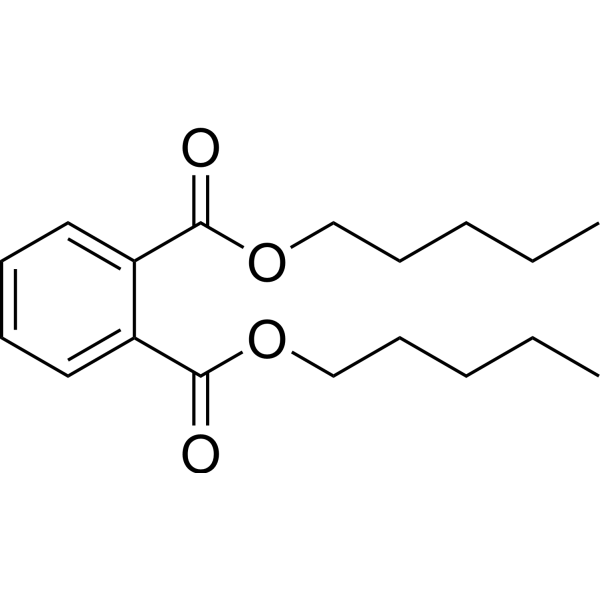
    Dipentyl phthalate is an endocrine-disrupting phthalate plasticizer. Dipentyl phthalate increases AMPK phosphorylation and decreases AKT1 phosphorylation and SIRT1 levels. Dipentyl phthalate reduces adrenocorticotropic hormone levels. Dipentyl phthalate is a testicular toxicant .
    Dipentyl phthalate
  • HY-119902

    Insecticide Infection
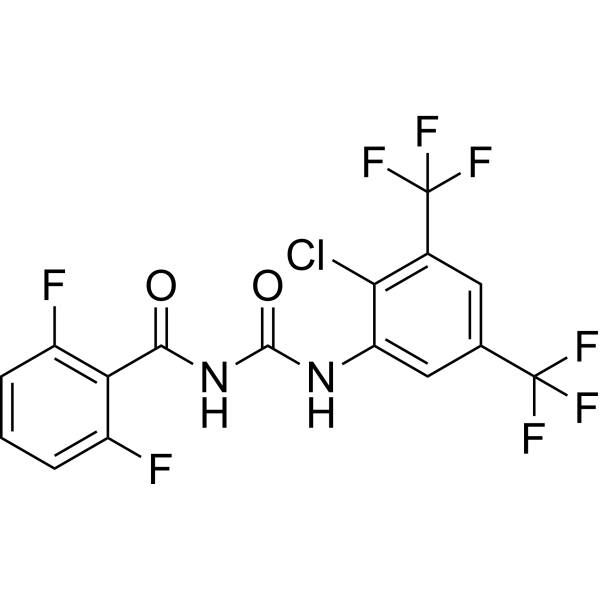
    Bistrifluron is a benzoylphenylurea compound and orally active insecticide with activity against termites. At a concentration of 5,000 ppm, Bistrifluron acts as a bait toxicant against workers of the Formosan subterranean termite (Coptotermes formosanus), and also inhibits the grooming behavior of termites and impairs their motor ability prematurely .
    Bistrifluron
  • HY-121935

    Environmental Pollutants Fungal Infection
    Tecnazene is a dinitroaromatic fungicide and plant growth regulator. Tecnazene binds irreversibly to human skin tissues and exhibits acute toxicity in Rattus norvegicus (brown rat). Tecnazene exerts sprouting-inhibiting and antifungal activities by inhibiting the sprouting of potato tuber buds and blocking the growth and reproduction of fungi that cause dry rot. Tecnazene has significant antifungal and sprouting-inhibiting activities, and shows high toxicity to aquatic organisms such as freshwater fish and crustaceans. Tecnazene is used for sprouting inhibition and dry rot control during potato storage .
    Tecnazene
  • HY-18260S3

    Endogenous Metabolite Metabolic Disease
    Bisphenol A-d8 is the deuterium labeled Bisphenol A . Bisphenol A is a phenolic, organic synthetic compound widely used in the production of polycarbonate plastics and epoxy resins. Bisphenol A is a reproductive, developmental, and systemic toxicant, often classified as an endocrine-disrupting compound (EDC). Bisphenol A is associated with many diseases, including cardiovascular diseases, respiratory diseases, diabetes, kidney diseases, obesity, and reproductivedisorders .
    Bisphenol A-d8
  • HY-18260S4

    Endogenous Metabolite Metabolic Disease
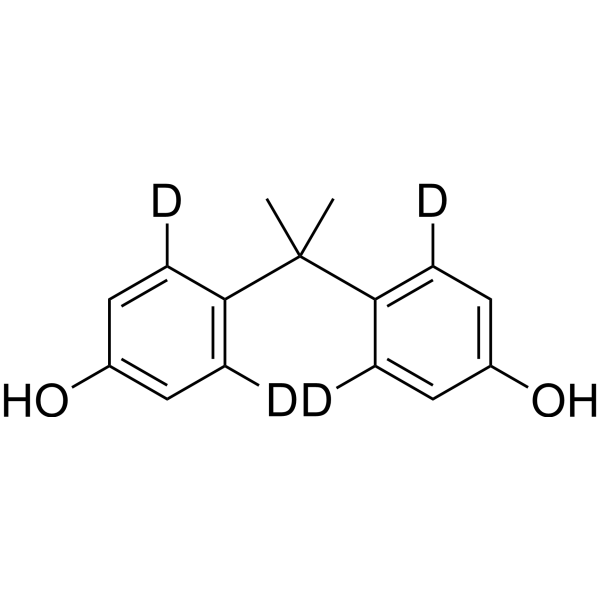
    Bisphenol A-d4 is the deuterium labeled Bisphenol A . Bisphenol A is a phenolic, organic synthetic compound widely used in the production of polycarbonate plastics and epoxy resins. Bisphenol A is a reproductive, developmental, and systemic toxicant, often classified as an endocrine-disrupting compound (EDC). Bisphenol A is associated with many diseases, including cardiovascular diseases, respiratory diseases, diabetes, kidney diseases, obesity, and reproductivedisorders .
    Bisphenol A-d4
  • HY-W011215S

    Isotope-Labeled Compounds Apoptosis Reactive Oxygen Species (ROS) Others
    Dihexyl phthalate-3,4,5,6-d4 is the deuterium labeled Dihexyl phthalate-3,4,5,6. Dihexyl phthalate (HY-W011215) is one of the commonly used phthalate esters in various plastics and consumer products. Dihexyl phthalate is classified as a priority pollutant and an endocrine disruptor. Dihexyl phthalate can induce reactive oxygen species (ROS) accumulation, promote inflammation, and lead to significant increases in apoptosis and inflammation-related gene expression levels. Dihexyl phthalate can cause testicular atrophy and is a reproductive toxicant .
    Dihexyl phthalate-3,4,5,6-d4
  • HY-111159

    Drug Derivative Others
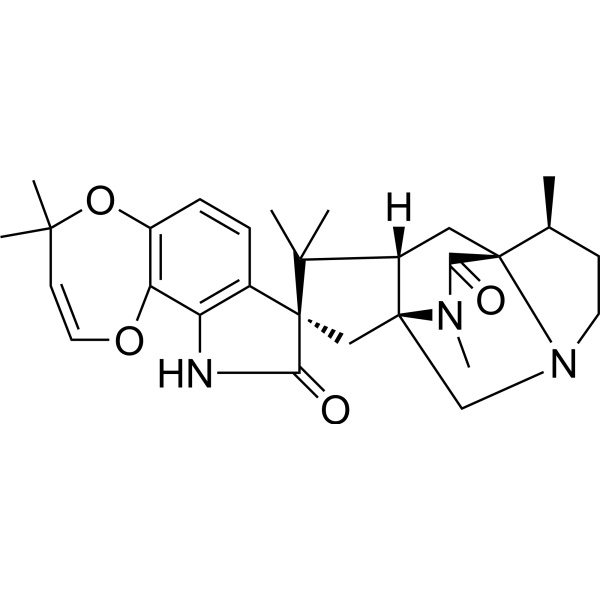
    CP-467688 is a retinal toxicant with a basic pKa=8.1 and lipophilic clogP=5.0. CP-467688 is promising for research of drug-induced retinopathy .
    CP-467688
  • HY-126152

    Herbicide Others
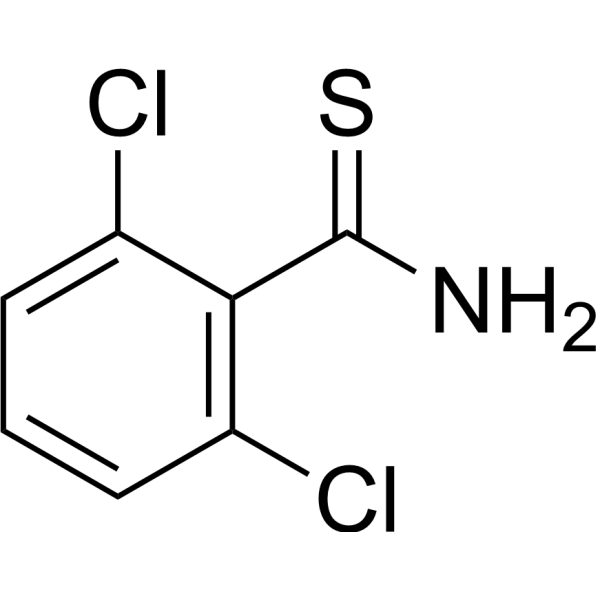
    Chlorthiamid is a broad-spectrum herbicide. Chlorthiamid is an olfactory toxicant with a high in vivo covalent binding in the olfactory mucosa of mice .
    Chlorthiamid
  • HY-W018359

    Environmental Pollutants Bacterial Infection
    Tolyl diiodomethyl sulfone is an organic antibacterial agent that does not cause significant changes in the number of resorbed fetuses, the number of dead fetuses, or the body weight of live fetuses in rats .
    Tolyl diiodomethyl sulfone
  • HY-W013816R

    AMPK Akt Reference Standards Metabolic Disease
    Dipentyl phthalate (Standard) is the analytical standard of Dipentyl phthalate. This product is intended for research and analytical applications. Dipentyl phthalate is an endocrine-disrupting phthalate plasticizer. Dipentyl phthalate increases AMPK phosphorylation and decreases AKT1 phosphorylation and SIRT1 levels. Dipentyl phthalate reduces adrenocorticotropic hormone levels. Dipentyl phthalate is a testicular toxicant .
    Dipentyl phthalate (Standard)
  • HY-119902R

    Insecticide Reference Standards Infection
    Bistrifluron (Standard) is the analytical standard of Bistrifluron. This product is intended for research and analytical applications. Bistrifluron is a benzoylphenylurea compound and orally active insecticide with activity against termites. At a concentration of 5,000 ppm, Bistrifluron acts as a bait toxicant against workers of the Formosan subterranean termite (Coptotermes formosanus), and also inhibits the grooming behavior of termites and impairs their motor ability prematurely .
    Bistrifluron (Standard)
  • HY-18260S5

    Endogenous Metabolite Metabolic Disease
    Bisphenol A-d4-1 is the deuterium labeled Bisphenol A . Bisphenol A is a phenolic, organic synthetic compound widely used in the production of polycarbonate plastics and epoxy resins. Bisphenol A is a reproductive, developmental, and systemic toxicant, often classified as an endocrine-disrupting compound (EDC). Bisphenol A is associated with many diseases, including cardiovascular diseases, respiratory diseases, diabetes, kidney diseases, obesity, and reproductivedisorders .
    Bisphenol A-d4-1
  • HY-178290

    Drug-Linker Conjugates for ADC Drug Intermediate Cancer
    MC-Gly-Gly-Phe-Exatecan analog 38 (Compound L-II-4) is part of an antibody-drug conjugate (ADC), consisting of an ADC toxicant molecule and an ADC linker. MC-Gly-Gly-Phe-Exatecan analog 38 can be used to synthesize ADCs (such as ADC-II-15 and ADC-III-13). MC-Gly-Gly-Phe-Exatecan analog 38 can also be used in cancer research (ADC Cytotoxin: HY-178315, ADC Linker: HY-44235) .
    MC-Gly-Gly-Phe-Exatecan analog 38
  • HY-126152R

    Herbicide Reference Standards Others
    Chlorthiamid (Standard) is the analytical standard of Chlorthiamid. This product is intended for research and analytical applications. Chlorthiamid is a broad-spectrum herbicide. Chlorthiamid is an olfactory toxicant with a high in vivo covalent binding in the olfactory mucosa of mice .
    Chlorthiamid (Standard)
  • HY-135450

    Insecticide Cholinesterase (ChE) Infection Neurological Disease
    Dimefluthrin is an insecticide. Dimefluthrin exhibits contact toxicity against large red imported fire ant workers. Dimefluthrin undergoes horizontal transfer among red imported fire ant workers, causing secondary mortality in recipient workers. Dimefluthrin is a neurodevelopmental toxicant, which can reduces acetylcholinesterase activity, impairing neurotransmitter .
    Dimefluthrin
  • HY-W778391

    Isotope-Labeled Compounds Endogenous Metabolite Cardiovascular Disease Endocrinology
    Bisphenol A- 13C2 is 13C labeled Bisphenol A. Bisphenol A is a phenolic, organic synthetic compound widely used in the production of polycarbonate plastics and epoxy resins. Bisphenol A is a reproductive, developmental, and systemic toxicant, often classified as an endocrine-disrupting compound (EDC). Bisphenol A is associated with many diseases, including cardiovascular diseases, respiratory diseases, diabetes, kidney diseases, obesity, and reproductivedisorders .
    Bisphenol A-13C2
  • HY-W102349

    Parasite Infection
    S-Methyl thioacetate is a toxicant with fumigant activity, can be found in emissions from Bacillus oshimensis, Burkholderia gladioli, Burkholderia cepacia, and Pseudomonas oryzihabitans. S-Methyl thioacetate exerts fumigant toxicity against Caenorhabditis elegans and root-knot nematode Meloidogyne incognita. S-Methyl thioacetate functions as a bacterial volatile organic compound. S-Methyl thioacetate can be used for the research of plant-parasitic nematode infection .
    S-Methyl thioacetate
  • HY-W072994

    Fungal Insecticide Infection
    Copper naphthenate is an organocopper compound with the properties of a fungicide, preservative, oil-borne protectant, and toxicant. Copper naphthenate increases serum and urine copper levels in exposed populations, causes skin irritation, and induces intraperitoneal toxicity in rats. Copper naphthenate inhibits the growth of decay fungi and molds on moso bamboo, kills the free-living stages of Ichthyophthirius multifiliis, and controls wood-boring insects and termites .
    Copper naphthenate
  • HY-W142457

    Biochemical Assay Reagents Fungal Infection Inflammation/Immunology
    Dihydromyrcenol is an orally active flavor ingredient and Antifungal agent. Dihydromyrcenol acts as a toxicant. Dihydromyrcenol induces phototoxicity-related growth inhibition in Bakers' Yeast. In pregnant rats, Dihydromyrcenol causes threshold maternal toxicity by reducing feed consumption and body weight gain, and also induces threshold developmental toxicity by decreasing fetal body weight, inhibiting ossification of metatarsal bones in the hind paws, increasing the number of extra thoracic vertebrae ribs, and altering vertebral counts .
    Dihydromyrcenol
  • HY-W982689

    Biochemical Assay Reagents Metabolic Disease
    Fluindarol is a phenylindandione derivative and an orally active anticoagulant. Fluindarol acts as a toxicant that induces organ and tissue haemorrhages and liver parenchymal necrosis in rats. Fluindarol exhibits acute and cumulative preclinical toxicity in rats, rabbits, and dogs, with higher toxicity in female rats than male rats. Fluindarol lacks analgesic action, produces only minor blood pressure effects, and does not alter circulation, respiration, CNS, or cardiac activity. Fluindarol is considered too toxic for clinical use based on preclinical data .
    Fluindarol
  • HY-W011215R

    Apoptosis Reactive Oxygen Species (ROS) Reference Standards Inflammation/Immunology
    Dihexyl phthalate (Standard) is the analytical standard of Dihexyl phthalate (HY-W011215). This product is intended for research and analytical applications. Dihexyl phthalate is one of the commonly used phthalate esters in various plastics and consumer products. Dihexyl phthalate is classified as a priority pollutant and an endocrine disruptor. Dihexyl phthalate can induce reactive oxygen species (ROS) accumulation, promote inflammation, and lead to significant increases in apoptosis and inflammation-related gene expression levels. Dihexyl phthalate can cause testicular atrophy and is a reproductive toxicant .
    Dihexyl phthalate (Standard)
  • HY-W102352

    Drug Derivative Endocrinology
    Triethylene glycol diacetate is an orally active Triethylene glycol (HY-W017440) derivative with reproduction toxicity. Triethylene glycol diacetate reduces body weights of nursing mouse pups during lactation, with effects reversing by young adulthood, and increases combined kidney/adrenal weight in adult. Triethylene glycol diacetate can be used for the research of reproductive and developmental toxicity .
    Triethylene glycol diacetate
  • HY-131937

    Insecticide Infection
    Tebupirimfos is an insecticide .
    Tebupirimfos
  • HY-W008484

    Environmental Pollutants Herbicide Infection
    Aminopyralid is a synthetic auxin herbicide. Aminopyralid provides foliar and soil residual weed control, and also increases forage yield in bahiagrass pastures. When present as a soil residue, Aminopyralid causes phytotoxicity, reduced plant height, decreased flower number and fruit yield loss in rotated vegetable crops. Aminopyralid is registered for the control of annual and perennial broadleaf weeds in pastures, permanent grasslands and non-cropped areas .
    Aminopyralid

Inquiry Online

Your information is safe with us. * Required Fields.

Salutation


Country or Region *

Applicant Name *


Organization Name *

Department *


Email Address *


Product Name *

Cat. No.


Requested quantity *

Phone Number *


Remarks

Inquiry Online

Inquiry Information

Product Name:
Cat. No.:
Quantity:
MCE Japan Authorized Agent:

