

1. Search Result
Search Result
Results for "

toxicity alleviator

" in MedChemExpress (MCE) Product Catalog:

20

Inhibitors & Agonists

2

Peptides

1

Inhibitory Antibodies

3

Natural
Products

2

Oligonucleotides

Cat. No. Product Name Target Research Areas Chemical Structure
  • HY-N1445
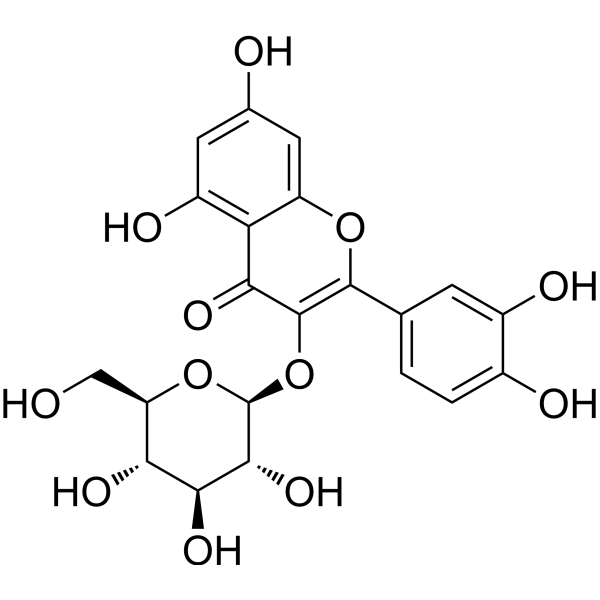
    Isoquercitrin
    Maximum Cited Publications
    7 Publications Verification

    Isoquercetin; Quercetin 3-glucoside

    NF-κB NO Synthase Inflammation/Immunology Cancer
    Isoquercetin (Quercetin 3-glucoside) is a naturally occurring polyphenol that has antioxidant, anti-proliferative, and anti-inflammatory properties. Isoquercetin alleviates ethanol-induced hepatotoxicity, oxidative stress, and inflammatory responses via the Nrf2/ARE antioxidant signaling pathway . Isoquercetin regulates the expression of nitric oxide synthase 2 (NO2) via modulating the nuclear factor-κB (NF-κB) transcription regulation system. Isoquercetin has high bioavailability and low toxicity, is a promising candidate agent to prevent birth defects in diabetic pregnancies .
    Isoquercitrin
  • HY-16657
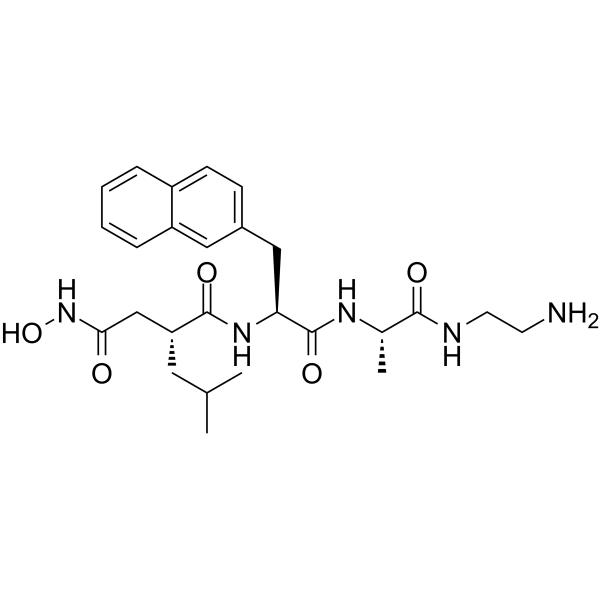
    TAPI-1
    Maximum Cited Publications
    15 Publications Verification

    MMP NF-κB Apoptosis TNF Receptor Inflammation/Immunology Cancer
    TAPI-1 is a broad-spectrum MMP inhibitor and NF-κB p65 inhibitor that targets ADAM17/TACE, ADAM10 and other proteins. TAPI-1 reduces the proteolytic cleavage of membrane-bound TNF-α, decreases TNF-α levels, inhibits NF-κB pathway activation, and downregulates profibrotic markers. TAPI-1 reduces the proportion of proinflammatory immune cells, alleviates cardiac and airway fibrosis, and improves cardiac function after myocardial infarction. Meanwhile, TAPI-1 inhibits the viability, migration and invasion of esophageal squamous cell carcinoma cells, enhances the chemosensitivity of Cisplatin (HY-17394), induces apoptosis, and shows low toxicity to normal esophageal epithelial cells. TAPI-1 can be widely used in studies related to myocardial infarction-induced heart failure, severe traumatic tracheal stenosis, esophageal squamous cell carcinoma and other conditions .
    TAPI-1
  • HY-W115786

    Environmental Pollutants Biochemical Assay Reagents Reactive Oxygen Species (ROS) TNF Receptor Interleukin Related Inflammation/Immunology Cancer
    Kaolin is a family of kaolinitic clays, which is found in the earth's crust. Kaolin alleviates the toxicity of graphene oxide for mammalian cells. Kaolin can be utilized in industrial, cosmetic and medical fields, excipient .
    Kaolin
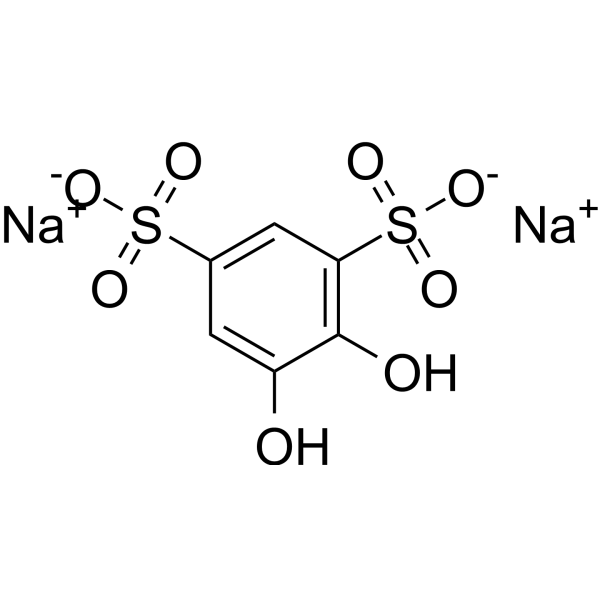
  • HY-D0261
    Tiron
    1 Publications Verification

    Biochemical Assay Reagents Apoptosis Metabolic Disease Inflammation/Immunology Cancer
    Tiron is a non-toxic chelator of a variety of metals. Tiron is cell permeable analog of vitamin E and function as hydroxyl radical and superoxide scavenger. Tiron is an orally active antioxidant. Tiron can be used to alleviate acute metal overload in animals .
    Tiron
  • HY-P1934
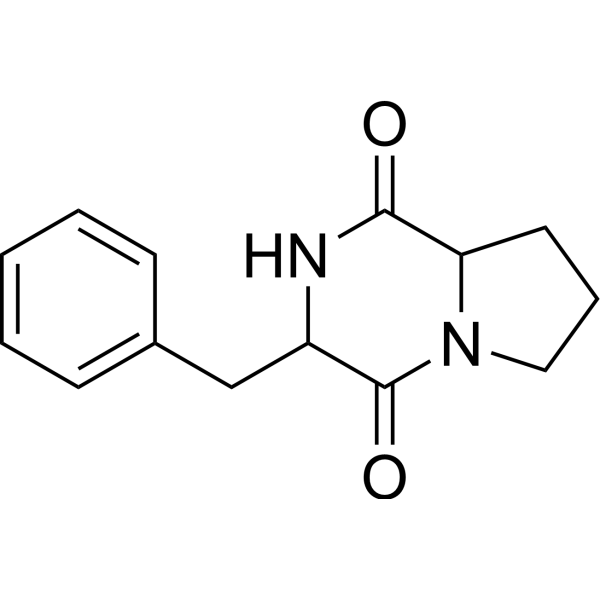
    Cyclo(Phe-Pro)
    5+ Cited Publications

    Cyclo(phenylalanylprolyl); A-64863

    HCV Bacterial Antibiotic Reactive Oxygen Species (ROS) Infection
    Cyclo(Phe-Pro) (Cyclo(phenylalanylprolyl)) is a quorum-sensing molecule of Vibrio vulnificus that specifically interacts with RIG-I, inhibiting RIG-I polyubiquitination, suppressing IRF-3 activation, and reducing type I interferon production. Cyclo(Phe-Pro) enhances susceptibility to HCV and influenza virus and also alleviates plant aluminum toxicity stress. The mechanism of Cyclo(Phe-Pro) involves the regulation of host immune signaling pathways, bacterial virulence gene expression, and plant antioxidant systems, making it a promising candidate for research in viral infections, bacterial virulence regulation, and agricultural stress resistance .
    Cyclo(Phe-Pro)
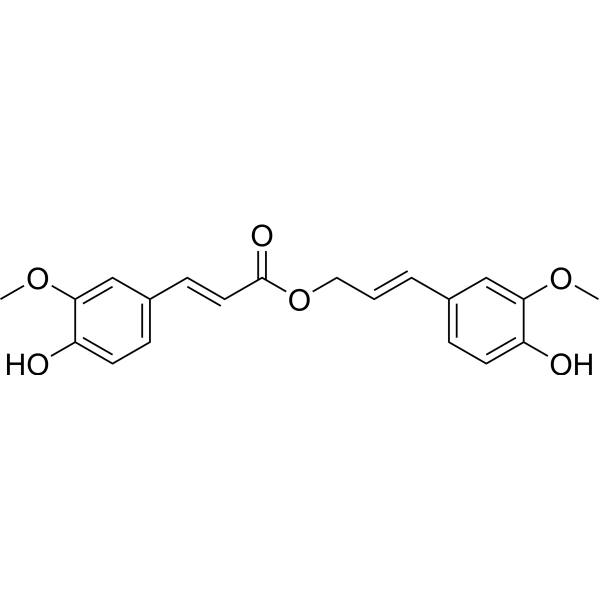
  • HY-N1916
    Coniferyl ferulate
    1 Publications Verification

    Glutathione S-transferase P-glycoprotein Apoptosis iGluR CaMK p38 MAPK Reactive Oxygen Species (ROS) Bacterial Infection Cardiovascular Disease Neurological Disease Inflammation/Immunology Cancer
    Coniferyl ferulate is an orally active phenolic acid compound. Coniferyl ferulate is a potent inhibitor of glutathione S-transferase (GST) (IC50 = 0.3 μM), which downregulates P-gp expression, induces apoptosis in B-MD-C1 (ADR+/+) cells, and reverses multidrug resistance. Coniferyl ferulate blocks the NMDAR/NR2B-CaMKII-MAPKs signaling pathway, inhibits ROS production and mitochondrial apoptosis, while reshapes the intestinal microbiota and microbial metabolism, ameliorates colonic inflammation and alleviates depressive symptoms in mice. Coniferyl ferulate can alleviate the toxicity of xylene to hematopoietic stem and progenitor cells by targeting Mgst2. Coniferyl ferulate exhibits antibacterial activity against the Gram-positive Bacillus subtilis and Staphylococcus aureus .
    Coniferyl ferulate
  • HY-141617

    Liposome Metabolic Disease
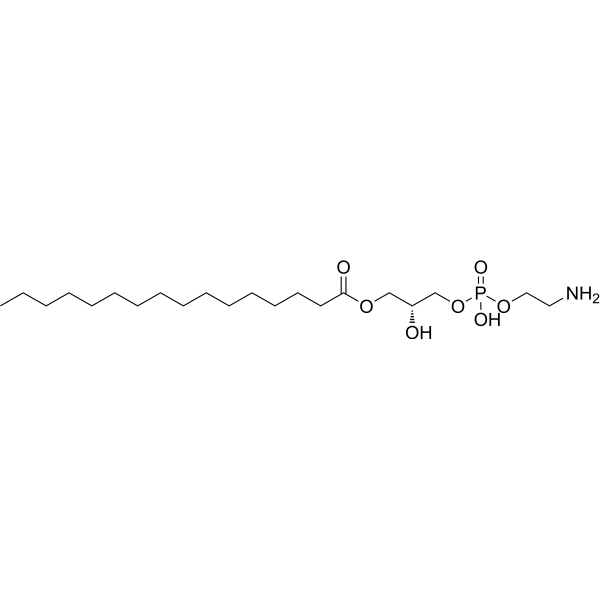
    1-Palmitoyl-2-hydroxy-sn-glycero-3-PE is a naturally occurring lysophospholipid. 1-Palmitoyl-2-hydroxy-sn-glycero-3-PE also acts as an immune response regulator and toxicity alleviator produced by Microcystis aeruginosa under Cu 2+ stress .
    1-Palmitoyl-2-hydroxy-sn-glycero-3-PE
  • HY-155998
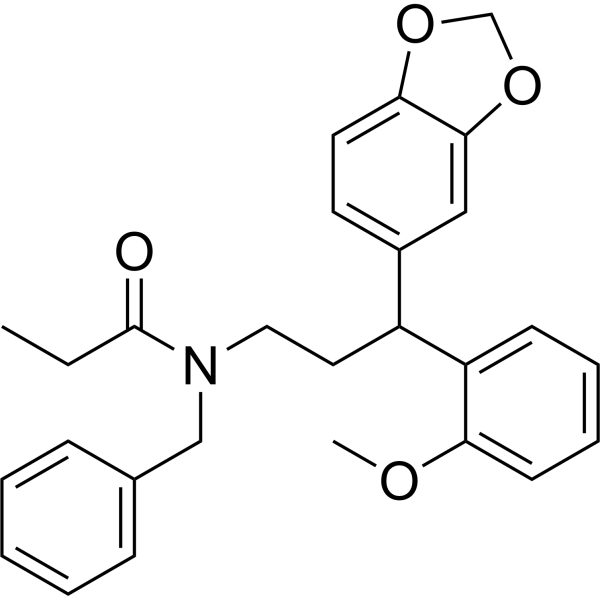
    NF-κB-IN-11
    1 Publications Verification

    NF-κB Inflammation/Immunology
    NF-κB-IN-11 (Compound 3i) is a NF-κB inhibitor. NF-κB-IN-11 inhibits TNF-α induced activation of NF-κB pathway, and inhibits nuclear translocation of NF-κB. NF-κB-IN-11 down-regulates the expression levels of phosphor-IKK, IκBα, and NF-κB p65. NF-κB-IN-11 has anti-inflammatory activity, and alleviates dextran sulfate sodium-induced colitis in mice. NF-κB-IN-11 (p.o.) shows a MTD more than 1852 mg/kg in mice acute toxicity assay .
    NF-κB-IN-11
  • HY-N1445R
    Isoquercitrin (Standard)
    1 Publications Verification

    Isoquercetin (Standard); Quercetin 3-glucoside (Standard)

    Reference Standards NF-κB NO Synthase Inflammation/Immunology Cancer
    Isoquercetin (Standard) is the analytical standard of Isoquercetin. This product is intended for research and analytical applications. Isoquercetin (Quercetin 3-glucoside) is a naturally occurring polyphenol that has antioxidant, anti-proliferative, and anti-inflammatory properties. Isoquercetin alleviates ethanol-induced hepatotoxicity, oxidative stress, and inflammatory responses via the Nrf2/ARE antioxidant signaling pathway . Isoquercetin regulates the expression of nitric oxide synthase 2 (NO2) via modulating the nuclear factor-κB (NF-κB) transcription regulation system. Isoquercetin has high bioavailability and low toxicity, is a promising candidate agent to prevent birth defects in diabetic pregnancies .
    Isoquercitrin (Standard)
  • HY-156959

    JAK TRP Channel MetAP Infection Inflammation/Immunology
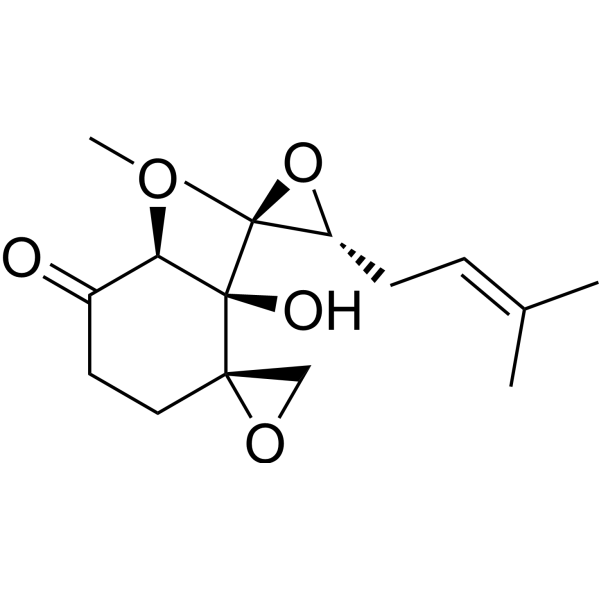
    Ovalicin is a multi-target inhibitor that targets MetAP2, HRH2, JAK2 and TRPV1, with anti-inflammatory and anti-atopic dermatitis activities. Ovalicin covalently binds to MetAP2 to inhibit its function, thereby blocking the replication of Enterocytozoon bieneusi and Vittaforma corneae. Ovalicin alleviates intestinal injury and prolongs survival in infected mouse models, without showing obvious hepatorenal toxicity. Ovalicin attenuates LPS-induced calcium influx, reduces the infiltration of macrophages and mast cells in the skin, and regulates the expression of inflammation-related genes such as IL-31, effectively relieving allergic symptoms in mouse models. Ovalicin can be used for the research of microsporidiosis and atopic dermatitis .
    Ovalicin
  • HY-163035

    TNF Receptor IFNAR Inflammation/Immunology
    EM-163 is a summative BB-Loop analog. EM-163 can alleviate inflammation and prevent death from toxic shock by targeting the TIR domain of MyD88. EM-163 can be used in the study of SEB poisoning (SEB: Staphylococcal enterotoxin B) .
    EM-163
  • HY-P99952

    SCT400

    CD20 Cardiovascular Disease Inflammation/Immunology Endocrinology Cancer
    Ripertamab (SCT400) is a recombinant human-mouse chimeric anti-CD20 IgG1κ monoclonal antibody. As an immunomodulator, ripertamab reduces the levels of pathogenic autoantibodies, alleviates immune complex deposition, and blocks the antigen-presenting function of cells. Ripertamab depletes CD20-positive cells. Ripertamab can induce infusion-related reactions, pulmonary toxicity, neutropenia and thrombocytopenia. Ripertamab is applicable to research related to non-Hodgkin's lymphoma, primary membranous nephropathy and idiopathic membranous nephropathy .
    Ripertamab
  • HY-P10360

    α-synuclein Neurological Disease
    Tat-βsyn-degron is an α-synuclein knockdown peptide that effectively degrades α-synuclein protein via the proteasome pathway. Tat-βsyn-degron effectively reduces α-synuclein protein levels in primary rat cortical neuron cultures. In a Parkinson's mouse toxicity model, Tat-βsyn-degron can alleviate parkinsonian toxin-induced neuronal damage and movement disorders .
    Tat-βsyn-degron
  • HY-162573

    Monoamine Oxidase Neurological Disease
    Monoamine Oxidase B inhibitor 5 (Compound 16d) is a selective and reversible inhibitor for monoamine oxidase B (hMAO-B) with an IC50 of 67.3 nM and a Ki of 82.5 nM. Monoamine Oxidase B inhibitor 5 exhibits good pharmacokinetic characters and weak toxicity in rats model. Monoamine Oxidase B inhibitor 5 alleviates MPTP-induced (HY-15608) motor impairment in Parkinson’s mouse model. Monoamine Oxidase B inhibitor 5 is blood-brain barrier (BBB) penetrate .
    Monoamine Oxidase B inhibitor 5
  • HY-173397

    β-glucuronidase Bacterial Metabolic Disease
    β-Glucuronidase-IN-3 (Compound 49) is a covalent allosteric β-glucuronidase inhibitor. β-Glucuronidase-IN-3 has potent inhibitory activity against Escherichia coli β-glucuronidase (EcGUS) (IC50: 12.9 nM). β-Glucuronidase-IN-3 exerts its inhibitory effect by reversibly covalently modifying the cysteine residues (Cys28, Cys443, and Cys197) of EcGUS. β-Glucuronidase-IN-3 can be used in the study of intestinal microbiota-related diseases, especially to alleviate the toxic side effects of Irinotecan (HY-16562) and nonsteroidal anti-inflammatory drugs (NSAIDs) .
    β-Glucuronidase-IN-3
  • HY-185306

    PP 745

    Herbicide Phosphatase β-glucuronidase Metabolic Disease
    Morfamquat dichloride (PP 745) is a bipyridine herbicide. Acute poisoning by Morfamquat dichloride strongly stimulates the reticuloendothelial system, causes lysosomal membrane damage and enzyme leakage, and interferes with the function of hepatocyte Golgi apparatus and related glucose metabolic pathways. Morfamquat dichloride significantly increases the activities of acid phosphatase and β-glucuronidase, exerting toxic effects on mice, while pre-administration of vitamin E alleviates such toxicity .
    Morfamquat dichloride
  • HY-123255

    Proteasome MMP Apoptosis Autophagy Cardiovascular Disease Neurological Disease Cancer
    BSc2118 is a 20S proteasome inhibitor with an IC50 of approximately 50 nM. BSc2118 induces G2/M phase cell cycle arrest and apoptosis in myeloma cells, inhibits cytoprotective autophagy, and suppresses tumor angiogenesis. BSc2118 reduces MMP9 activity, promotes angioneurogenesis, and alleviates recombinant tissue-type plasminogen activator-induced cerebral toxicity. BSc2118 is applicable to studies related to cerebral ischemia and multiple myeloma .
    BSc2118
  • HY-178276

    α-synuclein Neurological Disease
    α-Synuclein-IN-18 (Compound Mol D) is an inhibitor of the autocatalytic proliferation of α-Synuclein aggregate. α-Synuclein-IN-18 can specifically bind to the conserved binding pocket on the surface of α-synuclein fibrils. α-Synuclein-IN-18 can delay the aggregation process of α-synuclein, extend the aggregation T1/2 by three times. α-Synuclein-IN-18 can reduce the generation flux of α-synuclein toxic oligomers, thereby alleviating the neurotoxicity. α-Synuclein-IN-18 can be used for research of Parkinson’sdisease .
    α-Synuclein-IN-18
  • HY-182365

    Histone Demethylase Neurological Disease Inflammation/Immunology
    EED-IN-4 is an orally active, EZH2-selective immunomodulator and EED-H3K27me3 inhibitor (EED, IC50=28.21 nM) with anti-inflammatory activity. In mouse models, EED-IN-4 preferentially and persistently accumulates in lymph nodes after oral administration. By reducing the H3K27me3 level of dendritic cells and inhibiting their migration, EED-IN-4 reduces the infiltration of immune cells into the central nervous system and effectively alleviates spinal cord inflammation. EED-IN-4 shows weak inhibitory activity against hERG channels and is non-mutagenic, with no obvious toxicity observed upon long-term oral administration. EED-IN-4 can be used for the research of multiple sclerosis .
    EED-IN-4
  • HY-184158

    AUTACs HIF/HIF Prolyl-Hydroxylase Metabolic Disease Inflammation/Immunology
    HATC is a HIF-1α AUTAC degrader. HATC links HIF-1α to LC3 to form a ternary complex that undergoes degradation via the autophagy-lysosome fusion pathway. HATC induces dose-dependent HIF-1α degradation in multiple cell types. HATC reduces visceral fat accumulation, hepatic lipid deposition, senescent cell aggregation, and bone loss; alleviates age-related intervertebral disc degeneration, liver dysfunction, kyphosis, and alveolar dilation; decreases circulating lactic acid levels; improves physical performance; and reverses age-related changes in granulocyte proportions. HATC extends median and maximum lifespan, reduces transcriptomic age, and causes no obvious persistent toxicity. HATC can be used in the research of age-related diseases (pink: LC3 ligand (HY-50759); blue: HIF-1α ligand (HY-P10426); Linker: (HY-W008264)) .
    HATC

Inquiry Online

Your information is safe with us. * Required Fields.

Salutation


Country or Region *

Applicant Name *


Organization Name *

Department *


Email Address *


Product Name *

Cat. No.


Requested quantity *

Phone Number *


Remarks

Inquiry Online

Inquiry Information

Product Name:
Cat. No.:
Quantity:
MCE Japan Authorized Agent:

