101 Results for "

tumor protein p53

" in MedChemExpress (MCE) Product Catalog:
Products (101)

101 Results for "tumor protein p53" in MCE Product Catalog:

52
52 Publications Verification
Cat. No.: HY-15676
CAS No.: 1229705-06-9
Purity:  99.93%
Synonyms: RG7388
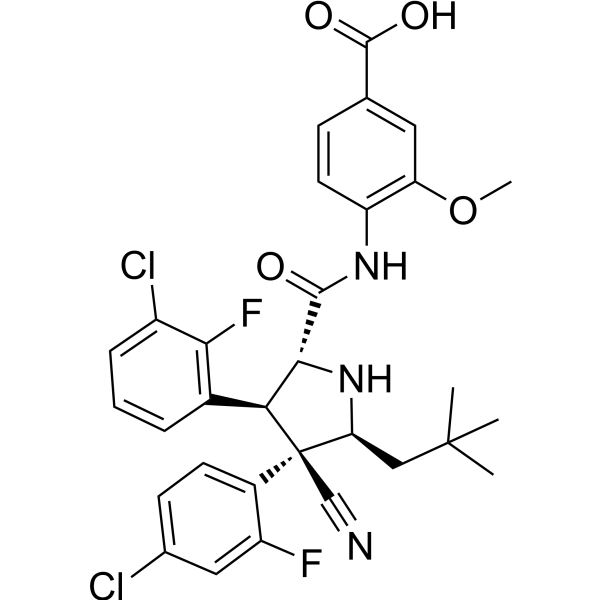
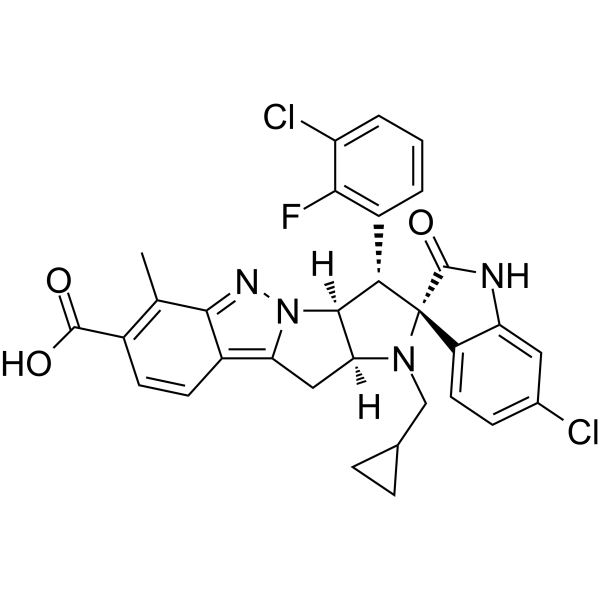
Idasanutlin (RG7388) is an orally bioavailable MDM2 inhibitor with an IC50 of 6 nM. Idasanutlin disrupts MDM2-p53 binding, stabilizes and activates p53, triggering cell cycle arrest, apoptosis, and reduced cancer cell viability. Idasanutlin reduces EGFR protein expression and phosphorylation, suppresses downstream SHP2, MEK1/2, ERK1/2, AKT, mTOR, p70(S6K1), and S6 signaling. Idasanutlin induces mitochondrial ROS production, drives p38 MAPK phosphorylation, upregulates NOXA, and mediates caspase-3-dependent apoptosis and gasdermin E-mediated pyroptosis. Idasanutlin can be used for the research of TP53-mutant non-small cell lung cancer, T-cell acute lymphoblastic leukemia, colorectal carcinoma, melanoma, diffuse large B-cell lymphoma, mantle cell lymphoma, non-Hodgkin lymphoma, severe fever with thrombocytopenia syndrome, neuroblastoma, acute lymphoblastic leukemia, relapsed or refractory acute myeloid leukemia, osteosarcoma, solid tumors, and hematological tumors .
loading...
    loading...
4
4 Cited Publications
Cat. No.: HY-N2445
CAS No.: 37308-75-1
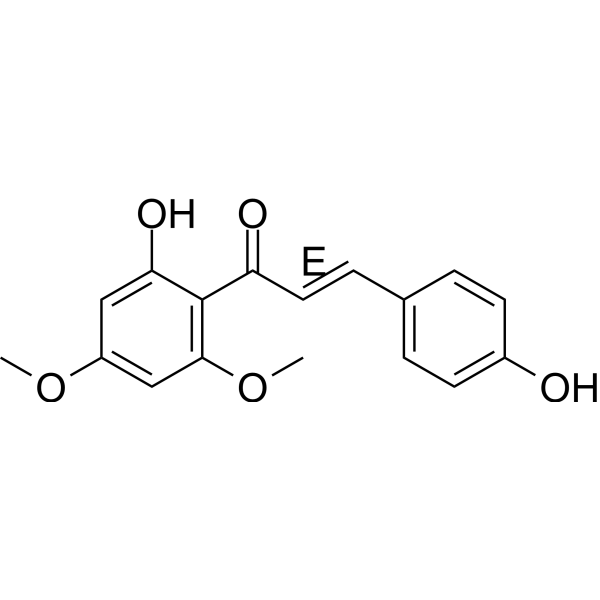
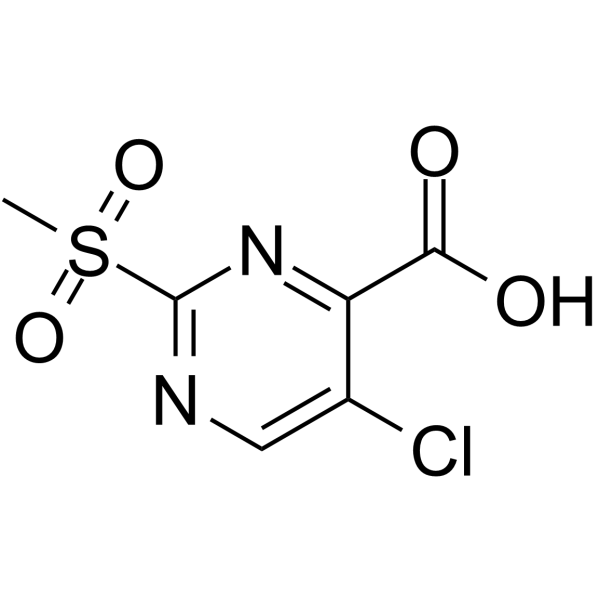
Flavokawain C is an orally active natural chalcone. Flavokawain C inhibits the proliferation of various cancer cells. Flavokawain C upregulates GADD153 in cancer cells, inhibits the phosphorylation of Akt and JNK, suppresses early ERK phosphorylation, activates late ERK phosphorylation, activates caspase related subtypes, induces PARP-1 cleavage, causes upregulation of p21 and p27, downregulation of mutant p53 and anti-apoptotic IAP proteins, elevates intracellular ROS levels, reduces SOD activity, and induces apoptosis. Flavokawain C downregulates FABP4, induces autophagy in cancer cells, and activates the AMPK/mTOR pathway . Flavokawain C decreases the expression of glycolysis-related proteins GLUT1 and HK2, and inhibits glycolysis in nasopharyngeal carcinoma cells. Flavokawain C inhibits the activation of the EGFR/PI3K/Akt/mTOR signaling pathway and reduces the expression of HSP90B1. Flavokawain C inhibits angiogenesis by decreasing the expression of angiogenic proteins Ang-1 and VEGF in human umbilical vein endothelial cells. Flavokawain C increases γ-H2AX levels in cells, inhibits the phosphorylation of FAK, PI3K and AKT in cells, and induces DNA damage in cells. Flavokawain C exerts anti-tumor activity in multiple tumor xenograft mouse models. Flavokawain C is applicable to research related to colorectal cancer, colon adenocarcinoma, nephroblastoma, nasopharyngeal carcinoma and liver cancer .
loading...
    loading...
3
3 Cited Publications
Cat. No.: HY-156633
CAS No.: 2636846-41-6
Purity:  99.78%
Synonyms: PC14586
Target:  

MDM-2/p53

Research Areas:  

Cancer

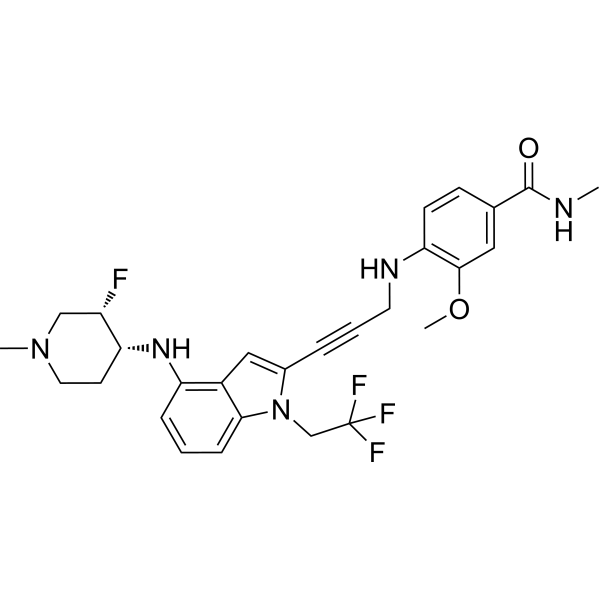
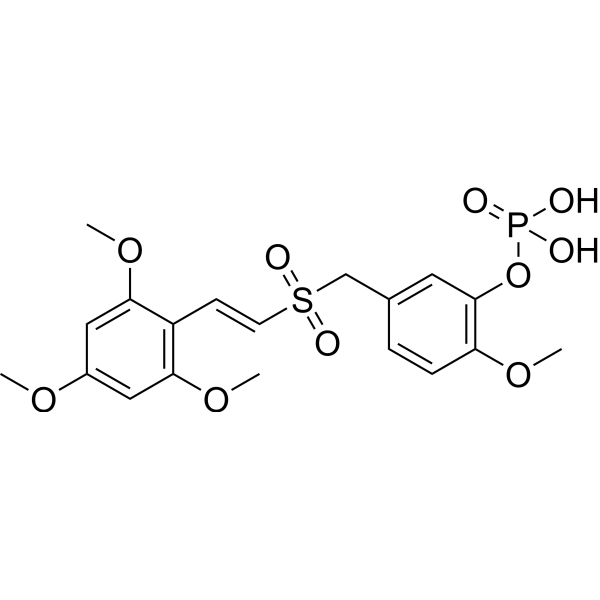
Rezatapopt (PC14586) is an orally active antineoplastic agent. Rezatapopt binds to a pocket created by the TP53 Y220C mutation. Rezatapopt restores p53 tumor suppressor functions by stabilization of the p53 protein structure. Rezatapopt demonstrates tumor inhibition and regression in mouse models with established human tumor xenografts harboring the TP53 Y220C mutation .
loading...
    loading...
3
3 Cited Publications
Cat. No.: HY-B1336
CAS No.: 67-45-8
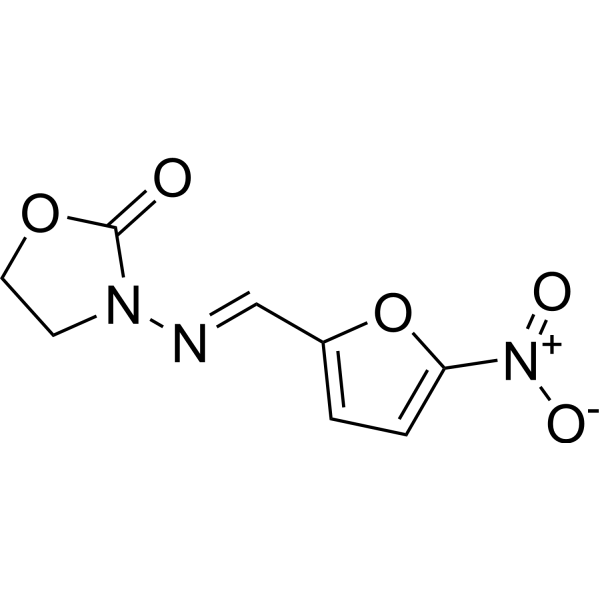
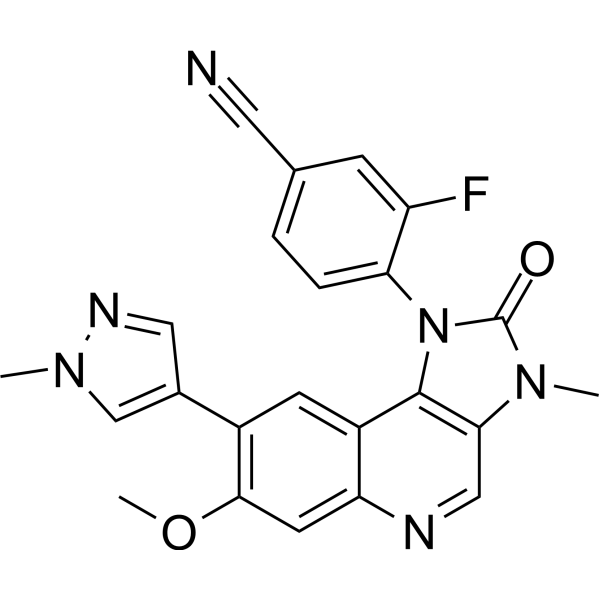
Furazolidone is a monoamine oxidase (MAO) inhibitor with antiproliferative, apoptosis-inducing and differentiation-promoting activities. Furazolidone may inhibit leukemia fusion protein-mediated bone marrow transformation by upregulating the stability of the tumor suppressor protein p53. Furazolidone exhibits anti-leukemic activity in acute myeloid leukemia (AML) cell lines and can be used for anti-AML research [2].
loading...
    loading...
2
2 Cited Publications
Cat. No.: HY-N4118
CAS No.: 483-17-0
Synonyms: (-)-Cephaeline; NSC 32944 free base
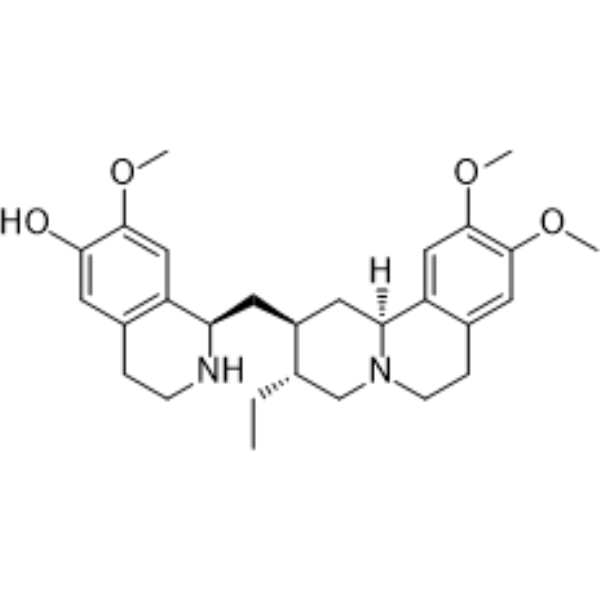
Cephaeline ((-)-Cephaeline; NSC 32944) is a ferroptosis inducer, with broad-spectrum anticancer and antiviral activities. Cephaeline induces ferroptosis (Ferroptosis) by upregulating p53, inhibiting NRF2, activating ULK3, downregulating the expressions of SLC7A11 and GPX4 in a p53-dependent manner, reducing GSH and mitochondrial membrane potential, and increasing lipid peroxidation and iron accumulation. Cephaeline inhibits cancer cell proliferation, migration and tumor growth. Cephaeline inhibits Ebola virus (EBOV) VLP entry and infection, with IC50 values of 3.27 μM and 22.18 μM respectively; it also inhibits Zika virus (ZIKV) NS5 RdRp activity (IC50 = 976 nM), and binds to severe acute respiratory syndrome coronavirus 2 (SARS-CoV-2) RdRp and N protein, with Kd values of 8.9 μM and 53.8 μM respectively. Cephaeline can be used in studies related to breast cancer, lung cancer, COVID-19, EBOV and ZIKV infections .
loading...
    loading...
2
2 Cited Publications
Cat. No.: HY-108638
CAS No.: 59474-01-0
Purity:  99.60%
Synonyms: XI-011 hydrochloride
Target:  

MDM-2/p53 Apoptosis PARP

Research Areas:  

Cancer

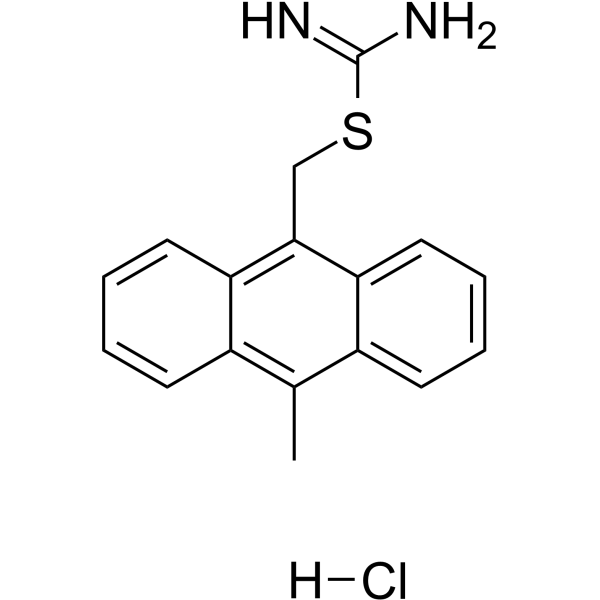
NSC 146109 hydrochloride (XI-011 hydrochloride) is a p53 activator and MDMX inhibitor. NSC 146109 hydrochloride inhibits MDMX gene transcription, downregulates MDMX mRNA and protein levels, stabilizes p53 and activates the transcriptional activity of p53. NSC 146109 hydrochloride induces cancer cell apoptosis (apoptosis) and inhibits the growth of transformed cells. NSC 146109 hydrochloride inhibits the growth of xenograft tumors. NSC 146109 hydrochloride can be used in research related to breast cancer and cervical cancer .
loading...
    loading...
2
2 Cited Publications
Cat. No.: HY-P700309
Purity:  ≥ 85%, as determined by reducing SDS-PAGE.
Synonyms: SAA1; PIG4; Prev. SAA; Serum Amyloid A protein; Tp53I4; tumor protein p53 Inducible protein 4; Serum Amyloid A1; Serum Amyloid A-1 protein
Species:  
Mouse
Source:  
E. coli
loading...
    loading...
1
1 Cited Publications
Cat. No.: HY-126437
CAS No.: 25988-63-0
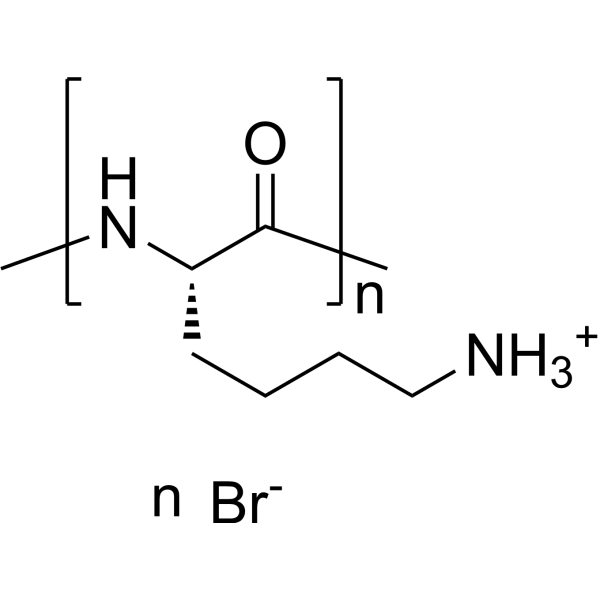
Poly-L-lysine hydrobromide (MW 30000-70000) is a water-soluble synthetic polypeptide. Poly-L-lysine hydrobromide (MW 30000-70000) downregulates Bcl-2 and upregulates Bax and p53 proteins. Poly-L-lysine hydrobromide (MW 30000-70000) promotes Apoptosis and reduces VEGF expression. Poly-L-lysine hydrobromide (MW 30000-70000) shows anticancer activity against a variety of tumors. Poly-L-lysine hydrobromide (MW 30000-70000) can also be used as a coating material .
loading...
    loading...
1
1 Cited Publications
Cat. No.: HY-128841
CAS No.: 2249944-99-6
Purity:  96.01%
Research Areas:  

Cancer

PROTAC MDM2 Degrader-2 is an MDM2 PROTAC degrader. PROTAC MDM2 Degrader-2 can induce the self-ubiquitination and degradation of MDM2, thereby upregulating the level of p53 protein. PROTAC MDM2 Degrader-2 has anti-tumor activity and can be used in the study of cancer .
loading...
    loading...
1
1 Cited Publications
Cat. No.: HY-P72257
Purity:  ≥ 90%, as determined by reducing SDS-PAGE.
Synonyms: Tp53; Mutant tumor protein 53; tumor protein p53; Li-Fraumeni Syndrome; p53; tumor Supressor p53; Cellular tumor Antigen p53; tumor protein 53; LFS1; p53-Ex10 Isoform; tumor Suppressor p53; Truncated Tp53; Phosphoprotein p53; Truncated p53; Antigen NY-CO-
Species:  
Human
Source:  
E. coli
loading...
    loading...
1
1 Cited Publications
Cat. No.: HY-P70510
Purity:  ≥ 95%, as determined by reducing SDS-PAGE.
Synonyms: SAA1; PIG4; Prev. SAA; Serum Amyloid A protein; Tp53I4; tumor protein p53 Inducible protein 4; Serum Amyloid A1; Serum Amyloid A-1 protein
Species:  
Human
Source:  
E. coli
loading...
    loading...
Cat. No.: HY-152859
CAS No.: 2095116-40-6
Purity:  99.72%
Synonyms: BI 907828
Research Areas:  

Cancer

Brigimadlin (BI 907828) is an orally active E3 ubiquitin-protein ligase MDM-2 inhibitor, preventing MDM-2 from negatively regulating the tumor suppressor p53. Brigimadlin can be used for antineoplastic research .
loading...
    loading...
Cat. No.: HY-U00447
CAS No.: 38275-34-2
Research Areas:  

Cancer

PK11000 is an alkylating agent, and stabilizes the DNA-binding domain of both WT and mutant p53 proteins by covalent cysteine modification without compromising DNA binding. PK11000 has anti-tumor activities .
loading...
    loading...
Cat. No.: HY-16366
CAS No.: 865783-99-9
Synonyms: ON 014185
Briciclib (ON 014185) is a eukaryotic translation initiation factor 4E (eIF4E) inhibitor. Briciclib exhibits broad-spectrum anti-cancer activity, including in mantle cell leukemia, breast cancer, gastric cancer, and esophageal cancer cells. Briciclib reduces the expression of cyclin D1 and c-Myc, and enhances the expression of P53 and Cleaved Caspase 3 pro-apoptotic proteins. Briciclib can be used for the study of hematological system tumors and solid tumors .
loading...
    loading...
Cat. No.: HY-160096
CAS No.: 1360628-91-6
Research Areas:  

Cancer

M3541 is an orally effective DNA-dependent protein kinase (DNA-PK) inhibitor . M3541 inhibits ionizing radiation-induced ATM autophosphorylation and phosphorylation of downstream substrates (KAP1, CHK2, p53), blocks DSB end resection and homologous recombination repair, and simultaneously induces non-homologous end joining, G2-M phase arrest, polyploidization, and cell death. M3541 can be used for research on solid tumors, acute myeloid leukemia, non-small cell lung cancer, triple-negative breast cancer, etc. .
loading...
    loading...
Cat. No.: HY-169369
CAS No.: 3109600-48-5
Synonyms: XJZ-06-462
Target:  

MDM-2/p53 Apoptosis

Research Areas:  

Cancer

TRAP-1 (XJZ-06-462) is a transcriptional activator of p53 (TRAP) with JQ-1 carboxylic acid (HY-78695) as its target protein ligand. TRAP-1 forms a ternary complex with p53 Y220C and BRD4, potently activates p53 transcription, and inhibits the growth and proliferation of tumor cells. TRAP-1 upregulates p21 and other p53 target genes in pancreatic cell lines carrying p53 Y220C, and induces cellular senescence and apoptosis. TRAP-1 can be used in cancer research involving p53 Y220C-carrying tumors .
loading...
    loading...
Cat. No.: HY-P2040
CAS No.: 118399-22-7
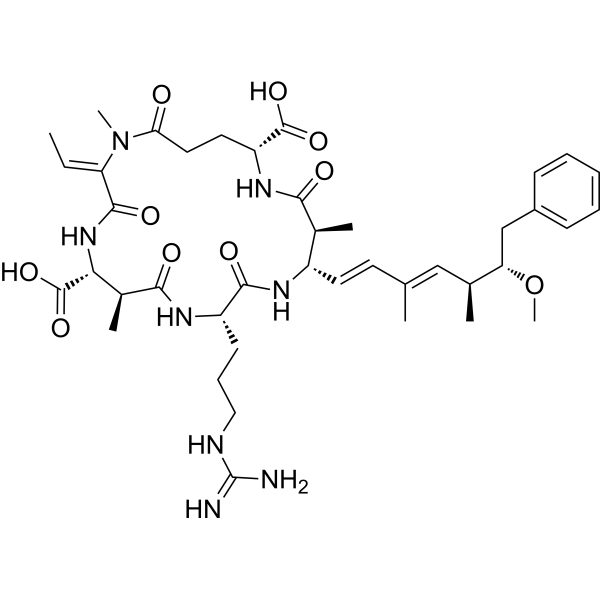
Nodularin is a hepatotoxin, tumor promoter, and protein phosphatase inhibitor. Nodularin induces apoptosis (apoptosis) in normal cells (including caspase activation, upregulation of Bcl-XS, and upregulation of BAX/P53), triggers hyperphosphorylation of the MAPK/ERK, mTOR/S6K and p38 MAPK signaling pathways, and induces oxidative stress, endoplasmic reticulum membrane instability, peroxisome proliferation and increased lysosomal enzyme activity. Nodularin promotes DEN (HY-N7434)-initiated hepatocyte proliferation and adenoma formation, and inhibits proliferation, phagocytosis and chemotaxis of normal lymphocytes, oocyte maturation and vitellogenesis, as well as angiogenesis. Nodularin exhibits hepatotoxicity, reproductive and endocrine toxicity, and embryonic developmental toxicity in various animal models. Nodularin can be used in studies related to liver cancer, hepatotoxicity and reproductive endocrine toxicity .
loading...
    loading...
Cat. No.: HY-128840
CAS No.: 2249944-98-5
Purity:  98.11%
Target:  

PROTACs MDM-2/p53

Research Areas:  

Cancer

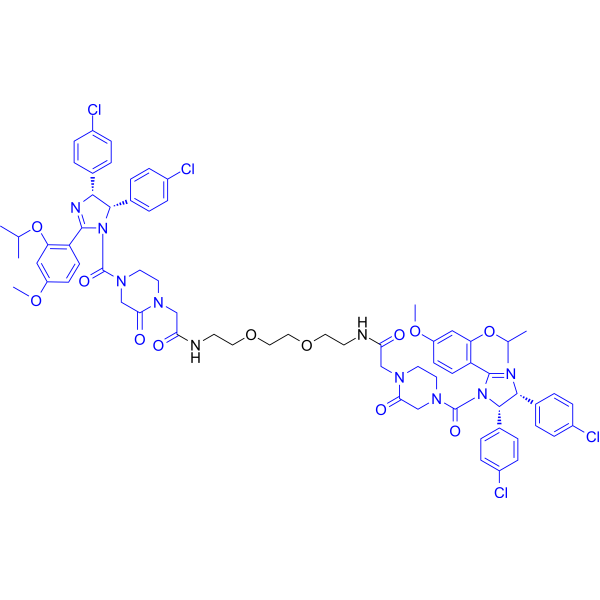
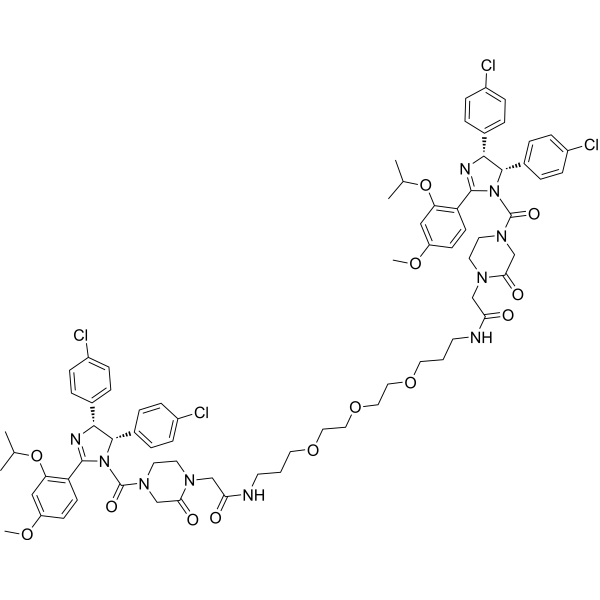
PROTAC MDM2 Degrader-1 (Compound 15a) is a MDM2 PROTAC degrader. The structures of both Linker ends of PROTAC MDM2 Degrader-1 are MDM2 ligands. PROTAC MDM2 Degrader-1 can not only block the binding of p53-MDM2, but also degrade the target MDM2 protein by utilizing the function of the E3 ligase of MDM2 itself, thus exerting an anti-tumor effect .
loading...
    loading...
Cat. No.: HY-118723
CAS No.: 309726-06-5
Target:  

DNA/RNA Synthesis

Research Areas:  

Cancer

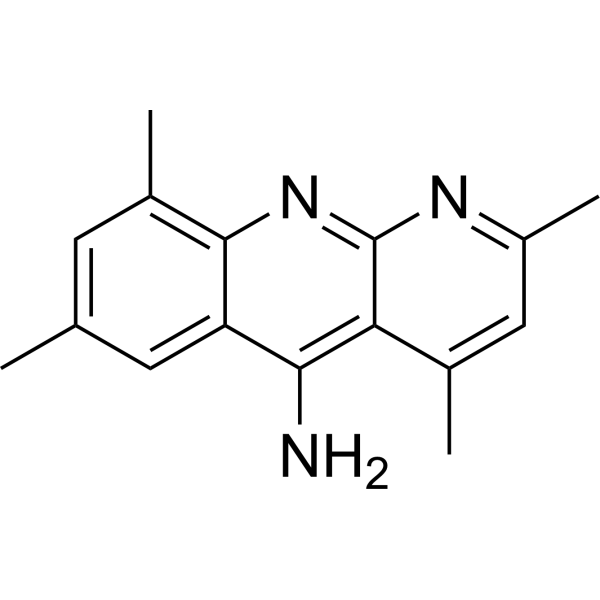
BMH-22, a benzonaphthyridin, is a RNA polymerase I (Pol I) transcription inhibitor independent of p53 function. BMH-22 causes reorganization of nucleolar marker proteins consistent with segregation of the nucleolus. BMH-22 destabilizes RPA194 in a proteasome-dependent manner and inhibits nascent rRNA synthesis and expression of the 45S rRNA precursor. BMH-22 shows potent anticancer activity across many tumor types .
loading...
    loading...
Cat. No.: HY-146887
CAS No.: 2444374-01-8
Purity:  98.10%
Research Areas:  

Cancer

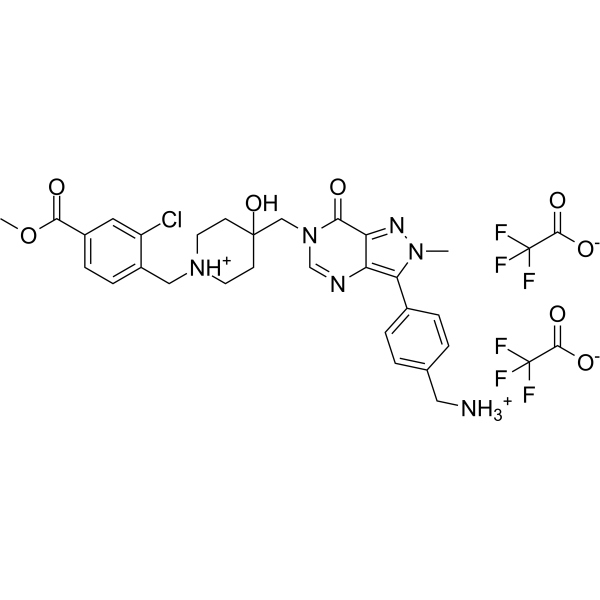
USP7-IN-9 is a highly potent ubiquitin-specific protease 7 (USP7) inhibitor with an IC50 value of 40.8 nM. USP7-IN-9 can induce apoptosis and arrest cell progression at G0/G1 and S phases in RS4; 11 cells. USP7-IN-9 reduces the protein levels of oncoproteins MDM2 and DNMT1 and increases the protein levels of tumor suppressors p53 and p21 .
loading...
    loading...

