1. Search Result
Search Result
Results for "

tyrosinase activity

" in MedChemExpress (MCE) Product Catalog:

143

阻害剤およびアゴニスト

1

蛍光色素

1

生化学アッセイ試薬

3

ペプチド

1

阻害性抗体

90

天然物

10

同位体標識化合物

Targets Recommended:
製品番号 製品名 Target 研究分野 構造式
  • HY-N0136
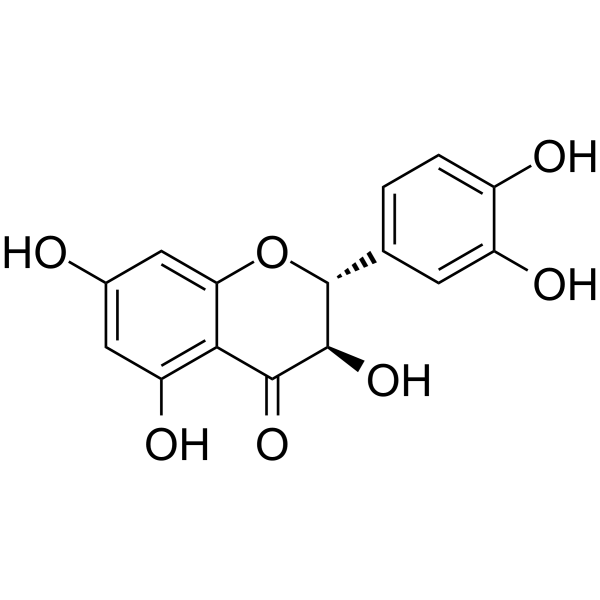
    Taxifolin
    Maximum Cited Publications
    27 Publications Verification

    (+)-Dihydroquercetin; (+)-Taxifolin

    TNF Receptor Autophagy Tyrosinase Inflammation/Immunology Cancer
    Taxifolin ((+)-Dihydroquercetin) exhibits important anti-tyrosinase activity. Taxifolin exhibits significant inhibitory activity against collagenase with an IC50 value of 193.3 μM. Taxifolin is an important natural compound with antifibrotic activity. Taxifolin is a free radical scavenger with antioxidant capacity .
    Taxifolin
  • HY-W050154
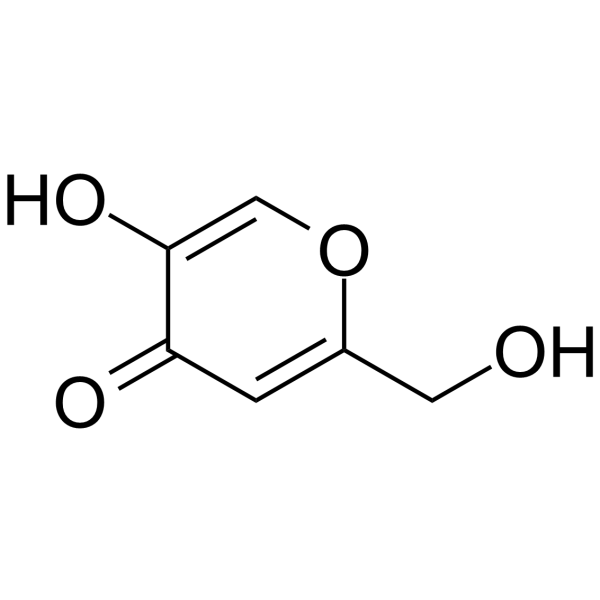
    Kojic acid
    2 Publications Verification

    Parasite Tyrosinase NF-κB CDK Infection Inflammation/Immunology Cancer
    Kojic acid is a substance produced by Aspergillus oryzae that is orally effective and can also be absorbed transdermally. Kojic acid exhibits various biological activities, including anti-aging, anti-nematode, antimicrobial, antioxidant, and anti-inflammatory effects. Kojic acid is a Tyrosinase inhibitor with an Mushroom Tyrosinase IC50 of 182.7 μM. Kojic acid prevents melanin production by capturing copper ions that bind to the tyrosinase active site, thus inhibiting its activation. Kojic acid also suppresses the NF-κB and p21 signaling pathways in human keratinocytes. Kojic acid derivatives have anticancer activity .
    Kojic acid
  • HY-W013571

    Cuminic acid; p-Isopropyl benzoic acid

    Fungal Infection
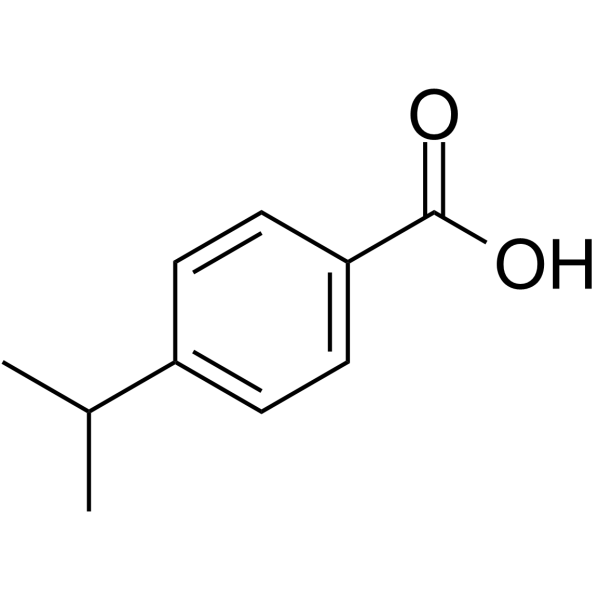
    4-Isopropylbenzoic acid (Cuminic acid; p-Isopropyl benzoic acid) an aromatic monoterpenoid, is isolated from the stem bark of Bridelia retusa. 4-Isopropylbenzoic acid exhibits antifungal activities. 4-Isopropylbenzoic acid is also a reversible and uncompetitive inhibitor of mushroom tyrosinase .
    4-Isopropylbenzoic acid
  • HY-126052

    COX Tyrosinase HDAC Metabolic Disease Cancer
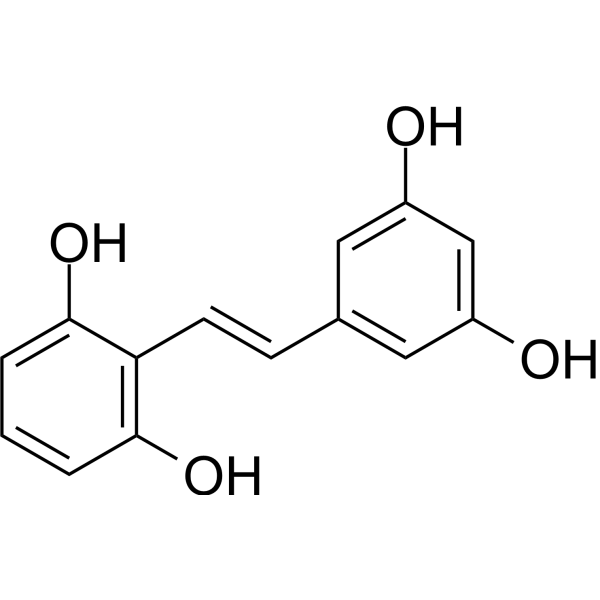
    Gnetol is a phenolic compound isolated from the root of Gnetum montanum . Gnetol potently inhibits COX-1 (IC50 of 0.78 μM) and HDAC. Gnetol is a potent tyrosinase inhibitor with an IC50 of 4.5 μM for murine tyrosinase and suppresses melanin biosynthesis. Gnetol has antioxidant, antiproliferative, anticancer and hepatoprotective activity. Gnetol also possesses concentration-dependent α-Amylase, α-glucosidase, and adipogenesis activities .
    Gnetol
  • HY-N2460
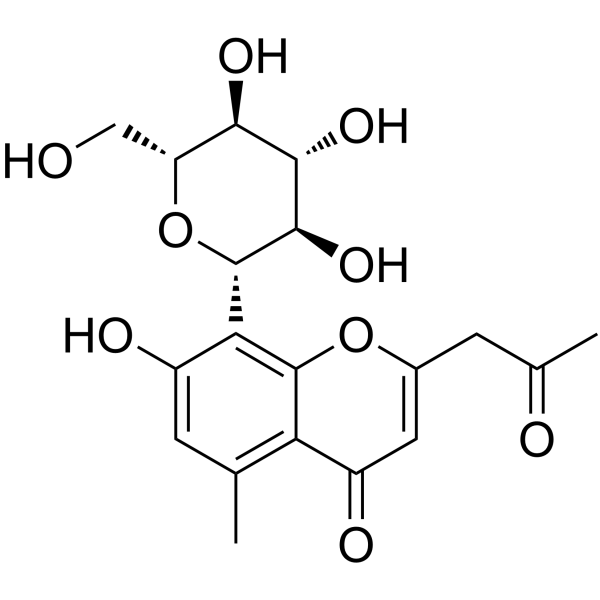
    Aloesin
    1 Publications Verification

    Aloeresin

    Tyrosinase Apoptosis Infection Inflammation/Immunology Cancer
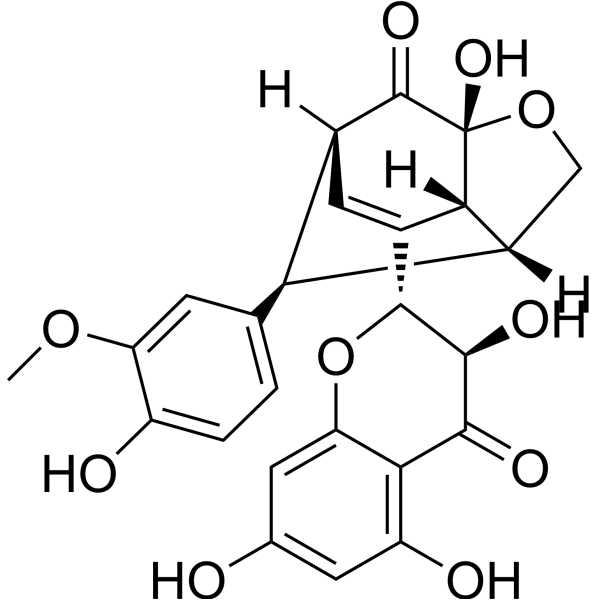
    Aloesin (Aloeresin) is a tyrosinase inhibitor, and shows anti-inflammatory activity, ultraviolet protection, and antibacterium effects. Aloesin can induce apoptosis and be used in ovarian cancer research .
    Aloesin
  • HY-N10503

    Tyrosinase Ras Raf MAPKAPK2 (MK2) Apoptosis Cancer
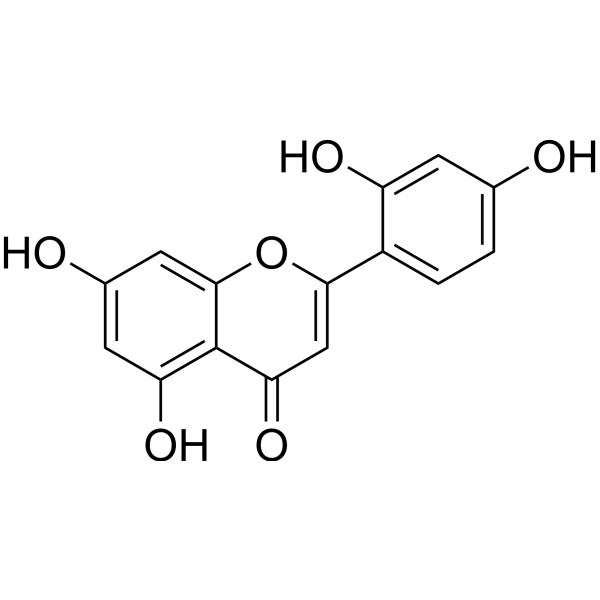
    Norartocarpetin is a tyrosinase inhibitor. Norartocarpetin has strong tyrosinase inhibitory activity with an IC50 value of 0.47 μM. Norartocarpetin as an antibrowning agent can be used for the research of food systems. Norartocarpetin also has a significant anticancer activity in lung carcinoma cells (NCI-H460) with an IC50 value of 22 μM. Norartocarpetin has antiproliferative effects are mediated via targeting Ras/Raf/MAPK signalling pathway, mitochondrial mediated apoptosis, S-phase cell cycle arrest and suppression of cell migration and invasion in human lung carcinoma cells .
    Norartocarpetin
  • HY-Y0444

    Tyrosinase Metabolic Disease
    D-Tyrosine is the D-isomer of tyrosine. D-Tyrosine negatively regulates melanin synthesis by inhibiting tyrosinase activity. D-Tyrosine inhibits biofilm formation and trigger the self-dispersal of biofilms without suppressing bacterial growth .
    D-Tyrosine
  • HY-W003607

    Tyrosinase Inflammation/Immunology
    3-O-Ethyl-L-ascorbic acid is a stable derivative of vitamin C and a cosmetic tyrosinase inhibitor. 3-O-Ethyl-L-ascorbic acid has antioxidant, anti-aging, and skin-whitening activities. 3-O-Ethyl-L-ascorbic acid is often used in the study of cosmetic .
    3-O-Ethyl-L-ascorbic acid
  • HY-B0856
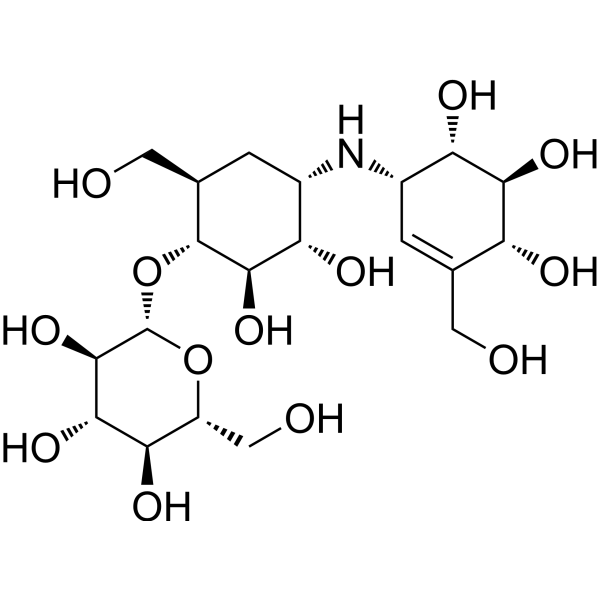
    Validamycin A
    1 Publications Verification

    Fungal Tyrosinase Antibiotic Infection
    Validamycin A, a fungicidal, is an agricultural antibiotic. Validamycin A is originally isolated from Streptomyces hygroscopicus var. limoneus. Validamycin A inhibits the growth of A. flavus, with a MIC of 1?μg/mL . Validamycin A shows potent inhibitory activity against trehalase of Rhizoctonia solani, with an IC50 of 72 μM . Validamycin A is a reversible tyrosinase inhibitor, with a Ki of 5.893 mM .
    Validamycin A
  • HY-N2204

    Tyrosinase Reactive Oxygen Species (ROS) Inflammation/Immunology
    Swertiajaponin is a tyrosinase inhibitor, forms multiple hydrogen bonds and hydrophobic interactions with the binding pocket of tyrosinase, with an IC50 of 43.47 μM. Swertiajaponin also inhibits oxidative stress-mediated MAPK/MITF signaling, leading to decrease in tyrosinase protein level. Swertiajaponin suppresses melanin accumulation and exhibits strong anti-oxidative activity .
    Swertiajaponin
  • HY-Y0135

    Drug Intermediate Cancer
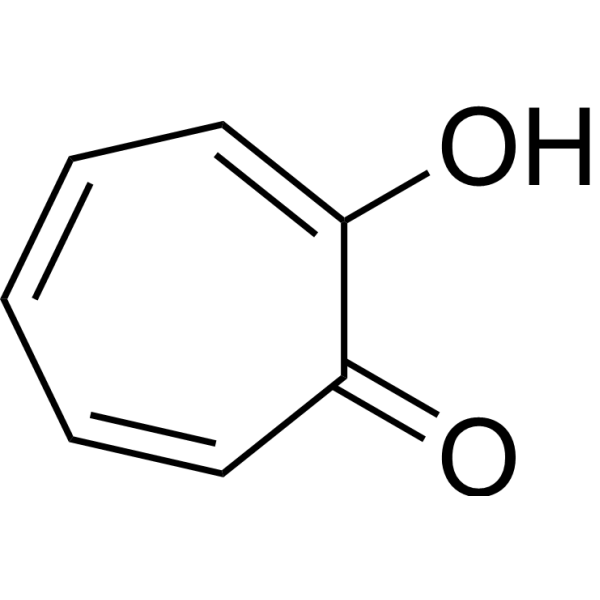
    Tropinone is an organic synthesis intermediate and a skeleton for constructing derivatives containing thiazole rings and other structures. Tropinone derivatives have anticancer activities such as inducing tumor cell apoptosis and inhibiting tyrosinase activity, and can be used in research such as anticancer drug development and tyrosinase inhibitor design .
    Tropinone
  • HY-127170

    Lipoxygenase Tyrosinase Metabolic Disease Inflammation/Immunology
    3-Hydroxycoumarin is an inhibitor of tyrosinase and lipoxygenase with an IC50 for recombinant human tyrosinase (rHT) of 26 μM, and a Ki of 3.39 μM; its IC50 for LOX is 9.5 μM. 3-Hydroxycoumarin has DPPH free radical scavenging activity (IC50 = 31.2 μM). 3-Hydroxycoumarin has photoprotective effects on sea urchin zygotes and embryos .
    3-Hydroxycoumarin
  • HY-N1750

    Tyrosinase Metabolic Disease
    3-(2,4-Dihydroxyphenyl) propanoic acid (DPPacid) is a competitive Tyrosinase inhibitor. It exhibits an IC50 value of 3.02 μM against mushroom tyrosinase with L-tyrosine as the substrate, an IC50 value of 62 μM with DL-DOPA as the substrate, and a Ki value of 11.5 μM. 3-(2,4-Dihydroxyphenyl) propanoic acid shows no DPPH radical scavenging activity. It can be used in studies related to ultraviolet B (UVB)-induced hyperpigmentation .
    3-(2,4-Dihydroxyphenyl)propanoic acid
  • HY-N3518

    Tyrosinase Metabolic Disease
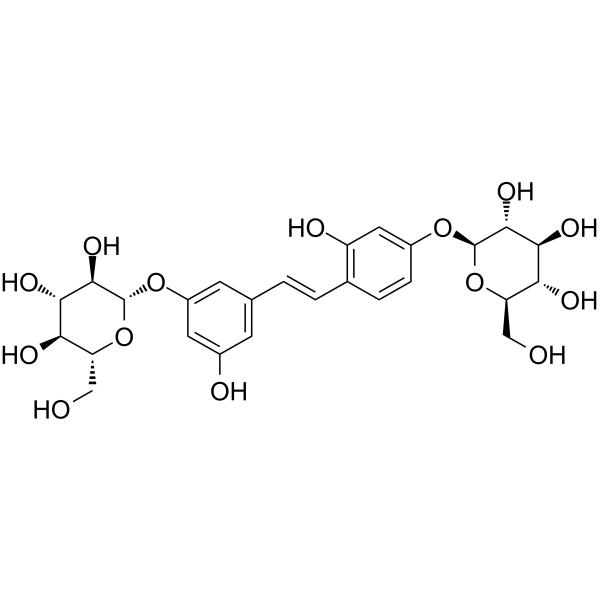
    Mulberroside F is one of the main bioactive constituents in mulberry (Morus alba L.) . Mulberroside F shows inhibitory effects on tyrosinase activity and on the melanin formation. Mulberroside F also exhibits superoxide scavenging activity that is involved in the protection against auto-oxidation .
    Mulberroside F
  • HY-133680

    Tyrosinase Others
    β-Tocopherol is an analogue of vitamin E, exhibits antioxidant properties. β-Tocopherol can inhibit tyrosinase activity and melanin synthesis. β-Tocopherol also can prevent the inhibition of cell growth and of PKC activity caused by d-alpha-tocopherol .
    β-Tocopherol
  • HY-W012595

    Benzalacetone

    Environmental Pollutants Antibiotic Endogenous Metabolite Phospholipase Bacterial Tyrosinase Infection Metabolic Disease Inflammation/Immunology
    Benzylideneacetone (Benzalacetone) is an orally active antibiotic, tyrosinase inhibitor, phospholipase A2 inhibitor, and immunosuppressant. Benzylideneacetone has antibacterial activity against some gram-negative plant-pathogenic bacteria. Benzylideneacetone can also be used in the synthesis of chemicals and drugs, and as a flavoring additive for some foods .
    Benzylideneacetone
  • HY-W017212
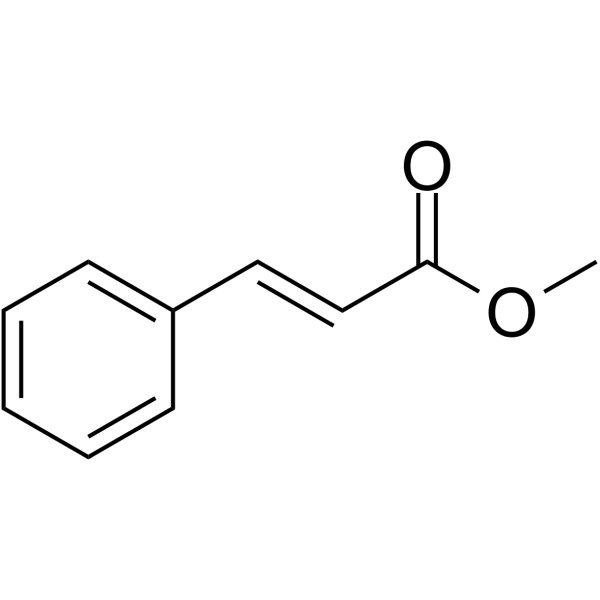
    Methyl cinnamate
    2 Publications Verification

    Methyl 3-phenylpropenoate

    Environmental Pollutants AMPK Bacterial Tyrosinase Infection Metabolic Disease
    Methyl cinnamate (Methyl 3-phenylpropenoate), an active component of Zanthoxylum armatum, is a widely used natural flavor compound. Methyl cinnamate (Methyl 3-phenylpropenoate) possesses antimicrobial activity and is a tyrosinase inhibitor that can prevent food browning. Methyl cinnamate (Methyl 3-phenylpropenoate) has antiadipogenic activity through mechanisms mediated, in part, by the CaMKK2-AMPK signaling pathway .
    Methyl cinnamate
  • HY-N3200

    Tyrosinase Cancer
    Neorauflavane is a potent tyrosinase inhibitor derived from Campylotropis hirtella, with an IC50 value of 30 nM for tyrosinase monophenolase activity and an IC50 value of 500 nM for diphenolase activity. Neorauflavane can effectively reduce the melanin content of B16 melanoma cells .
    Neorauflavane
  • HY-B1461

    Tyrosinase Apoptosis Cancer
    Deoxyarbutin is an orally active tyrosinase inhibitor that can promote apoptosis of melanoma cells, enhance the vitality of mouse acinar cells, and has skin whitening and anti-tumor activity [1][2][3].
    Deoxyarbutin
  • HY-N3023
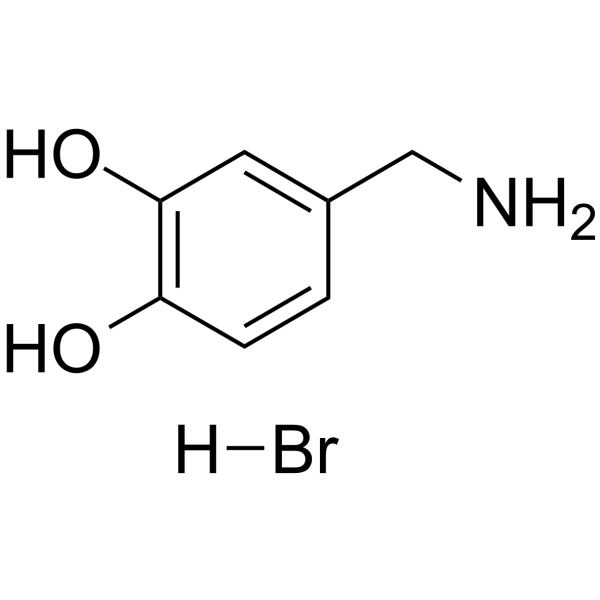
    3,4-Dihydroxybenzylamine hydrobromide
    1 Publications Verification

    NSC 263475 hydrobromide

    DNA/RNA Synthesis Cancer
    3,4-Dihydroxybenzylamine hydrobromide (NSC 263475 hydrobromide) is an improved dopamine analog cytotoxic and inhibits DNA polymerase activity in melanoma cells . 3,4-Dihydroxybenzylamine hydrobromide (NSC 263475 hydrobromide) displays growth inhibitory activity in melanoma cell lines with varying degrees of tyrosinase activity .
    3,4-Dihydroxybenzylamine hydrobromide
  • HY-N2472

    Castanogenin

    Bacterial Xanthine Oxidase Infection
    Medicagenic acid (Castanogenin) is isolated from the roots of Herniaria glabra, exhibits potent fungistatic effects against several plant pathogens and human dermatophytes . Medicagenic acid (Castanogenin) has low enzyme inhibitory activities, the target enzymes are xanthine oxidase, collagenase, elastase, tyrosinase, ChE .
    Medicagenic acid
  • HY-N7929

    Tyrosinase Cancer
    5-Feruloylquinic acid (5-FQA) is a hydroxycinnamic acid derivative. 5-Feruloylquinic acid can be isolated from green coffee beans. 5-Feruloylquinic acid inhibits tyrosinase activity. 5-Feruloylquinic acid has antioxidant properties. 5-Feruloylquinic acid has anticancer activity against lymphoma, oral epidermal cancer, and breast cancer .
    5-Feruloylquinic acid
  • HY-N4005

    Bacterial Tyrosinase Infection Neurological Disease
    Isoastilbin is a dihydroflavonol glycoside compound in Rhizoma Smilacis glabrae and Astragalus membranaceus. Isoastilbin inhibits glucosyltransferase (GTase) with an IC50 value of 54.3 μg/mL, and also inhibits tyrosinase activity. Isoastilbin shows neuroprotective, antioxidation, antimicrobial and anti-apoptotic properties and has the potential for Alzheimer’s disease research .
    Isoastilbin
  • HY-N10423

    (-)-Cubebin

    Cholinesterase (ChE) Bacterial Fungal Parasite p38 MAPK Infection Neurological Disease Metabolic Disease Inflammation/Immunology Cancer
    Cubebin ((-)-Cubebin), a dibenzyl butyrolactone lignan, is an orally active AChE inhibitor. Cubebin binds to active sites of NF-κB, TNF-α, and TGF-β1 via hydrogen and hydrophobic interactions, obstructing critical residues to inhibit pro-inflammatory or renal fibrosis-related activity. Cubebin enhances p38 MAPK phosphorylation to increase tyrosinase gene expression, stimulating melanogenesis via elevated tyrosinase activity, expression, and mRNA levels. Cubebin reduces oxidative stress via enhanced endogenous antioxidant enzyme activity and inhibited lipid peroxidation, regulates lipid metabolism, improves glycemic control, and exerts renoprotective effects via reduced renal dysfunction markers and improved renal architecture. Cubebin shows antimicrobial activity. Cubebin exerts larvicidal activity against Angiostrongylus cantonensis larvae, with no cytotoxicity toward monkey or human cell lines or Caenorhabditis elegans. Cubebin can be used for the research of diabetic nephropathy, melanoma, colon adenocarcinoma, neuroangiostrongyliasis, Alzheimer’s disease (AD) and depression .
    Cubebin
  • HY-W015616

    4-Penylbutan-2-one

    Environmental Pollutants Tyrosinase Infection Metabolic Disease
    Benzylacetone (4-Penylbutan-2-one) is an aromatic compound. Benzylacetone is a mushroom tyrosinase inhibitor with an IC50 of 2.8 mM, a Ki of 1.25 mM for monophenolase and an IC50 of 0.6 mM, a Ki of 0.39 mM for diphenolase. Benzylacetone inhibits free mushroom tyrosinase and enzyme-substrate complex. Benzylacetone acts as an appetite enhancer via olfactory stimulation, reduces spontaneous locomotor activity, induces weight gain. Benzylacetone exhibits repellent, fumigant, and contact toxicity against Tribolium castaneum adults .
    Benzylacetone
  • HY-N0136R

    (+)-Dihydroquercetin (Standard); (+)-Taxifolin (Standard)

    TNF Receptor Reference Standards Autophagy Tyrosinase Inflammation/Immunology
    Taxifolin (Standard) is the analytical standard of Taxifolin. This product is intended for research and analytical applications. Taxifolin ((+)-Dihydroquercetin) exhibits important anti-tyrosinase activity. Taxifolin exhibits significant inhibitory activity against collagenase with an IC50 value of 193.3 μM . Taxifolin is an important natural compound with antifibrotic activity. Taxifolin is a free radical scavenger with antioxidant capacity .
    Taxifolin (Standard)
  • HY-N10016

    Tyrosinase Cancer
    Chlorogenic acid butyl ester, a caffeoylquinic acid, is a potent melanogenesis inhibitor. Chlorogenic acid butyl ester inhibits the expression of microphtalmia-associated transcription factor (MITF), tyrosinase, tyrosinerelated protein 1 (TRP-1), and TRP-2. Chlorogenic acid butyl ester also shows antioxidant activity .
    Chlorogenic acid butyl ester
  • HY-NP192

    Reactive Oxygen Species (ROS) Bacterial COX NO Synthase Toll-like Receptor (TLR) p38 MAPK NF-κB Interleukin Related Cholinesterase (ChE) Bcl-2 Family Tyrosinase PI3K Akt Infection Neurological Disease Metabolic Disease Inflammation/Immunology Cancer
    Sericin is an orally active globular protein produced by silkworm cocoons. Sericin inhibits the expression of COX2, iNOS, TLR4, MAPK and NF-κB; reduces the levels of IL-18, IL-1 and CCL2; antagonizes the activity of AChE; and downregulates the expression of Bcl-2. Sericin enhances the PI3K/AKT-mediated insulin signaling pathway. Sericin inhibits the activity of tyrosinase (Tyrosinase), scavenges ROS, chelates metal ions, and increases the levels of antioxidant enzymes. Sericin induces apoptosis and arrests the cell cycle. Sericin exhibits antibacterial, moisturizing, cardioprotective and anticoagulant properties. Sericin can be used in research related to type 2 diabetes, hyperlipidemia, obesity, Alzheimer's disease, colon cancer, peripheral nerve injury and ischemic myocardial infarction .
    Sericin
  • HY-Y0444S2

    Isotope-Labeled Compounds Tyrosinase Metabolic Disease
    D-Tyrosine-d7 is the deuterium labeled D-Tyrosine (HY-Y0444) . D-Tyrosine is the D-isomer of tyrosine. D-Tyrosine negatively regulates melanin synthesis by inhibiting tyrosinase activity. D-Tyrosine inhibits biofilm formation and trigger the self-dispersal of biofilms without suppressing bacterial growth .
    D-Tyrosine-d7
  • HY-152194

    Tyrosinase Cancer
    Tyrosinase-IN-10 (Compound 23) is a partially competitive tyrosinase inhibitor with an IC50 of 1.6 μM against tyrosinase activity from human melanoma cell lysates .
    Tyrosinase-IN-10
  • HY-N6244

    Tyrosinase Inflammation/Immunology
    Isolindleyin, a butyrophenone, is a tyrosinase inhibitor, with a Kd of 54.8 μM for human tyrosinase. Isolindleyin exhibits anti-inflammatory, analgesic and anti-melanogenic activities .
    Isolindleyin
  • HY-N1238

    Δ4-Sitosterol-3-one; β-Rosasterol oxide

    Tyrosinase Endogenous Metabolite Cancer
    β-Sitostenone is a sterols that can be isolated from Cochlospermum vitifolium.β-Sitostenone inhibits tyrosinase activity, and has anti-melanogenic and anti-tumor activities .
    β-Sitostenone
  • HY-N0136B

    (-)-Dihydroquercetin

    Tyrosinase Inflammation/Immunology
    (-)-Taxifolin is the less active enantiomer of Taxifolin. Taxifolin exhibits important anti-tyrosinase activity. Taxifolin exhibits significant inhibitory activity against collagenase with an IC50 value of 193.3 μM . Taxifolin is an important natural compound with antifibrotic activity. Taxifolin is a free radical scavenger with antioxidant capacity .
    (-)-Taxifolin
  • HY-N0136A

    (±)-Dihydroquercetin

    Drug Isomer TNF Receptor Autophagy Tyrosinase Inflammation/Immunology Cancer
    (±)-Taxifolin ((±)-Dihydroquercetin) is the racemate of Taxifolin (HY-N0136). Taxifolin exhibits important anti-tyrosinase activity. Taxifolin exhibits significant inhibitory activity against collagenase with an IC50 value of 193.3 μM. Taxifolin is an important natural compound with antifibrotic activity. Taxifolin is a free radical scavenger with antioxidant capacity .
    (±)-Taxifolin
  • HY-116750

    Tyrosinase Others
    6-Hydroxykaempferol, a flavonoid, is a competitive tyrosinase inhibitor with an IC50 value of 124 μM. 6-Hydroxykaempferol has a Ki value of 148 μM relative to L-DOPA as a substrate and effectively inhibits the activity of the enzyme by binding to the active site of the enzyme .
    6-Hydroxykaempferol
  • HY-D0272

    Estrogen Receptor/ERR Metabolic Disease
    2,3,4-Trihydroxybenzophenone is a hydroxylated benzophenone UV filter with estrogenic activity. 2,3,4-Trihydroxybenzophenone is a quorum sensing inhibitor and an EC 1.14.18.1 (tyrosinase) inhibitor. 2,3,4-Trihydroxybenzophenone is also a human urinary metabolite, a rat metabolite and a drug metabolite .
    2,3,4-Trihydroxybenzophenone
  • HY-149207

    Tyrosinase Metabolic Disease
    Tyrosinase-IN-11 is a potent tyrosinase inhibitor with IC50s of 50 nM and 64 nM for L-tyrosinase and L-dopa, respectively. Tyrosinase-IN-11 has significant antioxidant activity and low cytotoxicity. Tyrosinase-IN-11 has the potential for skin hyperpigmentation research .
    Tyrosinase-IN-11
  • HY-N3912

    Bacterial Infection Cancer
    Furomollugin is a natural product with antioxidant and antibacterial activities, can be isolated from Rubia cordifolia. Furomollugin lacks potent anti-tyrosinase activity, but also exhibits significant anticancer property .
    Furomollugin
  • HY-N3943

    Tyrosinase Neurological Disease
    Glabrene, an isoflavene derived from licorice root, shows estrogen-like activity. Glabrene is a tyrosinase inhibitor with an IC50 of 3.5 μM .
    Glabrene
  • HY-P3645

    Melanocortin Receptor Others
    (Nle4)-α-MSH is a synthetic analogue of α-MSH (HY-P0252), a melanocyte-stimulating hormone. (Nle4)-α-MSH reversibly darkens frog skins and also exhibits prolonged activity after heat-alkali treatment .
    (Nle4)-α-MSH
  • HY-N1170

    (2R)-Taxiphyllin

    Tyrosinase Others
    Taxiphyllin (2R-Taxiphyllin) is a plant cyanogenic glycoside, which exhibits inhibitory activity for tyrosinase . Taxiphyllin exhibits cytotoxicity in BRL-3A cellls with an IC50 of 18.75 μm and antimicrobial activities against Staphylococcus aureus with an EC50 of 0.96 μM .
    Taxiphyllin
  • HY-N15199

    Others Cancer
    Schisanlactone A is a natural triterpenoid compound. Schisanlactone A has moderate cytotoxicity, with its IC50 value being 63.3 μM against KB cells. Schisanlactone A does not possess antibacterial or tyrosinase inhibitory activities. Schisanlactone A can be used for the study of oral epidermoid carcinoma .
    Schisanlactone A
  • HY-Y0729
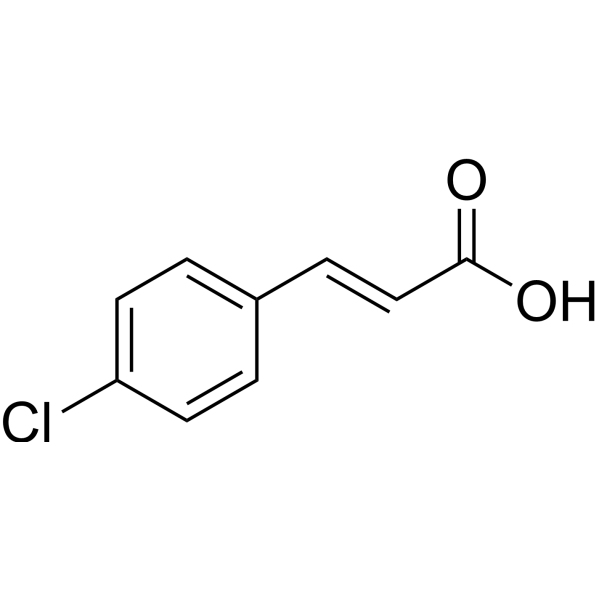
    4-Chlorocinnamic acid
    1 Publications Verification

    Tyrosinase Bacterial Fungal Drug Derivative Infection Neurological Disease
    4-Chlorocinnamic acid is a derivative of Cinnamic acid (HY-N0610A). 4-Chlorocinnamic acid inhibits the monophenolase and diphenolase activities of mushroom tyrosinase with IC50 values of 0.477 mM and 0.229 mM, respectively. 4-Chlorocinnamic acid inhibits the mycelial growth of Colletotrichum gloeosporioides. 4-Chlorocinnamic acid exhibits anticonvulsant activity against acute epilepsy induced by pentylenetetrazol .
    4-Chlorocinnamic acid
  • HY-133680R

    Reference Standards Tyrosinase Others
    β-Tocopherol (Standard) is the analytical standard of β-Tocopherol. This product is intended for research and analytical applications. β-Tocopherol is an analogue of vitamin E, exhibits antioxidant properties. β-Tocopherol can inhibit tyrosinase activity and melanin synthesis. β-Tocopherol also can prevent the inhibition of cell growth and of PKC activity caused by d-alpha-tocopherol .
    β-Tocopherol (Standard)
  • HY-W060074

    Endogenous Metabolite Bacterial Tyrosinase PERK Infection Endocrinology
    1-Acetyl-β-carboline is a metabolite of Streptomyces kasugaensis and antibacterial agent. 1-Acetyl-β-carboline increases tyrosinase activity, reduces ERK phosphorylation. 1-Acetyl-β-carboline exhibits antibacterial activity against methicillin-resistant Staphylococcus aureus (MRSA) strains with MICs ranging from 128 to 256 ug/mL. 1-Acetyl-β-carboline increases the melanin .
    1-Acetyl-β-carboline
  • HY-P6294

    Tyrosinase Others
    Pseudostellarin G is a natural cyclic octapeptide. Pseudostellarin G has the activity of inhibiting tyrosinase. Pseudostellarin G can inhibit the production of melanin .
    Pseudostellarin G
  • HY-117761

    PPAR Metabolic Disease Cancer
    MHY908 is a potent dual agonist of PPARα and PPARγ . MHY908 also inhibits melanogenesis through inhibition of mushroom tyrosinase activity .
    MHY908
  • HY-W050154S

    Parasite Isotope-Labeled Compounds Infection
    Kojic acid- 13C6 is 13C labeled Kojic acid (HY-W050154). Kojic acid is a substance produced by Aspergillus oryzae that is orally effective and can also be absorbed transdermally. Kojic acid exhibits various biological activities, including anti-aging, anti-nematode, antimicrobial, antioxidant, and anti-inflammatory effects. Kojic acid is a Tyrosinase inhibitor with an Mushroom Tyrosinase IC50 of 182.7 μM. Kojic acid prevents melanin production by capturing copper ions that bind to the tyrosinase active site, thus inhibiting its activation. Kojic acid also suppresses the NF-κB and p21 signaling pathways in human keratinocytes. Kojic acid derivatives have anticancer activity .
    Kojic acid-13C6
  • HY-W050154R

    Reference Standards Parasite Tyrosinase NF-κB CDK Infection Inflammation/Immunology Cancer
    Kojic acid (Standard) is the analytical standard of Kojic acid. This product is intended for research and analytical applications. Kojic acid is a substance produced by Aspergillus oryzae, with various biological activities including antitumor, insecticidal, antibacterial, antioxidant, and radioprotective effects. Kojic acid exhibits tyrosinase inhibition activity by capturing copper ions that bind to the active site of tyrosinase, preventing its activation. Tyrosinase is a key enzyme in the biosynthesis of melanin, so kojic acid can block melanin production. Additionally, kojic acid shows potential inhibition of NF-κB activity in human keratinocytes, which may also be related to the anti-melanogenic effect induced by kojic acid. Kojic acid is effective when administered orally and can also be absorbed transdermally. Nano-carrier systems prepared with kojic acid demonstrate effective delivery of anticancer drugs. Kojic acid holds promise for research in cancer, infectious diseases, and skin whitening among other fields .
    Kojic acid (Standard)
  • HY-W019829

    Tyrosinase Parasite Infection
    Polyphyllin C (compound 2) is a spirostanol saponin. Polyphyllin C exhibits mild (IC50=36.87 µM) activities against the tyrosinase and moderate (IC50=1.59 µg/mL) antileishmanial activities .
    Polyphyllin C

オンラインお問い合わせ

入力情報は安全に管理されます. 必須入力項目.

タイトル


国或いは地域 *

お名前 *


組纖名 *

デパートメント *


メールアドレス *


製品名 *

製品番号


カスタマ需要量 *

電話番号 *


必ず会社名を記載ください。個人への返信は行いません。

備考

バルクお問い合わせ

Inquiry Information

製品名:
製品番号:
数量:
MCE 日本正規代理店:

