63 Results for "

tyrosine hydroxylase

" in MedChemExpress (MCE) Product Catalog:
Products (63)

63 Results for "tyrosine hydroxylase" in MCE Product Catalog:

3
3 Cited Publications
Cat. No.: HY-33549
CAS No.: 658-48-0
Target:  

Tyrosine Hydroxylase

Research Areas:  

Neurological Disease Cancer

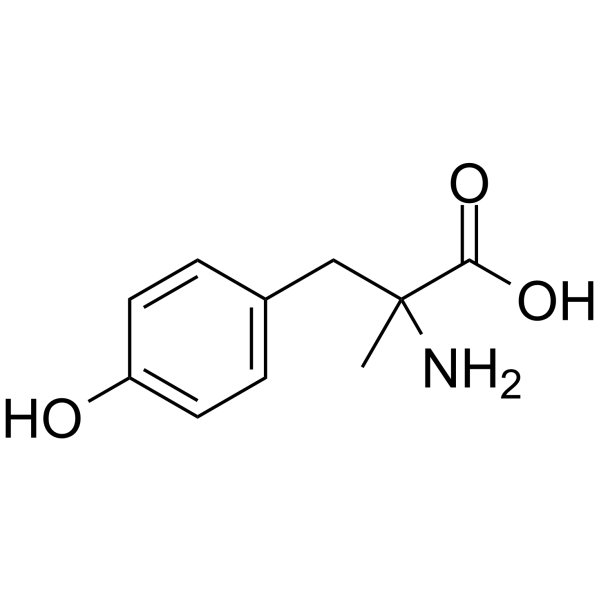
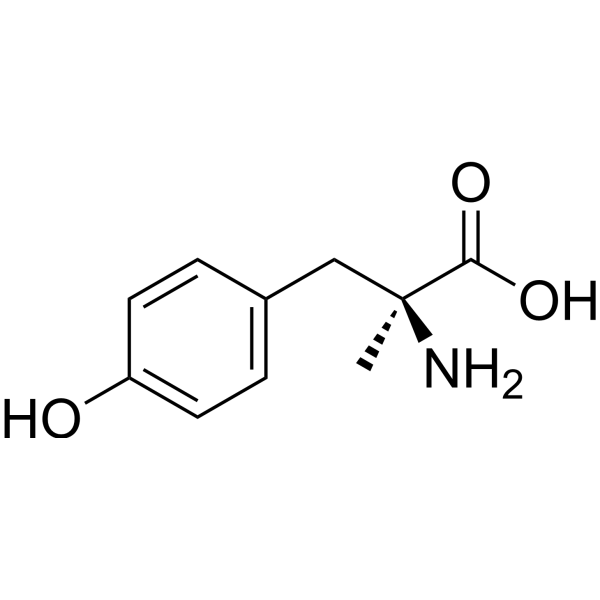
α-Methyl-p-tyrosine is a competitive inhibitor of tyrosine hydroxylase, which converts tyrosine into DOPA. α-Methyl-p-tyrosine is also an orally active inhibitor of catecholamine synthesis, inhibiting the hydroxylation of tyrosine into DOPA. α-Methyl-p-tyrosine can be used in research related to epilepsy, glaucoma, cancer, and other related diseases .
loading...
    loading...
2
2 Cited Publications
Cat. No.: HY-101392
CAS No.: 486-84-0
Purity:  99.91%
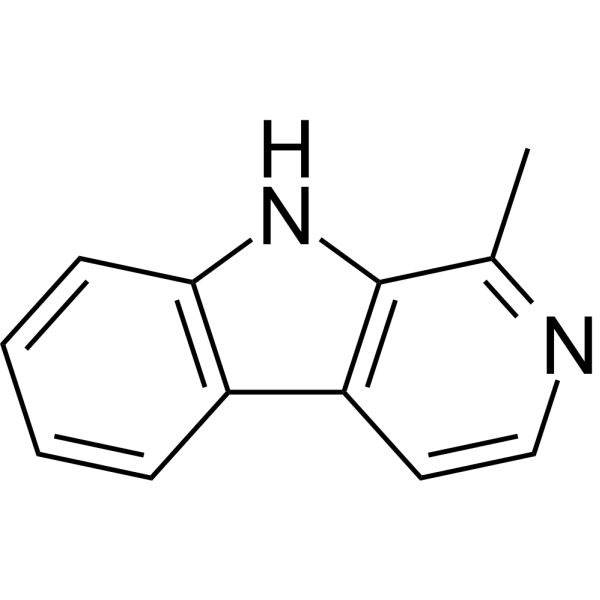
Harmane is a benzodiazepine receptor inhibitor (IC50=7 μM), with IC50 values for mACh, Opioid Receptor, MAO-A/B, and α2-adrenergic receptor of 24 μM, 2.8 μM, 0.5 μM, 5 μM, and 18 μM, respectively. Harmane inhibits the I1 imidazoline receptor (IC50 = 30 nM) to reduce blood pressure and has antidepressant, anti-anxiety, anticonvulsant, and analgesic effects. Harmane inhibits dopamine biosynthesis by decreasing tyrosine hydroxylase (TH) activity and enhancing L-DOPA-induced cytotoxicity in PC12 cells. Additionally, Harmane can increase the mutagenic effect induced by 2-acetylaminofluorene (AAF) .
loading...
    loading...
2
2 Cited Publications
Cat. No.: HY-101392A
CAS No.: 21655-84-5
Harmane hydrochloride is a benzodiazepine receptor inhibitor (IC50=7 μM), with IC50 values for mACh, Opioid Receptor, MAO-A/B, and α2-adrenergic receptor of 24 μM, 2.8 μM, 0.5 μM, 5 μM, and 18 μM, respectively. Harmane hydrochloride inhibits the I1 imidazoline receptor (IC50 = 30 nM) to reduce blood pressure and has antidepressant, anti-anxiety, anticonvulsant, and analgesic effects. Harmane hydrochloride inhibits dopamine biosynthesis by decreasing tyrosine hydroxylase (TH) activity and enhancing L-DOPA-induced cytotoxicity in PC12 cells. Additionally, Harmane hydrochloride can increase the mutagenic effect induced by 2-acetylaminofluorene (AAF) .
loading...
    loading...
2
2 Cited Publications
Cat. No.: HY-P80362
Synonyms: TYH, TH, tyrosine 3-monooxygenase, tyrosine 3-hydroxylase

Host:  

Rabbit

Application:  

WB, IHC-P, ICC/IF, FC, IF-Tissue

Reactivity:  

Human, Mouse, Rat

loading...
    loading...
1
1 Cited Publications
Cat. No.: HY-W008452
CAS No.: 70-78-0
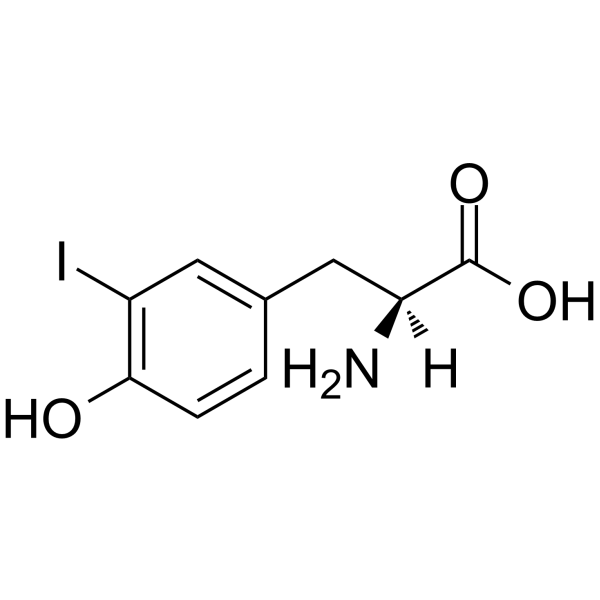
H-Tyr(3-I)-OH is a potent and effective tyrosine hydroxylase inhibitor. H-Tyr(3-I)-OH is an intermediate in the production of thyroid hormones and has a role as a human or mouse metabolite .
loading...
    loading...
1
1 Cited Publications
Cat. No.: HY-W013407
CAS No.: 7361-31-1
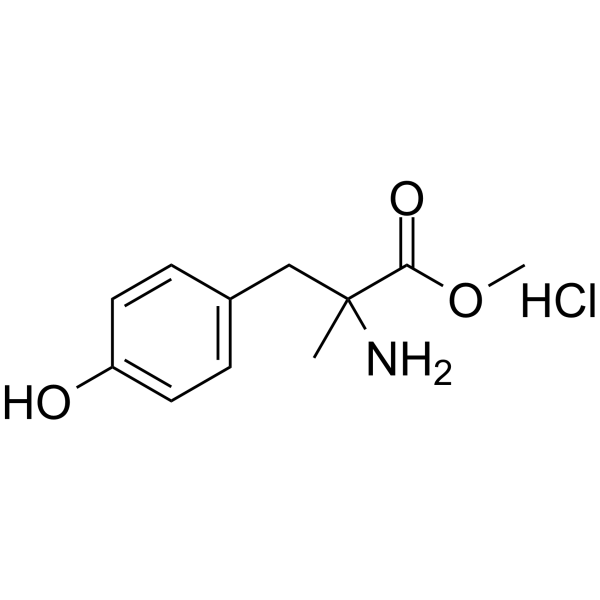
α-Methyltyrosine methyl ester hydrochloride is an orally active and competitive tyrosine hydroxylase inhibitor. α-Methyltyrosine methyl ester hydrochloride can inhibit the conversion of tyrosine to dopamine. α-Methyltyrosine methyl ester hydrochloride causes kidney damage and urethral calculi in rats. α-Methyltyrosine methyl ester hydrochloride can be used as a tool for sympathetic nervous system research .
loading...
    loading...
1
1 Cited Publications
Cat. No.: HY-N9447
CAS No.: 79595-97-4
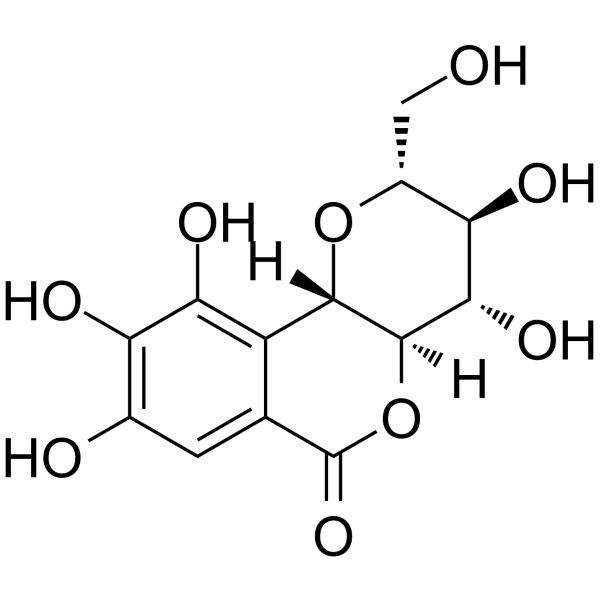
Norbergenin is a polyphenolic isocoumarin derivative. Norbergenin acts as a non-competitive inhibitor of bovine adrenal tyrosine hydroxylase (TH) with a Ki value of 69.6 μM. Norbergenin inhibits lipopolysaccharide-induced inflammatory responses in macrophages by suppressing the activation of NF-κB, MAPK and STAT3, as well as blocking metabolic reprogramming . Norbergenin inhibits aluminum chloride-induced oxidative stress and apoptosis and restores neurocognitive parameters. Norbergenin scavenges ROS through multiple mechanisms and protects cell membranes from lipid peroxidation damage. Norbergenin can be used in research related to Alzheimer's disease, peptic ulcer and arthritis .
loading...
    loading...
1
1 Cited Publications
Cat. No.: HY-P85701
Synonyms: tyrosine 3-monooxygenase; tyrosine 3-hydroxylase; TH;

Host:  

Mouse

Application:  

WB, ICC/IF, ELISA

Reactivity:  

Human, Mouse, Rat

loading...
    loading...
Cat. No.: HY-W015007
CAS No.: 672-87-7
Target:  

COX

Research Areas:  

Cardiovascular Disease

Metyrosine is a selective tyrosine hydroxylase enzyme inhibitor. Metyrosine exerts anti-inflammatory and anti-ulcerative effects. Metyrosine significantly inhibits high COX-2 activity . Metyrosine is a very effective agent for blood pressure control .
loading...
    loading...
Cat. No.: HY-172723
Research Areas:  

Neurological Disease Cancer

DSPE-PEG2000-T7 is a PEGylated compound composed of DSPE and peptideT7. T7 (HAIYPRH) specifically binds to TfR. DSPE-PEG2000-T7 can be used to prepare T7-modified liposomes, where liposomes modified with both T7 and DA7R peptides can effectively co-deliver Doxorubicin (HY-15142A) and Vincristine (HY-N0488A) to gliomas. DSPE-PEG2000-T7 can also be used to prepare nanomodulators that mediate the co-delivery of tyrosine hydroxylase mRNA and interferon gene stimulator antagonists for synergistic intervention in Parkinson's disease .
loading...
    loading...
Cat. No.: HY-107413
CAS No.: 146670-40-8
Purity:  99.79%
Synonyms: BMS-649
Research Areas:  

Cancer

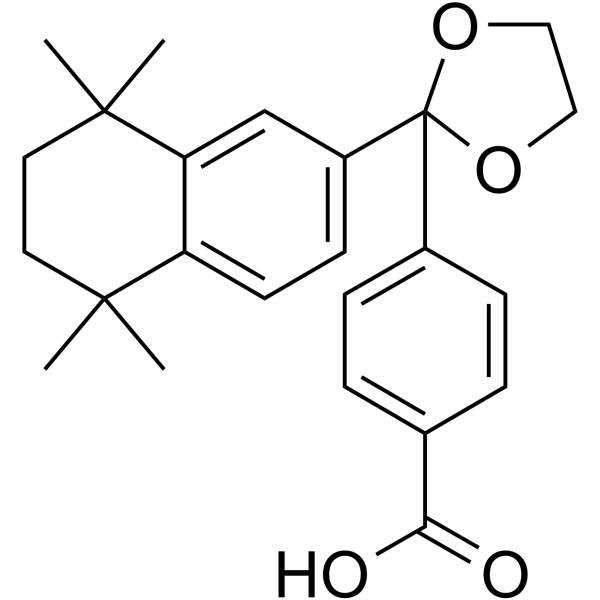
SR11237 (BMS-649) GMP is SR11237 (HY-107413) produced by using GMP guidelines. GMP small molecules works appropriately as an auxiliary reagent for cell therapy manufacture. SR11237 is a RXR activator and lipid metabolism regulator that promotes the differentiation of induced neural stem cells into dopaminergic (TH-positive) neurons. SR11237 induces transcriptional regulation of lipogenic genes and cholesterol transporters, increases glycosaminoglycan release, and elevates total cellular triglyceride levels. SR11237 promotes heterodimerization of RXR with Nurr1, thereby enhancing tyrosine hydroxylase expression and facilitating dopamine release. SR11237 produces a synergistic effect when used in combination with bFGF/EGF. SR11237 is mainly used in studies related to osteoarthritis and Parkinson's disease .
loading...
    loading...
Cat. No.: HY-B0927
CAS No.: 118-08-1
Synonyms: (-)-β-Hydrastine; (1R,9S)-β-Hydrastine
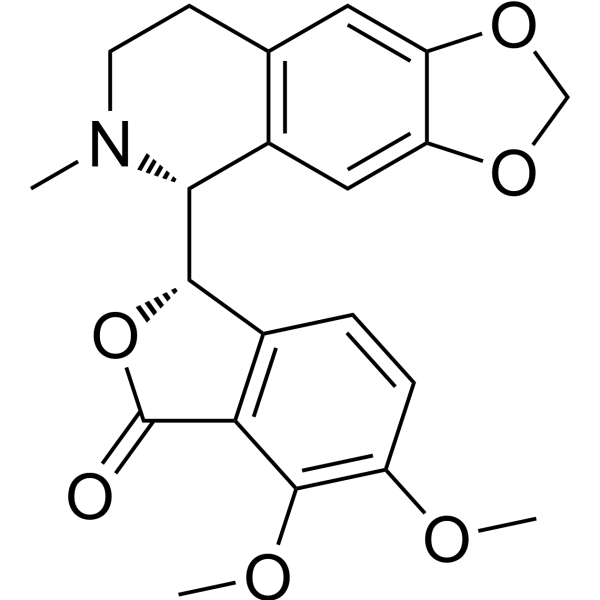
Hydrastine ((-)-β-Hydrastine; (1R,9S)-β-Hydrastine) is a selective competitive inhibitor of tyrosine hydroxylase (TH), inhibiting dopamine biosynthesis (IC50=20.7 μM, PC12 cells). Hydrastine also inhibits the organic cation transporter OCT1 (IC50=6.6 μM). Hydrastine may cause neuronal toxicity through mitochondrial dysfunction rather than oxidative stress damage, and can aggravate cell apoptosis when combined with L-DOPA. Hydrastine can be used to study Parkinson's disease-related dopaminergic neuronal damage .
loading...
    loading...
Cat. No.: HY-B1904
CAS No.: 5002-47-1
Target:  

Dopamine Receptor

Research Areas:  

Neurological Disease

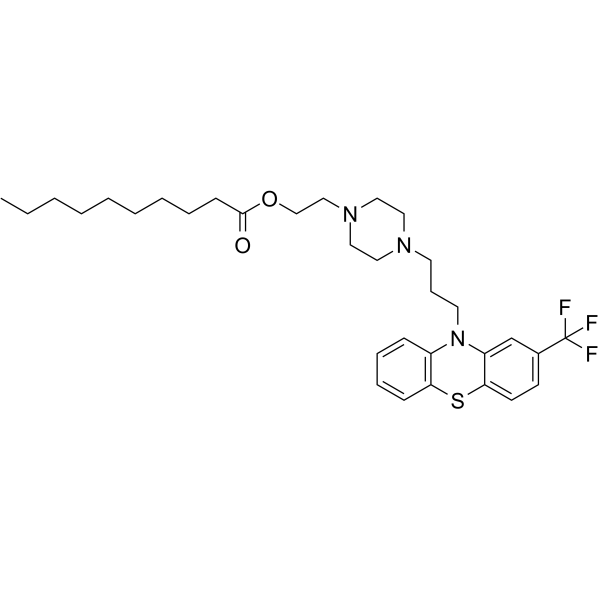
Fluphenazine decanoate is a CNS-penetrant dopamine D2 receptor inhibitor, is a long-acting phenothiazine neuroleptic. Fluphenazine can be used for schizophrenia research .
loading...
    loading...
Cat. No.: HY-100991
CAS No.: 78538-74-6
Purity:  98.16%
Synonyms: ZK 39106; LSU-65
Target:  

GABA Receptor

Research Areas:  

Neurological Disease

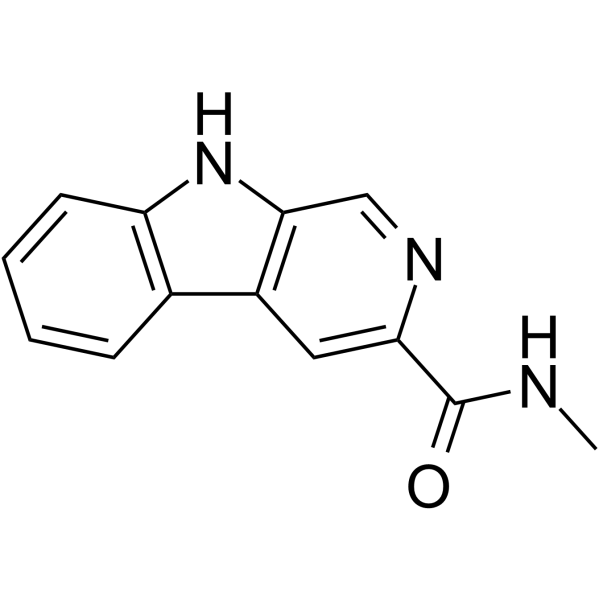
FG 7142 (ZK 39106; LSU-65), a non-selectively benzodiazepine inverse agonist, has high affinity for the α1 subunit-containing GABAA receptor (Ki=91 nM). FG 7142 (ZK 39106; LSU-65) also modulates GABA-induced chloride flux at GABAA receptors expressing the α1 subunit (EC50= 137 nM). FG 7142 (ZK 39106; LSU-65) can increase tyrosine hydroxylation and cause upregulation of β-adrenoceptors in mouse cerebral cortex .
loading...
    loading...
Cat. No.: HY-W677684
CAS No.: 742058-34-0
Research Areas:  

Others

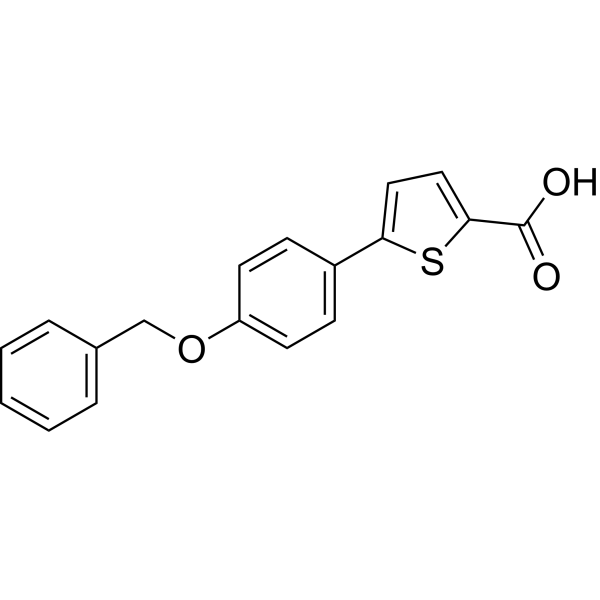
Nurr1 agonist 2 (Compound 7) is a Nurr1 agonist (EC50: 0.07 μM). Nurr1 agonist 2 binds to the recombinant Nurr1 ligand binding domain (LBD) with a Kd value of 0.14 μM. Nurr1 agonist 2 increases the Nurr1-regulated genes tyrosine hydroxylase (TH) and vesicular amino acid transporter 2 (VMAT2) mRNA expression .
loading...
    loading...
Cat. No.: HY-B1440
CAS No.: 985-13-7
Ethaverine hydrochloride is a Papaverine derivative and vasodilator. Ethaverine hydrochloride inhibits Phosphodiesterase, Tyrosine hydroxylase, and MAO-B. Ethaverine hydrochloride blocks L-type Ca 2+ channels, reduces intracellular Ca 2+ levels, inhibits platelet adhesion and aggregation, regulates cardiac conduction and heart rate, and increases peripheral and cerebral blood flow. Ethaverine hydrochloride alters cochlear microcirculation, intracochlear Po2, CM potential, and EP in guinea pigs, and induces transient hypotension. Ethaverine hydrochloride is used in the research of peripheral vascular diseases .
loading...
    loading...
Cat. No.: HY-W071686
CAS No.: 69113-63-9
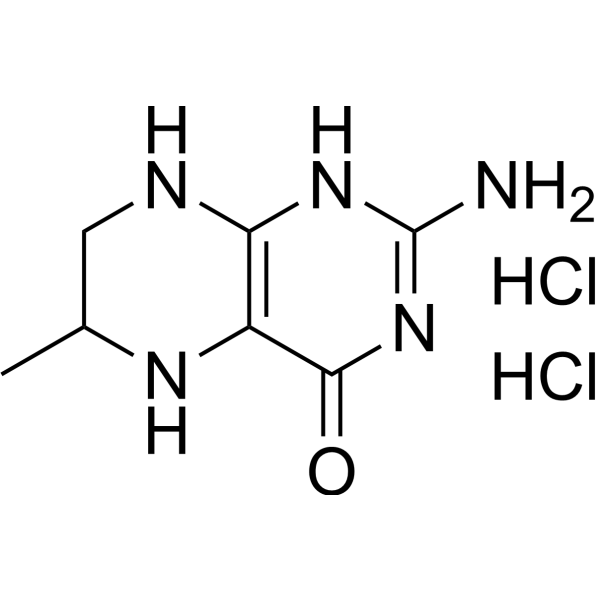
6-Methyltetrahydropterin (dihydrochloride) is a biochemical detection reagent that can be used in tyrosine hydroxylase activity assay .
loading...
    loading...
Cat. No.: HY-N7512
CAS No.: 6871-21-2
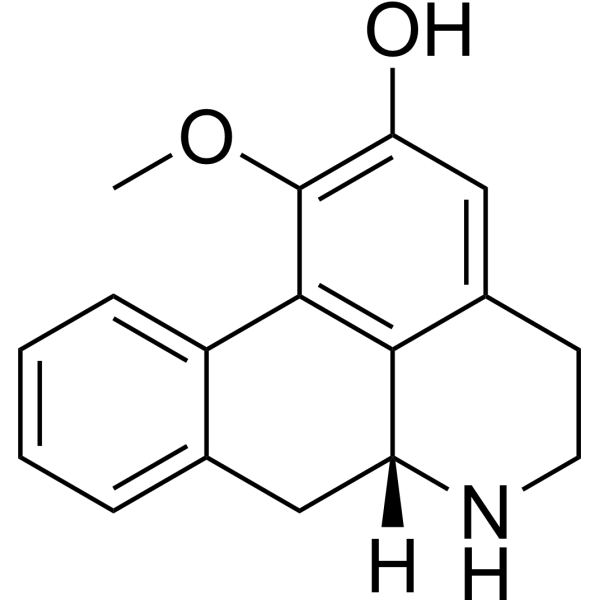
Asimilobine is an aporphine isoquinoline alkaloid isolated from plant species of Magnolia obobata Thun. Asimilobine is a dopamine biosynthesis inhibitor and a serotonergic receptor antagonist. Asimilobine shows an antimalarial and anti-cancer activity .
loading...
    loading...
Cat. No.: HY-100959
CAS No.: 7659-29-2
Purity:  99.72%
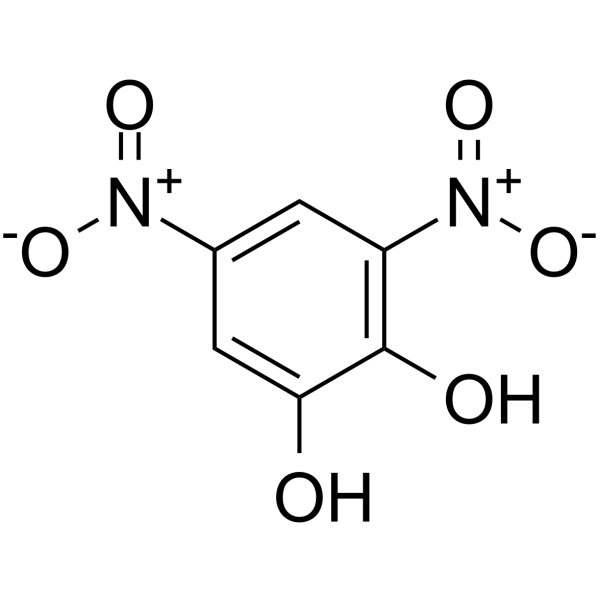
Synonyms: OR-486; 3,5-Dinitropyrocatechol
Target:  

COMT

Research Areas:  

Neurological Disease Endocrinology

3,5-Dinitrocatechol (OR-486) is an orally active, blood-brain barrier-permeable selective catechol-O-methyltransferase (COMT) inhibitor. 3,5-Dinitrocatechol can be used in research related to Parkinson's disease, pheochromocytoma and adult cataract .
loading...
    loading...
Cat. No.: HY-173025
Research Areas:  

Neurological Disease

Nurr1 agonist 12 (Compound 37) is the agonist for nuclear receptor-associated protein 1 (Nurr1) that activates the transcriptional activity of Nurr1 with an EC50 of 0.06 μM. Nurr1 agonist 12 activates the human response elements NBRE, NurRE, and DR5 with EC50 of 0.07 μM, 0.027 μM, and 0.014 μM, respectively. Nurr1 agonist 12 induces the expression of Nurr1-regulated neurotrophic genes, such as tyrosine hydroxylase (TH), SOD1/2, BDNF, Sestrin 3, and BIRC5 (Survivin). Nurr1 agonist 12 exhibits neuroprotective efficacy against Paraquat-induced neurotoxicity .
loading...
    loading...

