
1. Search Result
Search Result
Results for "

vitro transcription

" in MedChemExpress (MCE) Product Catalog:

61

Inhibitors & Agonists

2

Fluorescent Dyes

3

Biochemical Assay Reagents

4

Peptides

8

Natural
Products

3

Isotope-Labeled Compounds

10

Oligonucleotides

Cat. No. Product Name Target Research Areas Chemical Structure
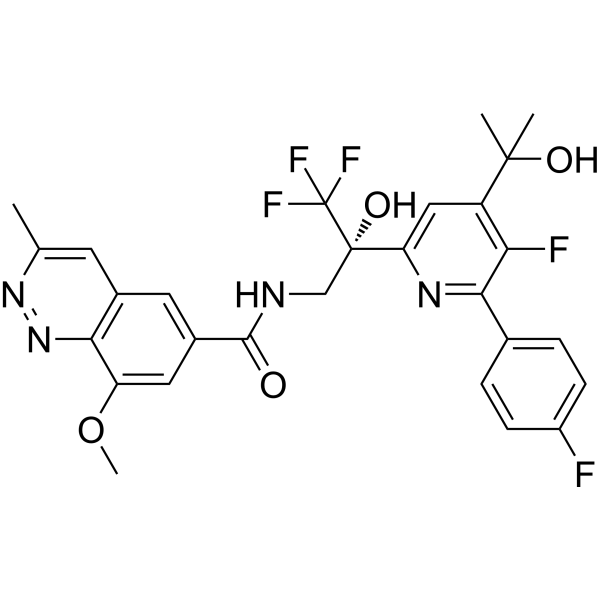
  • HY-134539
    IMT1
    Maximum Cited Publications
    10 Publications Verification

    Oxidative Phosphorylation Mitochondrial Metabolism DNA/RNA Synthesis Metabolic Disease Cancer
    IMT1 is a first-in-class specific and noncompetitive human mitochondrial RNA polymerase (POLRMT) inhibitor. IMT1 causes a conformational change of POLRMT, which blocks substrate binding and transcription in a dose-dependent way in vitro. IMT1 reduces deoxynucleoside triphosphate levels and citric acid cycle intermediates, resulting in a marked depletion of cellular amino acid levels. IMT1 has the potential for mitochondrial transcription disorders related diseases .
    IMT1
  • HY-111815A
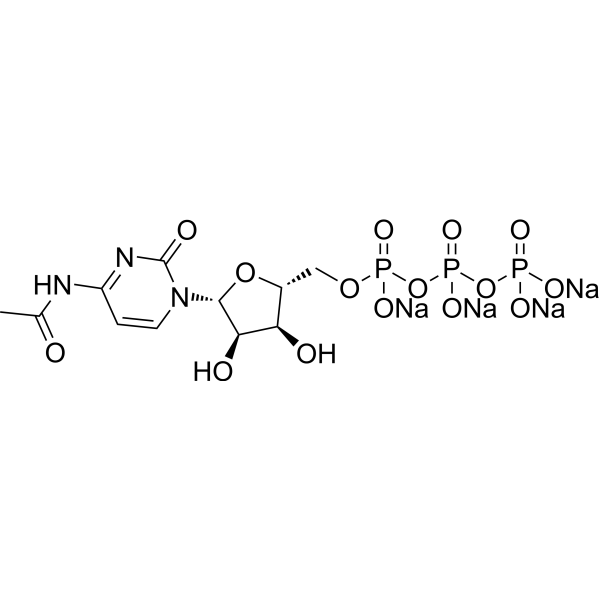
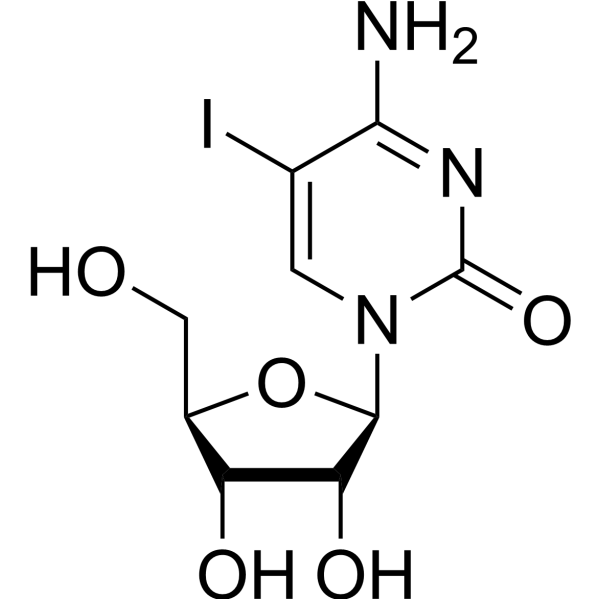
    N4-Acetylcytidine triphosphate sodium
    1 Publications Verification

    ac4CTP sodium

    Endogenous Metabolite Others
    N4-Acetylcytidine triphosphate sodium is efficiently used as a substrate in T7 Polymerase-catalyzed in vitro transcription and it can be incorporated into multiple templates .
    N4-Acetylcytidine triphosphate sodium
  • HY-A0299

    Tripeptide 29

    MMP Inflammation/Immunology
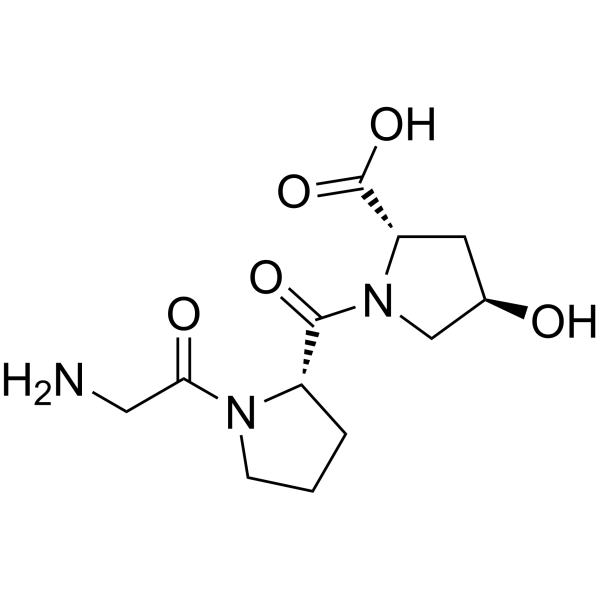
    H-Gly-Pro-Hyp-OH is a collagen-derived peptide and also a dipeptidyl peptidase-4 inhibitor.\nH-Gly-Pro-Hyp-OH inhibits the activity of dipeptidyl peptidase-4 in vitro. H-Gly-Pro-Hyp-OH binds to the DNA-binding site of the JUN/FOS complex, blocks the formation of the DNA-JUN/FOS complex, and inhibits transcriptional activity. H-Gly-Pro-Hyp-OH is applicable to research related to skin photoaging, UVB-induced skin aging/photoaging, and thrombosis .
    H-Gly-Pro-Hyp-OH
  • HY-B1234

    Octyl methoxycinnamate

    Environmental Pollutants Estrogen Receptor/ERR Androgen Receptor Cytochrome P450 Thyroid Hormone Receptor Metabolic Disease Endocrinology
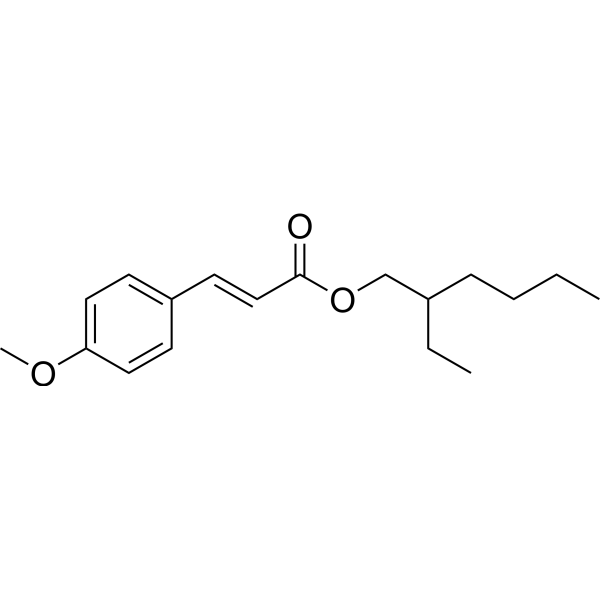
    Octinoxate (Octyl methoxycinnamate) is a thyroid hormone receptor agonist, reducing the levels of triiodothyronine (T3) and thyroxine (T4) and transcription levels of genes related to type II deiodinase (deio2) in Japanese Medaka. Octinoxate is commonly used as a safe ultraviolet (UV) filter used in the aquatic environment. Octinoxate inhibits CYP1A1 and CYP1B1 to regulate hyaluronan (HA) (HY-B0633A) metabolism in a PI3K pathway-dependent manner in human keratinocytes. Octinoxate also exhibits an anti-estrogenic and anti-androgenic effect in vitro and in vivo .
    Octinoxate
  • HY-135797A
    DB1976 dihydrochloride
    5+ Cited Publications

    Apoptosis Cancer
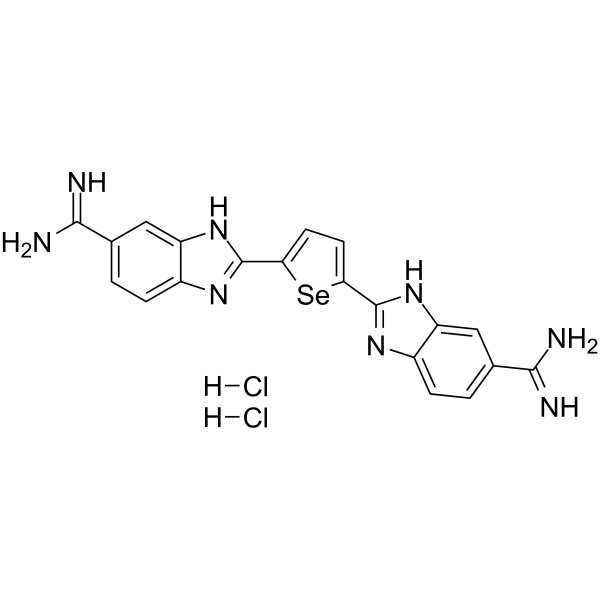
    DB1976 dihydrochloride is a selenophene analog of DB270 and a potent and cell-permeable fully efficacious transcription factor PU.1 inhibitor. DB1976 dihydrochloride potently inhibits PU.1 binding (IC50 of 10 nM) and strongly inhibits the PU.1/DNA complex (with high DB1976-λB affinity, KD of 12 nM) in vitro. DB1976 dihydrochloride has apoptosis-inducing effect .
    DB1976 dihydrochloride
  • HY-N6069
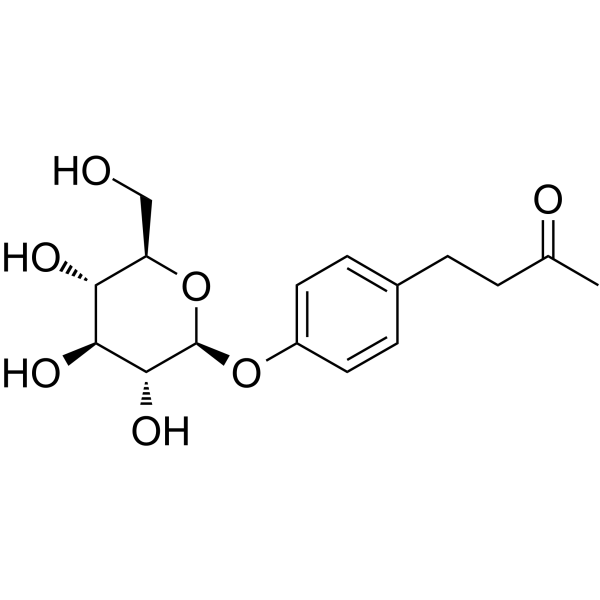
    Raspberry ketone glucoside
    1 Publications Verification

    Interleukin Related JAK STAT Inflammation/Immunology
    Raspberry ketone glucoside is a melanogenesis inhibitor. Raspberry ketone glucoside inhibits melanogenesis by activating the IL6/JAK1/STAT3 pathway, inhibiting the transcriptional activity of MITFa, and its downstream expression levels of the TYR and TYRP1a genes. Raspberry ketone glucoside shows remarkable whitening activity on both B16F10 cells in vitro and zebrafish model in vivo .
    Raspberry ketone glucoside
  • HY-N0866
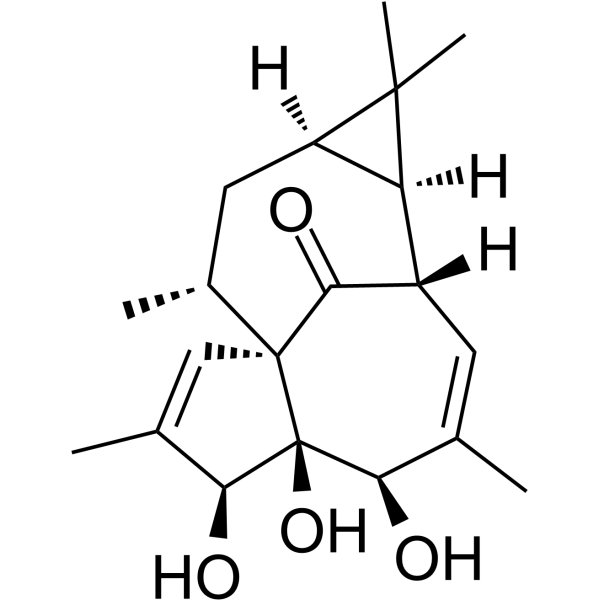
    20-Deoxyingenol
    5 Publications Verification

    Autophagy Inflammation/Immunology
    20-Deoxyingenol, a diterpene, is isolated from the roots of Euphorbia kansui. 20-Deoxyingenol can promote autophagy and lysosomal biogenesis by promoting the nuclear translocation of transcription factor EB (TFEB) in vitro. 20-Deoxyingenol can be used for the research of osteoarthritis (OA) .
    20-Deoxyingenol
  • HY-174497

    mRNA Others
    eGFP mRNA expresses green fluorescent protein derived from the jellyfish Aequorea victoria. eGFP is a commonly used direct-detection reporter gene in mammalian cell culture, which produces bright green fluorescence. This product is synthesized without modified nucleosides, with a Cap1 version cap analog at the 5' end and a 100nt PolyA tail at the 3' end. It can be used as a positive reference for IVT (in vitro transcription) or LNP delivery systems.
    eGFP mRNA
  • HY-100008
    Peretinoin
    5+ Cited Publications

    NIK333

    RAR/RXR SphK Autophagy HCV Infection Cancer
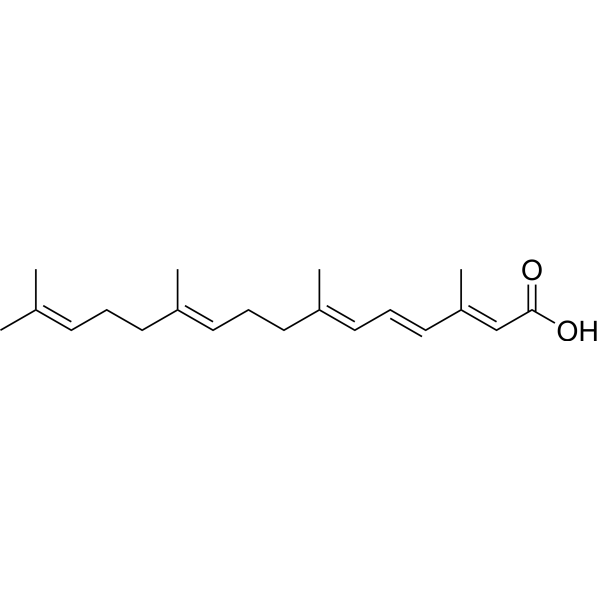
    Peretinoin is an oral acyclic retinoid with a vitamin A-like structure that targets retinoid nuclear receptors such as retinoid X receptor (RXR) and retinoic acid receptor (RAR). Peretinoin reduces the mRNA level of sphingosine kinase 1 (SPHK1) in vitro by downregulating a transcription factor, Sp1 . Peretinoin prevents the progression of non-alcoholic steatohepatitis (NASH) and the development of hepatocellular carcinoma (HCC) through activating the autophagy pathway by increased Atg16L1 expression . Peretinoin inhibits HCV RNA amplification and virus release by altering lipid metabolism with a EC50 of 9 μM .
    Peretinoin
  • HY-159098

    Molecular Glues PROTACs Histone Acetyltransferase Cardiovascular Disease
    dWIZ-1 is an orally active molecular glue and chemical probe targeting the WIZ transcription factor, which based on an IMiD backbone, binding to human WIZ with an affinity of 3.5 μM. dWIZ-1 recruits WIZ to the cereblon-DDB1 complex via its ZF7 domain, thereby triggering proteasome-dependent degradation of WIZ. dWIZ-1 significantly induces fetal hemoglobin expression in erythroblasts while reducing the level of inhibitory H3K9 dimethylation at WIZ binding sites such as the β-globin locus. Meanwhile, dWIZ-1 does not affect the proliferation and differentiation of erythroblasts, and no cytotoxicity is observed in in vitro cells or cynomolgus monkey models. dWIZ-1 serves as a critical tool molecule for investigating the mechanism and underlying pathways of sickle cell disease .
    dWIZ-1
  • HY-139100B

    m7GpppA diammonium; N7-Methyl-guanosine-5'-triphosphate-5'-adenosine diammonium

    DNA/RNA Synthesis Infection
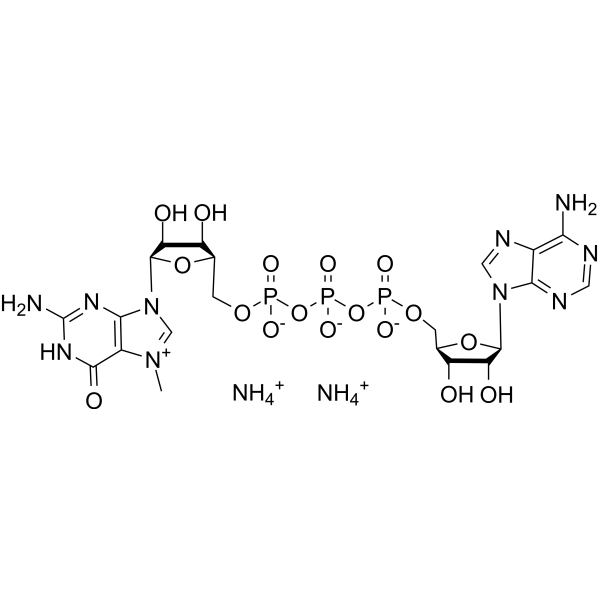
    m7G(5')ppp(5')A (m7GpppA) diammonium is a dinucleotide cap analog that can be used for in vitro RNA transcription .
    m7G(5')ppp(5')A diammonium
  • HY-125818I

    Cytidine triphosphate disodium salt, 100 mM Solution, PCR Grade; 5'-CTP disodium salt, 100 mM Solution, PCR Grade

    Biochemical Assay Reagents Metabolic Disease
    CTP (Cytidine triphosphate; 5'-CTP disodium salt) disodium salt, 100 mM Solution, PCR Grade is an immediate-use solution of cytidine triphosphate diodium salt. CTP is one of the four basic raw materials for RNA biosynthesis. CTP disodium salt is mainly used in molecular biology applications such as in vitro transcription (IVT), RNA synthesis and labeling .
    CTP disodium salt, 100 mM Solution, PCR Grade
  • HY-149648

    RSV DNA/RNA Synthesis Infection
    JNJ-8003 is a potent and orally active non-nucleoside RSV polymerase inhibitor with an IC50 of 0.29 nM. JNJ-8003 targets the L protein polymerase complex of RSV (IC50 = 0.67 nM), and blocks the transcription and replication of the viral genome by inhibiting the activity of RNA-dependent RNA polymerase (RdRp). JNJ-8003 displays subnanomolar activity in vitro as well as prominent efficacy in mice and a neonatal lamb models. JNJ-8003 can be used for the study of respiratory syncytial virus (RSV) .
    JNJ-8003
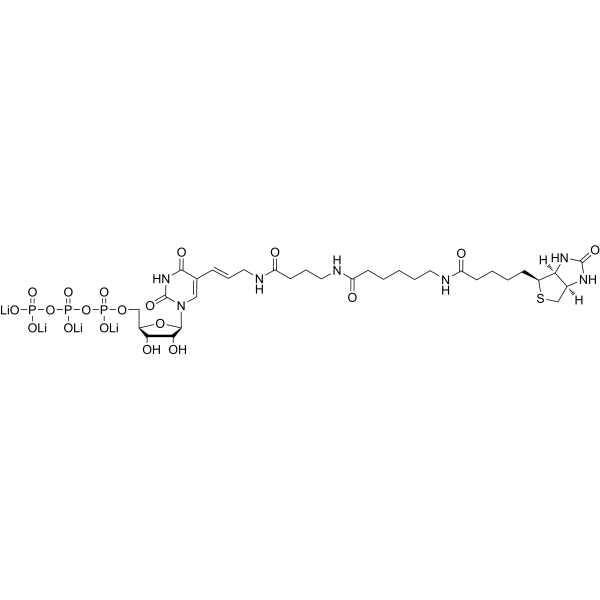
  • HY-D1686

    Biotin-16-UTP tetralithium

    DNA Stain Others
    Biotin-16-UTP is an active substrate for RNA polymerase. Biotin-16-UTP can replace UTP in the in vitro transcription reaction for RNA labeling .
    Biotin-16-UTP
  • HY-E70090

    DNA/RNA Synthesis Infection
    T7 RNA polymerase is a polymerase expressed by Escherichia coli from the RNA polymerase gene of T7 bacteriophage. T7 RNA polymerase is highly specific and involved in in vitro transcription (IVT) of mRNA. In the presence of Mg 2+, T7 RNA polymerase only uses the single-stranded or double-stranded DNA containing the T7 promoter sequence as a template, and uses NTP as a substrate to synthesize RNA complementary to the single-stranded DNA downstream of the promoter .
    T7 RNA polymerase
  • HY-146185

    Molecular Glues Bcl-2 Family Cancer
    CCT373566 is a potent and orally active molecular glue degrader of transcriptional repressor BCL6, with an IC50 of 2.2 nM. CCT373566 shows strong antiproliferative efficacy in vitro and reduction in tumor growth in vivo .
    CCT373566
  • HY-W013098

    5'-Dexoadenosine triphosphate disodium

    Biochemical Assay Reagents
    2'-Deoxyadenosine 5'-triphosphate disodium (5'-Dexoadenosine triphosphate disodium) is a nucleotide with important biological activities and can serve as a substrate for a variety of polymerases, including DNA polymerases and reverse transcriptases. 2'-Deoxyadenosine 5'-triphosphate disodium plays a key role in DNA synthesis and reverse transcription. 2'-Deoxyadenosine 5'-triphosphate disodium is also widely used in in vitro reactions in molecular biology research.
    2'-Deoxyadenosine 5'-triphosphate disodium
  • HY-N8146

    STAT Bcl-2 Family Ser/Thr Kinase Survivin c-Myc Apoptosis Necroptosis CDK Infection Cancer
    Bruceantinol is a quassinoid that can be isolated from Brucea javanica, inhibits pepper mottle virus (PepMoV) in pepper. Bruceantinol is a STAT3 inhibitor demonstrating potent antitumor activity in in vitro and in vivo human colorectal cancer (CRC) models. Bruceantinol has potent anti-leukemic activity. Bruceantinol strongly inhibits STAT3 DNA-binding ability (IC50 = 2.4 pM), blocks the constitutive and IL-6-induced STAT3 activation, and suppresses transcription of MCL-1, PTTG1, survivin and c-Myc. Bruceantinol binds with CDK2/4/6 to facilitate protein degradation through proteasome pathway. Bruceantinol can dose- and time-dependently reduces the cell growth, impede cell proliferation, disrupts the cell cycle, and induces necrosis in MCF-7 cells and apoptosis in MDA-MB-231 cells .
    Bruceantinol
  • HY-N0086R
    N6-Methyladenosine (Standard)
    1 Publications Verification

    6-Methyladenosine (Standard); N-Methyladenosine (Standard)

    Endogenous Metabolite Influenza Virus Reference Standards Infection
    N6-Methyladenosine (Standard) is the analytical standard of N6-Methyladenosine. This product is intended for research and analytical applications. N6-Methyladenosine is the most prevalent internal (non-cap) modification present in the messenger RNA (mRNA) of all higher eukaryotes. N6-Methyladenosine can modifies viral RNAs and has antiviral activities. In Vitro: N6-methyladenosine (m6A) is selectively recognized by the human YTH domain family 2 (YTHDF2) protein to regulate mRNA degradation. N6-methyladenosine (m6A), a prevalent internal modification in the messenger RNA of all eukaryotes, is post-transcriptionally installed by m6A methyltransferase (e.g., MT-A70) within the consensus sequence of G(m6A)C (70%) or A(m6A)C (30%). N6-methyladenosine (m6A)-containing RNAs are greatly enriched in the YTHDF-bound portion and diminished in the flow-through portion . N6-methyladenosine (m6A), the most abundant internal RNA modification, functions in diverse biological processes, including regulation of embryonic stem cell self-renewal and differentiation. N6-methyladenosine (m6A) is a large protein complex, consisting in part of methyltransferase-like 3 (METTL3) and methyltransferase-like 14 (METTL14) catalytic subunits .
    N6-Methyladenosine (Standard)
  • HY-158772

    DNA/RNA Synthesis Others
    m7G(5')ppp(5')(2'OMeA)pU ammonium is a cap analog that can be used for in vitro transcription of mRNA.
    m7G(5')ppp(5')(2'OMeA)pU ammonium solution (100 mM)
  • HY-138646

    Poly(dA:dT) sodium

    Cyclic GMP-AMP Synthase STING Inflammation/Immunology
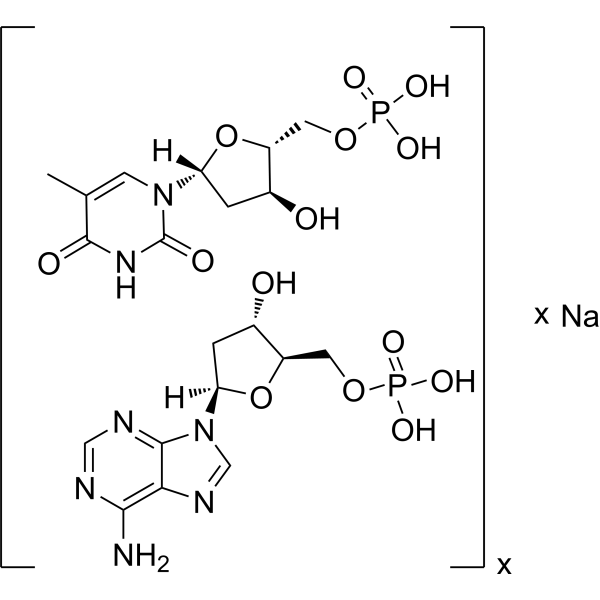
    Poly(deoxyadenylic-thymidylic) acid (Poly(dA:dT)) sodium is a double-stranded DNA stimulant. Poly(deoxyadenylic-thymidylic) acid sodium is recognized by the intracellular DNA sensor DDX41 and activates the innate immune pathway via the adaptor protein STING, inducing the production of cytokines such as type I interferons. Poly(deoxyadenylic-thymidylic) acid sodium also serves as an in vitro transcription template for free RNA polymerase .
    Poly(deoxyadenylic-thymidylic) acid sodium
  • HY-120018

    Androgen Receptor Cancer
    VPC-13566, a BF3-specific small molecule, is an androgen receptor (AR) inhibitor. VPC-13566 is effective in inhibiting AR transcriptional activity in vitro as well as the growth of AR-dependent PCa cell lines. VPC-13566 can be used as a chemical probe to help identify unknown AR partners.VPC-13566 can be used for the research of cancer.
    VPC-13566
  • HY-164373

    Androgen Receptor Apoptosis Cancer
    SC428 is an androgen receptor (AR) inhibitor that targets the N-terminal domain. SC428 potently decrease the transactivation of (AR)-V7, (AR)v567es, as well as full-length ( AR ) (AR-FL) and its LBD mutants, substantially. SC428 inhibits androgen-stimulated (AR)-FL nuclear translocation, chromatin binding, and (AR) -regulated gene transcription. SC428 inhibits the proliferation of tumor cells in vitro. SC428 inhibits tumor cell growth by inducing apoptosis in mice transplanted with 22RV1 .
    SC428
  • HY-164552

    Apoptosis Androgen Receptor Cancer
    ZNU-IMB-Z15 (Compound Z15) is an antagonist of the androgen receptor (AR) and also a selective degrader of AR and ARV7. ZNU-IMB-Z15 can directly bind to the ligand-binding domain (LBD) and activation function-1 region of AR, and promote AR degradation through the proteasome pathway. ZNU-IMB-Z15 effectively inhibits the transcriptional activity of AR, AR mutants, and AR splice variants (ARVs), downregulating the mRNA and protein levels of AR downstream target genes, thereby overcoming the resistance to second-generation antiandrogen drugs induced by AR LBD mutations, AR amplification, and ARVs in castration-resistant prostate cancer (CRPC). ZNU-IMB-Z15 can inhibit the proliferation of AR-positive CRPC cell lines and induce their apoptosis, demonstrating anticancer activity both in vivo and in vitro .
    ZNU-IMB-Z15
  • HY-D1686B

    DNA Stain Others
    Biotin-16-UTP tetrasodium is an active substrate for RNA polymerase. Biotin-16-UTP tetrasodium can replace UTP in the in vitro transcription reaction for RNA labeling .
    Biotin-16-UTP tetrasodium
  • HY-135797

    Apoptosis Cancer
    DB1976 is a selenophene analog of DB270 and a potent and cell-permeable fully efficacious transcription factor PU.1 inhibitor. DB1976 potently inhibits PU.1 binding (IC50 of 10 nM) and strongly inhibits the PU.1/DNA complex (with high DB1976-λB affinity, KD of 12 nM) in vitro. DB1976 has apoptosis-inducing effect .
    DB1976
  • HY-111815

    ac4CTP

    Endogenous Metabolite Metabolic Disease
    N4-Acetylcytidine triphosphate is efficiently used as a substrate in T7 Polymerase-catalyzed in vitro transcription and can be incorporated into multiple templates .
    N4-Acetylcytidine triphosphate
  • HY-19890

    Aminaftone; Aminaphthone

    Endothelin Receptor Cardiovascular Disease Endocrinology
    Aminaftone, a derivative of 4-aminobenzoic acid, downregulates endothelin-1 (ET-1) production in vitro by interfering with the transcription of the pre-pro-ET-1 gene.
    Aminaftone
  • HY-139100

    m7GpppA

    DNA/RNA Synthesis Infection
    N7-Methyl-guanosine-5'-triphosphate-5'-adenosine (m7GpppA) is a dinucleotide cap analog that can be used for in vitro RNA transcription .
    N7-Methyl-guanosine-5'-triphosphate-5'-adenosine
  • HY-124056

    CXCR Cancer
    AZ10397767 is an orally active, selective CXCR2 receptor antagonist with an IC50 of 1 nM. AZ10397767 attenuates the Oxaliplatin (HY-17371)-induced NF-κB transcriptional activity and potentiates Oxaliplatin-induced apoptosis in androgen-independent prostate cancer (AIPC) cells. AZ10397767 significantly inhibits neutrophil recruitment into tumors which then adversely affects tumor growth in vitro and in vivo .
    AZ10397767
  • HY-N6069R

    Reference Standards Interleukin Related JAK STAT Inflammation/Immunology
    Raspberry ketone glucoside (Standard) is the analytical standard of Raspberry ketone glucoside (HY-N6069). Raspberry ketone glucoside is a melanogenesis inhibitor. Raspberry ketone glucoside inhibits melanogenesis by activating the IL6/JAK1/STAT3 pathway, inhibiting the transcriptional activity of MITFa, and its downstream expression levels of the TYR and TYRP1a genes. Raspberry ketone glucoside shows remarkable whitening activity on both B16F10 cells in vitro and zebrafish model in vivo .
    Raspberry ketone glucoside (Standard)
  • HY-176274

    Fatty Acid Synthase (FASN) Stearoyl-CoA Desaturase (SCD) Reactive Oxygen Species (ROS) Interleukin Related TNF Receptor SOD LDLR Glutathione Peroxidase Metabolic Disease Inflammation/Immunology
    FASN/SCD-IN-1 is a Silybin (HY-N0779A) derivative, an orally active inhibitor of Fatty Acid Synthase (FASN)/Stearoyl-CoA Desaturase (SCD). FASN/SCD-IN-1 has shown in vitro activity in inhibiting lipid deposition, reducing FASN and SCD transcriptional levels, and exhibiting antioxidant, anti-inflammatory, and anti-fibrotic activities. FASN/SCD-IN-1 has demonstrated significant hepatoprotective effects in a rat model of acute liver injury. FASN/SCD-IN-1 ameliorates the pathological features of MASH liver, including steatosis, inflammation, and fibrosis in a mouse model of myeloproliferative steatohepatitis (MASH). FASN/SCD-IN-1 can be used to study MASH .
    FASN/SCD-IN-1
  • HY-111815B

    ac4CTP sodium (solution)

    Endogenous Metabolite Others
    N4-Acetylcytidine triphosphate sodium (solution) is an efficient substrate for T7 RNA polymerase-catalyzed transcription in vitro and can be incorporated into multiple templates .
    N4-Acetylcytidine triphosphate sodium (solution)
  • HY-158819

    DNA/RNA Synthesis Others
    m7(3'OMeG)(5')ppp(5')m6(2'OMeA)pG trisodium is a cap analog that can be used for in vitro transcription of mRNA.
    m7(3'OMeG)(5')ppp(5')m6(2'OMeA)pG trisodium
  • HY-E70400

    DNA/RNA Synthesis Others
    Thermostable T7 RNA Polymerase is a thermostable version of T7 RNA Polymerase (HY-E70090). Compared with T7 RNA Polymerase, it has high temperature resistance and stable activity. T7 RNA polymerase is a polymerase expressed by Escherichia coli from the RNA polymerase gene of T7 bacteriophage. T7 RNA polymerase is highly specific and involved in in vitro transcription (IVT) of mRNA. In the presence of Mg 2+, T7 RNA polymerase only uses the single-stranded or double-stranded DNA containing the T7 promoter sequence as a template, and uses NTP as a substrate to synthesize RNA complementary to the single-stranded DNA downstream of the promoter .
    Thermostable T7 RNA Polymerase
  • HY-N11522A

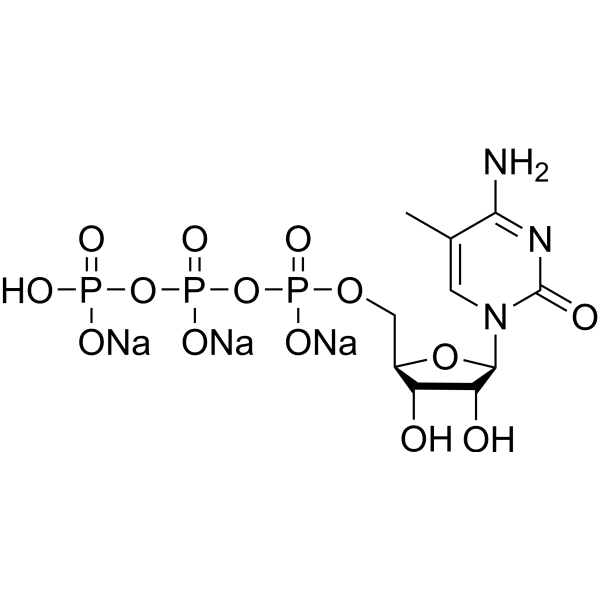
    5-Methyl-UTP trisodium

    DNA/RNA Synthesis Others
    5-Methyluridine-5'-triphosphate (5-Methyl-UTP) trisodium is a base modified ribonucleoside triphosphates, and can be used for in vitro transcription.
    5-Methyluridine-5'-triphosphate trisodium
  • HY-116259

    PPAR Metabolic Disease
    PT-S58, a GSK0660 derivative, is a PPARβ/δ full antagonist with an IC50 value of 98 nM. PT-S58 inhibits the agonist-induced transcriptional activity of PPARβ/δ in vitro .
    PT-S58
  • HY-111537

    c-Myc CDK Bcl-2 Family Others
    rel-AZ5576 is a selective CDK9 inhibitor with the activity of downregulating Mcl-1 and MYC mRNA transcription and protein expression in diffuse large B-cell lymphoma by inhibiting CDK9, promoting MYC protein turnover, reducing MYC phosphorylation on the stable Ser62 residue and downregulating MYC transcriptional targets, inhibiting the growth of diffuse large B-cell lymphoma cell lines in vitro and in vivo and independent of the cell origin.
    rel-AZ5576
  • HY-P10074

    ERK Inflammation/Immunology
    TAT-MEK1 is an inhibitor ofERK2, consisting of TAT and MEK1 (N-terminal), TAT (YGRKKRRQRRR) derived from human immunodeficiency (HIV-1) transcriptional trans activator (TAT), is a cell-penetrating peptide. TAT-MEK1 IC50 in vitro for ERK2 is 29 μM .
    TAT-MEK1
  • HY-E70080

    Biochemical Assay Reagents Others
    Vaccinia virus capping enzyme is a transcription initiation factor. Vaccinia virus capping enzyme is a heterodimer of D1 (844 aa) and D12 (287 aa) polypeptides that executes all three steps in m7GpppRNA synthesis. Vaccinia virus capping enzyme has been used widely as a reagent for capping and cap-labeling RNAs in vitro .
    Vaccinia virus capping enzyme
  • HY-134222AS

    Isotope-Labeled Compounds Endogenous Metabolite Infection
    N-Acetylserine-d3 is the deuterium labeled N-Acetylserine (HY-134222A). N-Acetylserine (N-Acetyl-L-serine) is a physiological inducer of cysteine biosynthesis and activator of CysB. N-Acetylserine can bind to the CysB apoprotein. N-Acetylserine stimulates cysJIH transcription in vitro. N-Acetylserine can be used in the research of SARS-CoV-2 infection .
    N-Acetylserine-d3
  • HY-155158

    Ferroptosis Cancer
    Anticancer agent 147 (compound 6j) is a derivative of sophoridine (HY-N1373) and is a ferroptosis inducer. Anticancer agent 147 can promote the accumulation of intracellular Fe 2+, reactive oxygen species (ROS) and MDA, increase ER stress, and upregulate the expression of the activating transcription factor ATF3. Anticancer agent 147 has good anti-liver cancer effects in vitro and in vivo .
    Anticancer agent 147
  • HY-144175

    CDK Cancer
    CDK7-IN-12 is a potent inhibitor of CDK7. CDK7-IN-12 plays a key role in transcriptional regulation and cell cycle regulation. CDK7-IN-12 effectively inhibit malignant tumor proliferation in vitro and in vivo. CDK7-IN-12 has the potential for the research of cancer disease (extracted from patent WO2021249417A1, compound 43) .
    CDK7-IN-12
  • HY-168473

    SARS-CoV DNA/RNA Synthesis Infection
    13-TP is an inhibitor of SARS-CoV-2. 13-TP effectively inhibits the SARS-CoV-2 central replication transcription complex (C-RTC, nsp12-nsp7-nsp82) catalyzed in vitro RNA synthesis. 13-TP completely inhibits the RdRp polymerization activity. 13-TP blocks the full extension of some of the primer RNA .
    13-TP
  • HY-P3103

    DNA/RNA Synthesis Cancer
    PINT-87aa, an 87-amino acid (aa) peptide, is encoded by the circular form of the long intergenic non-protein-coding RNA p53-induced transcript (LINC-PINT). PINT-87aa directly interacts with polymerase associated factor complex (PAF1c) and inhibits the transcriptional elongation of multiple oncogenes. PINT-87aa suppresses glioblastoma cell proliferation in vitro and in vivo .
    PINT-87aa
  • HY-131445A

    Orphan Nuclear Receptor Metabolic Disease Inflammation/Immunology
    SS-RJW100 is a enantiomer of RJW100, which is a racemic agonist of nuclear receptor liver receptor homolog 1 (LRH-1) and steroidogenic factor 1 (SF-1). SS-RJW100 promotes recruitment of coregulator protein fragments in vitro, recruits the transcriptional intermediary factor 2 (Tif2) coactivator to LRH-1. SS-RJW100 diminishes LRH-1 allosteric activation networks, shows poor thermal stability .
    SS-RJW100
  • HY-P3103A

    DNA/RNA Synthesis Cancer
    PINT-87aa TFA, an 87-amino acid (aa) peptide, is encoded by the circular form of the long intergenic non-protein-coding RNA p53-induced transcript (LINC-PINT). PINT-87aa TFA directly interacts with polymerase associated factor complex (PAF1c) and inhibits the transcriptional elongation of multiple oncogenes. PINT-87aa TFA suppresses glioblastoma cell proliferation in vitro and in vivo .
    PINT-87aa TFA
  • HY-100008R

    NIK333 (Standard)

    Reference Standards RAR/RXR SphK Autophagy HCV Infection Cancer
    Peretinoin (Standard) is the analytical standard of Peretinoin. This product is intended for research and analytical applications. Peretinoin is an oral acyclic retinoid with a vitamin A-like structure that targets retinoid nuclear receptors such as retinoid X receptor (RXR) and retinoic acid receptor (RAR). Peretinoin reduces the mRNA level of sphingosine kinase 1 (SPHK1) in vitro by downregulating a transcription factor, Sp1[1]. Peretinoin prevents the progression of non-alcoholic steatohepatitis (NASH) and the development of hepatocellular carcinoma (HCC) through activating the autophagy pathway by increased Atg16L1 expression[2]. Peretinoin inhibits HCV RNA amplification and virus release by altering lipid metabolism with a EC50 of 9 μM[3].
    Peretinoin (Standard)
  • HY-W331198

    Insecticide Ferroptosis Infection
    Tralopyril is an orally active, blood-brain barrier-penetrating antifouling insecticide and endocrine disruptor. By interfering with the thyroid hormone system and mitochondrial oxidative phosphorylation, Tralopyril downregulates the transcription of genes such as TRHR, Nkx2.1, TRα and induces ferroptosis. Tralopyril disrupts amino acid, energy and lipid metabolism, exhibits significant skeletal and reproductive toxicity, and causes developmental damage. Tralopyril has a long half-life in vivo and wide tissue distribution, posing potential risks to aquatic organisms and human health. Tralopyril shows species specificity in in vitro liver microsomal metabolism, exerts lethal effects on target insects and laboratory animals, and is commonly used in studies of chlorfenapyr poisoning and related toxic mechanisms .
    Tralopyril
  • HY-117921

    Interleukin Related Inflammation/Immunology
    DA-E 5090 is an orally effective inhibitor of IL-1 production that can be converted into a pharmacologically active deacetylated form (DA-E5090) in vivo. In this study, the effects of DA-E5090 on IL-1 production in vitro were examined by LPS-stimulated human monocytes. The results showed that DA-E5090 could dose-dependently inhibit the production of IL-1α and IL-1β (1-10 μM) by LPS-stimulated human monocytes, as determined by LAF assay and ELISA. Northern blotting analysis showed that DA-E5090 inhibited the transcription of IL-1α and IL-1β mRNA.
    DA-E 5090

Inquiry Online

Your information is safe with us. * Required Fields.

Salutation


Country or Region *

Applicant Name *


Organization Name *

Department *


Email Address *


Product Name *

Cat. No.


Requested quantity *

Phone Number *


Remarks

Inquiry Online

Inquiry Information

Product Name:
Cat. No.:
Quantity:
MCE Japan Authorized Agent:

