



Xanthine oxidase, Microorganism
Based on 7 publication(s) in Google Scholar
Xanthine oxidase, Microorganism (XO) is a xanthine oxidoreductase enzyme that generates reactive oxygen species (ROS), catalyzes the oxidation of hypoxanthine to xanthine, and further catalyzes the oxidation of xanthine to uric acid.
For research use only. We do not sell to patients.
- CAS No.: 9002-17-9
-
Storage:
Please store the product under the recommended conditions in the Certificate of Analysis.

To place orders, for customer services and technical support, please contact: MedChemExpress USA
Tel: 609-228-6898 E-mail: [email protected] [email protected]


-
 Biological Activity
-
Chemical Information
-
Solvent & Solubility
- Protocols
- Purity & Documentation
- References
-
 Help & FAQs


-
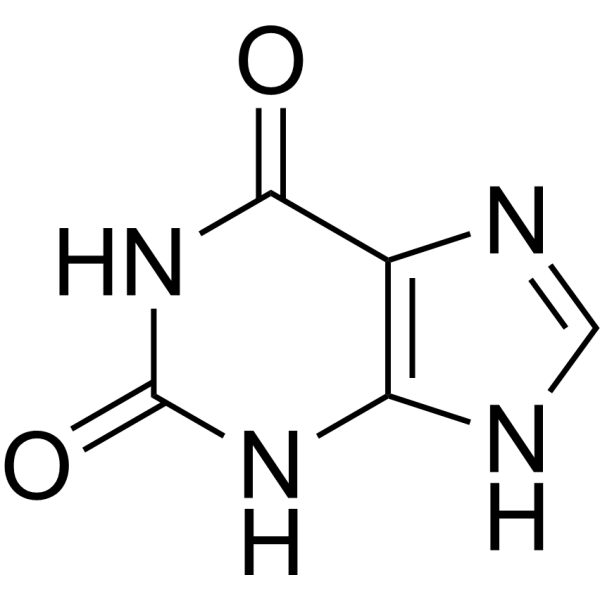
HY-W017389
Xanthine -
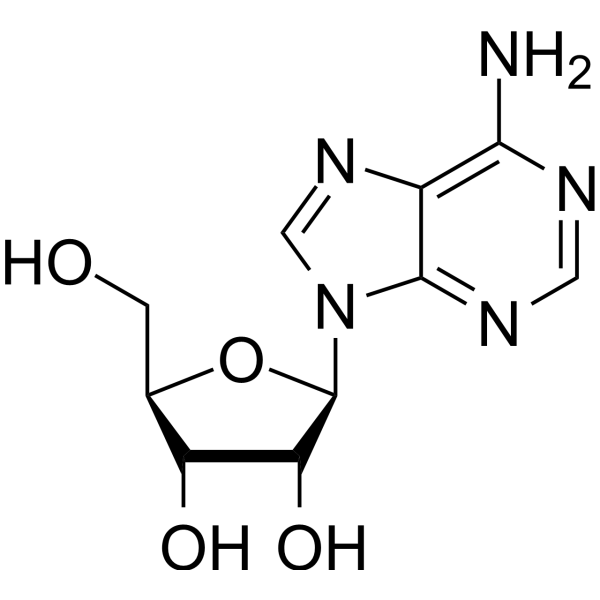
HY-B0228
AdenosineEndogenous Autacoid -

HY-P2755A
Xanthine oxidase, bovine milkROS Inducer -
HY-135849
Catalase, Aspergillus nigerAntioxidant Enzyme -
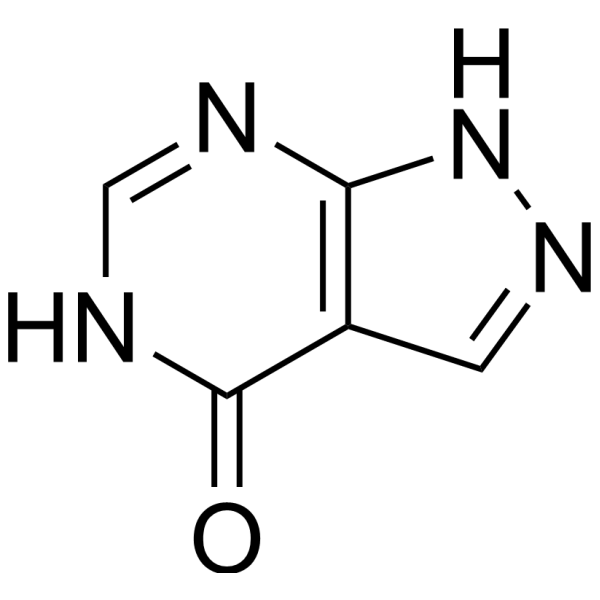
HY-B0219
AllopurinolXanthine Oxidase Inhibitor -
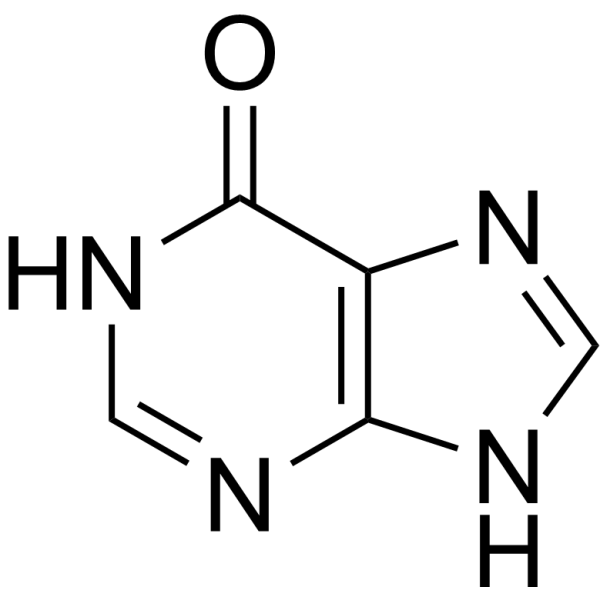
HY-N0091
HypoxanthineEndogenous Metabolite -
HY-125859
Peroxidase, HorseradishPeroxidase -
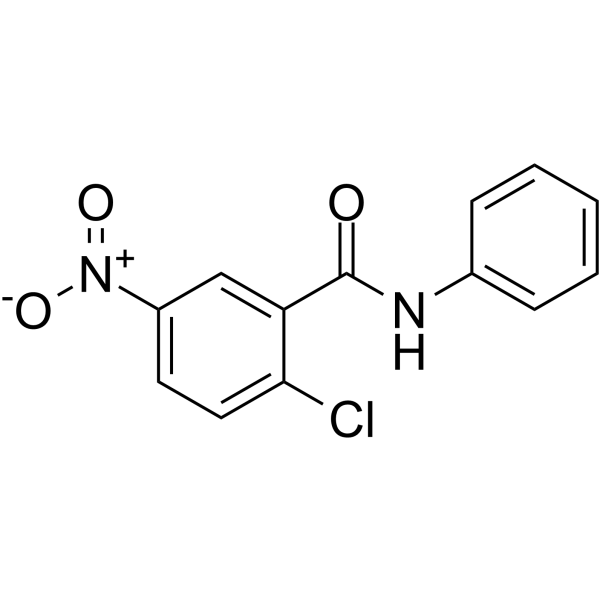
HY-16578
GW9662PPARγ Antagonist -
HY-P0035
Insulin (human)Recombinant Human Insulin -
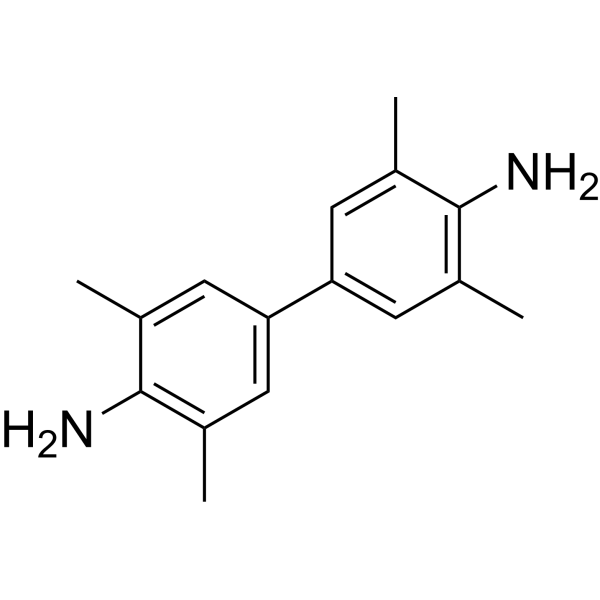
HY-15930
TMBChromogenic Agent -
HY-P2902
Glucose oxidaseOxidoreductase Enzyme -
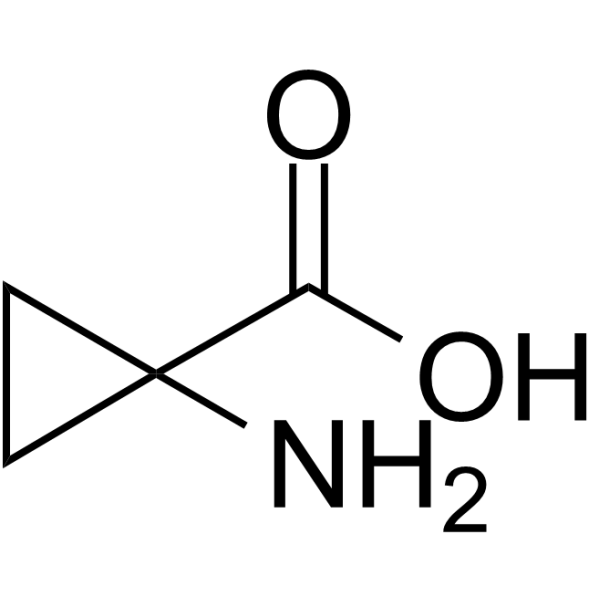
HY-30004
1-Aminocyclopropane-1-carboxylic acidEndogenous Metabolite


Biological Activity
Description
In Vitro
Xanthine oxidase rapidly and completely depletes hypoxanthine in human erythrocytes[2].
Xanthine oxidase (20 mU/mL, 72 h) inhibits growth of Plasmodium falciparum in human erythrocytes[2].
Xanthine oxidase (0.02 U/mL, 6 h) reduces the viability of postnatal cerebellar granule neurons obtained from 8-day old Sprague-Dawley rat pups[3].
Product Information
Optimal pH: 7.5-8.0
Theoretical molecular weight: 283 kDa (mostly exists in dimer form)
Instructions
Soluble in water (10 mg/mL), Or dissolve in buffer according to specific experimental references (such as 50 mM potassium phosphate).
MedChemExpress (MCE) has not independently confirmed the accuracy of these methods. They are for reference only.
Clinical Trial
| NCT Number | Sponsor | Condition | Start Date |
Phase

|
|---|---|---|---|---|
| NCT01329991 | 2011-05 | PHASE1 |


Product Details
-
EC Number
1.17.3.2
-
Enzyme Activity
≥10 U/mg soild
-
Specific Activity
≥50 U/mg protein
-
Unit Definition
One unit is defined as the amount of enzyme that convert 1 μmol of xanthine to uric acid per minute at 37°C and pH 7.5


Chemical Information
-
CAS No. 9002-17-9
-
Appearance Solid
-
Color Off-white to yellow
-
SMILES
[Xanthine oxidase, Microorganism]
-
Synonyms
XO; XOD
-
Shipping
Room temperature in continental US; may vary elsewhere.
-
Storage
Please store the product under the recommended conditions in the Certificate of Analysis.


Publications (7)
-
Journal Impact Factor
-
Most Recent
-
Adv Mater
Nanozyme-Reinforced Hydrogel Spray as a Reactive Oxygen Species-Driven Oxygenator to Accelerate Diabetic Wound Healing. [Abstract]2025 Aug;37(34):e2504829. PMID: 40492891 -
Asian J Pharm Sci
A programmable nanoreactor for photothermal immunotherapy via NIR-II triggered enzyme-catalyzed immunogenic tumor microenvironment remodeling. [Abstract]2026 Apr;21(2):101150. PMID: 42023164 -
Chin Med
A novel Chinese medicine formula against hyperuricemia-induced kidney inflammation involving pyroptosis inhibition via modulating AMPK-TLR4-NLRP3 pathway. [Abstract]2026 Mar 1;21(1):74. PMID: 41764514 -
Colloids Surf B Biointerfaces
In-situ growth of CeO2 on biofilms: Innovative nanoparticles for photothermal therapy & multi-pronged attack on Alzheimer's disease. [Abstract]2024 Jun:238:113887. PMID: 38581835 -
-
-


Solvent & Solubility
In Vitro:
H2O : ≥ 10 mg/mL
* "≥" means soluble, but saturation unknown.
Concentration (start) × Volume (start) = Concentration (final) × Volume (final)
In Vivo Dissolution Calculator
Please enter the basic information of animal experiments:
-
-
-
-
Recommended: Prepare an additional quantity of animals to account for potential losses during experiments.
Working solution concentration: 0.22 mg/mL
Purity & Documentation


References
[2]. Berman PA, et al. Xanthine oxidase inhibits growth of Plasmodium falciparum in human erythrocytes in vitro. J Clin Invest. 1991 Dec;88(6):1848-55. [Content Brief]
[3]. Fatokun AA, et al. Hydrogen peroxide mediates damage by xanthine and xanthine oxidase in cerebellar granule neuronal cultures. Neurosci Lett. 2007 Apr 6;416(1):34-8. [Content Brief]


Xanthine oxidase, Microorganism Related Classifications
HY-P2755 Related Classifications
 Powered by Bioz