



MKT-077
Based on 18 publication(s) in Google Scholar
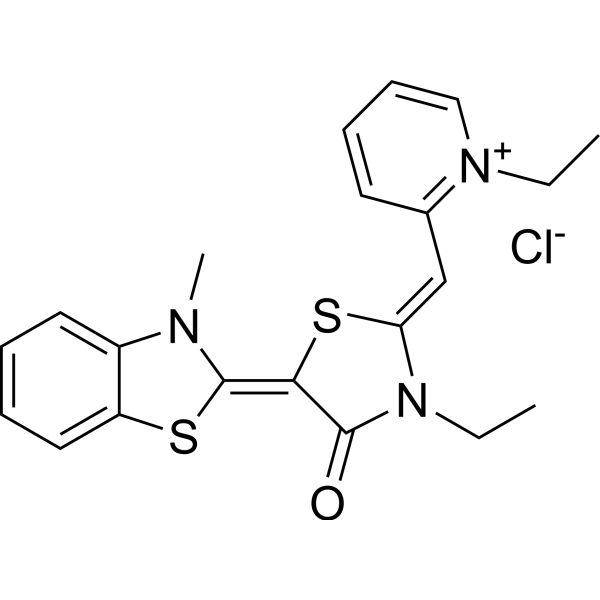
MKT-077 (FJ-776), a highly water-soluble mitochondrial dye, has significant antitumor activity. MKT-077 exhibits low cytotoxicity, and inhibits broad-spectrum human cancer cell lines (colon cancer, breast cancer, pancreatic cancer). MKT-077 inhibits the growth of tumor in nude mice enograft tumor model. Ex/Em=488/543 nm.
For research use only. We do not sell to patients.
- Purity : 98.49%
- CAS No.: 147366-41-4
- Formula: C21H22ClN3OS2
- Molecular Weight:432.00
-
Storage:
-20°C, sealed storage, away from moisture and light
* In solvent : -80°C, 6 months; -20°C, 1 month (sealed storage, away from moisture and light)

To place orders, for customer services and technical support, please contact: MedChemExpress USA
Tel: 609-228-6898 E-mail: [email protected] [email protected]


-
 Biological Activity
-
Chemical Information
-
Solvent & Solubility
- Protocols
- Purity & Documentation
- References
-
 Help & FAQs


-
HY-10941
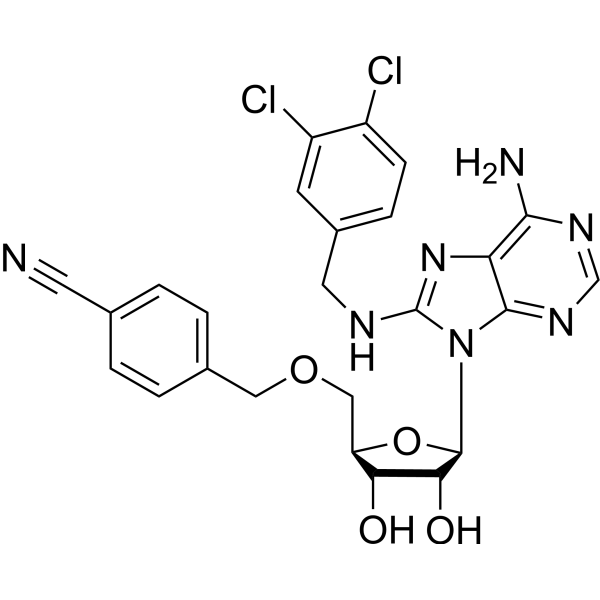
VER-155008Hsp70 Inhibitor -
HY-10211
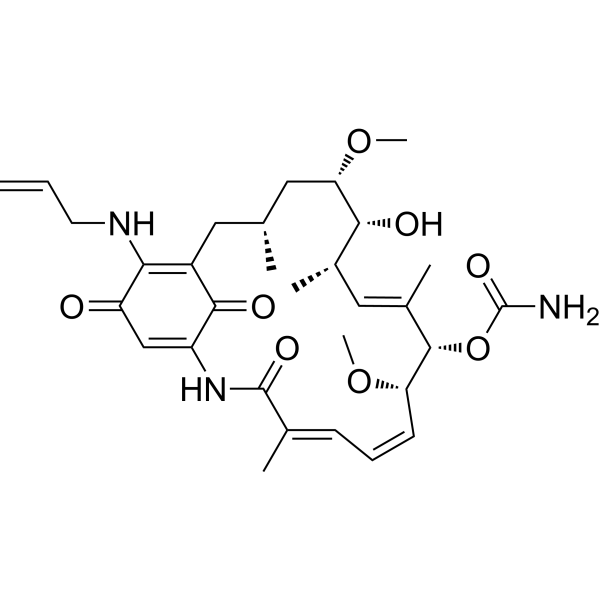
TanespimycinHSP90 Inhibitor -
HY-15230
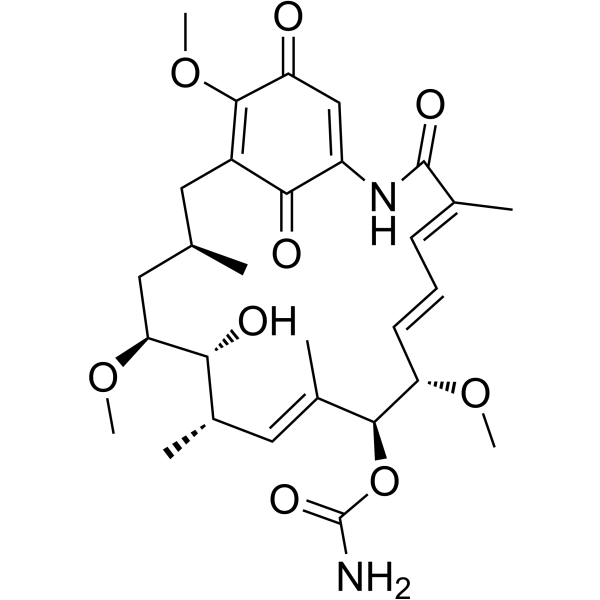
GeldanamycinHsp90 Inhibitor -
HY-13259
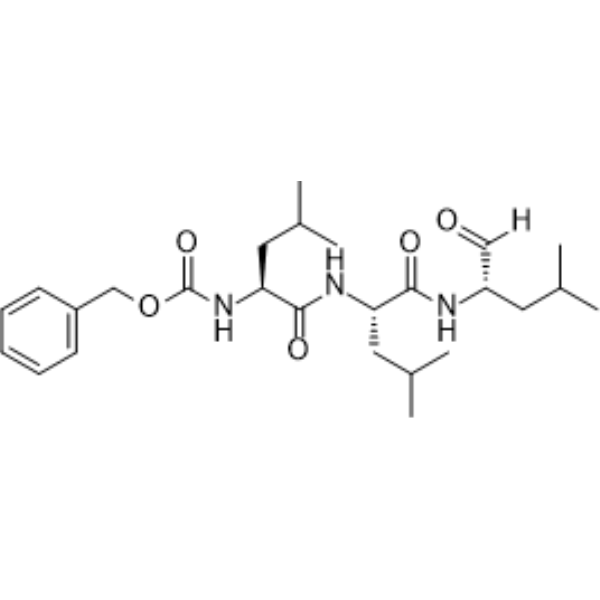
MG-132Proteasome Inhibitor -
HY-10087
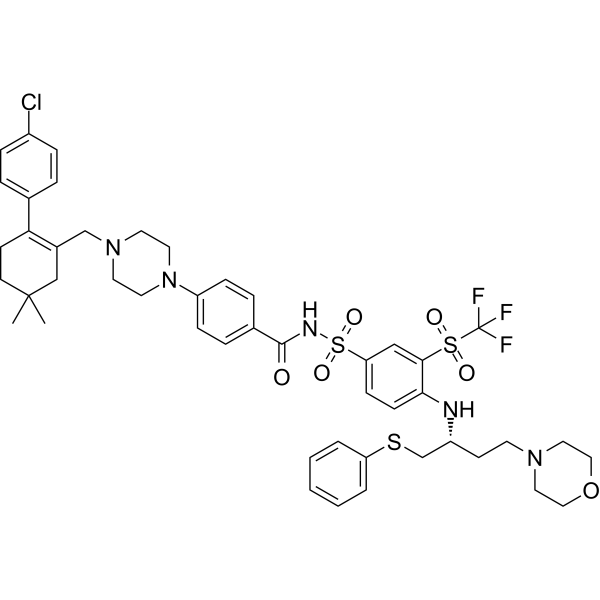
NavitoclaxBcl-2 Inhibitor -
HY-W009724
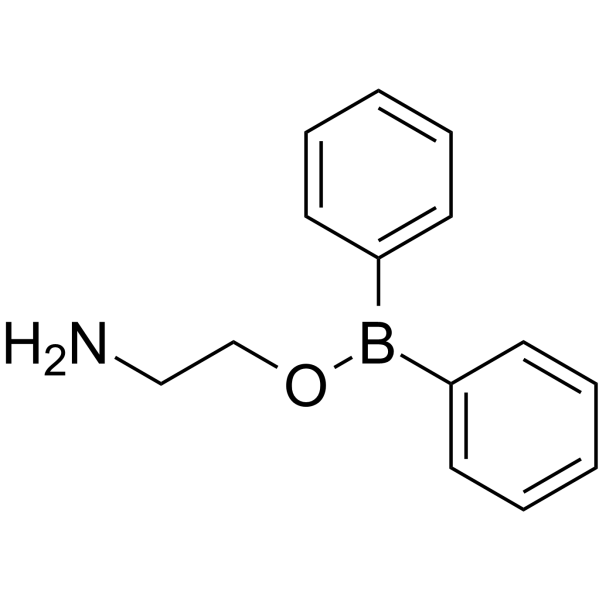
2-Aminoethyl diphenylborinateIP3R Inhibitor -
HY-15205
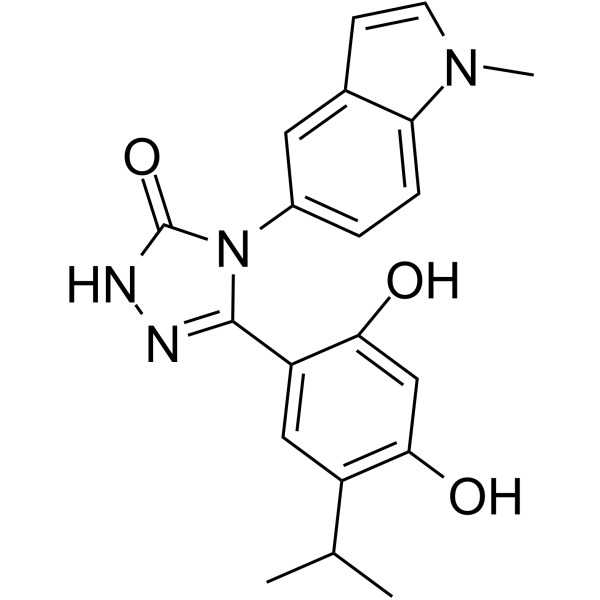
GanetespibHSP90 Inhibitor -
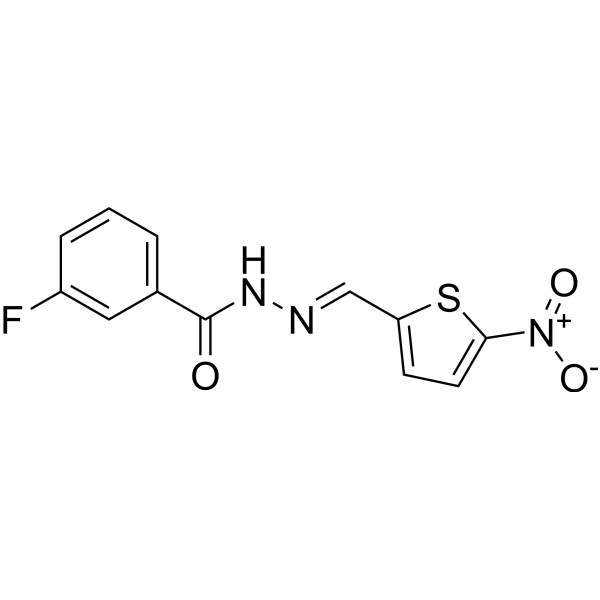
HY-115467
MitoBloCK-10PAM complex Inhibitor -
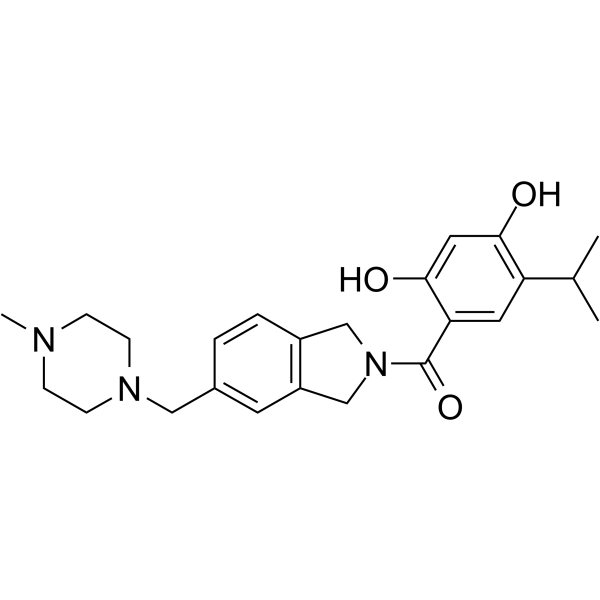
HY-14463
OnalespibHsp90 Inhibitor -

HY-15230R
Geldanamycin (Standard)Hsp90 Inhibitor -
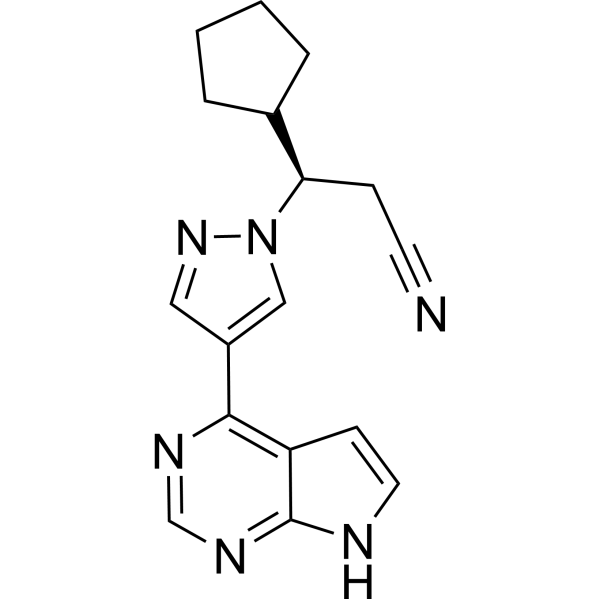
HY-50856
RuxolitinibJAK1/2 Inhibitor -
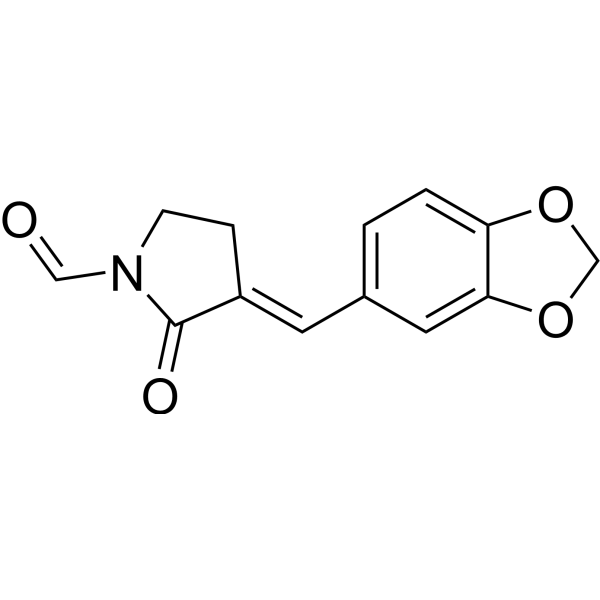
HY-100110
KNK437HSP Inhibitor
Publications Citing Use of MedChemExpress (MCE) MKT-077
More- Nat Cell Biol. 2026 Jun 12. [Abstract]
- J Nanobiotechnology. 2022 Jul 20;20(1):340. [Abstract]
- Cell Death Dis. 2024 Aug 31;15(8):638. [Abstract]
- J Transl Med. 2023 Oct 5;21(1):695. [Abstract]
- Dev Cell. 2024 Oct 7;59(19):2643-2658.e7. [Abstract]
- Int J Surg. 2026 Feb 19. [Abstract]
- Int J Biol Macromol. 2025 May;310(Pt 3):143249. [Abstract]
- Atherosclerosis. 2025 Oct:409:119243. [Abstract]
- Virulence. 2026 Dec;17(1):2605380. [Abstract]
- Eur J Med Chem. 2021 Aug 5:220:113452. [Abstract]
- Cell Biosci. 2021 Mar 6;11(1):50. [Abstract]
- Pharm Biol. 2022 Dec;60(1):17-24. [Abstract]
- Mol Oncol. 2026 Jun 5. [Abstract]
- Front Biosci (Landmark Ed). 2023 Dec 1;28(12):325. [Abstract]
- bioRxiv. 2025 Nov 18.
- Research Square Print. 2025 May 28.
- bioRxiv. 2023 Dec 21.
- Research Square Preprint. 2023 May 22.
 Customer Validation & Images

-
WB
-
Bio/Physico-chemical Assay
-
In Vivo Efficacy Study


Biological Activity
Description
IC50 & Target
[1]|
HSP70 |
Cellular Effect
|
Cell Line

|
Type | Value | Description | References |
|---|---|---|---|---|
| Cancer cell lines | IC50 |
1 μM
Compound: 31, MKT-077
|
Antiproliferative activity against human bladder cancer cells
Antiproliferative activity against human bladder cancer cells
|
[PMID: 20334364] |
| Cancer cell lines | IC50 |
1 μM
Compound: 31, MKT-077
|
Antiproliferative activity against human breast cancer cells
Antiproliferative activity against human breast cancer cells
|
[PMID: 20334364] |
| Cancer cell lines | IC50 |
1 μM
Compound: 31, MKT-077
|
Antiproliferative activity against human colon cancer cells
Antiproliferative activity against human colon cancer cells
|
[PMID: 20334364] |
| CX-1 | IC50 |
0.81 μM
Compound: 3
|
In vitro inhibition of growth of human carcinoma CX-1 cell line (clonogenic assay).
In vitro inhibition of growth of human carcinoma CX-1 cell line (clonogenic assay).
|
[PMID: 9438030] |
| FM3A | EC50 |
1.5 x 10⁻⁵ M
Compound: MKT-077
|
Cytotoxicity against mouse mammary tumor FM3A cells representing a model of host
Cytotoxicity against mouse mammary tumor FM3A cells representing a model of host
|
[PMID: 11855978] |
| KB | IC50 |
>69 μM
Compound: 3
|
In vitro inhibition of growth of KB cells (cytotoxic assay).
In vitro inhibition of growth of KB cells (cytotoxic assay).
|
[PMID: 9438030] |
| L6 | IC50 |
114.8 μM
Compound: 1, MKT-077
|
Cytotoxicity against rat L6 cells after 72 hrs by Alamar blue assay
Cytotoxicity against rat L6 cells after 72 hrs by Alamar blue assay
|
[PMID: 19894726] |
| MCF7 | EC50 |
2.2 μM
Compound: MKT-077
|
Cytotoxicity against human MCF7 cells assessed as growth inhibition after 72 hrs by MTT assay
Cytotoxicity against human MCF7 cells assessed as growth inhibition after 72 hrs by MTT assay
|
[PMID: 24312699] |
| MDA-MB-231 | EC50 |
1.4 μM
Compound: MKT-077
|
Cytotoxicity against human MDA-MB-231 cells assessed as growth inhibition after 72 hrs by MTT assay
Cytotoxicity against human MDA-MB-231 cells assessed as growth inhibition after 72 hrs by MTT assay
|
[PMID: 24312699] |
| MEF | EC50 |
>50 μM
Compound: MKT-077
|
Cytotoxicity against C57BL/6 mouse MEF assessed as growth inhibition after 72 hrs by MTT assay
Cytotoxicity against C57BL/6 mouse MEF assessed as growth inhibition after 72 hrs by MTT assay
|
[PMID: 24312699] |
| NCI-H460 | IC50 |
1.3 μM
Compound: MKT-077
|
Antitumor activity against human NCI-H460 cells
Antitumor activity against human NCI-H460 cells
|
[PMID: 31926469] |
| NCI-H460 | IC50 |
1.3 μM/L
Compound: MKT-077
|
Antitumor activity against human NCI-H460 cells
Antitumor activity against human NCI-H460 cells
|
[PMID: 31926469] |
In Vitro
Guide (The following is our recommended protocol. This protocol is only a guide and should be modified according to your specific needs).
Preparation of MKT-077 solution
1.1 Preparation of the stock solution
Dissolve 1 mg MKT-077 in 0.2315 mL DMSO to obtain 10 mM of MKT-077 .
Note: It is recommended to store the stock solution at -20 °C -80 °C away from light and avoid repetitive freeze-thaw cycles.
1.2 Preparation of MKT-077 working solution
Dilute the stock solution in serum-free cell culture medium or PBS to obtain 5-10 μM of MKT-077 working solution.
Note: Please adjust the concentration of MKT-077 working solution according to the actual situation.
Cell staining
2.1 Cell preparation.
For suspension cells: Centrifuge at 1000 g at 4°C for 3-5 minutes and then discard the supernatant. Wash twice with PBS, 5 minutes each time.
For adherent cells: Discard the cell culture medium, and add trypsin to dissociate cells to make a single-cell suspension. Centrifuge at 1000 g at 4°C for 3-5 minutes and then discard the supernatant. Wash twice with PBS, 5 minutes each time.
2.2 Add 1 mL of MKT-077 working solution, and then incubate at room temperature for 30 minutes.
2.3 Centrifuge at 400 g at 4°C for 3-4 minutes and then discard the supernatant.
2.4 Wash twice with PBS, 5 minutes each time.
2.5 Resuspend cells with serum-free cell culture medium or PBS, and then detect by fluorescence microscope or flow cytometer.
MedChemExpress (MCE) has not independently confirmed the accuracy of these methods. They are for reference only. Further protocols information, click here.
In Vivo
MedChemExpress (MCE) has not independently confirmed the accuracy of these methods. They are for reference only.


Chemical Information
-
CAS No. 147366-41-4
-
Appearance Solid
-
Molecular Weight 432.00
-
Formula C21H22ClN3OS2
-
Color Brown to reddish brown
-
SMILES
CN(C1=CC=CC=C1S/2)C2=C3C(N(CC)/C(S\3)=C/C4=[N+](CC)C=CC=C4)=O.[Cl-]
-
Synonyms
FJ-776
-
Shipping
Room temperature in continental US; may vary elsewhere.
-
Storage
-20°C, sealed storage, away from moisture and light
* In solvent : -80°C, 6 months; -20°C, 1 month (sealed storage, away from moisture and light)


Publications (18)
-
Journal Impact Factor
-
Most Recent
-
Nat Cell Biol
ERO1a fosters glioblastoma aggressiveness and metabolic flexibility by regulating mitochondria-associated membrane dynamics. [Abstract]2026 Jun 12. PMID: 42286227 -
J Nanobiotechnology
GRP75-driven, cell-cycle-dependent macropinocytosis of Tat/pDNA-Ca2+ nanoparticles underlies distinct gene therapy effect in ovarian cancer. [Abstract]2022 Jul 20;20(1):340. PMID: 35858873
MKT-077 purchased from MedChemExpress. Usage Cited in: J Nanobiotechnology. 2022 Jul 20;20(1):340. [Abstract]
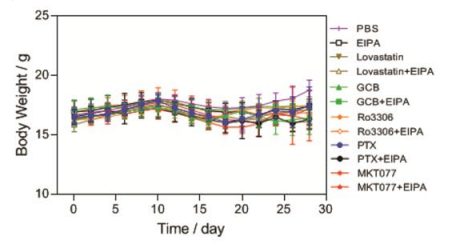
Body weight of the ovarian tumors at 21 day post-administration with Tat/TF-Ca2+ nanoparticles and treatments with different inhibitors (MKT077 (intratumoral injection, 7.5 mg/kg); MKT077 + EIPA).
-
Cell Death Dis
A common druggable signature of oncogenic c-Myc, mutant KRAS and mutant p53 reveals functional redundancy and competition among oncogenes in cancer. [Abstract]2024 Aug 31;15(8):638. PMID: 39217152 -
J Transl Med
TRPA1 promotes cisplatin-induced acute kidney injury via regulating the endoplasmic reticulum stress-mitochondrial damage. [Abstract]2023 Oct 5;21(1):695. PMID: 37798747
MKT-077 purchased from MedChemExpress. Usage Cited in: J Transl Med. 2023 Oct 5;21(1):695. [Abstract]
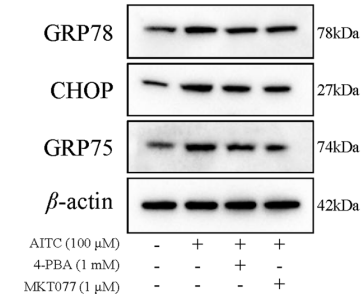
The ERS-related proteins GRP78, CHOP, and GRP75 levels in HK-2 cells were measured using western blot. Control: left untreated; TRPA1 agonists: 100 µM AITC for 24 h; TRPA1 agonists+ERS inhibitor: 100 µM AITC and 1 mM 4-PBA for 24 h; TRPA1 agonists+GRP75 inhibitor: 100 µM AITC and 1 µM MKT077 for 24 h.
MKT-077 purchased from MedChemExpress. Usage Cited in: J Transl Med. 2023 Oct 5;21(1):695. [Abstract]
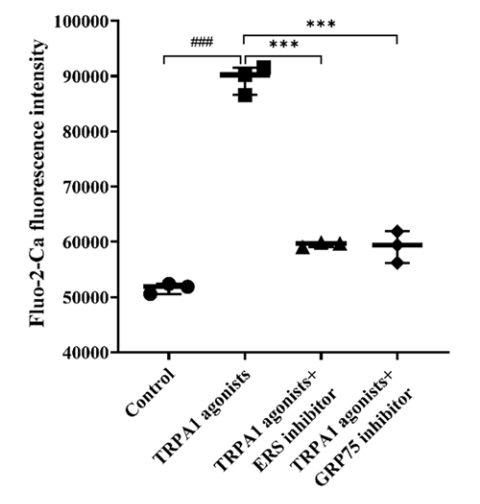
ERS inhibitors and GRP75 inhibitors reduced the cisplatin-induced up-regulation of Ca2+ concentration in HK-2 cells. TRPA1 agonists: 100 µM AITC for 24 h; TRPA1 agonists+ERS inhibitor: 100 µM AITC and 1 mM 4-PBA for 24 h; TRPA1 agonists+GRP75 inhibitor: 100 µM AITC and 1 µM MKT077 for 24 h.
-
Dev Cell
GRP75-dependent mitochondria-ER contacts ensure cell survival during early mouse thymocyte development. [Abstract]2024 Oct 7;59(19):2643-2658.e7. PMID: 38981469 -
Int J Surg
Intelligent identification and targeted intervention of GRP75-caused drug resistant hepatocellular carcinoma, a study based on radiomics, machine learning, and molecular pharmacology. [Abstract]2026 Feb 19. PMID: 41711200 -
Int J Biol Macromol
A kinase-independent Bcr-Abl function mediating an Hsp70-Bim protein-protein interaction in chronic myeloid leukemia. [Abstract]2025 May;310(Pt 3):143249. PMID: 40250683 -
Atherosclerosis
2025 Oct:409:119243. PMID: 40410081 -
Virulence
Differential roles of HSP70 and HSP90 in Senecavirus A infection: IRES-dependent translational regulation and viral replication mechanisms. [Abstract]2026 Dec;17(1):2605380. PMID: 41412139 -
Eur J Med Chem
A novel Hsp70 inhibitor specifically targeting the cancer-related Hsp70-Bim protein-protein interaction. [Abstract]2021 Aug 5:220:113452. PMID: 33906046 -
Cell Biosci
ApoE4 (Δ272-299) induces mitochondrial-associated membrane formation and mitochondrial impairment by enhancing GRP75-modulated mitochondrial calcium overload in neuron. [Abstract]2021 Mar 6;11(1):50. PMID: 33676568 -
Pharm Biol
Aspirin relieves the calcification of aortic smooth muscle cells by enhancing the heat shock response. [Abstract]2022 Dec;60(1):17-24. PMID: 34846265 -
Mol Oncol
Patient therapy outcome modeling in cancer organoids is improved by cancer-associated fibroblasts and organoid assembly convolution. [Abstract]2026 Jun 5. PMID: 42246237 -
Front Biosci (Landmark Ed)
Maintenance of the Expression of c-FLIPL by Hsp70 to Resist Licochalcone A-Induced Anti-Colorectal Cancer Effect through ERK-Mediated Autophagy Induction. [Abstract]2023 Dec 1;28(12):325. PMID: 38179732 -
-
-
-


Solvent & Solubility
In Vitro:
DMSO : 56.67 mg/mL (131.18 mM; Need ultrasonic; Hygroscopic DMSO has a significant impact on the solubility of product, please use newly opened DMSO)
Please refer to the solubility information to select the appropriate solvent. Once prepared, please aliquot and store the solution to prevent product inactivation from repeated freeze-thaw cycles.
Storage method and period of stock solution: -80°C, 6 months; -20°C, 1 month (sealed storage, away from moisture and light). When stored at -80°C, please use it within 6 months. When stored at -20°C, please use it within 1 month.
Please refer to the solubility information to select the appropriate solvent. Once prepared, please aliquot and store the solution to prevent product inactivation from repeated freeze-thaw cycles.
Storage method and period of stock solution: -80°C, 6 months; -20°C, 1 month (sealed storage, away from moisture and light). When stored at -80°C, please use it within 6 months. When stored at -20°C, please use it within 1 month.
Concentration (start) × Volume (start) = Concentration (final) × Volume (final)

Protocols
-
Cell Cytotoxicity Assay
Cytotoxicity assays are usually based on the assessment of cell membrane damage, which can also be indirectly detected by measuring cell viability. Detection methods include MTT assay, CKK-8 assay, LDH assay and ATP assay, etc.
-
Mammalian live/dead viability and cytotoxicity staining
Live/dead viability and cytotoxicity staining assays are based on the simultaneous detection of intracellular esterase activity in metabolically active (viable) cells and membrane integrity loss in non-viable cells. In commonly used dual-staining approaches, membrane-permeant fluorogenic substrates are converted by intracellular esterases into fluorescent products in live cells, while impermeant DNA-binding dyes selectively enter cells with compromised plasma membranes and label nucleic acids in dead or dying cells, enabling discrimination between viable and non-viable populations by fluorescence microscopy or flow cytometry.
-
Subcutaneous Cell-Line-Derived Xenograft
Subcutaneous cell-line-derived xenograft (CDX) models are established by implanting cultured human cancer cell lines into immunodeficient mice, where the injected cells form localized tumors that can be monitored in vivo as a measure of tumorigenic potential, growth kinetics, and treatment response. These models are widely used in oncology research because they allow reproducible tumor formation and enable comparative assessment of tumor growth between different cell lines or genetic manipulations in a controlled in vivo microenvironment. Subcutaneous implantation of cancer cells in immunodeficient mice is a standard approach for evaluating tumor growth behavior and therapeutic response across multiple cancer types, including prostate, esophageal, pancreatic, and colon cancer models.
-
Breast Cancer Modeling
Breast cancer is a heterogeneous cancer, and it has been distinguished into four subtypes: luminal A, luminal B, HER2-positive and basal-like. Molecular mutations, epigenetic alterations, hormone exposure and immune microenvironment are related to the progression of breast cancer.
-
Cell Viability Determination by MTT Colorimetric Assay
The following protocol uses the MTT colorimetric assay as a classic literature-established method for assessing cell viability/metabolic activity in cultured mammalian cells. MTT[3-(4,5-dimethylthiazol-2-yl)-2,5-diphenyltetrazolium bromide] is reduced by metabolically active cells to a colored formazan product; the amount of formazan is quantified spectrophotometrically and provides an indirect measure of metabolically active viable cells. Importantly, MTT reduction reflects cellular oxidoreductase/metabolic activity rather than an absolute direct count of living cells, so changes in cellular metabolism can alter the signal independently of cell number.


Purity & Documentation
-
Data Sheet (294 KB)
-
SDS (396 KB)
- English - EN (396 KB)
- Français - FR (396 KB)
- Deutsch - DE (396 KB)
- Norwegian - NO (396 KB)
- Español - ES (396 KB)
- Swedish - SV (396 KB)
- Italian - IT (396 KB)
- Korean - KR (396 KB)
- Portuguese - PT (396 KB)
-
Handling Instructions (2659 KB)
References
[1]. Starenki D, et al. Selective Mitochondrial Uptake of MKT-077 Can Suppress Medullary Thyroid Carcinoma Cell Survival In Vitro and In Vivo. Endocrinol Metab (Seoul). 2015 Dec;30(4):593-603. [Content Brief]
[2]. Li X, et al. Analogs of the Allosteric Heat Shock Protein 70 (Hsp70) Inhibitor, MKT-077, as Anti-Cancer Agents. ACS Med Chem Lett. 2013 Nov 14;4(11).. [Content Brief]
[3]. Starenki D, et al. Selective Mitochondrial Uptake of MKT-077 Can Suppress Medullary Thyroid Carcinoma Cell Survival In Vitro and In Vivo. Endocrinol Metab (Seoul). 2015 Dec;30(4):593-603. [Content Brief]
[4]. Li X, et al. Analogs of the Allosteric Heat Shock Protein 70 (Hsp70) Inhibitor, MKT-077, as Anti-Cancer Agents. ACS Med Chem Lett. 2013 Nov 14;4(11). [Content Brief]
[5]. Weisberg EL, et al. In vivo administration of MKT-077 causes partial yet reversible impairment of mitochondrial function. Cancer Res. 1996 Feb 1;56(3):551-5. [Content Brief]


Complete Stock Solution Preparation Table
Please refer to the solubility information to select the appropriate solvent. Once prepared, please aliquot and store the solution to prevent product inactivation from repeated freeze-thaw cycles.
Storage method and period of stock solution: -80°C, 6 months; -20°C, 1 month (sealed storage, away from moisture and light). When stored at -80°C, please use it within 6 months. When stored at -20°C, please use it within 1 month.
| Optional Solvent | Concentration Solvent Mass | 1 mg | 5 mg | 10 mg | 25 mg |
|---|---|---|---|---|---|
| DMSO | 1 mM | 2.3148 mL | 11.5741 mL | 23.1481 mL | 57.8704 mL |
| 5 mM | 0.4630 mL | 2.3148 mL | 4.6296 mL | 11.5741 mL | |
| 10 mM | 0.2315 mL | 1.1574 mL | 2.3148 mL | 5.7870 mL | |
| 15 mM | 0.1543 mL | 0.7716 mL | 1.5432 mL | 3.8580 mL | |
| 20 mM | 0.1157 mL | 0.5787 mL | 1.1574 mL | 2.8935 mL | |
| 25 mM | 0.0926 mL | 0.4630 mL | 0.9259 mL | 2.3148 mL | |
| 30 mM | 0.0772 mL | 0.3858 mL | 0.7716 mL | 1.9290 mL | |
| 40 mM | 0.0579 mL | 0.2894 mL | 0.5787 mL | 1.4468 mL | |
| 50 mM | 0.0463 mL | 0.2315 mL | 0.4630 mL | 1.1574 mL | |
| 60 mM | 0.0386 mL | 0.1929 mL | 0.3858 mL | 0.9645 mL | |
| 80 mM | 0.0289 mL | 0.1447 mL | 0.2894 mL | 0.7234 mL | |
| 100 mM | 0.0231 mL | 0.1157 mL | 0.2315 mL | 0.5787 mL |


MKT-077 Related Classifications
HY-15096 Related Classifications
 Powered by Bioz