Endocrinology
-
Endocrinology Related Products (3775)
Related Products (3775)

-
Antibodies (4)
-
Related Compound Screening Libraries (1)
-
Insulin-Transferrin-Selenium, 100X
 0 ImagesCat. No.: HY-150287Synonyms: ITS-G
Insulin-Transferrin-Selenium, 100X (ITS-G) is a mixture of Insulin, transferrin, and sodium selenite that is a general supplement designed for use in classic media such as DMEM, RPMI-1640, and nutrient media such as Ham's F-12, DMEM/F-12. Insulin-Transferrin-Selenium is added to basal medium to reduce the amount of fetal calf serum required to culture cells.
-
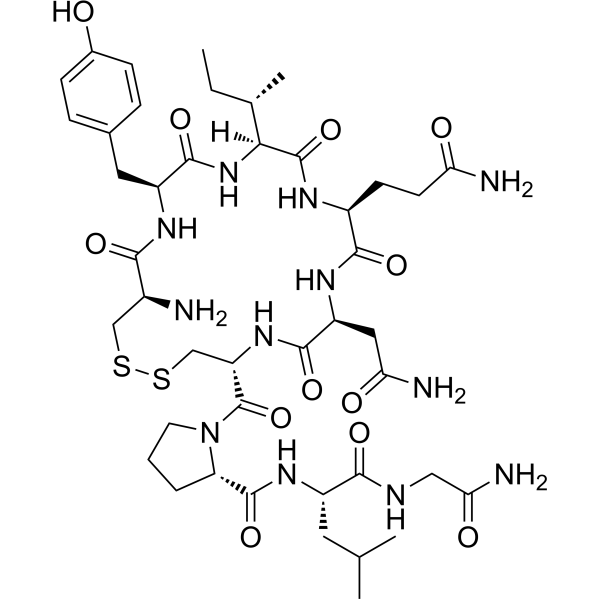
Oxytocin
 0 Images
Oxytocin (α-Hypophamine; Oxytocic hormone) is a pleiotropic, hypothalamic peptide known for facilitating parturition, lactation, and prosocial behaviors. Oxytocin can function as a stress-coping molecule with anti-inflammatory, antioxidant, and protective effects especially in the face of adversity or trauma.
-
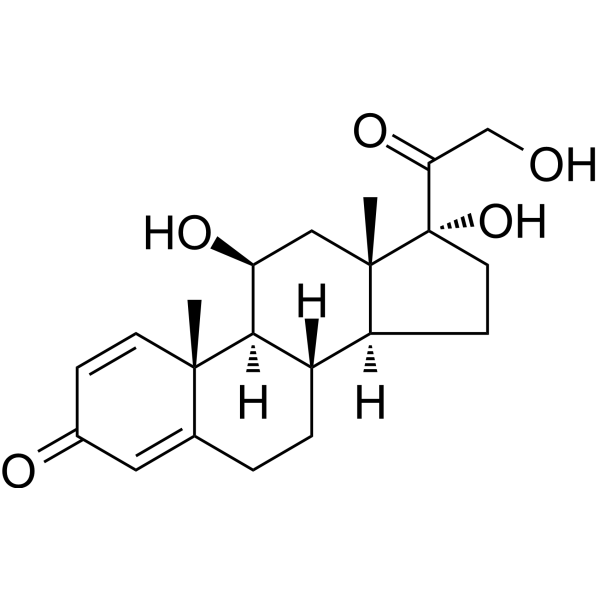
Prednisolone
 0 Images
Prednisolone is a potent, orally active corticosteroid and a glucocorticoid. Prednisolone possesses about four times the anti-inflammatory activity of hydrocortisone while causing less salt and water retention. Prednisolone can be used for ocular, anti-inflammatory research.

-
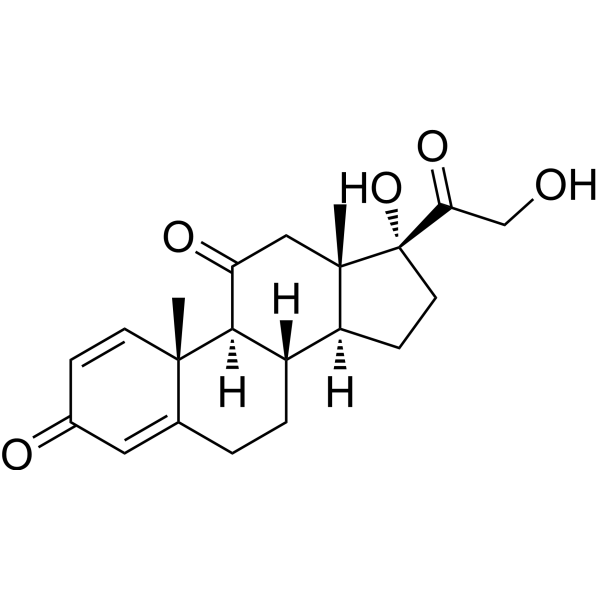
Prednisone
 0 Images
Prednisone (Adasone) is a corticosteroid agent with anti-inflammatory and immunosuppressive effects that can be used to study diseases related to systemic lupus erythematosus.
-
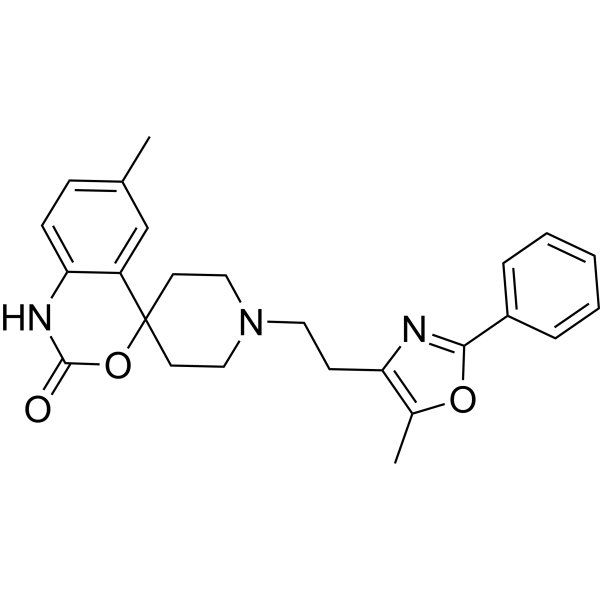
RS 504393
 0 Images
RS 504393 is a selective CCR2 chemokine receptor antagonist (IC50 values are 89 nM and > 100 μM for inhibition of human recombinant CCR2 and CCR1 receptors respectively).
-
Liothyronine sodium
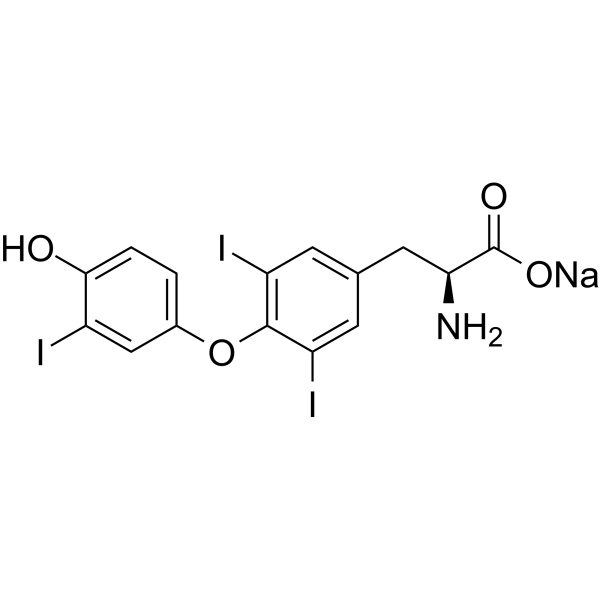 0 ImagesSynonyms: Triiodothyronine sodium; 3,3',5-Triiodo-L-thyronine sodium; T3 sodium
Liothyronine sodium is an active form of thyroid hormone. Liothyronine sodium is a potent thyroid hormone receptors TRα and TRβ agonist with Kis of 2.33 nM for hTRα and hTRβ, respectively.
-
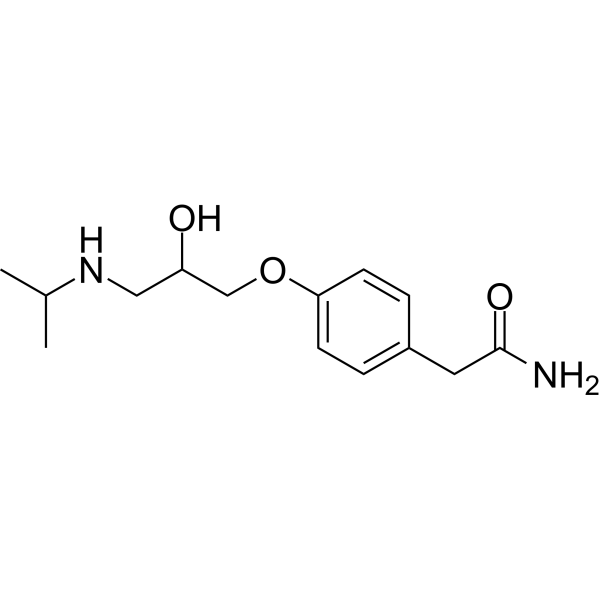
Atenolol
 0 ImagesSynonyms: (RS)-Atenolol
Atenolol ((RS)-Atenolol) is a cardioselective β1-adrenergic receptor blocker, with a Ki of 697 nM at β1-adrenoceptor in guine pig left ventricle membrane. Atenolol can be used for the research of hypertension and angina pectoris.
-
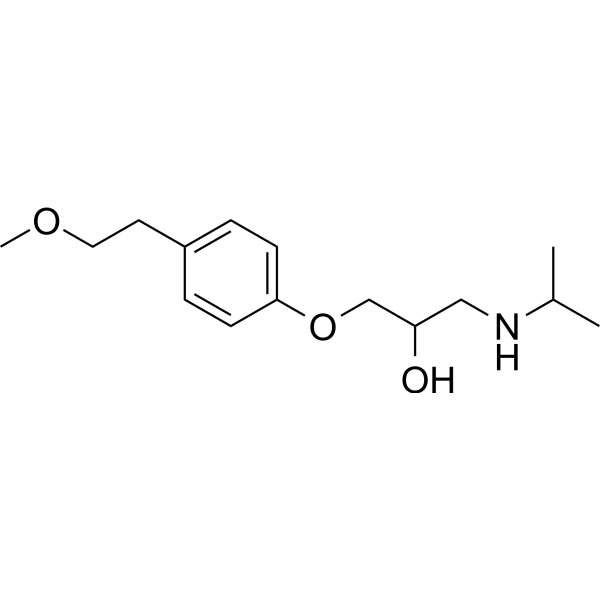
Metoprolol
 0 Images
Metoprolol is an orally active, selective β1-adrenoceptor antagonist. Metoprolol shows anti-inflammation, antitumor and anti-angiogenic properties.
-
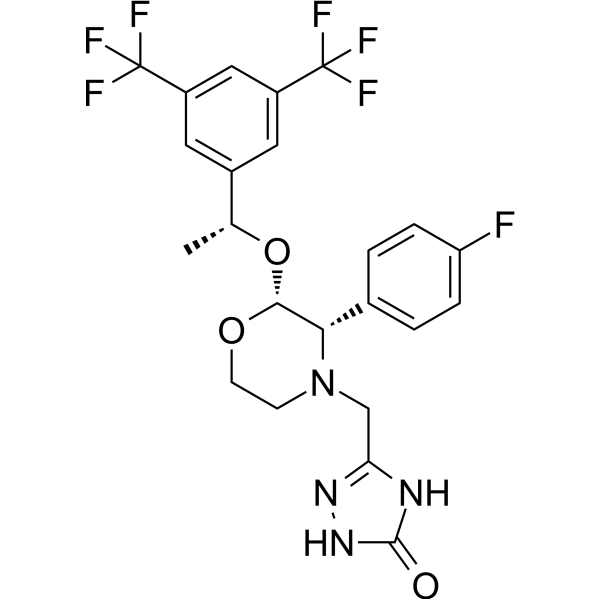
Aprepitant
 0 ImagesSynonyms: MK-0869; MK-869; L-754030
Aprepitant (MK-0869) is a selective and high-affinity neurokinin 1 receptor antagonist with a Kd of 86 pM.
-
D-Desthiobiotin
 0 Images
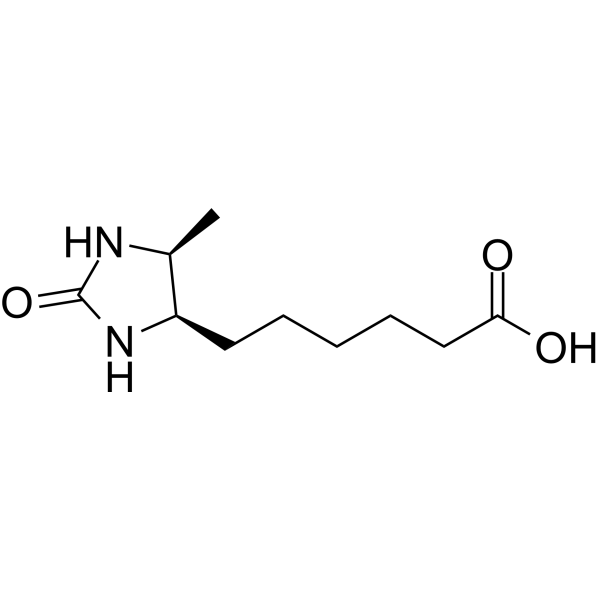
D-Desthiobiotin is a biotin derivative. D-Desthiobiotin increases testosterone. D-Desthiobiotin is used in affinity chromatography and protein chromatography, also can be used for protein and cell labeling, detection and isolation.
-
Octreotide
 0 ImagesSynonyms: SMS 201-995
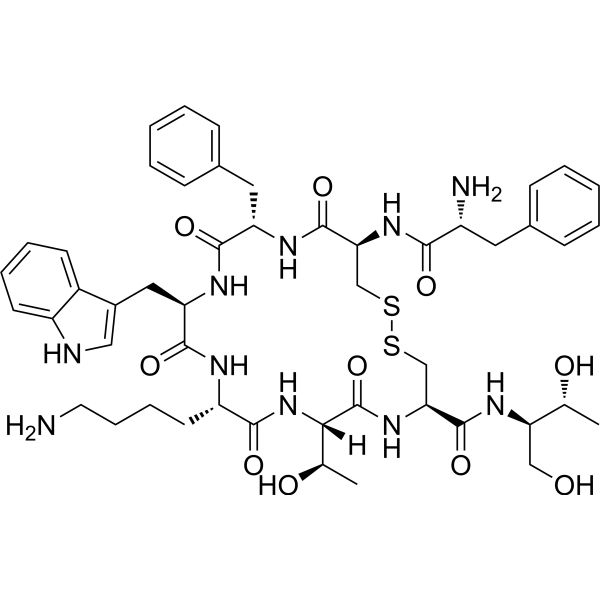
Octreotide (SMS 201-995) is a somatostatin receptor agonist and synthetic octapeptide endogenous somatostatin analogue. Octreotide (SMS 201-995) can bind to the somatostatin receptor and mainly subtypes 2, 3, and 5, increases Gi activity, and reduces intracellular cAMP production. Octreotide (SMS 201-995) has antitumor activity, mediates apoptosis and may also be used in disease studies in acromegaly.