Inflammation/Immunology
-
Inflammation/Immunology Related Products (20711)
Related Products (20711)

-
Antibodies (115)
-
Related Compound Screening Libraries (4)
-
Dioxybenzone (Standard)
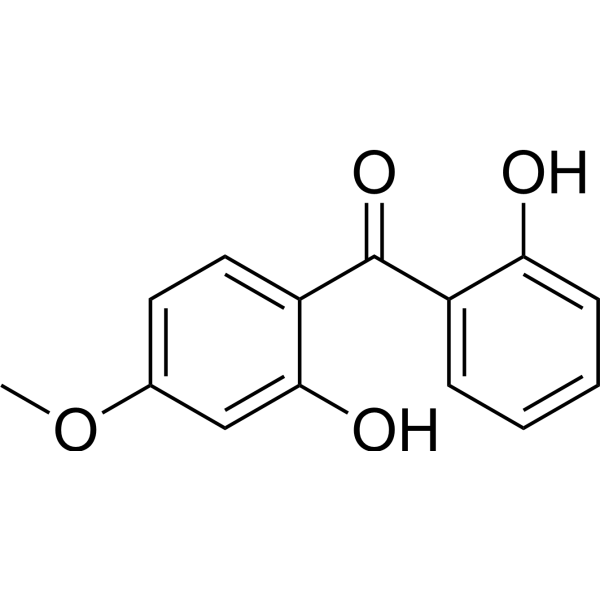 0 ImagesSynonyms: Benzophenone-8 (Standard); UV-24 (Standard)
Dioxybenzone (Standard) is the analytical standard of Dioxybenzone. This product is intended for research and analytical applications. Dioxybenzone (Benzophenone-8; UV-24) is an organic compound used to block UVB and short-wave UVA (ultraviolet) radiation. Dioxybenzone has orally activity. Dioxybenzone exhibits estrogenic disrupting effect. Dioxybenzone up-regulates inflammatory cytokines. Dioxybenzone can be used for cancer, reproductive system disease and inflammatory disease study.
-
Anti-TSPAN33 Antibody
 0 ImagesCat. No.: HY-P992309
-
NF-κB-IN-8
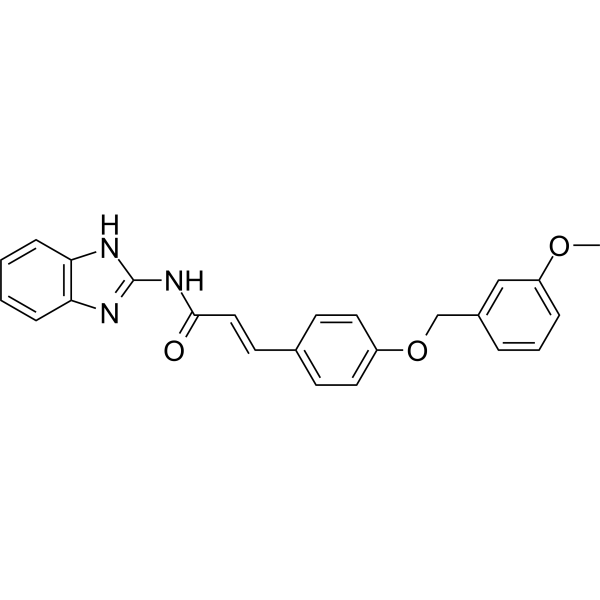 0 ImagesCat. No.: HY-149248CAS No.: 2924565-59-1
NF-κB-IN-8 competitively antagonizes LPS binding to MD-2. NF-κB-IN-8 reduces the expression of inflammatory factors by binding to MD-2. NF-κB-IN-8 also inhibits ALP activity. NF-κB-IN-8 can be used for the research of inflammation such as acute lung injury (ALI).
-
CP-481715
 0 ImagesCat. No.: HY-12079CAS No.: 212790-31-3
CP-481715 is a potent, reversible and selective CCR1 antagonist with a Kd of 9.2 nM for human CCR1. CP-481715 is >100-fold selective for CCR1 as compared with a panel of G-protein-coupled receptors including related chemokine receptors. CP-481715 has the potential for rheumatoid arthritis and other inflammatory diseases research.
-
sEH-IN-24
 0 ImagesCat. No.: HY-183545CAS No.: 3121405-85-1
sEH-IN-24 is an orally active soluble epoxide hydrolase (sEH) inhibitor with an IC50 of 1.9 nM. sEH-IN-24 inhibits the pro-inflammatory cytokines TNF-α and IL-6. sEH-IN-24 exhibits anti-inflammatory effects and exerts analgesic activity in vivo. sEH-IN-24 prevents pancreatic edema, inflammation and parenchymal atrophy. sEH-IN-24 can be used for the research of acute pancreatitis.
-
BHQ-3 carboxylic acid chloride
 0 ImagesCat. No.: HY-D3319
BHQ‑3 carboxylic acid is an azo‑containing dark fluorescence quencher. BHQ‑3 carboxylic acid is conjugated to an MMP‑cleavable peptide and paired with a fluorophore to form an activatable probe for MMP activity detection in vitro. BHQ‑3 carboxylic acid shows maximal absorption in the 620 to 730 nm range. BHQ‑3 carboxylic acid–based fluorescent probes can be used in the research of arthritis and tumor‑related pathological processes..
-
APX008
 0 ImagesCat. No.: HY-P992312
APX008 is a monoclonal antibody that targets RANKL and is a RANKL inhibitor. APX008 can be used in research on bone diseases.
-
COX-2-IN-14
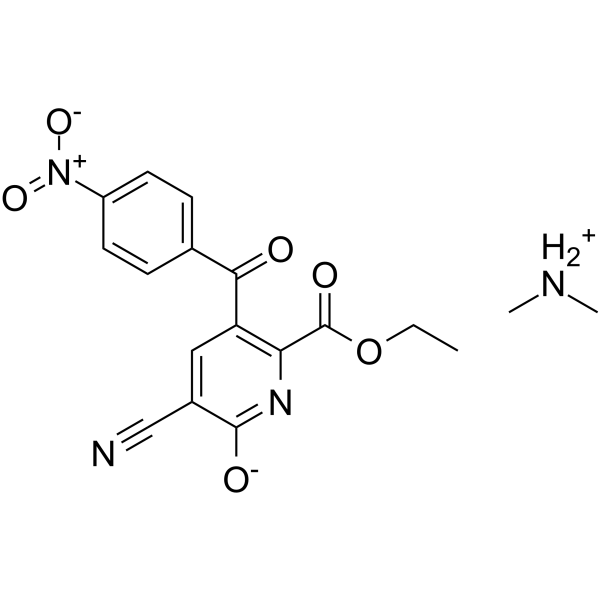 0 ImagesCat. No.: HY-147692CAS No.: 2428387-48-6
-
Endotrophin (Mus musculus)
 0 ImagesCat. No.: HY-P5081CAS No.: 1678414-54-4
Endotrophin (Mus musculus) is an adipokine, a cleavage fragment derived from Collagen VI, whose levels are elevated in adipose tissue and breast tumors of obese mice. Endotrophin (Mus musculus) activates the TGF-β signaling pathway and reduces the expression of hormone-sensitive lipase. Endotrophin (Mus musculus) induces adipogenesis, lipid accumulation, fibrosis, inflammation, angiogenesis, adipose tissue expansion, epithelial-mesenchymal transition, and insulin resistance; it also induces Cisplatin (HY-17394) resistance in cancer cells. Endotrophin (Mus musculus) can be used in research related to metabolic diseases such as obesity and type 2 diabetes, as well as cancers such as breast cancer.
-
MRS4608
 0 ImagesCat. No.: HY-156203CAS No.: 2370976-04-6
MRS4608 (Compound 17) is a selective P2Y14 receptor antagonist with IC50 values of 20 (hP2Y14R) and 21.4 nM (mP2Y14R). MRS4608 has anti-inflammatory activity and can reduce the infiltration of eosinophils. MRS4608 can be used for the researches of inflammation and immunology, such as asthma.
-
Protein Kinase C Peptide Substrate
 0 ImagesCat. No.: HY-P1803CAS No.: 120253-69-2Synonyms: PKCε; PRKCE ; Peptide Epsilon
Protein Kinase C Peptide Substrate is targeted to a specific cellular compartment in a manner dependent on second messengers and on specific adapter proteins in response to extracellular signals that activate G-protein-coupled receptors, tyrosine kinase receptors, or tyrosine kinase-coupled receptors. Protein Kinase C Peptide Substrate then regulates various physiological functions including the activation of nervous, endocrine, exocrine, inflammatory, and immune systems.

-
Fenspiride-d5
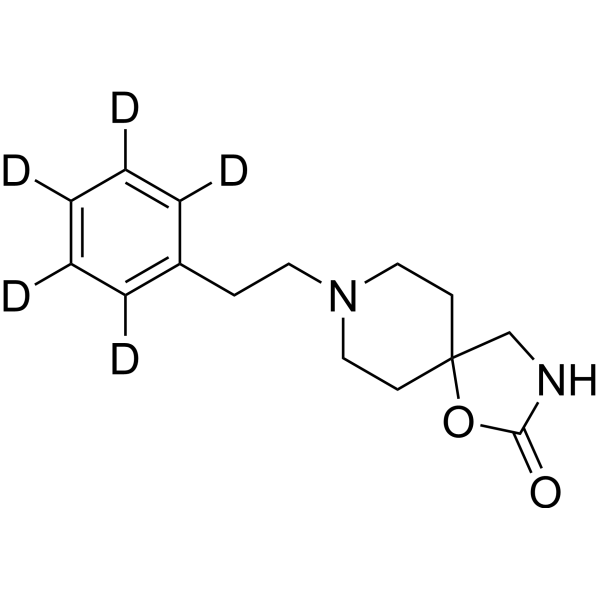 0 ImagesCat. No.: HY-A0027ASCAS No.: 1246911-67-0
Fenspiride-d5 is the deuterium labeled Fenspiride. Fenspiride, an orally active non-steroidal antiinflammatory agent, is an antagonist of H1-histamine receptor. Fenspiride inhibites phosphodiesterase 3 (PDE3), phosphodiesterase 4 (PDE4) and phosphodiesterase 5 (PDE5) activities with -log IC50 values of 3.44, 4.16 and approximately 3.8, respectively. Fenspiride can be used for the research of respiratory diseases.
-
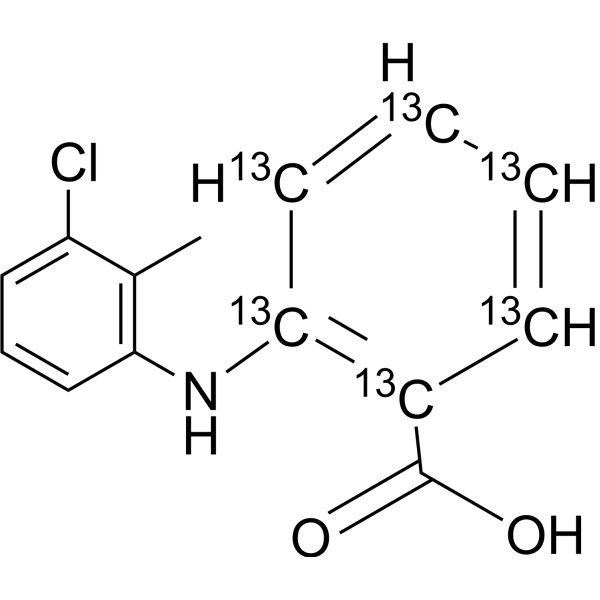
Tolfenamic acid-13C6
 0 ImagesSynonyms: GEA 6414-13C6
Tolfenamic acid-13C6 is the 13C6 labeled Tolfenamic acid. Tolfenamic Acid (GEA 6414) is a non-steroidal anti-inflammatory and anti-cancer agent, selectively inhibits COX-2, with an IC50 of 13.49 μM (3.53 μg/mL) in LPS-treated (COX-2) canine DH82 monocyte/macrophage cells, but shows no effect on COX-1.
-
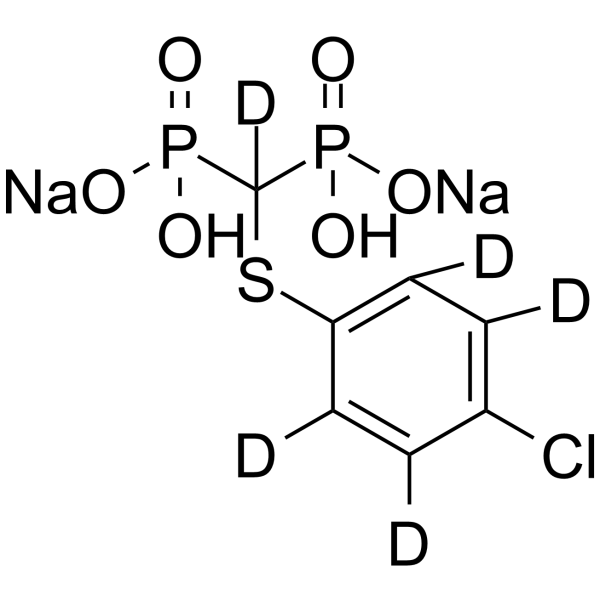
Tiludronate-d5 sodium
 0 ImagesCat. No.: HY-A0213ASSynonyms: Tiludronic acid-d5 sodium
Tiludronate-d5 (sodium)mis the deuterium labeled Tiludronate disodium. Tiludronate (Tiludronic Acid) disodium, an orally active bisphosphonate, can act an osteoregulator. Tiludronate is used for the research of the metabolic bone disorders. Tiludronate is a potent inhibitor of the osteoclast vacuolar H(+)-ATPase. Antiresorptive and anti-inflammatory properties.
-
Interleukin-6 fragment (human)
 0 ImagesCat. No.: HY-P4720CAS No.: 145990-81-4
Interleukin-6 fragment (human) is a pleiotropic cytokine produced by lymphocytes and non-lymphocytes. The Interleukin-6 fragment (human) coding gene is located on human chromosome 7, with a length of approximately 5 kilobases. Interleukin-6 fragment (human) has potential applications in immune response, acute response, inflammation, tumors, and hematopoiesis.
-
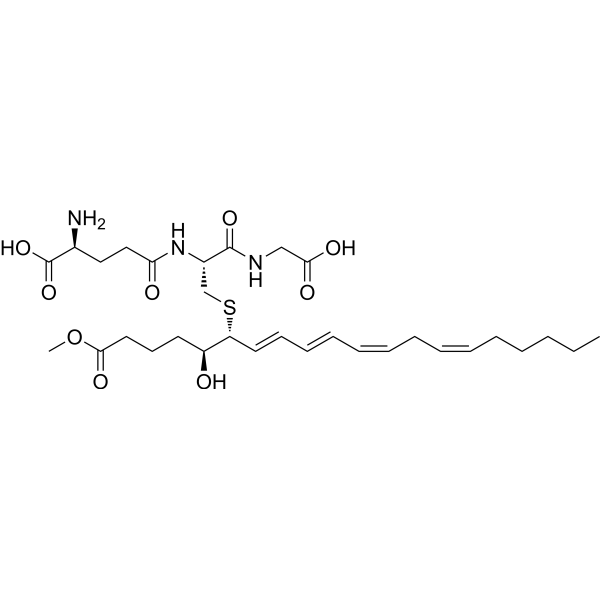
Leukotriene C4 methyl ester
 0 ImagesCat. No.: HY-126716CAS No.: 73958-10-8
Leukotriene C4 methyl ester is a methyl ester of leukotriene C4. Leukotriene C4 methyl ester can be used for the research of psoriasis.
-
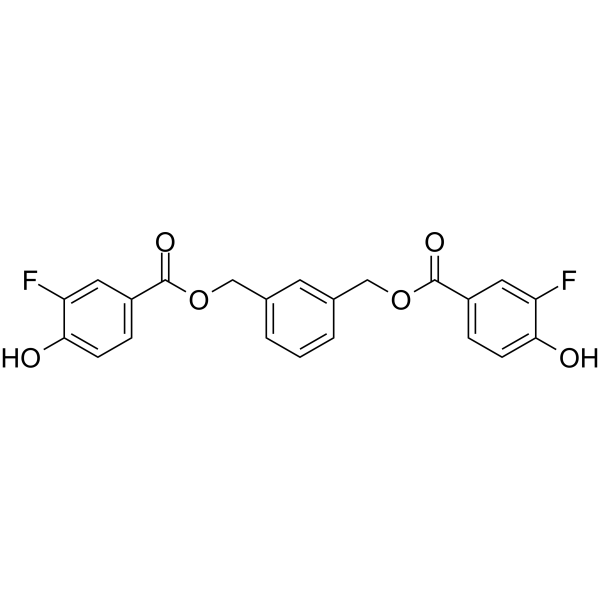
RA-2
 0 ImagesCat. No.: HY-118689CAS No.: 1867107-62-7
RA-2 is a negative-gating modulator of KCa2/3 channels with an IC50 of 17 nM. RA-2 inhibits bradykinin-induced endothelium-derived hyperpolarization (EDH)-type relaxation in U46619-precontracted rings. RA-2 can help to define the physiologic and pathomechanistic roles of KCa2/3 in the vasculature, central nervous system, and during inflammation.
-
Casein kinase 1δ-IN-29
 0 ImagesCat. No.: HY-171279CAS No.: 1177418-39-1
Casein kinase 1δ-IN-29 (Compound 18) is the inhibitor for p38α and casein kinase 1 that inhibits p38α, CK1δ and CK1ε with IC50 of 0.041 µM, 0.005 µM and 0.447 µM, respectively. Casein kinase 1δ-IN-29 arrests cell cycle at subG1 phase, induces apoptosis in cell AC1-M88.