



α-synuclein
α-Synuclein is a presynaptic neuronal protein that associates with synaptic vesicle membranes and participates in the regulation of neurotransmitter release, vesicle trafficking, and synaptic vesicle organization[1][2][3]. Mechanistically, α-synuclein binds membrane phospholipids, promotes vesicle clustering, and facilitates processes linked to synaptic vesicle integrity and SNARE-dependent neurotransmission, thereby contributing to normal synaptic function[1][2][4]. Dysregulation of these physiological activities is closely associated with abnormal protein folding, oligomerization, and fibrillization, which disrupt cellular homeostasis and impair pathways including vesicle trafficking, lysosomal function, and mitochondrial integrity[5][6][7]. In disease contexts, α-synuclein is the major constituent of Lewy bodies and represents a central pathogenic factor in Parkinson’s disease and related synucleinopathies, where aggregated species accumulate in vulnerable neuronal populations and contribute to progressive neurodegeneration[6][8][9]. Experimental studies further indicate that abnormal or mutant α-synuclein alters lipid homeostasis and presynaptic trafficking, providing mechanistic links between protein aggregation and neuronal dysfunction[7]. Compared with the related synuclein family members β-synuclein and γ-synuclein, α-synuclein has received particular attention because its aggregation propensity and pathological deposition are directly associated with Lewy body pathology and disease progression[8][9]. For experimental applications, α-synuclein aggregation models, oligomer-based assays, and aggregation-targeting modulators are widely used to investigate pathogenic mechanisms and evaluate potential therapeutic strategies for synucleinopathies[5][10].
References:
- [1]. Sharma M, et al. α-Synuclein in synaptic function and dysfunction. Trends Neurosci. 2023 Feb;46(2):153-166. [Content Brief]
- [2]. Burré J. The Synaptic Function of α-Synuclein. J Parkinsons Dis. 2015;5(4):699-713. doi: 10.3233/JPD-150642. PMID: 26407041; PMCID: PMC4927875. et al. The Synaptic Function of α-Synuclein. J Parkinsons Dis. 2015;5(4):699-713. [Content Brief]
- [3]. Huang M, et al. α-Synuclein: A Multifunctional Player in Exocytosis, Endocytosis, and Vesicle Recycling. Front Neurosci. 2019 Jan 28;13:28. [Content Brief]
- [4]. Treviño M, et al. Synaptic Vesicle Disruption in Parkinson's Disease: Dual Roles of α-Synuclein and Emerging Therapeutic Targets. Brain Sci. 2025 Dec 20;16(1):7. [Content Brief]
- [5]. Xu L, et al. Alpha-Synuclein in Parkinson's Disease: From Pathogenetic Dysfunction to Potential Clinical Application. Parkinsons Dis. 2016;2016:1720621. [Content Brief]
- [6]. Meade RM, et al. Alpha-synuclein structure and Parkinson's disease - lessons and emerging principles. Mol Neurodegener. 2019 Jul 22;14(1):29. [Content Brief]
- [7]. Calabresi P, et al. Advances in understanding the function of alpha-synuclein: implications for Parkinson's disease. Brain. 2023 Sep 1;146(9):3587-3597. [Content Brief]
- [8]. Calabresi P, et al. Alpha-synuclein in Parkinson's disease and other synucleinopathies: from overt neurodegeneration back to early synaptic dysfunction. Cell Death Dis. 2023 Mar 1;14(3):176. [Content Brief]
- [9]. Negi S, et al. The misfolding mystery: α-synuclein and the pathogenesis of Parkinson's disease. Neurochem Int. 2024 Jul;177:105760. [Content Brief]
- [10]. Kalia LV, et al. α-Synuclein oligomers and clinical implications for Parkinson disease. Ann Neurol. 2013 Feb;73(2):155-69. [Content Brief]
-
α-synuclein Related Products (89)
Related Products (89)

-
1-Aminoindan
 0 ImagesSynonyms: 1-Indanamine; 2,3-Dihydro-1H-inden-1-amine1-Aminoindan (1-Indanamine; 2,3-Dihydro-1H-inden-1-amine) is an α-synuclein (α-synuclein) binder. By binding to α-synuclein, 1-Aminoindan promotes the formation of its neuroprotective "cyclic" conformation, thereby reducing the misfolding and aggregation of α-synuclein. 1-Aminoindan is a metabolite of Rasagiline (HY-14605A). 1-Aminoindan can be used in research related to Parkinson's disease.
-
CNS-11
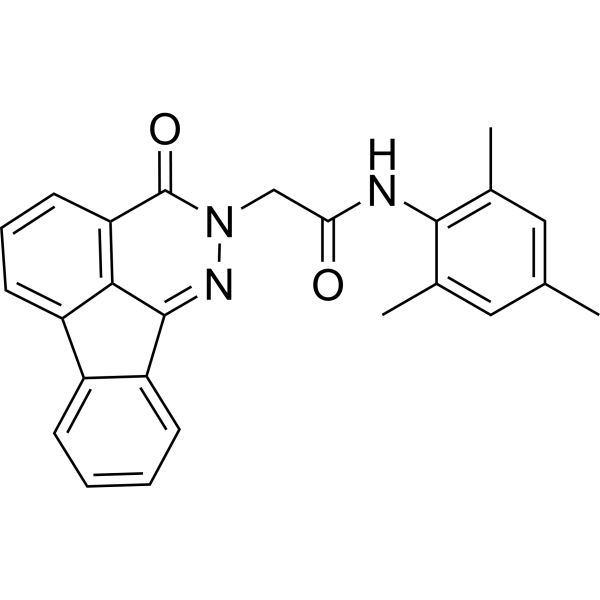 0 ImagesCNS-11 is a brain-penetrant tau fibril-degrading compound. CNS-11 reduces α-synuclein. CNS-11 can be used in Alzheimer's and Parkinson's disease research.
-
Sulfamerazine
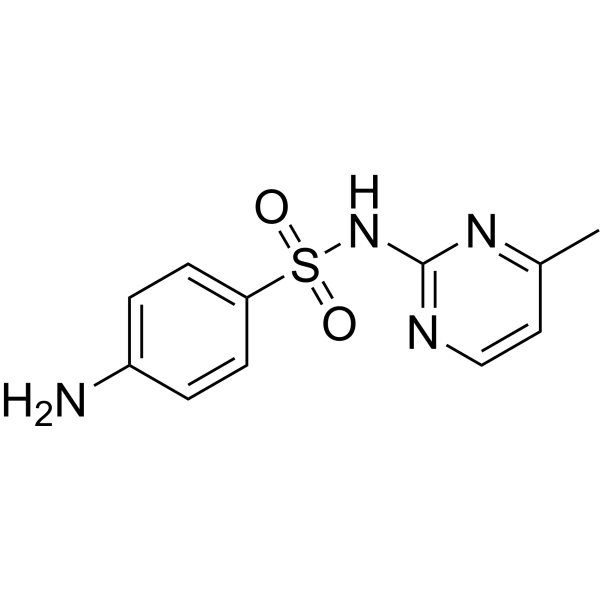 0 ImagesSulfamerazine (RP2632) is a brain-penetrant and orally active sulfonamide antibiotic and α-synuclein inhibitor with human α-synuclein KD of 352 μM. Sulfamerazine inhibits the synthesis of dihydrofolate by bacteria, thereby inhibiting bacterial growth. Sulfamerazine inhibits α-synuclein fibrillation, reduces α-synuclein aggregation-associated toxicity and α-synuclein aggregate accumulation. Sulfamerazine can be used for the research of Parkinson’s disease and bacterial infection.
-
Semaglutide-FITC
 0 ImagesCat. No.: HY-114118F4Synonyms: Semaglutide-Lys(FITC)Semaglutide-FITC (Semaglutide-Lys(FITC)) is a fluorescent tracer probe (Ex/Em = 495/520 nm) obtained by covalently coupling the green fluorescent dye fluorescein isothiocyanate (FITC) (HY-66019) to the long-acting analogue of GLP-1, Semaglutide (HY-114118). Semaglutide-FITC can be used for studies on Semaglutide receptor binding (GLP-1R), cell uptake and endocytosis, in vivo tissue distribution, and the targeting efficiency of delivery systems.
-
Casanthranol
 0 ImagesCasanthranol is a naturally derived, orally active mixture of anthraquinone glycosides that exhibits inhibitory activity against α-synuclein and bioactivities related to laxation. Casanthranol inhibits seed-induced α-synuclein fibrillation in cell-free systems and rescues preformed fibril-induced cytotoxicity in differentiated N2a cells. Casanthranol promotes intestinal transit in both the small and large intestines of mice with experimental constipation. Casanthranol can be used in research related to constipation.
-
MK-7337
 0 ImagesMK-7337 is an α-synuclein ligand with an affinity of < 1 nM. MK-7337 labeled with 11C can be used as a PET tracer for neurodegenerative disorders like Parkinson’s disease imagination.
-
Semaglutide-d8 tetraTFA
 0 ImagesCat. No.: HY-114118S1Purity: 99.84%Semaglutide-d8 tetraTFA is the deuterium labeled Semaglutide (HY-114118). Semaglutide is a long-acting, selective, competitive GLP-1R agonist that can penetrate the blood-brain barrier. After activating GLP-1R, Semaglutide promotes insulin secretion, inhibits gastric emptying and appetite, and at the same time enhances autophagy, inhibits oxidative stress and apoptosis. Semaglutide also regulates mitochondrial function and lipid metabolism (such as reducing de novo lipogenesis in the liver). Semaglutide has activities such as lowering blood sugar, reducing weight, neuroprotection (such as improving motor function in Parkinson's disease models, reducing α-synuclein aggregation) and improving hepatic steatosis. Semaglutide can be used for the study of neurodegenerative diseases and liver diseases such as type 2 diabetes, obesity, Parkinson's disease, metabolic associated fatty liver disease (MASLD), and cancer.
-
Beta-asarone (Standard)
 0 ImagesBeta-asarone (Standard) is the analytical standard of Beta-asarone. This product is intended for research and analytical applications. Beta-asarone is an orally active and BBB-penetrable anti-inflammatory agent and neuroprotective agent, which is the major ingredient of Acorus tatarinowii Schott. Beta-asarone can protect nerve cells from apoptosis and autophagy, inhibit expression of α-synuclein, as well as myocardial protection. Beta-asarone can be used in the study of neurological and cardiovascular diseases.
-
Hupehenine
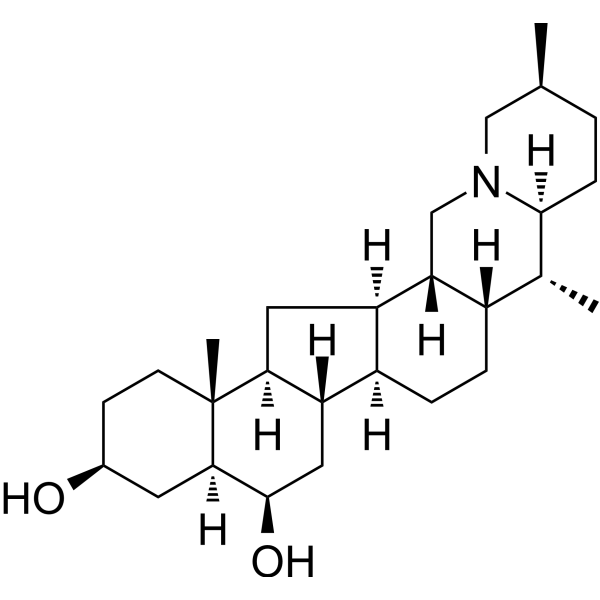 0 ImagesHupehenine is an orally active isosteroidal alkaloid that can be extracted from F. hupehensis. Hupehenine exhibits activities such as antitussive, expectorant, anticancer, and antiparasitic. In vitro, Hupehenine can also inhibit α-synuclein seeded fibril formation, making it applicable for the research of Parkinson's disease and other related disorders.
-
Hordenine-d6
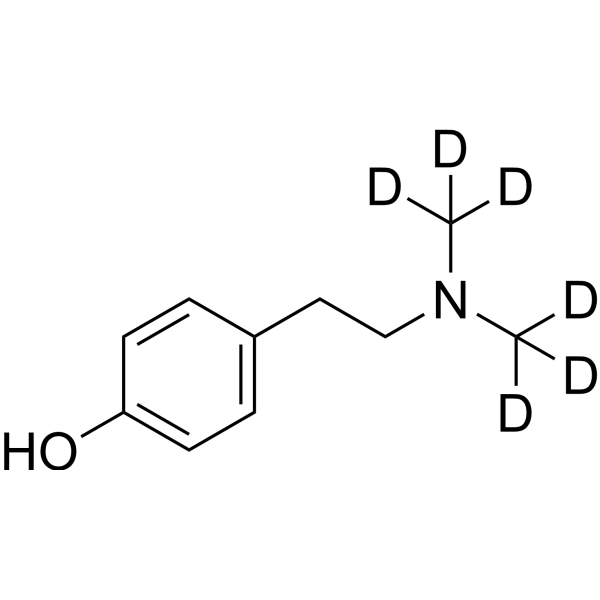 0 ImagesSynonyms: Ordenina-d6; Peyocactine-d6Hordenine-d6 (Ordenina-d6; Peyocactine-d6) is the deuterated-labeled Hordenine (HY-N0113). Hordenine (Ordenina; Peyocactine) is a multifunctional alkaloid with oral activity and blood-brain barrier penetration. Hordenine inhibits LPS-induced phosphorylation of p38, JNK, ERK1/2, p65, IκB, and AKT, prevents p65 nuclear translocation, and suppresses inflammatory cytokines and mediators. Hordenine promotes M2 macrophage polarization, restores blood-milk barrier integrity, alleviates oxidative stress by reducing ROS and MDA, and attenuates LPS-induced lung injury and pulmonary edema. Hordenine inhibits cAMP production, CREB phosphorylation, and MITF expression, thereby suppressing melanin synthesis in melanocytes and reconstructed epidermis. Hordenine activates the Wnt/β-catenin signaling pathway, promotes dermal papilla cell proliferation and hair shaft elongation, and accelerates hair regeneration. Hordenine activates DRD2, acts as a D3R partial agonist, α2A-AR full agonist, and 5-HT2A-R antagonist, and inhibits SERT and DAT. Hordenine inhibits α-synuclein accumulation and ameliorates motor deficits in Parkinson's disease models. Hordenine limits alcohol intake, reduces relapse drinking behavior, and modulates alcohol-induced conditioned place preference. Hordenine can be used for research on mastitis, skin pigmentation, acute lung injury, foodborne diseases, hair loss, Parkinson's disease, bacterial infections, and alcohol use disorder.
-
α-Synuclein (61-75) TFA
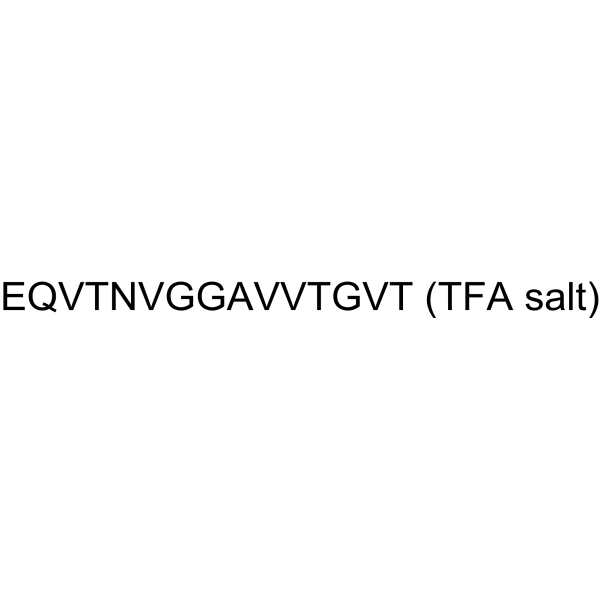 0 ImagesCat. No.: HY-P3140APurity: 99.32%α-Synuclein (61-75) TFA is the 61-75 fragment of α-Synuclein. α-Synuclein is an abundant neuronal protein that is highly enriched in presynaptic nerve terminals. α-Synuclein is a potential biomarker for Parkinson's disease (PD).
-
ELN484228
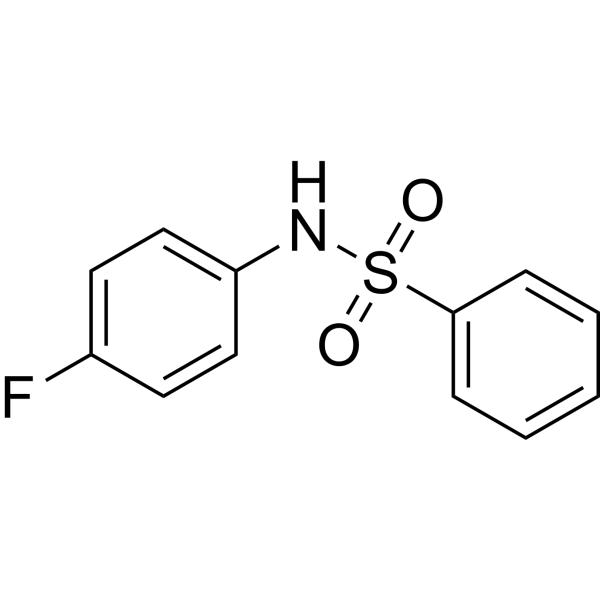 0 ImagesELN484228 is a blocker of α-synuclein which is a key protein in Parkinson’s disease.
-
α-Synuclein (61-95) (human)
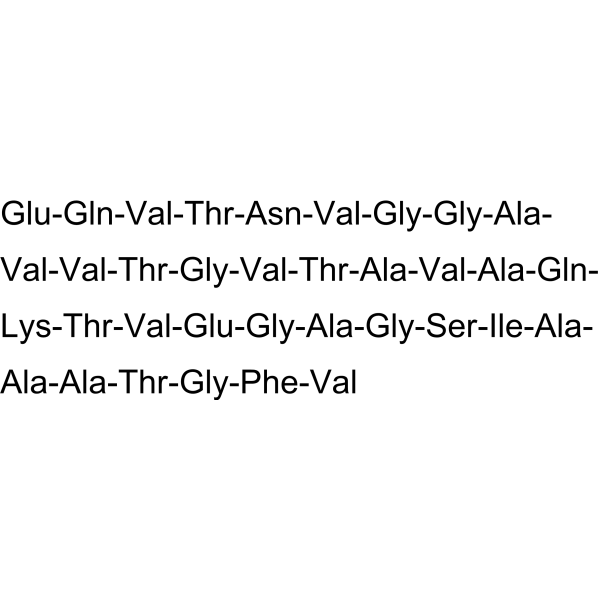 0 ImagesCat. No.: HY-P4704CAS No.: 154040-19-4α-Synuclein (61-95) (human) is the hydrophobic core region of α-synuclein, and induces neuronal cell death. α-Synuclein (61-95) (human) can be used for research of neurodegenerative diseases, including Alzheimer’s disease (AD) and Parkinson’s disease (PD).
-
BTA-1_b
 0 ImagesCat. No.: HY-151035CAS No.: 95856-73-8Synonyms: BTA-1-CH3BTA-1_b (BTA-1-CH3) is a structural analog of BTA-1 (HY-W278021). BTA-1 is an uncharged derivative of Thioflavin-T. It exhibits high affinity for Aβ fibrils and demonstrates excellent brain penetration and clearance capabilities.
-
Movronersen sodium
 0 ImagesCat. No.: HY-177647ASynonyms: BIIB-101 sodium; ION-464 sodiumMovronersen sodium is an antisense oligonucleotide targeted to α-synuclein.
-
Movronersen sodium scrambled negative control
 0 ImagesCat. No.: HY-177647BMovronersen sodium scrambled negative control is the sequence scrambled negative control of Movronersen sodium.
-
Movronersen
 0 ImagesCat. No.: HY-177647CAS No.: 2411937-33-0Synonyms: BIIB-101; ION-464Movronersen is an antisense oligonucleotide targeted to α-synuclein.
-
Crocin II (Standard)
 0 ImagesCat. No.: HY-N0698RCAS No.: 55750-84-0Crocin II (Standard) is the analytical standard of Crocin II. This product is intended for research and analytical applications. Crocin II is an inhibitor targeting α-synuclein aggregation, with a IC50 of 0.541 μM and a EC50 of 3.63 μM. Crocin II inhibits α-synuclein aggregation and dissociates pre-formed α-synuclein fibrils. Crocin II possesses antioxidant, anticancer and antidepressant activities. Crocin II is applicable to research related to neurological disorders such as Parkinson's disease, dementia with Lewy bodies and multiple system atrophy, as well as cancers.
-
MAAAHR
 0 ImagesCat. No.: HY-P12279MAAAHR is a neuroprotective agent. MAAAHR is isolated and purified from C-phycocyanin of Spirulina platensis. MAAAHR induces antioxidant gene expression through activating the Nrf2 signaling pathway. MAAAHR inhibits excessive Autophagy by reducing the expression of proteins such as α-Syn and Parkin. MAAAHR inhibits Apoptosis. MAAAHR scavenges excessive ROS, enhances SOD, CAT, and GSH-Px activities, and reduces protein carbonyl content. MAAAHR inhibits Acetylcholinesterase. MAAAHR protects zebrafish against MPTP (HY-15608)-induced dopaminergic neuronal and neurovascular loss and alleviates motor impairment. MAAAHR can be used for research on Parkinson's disease.
-
α-Synuclein (45-54) (human)
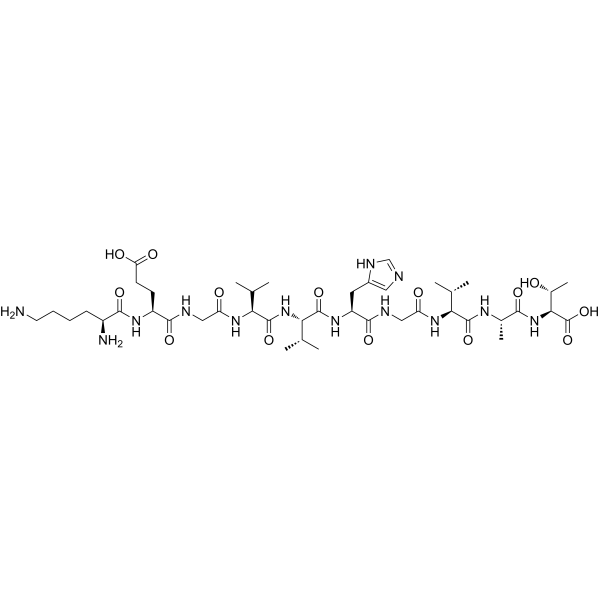 0 ImagesCat. No.: HY-P5044CAS No.: 2243206-98-4α-Synuclein (45-54) (human) is the 45-54 fragment of α-Synuclein. α-Synuclein is an abundant neuronal protein that is highly abundant in presynaptic nerve terminals. α-Synuclein is a biomarker for Parkinson's disease (PD).



