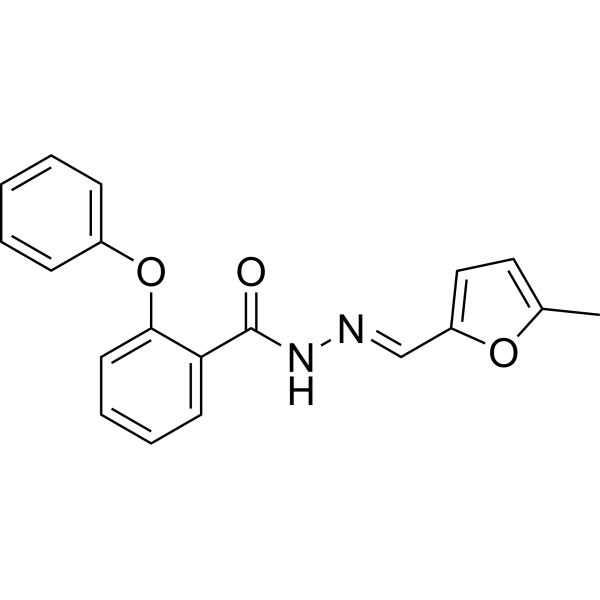
β-catenin
Beta catenin
β-catenin is a dual function protein, regulating the coordination of cell–cell adhesion and gene transcription. In humans, the CTNNB1 protein is encoded by the CTNNB1 gene. β-catenin is a subunit of the cadherin protein complex and acts as an intracellular signal transducer in the Wnt signaling pathway. It is a member of the catenin protein family and homologous to γ-catenin. Mutations and overexpression of β-catenin are associated with many cancers, including hepatocellular carcinoma, colorectal carcinoma, lung cancer,malignant breast tumors, ovarian and endometrial cancer. β-catenin is regulated and destroyed by the beta-catenin destruction complex, and in particular by the adenomatous polyposis coli (APC) protein, encoded by the tumour-suppressing APC gene. Therefore genetic mutation of the APC gene is also strongly linked to cancers, and in particular colorectal cancer resulting from familial adenomatous polyposis (FAP).
All Product Categories
-
β-catenin Inhibitors
(213)
View all products
-
β-catenin Agonists
(13)
View all products
-
β-catenin Antagonists
(7)
View all products
-
β-catenin Activators
(69)
View all products
-
β-catenin Modulators
(15)
View all products
-
β-catenin Inducer
(1)
View all products
-
β-catenin Degraders
(7)
View all products
-
β-catenin Related Products (345)
Related Products (345)

-
Antibodies (10)
-
Tegatrabetan
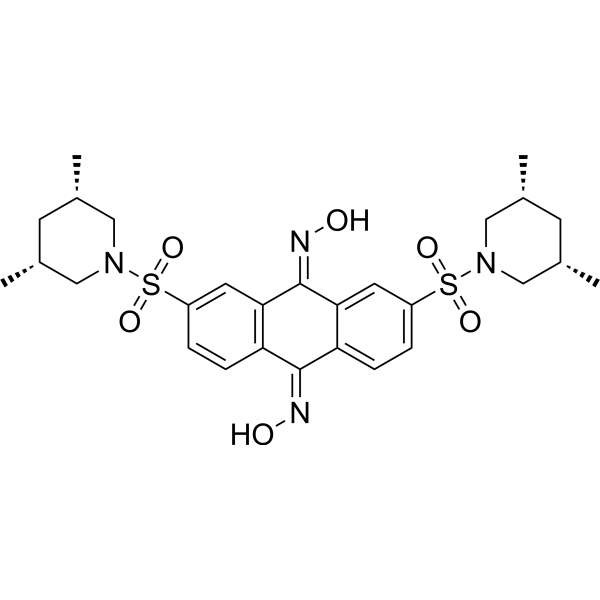 0 ImagesSynonyms: Tegavivint; BC2059
-
Erlotinib Hydrochloride
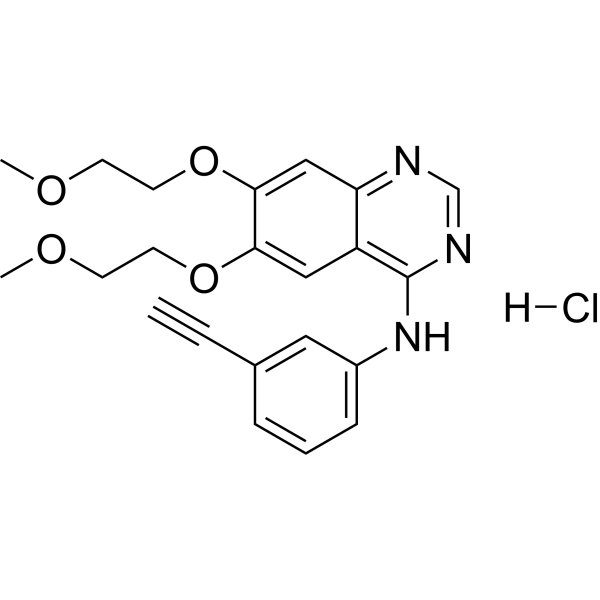 0 ImagesSynonyms: CP-358774 hydrochloride; NSC 718781 hydrochloride; OSI-774 hydrochlorideErlotinib (CP-358774) Hydrochloride is a selective, orally active EGFR tyrosine kinase inhibitor. Erlotinib Hydrochloride also acts as a substrate and inhibitor of OATP2B1, with an IC50 of approximately 0.079 μM for inhibiting OATP2B1-mediated uptake of estrone 3-sulfate. Erlotinib Hydrochloride blocks EGFR phosphorylation, downstream signal transduction, as well as the growth and proliferation of cancer cells. Erlotinib Hydrochloride inhibits MMP-10-mediated renal injury, fibrotic lesions, the ERK1/2, GSK-3β and β-catenin signaling pathways, as well as the deposition of fibronectin, α-SMA, collagen and renal injury markers. Erlotinib Hydrochloride is metabolized via CYP3A to produce the active metabolite OSI-420. Erlotinib Hydrochloride can be used in research related to non-small cell lung cancer, gastric cancer, papillary renal cell carcinoma, EGFR inhibitor resistance and renal fibrosis.
-
Vopenfasinib
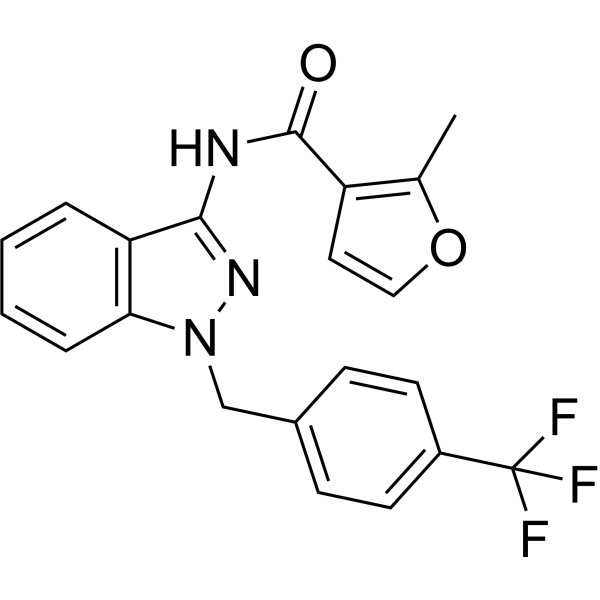 0 ImagesSynonyms: NP-G2-044NP-G2-044 is a potent, orally active fascin inhibitor, with an IC50 of ~2 μM. NP-G2-044 blocks tumor metastasis and increases antitumor immune response.
-
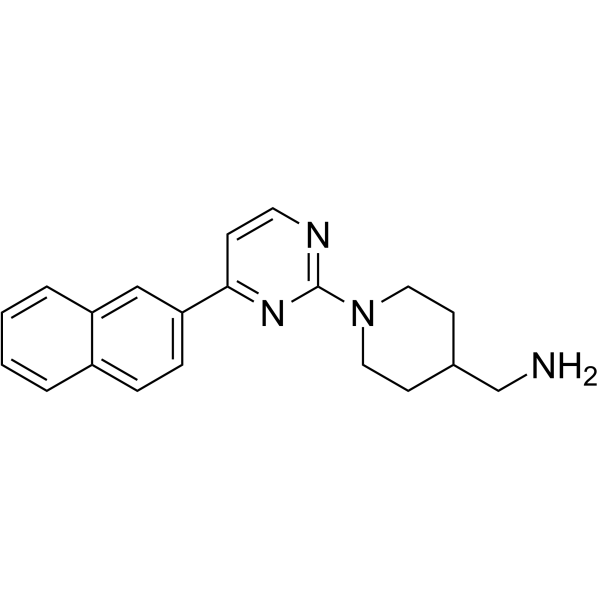
LF3
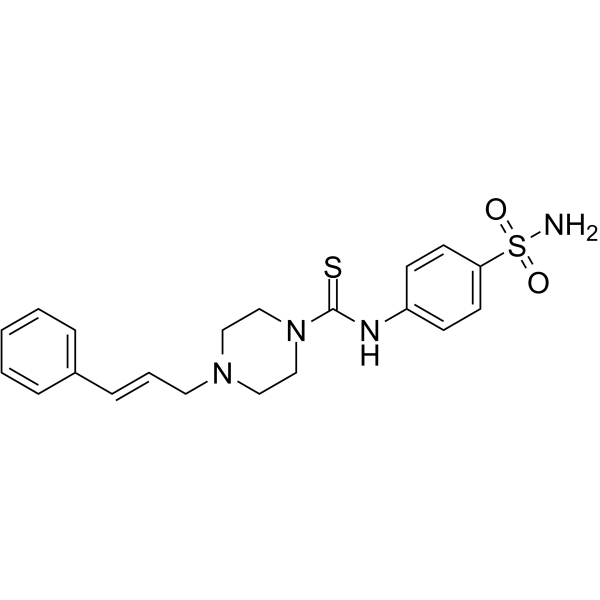 0 ImagesLF3 is an antagonist of the β-Catenin/TCF4 interaction with antitumor activity; has an IC50 of 1.65 μM.
-
Neohesperidin
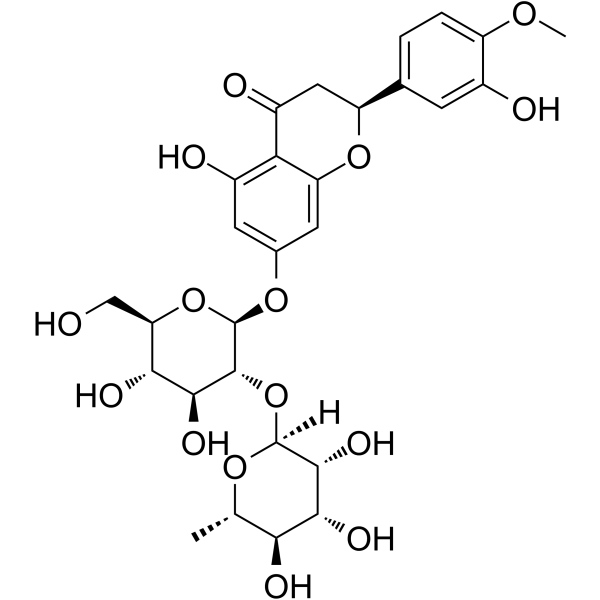 0 ImagesSynonyms: Hesperetin 7-O-neohesperidoside
-
Triptonide
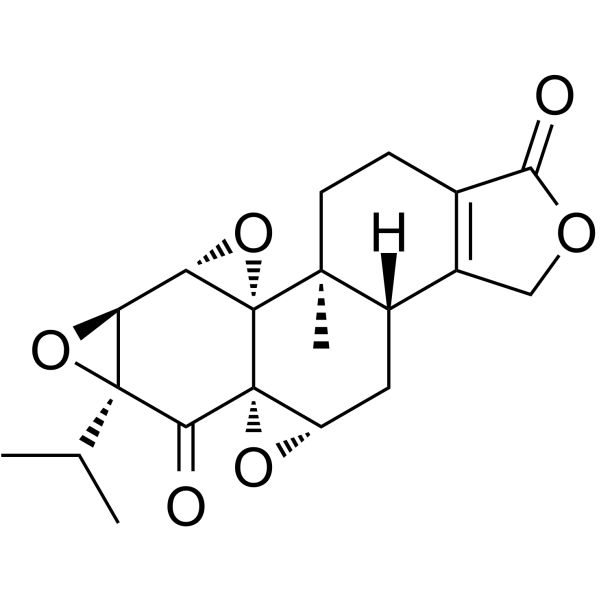 0 ImagesSynonyms: NSC 165677; PG 492Triptonide (NSC 165677) is a natural product identified in Tripterygium wilfordii Hook F.. Triptonide is a Wnt signaling inhibitor with an IC50 of appropriately 0.3 nM. Triptonide has immunosuppression, anti-inflammatory, anti-fertility, neuroprotective and anti-lymphoma effects.
-
Ciprofloxacin hydrochloride monohydrate
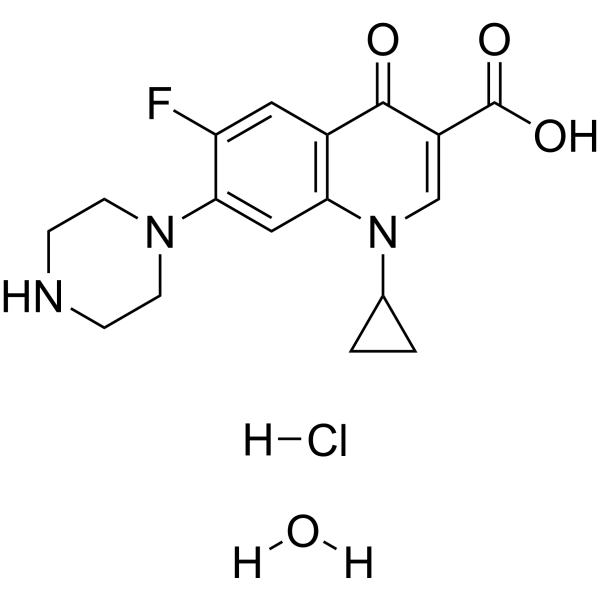 0 ImagesSynonyms: Bay-09867 hydrochloride monohydrateCiprofloxacin (Bay-09867) hydrochloride monohydrate is an orally active, blood-brain barrier permeable fluoroquinolone antibacterial agent. Ciprofloxacin hydrochloride monohydrate exerts bactericidal effects primarily by inhibiting topoisomerase II and IV. Ciprofloxacin hydrochloride monohydrate inhibits the proliferation of human dental pulp stem cells and chondrocytes from young rats, and also activates the Akt signaling pathway and upregulates markers such as β-catenin and Nanog to maintain the morphological characteristics of stem cells. Ciprofloxacin hydrochloride monohydrate induces significant neurotoxicity and tissue damage, including reducing serotonin and glutathione levels in the brain, inducing oxidative stress and depression-like behaviors, and causing articular cartilage damage. Ciprofloxacin hydrochloride monohydrate can be applied to research related to infections of necrotic young permanent teeth and neurotoxicity.
-
NCT-501
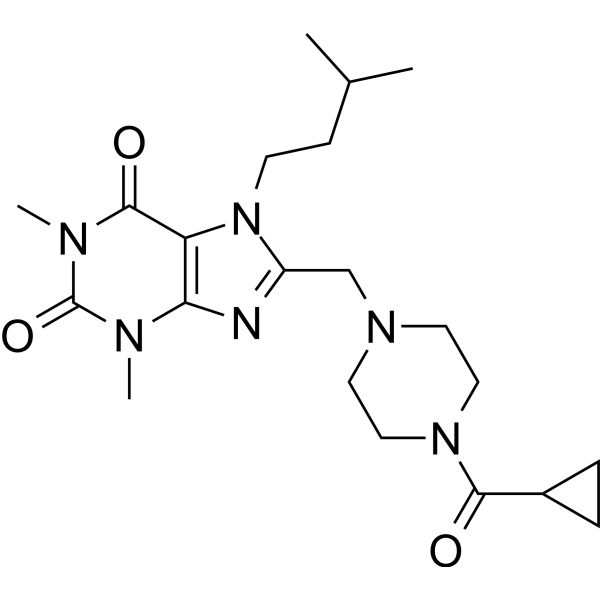 0 ImagesNCT-501 is a reversible, non-competitive, selective, blood-brain barrier-permeable ALDH1A1 inhibitor with an IC50 of 40 nM. NCT-501 inhibits the AKT-β-catenin signaling pathway, induces necroptosis in nasopharyngeal carcinoma cells, suppresses their proliferation and inhibits stem cell spheroid formation. NCT-501 can be used in research related to nasopharyngeal carcinoma, esophageal squamous cell carcinoma and malignant tumors.
-
xStAx-VHLL
 0 ImagesCat. No.: HY-P5819Purity: 99.95%xStAx-VHLL is a β-catenin PROTAC degrader that promotes ubiquitination and proteasome degradation of β-catenin. xStAx-VHLL inhibits the Wnt/β-catenin signaling pathway. xStAx-VHLL can inhibit the proliferation of colon cancer cells and has anti-tumor activity.
-
Toxoflavin
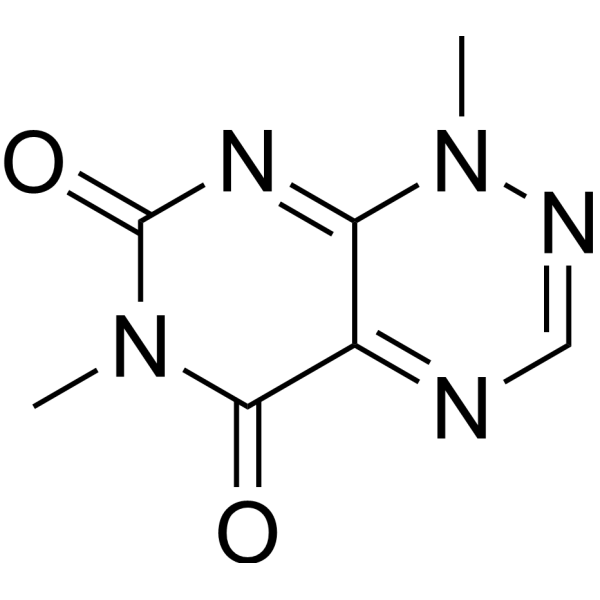 0 ImagesSynonyms: Xanthothricin; Toxoflavine; PKF-118-310Toxoflavin (Xanthothricin) is an antagonist of transcription factor 4 (TCF4)/β-catenin complex, also acts as an inhibitor of KDM4A, with antitumor and antibiotic activity.
-
WIKI4
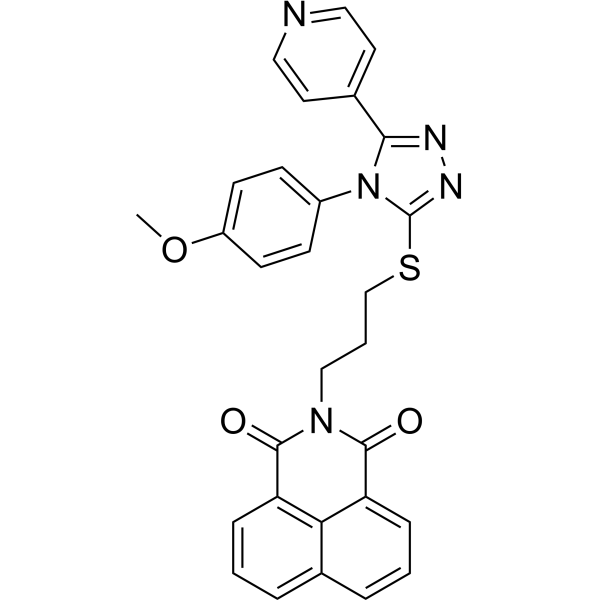 0 ImagesWIKI4 is a potent tankyrase inhibitor with an IC50 of 26 nM for TNKS2. WIKI4 potently inhibits Wnt/β-catenin signaling and that its half-maximal response dose is 75 nM. WIKI4 mediates its effects on Wnt/β-catenin signaling by inhibiting the enzymatic activity of TNKS2. WIKI4 is cytotoxic to SCLC cells with an IC50 value of 0.02 μM.
-
Kaempferide
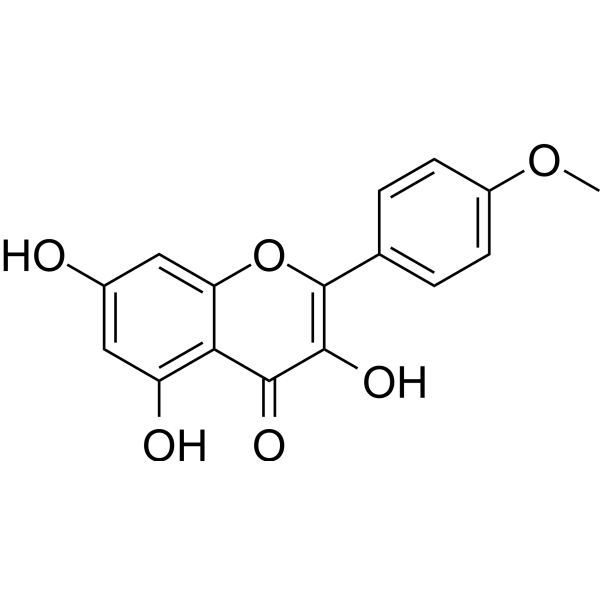 0 ImagesKaempferide is an orally active flavonol isolated from Hippophae rhamnoides L. Kaempferide has anticancer, anti-inflammatory, antioxidant, antidiabetic, antiobesity, antihypertensive, and neuroprotective activities. Kaempferide induces apoptosis. Kaempferide promotes osteogenesis through antioxidants and can be used in osteoporosis research.
-
Cardamonin
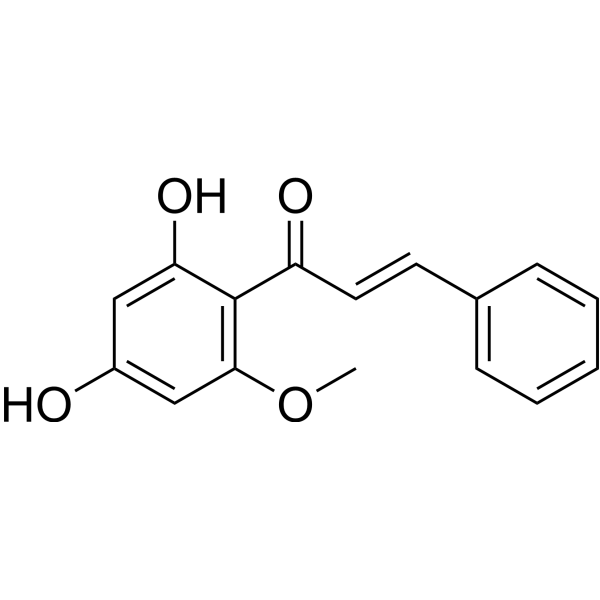 0 ImagesSynonyms: Cardamomin; Alpinetin chalcone
-
Nystose
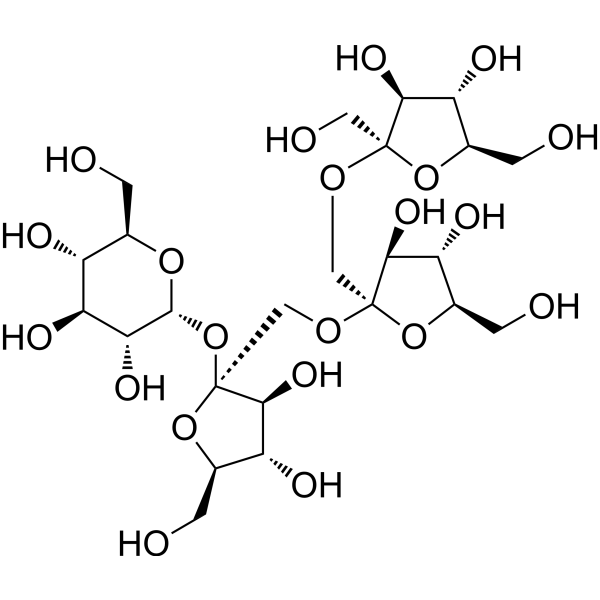 0 ImagesNystose is a tetrasaccharide with two fructose molecules linked via beta (1→2) bonds to the fructosyl moiety of sucrose. Nystose exhibits prebiotic, immunomodulatory, and metabolism regulating activities. Nystose promotes the bone mineralization by activating the Wnt/β-catenin signaling pathway.
-
CD1530
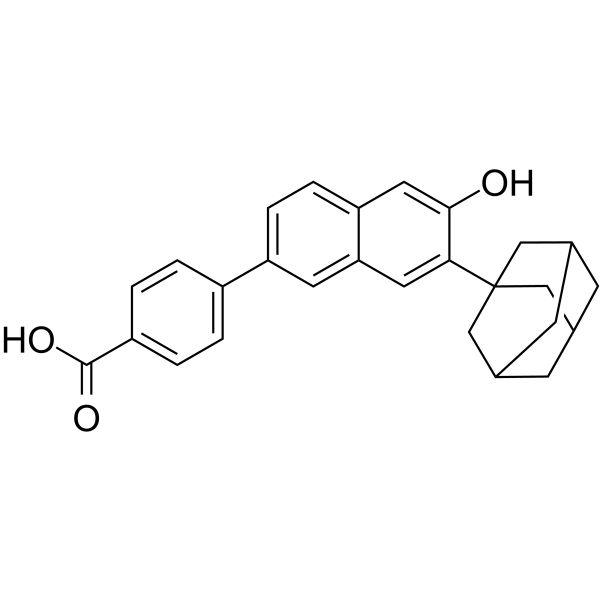 0 ImagesCD1530 is an orally active, selective RARγ agonist and antibacterial agent. CD1530 reduces Smad1/5/8 phosphorylation and overall Smad levels. CD1530 reduces β-catenin, MMP9 protein, and ROS levels. CD1530 exhibits activities such as inhibiting heterotopic ossification, promoting Achilles tendon healing, and inhibiting muscle fatty infiltration. CD1530 can be used in the research of orthopedic diseases (such as heterotopic ossification, Achilles tendon injury), muscle diseases (such as muscle fatty infiltration-related diseases).
-
Lumichrome
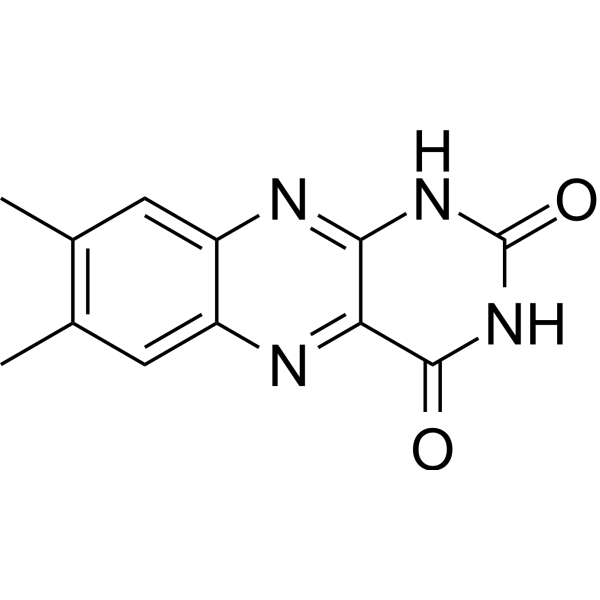 0 ImagesLumichrome, a photodegradation product of Riboflavin, is an endogenous compound in humans. Lumichrome inhibits human lung cancer cell growth and induces apoptosis via a p53-dependent mechanism. Lumichrom is the inhibitor for AKT/β-catenin signaling pathway.
-
Eupalinolide B
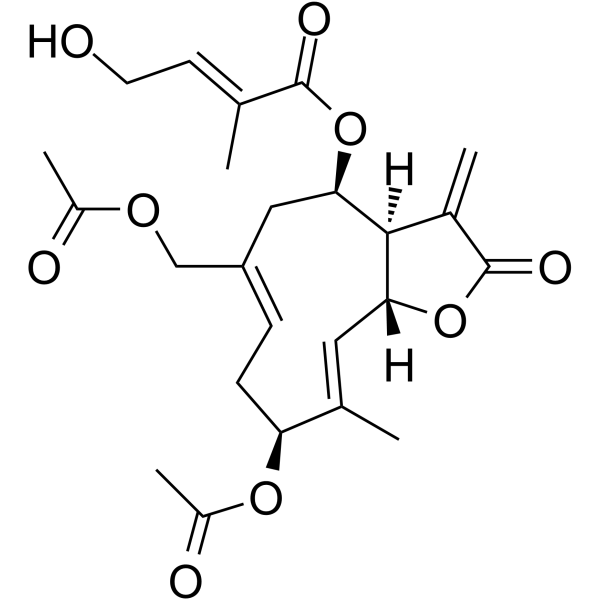 0 ImagesEupalinolide B is a germ sesquiterpene. Eupalinolide B can be isolated from Eupatorium lindleyanum. Eupalinolide B induces Apoptosis, elevates ROS, promotes Autophagy. regulates GSK-3β/β-catenin, targets UBE2D3 and TAK1, activates ROS-ER-JNK, inhibits NF-κB and MAPKs. Eupalinolide B has anticancer activity against pancreatic cancer and liver cancer. Eupalinolide B relieves rheumatoid arthritis, acute lung injury, periodontitis, depression.