



β-catenin
Beta catenin
β-catenin is a dual function protein, regulating the coordination of cell–cell adhesion and gene transcription. In humans, the CTNNB1 protein is encoded by the CTNNB1 gene. β-catenin is a subunit of the cadherin protein complex and acts as an intracellular signal transducer in the Wnt signaling pathway. It is a member of the catenin protein family and homologous to γ-catenin. Mutations and overexpression of β-catenin are associated with many cancers, including hepatocellular carcinoma, colorectal carcinoma, lung cancer,malignant breast tumors, ovarian and endometrial cancer. β-catenin is regulated and destroyed by the beta-catenin destruction complex, and in particular by the adenomatous polyposis coli (APC) protein, encoded by the tumour-suppressing APC gene. Therefore genetic mutation of the APC gene is also strongly linked to cancers, and in particular colorectal cancer resulting from familial adenomatous polyposis (FAP).
All Product Categories
-
β-catenin Inhibitors
(214)
View all products
-
β-catenin Agonists
(13)
View all products
-
β-catenin Antagonists
(7)
View all products
-
β-catenin Activators
(76)
View all products
-
β-catenin Modulators
(15)
View all products
-
β-catenin Inducer
(1)
View all products
-
β-catenin Degraders
(7)
View all products
-
β-catenin Related Products (353)
Related Products (353)

-
Antibodies (10)
-
Paeonolide
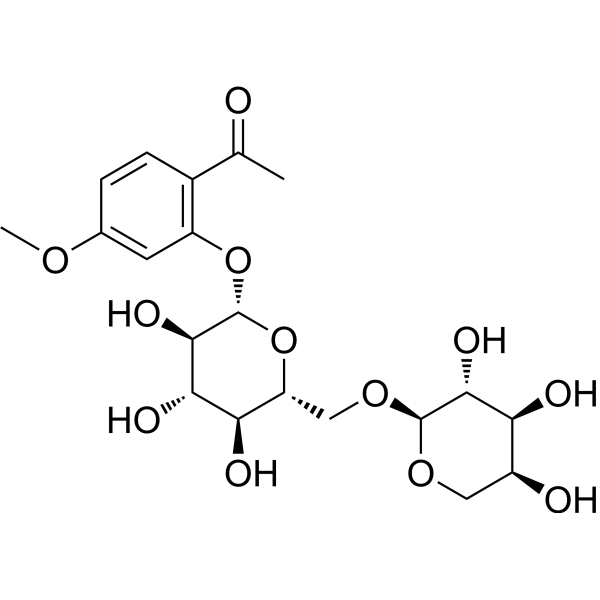 0 ImagesPaeonolide, found in Paeonia suffruticosa, is an ERK1/2 activator. Paeonolide promotes early and late osteoblast differentiation, stimulates pre-osteoblast transmigration, and activates the BMP-Smad1/5/8, Wnt-β-catenin, JNK and p38 pathways. Paeonolide can be used for the research of osteoporosis, periodontitis.
-
2-Hydroxyanthraquinone
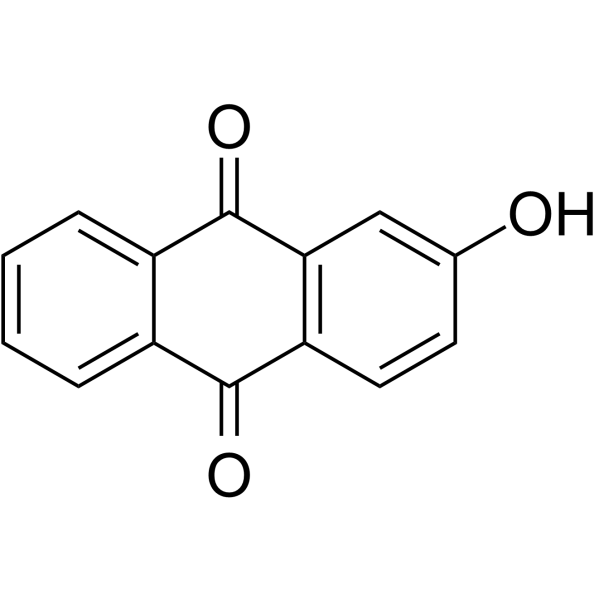 0 Images2-Hydroxyanthraquinone is a product generated by the photochemical oxidation of Anthracene (ANT) (HY-Y0299). 2-Hydroxyanthraquinone induces ferroptosis in cardiomyocytes by depleting GSH and inhibiting GPX4, leading to cardiac developmental malformations. 2-Hydroxyanthraquinone causes damage to the cerebrovascular system and blood-brain barrier in zebrafish by downregulating the Wnt/β-catenin signaling pathway, as well as inducing inflammation and neuronal apoptosis. 2-Hydroxyanthraquinone can be used in studies related to cerebrovascular diseases and cardiotoxicity.
-
Sirexatamab
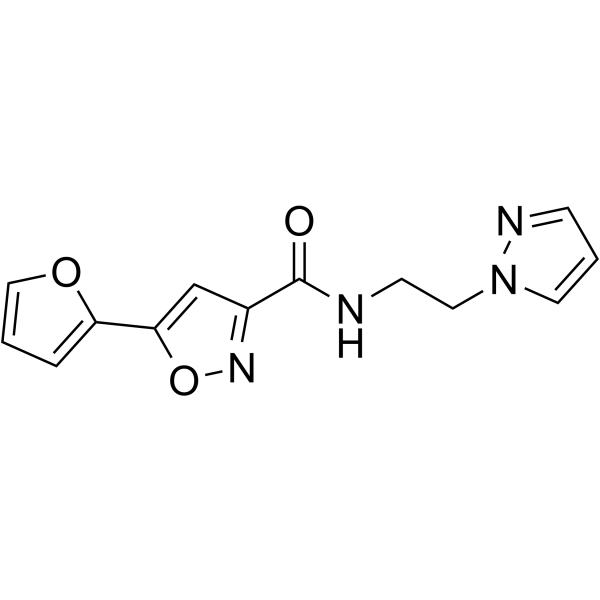
 0 ImagesSynonyms: DKN-01; LY-2812176Sirexatamab (DKN-01; LY-2812176) is a humanized IgG4 monoclonal antibody targeting DKK1, with Kd values of 3.3 pM and 20 pM for human and murine (mDKN-01) forms, respectively. Sirexatamab binds to DKK1 to neutralize its activity and reverse the inhibition of the canonical Wnt/β-catenin signaling pathway. Sirexatamab can be used in research related to cancers such as non-small cell lung cancer, endometrial cancer, and ovarian cancer.
-
FzM1
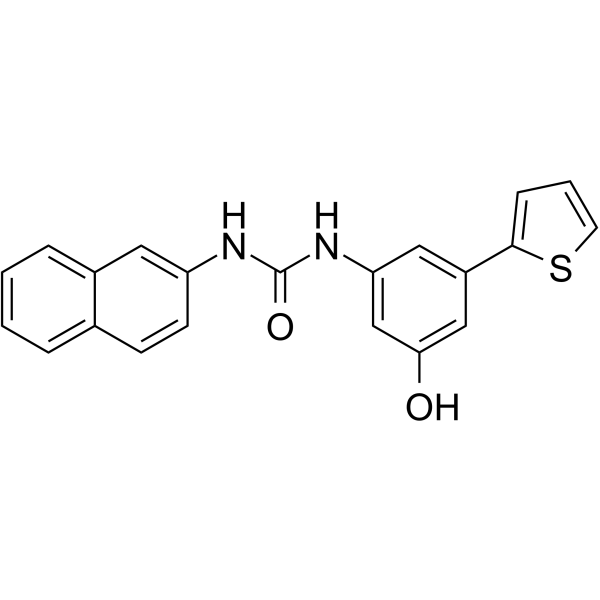 0 ImagesFzM1 is a negative allosteric modulator (NAM) of Frizzled receptor FZD4. FzM1 reduces WNT5A-dependent WNT responsive element (WRE) activity (log EC50inh=?6.2). FzM1 binds to an allosteric binding site located in intracellular loop 3 (ICL3) of FZD4 and alters the conformation of the receptor, ultimately inhibiting the WNT/β-catenin cascade.
-
Miclxin
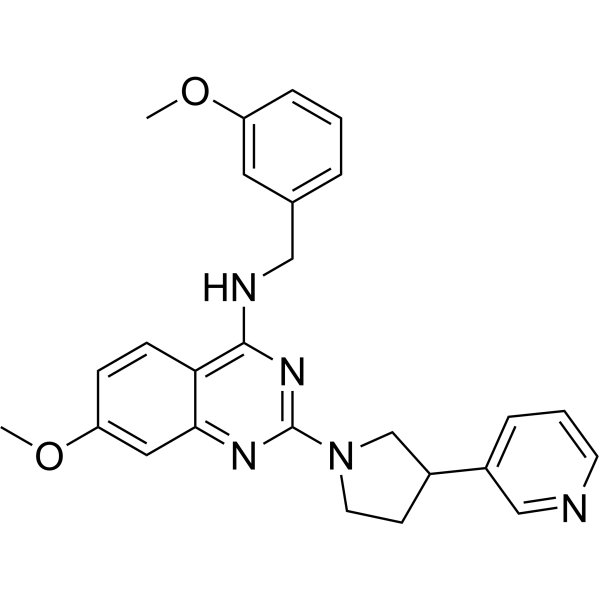 0 ImagesSynonyms: DS37262926Miclxin (DS37262926) is a potent inhibitor of mutant β-catenin, involving in Wnt signaling pathway. Miclxin induces β-catenin-dependent apoptosis, leads to severe mitochondrial damage with the loss of mitochondrial membrane. Miclxin kills tumor via targeting to MIC60, a major components of the mitochondrial contact site and cristae organizing system (MICOS) complex.
-
Notoginsenoside R2
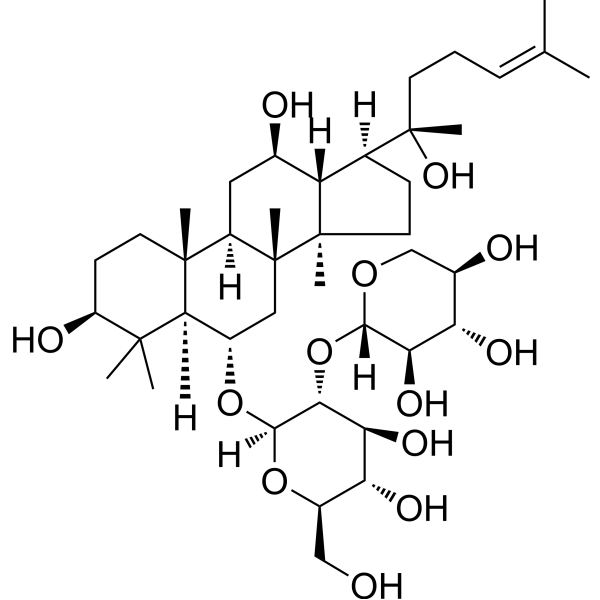 0 ImagesSynonyms: 20(S)-Notoginsenoside R2; Ginsenoside Ng-R2Notoginsenoside R2 (20(S)-Notoginsenoside R2; Ginsenoside Ng-R2) is an orally active notoginsenoside. Notoginsenoside R2 activates P90RSK and Nrf2 via the MEK1/2-ERK1/2 pathway to inhibit 6-OHDA-induced apoptotic damage in nerve cells. Notoginsenoside R2 upregulates SOX8/β-catenin by reducing miR-27a, thereby suppressing Aβ25-35-induced neuronal apoptosis and inflammatory responses. Notoginsenoside R2 alleviates lipid accumulation and mitochondrial dysfunction in diabetic nephropathy by inhibiting c-Src. Notoginsenoside R2 alleviates hepatic fibrosis by inducing hepatic stellate cell senescence and inhibiting the inflammatory microenvironment via JAK/STAT3 suppression. Notoginsenoside R2 can be used in research related to Parkinson's disease, Alzheimer's disease, diabetic nephropathy and hepatic fibrosis.
-
Pamidronate disodium pentahydrate
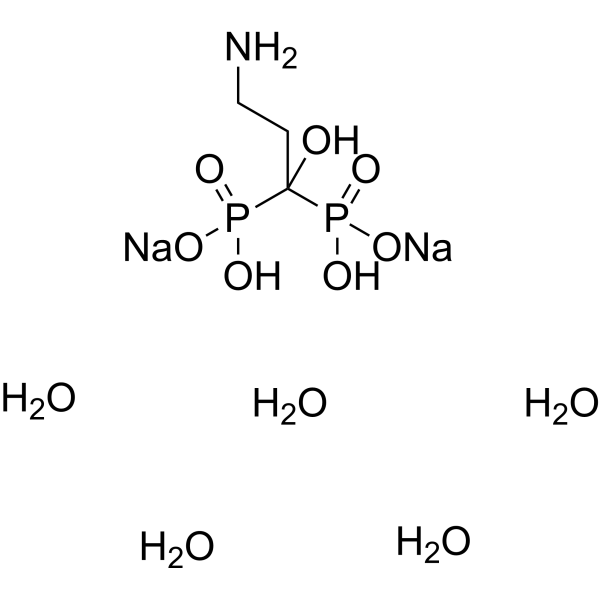 0 ImagesPamidronate disodium pentahydrate, the second-generation nitrogen-containing bisphosphonate, is an inhibitor of bone loss. Pamidronate disodium pentahydrate significantly inhibits subchondral bone loss in early osteoarthritis by upregulating the expression of osteoprotegerin in cartilage and subchondral bone, and inhibiting the expression of RANKL and MMP-9 in both tissues, as well as TLR-4 in cartilage, thereby alleviating cartilage degeneration. Additionally, Pamidronate disodium pentahydrate can inhibit the signaling of Wnt and β-catenin, and is applicable for research on osteoporosis and osteosarcoma.
-
NRX-103094
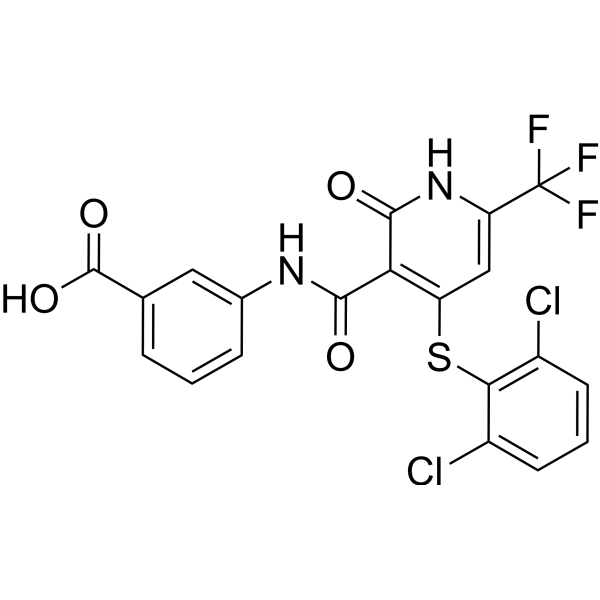 0 ImagesNRX-103094 is a Molecular glue and β-catenin/β-TrCP interaction enhancer, with an EC50 of 62 nM for the binding of pSer33/S37A β-catenin peptide to recombinant β-TrCP/Skp1 complex. NRX-103094 shows selectivity for Ser37 phosphorylation-deficient β-catenin, and has no effect on wild-type doubly phosphorylated β-catenin or other β-TrCP substrates. NRX-103094 can be used in research related to colorectal cancer and ovarian endometrioid adenocarcinoma.
-
PROTAC KDM3 degrader-1
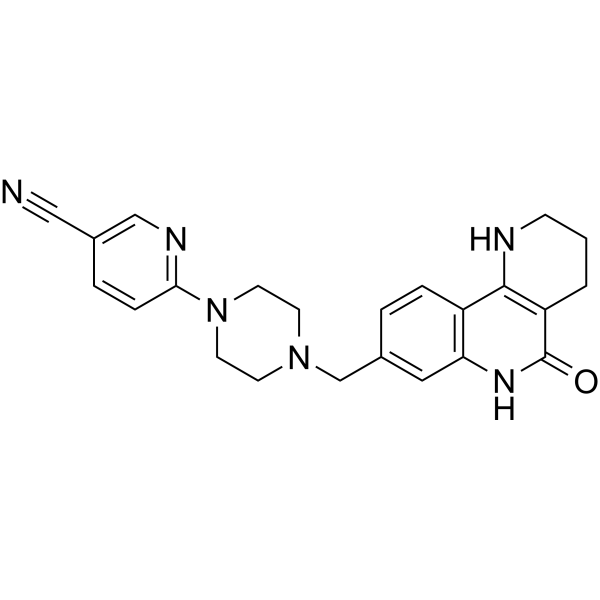
 0 ImagesPROTAC KDM3 degrader-1 is a KDM3A/KDM3B PROTAC degrader with DC50 values of 13.73 nM and 172.6 nM in SW480 cells, respectively. PROTAC KDM3 degrader-1 induces cereblon-dependent proteasomal degradation of KDM3A and KDM3B. PROTAC KDM3 degrader-1 inhibits the oncogenic Wnt/β-catenin signaling pathway. PROTAC KDM3 degrader-1 eliminates colorectal cancer stem cells, suppresses their self-renewal, and blocks colony formation of colorectal cancer cells. PROTAC KDM3 degrader-1 inhibits tumor growth in a colorectal cancer xenograft mouse model. PROTAC KDM3 degrader-1 can be used for the research of colorectal cancer.
-
Withanolide B
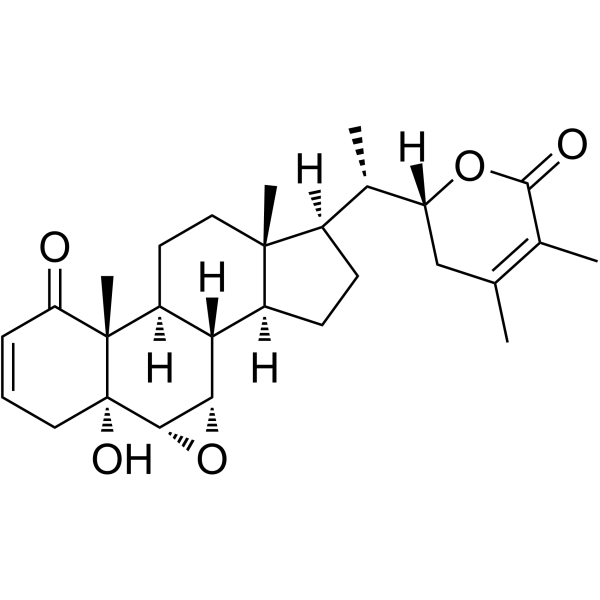 0 ImagesWithanolide B is an active component of W. somnifera Dunal. Withanolide B promotes osteogenic differentiation of hBMSCs via ERK1/2 and Wnt/β-catenin signaling pathways. Withanolide B exhibits neuroprotective, anti-arthritic, anti-aging and anti-cancer effects.
-
2,5-Dimethylcelecoxib
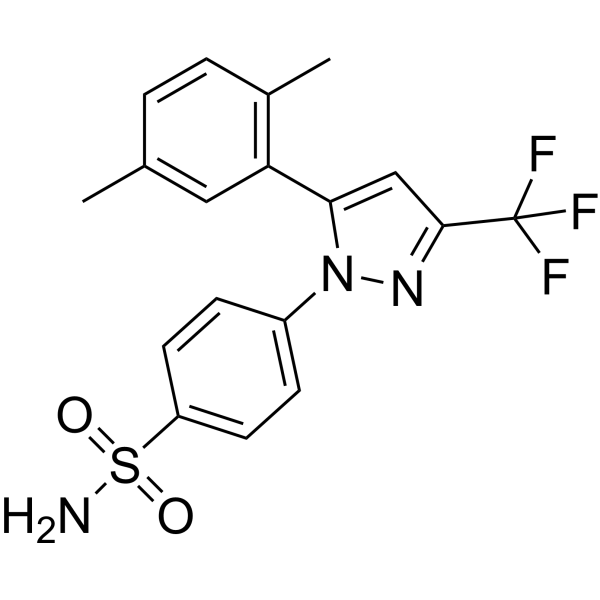 0 Images2,5-Dimethylcelecoxib is an analogue of celecoxib (HY-14398) with anticancer activity but without COX-2 inhibitory activity. 2,5-Dimethylcelecoxib exerts its anti-cancer cell proliferation effect by inhibiting the core mechanism of the Wnt/β-catenin signaling pathway. 2,5-Dimethylcelecoxib also inhibits T-cell factor-dependent transcriptional activity and inhibits expression of the Wnt/β-catenin target gene products cyclin D1 and survivin.
-
Tizanidine
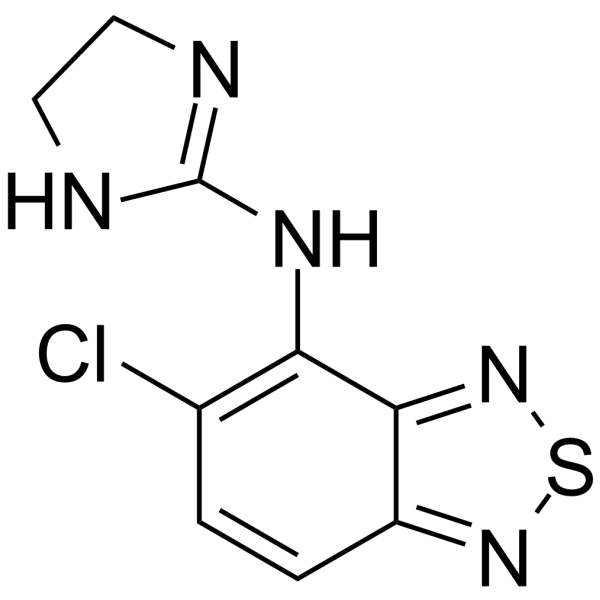 0 ImagesTizanidine, a skeletal muscle relaxant, is an orally effective central α2-adrenoceptor agonist (IC50 = 6.9 nmol). Tizanidine primarily exerts muscle relaxation effects by inhibiting the release of excitatory amino acids (glutamate and aspartate) from the presynaptic terminals of spinal cord interneurons. Tizanidine has anti-injury activity and can inhibit gastrointestinal (GI) transport. Tizanidine can inhibit the proliferation, migration, and invasion of lung cancer cells and induce cell apoptosis by upregulating Nischarin and inhibiting the AKT and Wnt3a/β-catenin signaling pathways. Tizanidine can be used to treat spasticity caused by diseases such as multiple sclerosis (MS), stroke, and spinal cord injury (SCI).
-
ZW4864 free base
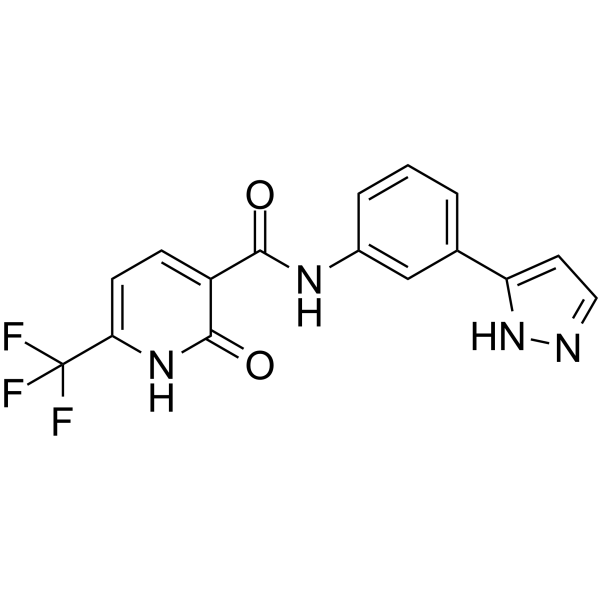
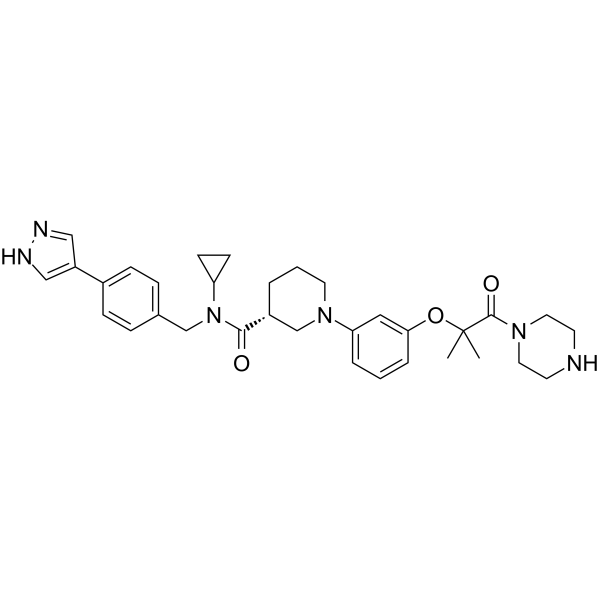 0 ImagesZW4864 (free base) is an orally active and selective β catenin/B-Cell lymphoma 9 protein protein interaction (β catenin/BCL9 PPI) inhibitor. ZW4864 (free base) inhibits β catenin/BCL9 PPI with a Ki value of 0.76 μM and an IC50 value of 0.87 μM.
-
Nefopam hydrochloride
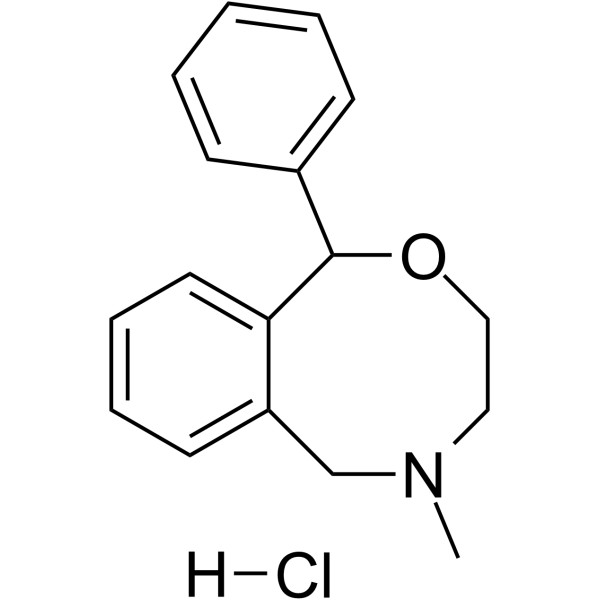 0 ImagesSynonyms: Fenazoxine hydrochloride
-
Ciprofloxacin (Standard)
 0 ImagesSynonyms: Bay-09867 (Standard)Ciprofloxacin (Standard) is the analytical standard of Ciprofloxacin. This product is intended for research and analytical applications. Ciprofloxacin (Bay-09867) is an orally active, blood-brain barrier permeable fluoroquinolone antibacterial agent. Ciprofloxacin exerts bactericidal effects primarily by inhibiting topoisomerase II and IV. Ciprofloxacin inhibits the proliferation of human dental pulp stem cells and chondrocytes from young rats, and also activates the Akt signaling pathway and upregulates markers such as β-catenin and Nanog to maintain the morphological characteristics of stem cells. Ciprofloxacin induces significant neurotoxicity and tissue damage, including reducing serotonin and glutathione levels in the brain, inducing oxidative stress and depression-like behaviors, and causing articular cartilage damage. Ciprofloxacin can be applied to research related to infections of necrotic young permanent teeth and neurotoxicity.
-
Cyflumetofen
 0 ImagesCyflumetofen is a non-systemic acylacetonitrile Acaricide. Cyflumetofen interferes with the Wnt/β-catenin signaling pathway, induces Apoptosis, and reduces the level of tight junction proteins. Cyflumetofen upregulates the expression of Pink1, Parkin and Lrrk2 genes associated with the pathogenesis of Parkinson's disease in zebrafish larvae. Cyflumetofen induces developmental toxicity and oxidative stress in zebrafish larvae, damages neurons, reduces motor activity, alters brain tissue structure, and disrupts blood-brain barrier structure. Cyflumetofen exhibits acaricidal activity against spider mites. Cyflumetofen can be used in studies related to Parkinson's disease and infestations by spider mites (Tetranychus urticae, Tetranychus kanzawai, Panonychus citri).
-
UU-T02
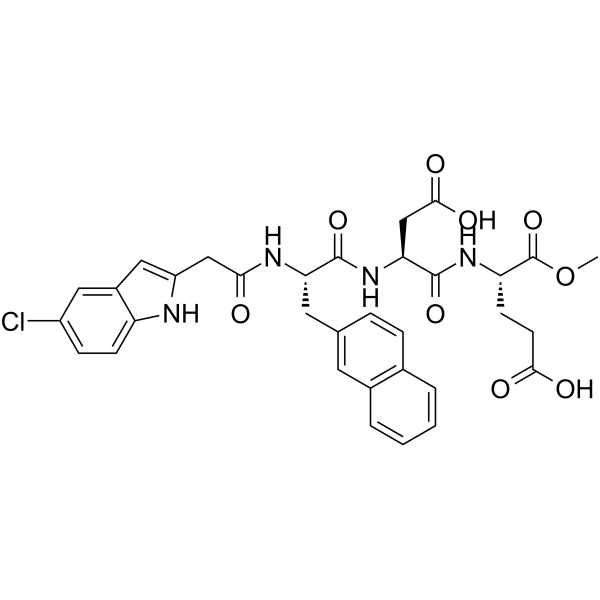 0 ImagesUU-T02 is a novel potent, selective small-molecule inhibitor of β-Catenin/T-cell factor protein-protein interaction (β-catenin/Tcf PPI) with a Ki of 1.36 μM. UU-T02 inhibits canonical Wnt signaling and the growth of colorectal cancer cells.




