AMPK
AMP-activated protein kinase
AMPK (AMP-activated protein kinase) is an enzyme that plays a role in cellular energy homeostasis. It consists of three proteins (subunits) that together make a functional enzyme. The net effect of AMPK activation is stimulation of hepatic fatty acid oxidation andketogenesis, inhibition of cholesterol synthesis, lipogenesis, and triglyceride synthesis, inhibition of adipocyte lipolysis and lipogenesis, stimulation of skeletal muscle fatty acid oxidation and muscle glucose uptake by pancreatic beta-cells. AMPK acts as a metabolic master switch regulating several intracellular systems including the cellular uptake of glucose, the β-oxidation of fatty acids and the biogenesis of glucose transporter 4 (GLUT4) and mitochondria.
AMPK Isoform Specific Products
-
NUAK1
(10)
View all products
-
NUAK2
(5)
View all products
-
AMPK
(338)
View all products
-
AMPK α1β1γ1
(12)
View all products
-
AMPK α2β1γ1
(8)
View all products
-
AMPK α1β2γ1
(5)
View all products
-
AMPK α2β2γ1
(6)
View all products
-
BRSK1
(1)
View all products
-
BRSK2
(1)
View all products
-
HUNK
(1)
View all products
-
AMPKα
(2)
View all products
All Product Categories
-
AMPK Inhibitors
(73)
View all products
-
AMPK Agonists
(15)
View all products
-
AMPK Antagonists
(2)
View all products
-
AMPK Activators
(312)
View all products
-
AMPK Modulators
(4)
View all products
-
AMPK Inducers
(4)
View all products
-
AMPK Substrate
(1)
View all products
-
AMPK Proteins
(7)
View all products
-
AMPK Related Products (462)
Related Products (462)

-
Recombinant Proteins (7)
-
Antibodies (17)
-
AMPK Isoform Comparison
-
Isovaleric acid (Standard)
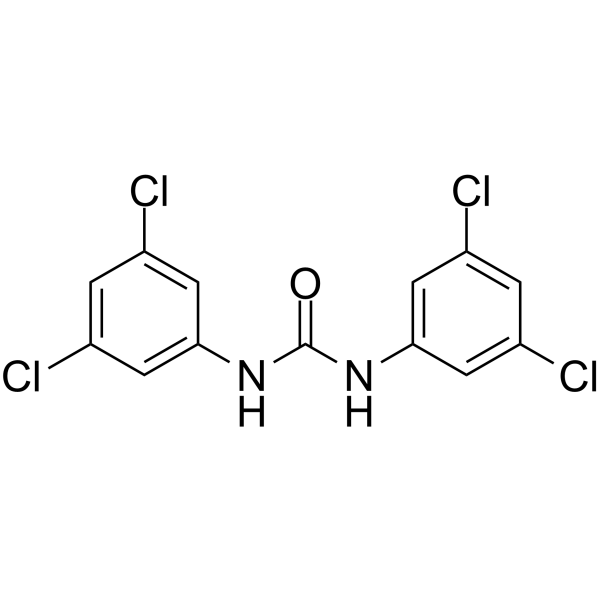
 0 ImagesIsovaleric acid (Standard) is the analytical standard of Isovaleric acid. This product is intended for research and analytical applications. Isovaleric acid is an oral active short-chain fatty acid that inhibits osteoclast differentiation by stimulating AMPK phosphorylation and promotes colonic smooth muscle relaxation by activating the cAMP/PKA pathway. Isovaleric acid can be used in research on skeletal diseases (such as osteoporosis) and intestinal disorders.
-
PF-07293893
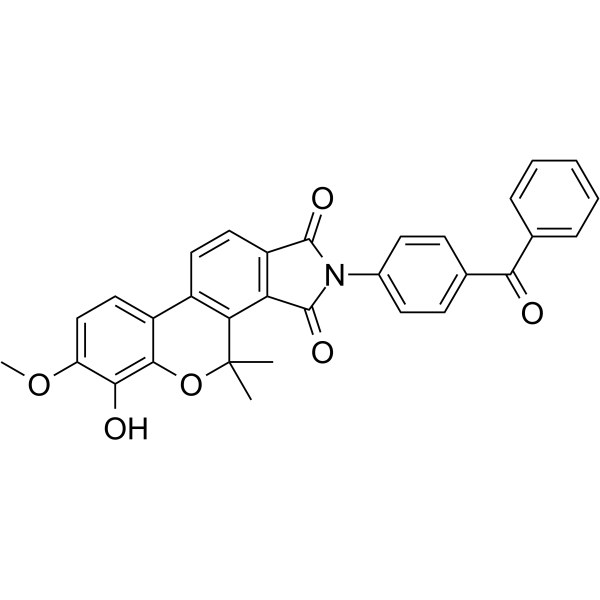
 0 ImagesPF-07293893 is an AMPKγ3 activator. PF-07293893 increases glycogen content, improves lipid oxidation, enhances mitochondrial biogenesis and promotes vascular repair. PF-07293893 is applicable to research related to heart failure.
-
Etilefrine hydrochloride
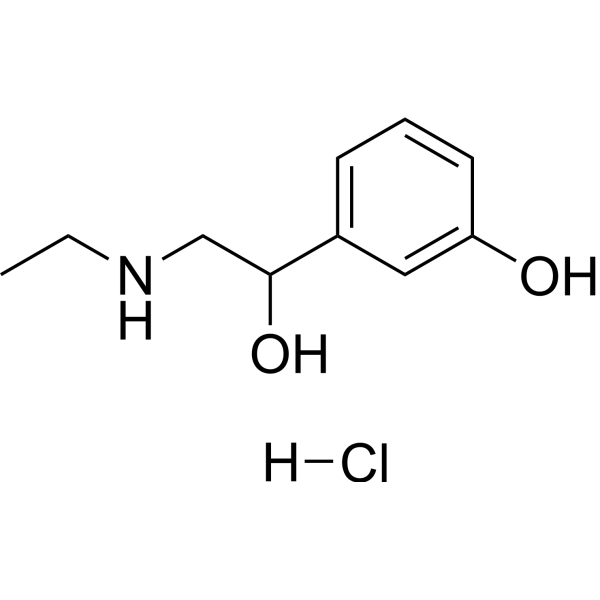 0 ImagesEtilefrine hydrochloride is a sympathetic nerve agonist and AMPK activator that selectively targets α1/β1 adrenergic receptors. Etilefrine hydrochloride stimulates α1 adrenergic receptors, leading to contraction of vascular smooth muscle and increased peripheral resistance. Etilefrine hydrochloride also stimulates β1 receptors to enhance myocardial contractility and increase heart rate, thereby increasing blood pressure and improving cardiac output. Etilefrine hydrochloride also bidirectionally regulates the AMPK/Akt pathway and modulates the phosphorylation levels. Etilefrine hydrochloride can be used in cardiovascular research, such as postural hypotension, chylothorax, and improving low cardiac output.
-
Deoxyandrographolide
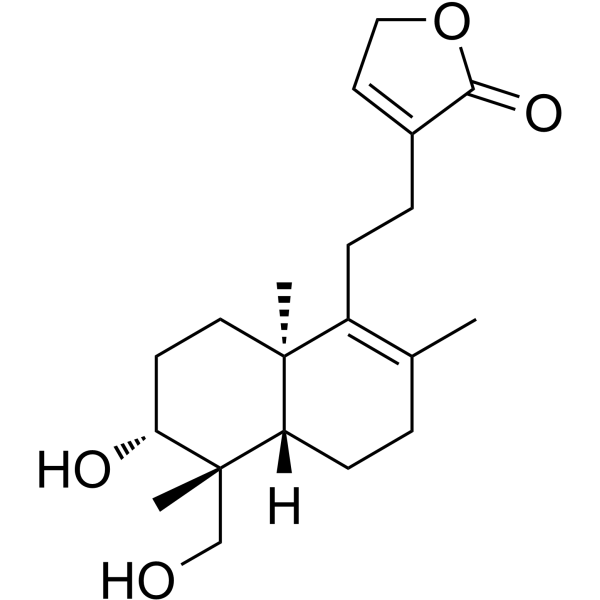 0 ImagesDeoxyandrographolide is an orally active lactone found in the Andrographis paniculata Nees. Deoxyandrographolide shows a KD of 38.4 μM of HDAC1. Deoxyandrographolide enhances GLUT4 plasma membrane translocation, activates PI3K and AMPK-dependent signaling pathways, suppresses fasting blood glucose, serum insulin, triglycerides, and LDL-cholesterol levels. Deoxyandrographolide enhances HDAC1 expression via inhibited ubiquitination degradation, represses H3K4me3, improves chromosome stability, and restrains aging biomarkers p16, p21, γH2A.X, p53 and ROS production. Deoxyandrographolide interacts with Foot-and-Mouth Disease Virus 3Cpro active site, inhibits protease and IFN-antagonist activity, derepresses ISG expression, and inhibits viral replication. Deoxyandrographolide can be used for the researches of type 2 diabetes mellitus, vascular senescence and virus infection.
-
Chamaejasmine
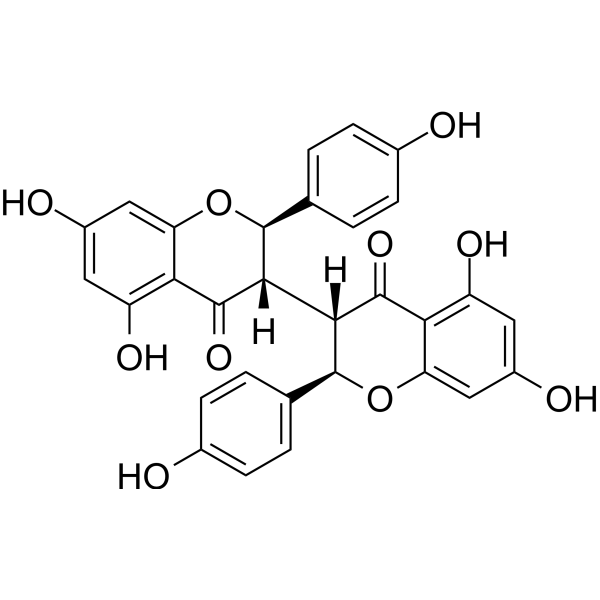 0 ImagesSynonyms: Chamaejasmin
-
Pinocembrin chalcone
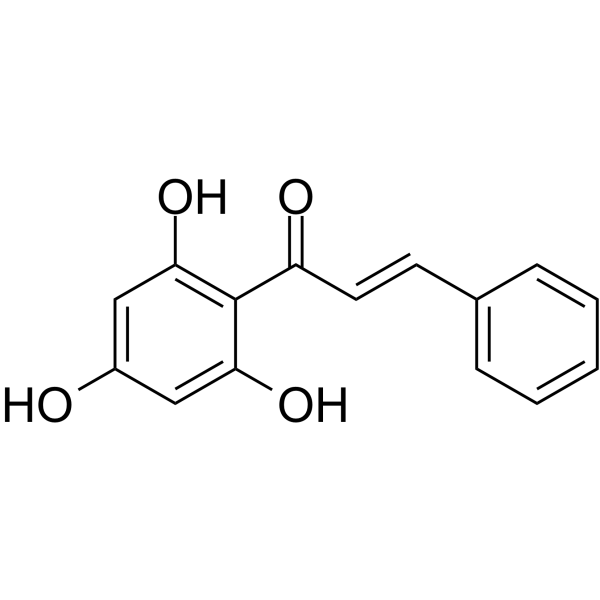 0 ImagesPinocembrin chalcone (2',4',6'-Trihydroxychalcone) is an antibacterial compound from Helichrysum Trilineatum. Pinocembrin chalcone facilitates AMP-activated protein kinase (AMPK) activation, improves glucose tolerance, increases muscle FAO and reduces fat accumulation in the liver and skeletal muscles in high-fat diet-induced (HFD) diabetic mice. Pinocembrin chalcone is promising for research of gastric ulcers and diabetes.
-
IMM-H007
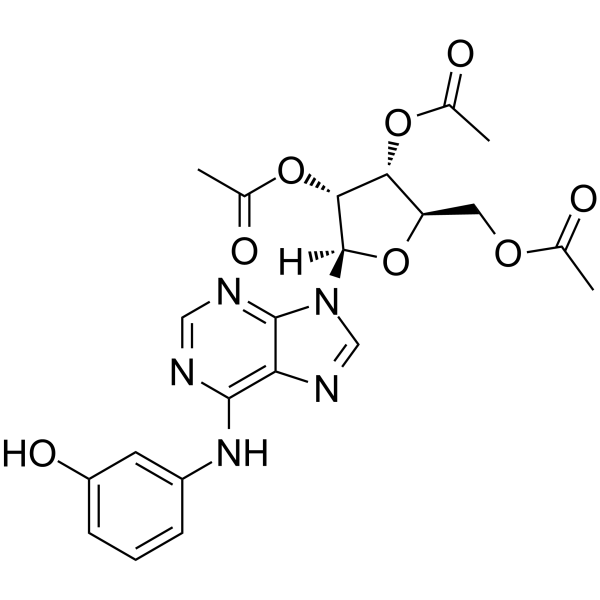 0 ImagesCat. No.: HY-141645CAS No.: 1221412-23-2Synonyms: WS070117IMM-H007 (WS070117) is an orally active and potent AMPK (AMP-activated protein kinase) activator and TGFβ1 (transforming growth factor β1) antagonist. IMM-H007 has protective effects in cardiovascular diseases via activation of AMPK. IMM-H007 negatively regulates endothelium inflammation through inactivating NF-κB and JNK/AP1 signaling. IMM-H007 inhibits ABCA1 degradation. IMM-H007 resolves hepatic steatosis in HFD-fed hamsters by the regulation of lipid metabolism. IMM-H007 can be used for the research of nonalcoholic fatty liver disease (NAFLD) and inflammatory atherosclerosis.
-
Kaempferol-7-O-rhamnoside
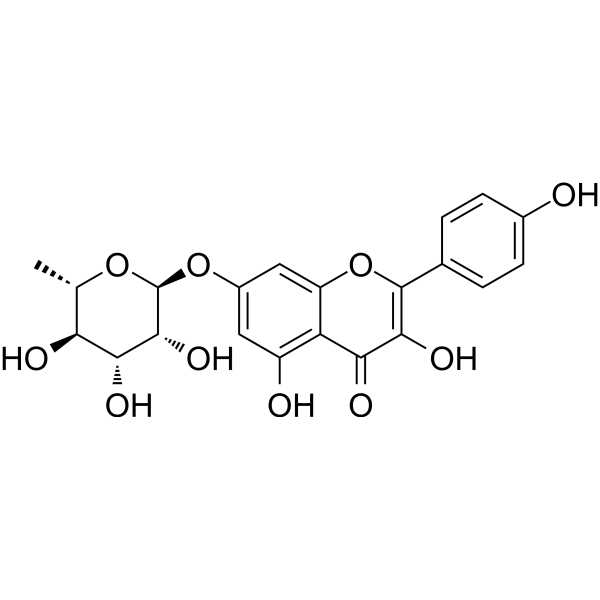 0 ImagesKaempferol-7-O-rhamnoside is a PD-1/PD-L1 inhibitor and farnesoid X receptor (FXR) agonist. Kaempferol-7-O-rhamnoside demonstrates cardioprotective potential targeting the AMPKα1 signaling pathway. Kaempferol-7-O-rhamnoside significantly upregulates the mRNA expression of AMPKα1 in H9c2 cardiomyocytes. Kaempferol-7-O-rhamnoside reverses APAP-induced reduction of glutathione (GSH) content and increase of ROS production in L02 cells. Kaempferol-7-O-rhamnoside has the potential for heart failure.
-
Gomisin J
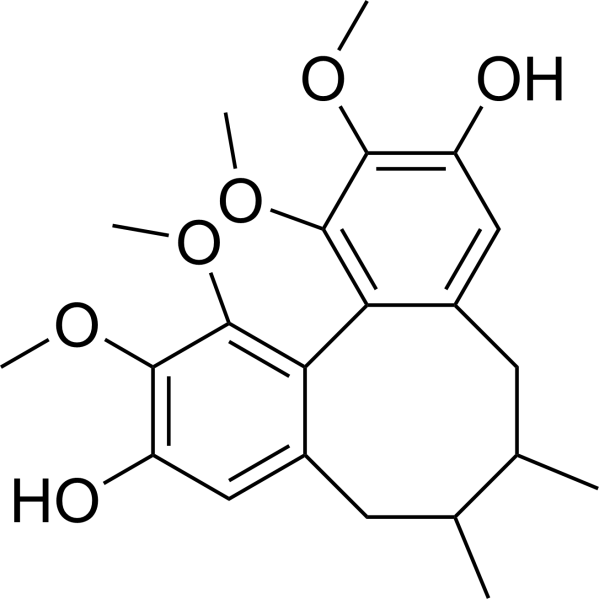 0 ImagesGomisin J is a Schisandra chinensis-derived lignan that can inhibit multiple targets such as eNOS, AMPK (LKB1, CaMKIIβ), fetuin-A, NF-κB, Nrf2/HO-1, and can pass through the blood-brain barrier. Gomisin J increases NO bioavailability by activating eNOS, regulates lipid metabolism by activating the AMPK pathway, inhibits fetuin-A and NF-κB to exert anti-inflammatory effects, and activates Nrf2/HO-1 to enhance antioxidant capacity. Gomisin J has the activities of anti-hypertension, regulating liver lipid metabolism, and reducing cerebral ischemia-reperfusion injury, and can be used for research on hypertension, non-alcoholic fatty liver disease, cerebral ischemia-reperfusion injury, etc.
-
HDAC11-IN-2
 0 ImagesHDAC11-IN-2 (compound B6) is a high selective Histone Deacetylase 11 (HDAC11) inhibitor. HDAC11-IN-2 inhibits HDAC11 and HDAC8 with IC50s of 51.1 ×10⁻³ μM and 5 μM, respectively. HDAC11-IN-2 inhibits denovolipogenesis (DNL) and promotes fatty acid oxidation, thus mitigating hepaticlipid accumulation and pathological symptoms in MASLD mice. HDAC11-IN-2 enhances the phosphorylation of AMPKα1 at Thr172 through the inhibition of HDAC11, consequently modulating DNL and fatty acid oxidation in the liver.
-
Specneuzhenide
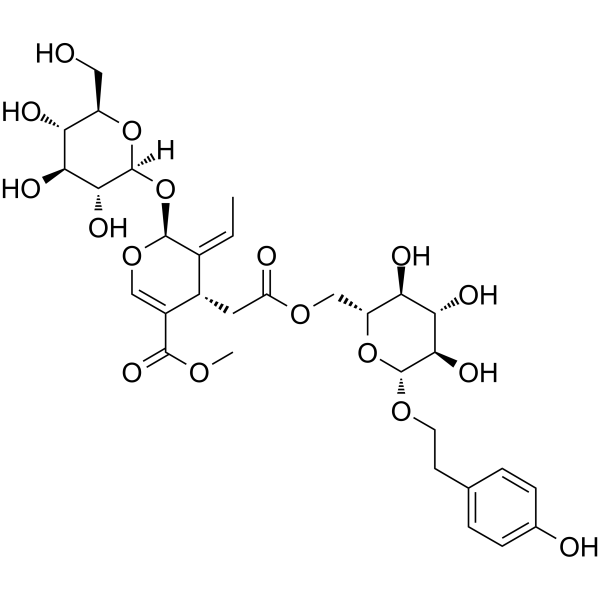 0 ImagesSynonyms: NuezhenideSpecneuzhenide (Nuezhenide) is an orally active phenol glycoside isolated from Ligustrum sinense. Specneuzhenide exhibits anti-inflammatory, antioxidant, antifibrotic, antitumor, hypoglycemic, as well as cartilage- and kidney-protective activities. Specneuzhenide inhibits fibrosis by activating the AMPK pathway (Kd = 62 µM), alleviates inflammation and oxidative stress by regulating multiple signaling pathways (NF-κB, Wnt/β-catenin and HO-1/Nrf-2), and upregulates podocyte proteins to comprehensively protect renal function. Specneuzhenide can be used in research related to cancer, rheumatoid arthritis, pulmonary fibrosis, diabetic nephropathy and osteoarthritis.
-
Macranthoside B
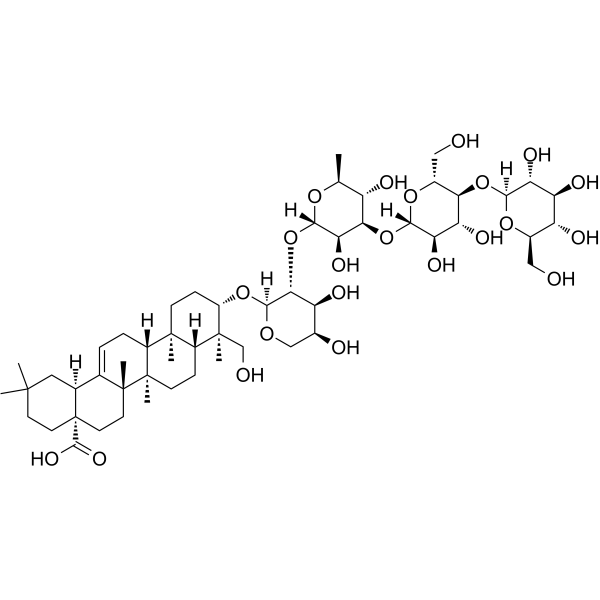 0 ImagesMacranthoside B is an apoptosis inducer with in vitro and in vivo anticancer activity. Macranthoside B induces autophagy and ferroptosis in cancer cells. Macranthoside B induces intracellular ROS accumulation, activates AMPK, inhibits mTOR and P70S6 kinase phosphorylation, and modulates Bcl-2/Bax expression. Macranthoside B activates caspase-3, caspase-9, and the intrinsic caspase cascade, induces PARP cleavage/degradation, and inhibits NRF2 signaling. Macranthoside B disrupts iron homeostasis via NCOA4-dependent ferritinophagy, up-regulates Lip-ROS, reduces mitochondrial membrane potential, and activates the JNK pathway. Macranthoside B can be used for the research of ovarian cancer, hepatoma, gastric carcinoma, breast carcinoma, colon carcinoma, glioma, melanoma, adenocarcinoma of the esophagogastric junction, and cervical cancer.
-
ALKBH1-IN-3 prodrug
 0 ImagesALKBH1-IN-4 prodrug (Compound 29E) is a prodrug of a DNA N6-methyladenine demethylase ALKBH1 inhibitor that significantly increases the abundance of 6mA in cells and upregulates the AMPK signaling pathway, thereby inhibiting the viability of gastric cancer cells. ALKBH1-IN-4 prodrug exhibits excellent cellular activity and favorable metabolic exposure in vivo, and holds promise for research in gastric cancer.
-
SIK-IN-1
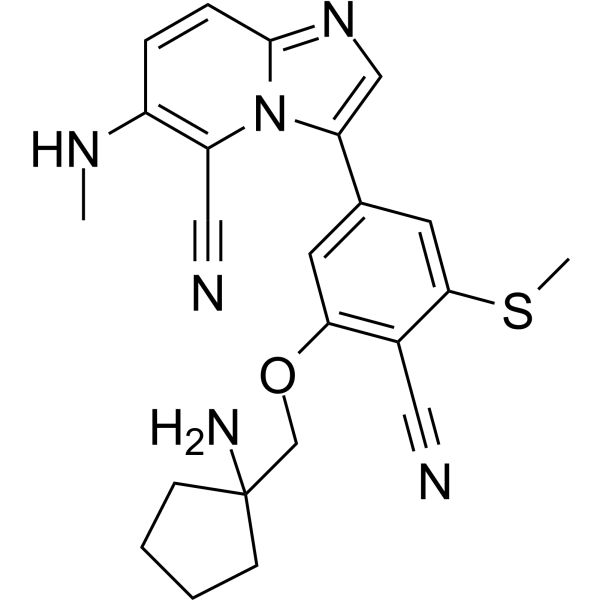 0 ImagesSIK-IN-1 (Compound 53) is an inhibitor for salt-inducible kinase (SIK), which inhibits SIK1, SIK2 and SIK3 with IC50s of 0.1, 0.4 and 1.5 nM, respectively. SIK-IN-1 inhibits the release of TNFa with IC50 of 0.5 nM, stimulates the LPS (HY-D1056) -induced IL-10 release with EC50 of 4 nM in human macrophages.
-
Etilefrine
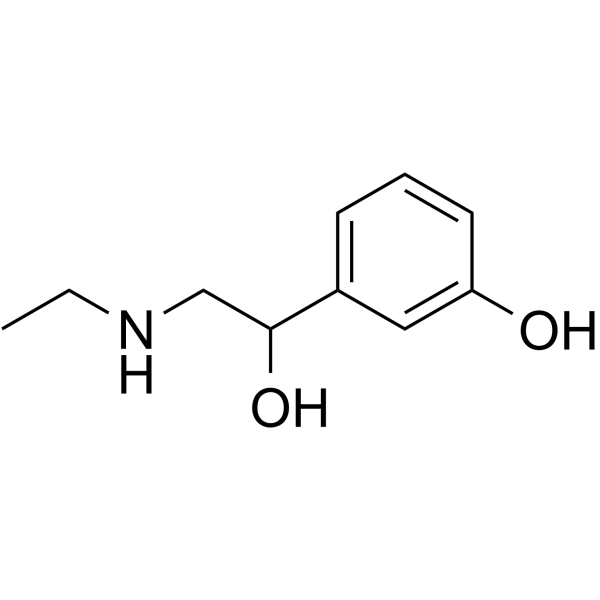 0 ImagesEtilefrine is a sympathetic nerve agonist and AMPK activator that selectively targets α1/β1 adrenergic receptors. Etilefrine stimulates α1 adrenergic receptors, leading to contraction of vascular smooth muscle and increased peripheral resistance. Etilefrine also stimulates β1 receptors to enhance myocardial contractility and increase heart rate, thereby increasing blood pressure and improving cardiac output. Etilefrine also bidirectionally regulates the AMPK/Akt pathway and modulates the phosphorylation levels. Etilefrine can be used in cardiovascular research, such as postural hypotension, chylothorax, and improving low cardiac output.
-
Alloc-DOX
 0 ImagesSynonyms: N-Alloc doxorubicinAlloc-DOX (N-Alloc doxorubicin) is a Doxorubicin (HY-15142A) prodrug. The combination of a catalyst (such as nano-palladium) and alloc-DOX leads to a decrease in cell viability and tumour growth.
-
SMTIN-T140
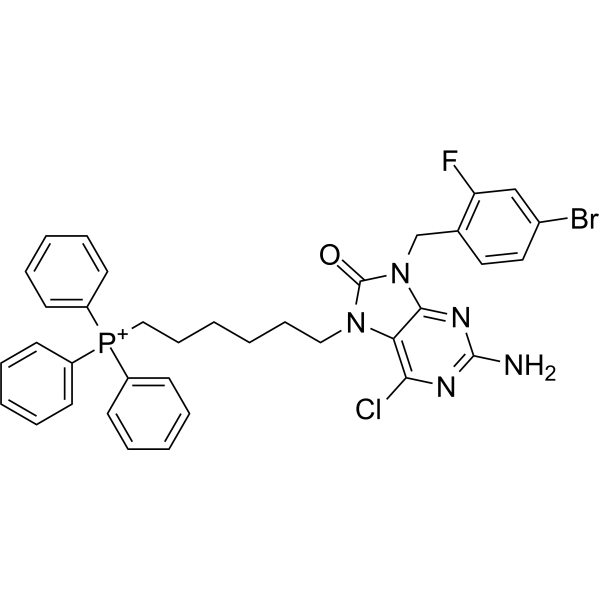 0 ImagesSMTIN-T140 (compound 6a) is a potent TRAP1 (tumor-necrosis-factor-receptor associated protein 1) inhibitor, with an IC50 of 1.646 μM. SMTIN-T140 shows anticancer activity. SMTIN-T140 leads to mitochondrial dysfunction, increases mitochondrial ROS production and activates AMPK. SMTIN-T140 potently suppressed tumor growth without any noticeable in vivo toxicity in a mouse model xenografted with PC3 prostate cancer cells.