



HIV
Human immunodeficiency virus
HIV (Human immunodeficiency virus) is a lentivirus (a subgroup of retrovirus) that causes the acquired immunodeficiency syndrome (AIDS), a condition in humans in which progressive failure of the immune system allows life-threatening opportunistic infections and cancers to thrive. Infection with HIV occurs by the transfer of blood, semen, vaginal fluid, pre-ejaculate, or breast milk. Within these bodily fluids, HIV is present as both free virus particles and virus within infected immune cells. HIV infects vital cells in the human immune system such as helper T cells (specifically CD4+ T cells), macrophages, and dendritic cells. HIV infection leads to low levels of CD4+ T cells through a number of mechanisms, including apoptosis of uninfected bystander cells, direct viral killing of infected cells, and killing of infected CD4+ T cells by CD8 cytotoxic lymphocytes that recognize infected cells. When CD4+ T cell numbers decline below a critical level, cell-mediated immunity is lost, and the body becomes progressively more susceptible to opportunistic infections.
HIV Isoform Specific Products
All Product Categories
-
HIV Inhibitors
(1222)
View all products
-
HIV Antagonists
(4)
View all products
-
HIV Activators
(19)
View all products
-
HIV Modulator
(1)
View all products
-
HIV Inducers
(2)
View all products
-
HIV Degrader
(1)
View all products
-
HIV Controls
(4)
View all products
-
HIV Ligand
(1)
View all products
-
HIV Proteins
(27)
View all products
-
HIV Related Products (1394)
Related Products (1394)

-
Recombinant Proteins (27)
-
Antibodies (6)
-
HIV Isoform Comparison
-
Erythromycin Ethylsuccinate
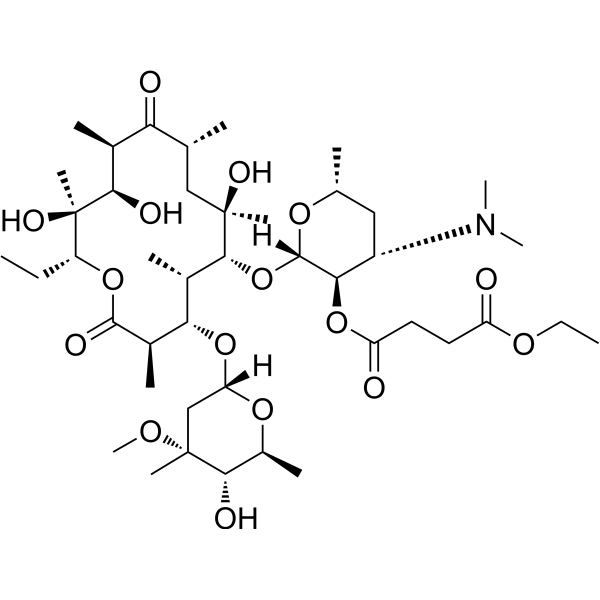 0 ImagesErythromycin Ethylsuccinate is an antibiotic useful for the treatment of a number of bacterial infections, has an antimicrobial spectrum similar to or slightly wider than that of penicillin. Erythromycin Ethylsuccinate has antiviral activity against HIV-1.
-
Corydine
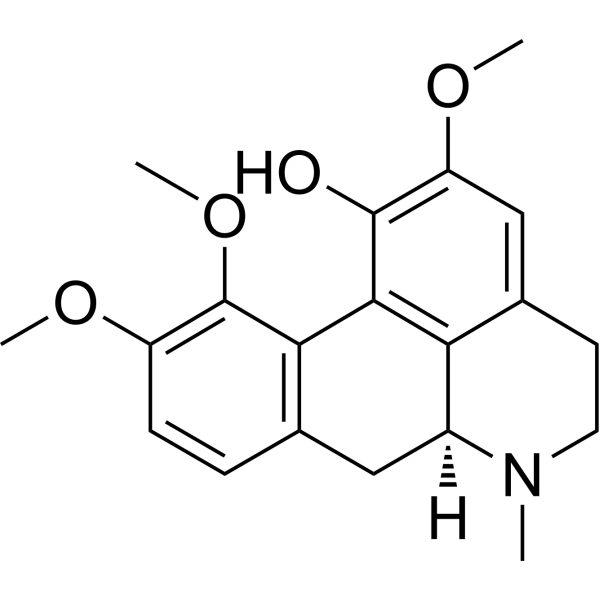 0 ImagesCorydine is a HIV-1 reverse transcriptase inhibitor and μ-opioid receptor (MOR) agonist, with an IC50 of 356.7 μg/mL against HIV-1 reverse transcriptase, an EC50 of 0.51 μM for MOR, and a Ki of 2.82 μM for MOR. Corydine produces antinociceptive effects by inhibiting acetic acid-induced writhing behavior in a MOR-dependent manner. Corydine inhibits the proliferation of cancer cells, mitogen-stimulated lymphocytes and IL-2-dependent cells. Corydine can be used in studies related to human immunodeficiency virus infection, visceral pain, leukemia, melanoma, bladder cancer and colon adenocarcinoma.
-
Nevirapine (Standard)
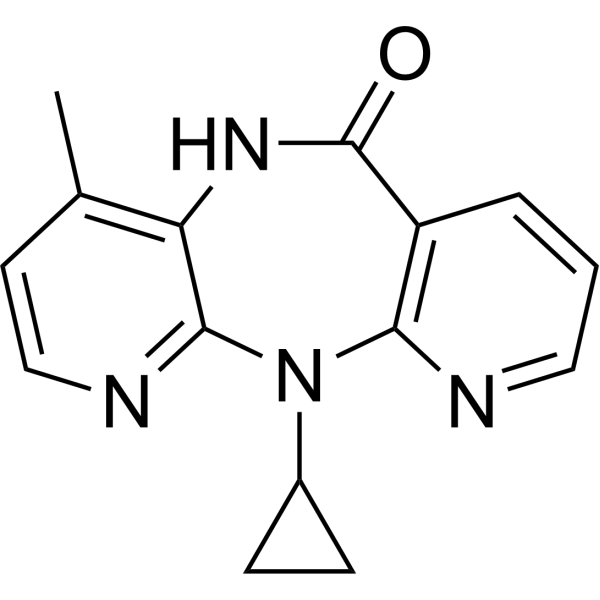 0 ImagesSynonyms: BI-RG 587 (Standard); NSC 641530 (Standard); NVP (Standard)Nevirapine (Standard) is the analytical standard of Nevirapine. This product is intended for research and analytical applications. Nevirapine is a non-nucleoside inhibitor of HIV-1 reverse transcriptase used to treat and prevent HIV/AIDS; with a Ki of 270 μM.
-
RIG-1 modulator 1
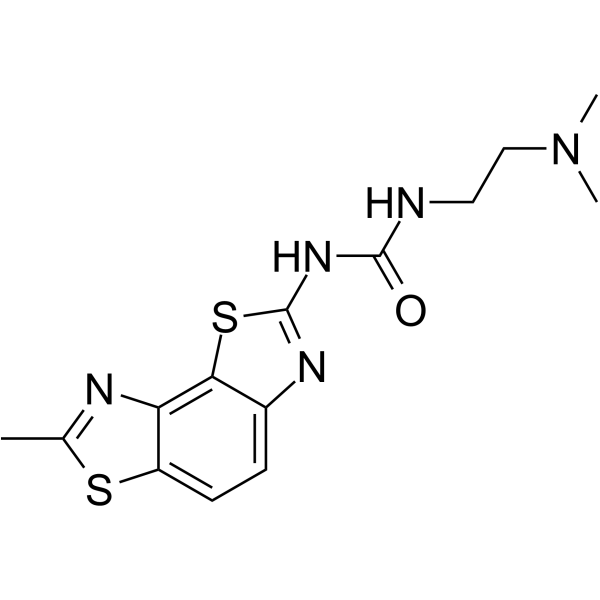 0 ImagesRIG-1 modulator 1 (Compound of claim 13) is an anti-viral compound which can be used against viral infections including influenza virus, HBV, HCV and HIV.
-
Tenofovir hydrate
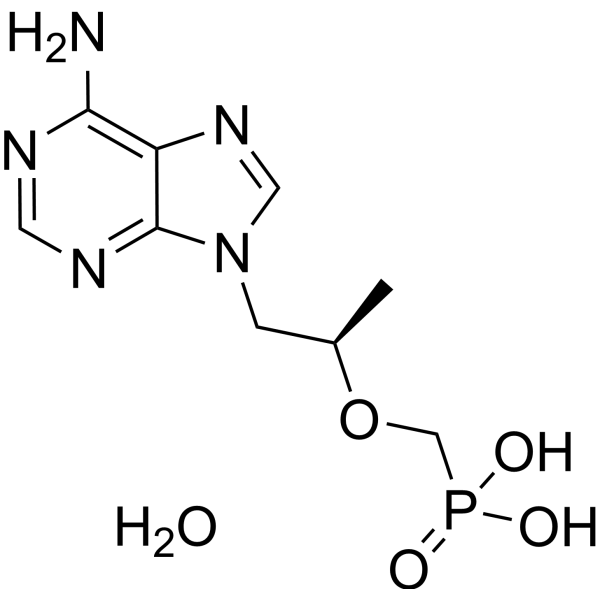 0 ImagesSynonyms: GS 1278 hydrate; PMPA hydrateTenofovir hydrate (GS 1278 hydrate; PMPA hydrate) is a nucleotide reverse transcriptase inhibitor to treat HIV and chronic Hepatitis B (HBV).
-
Inosine pranobex
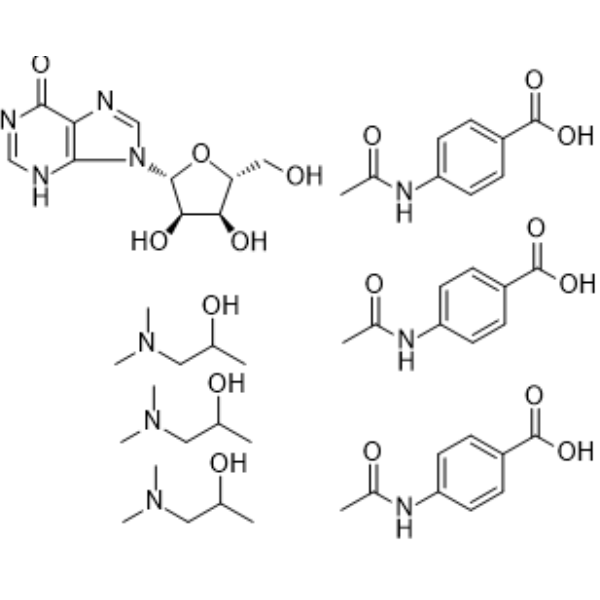 0 ImagesSynonyms: Imunovir; Delimmun; GroprinosinInosine pranobex is an orally active immunomodulator. Inosine pranobex has broad-spectrum antiviral activity. Inosine pranobex inhibits human immunodeficiency virus (HIV), herpes simplex virus (HSV), vaccinia virus (VACV), human tumor virus (HPV), Cytomegalovirus, influenza virus (INFV), parainfluenza virus (PIV), and Epstein-Barr virus
-
KRH-3955 hydrochloride
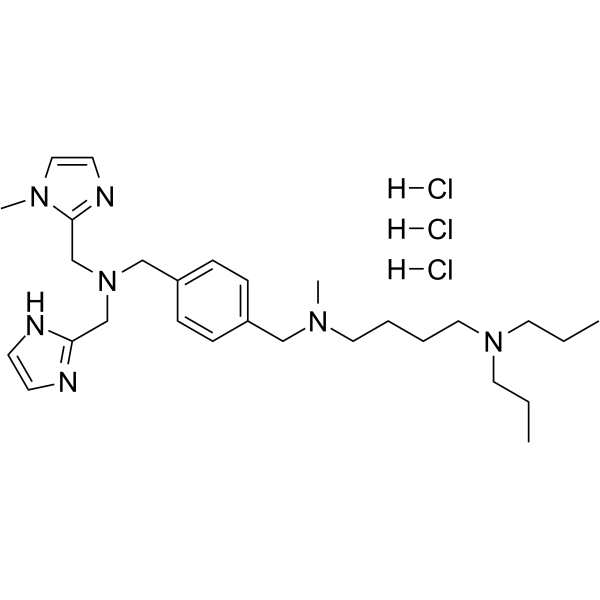 0 ImagesCat. No.: HY-122058ACAS No.: 2253744-59-9
-
Dimethyl fumarate (Standard)
 0 ImagesDimethyl fumarate (Standard) is the analytical standard of Dimethyl fumarate. This product is intended for research and analytical applications. Dimethyl fumarate (DMF) is an orally active and brain-penetrant Nrf2 activator and induces upregulation of antioxidant gene expression. Dimethyl fumarate induces necroptosis in colon cancer cells through GSH depletion/ROS increase/MAPKs activation pathway, and also induces cell autophagy. Dimethyl fumarate can be used for multiple sclerosis research.
-
Chloroquine-d5
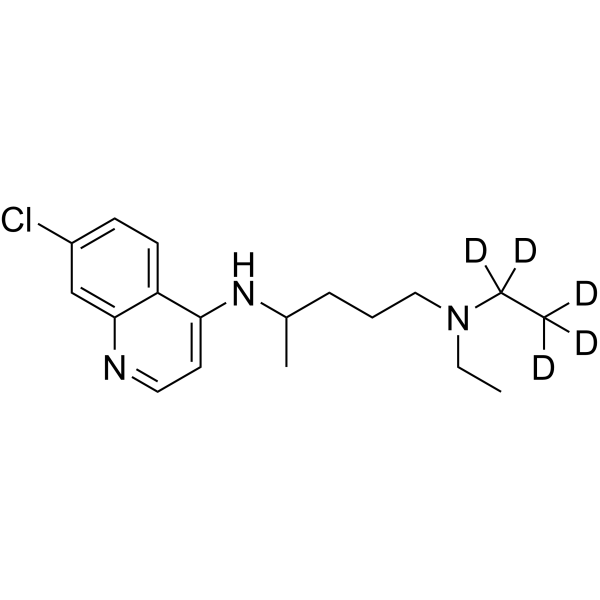 0 ImagesChloroquine-d5 is deuterium labeled Chloroquine (HY-17589A). Chloroquine is an antimalarial and anti-inflammatory agent widely used to treat malaria and rheumatoid arthritis. Chloroquine is an autophagy and toll-like receptors (TLRs) inhibitor. Chloroquine is highly effective in the control of SARS-CoV-2 (COVID-19) infection in vitro (EC50=1.13 μM).
-
FGI-106 tetrahydrochloride
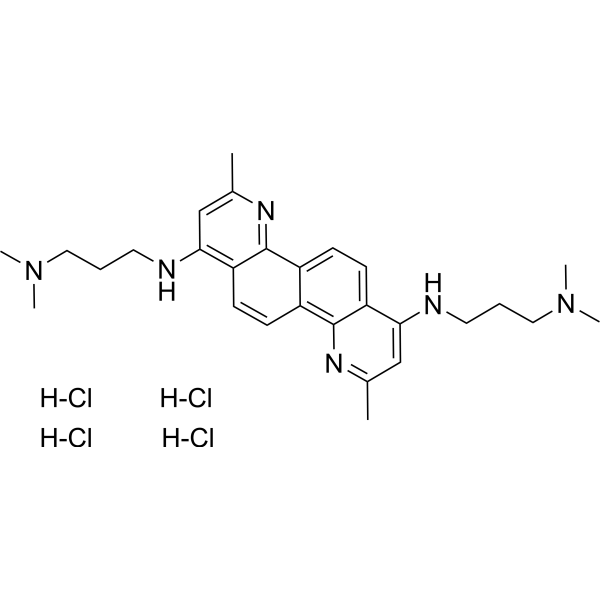 0 ImagesFGI-106 tetrahydrochloride is a potent and broad-spectrum inhibitor with inhibitory activity against multiple viruses. FGI-106 tetrahydrochloride is active against Ebola, Rift Valley and Dengue Fever viruses with EC50s of 100 nM, 800 nM and 400-900 nM, respectively. FGI-106 tetrahydrochloride also inhibits non-hemorrhagic fever viruses HCV and HIV-1 with EC50s of 200 nM and 150 nM, respectively.
-
Fipravirimat dihydrochloride
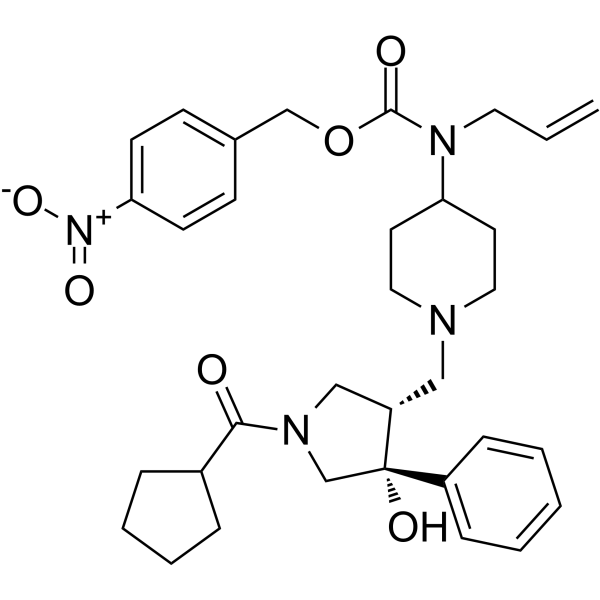
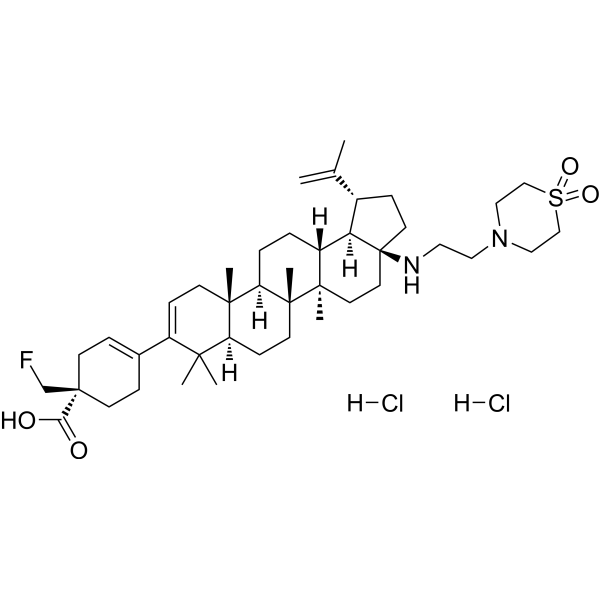 0 ImagesSynonyms: GSK3640254 dihydrochloride
-
Valproic acid-d4
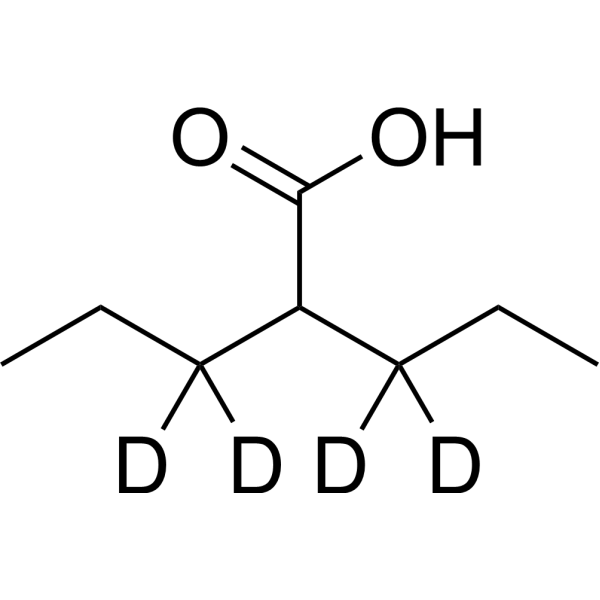 0 ImagesSynonyms: VPA-d4; 2-Propylpentanoic acid-d4Valproic acid-d4 is the deuterium labeled Valproic acid. Valproic acid (VPA; 2-Propylpentanoic Acid) is an HDAC inhibitor, with IC50 in the range of 0.5 and 2 mM, also inhibits HDAC1 (IC50, 400 μM), and induces proteasomal degradation of HDAC2. Valproic acid activates Notch1 signaling and inhibits proliferation in small cell lung cancer (SCLC) cells. Valproic acid sodium salt is used in the treatment of epilepsy, bipolar disorder and prevention of migraine headaches.
-
Ilimaquinone
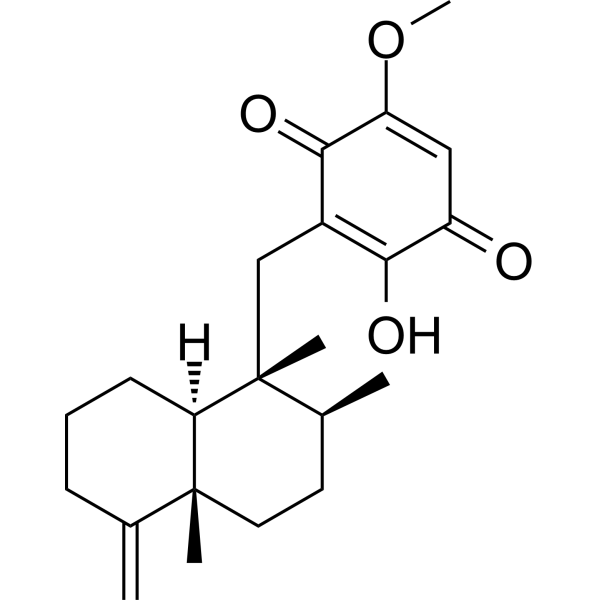 0 ImagesIlimaquinone, a marine sponge metabolite, displays anticancer activity via GADD153-mediated pathway. Ilimaquinone can induce vesiculation of the Golgi apparatus. Ilimaquinone exerts anti-HIV, anti-microbial, anti-inflammatory, and effects.
-
Pseudohypericin
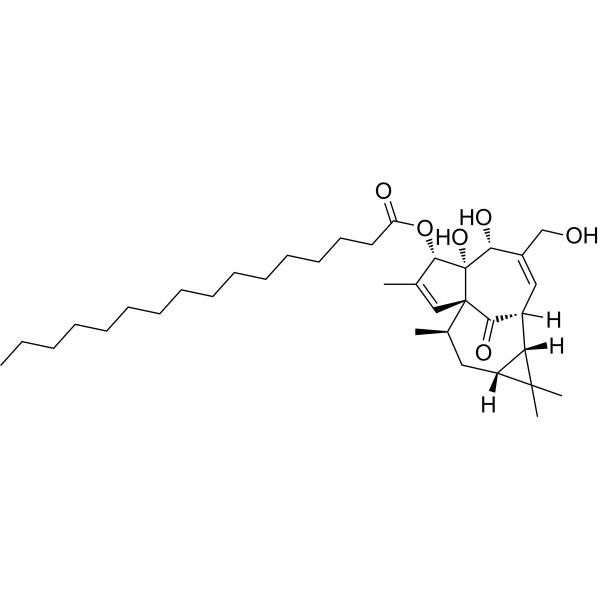
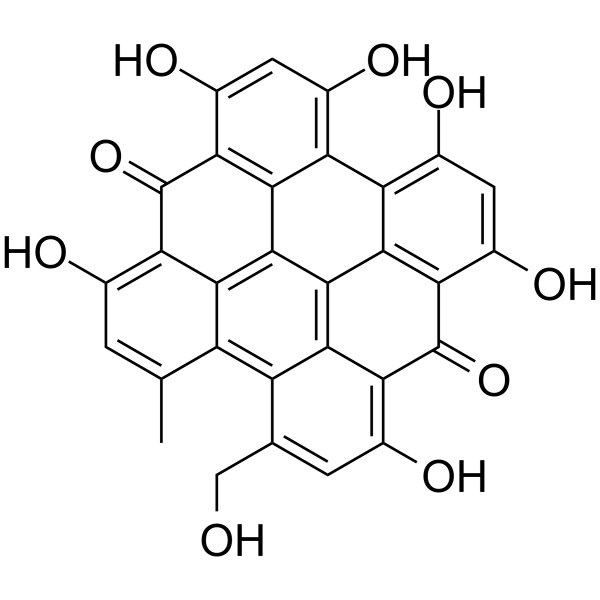 0 ImagesPseudohypericin and its congener Hypericin are the major hydroxylated phenanthroperylenediones present in Hypericum species. Pseudohypericin shows anti-HIV activity.
-
GSK2838232
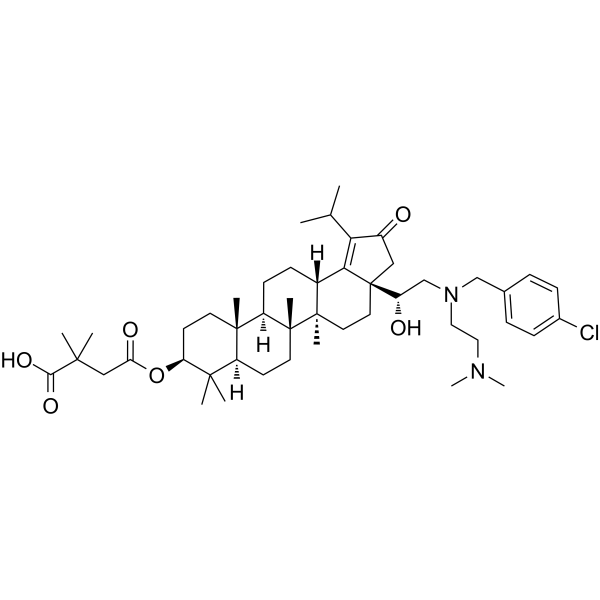 0 ImagesGSK2838232 inhibit HIV reverse transcriptase activity across a broad panel of HIV-1 isolates, extracted from patent WO/2013090664A1, compound51.
-
(5R)-5-Hydroxytriptolide
 0 ImagesSynonyms: PG 701; LLDT-8; 5α-Hydroxytriptolide(5R)-5-Hydroxytriptolide is an extracted compound from Tripterygium, and shows lower cell cytotoxicity and higher immunosuppressive activity. (5R)-5-Hydroxytriptolide can be used for study of rheumatoid arthritis.




