



NF-κB
Nuclear factor-κB; Nuclear factor-kappaB
NF-κB (Nuclear factor kappa-light-chain-enhancer of activated B cells) is a protein complex that controls transcription of DNA. NF-κB is found in almost all animal cell types and is involved in cellular responses to stimuli such as stress, cytokines, free radicals, ultraviolet irradiation, oxidized LDL, and bacterial or viral antigens. NF-κB plays a key role in regulating the immune response to infection. Incorrect regulation of NF-κB has been linked to cancer, inflammatory, and autoimmune diseases, septic shock, viral infection, and improper immune development. NF-κB has also been implicated in processes of synaptic plasticity and memory. There are five proteins in the mammalian NF-κB family: NF-κB1, NF-κB2, RelA, RelB, c-Rel.
NF-κB Isoform Specific Products
All Product Categories
-
NF-κB Inhibitors
(1592)
View all products
-
NF-κB Agonists
(6)
View all products
-
NF-κB Antagonist
(1)
View all products
-
NF-κB Activators
(141)
View all products
-
NF-κB Modulators
(34)
View all products
-
NF-κB Inducers
(3)
View all products
-
NF-κB Degraders
(4)
View all products
-
NF-κB Controls
(7)
View all products
-
NF-κB Ligands
(2)
View all products
-
NF-κB Related Products (1926)
Related Products (1926)

-
Antibodies (32)
-
NF-κB Signaling Pathway
-
NF-κB Isoform Comparison
-
Metaxalone-d3
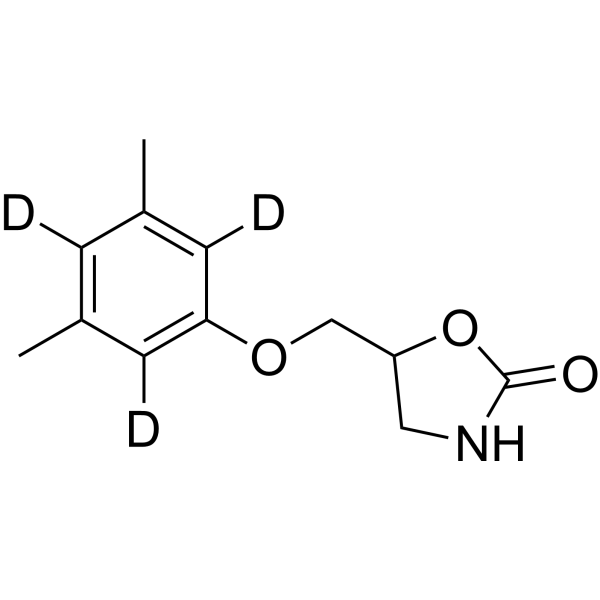 0 ImagesMetaxalone-d3 is the deuterium labeled Metaxalone. Metaxalone (AHR438; NSC170959) is an FDA-approved muscle relaxant. Metaxalone acts mainly on the central nervous system and achieves muscle relaxation by inhibiting polysynaptic reflex arcs. In addition, Metaxalone is an inhibitor of MAO-A, which has anti-inflammatory and antioxidant effects. Metaxalone inhibits IL-1β-induced inflammatory phenotype, modulates NF-κB and other related signaling pathways, and decreases MAO-A expression and activity in IL-1β-treated microglia.
-
mcIRBP-9
 0 ImagesCat. No.: HY-P11736CAS No.: 1489241-80-6mcIRBP-9 is an orally active NF-κB inhibitor. mcIRBP-9 reduces the levels of TNF-α, IL-1β and TGF-β1 in renal tissues, and decreases LPS-induced IL-1β production. mcIRBP-9 can be used in research related to diabetic nephropathy and type 2 diabetes mellitus.

-
IVMT-Rx-3
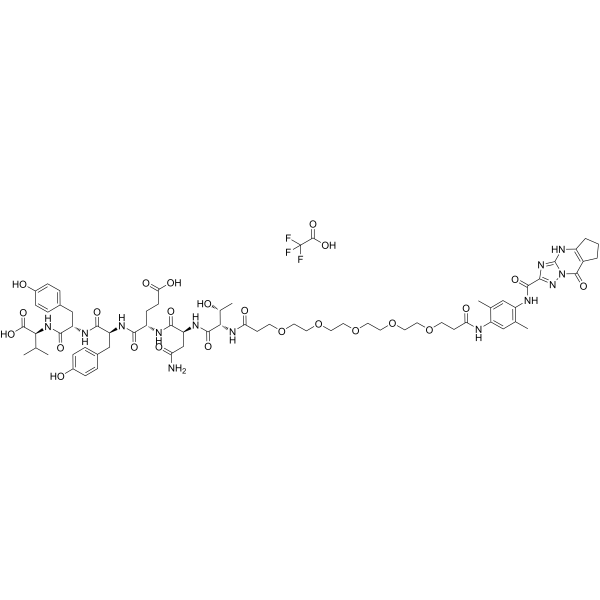 0 ImagesCat. No.: HY-156247
-
Norkurarinol
 0 ImagesCat. No.: HY-N18197CAS No.: 52483-01-9Norkurarinol is a prenylated flavonoid. Norkurarinol can be isolated from Sophora flavescens. Norkurarinol potently inhibits mushroom Tyrosinase DOPA oxidase activity with an IC50 of 2.1 μM. Norkurarinol inhibits poly(I:C)-induced NF-κB/AP-1 activation. Norkurarinol inhibits pro-inflammatory cytokines (TNF-α, IL-6). Norkurarinol inhibits phosphorylation of p38, JNK, and ERK1/2. Norkurarinol increases phosphorylation of IRF3. Norkurarinol has antiviral activity against Rotavirus KJ56-1
-
Bavachalcone (Standard)
 0 ImagesCat. No.: HY-N0231RCAS No.: 28448-85-3Synonyms: Broussochalcone B (Standard)Bavachalcone (Standard) is the analytical standard of Bavachalcone. This product is intended for research and analytical applications. Bavachalcone is a potent inducer of apoptosis. Bavachalcone exerts anticancer activity by promoting autophagy and apoptosis in HepG2 cells. Bavachalcone acts as an anti-neuroinflammatory and antidepressant through the NF-κB pathway. Bavachalcone inhibits osteoclasts by interfering with ERK and Akt signaling pathways and the expression of c-Fos and NFATc1. Bavachalcone exhibits a significant inhibitory effect on baculovirus-expressed BACE-1 in vitro.
-
15-Deoxy-Δ12,14-prostaglandin A1
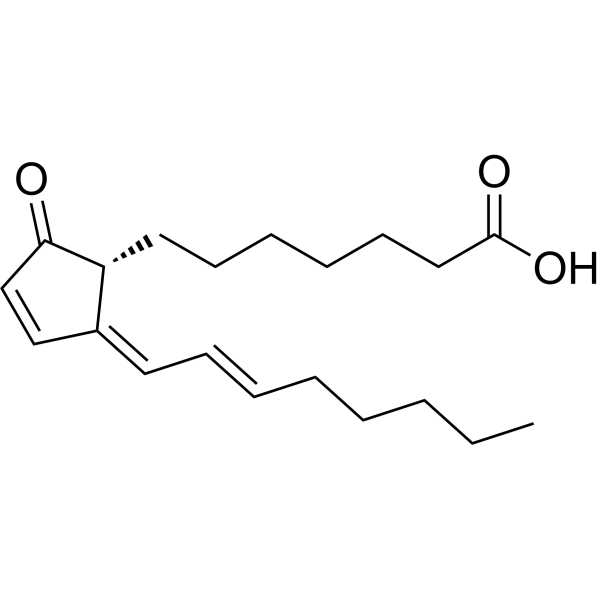 0 ImagesCat. No.: HY-118101CAS No.: 573951-20-915-Deoxy-Δ12,14-prostaglandin A1 is a deoxyanalog of prostaglandins that inhibits NF-κB signaling and induces apoptosis. 15-Deoxy-Δ12,14-prostaglandin A1 inhibits TNF-α-induced upregulation of inflammatory endothelial cell adhesion molecule (CAM) and avoids monocyte arrest.
-
Picroside II (Standard)
 0 ImagesPicroside II (Standard) is the analytical standard of Picroside II. This product is intended for research and analytical applications. Picroside II, an iridoid compound extracted from Picrorhiza, exhibits anti-inflammatory and anti-apoptotic activities. picroside II alleviates the inflammatory response in sepsis and enhances immune function by inhibiting the activation of NLRP3 inflammasome and NF-κB pathways. Picroside II is an antioxidant, exhibits a significant neuroprotective effect through reducing ROS production and protects the blood-brain barrier (BBB) after cerebral ischemia-reperfusion (CI/R) injury. Picroside II has antioxidant, anti-inflammatory, immune regulatory, anti-virus and other pharmacological activities.
-
Oxaprozin (Standard)
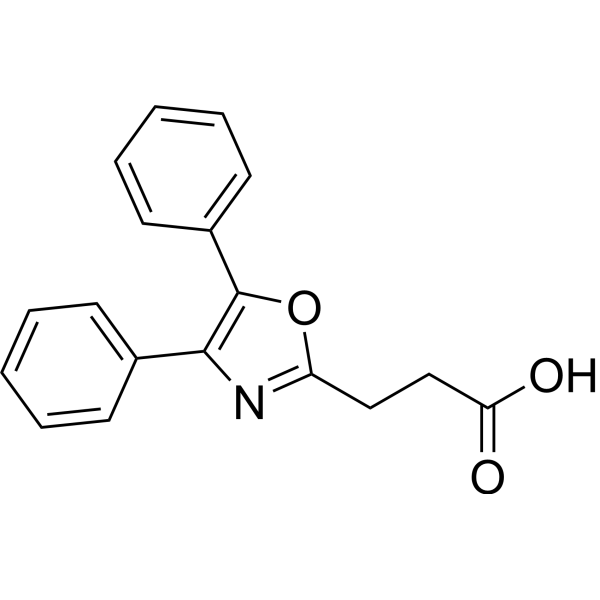 0 ImagesSynonyms: Oxaprozinum (Standard); Wy21743 (Standard)Oxaprozin (Standard) is the analytical standard of Oxaprozin. This product is intended for research and analytical applications. Oxaprozin is an orally active and potent COX inhibitor, with IC50 values of 2.2 μM for human platelet COX-1 and and 36 μM for IL-1-stimulated human synovial cell COX-2, respectively. Oxaprozin also inhibits the activation of NF-κB. Oxaprozin induces cell apoptosis. Oxaprozin shows anti-inflammatory activity. Oxaprozin-mediated inhibition of the Akt/IKK/NF-κB pathway contributes to its anti-inflammatory properties.
-
Desipramine
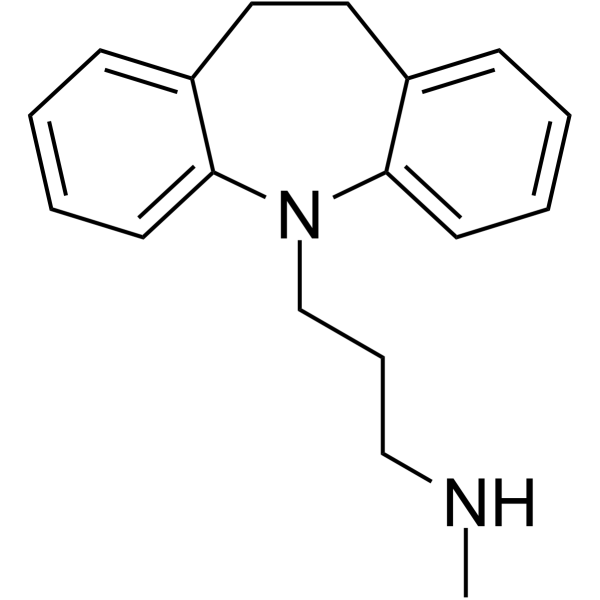 0 ImagesDesipramine is a first-generation tricyclic antidepressant. Desipramine selectively binds to norepinephrine transporter and blocks neuronal norepinephrine reuptake. Desipramine activates MAPK signaling via ERK1/2, JNK, and p38, represses NF-κB and AP-1 activity, and induces apoptosis via ROS elevation, mitochondrial membrane potential reduction, and intracellular calcium increase. Desipramine also shows anyi-inflammatory activity, inhibiting TNF-α production. Desipramine can be used for the research of hepatocellular cancer, inflammation, and neurological diseases.
-
RIPK2-IN-8
 0 ImagesCat. No.: HY-175026CAS No.: 3036254-29-9RIPK2-IN-8 is an orally active and highly selective RIPK2 inhibitor (IC50 = 11 nM). RIPK2-IN-8 is highly selective for RIPK2 over RIPK1 (IC50 > 30,000 nM) and has a moderate inhibitory effect on RIPK3 (IC50 = 44.61 nM). RIPK2-IN-8 inhibits the NOD2-RIPK2 signaling pathway and the expression of the inflammatory cytokines IL-6 and TNFα, thereby exerting anti-inflammatory effects. RIPK2-IN-8 has demonstrated anti-inflammatory and hepatoprotective effects in an acute liver injury (ALI) model and can be used in ALI research.
-
7-O-Galloyl-D-sedoheptulose
 0 ImagesCat. No.: HY-N16527CAS No.: 233690-85-27-O-Galloyl-D-sedoheptulose is an orally effective polyphenolic compound. 7-O-Galloyl-D-sedoheptulose lowers the serum levels of glucose, leptin, insulin, C-peptide, resistin, TNF-α, IL-6, and increases the serum level of adiponectin. 7-O-Galloyl-D-sedoheptulose significantly reduces the levels of ROS and lipid peroxidation products (TBARS) by down-regulating the protein expression of NADPH oxidase subunit Nox-4 and p22phox. 7-O-Galloyl-D-sedoheptulose down-regulates NF-κB and related pro-inflammatory factors (COX-2, iNOS), inhibits the phosphorylation of JNK and the activity of its downstream AP-1. 7-O-Galloyl-D-sedoheptulose reduces the expression of TGF-β1 and fibronectin, indicating its potential in anti-tissue fibrosis. 7-O-Galloyl-D-sedoheptulose can be used for the study of type 2 diabetes and its hepatic and pancreatic complications.
-
PapRIV
 0 ImagesCat. No.: HY-P10350PapRIV is an agonist of BV-2 microglial cells, capable of activating microglial cells through an NF-κB-dependent pathway. PapRIV induces the expression of pro-inflammatory cytokines such as IL-6 and TNFα and increases the production of reactive oxygen species (ROS). PapRIV can cross the blood-brain barrier.
-
HMGB1-IN-2
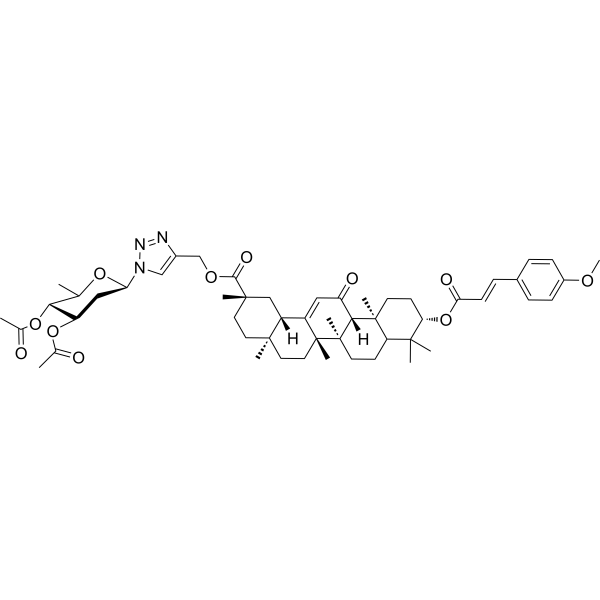 0 ImagesCat. No.: HY-155759HMGB1-IN-2 (compound 15) is an inhibitor of highly conserved nuclear protein (HMGB1), showing NO inhibitory effect with IC50 value of 20.2 μM in RAW264.7 cells. HMGB1-IN-2 (30 μM) decreases the level of IL-1 β, TNF-α, caspase-1 p20, inhibits the phosphorylation of NF-κB p65, exhibits anti-apoptotic activity. HMGB1-IN-2 (15 mg/kg; ip) relives kidney injury in septic acute kidney injury mouse. HMGB1-IN-2 inhibits Huh7 cells and A549 cells with IC50s of 77.0 μM, and 82.0 μM, respectively.
-
Goshonoside F5
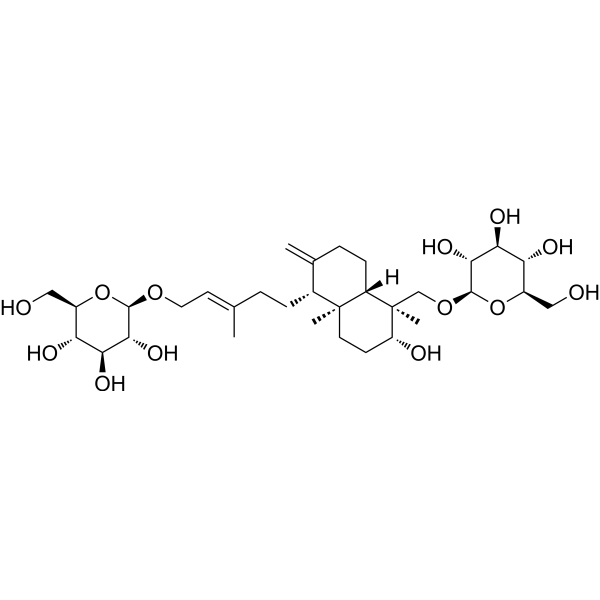 0 ImagesCat. No.: HY-N8311CAS No.: 90851-28-8
-
Astringin (Standard)
 0 ImagesCat. No.: HY-N4093RCAS No.: 29884-49-9Synonyms: trans-Astringin (Standard)Astringin (trans-Astringin) (Standard) is the analytical standard of Astringin (HY-N4093). This product is intended for research and analytical applications. Astringin (trans-Astringin) is an orally active natural flavonoid compound. Astringin can inhibit the production of oxidative stress, inflammatory factors, etc. Astringin has multiple activities such as anti-oxidation, anti-inflammation, and anti-apoptosis. Astringin is also an inhibitor of ferroptosis. Astringin can be used in the research of diseases such as acute lung injury.
-
Nalmefene Sulfate-d3
 0 ImagesCat. No.: HY-W754114Nalmefene Sulfate-d3 is the deuterium labeled Nalmefene (HY-107744). Nalmefene is a BBB-penetrable opioid receptor modulator. Nalmefene is an antagonist of MOR and DOR, and a partial agonist of KOR. Nalmefene has anti-inflammatory and neuroprotective activities. Nalmefene can be used in the research of reducing alcohol-dependent disorders.
-
Nrf2 activator-24
 0 ImagesCat. No.: HY-182040Nrf2 activator-24 is a Nrf2 activator with anti-inflammatory and antioxidant activities. Nrf2 activator-24 promotes the nuclear translocation of Nrf2, thereby inducing the expression of downstream antioxidant and cytoprotective genes. Nrf2 activator-24 inhibits cytokine-driven inflammatory responses in keratinocytes. Nrf2 activator-24 attenuates inflammation, nitrosation and oxidative stress responses in macrophages. Nrf2 activator-24 alleviates local inflammation and atopic dermatitis-like symptoms in DNCB-induced mouse models. Nrf2 activator-24 can be used in research related to atopic dermatitis.
-
CRX 527
 0 ImagesCat. No.: HY-155801CAS No.: 216014-14-1CRX 527 is a TLR4 agonist. CRX 527 activates the MyD88-dependent, TRIF-dependent, and TRAF6/NF-κB signaling pathways downstream of TLR4, mimics lipid A, and regulates antigen processing and presentation by dendritic cells. CRX 527 stimulates innate immune responses and enhances vaccine efficacy. CRX 527 maintains the structural integrity of hematopoietic tissues, spleen and intestine, alleviates radiation-induced damage, preserves intestinal homeostasis, and inhibits apoptosis, inflammatory responses, oxidative stress and DNA damage. CRX 527 can be used in the research of acute radiation syndrome, melanoma, HPV-related tumors and intracerebral hemorrhage.
-
Eupenicisirenin C
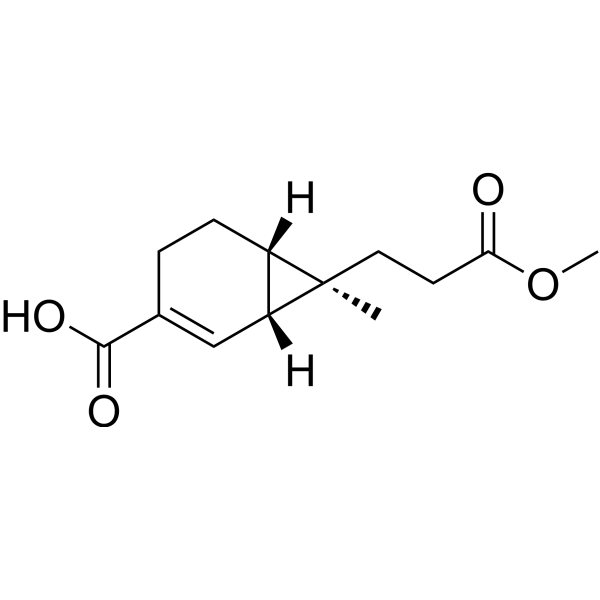 0 ImagesCat. No.: HY-N12507CAS No.: 2968309-12-6Eupenicisirenin C (compound 1) is a sirenin derivative. Eupenicisirenin C has strong NF-κB inhibitory activities. Eupenicisirenin C suppresses effects on cGAS-STING pathway. Eupenicisirenin C inhibits RANKL-induced osteoclast differentiation in bone marrow macrophage cells.




