



NF-κB Modulator
- 1
- 2
-
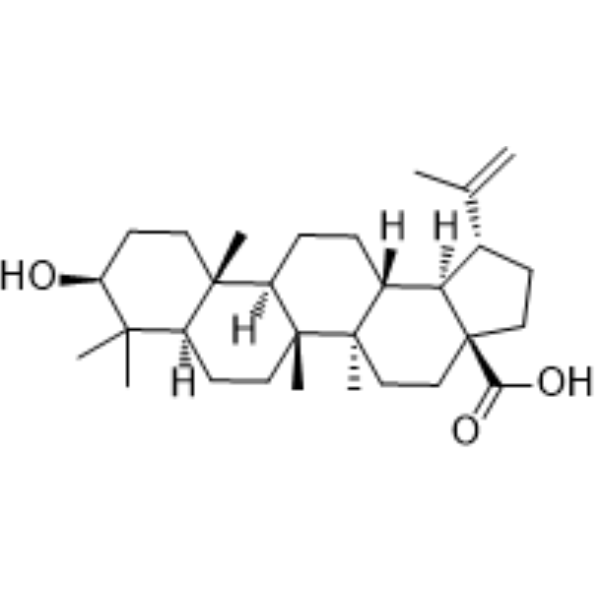
Betulinic acid
 0 Images
Betulinic acid is a natural pentacyclic triterpenoid, acts as a eukaryotic topoisomerase I inhibitor, with an IC50 of 5 μM, and possesses anti-HIV, anti-malarial, anti-inflammatory and anti-tumor properties. Betulinic acid can cross the blood-brain barrier.
-
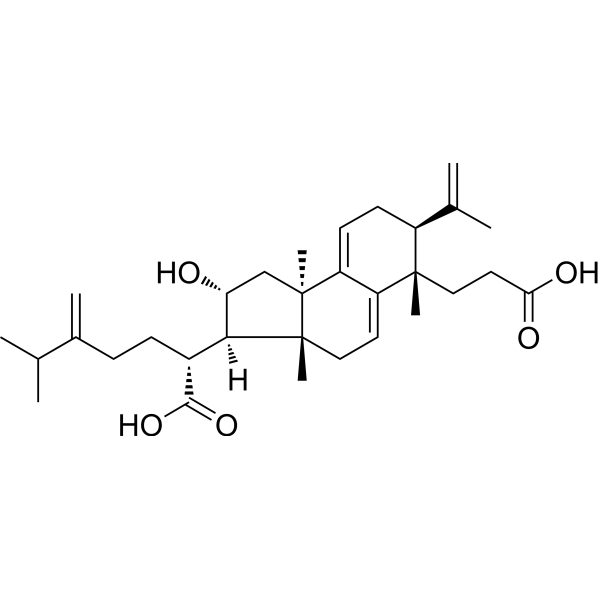
Poricoic acid A
 0 ImagesSynonyms: Poricoic acid A(F)
Poricoic acid A can be isolated from Poria cocos. Poricoic acid A is an orally active anti-tumor agent. Poricoic acid A enhances melatonin inhibition of AKI-to-CKD transition by regulating Gas6/AxlNFκB/Nrf2 axis. Poricoic acid A also attenuatea fibroblast activation and abnormal extracellular matrix remodeling in renal fibrosis by activating AMPK and inhibiting Smad3. Poricoic acid A significantly reduces the magnitude of rise in serum creatinine and urea levels in rat model when combined with Melatonin. Poricoic acid A ameliorates renal fibrosis and podocyte injury by attenuating oxidative stress and inflammation through regulating NF-κB and Nrf2 in IRI rodent model in combination with Melatonin.
-
α-MSH (11-13) acetate
 0 ImagesSynonyms: ACTH-(11-13) acetate; Lys-Pro-Val acetate; H-Lys-Pro-Val-OH acetate
α-MSH (11-13) (ACTH-(11-13)) acetate is a C-terminal tripeptide of α-MSH that can cross the blood-brain barrier. α-MSH (11-13) acetate exhibits antipyretic, anti-inflammatory, and antibacterial activities. α-MSH (11-13) acetate also exerts neuroprotective effects after traumatic brain injury by inhibiting excessive activation of microglia and reducing neuronal apoptosis. α-MSH (11-13) acetate can be used in research related to traumatic brain injury, fever, and bacterial infections.
-
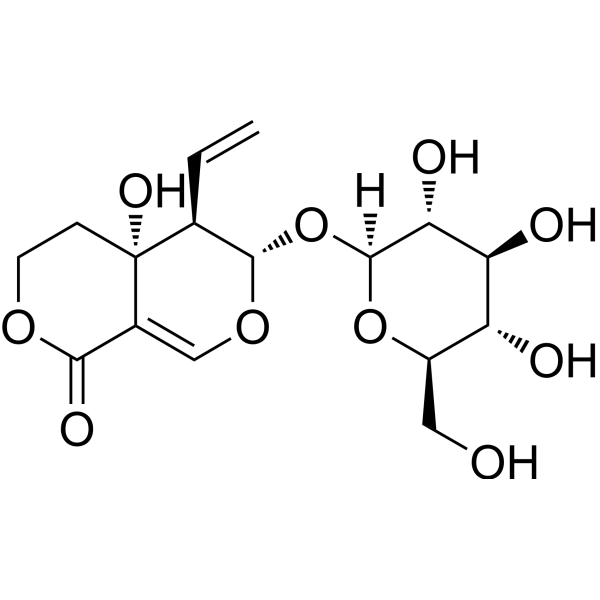
Swertiamarin
 0 Images
Swertiamarin is an orally active natural product with hypoglycemic, lipid-lowering, anti-rheumatic, and antioxidant activities. Swertiamarin can regulate the levels of pro-inflammatory cytokines, MMP, and NF-κB, and promote osteoblast proliferation. Swertiamarin has antioxidant and hepatoprotective effects against carbon tetrachloride induced rat liver toxicity through the Nrf2/HO-1 pathway. Swertiamarin can attenuate inflammatory mediators by regulating JAK2/STAT3 transcription factors in adjuvant induced arthritis rats. Swertiamarin can be used in the research of diabetes and arthritis.
-
RSM3
 0 ImagesCat. No.: HY-P10387
RSM3 is a METTL3-METTL14 complex inhibitor with a Kd of 3.10 μM for the METTL3-METTL14 complex. RSM3 reduces the m6A modification level of SLC31A1 and the global RNA methylation level. RSM3 upregulates programmed cell death-related genes, enhances cell apoptosis, inhibits pro-cancer signals and suppresses tumor growth. RSM3 is applicable to the research of preeclampsia and cancer.
-
Betulinic acid (Standard)
 0 ImagesSynonyms: Lupatic acid (Standard); Betulic acid (Standard)
Betulinic acid (Standard) is the analytical standard of Betulinic acid. This product is intended for research and analytical applications. Betulinic acid is a natural pentacyclic triterpenoid, acts as a eukaryotic topoisomerase I inhibitor, with an IC50 of 5 μM, and possesses anti-HIV, anti-malarial, anti-inflammatory and anti-tumor properties. Betulinic acid can cross the blood-brain barrier.
-
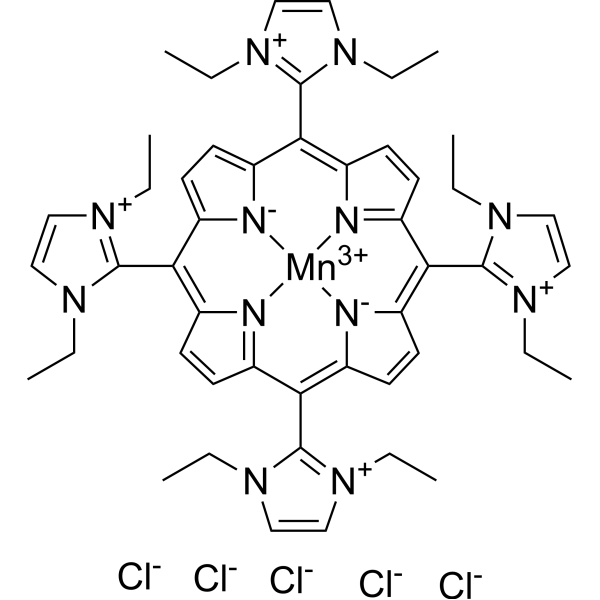
AEOL-10150 pentachloride
 0 Images
AEOL-10150 pentachloride is a metalloporphyrin-catalyzed antioxidant and a superoxide dismutase mimetic. AEOL-10150 pentachloride scavenges ROS and RNS, and modulates the NF-κB signaling pathway. AEOL-10150 pentachloride has potent antioxidant and anti-inflammatory activities. AEOL-10150 pentachloride effectively mitigates tissue damage caused by radiation and chemical agents such as CEES (HY-W199190). AEOL-10150 pentachloride synergizes with radiotherapy to exert anticancer effects on prostate tumors.
-
GQ-16
 0 Images
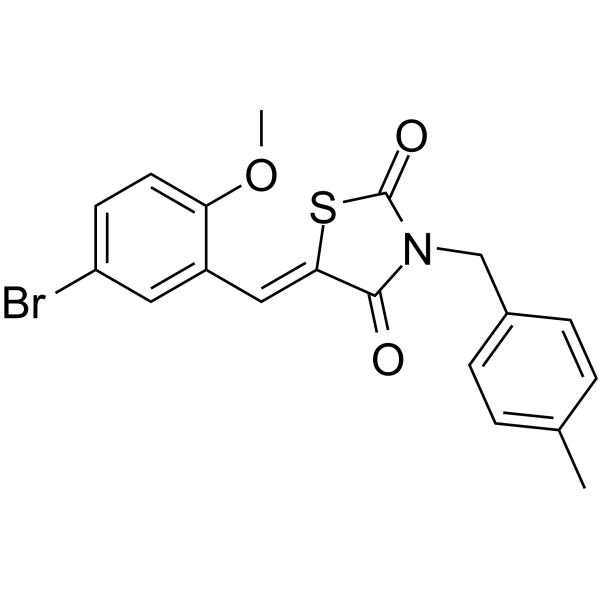
GQ-16 is an orally active PPARγ partial agonist with an IC50 of 1.84 μM and a Ki of 160 nM against human PPARγ. GQ-16 inhibits Cdk5-mediated Ser-273 phosphorylation. GQ-16 improves insulin sensitivity and glucose tolerance in obese and diabetic mice. GQ-16 also exhibits certain cytotoxicity against tumor cells. GQ-16 can be used in research related to obesity, diabetes and cancer.
-
4-PSQ
 0 ImagesCat. No.: HY-181703CAS No.: 1415931-33-7
4-PSQ is an orally active neuroprotective agent. 4-PSQ possesses both antioxidant and anti-inflammatory activities. 4-PSQ improves cognitive impairment and depressive- and anxiety-like emotional abnormalities in mice by regulating the activity of Na+, K+-ATPase, the NFκB signaling pathway, and the expression of p21. 4-PSQ can be used for the research of neurological diseases.
-
IMD-biphenylC
 0 ImagesCat. No.: HY-139719CAS No.: 2928463-42-5
-
IMD-catechol
 0 ImagesCat. No.: HY-139716CAS No.: 2928463-39-0
-
IMD-biphenylB
 0 ImagesCat. No.: HY-139718CAS No.: 2928463-41-4
-
Cudraflavone B
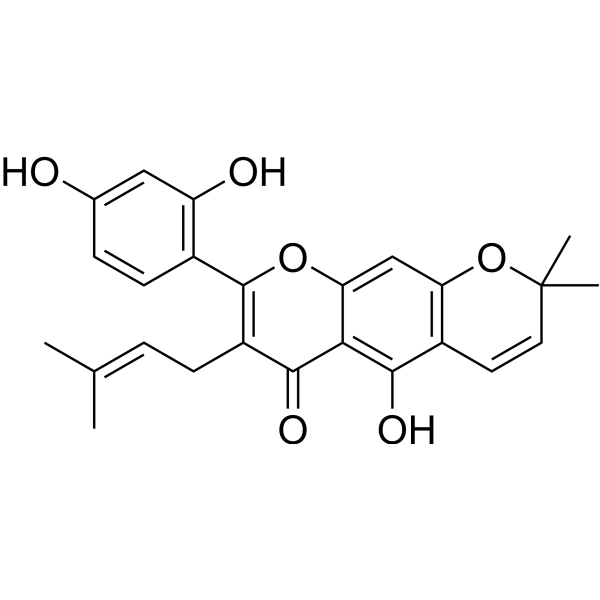 0 ImagesCat. No.: HY-N10009CAS No.: 19275-49-1
Cudraflavone B is a prenylated flavonoid with anti-inflammatory and anti-tumor properties. Cudraflavone B is also a dual inhibitor of COX-1 and COX-2. Cudraflavone B blocks the translocation of nuclear factor κB (NF-κB) from the cytoplasm to the nucleus in macrophages. Thus, Cudraflavone B inhibits tumor necrosis factor α (TNFα) gene expression and secretion. Cudraflavone B also triggers the mitochondrial apoptotic pathway, activates NF-κB, the MAPK p38, and ERK, and induced the expression of SIRT1. Thus Cudraflavone B inhibits the growth of human oral squamous cell carcinoma cells.
-
S-HP210
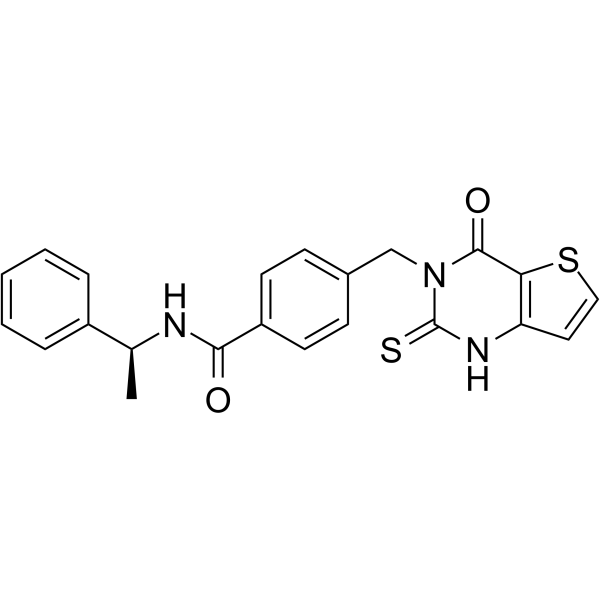 0 Images
S-HP210 is a potent and selective glucocorticoid receptor (GR) with an IC50 value of 1.92 μM for NF-κB transrepression (TR). S-HP210 represses the LPS-induced transcription of a variety of proinflammatory genes such as IL-1β, IL-6 and COX-2. S-HP210 is nontoxic at effective doses against mouse fibroblasts 3T3 cells.
-
Swertiamarin (Standard)
 0 ImagesCat. No.: HY-N0807RCAS No.: 17388-39-5
Swertiamarin (Standard) is the analytical standard of Swertiamarin. This product is intended for research and analytical applications. Swertiamarin is an orally active iridoid compound with hypoglycemic, hypolipidemic, anti rheumatic and antioxidant activities, which can be used in the research of diabetes and arthritis.
-
MJ210
 0 ImagesCat. No.: HY-173221
MJ210 is a modulator of the NF-κB and MAPK pathways with oral activity and the ability to penetrate the blood-brain barrier, and it exhibits neuroprotective activity. In vitro, 5 μM of MJ210 can increase the survival rate of SH-SY5Y cells treated with Rotenone (HY-B1756) to 81.9% and reduce the level of ROS, etc. In vivo, 5 mg/kg of MJ210 can improve the motor impairment in a rat model of Parkinson's disease. MJ210 can be used in the research of neurological diseases, such as Parkinson's disease.
-
α-MSH (11-13)
 0 ImagesCat. No.: HY-129724CAS No.: 67727-97-3Synonyms: ACTH-(11-13); Lys-Pro-Val; H-Lys-Pro-Val-OH
α-MSH (11-13) (ACTH-(11-13)) is a C-terminal tripeptide of α-MSH that can cross the blood-brain barrier. α-MSH (11-13) exhibits antipyretic, anti-inflammatory, and antibacterial activities. α-MSH (11-13) also exerts neuroprotective effects after traumatic brain injury by inhibiting excessive activation of microglia and reducing neuronal apoptosis. α-MSH (11-13) can be used in research related to traumatic brain injury, fever, and bacterial infections.
-
IMD-biphenylA
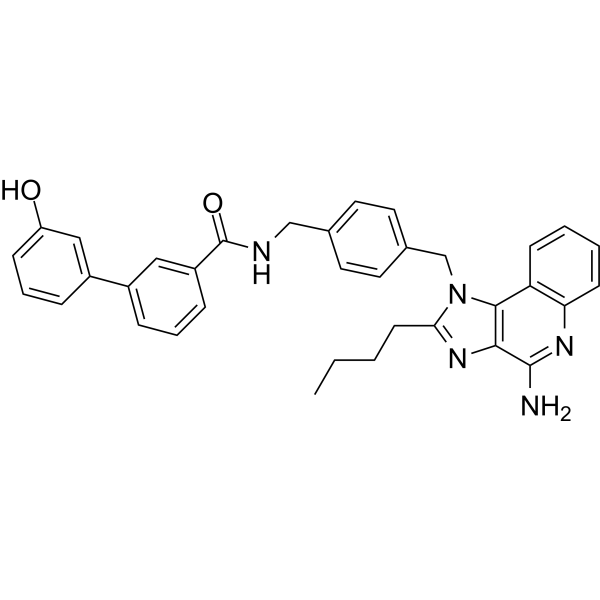 0 ImagesCat. No.: HY-139717CAS No.: 2928463-40-3
IMD-biphenylA is a novel imidazoquinolinone-NF-κB immunomodulator dimer that improves the adjuvanticity of small molecule immune potentiators.
-
IMD-vanillin
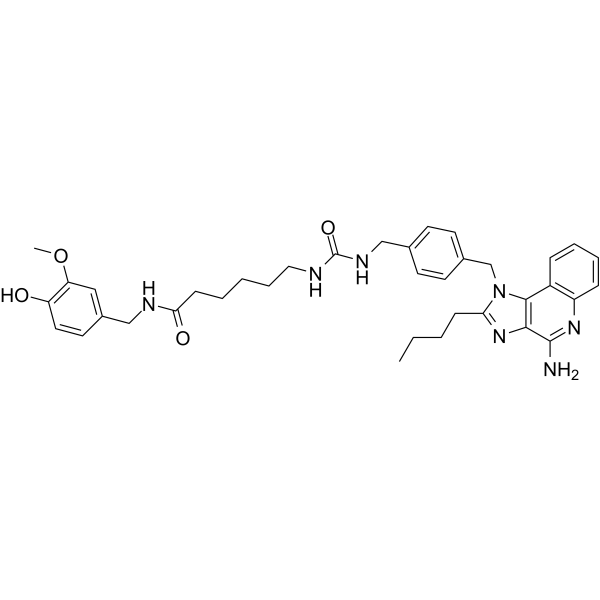 0 ImagesCat. No.: HY-139714CAS No.: 2928463-38-9
IMD-vanillin is a novel imidazoquinolinone-NF-κB immunomodulator dimers.
-
Nepetoidin B
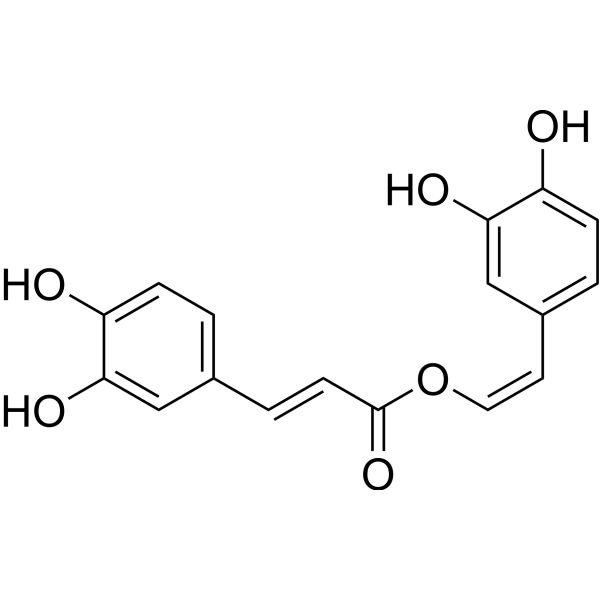 0 ImagesCat. No.: HY-N8263CAS No.: 55486-06-1
Nepetoidin B, an anti-inflammatory agent, inhibits inflammation by modulating the NF-κB and Nrf2/HO-1 signaling pathways. Nepetoidin B also has antifungal and antibacterial activity. Nepetoidin B is a natural product that can be obtained from Salvia plebeia R. Br. Nepetoidin B can be used in anti-inflammatory and anti-infectious research.
- 1
- 2



