



Protease Activated Receptor (PAR)
Thrombin receptors
Protease activated receptors (PARs) are a family of G-protein-coupled receptors (GPCRs) that are irreversibly activated by proteolytic cleavage of the N terminus, which unmasks a tethered peptide ligand that binds and activates the transmembrane receptor domain, eliciting a cellular cascade in response to inflammatory signals and other stimuli. There are four members of the PAR family: PAR1, PAR2, PAR3 and PAR4. PARs have important functions in the vasculature, inflammation, and cancer and are important drug targets.
PARs are expressed on nearly all cell types in the blood vessel wall (ECs, fibroblasts, myocytes) and blood (platelets, neutrophils, macrophages, leukemic white cells) with exception of red blood cells. Thrombin-activated PAR-1, PAR-3, and PAR-4 are also expressed in epithelium, neurons, astrocytes, and immune cells. PAR-2, which is activated by trypsin-like serine proteases, is found in human vascular, intestinal, neuronal, and airway cells. Its expression increases in injured tissues or after stimulation by inflammatory mediators.
Protease Activated Receptor (PAR) Isoform Specific Products
All Product Categories
-
Protease Activated Receptor (PAR) Inhibitors
(23)
View all products
-
Protease Activated Receptor (PAR) Agonists
(40)
View all products
-
Protease Activated Receptor (PAR) Antagonists
(54)
View all products
-
Protease Activated Receptor (PAR) Activators
(11)
View all products
-
Protease Activated Receptor (PAR) Controls
(3)
View all products
-
Protease Activated Receptor (PAR) Substrates
(3)
View all products
-
Protease-activated Receptor Proteins
(4)
View all products
-
Protease Activated Receptor (PAR) Related Products (141)
Related Products (141)

-
Recombinant Proteins (4)
-
Protease Activated Receptor (PAR) Isoform Comparison
-
SCH-602539
 0 ImagesCat. No.: HY-18201CAS No.: 618385-42-5
-
TRAP-5 amide
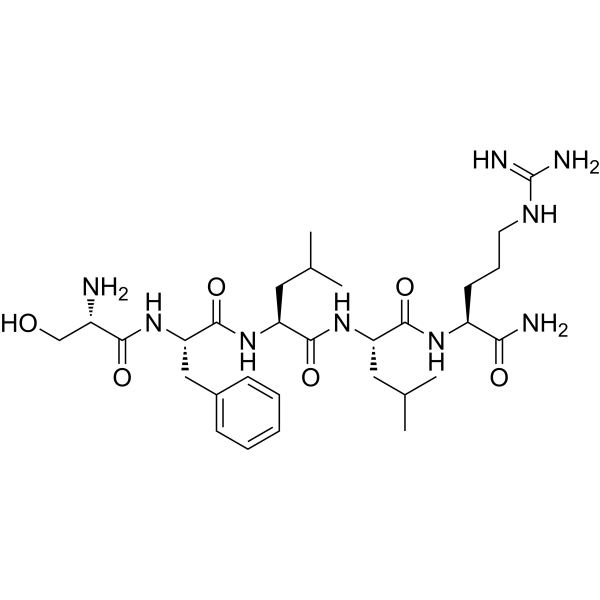 0 ImagesCat. No.: HY-P4451CAS No.: 141923-41-3TRAP-5 amide is a protease-activated receptor 1 (PAR 1) agonist peptide.
-
Vorapaxar-d5
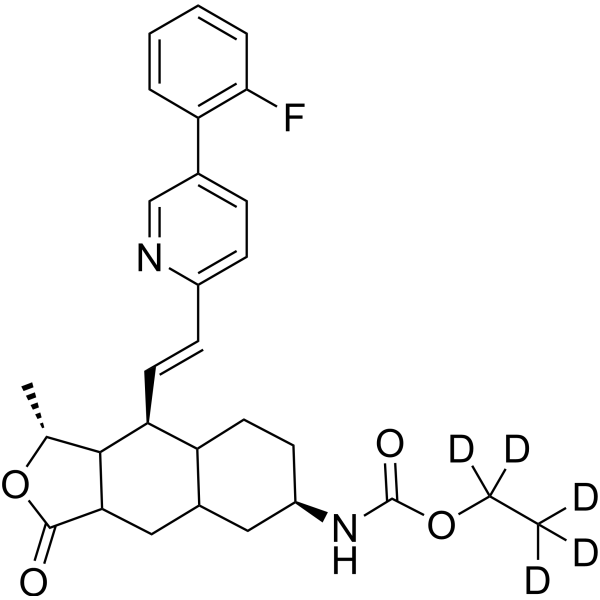 0 ImagesCat. No.: HY-10119SSynonyms: SCH 530348-d5Vorapaxar-d5 is deuterated labeled Vorapaxar (HY-10119). Vorapaxar (SCH 530348), an antiplatelet agent, is a selective, orally active, and competitive thrombin receptor protease-activated receptor (PAR-1) antagonist (Ki=8.1 nM). Vorapaxar (SCH 530348) inhibits thrombin receptor-activating peptide (TRAP)-induced platelet aggregation in a dose-dependent manner.
-
PAR4 antagonist 4
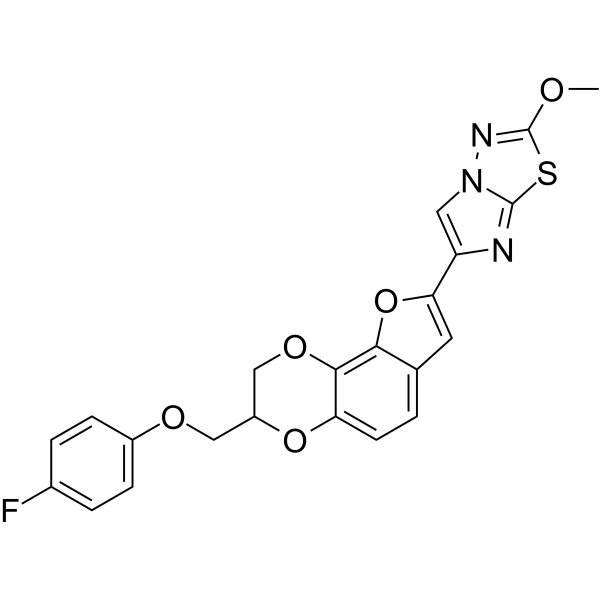 0 ImagesCat. No.: HY-162409CAS No.: 3057206-41-1PAR4 antagonist 4 (Compound 37) is a selective antagonist for protease activated receptor 4 (PAR4). PAR4 antagonist 3 exhibits antiplatelet efficacy with IC50 of 14.2 nM. PAR4 antagonist 3 improves metabolic stablility in human liver microsomes with T1/2 of 42.5 min.
-
Protease-Activated Receptor-3 (PAR-3) (1-6), human
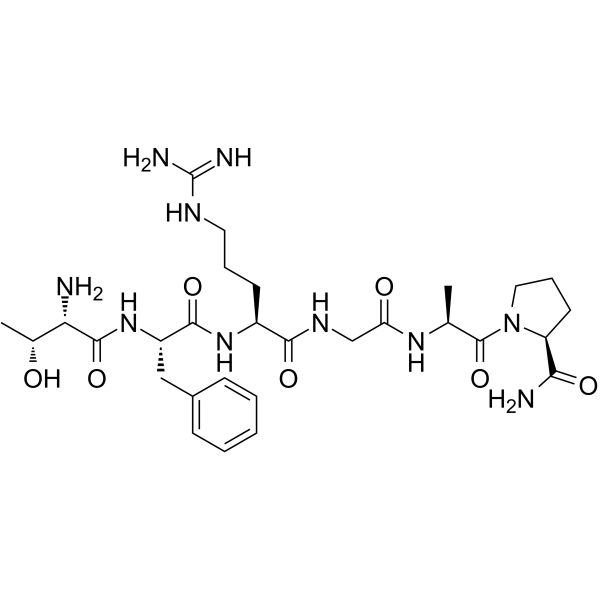 0 ImagesCat. No.: HY-P2519CAS No.: 1872435-09-0Protease-Activated Receptor-3 (PAR-3) (1-6), human is a proteinase-activated receptor (PAR-3) agonist peptide.
-
PAR4 antagonist 2
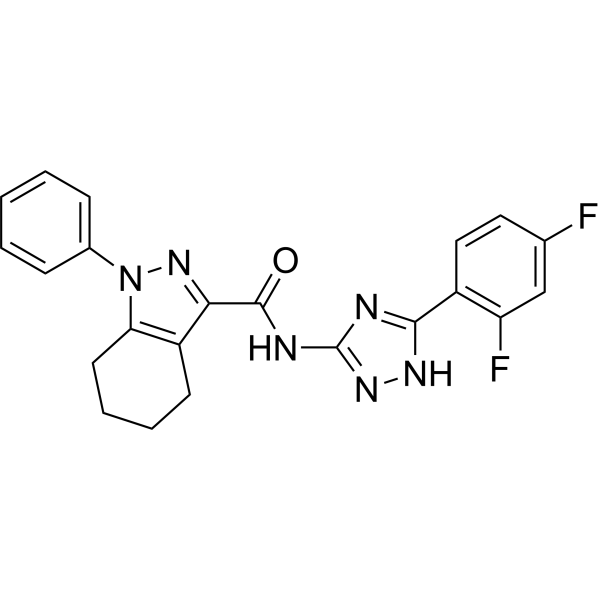 0 ImagesCat. No.: HY-161401PAR4 antagonist 2 (Compound 31) is a protease activated receptor 4 (PAR4) antagonist, with IC50 values of 95 nM and 367 nM for human PAR4 and mouse PAR4. PAR4 antagonist 2 is active against PAR4 activation by the native protease thrombin cleavage but not the synthetic PAR4 agonist peptide AYPGKF.
-
PAR4 antagonist 1
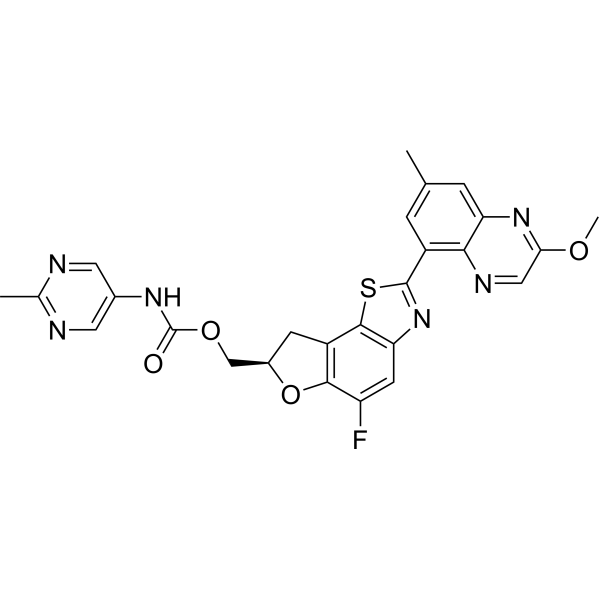 0 ImagesCat. No.: HY-163341CAS No.: 2173201-65-3PAR4 antagonist 1 (Compound 48) is a protease activated receptor 4 (PAR4) antagonist with an IC50 of 1.8 nM. PAR4 antagonist 1 has an IC50 of 2 nM against γ-thrombin-activated PAR4 in platelet-rich plasma (PRP). PAR4 antagonist 1 can be used in antithrombotic research.
-
RAG8 peptide
 0 ImagesCat. No.: HY-P10577RAG8 peptide is an antagonist for protease-activated receptor 4 (PAR 4), which inhibits late-stage platelet activation, and reduces thrombosis without altering hemostasis or increasing bleeding risk. RAG8 peptide can be used for atherosclerosis research.
-
LRGILS-NH2
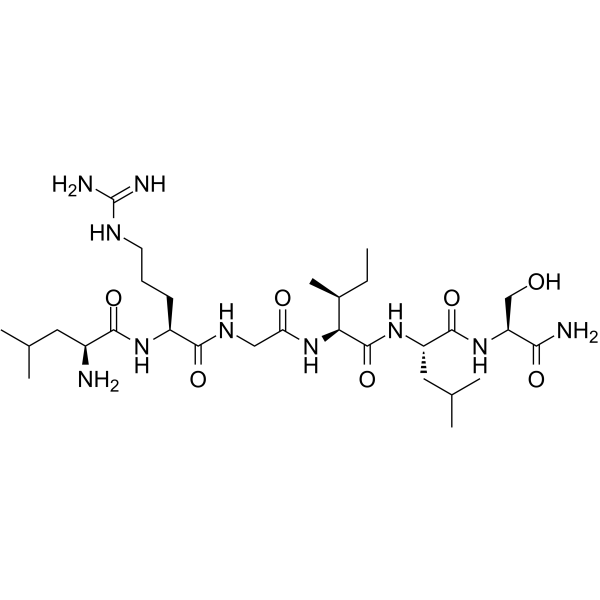 0 ImagesCat. No.: HY-P1312CAS No.: 245329-01-5LRGILS-NH2 is a reverse-sequence protease-activated receptor-2 (PAR-2)-inactive, negative control, and SLIGRL-NH2 is a PAR-2-activating peptide.
-
P2L-003
 0 ImagesCat. No.: HY-180244CAS No.: 1359416-20-8P2L-003 is a selective PAR2 antagonist with an IC50 of 0.62 μM in HT-29 cells. P2L-003 blocks PAR2-mediated Ca2+ mobilization without affecting PAR1, PAR4, or ATP-mediated signaling and dose-dependently suppresses the downstream MAPK signaling cascades, including ERK1/2 and p38 phosphorylation. P2L-003 can be used for colon cancer research.
-
PAR4 antagonist 7
 0 ImagesCat. No.: HY-159895PAR4 antagonist 7 (Compound 20f) is selective PAR4 antagonist (IC50: 1.72 nM). PAR4 antagonist 7 inhibits PAR4 agonist-induced platelet aggregation. PAR4 antagonist 7 has good metabolic stability. PAR4 antagonist 7 does not show a bleeding tendency in mice.
-
Gestodene-d7
 0 ImagesCat. No.: HY-W753897Synonyms: SHB 331-d7; WL 70-d7Gestodene-d7 (SHB 331-d7; WL 70-d7) is the deuterated-labeled Gestodene (HY-B0110). Gestodene is an orally active synthetic progestogen compound of the 19-nortestosterone class. Gestodene binds with high affinity to the progesterone receptor, inhibits 5α-reductase, binds to androgen and aldosterone receptors, and inactivates CYP3A. Gestodene acts as a positive allosteric modulator of PAR1, enhances PAR1-mediated signaling pathways, and is capable of increasing the activation potency of PAR1-AP toward PAR1, thereby promoting ERK1/2 phosphorylation, receptor internalization, cell morphological changes, and human platelet aggregation. Gestodene and its A-ring reduced metabolites promote the proliferation, differentiation, and mineralization of neonatal rat osteoblasts. Gestodene itself has no binding capacity for estrogen receptors, and this osteogenic activity depends on intracellular metabolism to generate A-ring reduced products with estrogen-like agonistic activity. Gestodene is useful for research on diseases related to progesterone secretion and diseases related to thrombosis.
-
PAR 4 (1-6) TFA
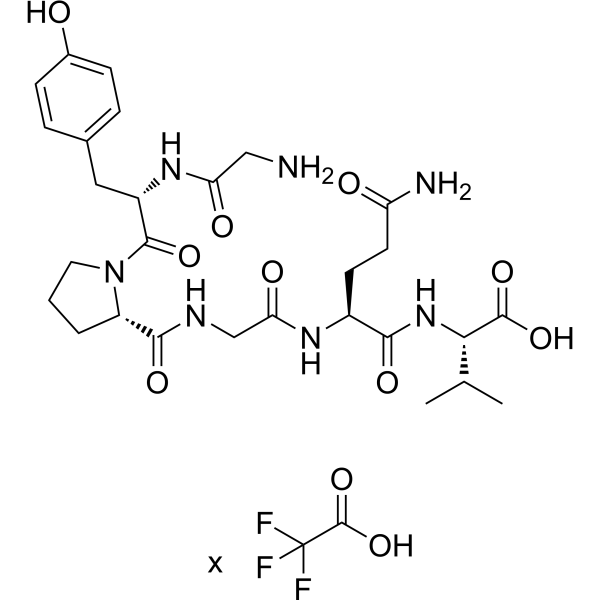 0 ImagesCat. No.: HY-P1313ASynonyms: GYPGQV TFAPAR 4 (1-6) TFA (GYPGQV TFA), a hexapeptide, is a fragment of protease-activated receptor 4 (PAR4). PAR 4 (1-6) TFA acts as a PAR4-specific agonist.
-
PC8
 0 ImagesCat. No.: HY-181999PC8 is a selective dual inhibitor of PARP1/CDK6, with an IC50 of 0.126 μM for PARP1 and 0.197 μM for CDK6. PC8 does not alter PARP1 expression, but reduces the expression of its downstream target PAR. PC8 inhibits the canonical Wnt/β-catenin signaling pathway. PC8 induces intracellular ROS accumulation and exacerbates DNA damage. PC8 inhibits the proliferation of triple-negative breast cancer (TNBC) cells. PC8 can be used for the research of triple-negative breast cancer.
-
PPACK
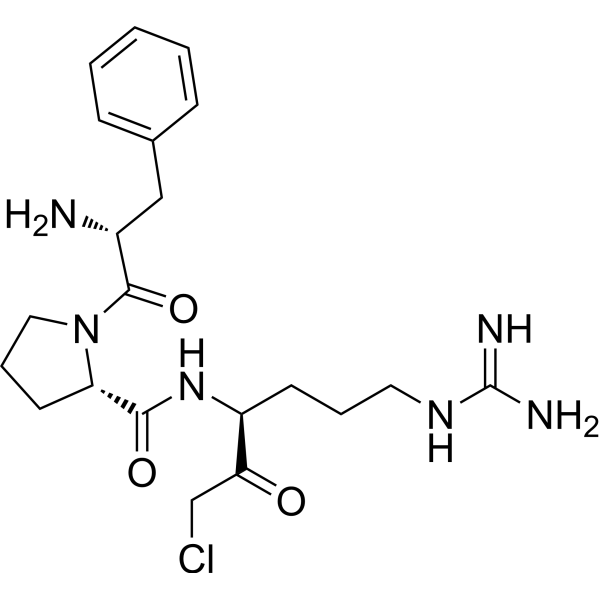 0 ImagesCat. No.: HY-122542CAS No.: 71142-71-7PPACK is a potent, peptidic inhibitor targeting thrombin and granzyme GZMK. PPACK specifically blocks the activities of thrombin and GZMK, thereby inhibiting thrombin-mediated PAR-1 cleavage, as well as downstream inflammatory and procoagulant signaling pathways. Through stabilizing IκB proteins, blocking NF-κB activation and reducing systemic levels of proinflammatory/procoagulant biomarkers, PPACK exerts multiple effects including anti-inflammatory, antithrombotic, barrier repair, and inhibition of atherosclerotic plaque progression. PPACK binds to platelets without interference from kininogen, effectively limiting acute thrombus growth and reducing eosinophil infiltration and goblet cell hyperplasia in asthma models. PPACK is an important tool molecule for investigating the mechanisms of atherosclerosis, asthma and related thromboinflammatory diseases.
-
ENMD-1068
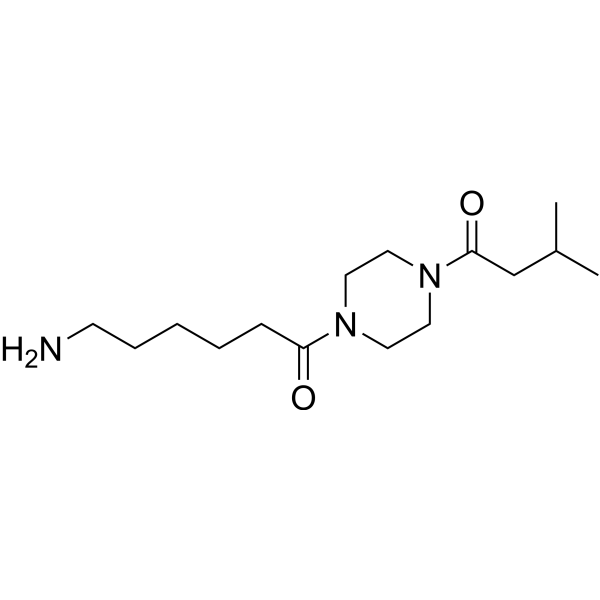 0 ImagesCat. No.: HY-124748CAS No.: 789488-77-3ENMD-1068 is a selective protease-activated receptor 2 (PAR2) antagonist. ENMD-1068 reduces hepatic stellate cell activation and collagen expression by inhibiting TGF-β1/Smad signaling. ENMD-1068 also inhibits the proliferation of endometrial cells and induces apoptosis of epithelial cells in the lesion. ENMD-1068 can be used in the study of endometriosis and liver fibrosis.
-
Atopaxar hydrochloride
 0 ImagesCat. No.: HY-18200ACAS No.: 474544-83-7Synonyms: E5555 hydrochloride; ER-172594-00 hydrochlorideAtopaxar hydrochloride (E5555 hydrochloride) is the hydrochloride salt form of Atopaxar (HY-18200). Atopaxar hydrochloride is an orally active, selective and reversible antagonist for thrombin receptor protease-activated receptor-1 (PAR-1). Atopaxar hydrochloride is the inhibitor for Janus kinase 1 (JAK1) and JAK2, which inhibits the JAK-STAT with EC50 of 5.90 μM in A549. Atopaxar hydrochloride inhibits the cell viability of A549 (IC50=7.02 μM), arrests the cell cycle at G1 phase and induces apoptosis. Atopaxar hydrochloride exhibits antiplatelet and antitumor activities. Atopaxar hydrochloride can be used for the research of atherothrombotic disease.
-
K-14585
 0 ImagesCat. No.: HY-111214CAS No.: 880546-17-8K-14585 is a peptide competitive PAR2 antagonist. K-14585 inhibits PAR2-dependent IL-8 production, NF-κB phosphorylation, and p38 signaling. K-14585 reduces SLIGKV (PAR2 agonist peptide)-induced Ca2+ mobilisation in primary human keratinocytes.




