



Protease Activated Receptor (PAR)
Thrombin receptors
Protease activated receptors (PARs) are a family of G-protein-coupled receptors (GPCRs) that are irreversibly activated by proteolytic cleavage of the N terminus, which unmasks a tethered peptide ligand that binds and activates the transmembrane receptor domain, eliciting a cellular cascade in response to inflammatory signals and other stimuli. There are four members of the PAR family: PAR1, PAR2, PAR3 and PAR4. PARs have important functions in the vasculature, inflammation, and cancer and are important drug targets.
PARs are expressed on nearly all cell types in the blood vessel wall (ECs, fibroblasts, myocytes) and blood (platelets, neutrophils, macrophages, leukemic white cells) with exception of red blood cells. Thrombin-activated PAR-1, PAR-3, and PAR-4 are also expressed in epithelium, neurons, astrocytes, and immune cells. PAR-2, which is activated by trypsin-like serine proteases, is found in human vascular, intestinal, neuronal, and airway cells. Its expression increases in injured tissues or after stimulation by inflammatory mediators.
Protease Activated Receptor (PAR) Isoform Specific Products
All Product Categories
-
Protease Activated Receptor (PAR) Inhibitors
(23)
View all products
-
Protease Activated Receptor (PAR) Agonists
(40)
View all products
-
Protease Activated Receptor (PAR) Antagonists
(54)
View all products
-
Protease Activated Receptor (PAR) Activators
(11)
View all products
-
Protease Activated Receptor (PAR) Controls
(3)
View all products
-
Protease Activated Receptor (PAR) Substrates
(3)
View all products
-
Protease-activated Receptor Proteins
(4)
View all products
-
Protease Activated Receptor (PAR) Related Products (141)
Related Products (141)

-
Recombinant Proteins (4)
-
Protease Activated Receptor (PAR) Isoform Comparison
-
Ala-parafluoroPhe-Arg-Cha-Cit-Tyr-NH2 TFA
 0 ImagesCat. No.: HY-P5372APurity: 99.78%Ala-parafluoroPhe-Arg-Cha-Cit-Tyr-NH2 TFA, a bioactive peptide, is a selective Protease activating receptor 1 (PAR-1) agonist over PAR-2. PAR-1 belongs to a subfamily of G-protein coupled receptors and is known to mediate the cellular effects of thrombin. In addition to its varied cellular effects of thrombin, PAR-1 has also been shown to coordinate with PAR-4 and regulate thrombin-induced hepatocellular carcinoma harboring thrombin formation within the tumor environment classified as 'coagulation type'.
-
GB-110
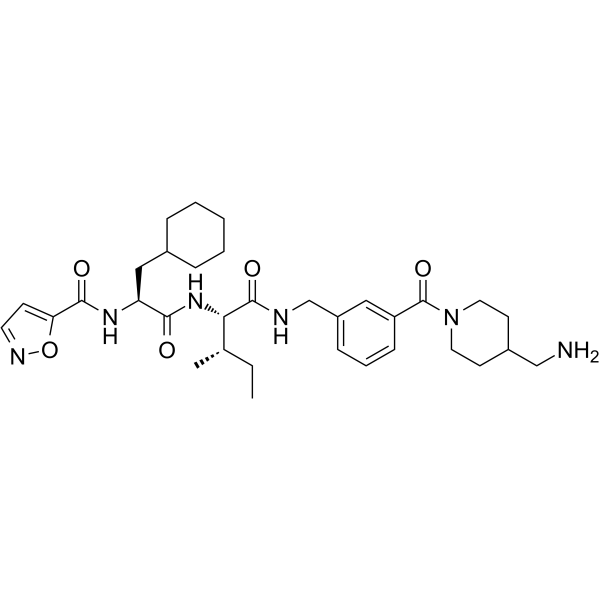 0 ImagesCat. No.: HY-120528CAS No.: 1252806-70-4GB-110 is a potent, orally active, and nonpeptidic protease activated receptor 2 (PAR2) agonist. GB-110 selectively induces PAR2-mediated intracellular Ca2+ release in HT29 cells with an EC50 of 0.28 μM.
-
TFMU-ADPr triethylamine
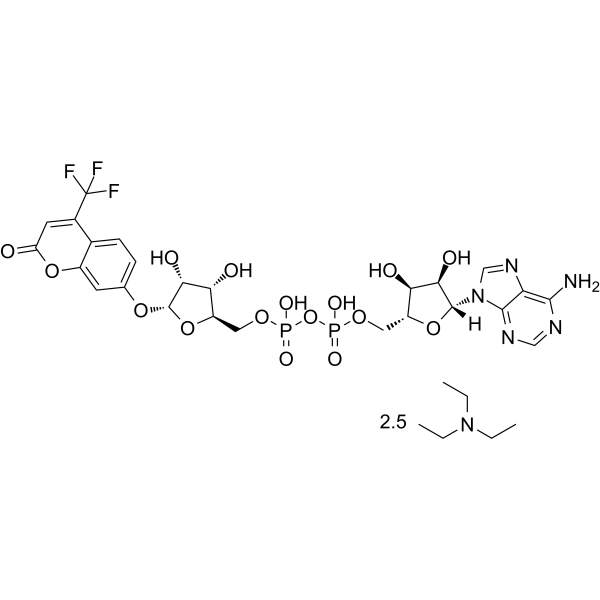 0 ImagesCat. No.: HY-146248ATFMU-ADPr triethylamine is a selective reporter substrate of SARS-CoV-2 Macro1 (IC50=0.59 μM), with an excitation wavelength (λEx) of 385 nm, and an emission wavelength (λEm) of 502 nm (or 495 nm). TFMU-ADPr triethylamine can also undergo enzymatic hydrolysis with Poly(ADP-ribose) Glycohydrolase (PARG) sourced from human, Tetrahymena thermophila and ADP-ribosylhydrolase 3 from human to release fluorophores, thereby directly reporting total poly (ADP-ribose) hydrolase activity. TFMU-ADPr triethylamine binds to the ADPr-binding site of SARS-CoV-2 Macro1, and its TFMU moiety inserts into the narrow hydrophobic groove of this protein. TFMU-ADPr triethylamine can thus be used to evaluate small-molecule inhibitors targeting PAR hydrolases under in vitro conditions, to investigate the regulatory mechanisms of ADP-ribosyl catabolic enzymes, or to detect PAR hydrolase activity in whole-cell lysate assays. TFMU-ADPr triethylamine is also applicable to COVID-19-related research.
-
YFLLRNP
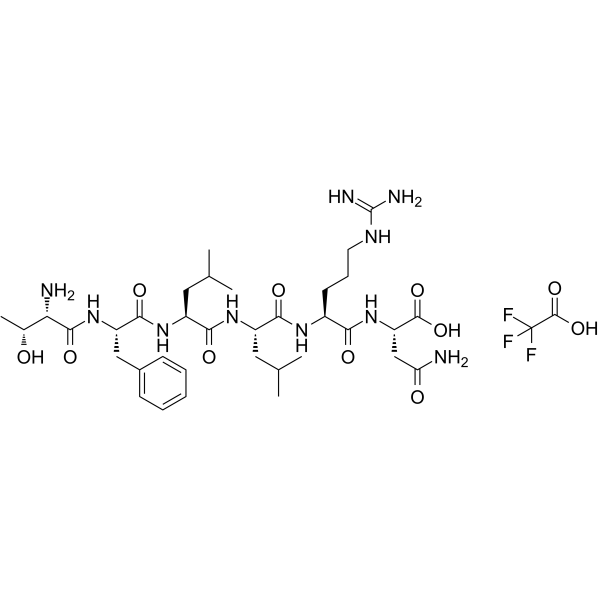
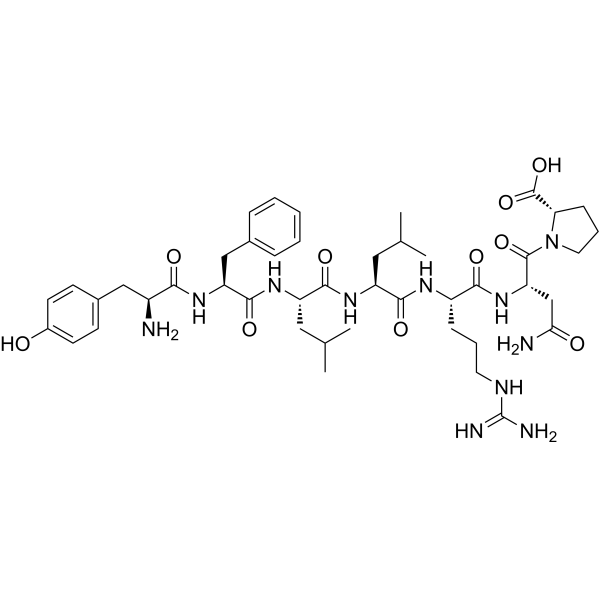 0 ImagesYFLLRNP is a biological active peptide. (a partial agonist of PAR-1. YFLLRNP selectively active G12/13 signaling pathway without activating Gq or Gi pathways at low concentrations. YFLLRNP (60 μM))
-
APC 366 TFA
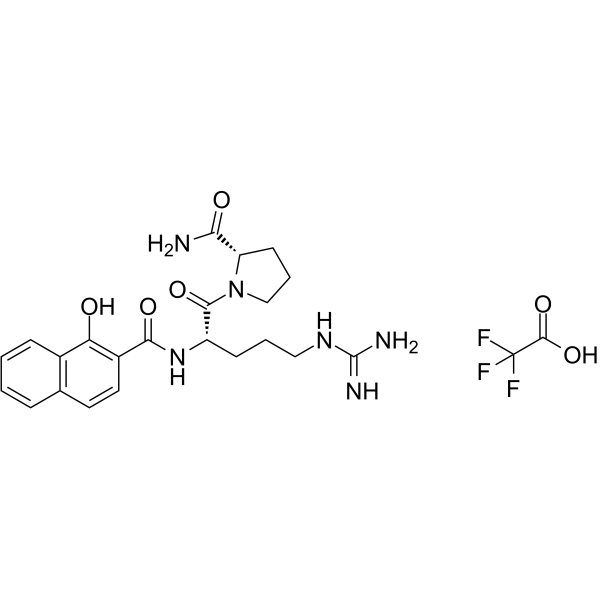 0 ImagesCat. No.: HY-105999BCAS No.: 2421110-28-1
-
PAR4 antagonist 9
 0 ImagesCat. No.: HY-183983CAS No.: 2173066-25-4PAR4 antagonist 9 is an orally active protease-activated receptor 4 (PAR4) antagonist with an IC50 of 2 nM against human targets. PAR4 antagonist 9 functionally modulates PAR4 and inhibits platelet aggregation. PAR4 antagonist 9 can be used in studies related to arterial thrombosis.
-
RWJ-58259
 0 ImagesCat. No.: HY-182573CAS No.: 315203-31-7RWJ-58259 is a selective PAR-1 inhibitor with an IC50 value of 0.15 μM. RWJ-58259 binds selectively to PAR-1, blocks the binding of tethered ligands, interferes with calcium mobilization and PAR-1-related cellular functions, and exhibits no PAR-1 agonist activity or thrombin proteolytic inhibitory activity. RWJ-58259 inhibits thrombin-induced platelet aggregation, calcium signaling and vascular smooth muscle cell proliferation, reduces neointimal thickness and arterial stenosis, and alleviates vascular occlusion and platelet deposition. RWJ-58259 can be used in the research of thrombotic diseases and vascular injury associated with acute coronary intervention.
-
Anti-PAR1 Antibody
 0 ImagesCat. No.: HY-P991988
-
Canine Thrombin
 0 ImagesCat. No.: HY-114164FCAS No.: 9002-04-4Canine Thrombin is a Canine serine protease that plays a central role in blood coagulation. Canine Thrombin stimulates macrophages to polarize into a unique phenotype characterized by anti-inflammatory and pro-repair properties. Canine Thrombin activates PAR1, induces the production of MCP-1, MMP3 and VEGF in intervertebral discs, and causes degradation of the cartilage matrix and destruction of intervertebral disc structure. Canine Thrombin activity increases significantly in paraoxon-induced status epilepticus.
-
FR-171113
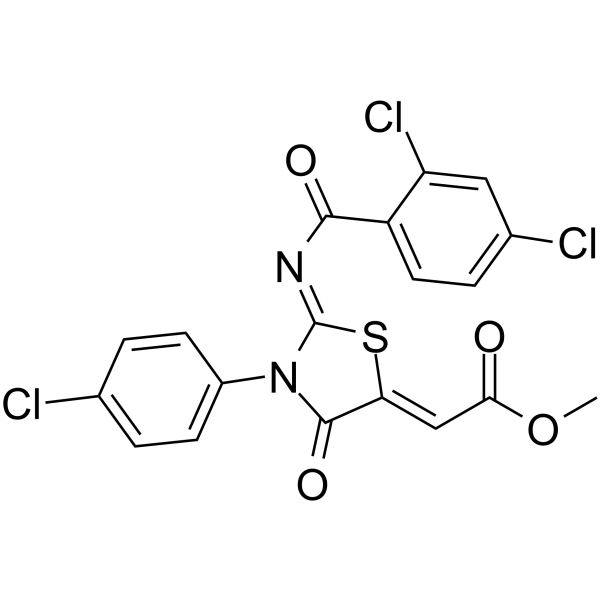 0 ImagesCat. No.: HY-108555CAS No.: 173904-50-2
-
AY77
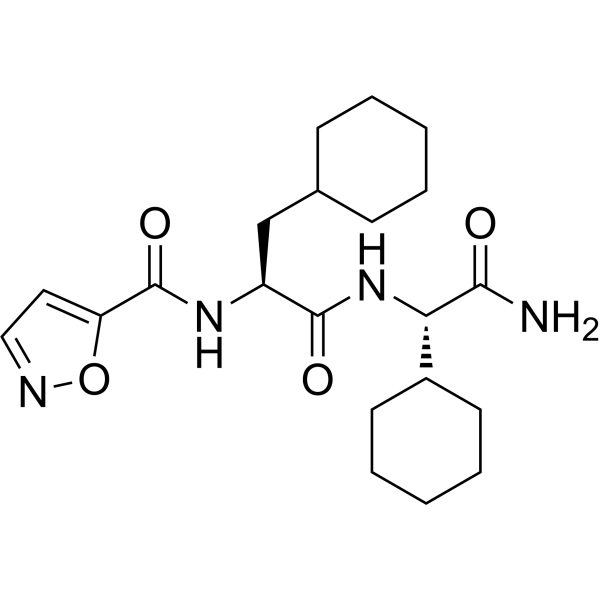 0 ImagesCat. No.: HY-138951CAS No.: 1835734-92-3
-
KLK5-IN-1
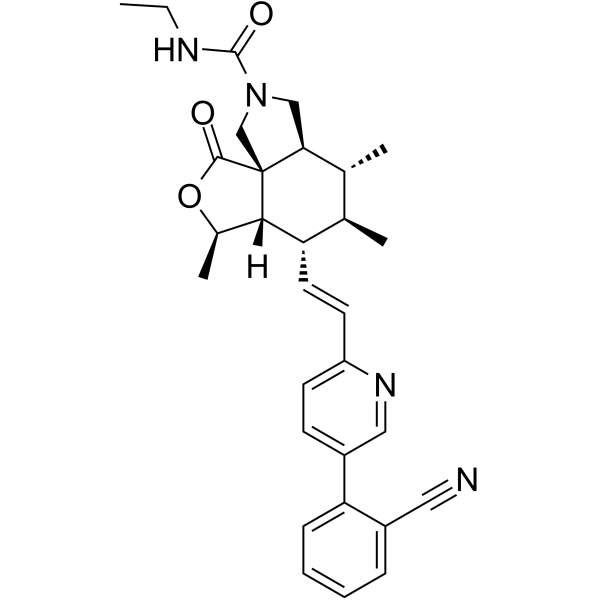
 0 ImagesCat. No.: HY-P11840KLK5-IN-1 is a selective kallikrein 5 (KLK5) inhibitor with an IC50 of 14 nM and a Ki of 11 nM. KLK5-IN-1 reduces KLK5-mediated PAR2-dependent calcium mobilization. KLK5-IN-1 improves epithelial barrier integrity. KLK5-IN-1 can be used in research related to atopic dermatitis and Netherton syndrome.
-
H-Phe(3,5-DiF)-OH
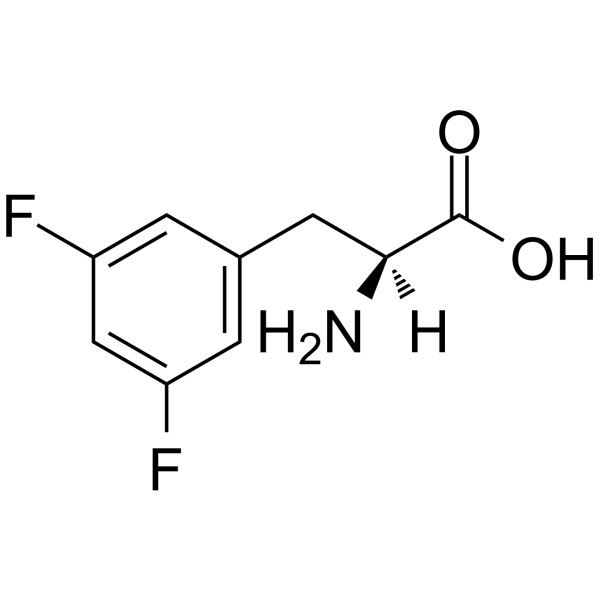 0 ImagesCat. No.: HY-W006069CAS No.: 31105-91-6H-Phe(3,5-DiF)-OH is a difluorophenylalanines in the L-configuration [L-(F2)Phe]. H-Phe(3,5-DiF)-OH can be incorporated into the thrombin receptor-tethered ligand peptide SFLLRNP to identify the phenyl hydrogens of the Phe-2 residue involved in the CH/π receptor interaction.
-
Thrombin Receptor Activator for Peptide 5 (TRAP-5)
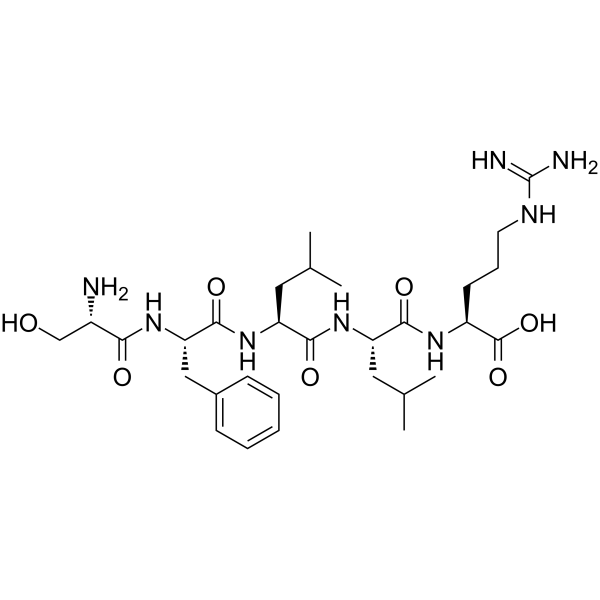 0 ImagesCat. No.: HY-P1536CAS No.: 141685-53-2Thrombin Receptor Activator for Peptide 5 (TRAP-5) is also called Coagulation Factor II Receptor (1-5) or Proteinase Activated Receptor 1 (1-5), used in the research of coronary heart disease (CHD).
-
PAR4 antagonist 5
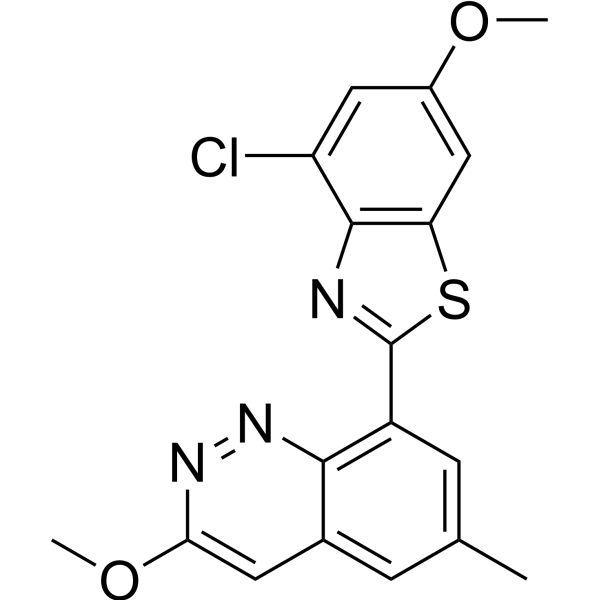 0 ImagesCat. No.: HY-163504CAS No.: 3024653-17-3PAR4 antagonist 5 (compound 1) is a PAR4 antagonist with an IC50 less than 20 μM and potent anti-platelet aggregation activity. PAR4 antagonist 5 can be used for research of thrombosis disease .
-
TFMU-ADPr
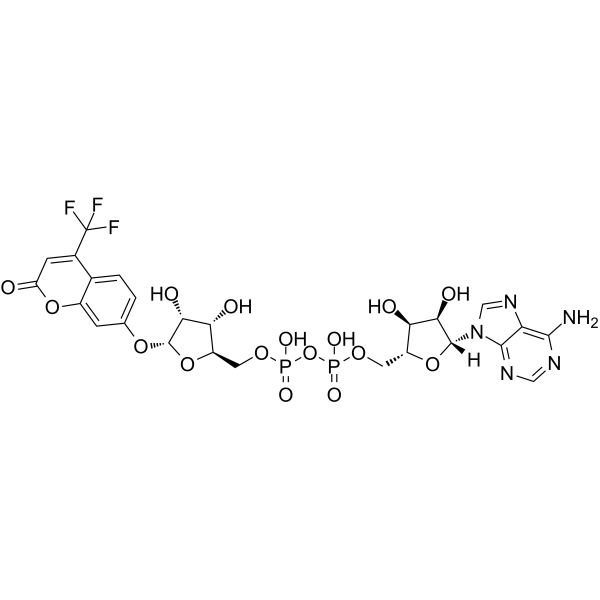 0 ImagesCat. No.: HY-146248CAS No.: 2412923-11-4TFMU-ADPr is a selective reporter substrate of SARS-CoV-2 Macro1 (IC50=0.59 μM), with an excitation wavelength (λEx) of 385 nm, and an emission wavelength (λEm) of 502 nm (or 495 nm). TFMU-ADPr can also undergo enzymatic hydrolysis with Poly(ADP-ribose) Glycohydrolase (PARG) sourced from human, Tetrahymena thermophila and ADP-ribosylhydrolase 3 from human to release fluorophores, thereby directly reporting total poly (ADP-ribose) hydrolase activity. TFMU-ADPr binds to the ADPr-binding site of SARS-CoV-2 Macro1, and its TFMU moiety inserts into the narrow hydrophobic groove of this protein. TFMU-ADPr can thus be used to evaluate small-molecule inhibitors targeting PAR hydrolases under in vitro conditions, to investigate the regulatory mechanisms of ADP-ribosyl catabolic enzymes, or to detect PAR hydrolase activity in whole-cell lysate assays. TFMU-ADPr is also applicable to COVID-19-related research.




