



Xanthine Oxidase
XO
Xanthine oxidase (XO), a versatile molybdoflavoprotein, catalyzes the oxidative hydroxylation of purine substrates (hypoxanthine and xanthine) to produce uric acid and subsequent reduction of oxygen at the flavin center with the generation of reactive oxygen species, either superoxide anion radical or hydrogen peroxide.
Xanthine oxidase is an important enzyme of purine catabolism pathway and has been associated directly in pathogenesis of gout and indirectly in many pathological conditions like cancer, diabetes and metabolic syndrome. The selective inhibition of xanthine oxidase may result in a broad spectrum therapeutic use for gout, cancer, inflammation and oxidative damage.
All Product Categories
-
Xanthine Oxidase Related Products (160)
Related Products (160)

-
Antibodies (1)
-
Isorhamnetin-3-O-neohespeidoside
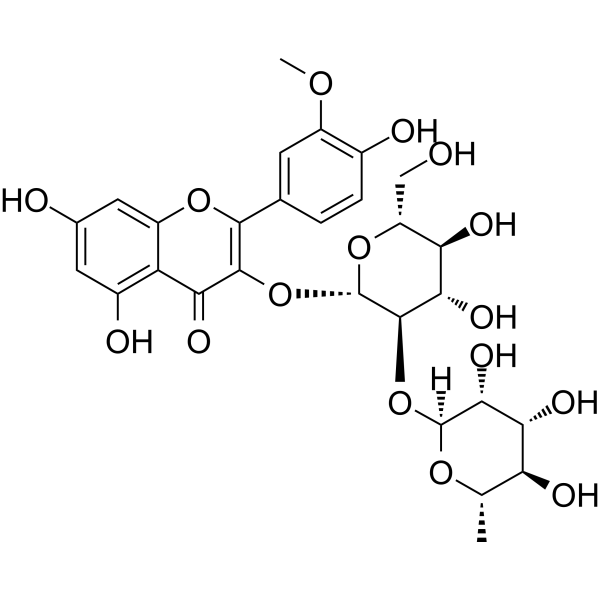 0 ImagesIsorhamnetin-3-O-neohespeidoside is a flavonoid. Isorhamnetin-3-O-neohespeidoside can be isolated from Typha angustifolia. Isorhamnetin-3-O-neohespeidoside inhibits xanthine oxidase activity with an IC50 of 48.75 μg mL. Isorhamnetin-3-O-neohespeidoside has antioxidant and osteoclastogenic activities. Isorhamnetin-3-O-neohespeidoside can be used in research of bone.
-
H-Tyr-Phe-OH
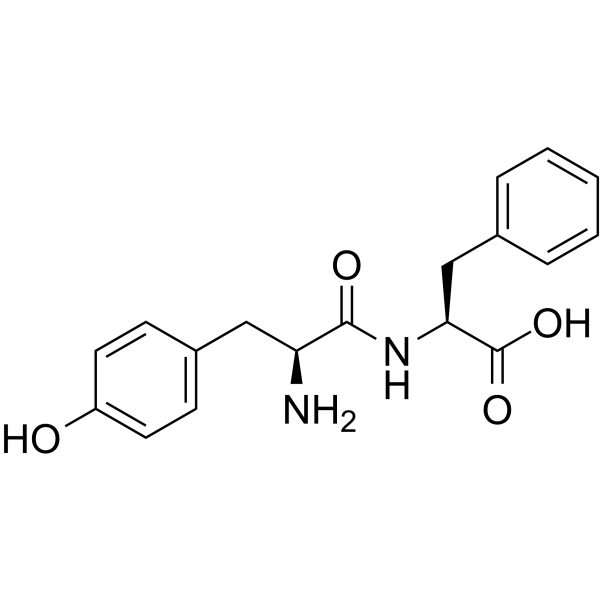 0 ImagesSynonyms: L-Tyrosyl-L-phenylalanineH-Tyr-Phe-OH (L-Tyrosyl-L-phenylalanine) is an orally active inhibitor of Angiotensin converting enzyme (ACE), with an inhibiton rate of 48% at 50 μM. H-Tyr-Phe-OH can be used as an biomarker for differentiating benign thyroid nodules (BTN) from thyroid cancer (TC). H-Tyr-Phe-OH exhibits xanthine oxidase inhibition (uric acid lowering) activity and serves as regulator in IL-8 production in neutrophil-like cells.
-
8-Azaadenine
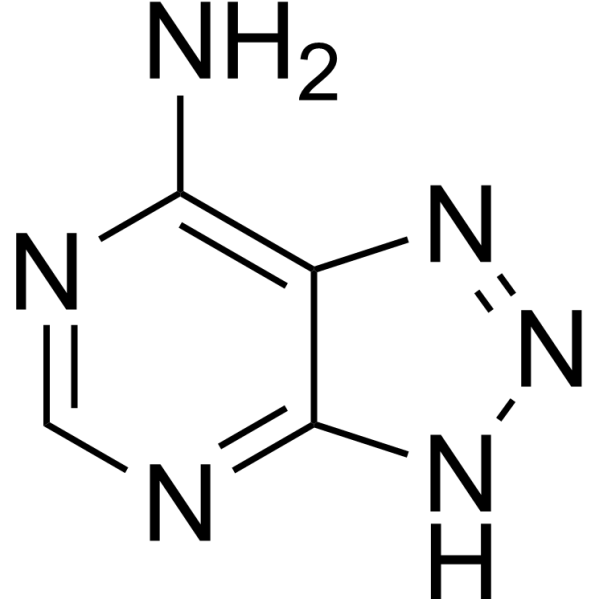 0 Images8-Azaadenine is an inhibitor of Xanthine Oxidase with an IC50 of 0.54 μM and a Ki of 0.66 μM. 8-Azaadenine can be produced via the metabolism of 8-Azaadenosine (HY-115686) and incorporated into polynucleotide chains together with 8-Azaguanine (HY-B1468) to affect purine metabolism. 8-Azaadenine can be used in the study of cancer.
-
7,8,3′,4′-Tetrahydroxyflavone
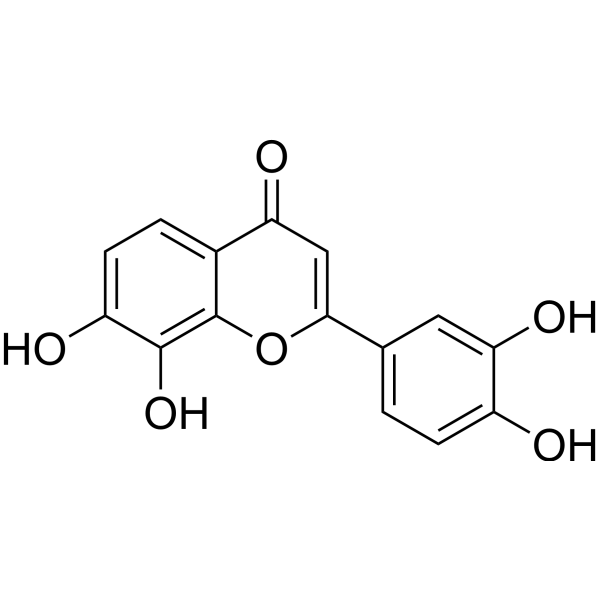 0 Images7,8,3′,4′-Tetrahydroxyflavone (compound 2) is a potent xanthine oxidase (XOD) inhibitor with an IC50 value of 10.488 µM.
-
1,4-Dicaffeoylquinic acid
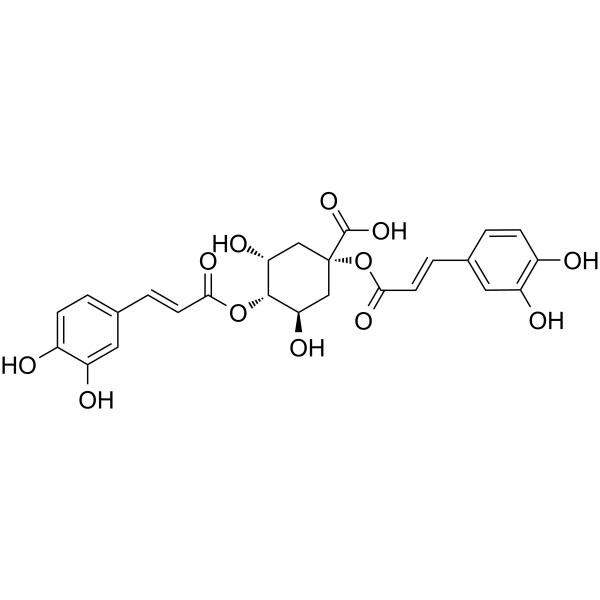 0 Images1,4-Dicaffeoylquinic acid (1,4-DCQA) is a phenylpropanoid compound that can be isolated from Xanthii fructus and an inhibitor of xanthine oxidase (IC50: 7.36 μM). 1,4-Dicaffeoylquinic acid has anti-inflammatory activity and can inhibit the production of TNF-α induced by LPS (HY-D1056).
-
Phytic acid dodecasodium hydrate
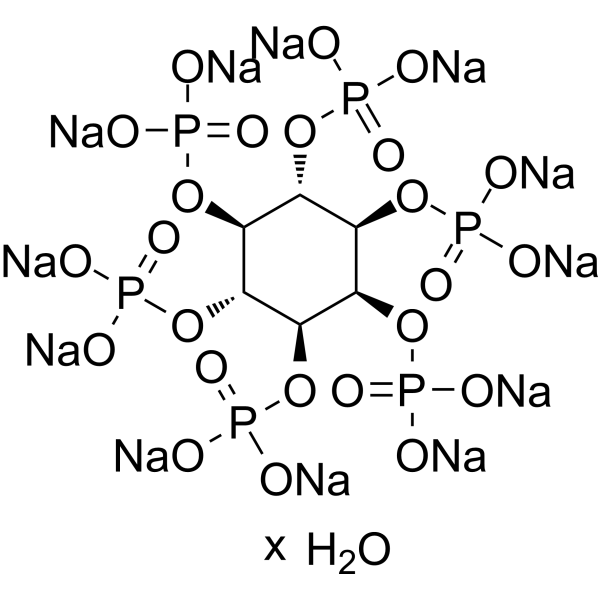 0 ImagesSynonyms: Inositol hexaphosphate dodecasodium hydrate; SNF472 dodecasodium hydratePhytic acid (Inositol hexaphosphate) dodecasodium hydrate is a phosphorus storage compound of seeds and cereal grains. Phytic acid dodecasodium hydrate is known as a food inhibitor, which has a strong ability to chelate multivalent metal ions, specially zinc, calcium, iron and as with protein residue. Phytic acid dodecasodium hydrate inhibits the enzymatic superoxide source xanthine oxidase (XO), and has antioxidative, neuroprotective, anti-inflammatory effects.
-
Nebularine
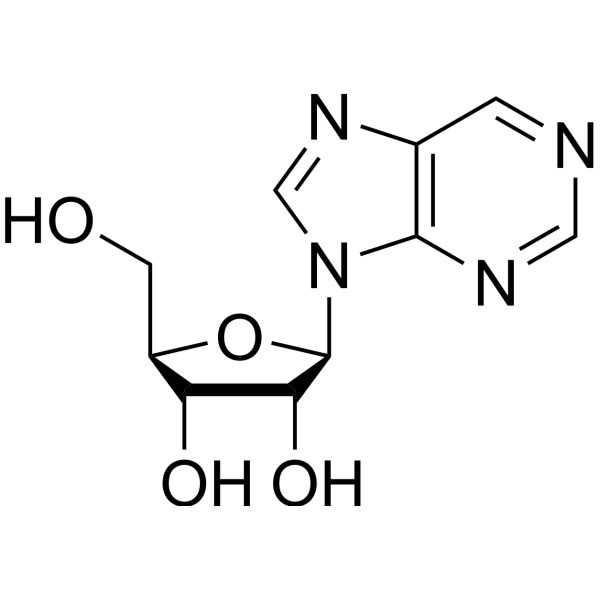 0 ImagesNebularine (9-β-D-Ribofuranosylpurine) is a naturally occurring cytotoxic purine riboside antibiotic. Nebularine competitively inhibits adenine deaminase and xanthine oxidase, and acts as a template for thymine insertion during DNA elongation and replication. Nebularine serves as a cytokinin antagonist and induces mitotic aberrations in plant cells. Nebularine exhibits cytotoxicity against plants, mammals, fungal organisms and cancer cells. Nebularine can be used in research related to fungal infections, plant growth, as well as chronic myeloid leukemia, acute lymphoblastic leukemia and breast cancer.
-
DAO-IN-1
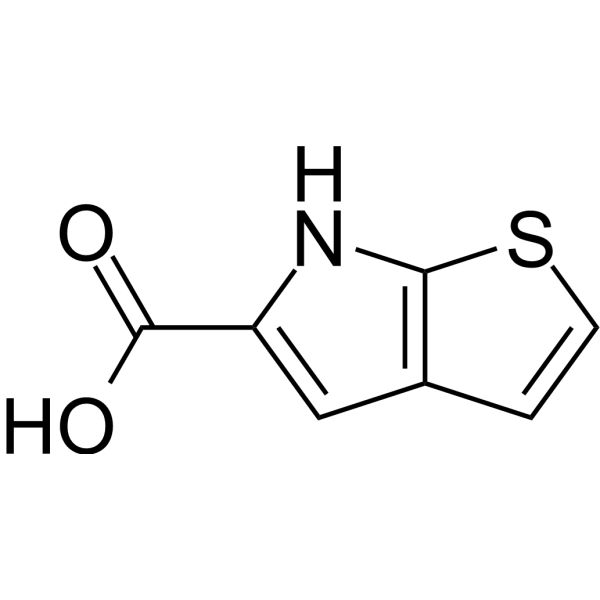 0 ImagesCat. No.: HY-W037417CAS No.: 51856-25-8DAO-IN-1 is a potent inhibitor of D-amino acid oxidase (DAO) with an IC50 value of 269 nM. DAO is an enzyme responsible for D-serine metabolism, D-serine is a co-agonist of NMDA receptors.
-
Broussochalcone A
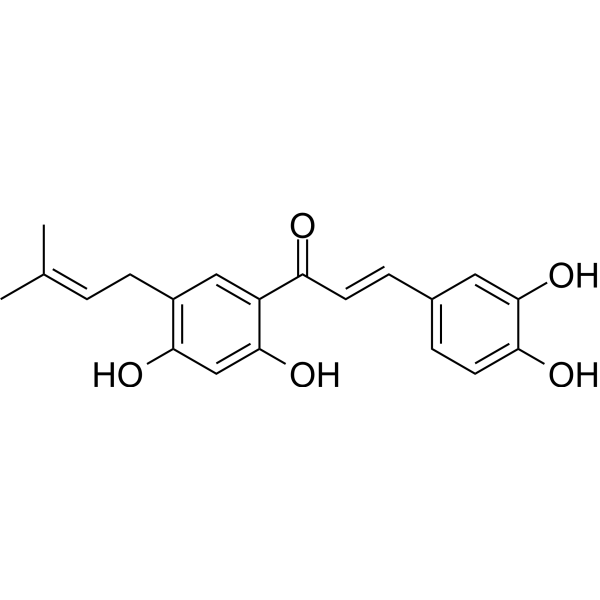 0 ImagesBroussochalcone A is an antioxidant and an inhibitor of Xanthine Oxidase (IC50=2.21 μM), with free radical scavenging activity. Broussochalcone A inhibits iron-induced lipid peroxidation and nitric oxide synthesis in lipopolysaccharide (LPS) -activated macrophages. Broussochalcone A also induces Apoptosis of human renal carcinoma cells by increasing ROS levels and activating FOXO3 signaling pathways.
-
Allopurinol (Standard)
 0 ImagesAllopurinol (Standard) is the analytical standard of Allopurinol. This product is intended for research and analytical applications. Allopurinol is a potent and orally active xanthine oxidase inhibitor with an IC50 value of 0.2-50 μM. Allopurinol can be used in the research of hyperuricemia and gout. Allopurinol decreases the expression of HIF-1α and HIF-2α protein. Allopurinol shows anti-depressant and anti-nociception activity. Anti-leishmanial effect.
-
Azapropazone
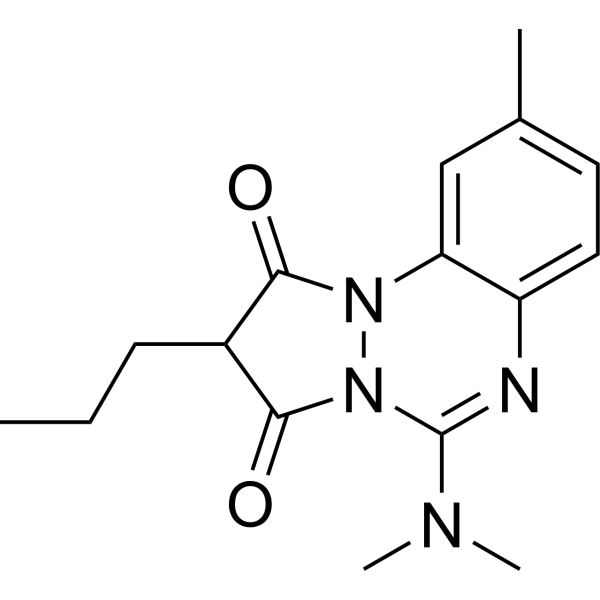 0 ImagesAzapropazone is an orally active nonsteroidal anti-inflammatory agent. Azapropazone inhibits Xanthine oxidase activity with an IC50 of 70-140 μg/mL. Azapropazone exerts significant cardiomyocyte protective effects on dogs with ischemia-reperfusion injury. Azapropazone reduces arthritis. Azapropazone inhibits Adrenaline-induced platelet aggregation. Azapropazone can be used for the research of myocardial ischemia and reperfusion injury, adjuvant arthritis, and gouty arthritis.
-
Febuxostat-d7
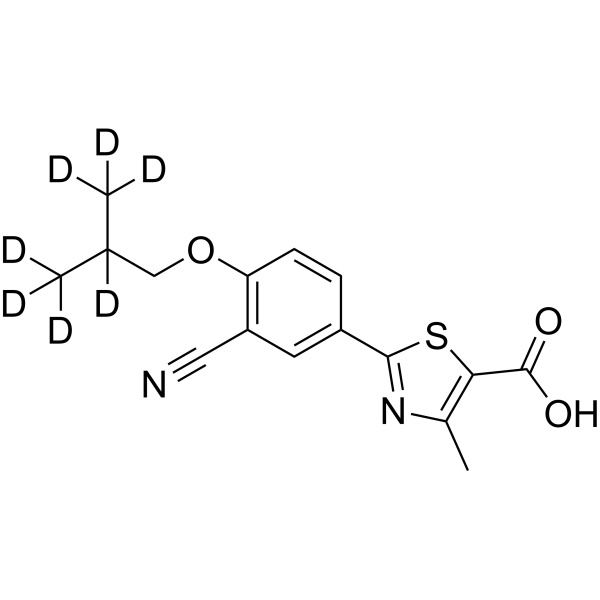 0 ImagesSynonyms: TEI 6720-d7; TMX 67-d7Febuxostat-d7 is deuterium labeled Febuxostat. Febuxostat (TEI 6720) is selective xanthine oxidase inhibitor with a Ki of 0.6 nM.
-
Myricetin 3-O-galactoside
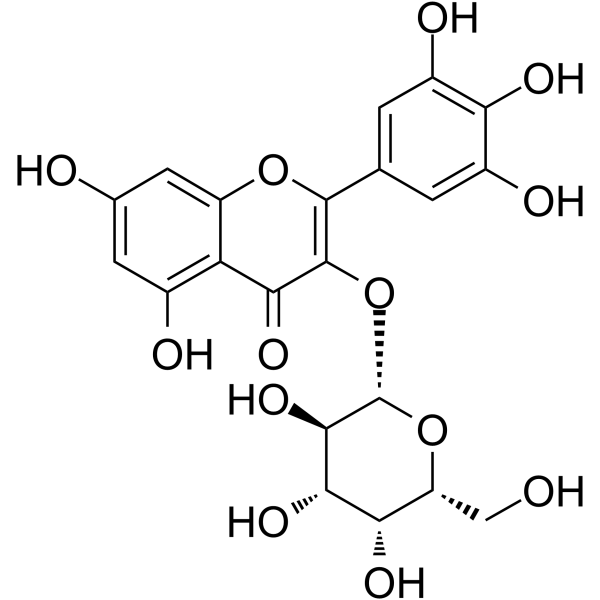 0 ImagesMyricetin 3-O-galactoside inhibits xanthine oxidase (XO) activity, lipid peroxidation and scavenges the free radical. Myricetin 3-O-galactoside inhibits lipid peroxidation with an IC50 of 160 μg/mL. Antioxidant activity.
-
Tigulixostat
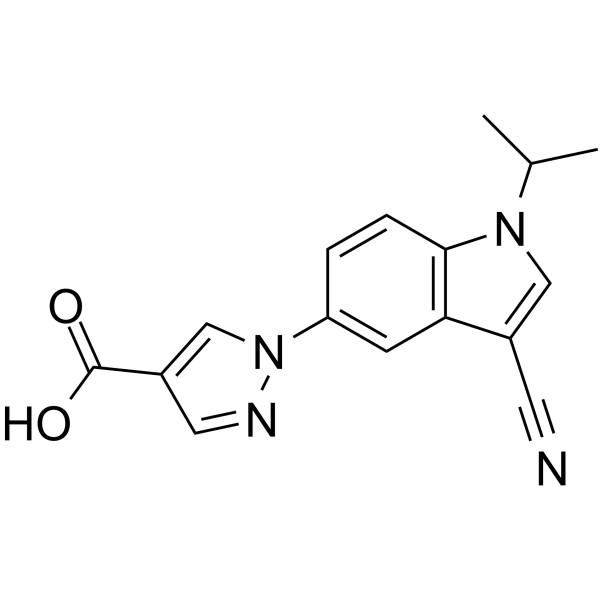 0 ImagesSynonyms: LC350189Tigulixostat (LC350189) is an orally active non-purine selective xanthine oxidase inhibitor. Tigulixostat has IC50 values of 0.003 µM and 0.073 µM in bovine milk and rat plasma, respectively. Tigulixostat can effectively reduce serum uric acid levels and can be used in the research of gout and hyperuricemia.
-
Lavandoside
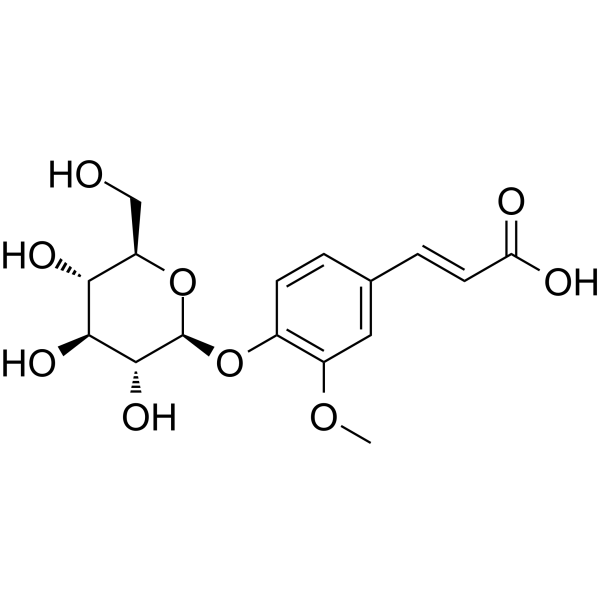 0 ImagesLavandoside is an ABTS?+ free radical scavenger and a moderate inhibitor of xanthine oxidase (XO), with an IC50 of 71.6 μM for inhibiting NO production in LPS-induced macrophages. Lavandoside exerts its antioxidant and potential anti-inflammatory effects by directly scavenging free radicals and inhibiting XO activity, a mechanism related to the hydroxyl groups in its molecular structure. Lavandoside can be isolated from lavender and can be used in the development of natural antioxidants and in research on oxidative stress-related diseases and inflammation-related diseases.
-
Xanthine oxidoreductase-IN-6
 0 ImagesXanthine oxidoreductase-IN-6 (Compound 4) is an orally active xanthine oxidoreductase (XOR) inhibitor with an IC50 of 170 nM. Xanthine oxidoreductase-IN-6 can block the final step of uric acid biosynthesis and lower serum uric acid levels. Xanthine oxidoreductase-IN-6 also shows Cytochrome P450 3A4 (CYP3A4) inhibitory activity. Xanthine oxidoreductase-IN-6 can be used for the research of hyperuricemia.
-
Flazin
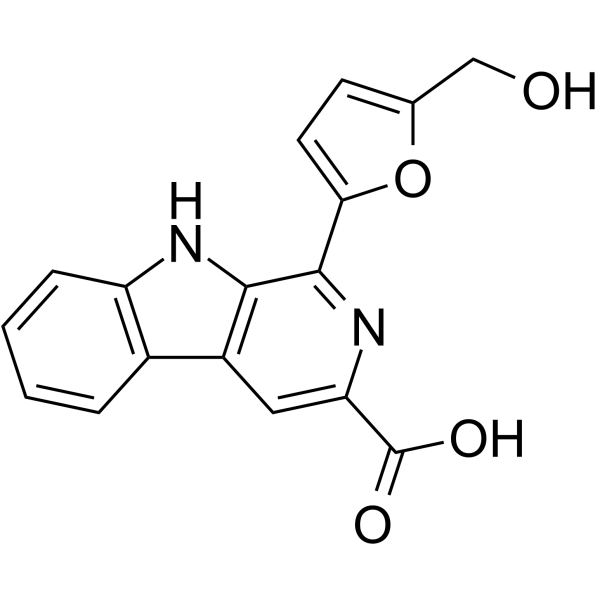 0 ImagesFlazin is a non-enzymatic protein glycation inhibitor, also inhibits peroxynitrite (ONOO-), with an IC50 value of 85.31 μM for bovine serum albumin (BSA) glycation and an EC50 value of 71.99 μM for ONOO-. Flazin can be used for researching diabetes and neuronal disorders. Flazin also can used as a lipid droplet (LD) regulator against lipid disorders, and a xanthine oxidase (XOD) inhibitor.
-
Procyanidin B2 3′-O-gallate
 0 ImagesSynonyms: B2-3′-G; Epicatechin-(4β,8)-epicatechin gallateProcyanidin B2 3′-O-gallate (B2-3′-G), isolated from Rhodiola crenulata extracts, is a potent xanthine oxidase (XO) inhibitor (IC50 = 24.24 μM, Ki = 6.16 μM). Procyanidin B2 3′-O-gallate has antioxidant activity and reduces the formation of UV-induced α-tocopheroxyl. Procyanidin B2 3′-O-gallate can be used for hyperuricemia and gout research.
-
Febuxostat (Standard)
 0 ImagesSynonyms: TEI 6720 (Standard); TMX 67 (Standard)Febuxostat (Standard) is the analytical standard of Febuxostat. This product is intended for research and analytical applications. Febuxostat (TEI 6720) is a potent, selective and non-purine xanthine oxidase (XO) inhibitor with a Ki value of 0.6 nM. Febuxostat has the potential for the research of hyperuricemia and gout.
-
Benzbromarone (Standard)
 0 ImagesBenzbromarone (Standard) is the analytical standard of Benzbromarone. This product is intended for research and analytical applications. Benzbromarone is an orally active anti-gout agent. Benzbromarone has anti-infammatory, anti-oxidative stress and nephroprotective effects. Benzbromarone can be used for the research of hyperuricemia and gout.




