



Carboxylesterase (CES)
-
Carboxylesterase (CES) Related Products (46)
Related Products (46)

-
Bakuchiol
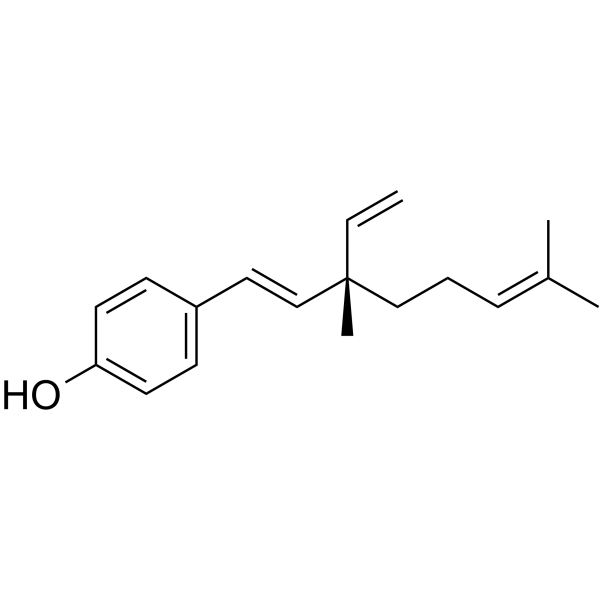 0 ImagesSynonyms: (S)-(+)-BakuchiolBakuchiol is a phytoestrogen that can be obtained from psoralen seeds. Bakuchiol has been proven to be a non-competitive inhibitor of multiple enzymes, including UDP-glucuronosyltransferase 2B7 (UGT2B7) and human carboxylesterase 2 (hCE2) , with IC50s values of 40.9 μM and 7.28 μM, respectively. Bakuchiol exhibits significant research and application potential in areas such as anti-inflammatory, antibacterial, antitumor therapies, as well as drug metabolism regulation.
-
Bis(4-nitrophenyl) phosphate
 0 ImagesSynonyms: BNPPBis(4-nitrophenyl) phosphate (BNPP) is an esterase inhibitor, inhibits the activity of esterases such as carboxylesterase. Bis(4-nitrophenyl) phosphate inhibits the degradation of Abiraterone in fresh plasma. Bis(4-nitrophenyl) phosphate can be used as a substrate to determine the enzymatic activity of phosphodiesterase in the roots of wetland plants. Bis(4-nitrophenyl) phosphate also acts as a catalyst for metallomicelles and a catalyst that promotes ring-opening polymerization (ROP).
-
DDAO
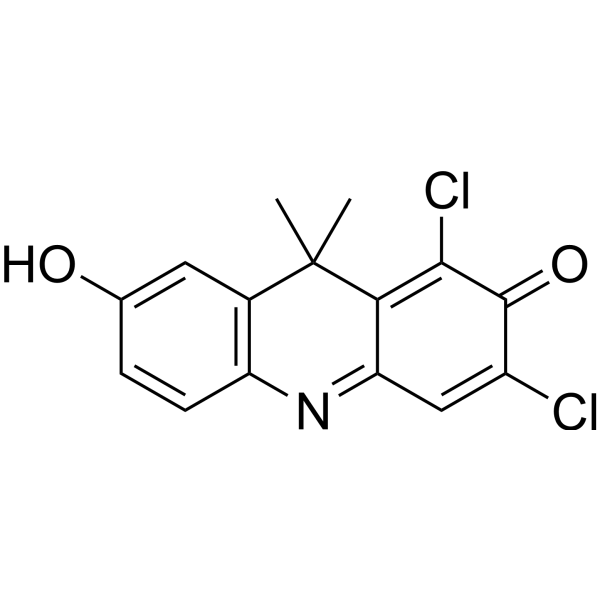 0 ImagesCat. No.: HY-114879CAS No.: 118290-05-4DDAO is a promising near-infrared (NIR) red fluorescent probewith tunable excitation wavelength (600-650nm) and longemission wavelength(λem=656nm). DDAO can de desiged for detection of the activities of different enzymes such asβ-galactosidase,sulfatase, proteinphosphatase2A,carboxylesterase 2, humanalbumin andesterases.
-
Nevadensin
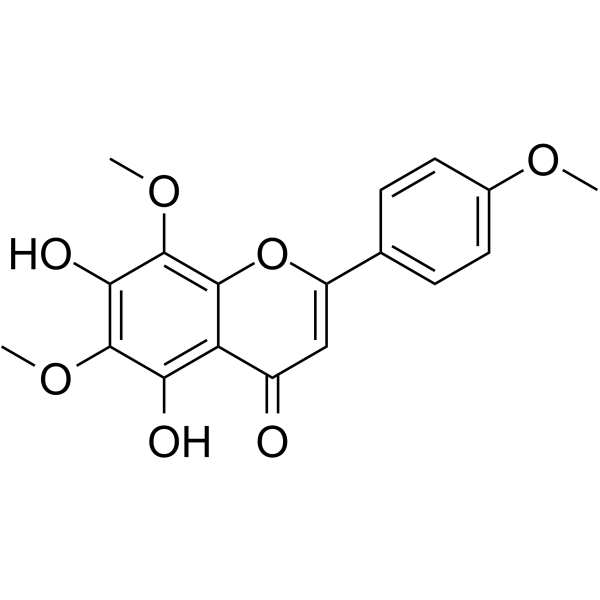 0 ImagesSynonyms: LysionotinNevadensin (Lysionotin), a natural flavonoid, is a selective human carboxylesterase 1 (hCE1) inhibitor with an IC50 of 2.64 μM. Nevadensin is more selective for hCE1 than hCE2 (IC50 of 132.8 μM). Nevadensin can induce apoptosis and DNA damage in cancer cells. Nevadensin has a variety of pharmacological effects such as anti-inflammatory, anti-tumour, anti-hypertensive, anti-tubercular, antitussive, antioxidant and anti-microbial activities.
-
GR148672X
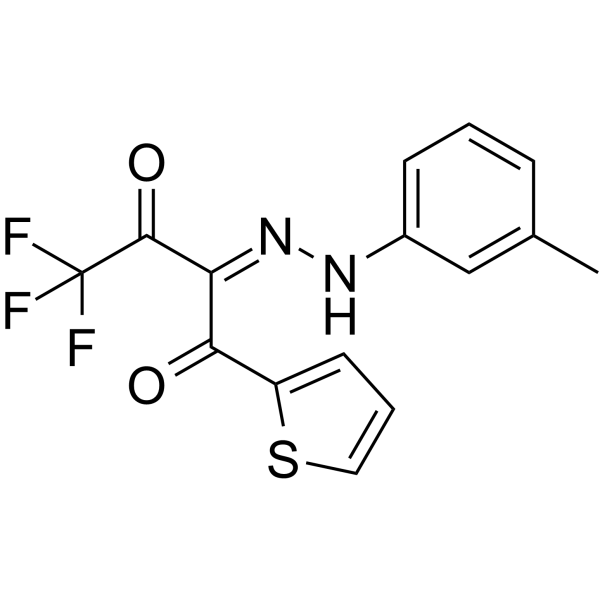 0 ImagesGR148672X is an inhibitor of carboxylesterase 1 (CES1) and hepatic microsomal triglyceride hydrolase (TGH). GR148672X blocks the catalytic activity of CES1, impairs the functions of triglyceride and cholesteryl ester lipase, reduces triglyceride mobilization and secretion, and decreases apolipoprotein B-100 secretion in primary rat hepatocytes. Under low-glucose conditions, GR148672X inhibits the survival of colorectal cancer cells by reducing free fatty acid availability, inducing toxic triglyceride accumulation, ROS production, mitochondrial damage, ferroptosis and apoptosis. GR148672X can be used in studies related to colorectal cancer and atherosclerosis.
-
CEMT
 0 ImagesCat. No.: HY-D3166CAS No.: 2413816-64-3CEMT is a carboxylesterase (CES) substrate and a ratiometric two-photon fluorescent reporter probe. CEMT can be hydrolyzed by CES to generate HMT, which is used for mitochondrial pH sensing. After activation by CES, CEMT exhibits ratiometric fluorescence changes in response to pH variations. CEMT targets and covalently binds to mitochondria, and can avoid leakage during acidification, thus enabling in situ imaging (Ex/Em = 410 nm/550 nm).
-
LP-935001
 0 ImagesCat. No.: HY-182632CAS No.: 1875037-24-3LP-935001 is a Notum carboxylesterase inhibitor with an IC50 of 0.4 nM.LP-935001 prevents palmitoleate group removal from Wnt proteins, restores Wnt/β-catenin signaling.LP-935001 enhances cortical bone thickness in rodent models.LP-935001 can be used for the research of bone loss/nonvertebral fractures.
-
DDAO phosphate diTEA
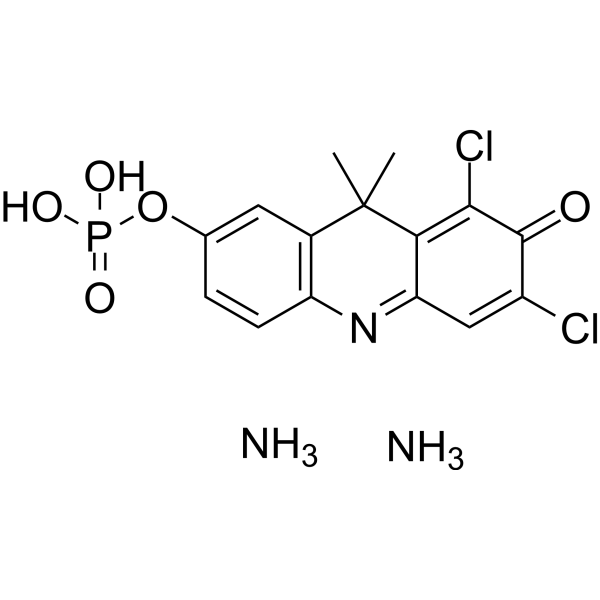 0 ImagesCat. No.: HY-D1739DDAO phosphate diTEA is an amphoteric surfactant derived from DDAO (dimethyldodecylamine oxide). The head group of DDAO in DDAO phosphate diTEA exists in a non-ionic state at pH > 7 and in a cationic state at pH < 5 due to protonation of the oxygen atom. When combined with the anionic surfactant SDS, DDAO can incorporate into mixed micelles, reducing the net micellar charge and attenuating electrostatic repulsion between SDS head groups. DDAO can be used to formulate the ONOO⁻-targeting probe DDAO-PN, which generates significant near-infrared fluorescence at 657 nm.
-
Isolicoflavonol
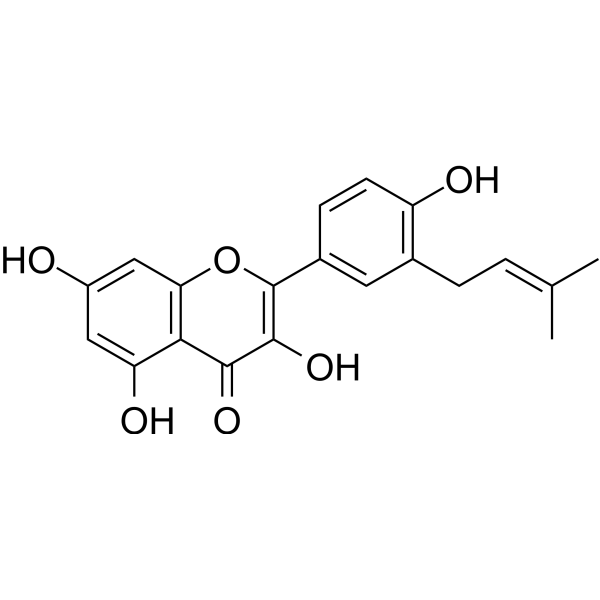 0 ImagesIsolicoflavonol potently inhibits hCES2A (Human carboxylesterase 2)-mediated fluorescein diacetate hydrolysis in a reversible and mixed inhibition manner, with Ki values less than 1.0 μM.
-
Carboxylesterase-IN-3
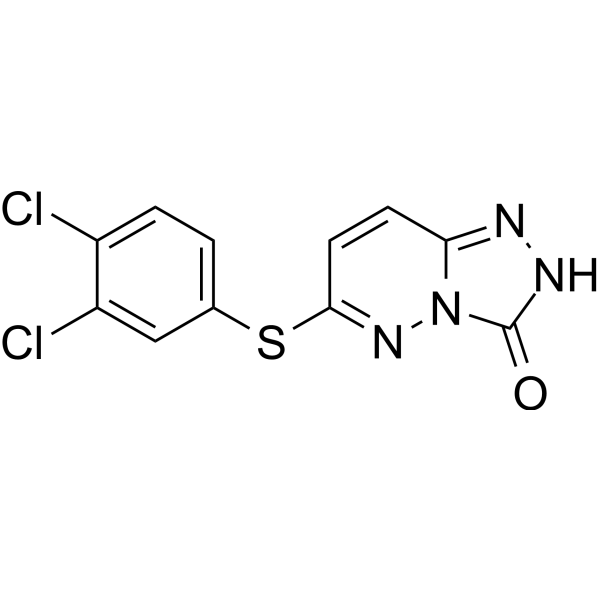 0 ImagesCarboxylesterase-IN-3 (compound 4y) is a potent inhibitor of Carboxylesterase Notum with an IC50 less than or equal to 10 nM. Notum is a negative regulator of Wnt signaling acting through the hydrolysis of a palmitoleoylate ester, which is required for Wnt activity. Carboxylesterase-IN-3 has the potential for the research of cancer disease.
-
Ethyl phenylglyoxylate
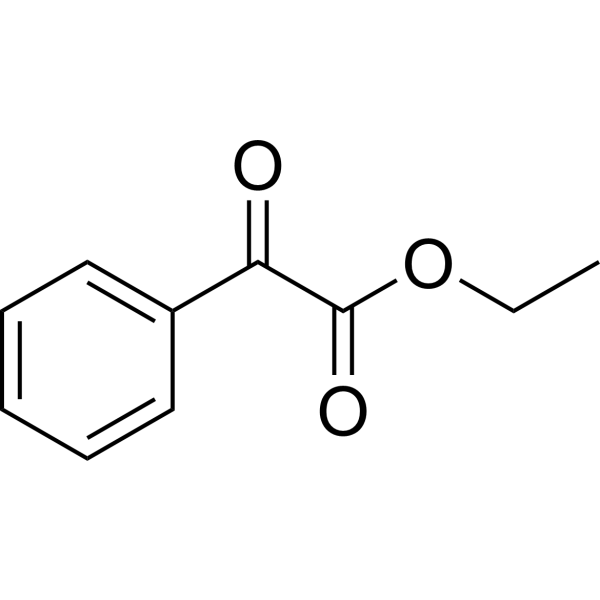 0 ImagesSynonyms: Ethyl benzoylformate; Phenylglyoxylic acid ethyl esterEthyl phenylglyoxylate (Ethyl benzoylformate), the ethyl ester of phenylglyoxylic acid, is used as a synthetic reagent. Ethyl phenylglyoxylate is also a poor substrate but a potent inhibitor of chicken liver carboxylesterase. Additionally, Ethyl phenylglyoxylate exhibits photoreactivity, where its excited triplet carbonyl can initiate intermolecular hydrogen abstraction, radical coupling and cross-linking reactions.
-
Bis(4-nitrophenyl) phosphate sodium
 0 ImagesSynonyms: BNPP sodiumBis(4-nitrophenyl) phosphate sodium (BNPP sodium) is an esterase inhibitor, inhibits the activity of esterases such as carboxylesterase. Bis(4-nitrophenyl) phosphate sodium inhibits the degradation of Abiraterone in fresh plasma. Bis(4-nitrophenyl) phosphate sodium can be used as a substrate to determine the enzymatic activity of phosphodiesterase in the roots of wetland plants. Bis(4-nitrophenyl) phosphate sodium also acts as a catalyst for metallomicelles and a catalyst that promotes ring-opening polymerization (ROP).
-
Human CES1 Enzyme
 0 ImagesCat. No.: HY-E70600Human CES1 Enzyme is a recombinantly expressed CES1 enzyme. Human CES1 Enzyme, an enzyme responsible for the hydrolysis of ester- and amide-containing molecules, is mainly expressed in the liver where it is crucial for the processing of active metabolites and is also involved in trans-esterification reactions.
-
1-Methylisatin
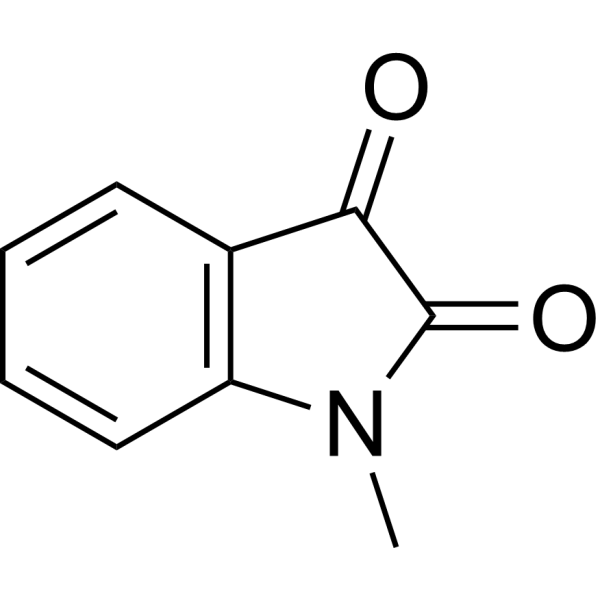 0 Images1-Methylisatin is a potent and selective CE (carboxylesterases) inhibitor, with Kis of 38.2 and 5.38 μM for hiCE and hCE1, respectively. 1-Methylisatin interacts with Hb (human adult hemoglobin) by hydrophobic binding and electrostatic attraction. 1-Methylisatin can be used in the study of regulation of agent metabolism in vivo.
-
Tanshinone IIA anhydride
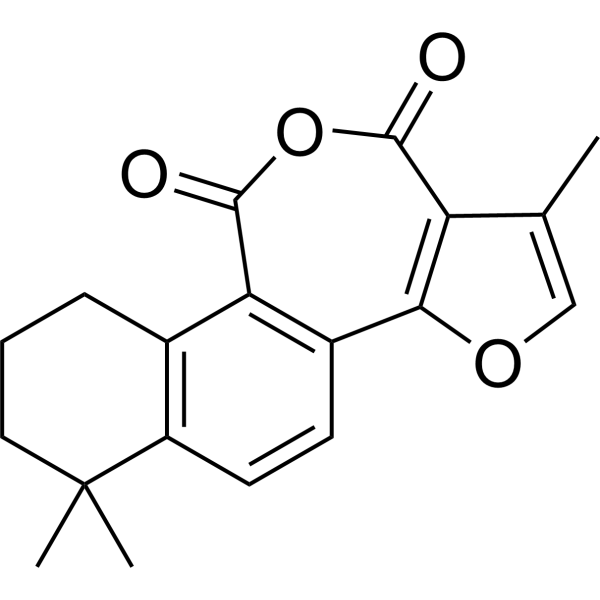 0 ImagesCat. No.: HY-N10686CAS No.: 61077-78-9Tanshinone IIA anhydride, present in root extracts of Salvia miltiorrhiza, acts as an inhibitor of human carboxylesterase (CE). Tanshinone IIA anhydride has a Ki value of 1.9 nM against hCE1 and a Ki value of 1.4 nM against hiCE. Tanshinone IIA anhydride forms a stable covalent complex with serine Ser221 at the active site of hCE1, blocking the catalytic cycle of carboxylesterase, and the activity of the inactivated enzyme cannot recover spontaneously. Tanshinone IIA anhydride is applicable in metabolism-related studies.
-
Pancreatic lipase/Carboxylesterase 1-IN-1
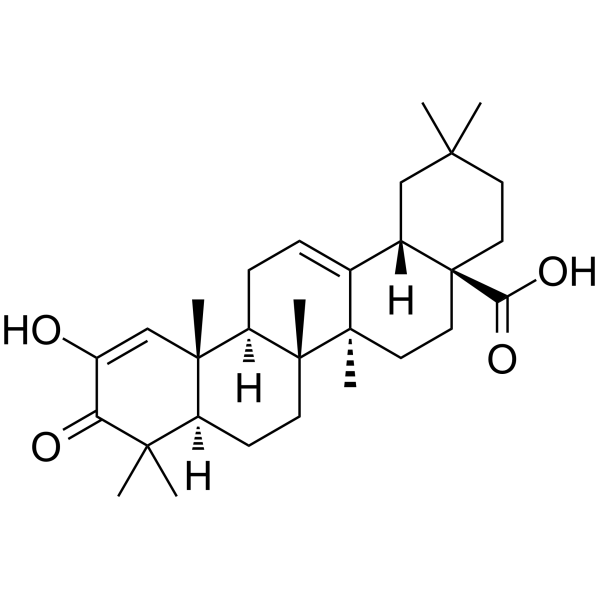 0 ImagesPancreatic lipase/Carboxylesterase 1-IN-1 (Compound 39) is a potent dual inhibitor of pancreatic lipase (PL) and human carboxylesterase 1A (hCES1A) with IC50 values of 2.13 µM and 0.055 µM against PL and hCES1A.
-
Carboxylesterase-IN-2
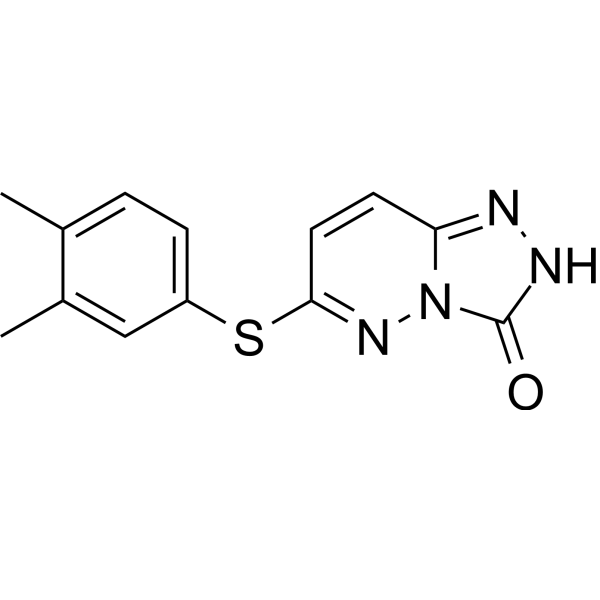 0 ImagesCarboxylesterase-IN-2 (compound 4u) is a potent inhibitor of Carboxylesterase Notum with an IC50 less than or equal to 10 nM. Notum is a negative regulator of Wnt signaling acting through the hydrolysis of a palmitoleoylate ester, which is required for Wnt activity. Carboxylesterase-IN-2 has the potential for the research of cancer disease.
-
Gancaonin I
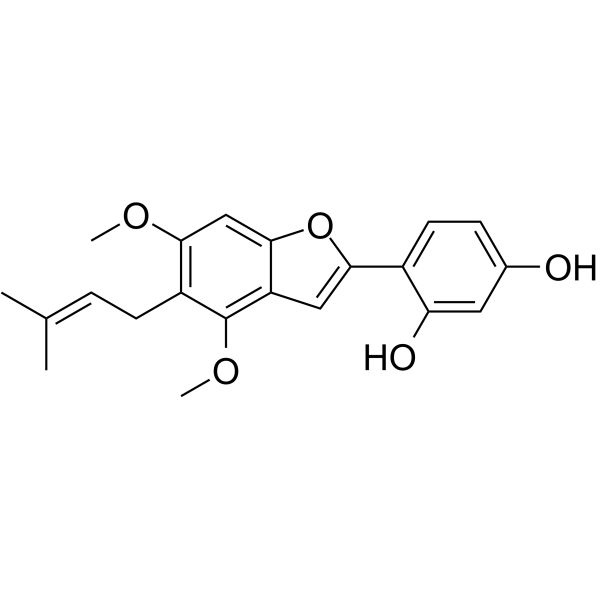 0 ImagesCat. No.: HY-N3921CAS No.: 126716-36-7Gancaonin I, an Isoflavone, exhibits moderate inhibition on human carboxylesterase 2 (hCES2A) with IC50 of 1.72 μM. Gancaonin I inhibits hCES2A-mediated fluorescein diacetate (FD) hydrolysis.
-
Spirotetramat
 0 ImagesCat. No.: HY-120253CAS No.: 203313-25-1Synonyms: BY-108330Spirotetramat (BY-108330) is an orally active Insecticide and lipid biosynthesis inhibitor. Spirotetramat regulates the activities of superoxide dismutase (SOD) and glutathione peroxidase (GSH-Px), with short-term exposure increasing their activities and long-term exposure altering their activities. Spirotetramat induces the activity and mRNA expression of carboxylesterase (CarE). Spirotetramat induces oxidative stress and lipid peroxidation in tadpoles. Spirotetramat is toxic to amphibian tadpoles and exhibits sublethal/non-lethal toxicity to amphibians. Spirotetramat causes death in immature psyllids, aphids, scale insects, mealybugs, whiteflies and thrips, and shows a high lethal rate against Cacopsylla pyri nymphs. Spirotetramat reduces the fecundity of Aphis gossypii. Spirotetramat induces tolerance in the offspring of exposed Aphis gossypii, and acts on Myzus persicae, Bemisia tabaci and Tetranychus urticae.
-
Dibromsalicil
 0 ImagesDibromsalicil (Compound 31) is a carboxylesterase (CES) inhibitor with activity of 72.7 nM against hiCE (human intestinal carboxylesterase) and 53.5 nM against rCE (rabbit liver carboxylesterase). Dibromsalicil has almost no activity against hCE1 (human liver carboxylesterase) and cholinesterase.



