



mTORC1
Rapamycin complex 1 (mTORC1) is a serine/threonine protein kinase that functions as a central regulator of cell growth, protein synthesis, and metabolism in response to nutrient and growth factor signals[1][2][3]. Mechanistically, mTORC1 integrates signals from the PI3K/Akt pathway and upstream energy sensors such as AMPK to control ribosomal biogenesis and cap-dependent translation via phosphorylation of S6K and 4E-BP1[4][5]. Compared with mTORC2, mTORC1 is rapamycin-sensitive and primarily governs anabolic processes, whereas mTORC2 regulates cytoskeletal organization and cell survival[1][6]. In disease models, dysregulated mTORC1 activity contributes to cancer progression, neurodegeneration, and metabolic disorders, including polycystic kidney disease and excessive alcohol intake[7][8][9][10][11]. Isoform-specific studies reveal that selective inhibition of mTORC1 by rapalogs or ATP-competitive inhibitors allows distinct modulation of downstream pathways without fully affecting mTORC2 functions[12][1][13]. Agonists or inhibitors targeting mTORC1, such as rapamycin, PP242, and sapanisertib, have demonstrated the ability to reduce pathological growth, restore proteostasis, and regulate cellular energy metabolism, supporting their experimental use in translational research[1][3][13]. The combination of mTORC1 inhibitors with metabolic regulators or genetic models provides mechanistic insight into mTORC1’s role in cellular homeostasis and offers a framework for developing targeted therapies[4][13].
References:
- [1]. Zask A, et al. Recent advances in the discovery of small-molecule ATP competitive mTOR inhibitors: a patent review. Expert Opin Ther Pat. 2011 Jul;21(7):1109-27. [Content Brief]
- [2]. Feldman ME, et al. Active-site inhibitors of mTOR target rapamycin-resistant outputs of mTORC1 and mTORC2. PLoS Biol. 2009 Feb 10;7(2):e38. [Content Brief]
- [3]. Alqurashi N, et al. Chemical Inhibitors and microRNAs (miRNA) Targeting the Mammalian Target of Rapamycin (mTOR) Pathway: Potential for Novel Anticancer Therapeutics. Int J Mol Sci. 2013 Feb 13;14(2):3874-900. [Content Brief]
- [4]. Afzal O, et al. mTOR as a Potential Target for the Treatment of Microbial Infections, Inflammatory Bowel Diseases, and Colorectal Cancer. Int J Mol Sci. 2022 Oct 18;23(20):12470. [Content Brief]
- [5]. Liu Y, et al. The role of phospholipase D in modulating the MTOR signaling pathway in polycystic kidney disease. PLoS One. 2013 Aug 23;8(8):e73173. [Content Brief]
- [6]. Riaz H, et al. mTOR inhibitors: A novel class of anti-cancer agents. Infect Agent Cancer. 2012 Jan 3;7(1):1. [Content Brief]
- [7]. Zhou Y, et al. mTORC1 pathway is involved in the kappa opioid receptor activation-induced increase in excessive alcohol drinking. Pharmacol Biochem Behav. 2020;194:172954. [Content Brief]
- [8]. Ghosh A, et al. Investigation of the guaiazulene-p-chloranil charge transfer complex in solution: a combined spectroscopic and quantum chemical approach. Sci Rep. 2026 Jun 8. [Content Brief]
- [9]. Xiao H, et al. Amino acids regulate energy utilization through mammalian target of rapamycin complex 1 and adenosine monophosphate activated protein kinase pathway in porcine enterocytes. Anim Nutr. 2020 Mar;6(1):98-106. [Content Brief]
- [10]. Bond ME, et al. A central role for TOR signalling in a yeast model for juvenile CLN3 disease. Microb Cell. 2015 Nov 11;2(12):466-480. [Content Brief]
- [11]. Völkers M, et al. mTOR/PRAS40 interaction: hypertrophy or proliferation. Cell Cycle. 2013 Dec 1;12(23):3579-80. [Content Brief]
- [12]. Huan J, et al. Emerging Roles for Mammalian Target of Rapamycin (mTOR) Complexes in Bladder Cancer Progression and Therapy. Cancers (Basel). 2022 Mar 18;14(6):1555. [Content Brief]
- [13]. Subbiah V, et al. Phase I Study of mTORC1/2 Inhibitor Sapanisertib (CB-228/TAK-228) in Combination with Metformin in Patients with mTOR/AKT/PI3K Pathway Alterations and Advanced Solid Malignancies. Cancer Res Commun. 2024 Feb 12;4(2):378-387. [Content Brief]
-
mTORC1 Related Products (82)
Related Products (82)

-
Antibodies (1)
-
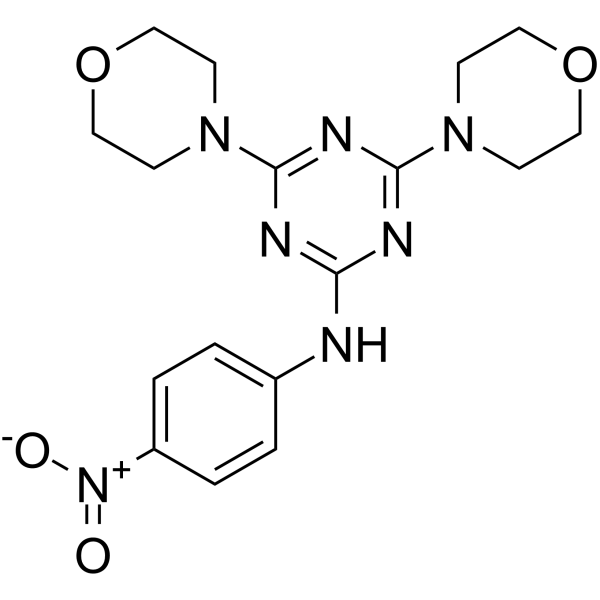
Rapamycin
 0 ImagesSynonyms: Sirolimus; AY-22989; NSC 226080Rapamycin (Sirolimus; AY 22989) is a potent and specific blood-brain barrier-transmissible mTOR inhibitor with an IC50 of 0.1 nM in HEK293 cells. Rapamycin is a molecular glue that binds FKBP12 and mTOR proteins together, thereby inhibiting mTOR kinase activity. Rapamycin binds to FKBP12 and specifically acts as an allosteric inhibitor of mTORC1. Rapamycin is an autophagy activator, an immunosuppressant.
-
Everolimus
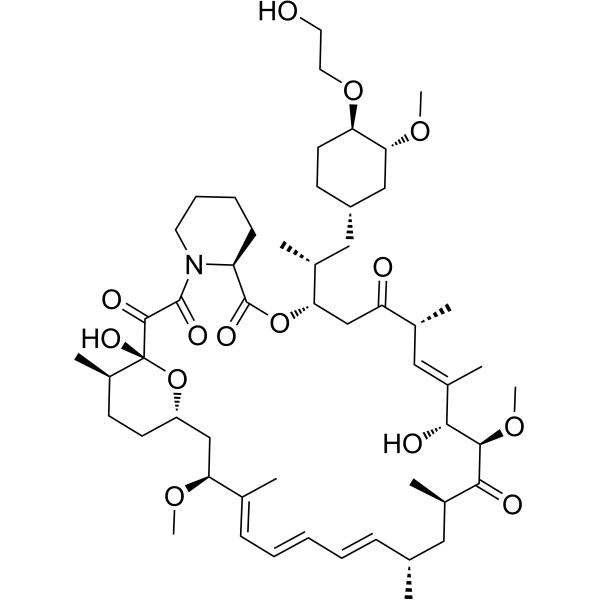 0 ImagesSynonyms: RAD001; SDZ-RADEverolimus (RAD001) is a Rapamycin (HY-10219) derivative and a potent, selective, orally active, blood-brain barrier-permeable mTOR1 inhibitor. Everolimus binds to FKBP-12 to generate an immunosuppressive complex. Everolimus inhibits tumor cells proliferation and induces cell apoptosis and autophagy. Everolimus has potent immunosuppressive and anticancer activities.
-
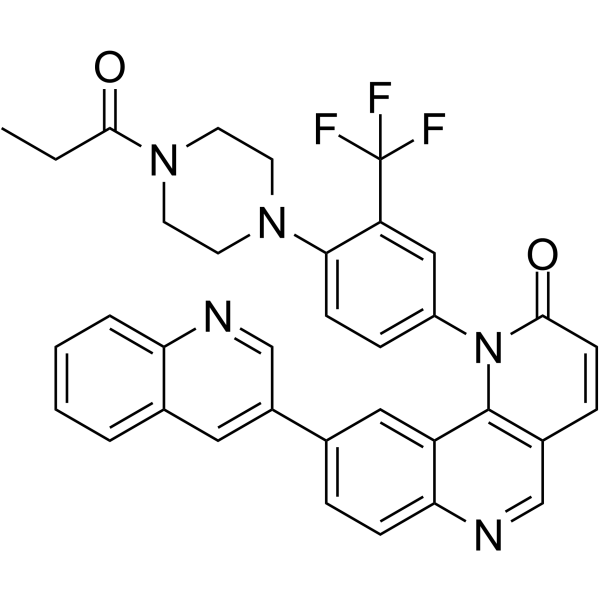
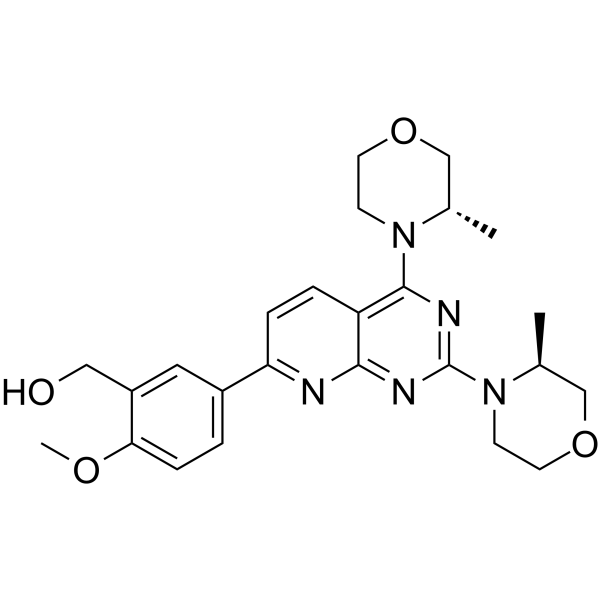
Sapanisertib
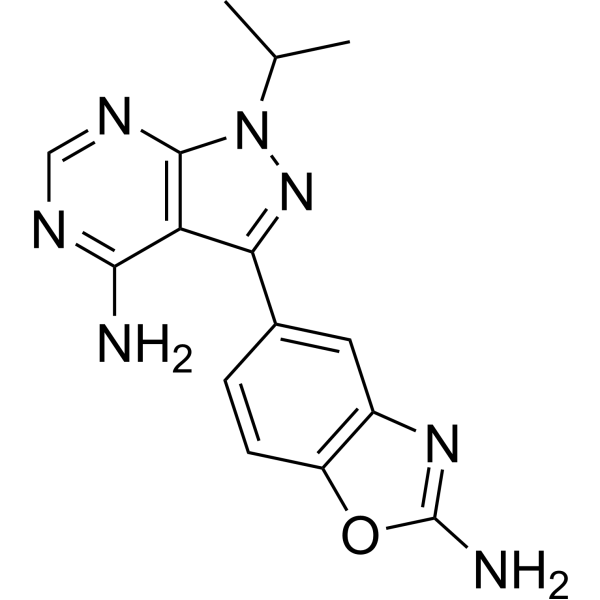 0 ImagesSynonyms: INK-128; MLN0128; TAK-228Sapanisertib (INK-128; MLN0128; TAK-228) is an orally active dual mTORC1/mTORC2 inhibitor. Sapanisertib directly and simultaneously inhibits mTORC1/2 activity through competitive binding with ATP, thereby comprehensively blocking downstream processes such as protein and lipid synthesis and cytoskeletal reorganization, consequently suppressing tumor cell proliferation and promoting apoptosis. Sapanisertib is applicable to research on melanoma, ovarian cancer, pulmonary fibrosis, and hematological malignancies.
-
Temsirolimus
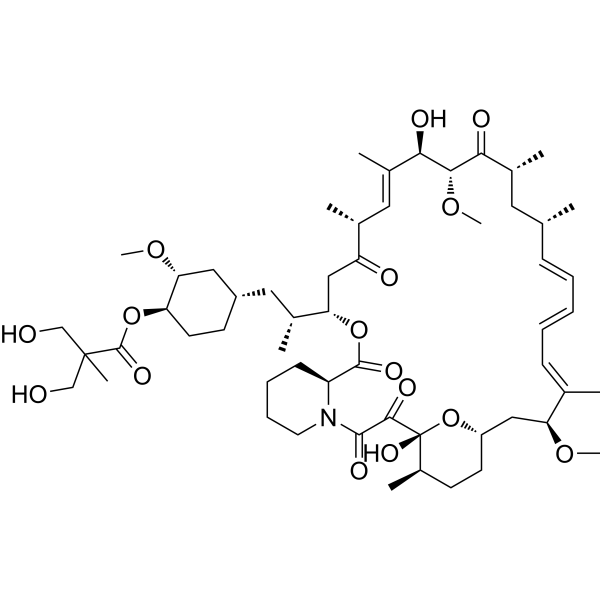 0 ImagesSynonyms: CCI-779
-
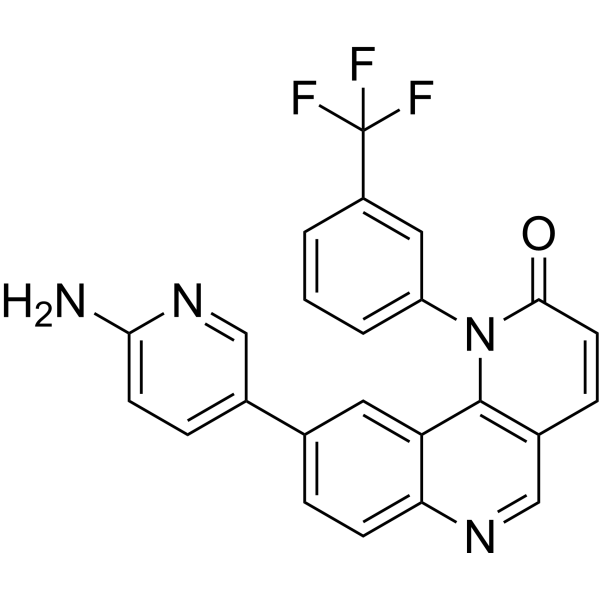
Dactolisib
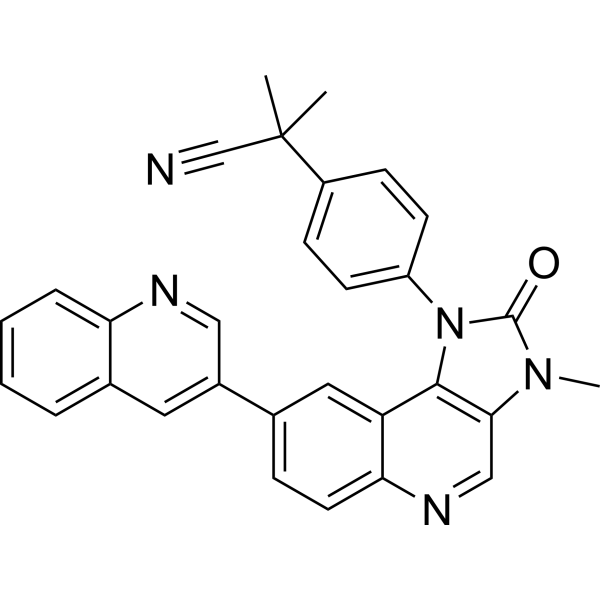 0 ImagesSynonyms: BEZ235; NVP-BEZ235
-
Gedatolisib
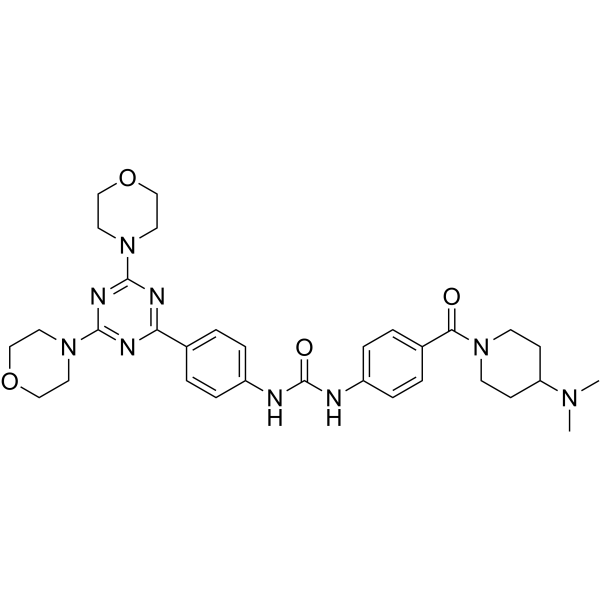 0 ImagesSynonyms: PKI-587; PF-05212384
-
Dihydromyricetin
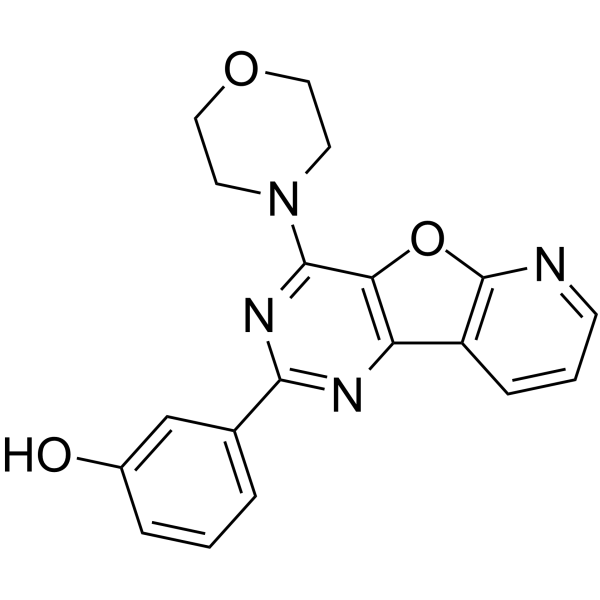
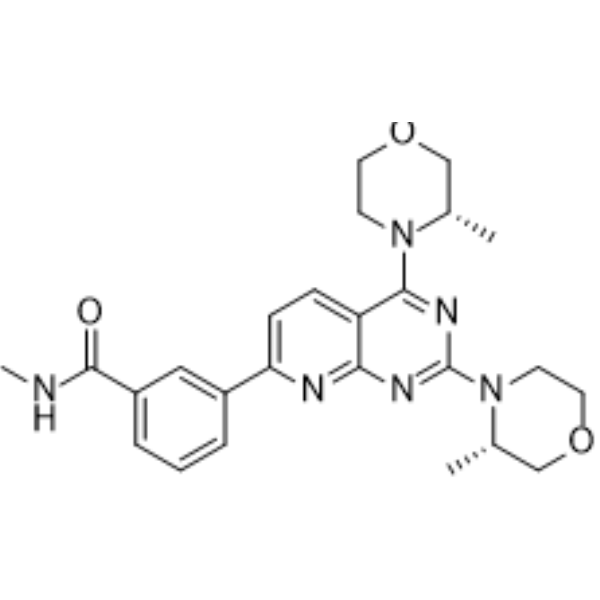
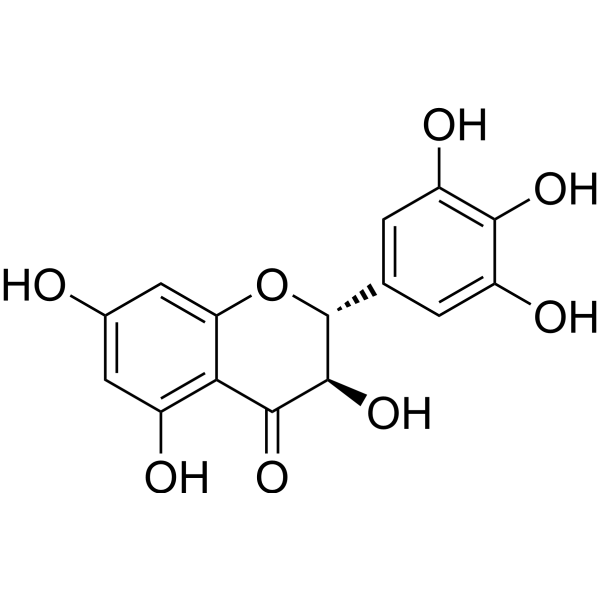 0 ImagesSynonyms: Ampelopsin; AmpeloptinDihydromyricetin is a potent inhibitor with an IC50 of 48 μM on dihydropyrimidinase. Dihydromyricetin can activate autophagy through inhibiting mTOR signaling. Dihydromyricetin suppresses the formation of mTOR complexes (mTORC1/2). Dihydromyricetin is also a potent influenza RNA-dependent RNA polymerase inhibitor with an IC50 of 22 μM.
-
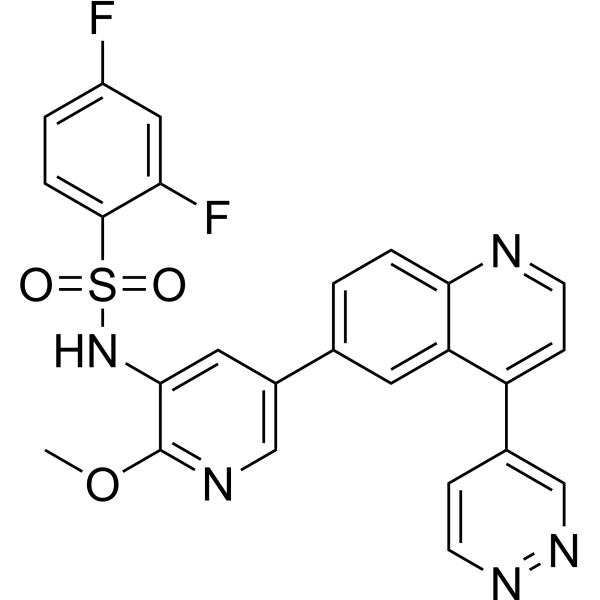
RMC-5552
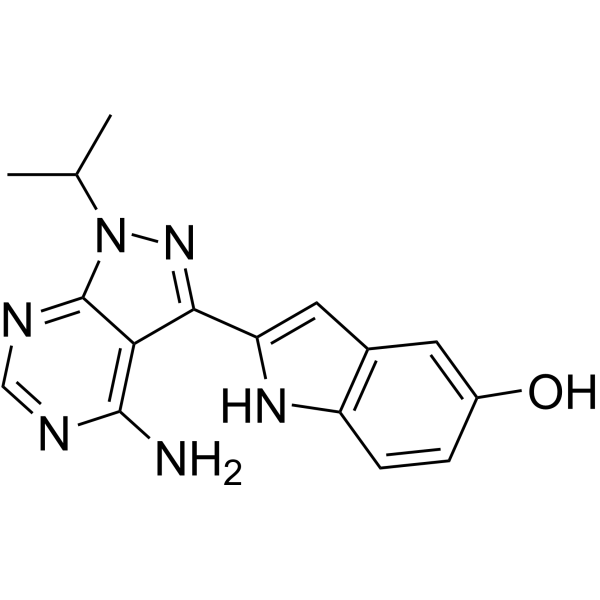
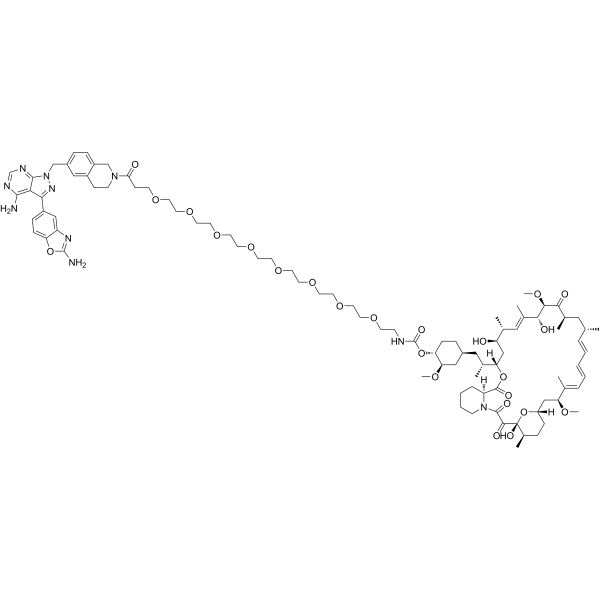 0 ImagesRMC-5552 is a potent and selective mTORC1 inhibitor. RMC-5552 inhibits phosphorylation of mTORC1 pS6K and p4EBP1 with IC50s of 0.14 nM and 0.48 nM, respectively. RMC-5552 shows much lower pAKT inhibition (IC50 of 19 nM), resulting in mTORC1/mTORC2 selectivity approaching 40-fold. RMC-5552 has anti-cancer activity.
-
O6-Benzylguanine
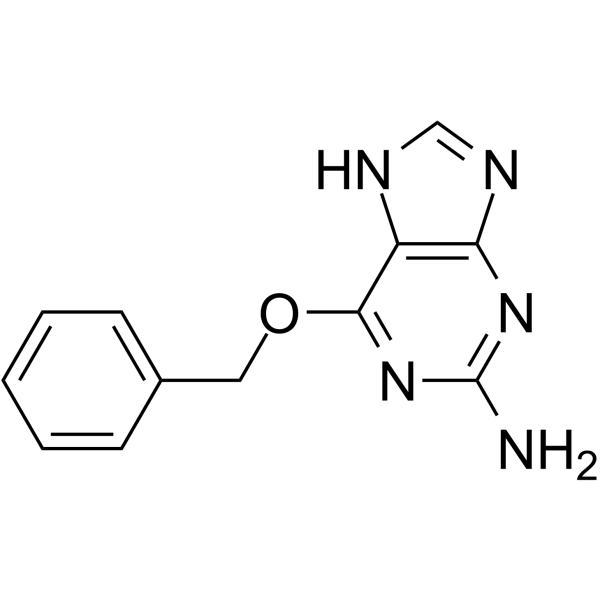 0 ImagesO6-Benzylguanine is an orally active, blood-brain barrier-penetrant inhibitor of O6-methylguanine-DNA methyltransferase (MGMT/AGT). O6-Benzylguanine modulates p53 and its downstream p21 and cyclins to induce cell cycle arrest and apoptosis, and on the other hand activates mTORC1/MAPK and other signaling pathways to induce cellular senescence by inhibiting intracellular MGMT. O6-Benzylguanine is used in research related to various tumors, cellular senescence, and vascular smooth muscle dysfunction.
-
Samotolisib
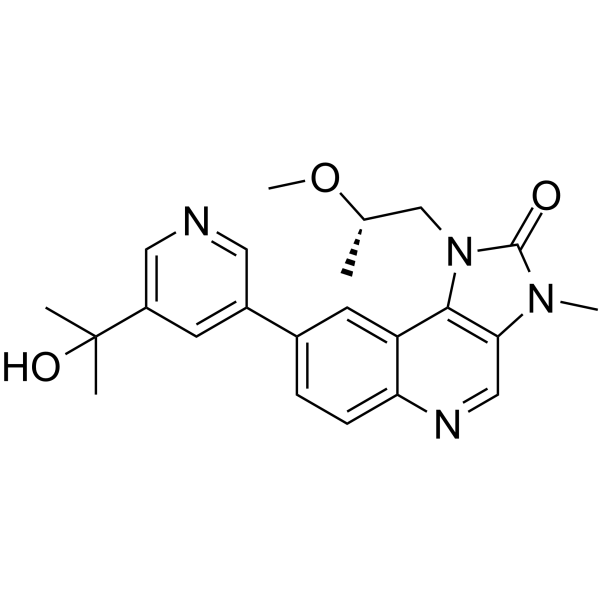 0 ImagesSynonyms: LY3023414Samotolisib (LY3023414) potently and selectively inhibits class I PI3K isoforms, DNA-PK, and mTORC1/2 with IC50s of 6.07 nM, 77.6 nM, 38 nM, 23.8 nM, 4.24 nM and 165 nM for PI3Kα, PI3Kβ, PI3Kδ, PI3Kγ, DNA-PK and mTOR, respectively. Samotolisib potently inhibits mTORC1/2 at low nanomolar concentrations.
-
Nuvisertib
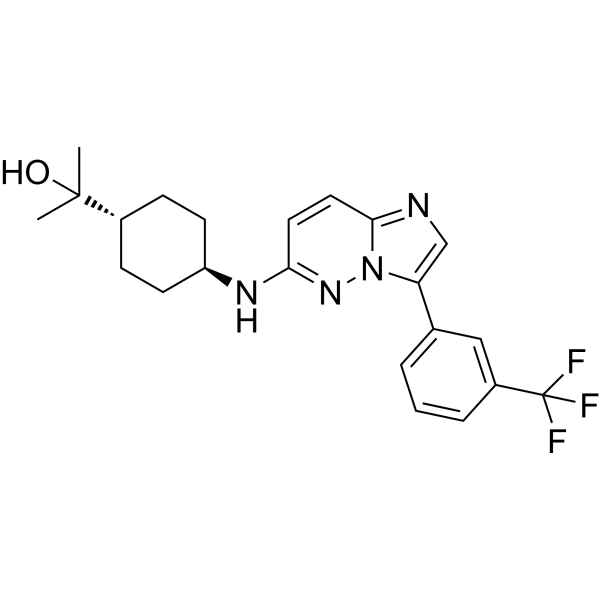 0 ImagesSynonyms: TP-3654Nuvisertib (TP-3654) is an orally active second-generation pan-PIM kinase inhibitor with Ki values of 5 nM, 239 nM, and 42 nM against PIM-1, PIM-2, and PIM-3, respectively. Nuvisertib inhibits JAK-independent inflammatory and survival signaling pathways, reduces the production of proinflammatory cytokines, restores apoptotic sensitivity, inhibits mTORC1, MYC, and TGF-β signaling pathways, and decreases the expression of fibrosis markers. Nuvisertib selectively impairs the transport function of ABCG2, resensitizes multidrug-resistant cancer cells to cytotoxic drugs, and overcomes JAK2 inhibitor resistance. Nuvisertib can be used in research related to myelofibrosis, renal cell carcinoma, multidrug-resistant cancer, advanced solid tumors, urothelial carcinoma, and prostate adenocarcinoma.




