



Secukinumab (Anti-Human IL-17A)
Based on 13 publication(s) in Google Scholar
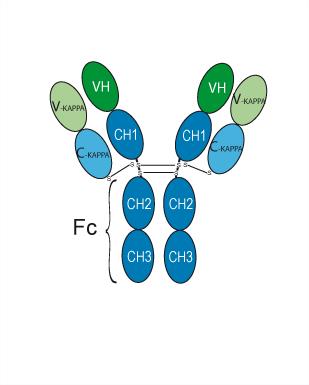
Secukinumab (Anti-Human IL-17A) is a fully human anti-interleukin-17A monoclonal antibody. Anti-Human IL-17A can be used for research in psoriasis pathogenesis.
For research use only. We do not sell to patients.
- Purity : 98.31%
- CAS No.: 1229022-83-6
- Molecular Weight:144 kDa
-
Storage:
Please store the product under the recommended conditions in the Certificate of Analysis.


To place orders, for customer services and technical support, please contact: MedChemExpress USA
Tel: 609-228-6898 E-mail: [email protected] [email protected]


-
 Biological Activity
-
Chemical Information
- Protocols
- Purity & Documentation
- References
-
 Help & FAQs


-

HY-P9917
TocilizumabIL-6R Neutralizing Antibody -

HY-P9925
BrodalumabAnti-IL-17R mAb -

HY-P9926
DupilumabIL-4Rα Inhibitor -

HY-P99280
BimekizumabAnti-IL17A/IL17F Antibody -

HY-P9909
Ustekinumab -

HY-P9927
SecukinumabIL-17A Antagonist -

HY-108841
RaleukinIL-1R Antagonist -

HY-P9956
SiltuximabAnti-IL-6 mAb -

HY-P99025
LebrikizumabIL-13 Inhibitor -

HY-P9931
GuselkumabIL-23 Neutralizing Antibody -

HY-P9945
MepolizumabIL-5 Inhibitor -
HY-P9945A
Mepolizumab (anti-IL5)IL-5 Inhibitor
Publications Citing Use of MedChemExpress (MCE) Secukinumab (Anti-Human IL-17A)
More- Cell. 2024 Aug 8;187(16):4305-4317.e18. [Abstract]
- Cell Mol Immunol. 2026 May;23(5):491-504. [Abstract]
- Nat Commun. 2025 Jul 22;16(1):6753. [Abstract]
- Cell Death Discov. 2026 Jul 7.
- Int J Biol Macromol. 2026 May 8:152476. [Abstract]
- J Invest Dermatol. 2025 Nov 4:S0022-202X(25)03517-1. [Abstract]
- Int Immunopharmacol. 2024 Oct 16;143(Pt 2):113399. [Abstract]
- Toxics. 2025 Apr 9;13(4):287. [Abstract]
- Eur J Med Res. 2025 Nov 26;30(1):1187. [Abstract]
- Cell Signal. 2025 Jul:131:111706. [Abstract]
- Clin Cosmet Investig Dermatol. 2025 Dec 25:18:3589-3603. [Abstract]
- Biochem Biophys Res Commun. 2025 Jul 12:770:152031. [Abstract]
- SSRN. 2026 Jun 21.
 Customer Validation & Images

-
Cell Proliferation/Viability Assay
-
RT-PCR
-
Histological Imaging/Staining
-
Cell Proliferation/Viability Assay
-
Cell Imaging/Staining


Biological Activity
Description
Isotype
Human IgG1 kappa
Recommend Isotype Controls
Species Reactivity
Human
IC50 & Target
CTLA-8/IL-17a
In Vitro
IL-17A is a cytokine that mediates inflammatory responses and is produced by T lymphocytes and other immune cells. It plays an important role in several inflammatory diseases such as rheumatoid arthritis, psoriasis, inflammatory bowel disease, etc. IL-17A triggers an inflammatory response by stimulating target cells to produce pro-inflammatory cytokines, such as IL-6, IL-8, G-CSF, etc.
MedChemExpress (MCE) has not independently confirmed the accuracy of these methods. They are for reference only. Further protocols information, click here.
Gene ID
Accession
Conjugated
Unconjugated
Reconsititution
The product can be reconstituted/diluted with sterile PBS or saline.
Format
-
Human IgG1 kappa
Application
ELISA, FACS, Functional assay
Verified Bioactivity
-

-
 Flow cytometric analysis of 1X10⁶ Jurkat cells with Secukinumab (Anti-Human IL-17A) (HY-P9927A, red). Cells were fixed with 4% paraformaldehyde and permeabilised with 90% methanol. Then stained with the primary antibody at 1/200 dilution for an hour at 4℃. Alexa Fluor 488-conjugated AffiniPure Goat Anti-Human IgG H&L (HY-P83776) was used as the secondary antibody at 1/1,000 dilution for 30 minutes at 4℃. Human IgG1 kappa Isotype Control (HY-P99001, blue) was used as the isotype control, cells without incubation with primary antibody were used as the unlabeled control (black).


Chemical Information
-
CAS No. 1229022-83-6
-
Appearance Liquid
-
Molecular Weight 144 kDa
-
Color Colorless to light yellow
-
SMILES
[Secukinumab (Anti-Human IL-17A)]
-
Shipping
Shipping with dry ice.
-
Formulation
Please refer to the lot-specific COA for specific buffer information.
-
Storage
Please store the product under the recommended conditions in the Certificate of Analysis.


Publications (13)
-
Journal Impact Factor
-
Most Recent
-
Cell
2024 Aug 8;187(16):4305-4317.e18. PMID: 38936360 -
Cell Mol Immunol
MAIT cell plasticity generates CD4+ MAIT cells that promote HCC progression via metabolic crosstalk with tumor cells. [Abstract]2026 May;23(5):491-504. PMID: 41974917 -
Nat Commun
Transdifferentiation of tongue muscle cells into cancer-associated fibroblasts in response to tongue squamous cell carcinoma. [Abstract]2025 Jul 22;16(1):6753. PMID: 40695868
Secukinumab (Anti-Human IL-17A) purchased from MedChemExpress. Usage Cited in: Nat Commun. 2025 Jul 22;16(1):6753. [Abstract]
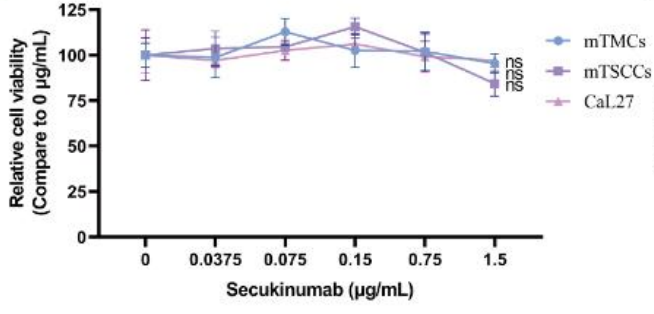
The growth curve showed Secukinumab (IL-17a inhibitor, 0.0375-1.5 μg/mL; 48 h) had no impact on mouse tongue muscle cells (mTMCs), mouse tongue squamous cell carcinoma (mTSCC) cells and CaL27 cells proliferation.
Secukinumab (Anti-Human IL-17A) purchased from MedChemExpress. Usage Cited in: Nat Commun. 2025 Jul 22;16(1):6753. [Abstract]
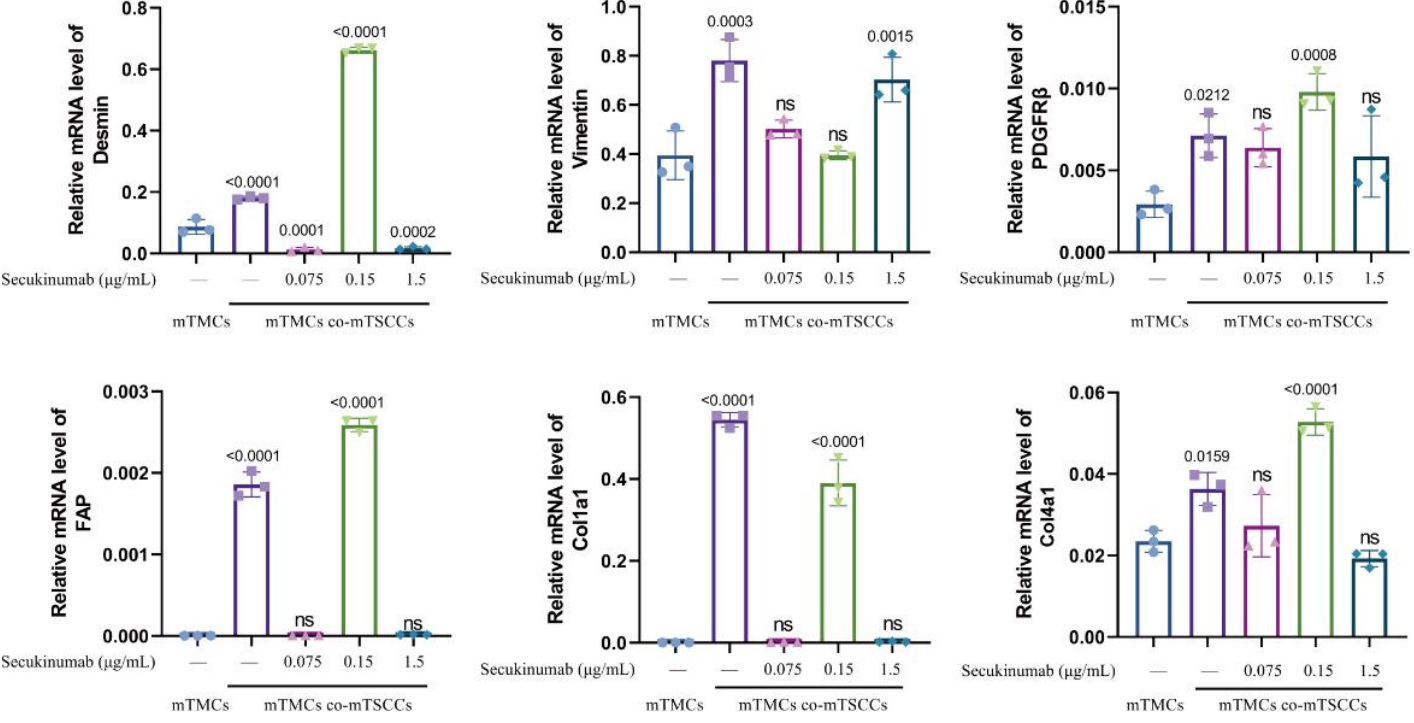
Detecting the mRNA level of Desmin for skeletal marker, Col1a1, PDGFRβ, Vimentin and fibroblast activated protein (FAP) for CAFs marker by qRT-PCR to determine the optimal concentration of Secukinumab (0.075-1.5 μg/mL; 48 h) treated.
Secukinumab (Anti-Human IL-17A) purchased from MedChemExpress. Usage Cited in: Nat Commun. 2025 Jul 22;16(1):6753. [Abstract]
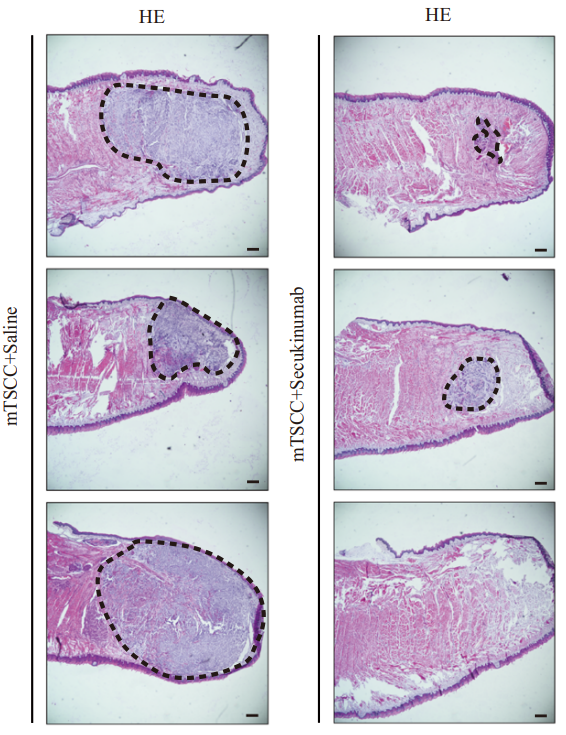
Representative H&E staining displayed the tumor size in saline-treated TSCC (n = 3 mice/group) and Secukinumab (10 mg/kg; i.p.; once weekly for 5 weeks)-treated TSCC (n = 3 mice/group, left panel). The tumor boundary is marked by black dashed lines. Scale bar = 100 μm. The results showed that Secukinumab significantly impeded tumor growth, resulting in markedly smaller tumor volumes.
-
-
Int J Biol Macromol
Hemin activates interleukin-17 signaling and CCAAT/enhancer-binding protein beta to promote neuroinflammation and blood-brain barrier disruption. [Abstract]2026 May 8:152476. PMID: 42107562 -
J Invest Dermatol
MRGPRX2-Mediated Mast Cell Activation Promotes Malignant Progression of Cutaneous Squamous Cell Carcinoma through IL-17A Release. [Abstract]2025 Nov 4:S0022-202X(25)03517-1. PMID: 41197765 -
Int Immunopharmacol
CARD9 promotes cholangiocarcinoma by regulating the IL-17A/Hedgehog and the THEM4/AKT/mTOR signaling pathways. [Abstract]2024 Oct 16;143(Pt 2):113399. PMID: 39418733 -
Toxics
Mechanistic Studies on the Role of IL-17/NLRP3 in Arsenic-Induced Activation of Hepatic Stellate Cells Through Hepatocyte Proptosis. [Abstract]2025 Apr 9;13(4):287. PMID: 40278603 -
Eur J Med Res
Polyethylene glycol loxenatide reduces NETosis and immunofluorescence hyperactivation in Behçet's disease. [Abstract]2025 Nov 26;30(1):1187. PMID: 41299760 -
Cell Signal
Paeoniflorin-6'-O-benzene sulfonate inhibits keratinocyte proliferation by restoring GRK2-JAK1 colocalization in mouse model of psoriasis. [Abstract]2025 Jul:131:111706. PMID: 40037425 -
Clin Cosmet Investig Dermatol
Exploration of Targets Potentially Linked to IL-17A Inhibitor Response in Psoriasis Using Machine Learning. [Abstract]2025 Dec 25:18:3589-3603. PMID: 41473417 -
Biochem Biophys Res Commun
KIF20A promotes triple-negative breast cancer progression via activation of the IL-17 signaling pathway. [Abstract]2025 Jul 12:770:152031. PMID: 40393105
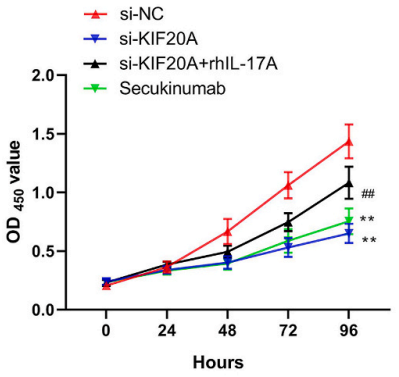
Secukinumab (Anti-Human IL-17A) purchased from MedChemExpress. Usage Cited in: Biochem Biophys Res Commun. 2025 Jul 12:770:152031. [Abstract]
CCK-8 assay for cell viability in MDA-MB-231 cells treated with si-NC, si-KIF20A, si-KIF20A + rhIL-17A (100 μg/L), or Secukinumab (10 μg/mL). RhIL-17A treatment rescued cell viability in si-KIF20A cells, while Secukinumab alone significantly reduced viability compared to si-NC.
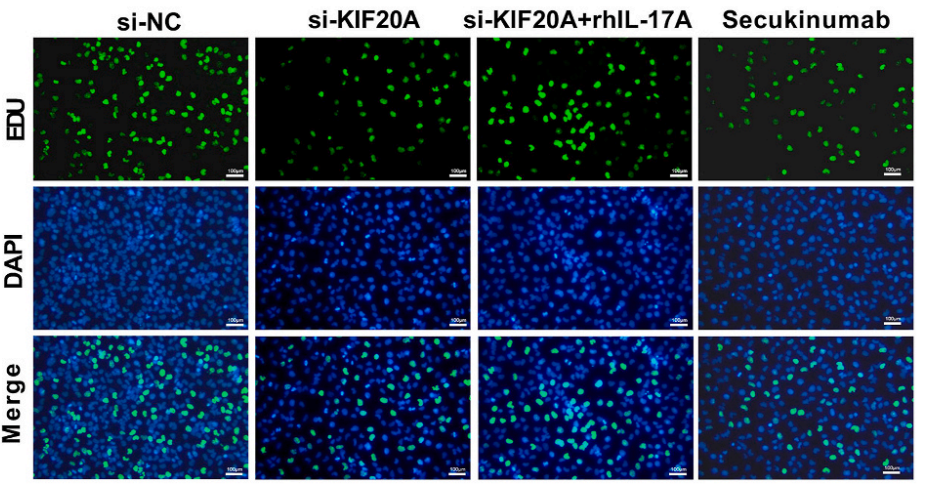
Secukinumab (Anti-Human IL-17A) purchased from MedChemExpress. Usage Cited in: Biochem Biophys Res Commun. 2025 Jul 12:770:152031. [Abstract]
The proliferation level of MDA-MB-231 cells was determined by the Edu staining assay (scale bars = 100 μm). RhIL-17A restored EdU-positive cell numbers in si-KIF20A cells, whereas Secukinumab (10 μg/mL; 24 h) decreased proliferation.
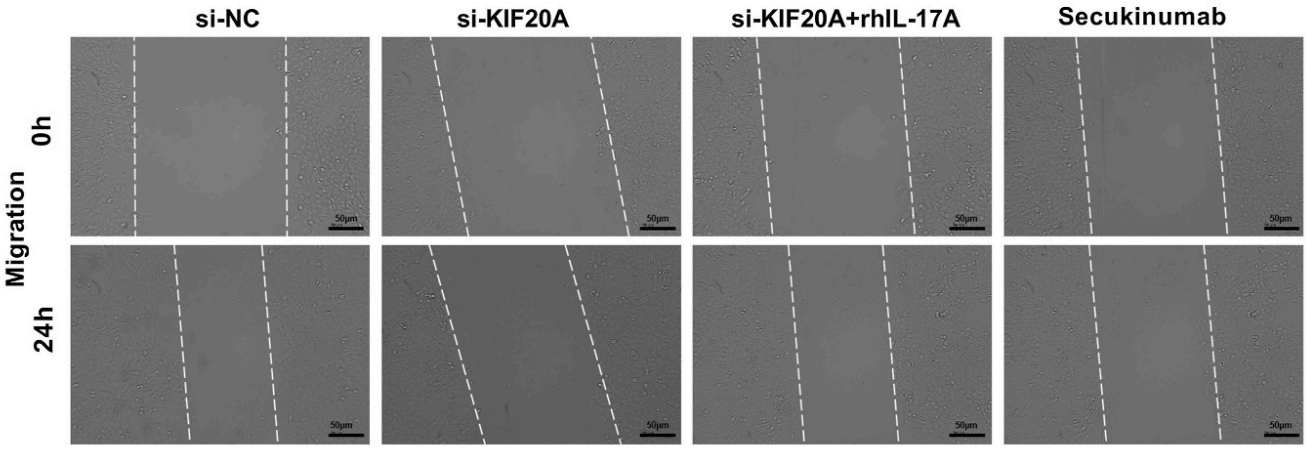
Secukinumab (Anti-Human IL-17A) purchased from MedChemExpress. Usage Cited in: Biochem Biophys Res Commun. 2025 Jul 12:770:152031. [Abstract]
The migration of MDA-MB-231 cells was detected by wound healing assay (scale bars = 50 μm). si-KIF20A + rhIL-17A exhibited increased wound closure compared to si-KIF20A, while Secukinumab (10 μg/mL; 24 h)-treated cells showed reduced migration.
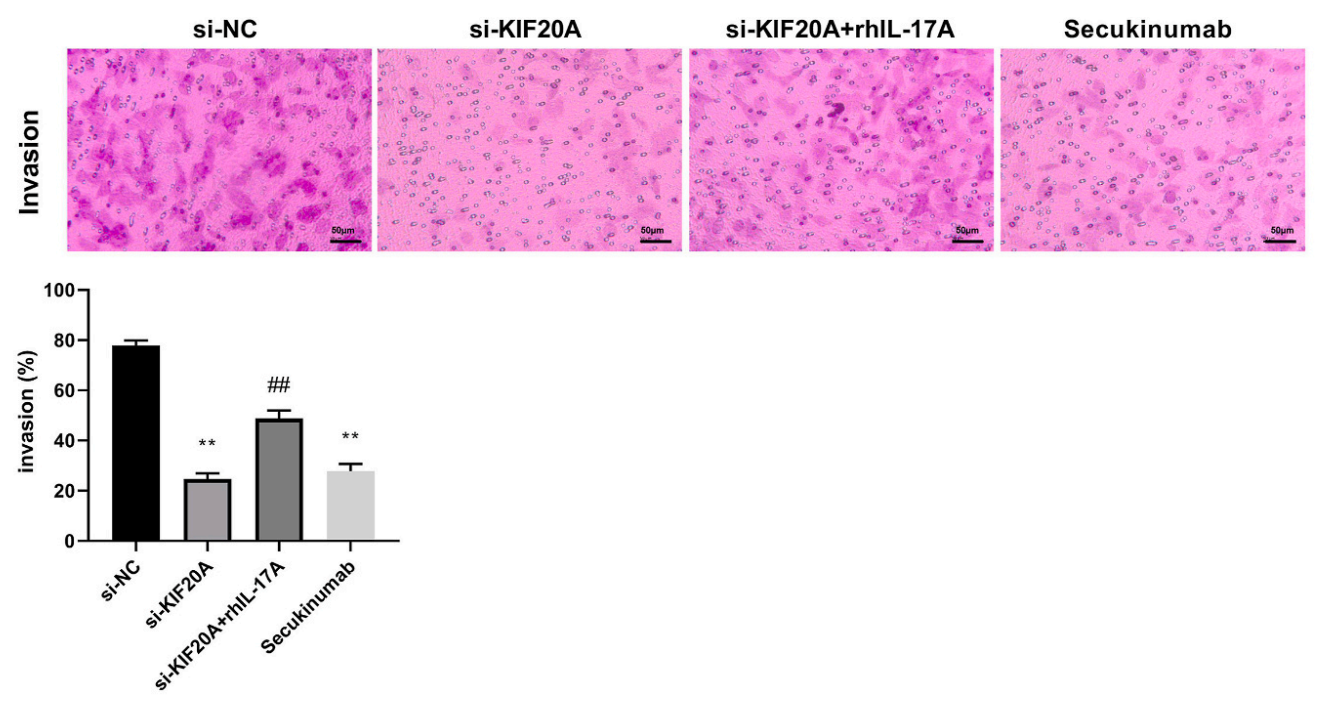
Secukinumab (Anti-Human IL-17A) purchased from MedChemExpress. Usage Cited in: Biochem Biophys Res Commun. 2025 Jul 12:770:152031. [Abstract]
Transwell invasion assay (scale bars = 50 μm). RhIL-17A reversed the si-KIF20A-mediated reduction in invasive cells, and Secukinumab (10 μg/mL; 24 h) alone suppressed invasion similarly to si-KIF20A.
-

Protocols
-
Imiquimod-Induced Psoriasiform Dermatitis
Imiquimod (IMQ)-induced psoriasiform dermatitis is a widely used murine model in which topical application of IMQ, a Toll-like receptor 7 (TLR7) agonist, triggers innate immune activation in the skin and induces a psoriasis-like inflammatory cascade characterized by epidermal hyperplasia, immune cell infiltration, and cytokine production dominated by the IL-23/IL-17 axis. This inflammatory response is mediated through activation of dendritic cells and downstream induction of IL-23, IL-17A, IL-22, and related pro-inflammatory mediators, recapitulating key features of human plaque psoriasis and enabling mechanistic and therapeutic studies. The model is commonly induced using Aldara (5% IMQ cream) applied topically to murine skin, resulting in rapid onset of erythema, scaling, and thickening that can be quantified as disease severity indices and validated histologically.


Purity & Documentation
-
Data Sheet (260 KB)
-
SDS (251 KB)
- English - EN (251 KB)
- Français - FR (251 KB)
- Deutsch - DE (251 KB)
- Norwegian - NO (251 KB)
- Español - ES (251 KB)
- Swedish - SV (251 KB)
- Italian - IT (251 KB)
- Korean - KR (251 KB)
- Portuguese - PT (251 KB)
-
Inhibitory Antibodies User Guide (603 KB)
References

Calculators
Concentration (start) × Volume (start) = Concentration (final) × Volume (final)


Secukinumab (Anti-Human IL-17A) Related Classifications
HY-P9927A Related Classifications
 Powered by Bioz