



Azoxymethane
Based on 19 publication(s) in Google Scholar
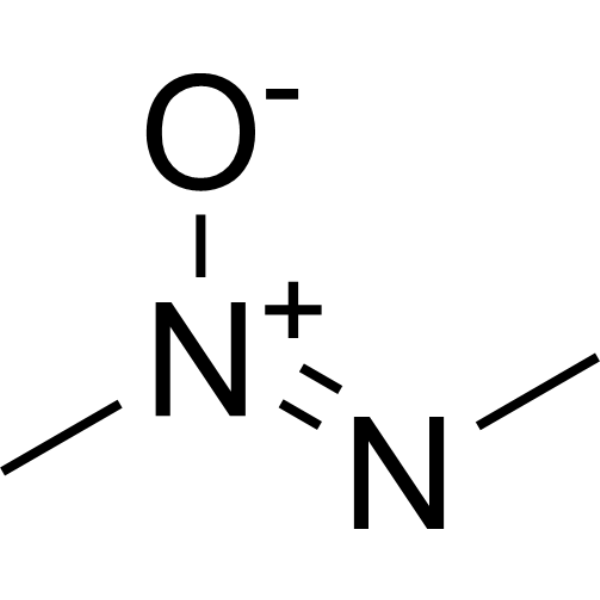
Azoxymethane (AOM) is a colon carcinogen which leads to the formation of DNA adducts. Azomethane is a procarcinogen that requires metabolic activation via cytochrome P450 (P450) enzymes (primarily CYP2E1).
For research use only. We do not sell to patients.
- Purity : 99.45%
- CAS No.: 25843-45-2
- Formula: C2H6N2O
- Molecular Weight:74.08
-
Storage:
Solution, -20°C, 2 years

To place orders, for customer services and technical support, please contact: MedChemExpress USA
Tel: 609-228-6898 E-mail: [email protected] [email protected]


-
 Biological Activity
-
Chemical Information
-
Solvent & Solubility
- Purity & Documentation
- References
-
 Help & FAQs


-

HY-E0264
Rodent Gnawing BlocksRodent Gnawing Block -
HY-17420A
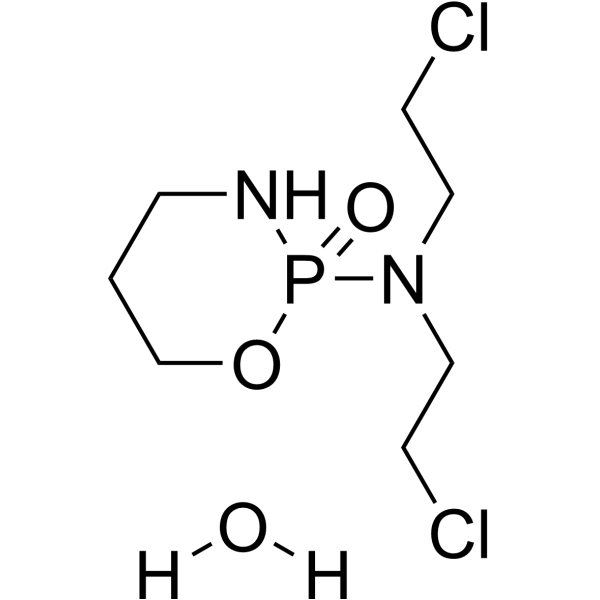
Cyclophosphamide hydrateAlkylating Agent -
HY-116282C
Dextran sulfate sodium salt (MW 35000-45000)Colitis Inducer -
HY-128612
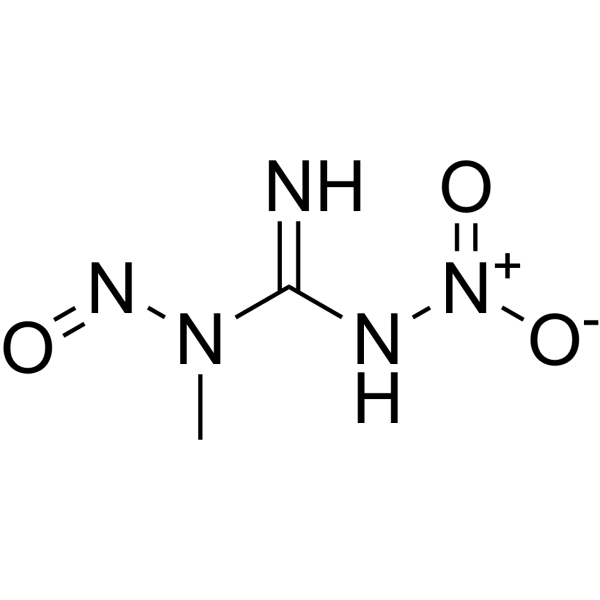
MethylnitronitrosoguanidineAlkylating Agent -
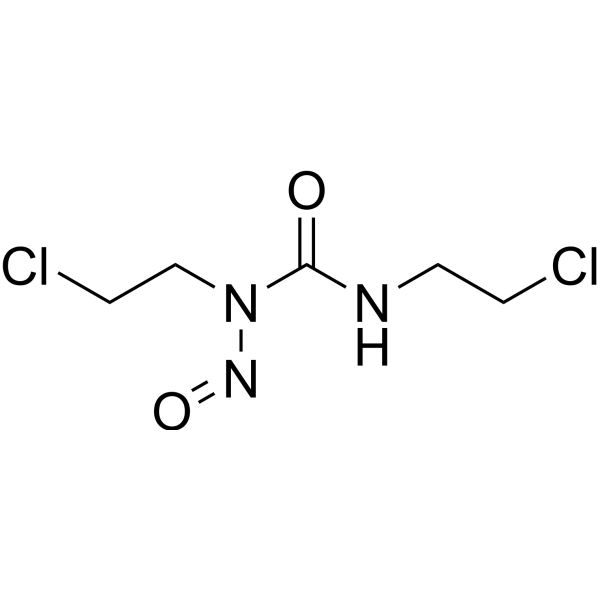
HY-13585
CarmustineDNA/RNA Alkylator -
HY-116282
Dextran sulfate sodium salt (MW 5000)Complement Inhibitor -

HY-17420AR
Cyclophosphamide hydrate (Standard)Alkylating Agent -
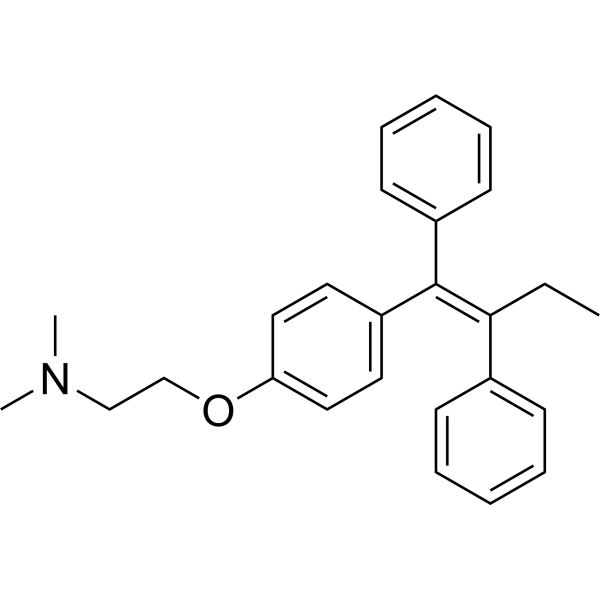
HY-13757A
TamoxifenEstrogen Receptor Modulator -
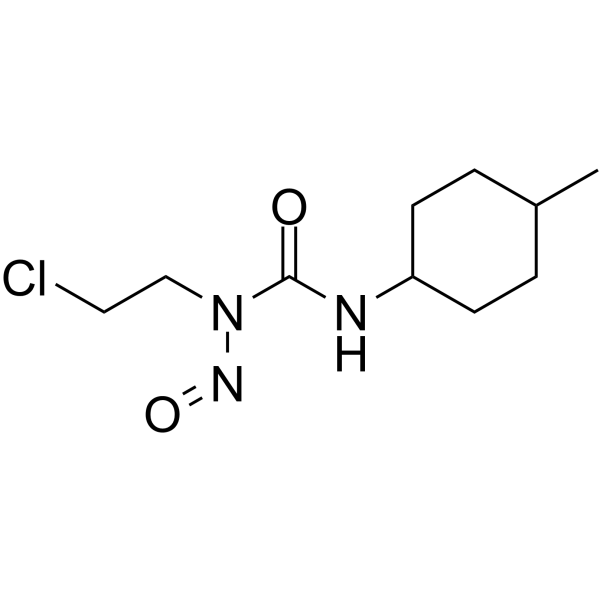
HY-13747
SemustineAntitumor Alkylating Agent -
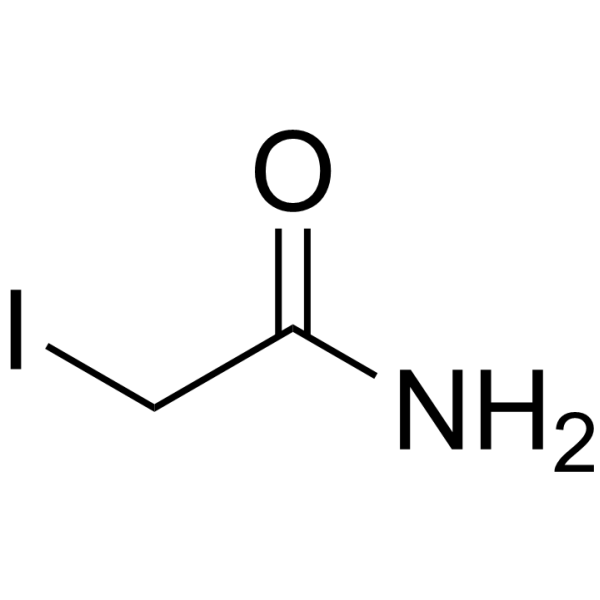
HY-34477
2-IodoacetamideAlkylating Agent -
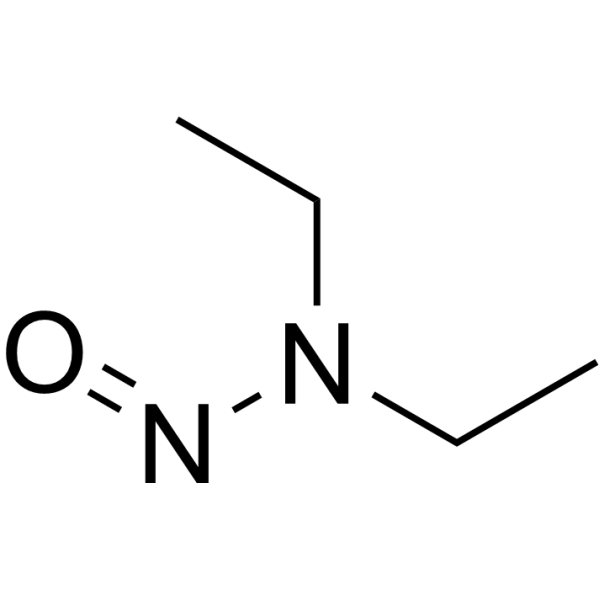
HY-N7434
N-NitrosodiethylamineDNA Repair/Replicase Modulator -
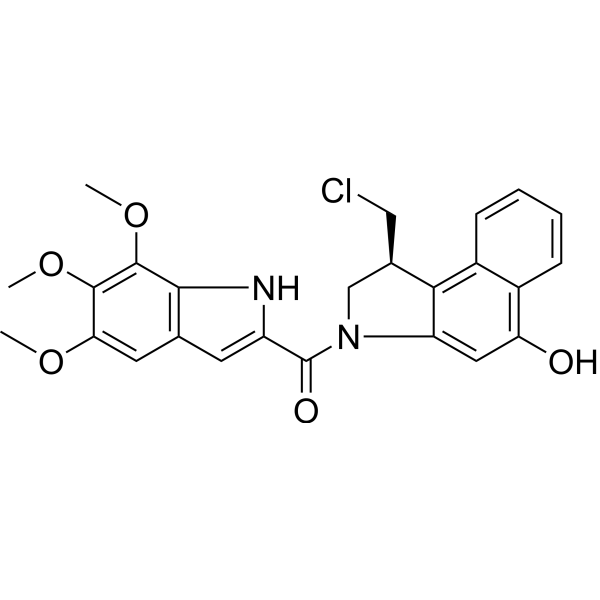
HY-107769
Duocarmycin TMDNA Alkylator
Publications Citing Use of MedChemExpress (MCE) Azoxymethane
More- Cancer Commun (Lond). 2025 Oct 16. [Abstract]
- Nat Chem Biol. 2025 Jan;21(1):59-70. [Abstract]
- Adv Sci (Weinh). 2025 Jul;12(27):e2500271. [Abstract]
- Int J Biol Sci. 2026 Jul 20;22(12):6752-6766.
- Cell Commun Signal. 2026 Mar 23;24(1):259. [Abstract]
- Phytomedicine. 2024 Jan:122:155095. [Abstract]
- EBioMedicine. 2020 Nov:61:103068. [Abstract]
- J Transl Med. 2024 Nov 15;22(1):1028. [Abstract]
- Free Radic Biol Med. 2021 Aug 20:172:312-329. [Abstract]
- Clin Transl Med. 2024 Jan;14(1):e1535. [Abstract]
- Int Immunopharmacol. 2024 Jun 30:135:112262. [Abstract]
- Int Immunopharmacol. 2024 Jan 5:126:111188. [Abstract]
- Probiotics Antimicrob Proteins. 2025 Nov 26. [Abstract]
- mSystems. 2025 Feb 18;10(2):e0156724. [Abstract]
- Sci Rep. 2024 Aug 5;14(1):18094. [Abstract]
- Front Biosci (Landmark Ed). 2026 Jul 27;31(7):52075. [Abstract]
- J Radiat Res Appl Sci. December 2022, 100470.
- Biochem Biophys Res Commun. 2025 Sep 8:778:152396. [Abstract]
- Asia Pac J Clin Oncol. 2023 Oct;19(5):e248-e257. [Abstract]
 Customer Validation & Images

-
Histological Imaging/Staining
-
Histological Imaging/Staining
-
IHC
-
IHC
-
Bio/Physico-chemical Assay


Biological Activity
Description
In Vitro
Azoxymethane is a colon carcinogen which leads to the formation of DNA adducts. On an equal protein basis, hepatic microsomes are much more active than SI and colon microsomes in NADPH-dependent Azoxymethane bioactivation and N7-mG adduct formation. Hepatic microsomes show the highest activity in the hydroxylation of Azoxymethane, followed by SI and colon microsomes[1].
MedChemExpress (MCE) has not independently confirmed the accuracy of these methods. They are for reference only.
Induced Disease Models
Please do not refer to only one article to determine the experimental conditions. It is recommended to determine the optimal experimental conditions (animal strain, age, dosage, frequency and cycle, detection time and indicators, etc.) through preliminary experiments before the formal experiment.
Azoxymethane can be used to induce colorectal cancer models.
Administration: 10 mg/kg• i.p.• weekly for 6 weeks;
2.Mice: A/J mice • male • 20 to 25 g[3]
Administration: 5 mg/kg• i.p.• weekly for 6 weeks;
3. Mice: C57BL/6J mice • male • 8 to 10-week-old[4]
Administration: 10 mg/kg • i.p. • single does on day 0; On day 1, replace the drinking water with 2.5% DSS (HY-116282C) solution for 7 days. On day 8, change the 2.5% DSS solution to normal water for another 10 days. On day 18, replace the drinking water with 2.5% DSS solution for 7 days. On day 25, change the 2.5% DSS solution to normal water for another 10 days. On day 35, replace the drinking water with 2.5% DSS solution for 7 days. On day 42, change the 2.5% DSS solution to normal water until the mice are euthanized. Day 105-119 is a window phase to euthanize mice.
Cellular/tissue level: Induced hyperproliferation and microadenoma formation, Increased the cyclin D1 and COX-2 expression.
Molecular changes: Increased the protein expression of pro-TGF-α, pEGFR, pErbB2, pERK, induces K-ras mutations; The level of 6-MeG is elevated in the distal colon tissue.
Histology analysis: Tissue damage, inflammatory cell infiltration in the lamina propria, and an increased number of tumors were observed.
MedChemExpress (MCE) has not independently confirmed the accuracy of these methods. They are for reference only.
Clinical Trial
| NCT Number | Sponsor | Condition | Start Date |
Phase

|
|---|---|---|---|---|
| NCT01329991 | 2011-05 | PHASE1 |


Chemical Information
-
CAS No. 25843-45-2
-
Appearance Liquid
-
Molecular Weight 74.08
-
Formula C2H6N2O
-
Color Colorless to light yellow
-
SMILES
C/[N+]([O-])=N/C
-
Synonyms
AOM
-
Shipping
Room temperature in continental US; may vary elsewhere.
-
Storage
Solution, -20°C, 2 years


Publications (19)
-
Journal Impact Factor
-
Most Recent
-
Cancer Commun (Lond)
RNA m1A methyltransferase TRMT61A promotes colorectal tumorigenesis by enhancing ONECUT2 mRNA stability and is a potential therapeutic target. [Abstract]2025 Oct 16. PMID: 41103012 -
Nat Chem Biol
2025 Jan;21(1):59-70. PMID: 39039255 -
Adv Sci (Weinh)
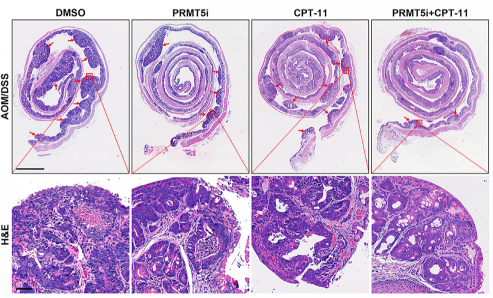
PRMT5 Inhibitor Synergizes with Chemotherapy to Induce Resembling Mismatch Repair Deficiency and Enhance Anti-TIGIT Therapy in Microsatellite-Stable Colorectal Cancer. [Abstract]2025 Jul;12(27):e2500271. PMID: 40344511
Azoxymethane purchased from MedChemExpress. Usage Cited in: Adv Sci (Weinh). 2025 Jul;12(27):e2500271. [Abstract]
H&E staining in AOM (10 mg/kg; sc; Seven days later, 2.5% dextran sulfate sodium, was administered in the drinking water for 7 days, followed by 2 weeks of regular drinking water, This DSS treatment cycle was repeated twice for a total of three cycles)/DSS‐induced tumor‐bearing mice treated with DMSO, PRMT5i (40 mg kg−1), CPT‐11 (40 mg kg−1), or PRMT5i + CPT‐11.
-
-
Cell Commun Signal
Atorvastatin promotes lipid catabolism in colorectal cancer via FDFT1‒mediated inhibition of the PI3K/AKT pathway. [Abstract]2026 Mar 23;24(1):259. PMID: 41866501 -
Phytomedicine
Ochratoxin A promotes chronic enteritis and early colorectal cancer progression by targeting Rinck signaling. [Abstract]2024 Jan:122:155095. PMID: 37844381 -
EBioMedicine
2020 Nov:61:103068. PMID: 33099085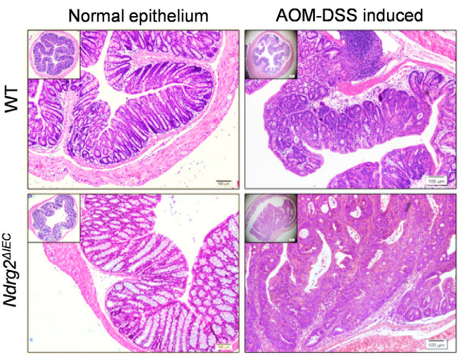
Azoxymethane purchased from MedChemExpress. Usage Cited in: EBioMedicine. 2020 Nov:61:103068. [Abstract]
HE staining of normal epithelium and AOM-DSS (a single dose of AOM (12 mg/kg); ip; fter 3 days, 2% DSS dissolved in the drinking water was administered for 6 days, followed by 15 days of regular drinking water) induced colorectal carcinoma in WT and Ndrg2DIEC mice. Representative images from WT (n=24) and Ndrg2DIEC (n=26) mice.
-
J Transl Med
Gut microbial and metabolomics profiles reveal the potential mechanism of fecal microbiota transplantation in modulating the progression of colitis-associated colorectal cancer in mice. [Abstract]2024 Nov 15;22(1):1028. PMID: 39548468 -
Free Radic Biol Med
Pharmacological inhibition of MELK restricts ferroptosis and the inflammatory response in colitis and colitis-propelled carcinogenesis. [Abstract]2021 Aug 20:172:312-329. PMID: 34144192
Azoxymethane purchased from MedChemExpress. Usage Cited in: Free Radic Biol Med. 2021 Aug 20:172:312-329. [Abstract]
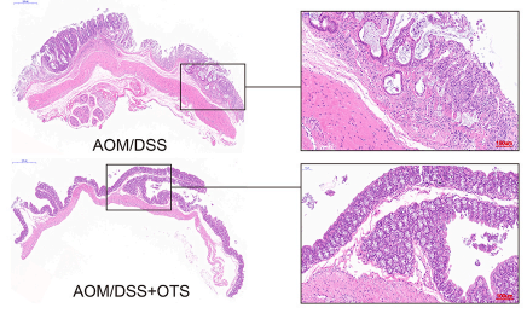
Immunohistochemical staining showing the histological changes in colon tissues upon OTSSP167 treatment in AOM/DSS (injected intraperitoneally with 10 mg/kg AOM on day 0, and then, on the 7th day after the administration of AOM, the mice were provided water containing 2.5% DSS for three cycles. Each cycle lasted for 5 days, followed by the administration of normal water for 14 days. )-induced CRC mice.
Azoxymethane purchased from MedChemExpress. Usage Cited in: Free Radic Biol Med. 2021 Aug 20:172:312-329. [Abstract]
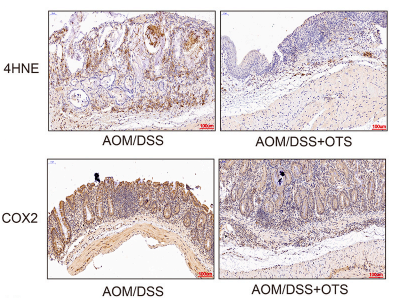
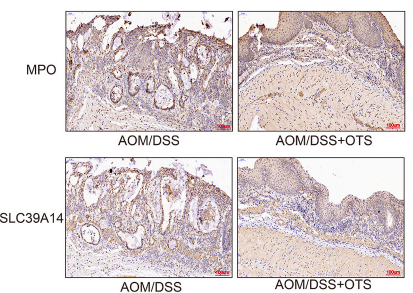
Immunohistochemistry revealed the expression of ferroptosis related indicators, including 4HNE and MPO treated in AOM/DSS (injected intraperitoneally with 10 mg/kg AOM on day 0, and then, on the 7th day after the administration of AOM, the mice were provided water containing 2.5% DSS for three cycles. Each cycle lasted for 5 days, followed by the administration of normal water for 14 days. )-induced CRC mice
Azoxymethane purchased from MedChemExpress. Usage Cited in: Free Radic Biol Med. 2021 Aug 20:172:312-329. [Abstract]
Differences in the expression of COX2 and SLC39A14 in colon tissues treated with or without OTSSP167 in AOM/DSS (injected intraperitoneally with 10 mg/kg AOM on day 0, and then, on the 7th day after the administration of AOM, the mice were provided water containing 2.5% DSS for three cycles. Each cycle lasted for 5 days, followed by the administration of normal water for 14 days. )-induced CRC mice.
Azoxymethane purchased from MedChemExpress. Usage Cited in: Free Radic Biol Med. 2021 Aug 20:172:312-329. [Abstract]
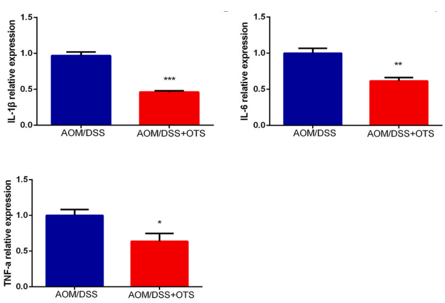
Changes in the secretion of proinflammatory factors, including IL-1β, IL-6 and TNF-α , induced by the OTSSP167 treatment in AOM/DSS (injected intraperitoneally with 10 mg/kg AOM on day 0, and then, on the 7th day after the administration of AOM, the mice were provided water containing 2.5% DSS for three cycles. Each cycle lasted for 5 days, followed by the administration of normal water for 14 days. )-induced CRC mice.
-
Clin Transl Med
Single-cell landscape of the cellular microenvironment in three different colonic polyp subtypes in children. [Abstract]2024 Jan;14(1):e1535. PMID: 38264936 -
Int Immunopharmacol
The Glabridin from Huangqin Decoction Prevents the Development of Ulcerative Colitis into Colitis-Associated Colorectal Cancer by Modulating MMP1/MMP3 Activity. [Abstract]2024 Jun 30:135:112262. PMID: 38805906 -
Int Immunopharmacol
Arabinose confers protection against intestinal injury by improving integrity of intestinal mucosal barrier. [Abstract]2024 Jan 5:126:111188. PMID: 37995573 -
Probiotics Antimicrob Proteins
Potential Benefits of Metformin Via Roseburia Intestinalis in High-fat Diet-fed Mice With Colorectal Adenomas. [Abstract]2025 Nov 26. PMID: 41296177 -
mSystems
The combination of Clostridium butyricum and Akkermansia muciniphila mitigates DSS-induced colitis and attenuates colitis-associated tumorigenesis by modulating gut microbiota and reducing CD8+ T cells in mice. [Abstract]2025 Feb 18;10(2):e0156724. PMID: 39840995 -
Sci Rep
Identifying polyamine related biomarkers in diagnosis and treatment of ulcerative colitis by integrating bulk and single-cell sequencing data. [Abstract]2024 Aug 5;14(1):18094. PMID: 39103474 -
Front Biosci (Landmark Ed)
Lachnospiraceae and Its Metabolite Malate Act in Concert to Repair Gut Microbiota Imbalance and Block Colorectal Cancer Progression. [Abstract]2026 Jul 27;31(7):52075. PMID: 42530244 -
-
Biochem Biophys Res Commun
2025 Sep 8:778:152396. PMID: 40706248 -
Asia Pac J Clin Oncol
Polysaccharide of Lactobacillus casei SB27 reduced colon cancer cell prognosis through mitochondrial damage by upregulation of HINT2. [Abstract]2023 Oct;19(5):e248-e257. PMID: 36271660


Solvent & Solubility
In Vitro:
H2O : 138.89 mg/mL (1874.87 mM; Need ultrasonic)


Purity & Documentation
-
Data Sheet (291 KB)
-
SDS (795 KB)
- English - EN (795 KB)
- Français - FR (795 KB)
- Deutsch - DE (795 KB)
- Norwegian - NO (795 KB)
- Español - ES (795 KB)
- Swedish - SV (795 KB)
- Italian - IT (795 KB)
- Korean - KR (795 KB)
- Portuguese - PT (795 KB)
-
Handling Instructions (2659 KB)
References
[1]. Megaraj V, et al. Role of hepatic and intestinal p450 enzymes in the metabolic activation of the colon carcinogen azoxymethane in mice. Chem Res Toxicol. 2014 Apr 21;27(4):656-62. [Content Brief]
[2]. Whetstone RD, et al. Colon carcinogenesis in wild type and immune compromised mice after treatment with azoxymethane, and azoxymethane with dextran sodium sulfate. Mol Carcinog. 2016 Jul;55(7):1187-95. [Content Brief]
[3]. Fichera A, et al. Epidermal growth factor receptor signaling is required for microadenoma formation in the mouse azoxymethane model of colonic carcinogenesis. Cancer Res. 2007 Jan 15;67(2):827-35. [Content Brief]
[4]. Sun W, et al. Protocol for colitis-associated colorectal cancer murine model induced by AOM and DSS. STAR Protoc. 2023 Mar 17;4(1):102105. [Content Brief]

Calculators
Concentration (start) × Volume (start) = Concentration (final) × Volume (final)


Complete Stock Solution Preparation Table
Please refer to the solubility information to select the appropriate solvent. Once prepared, please aliquot and store the solution to prevent product inactivation from repeated freeze-thaw cycles.
Storage method and period of stock solution: -80°C, 6 months; -20°C, 1 month. When stored at -80°C, please use it within 6 months. When stored at -20°C, please use it within 1 month.
| Optional Solvent | Concentration Solvent Mass | 1 mg | 5 mg | 10 mg | 25 mg |
|---|---|---|---|---|---|
| H2O | 1 mM | 13.4989 mL | 67.4946 mL | 134.9892 mL | 337.4730 mL |
| 5 mM | 2.6998 mL | 13.4989 mL | 26.9978 mL | 67.4946 mL | |
| 10 mM | 1.3499 mL | 6.7495 mL | 13.4989 mL | 33.7473 mL | |
| 15 mM | 0.8999 mL | 4.4996 mL | 8.9993 mL | 22.4982 mL | |
| 20 mM | 0.6749 mL | 3.3747 mL | 6.7495 mL | 16.8736 mL | |
| 25 mM | 0.5400 mL | 2.6998 mL | 5.3996 mL | 13.4989 mL | |
| 30 mM | 0.4500 mL | 2.2498 mL | 4.4996 mL | 11.2491 mL | |
| 40 mM | 0.3375 mL | 1.6874 mL | 3.3747 mL | 8.4368 mL | |
| 50 mM | 0.2700 mL | 1.3499 mL | 2.6998 mL | 6.7495 mL | |
| 60 mM | 0.2250 mL | 1.1249 mL | 2.2498 mL | 5.6245 mL | |
| 80 mM | 0.1687 mL | 0.8437 mL | 1.6874 mL | 4.2184 mL | |
| 100 mM | 0.1350 mL | 0.6749 mL | 1.3499 mL | 3.3747 mL |
* Note: If you choose water as the stock solution, please dilute it to the working solution, then filter and sterilize it with a 0.22 μm filter before use.


Azoxymethane Related Classifications
HY-111375 Related Classifications
 Powered by Bioz