



Rolofylline (Standard)
Rolofylline (Standard) is the analytical standard of Rolofylline. This product is intended for research and analytical applications. Rolofylline (KW-3902) is a potent, selective adenosine A1 receptor antagonist that is under development for the treatment of patients with acute congestive heart failure and renal impairment. Rolofylline is metabolized primarily to the pharmacologically active M1-trans and M1-cis metabolites by cytochrome P450 (CYP450). Rolofylline is alleviating the presynaptic dysfunction and restores neuronal activity as well as dendritic spine levels in vitro, is an interesting candidate to combat the hypometabolism and neuronal dysfunction associated with Tau-induced neurodegenerative diseases.
Nos produits utilisent uniquement pour la recherche. Nous ne vendons pas aux patients.
- Pureté : 98%
- CAS No.: 136199-02-5
- Formule: C20H28N4O2
- Masse moléculaire:356.46
-
Stockage:
Please store the product under the recommended conditions in the Certificate of Analysis.


To place orders, for customer services and technical support, please contact: MedChemExpress USA
Tel: 609-228-6898 E-mail: [email protected] [email protected]


-
 Product Information
-
Chemical Information
- Pureté et documentation
-
 Help & FAQs


-
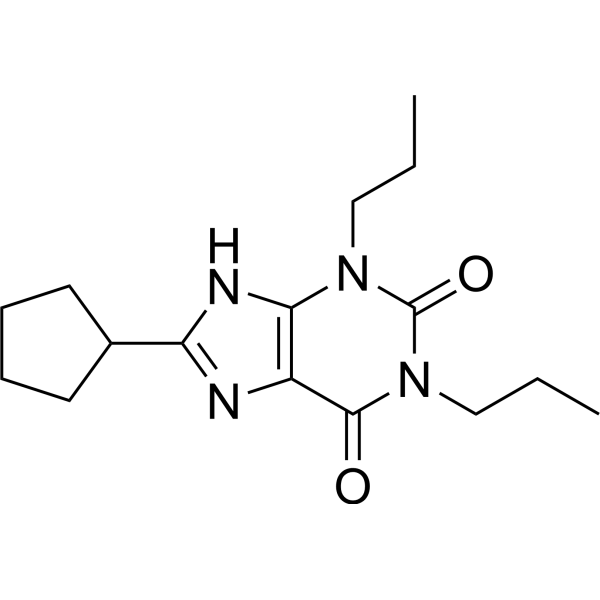
HY-100937
DPCPXA1 Receptor Antagonist -
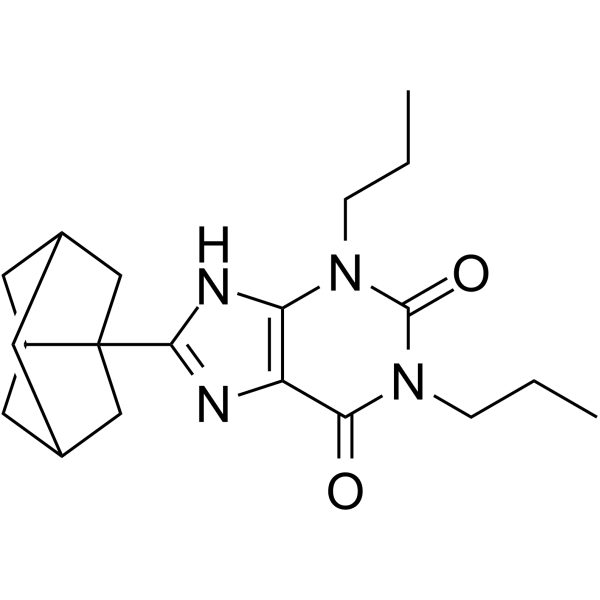
HY-10965
RolofyllineAdenosine A1 Receptor Antagonist -
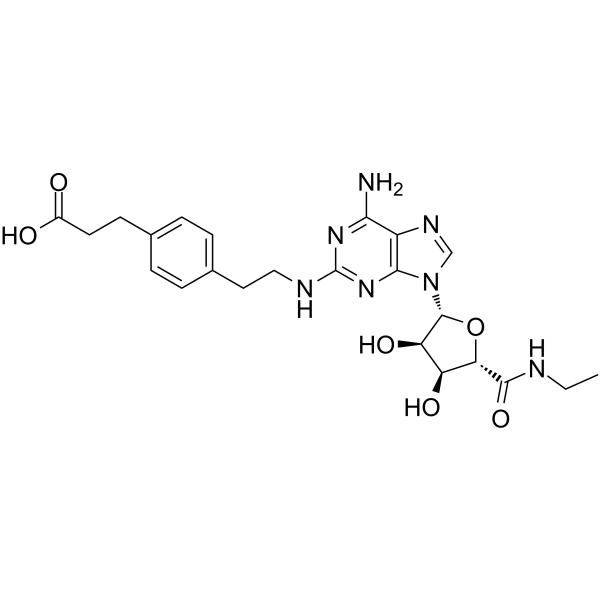
HY-13201
CGS 21680 -
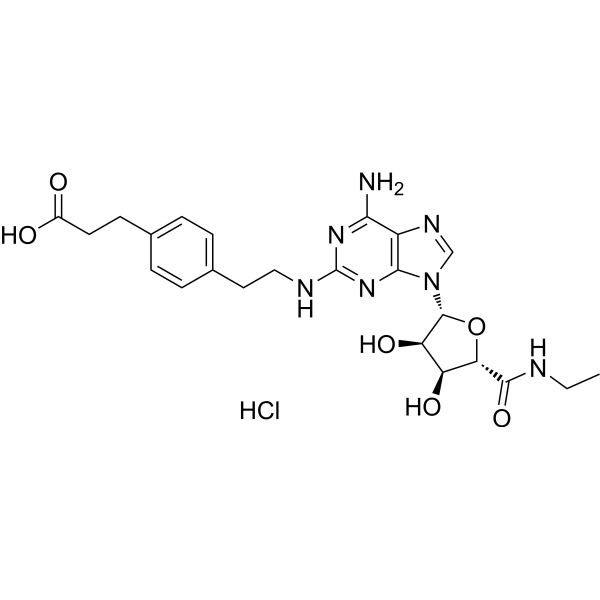
HY-13201A
CGS 21680 HydrochlorideAdenosine A2A Receptor Agonist -
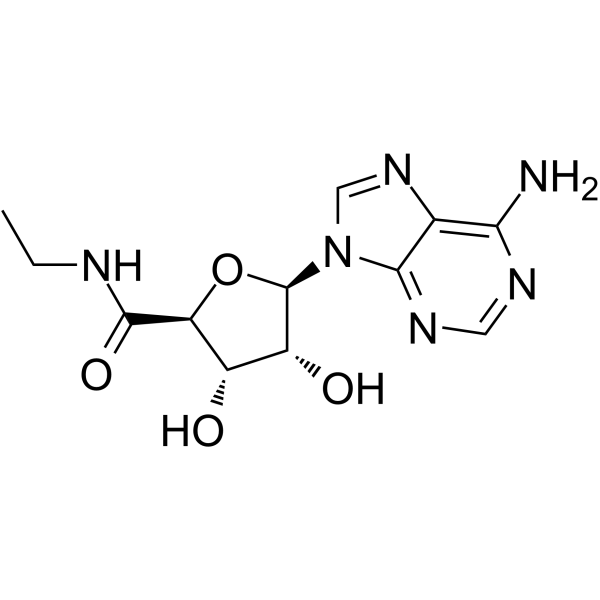
HY-103173
5'-N-EthylcarboxamidoadenosineAdenosine Receptor Agonist -
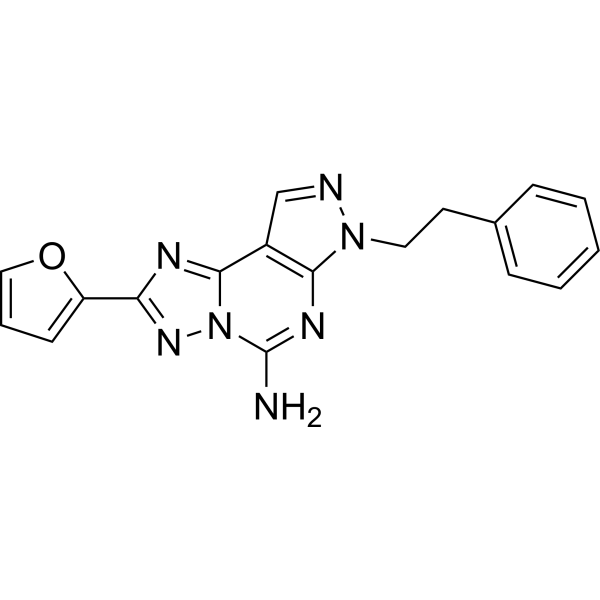
HY-19533
SCH 58261A2A Receptor Antagonist -
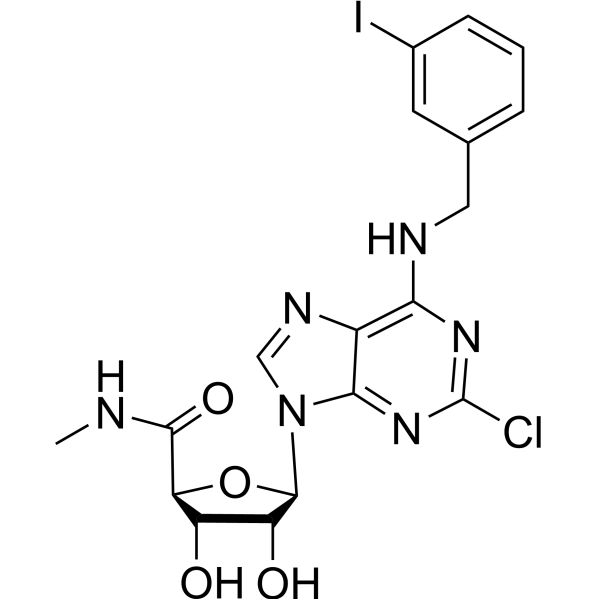
HY-12365
NamodenosonA3AR Agonist -
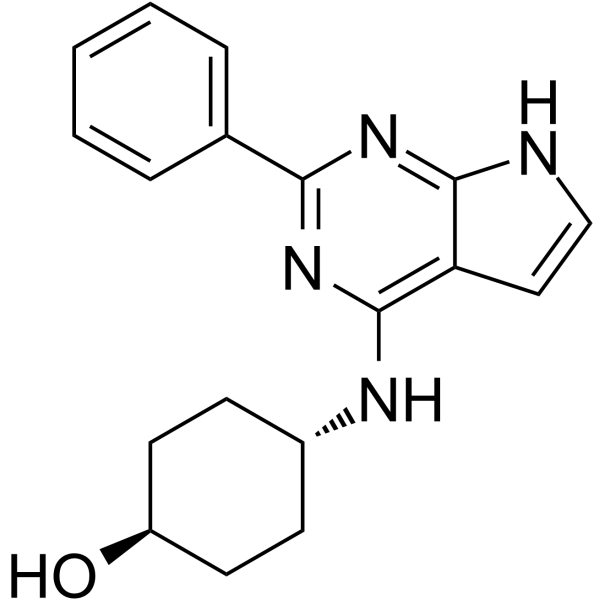
HY-14858
DerenofyllineA1 Receptor Antagonist -
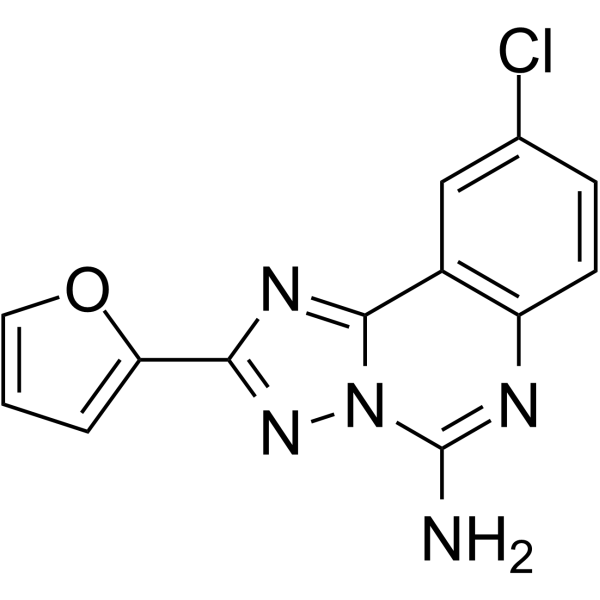
HY-100678
CGS 15943Adenosine Receptor Antagonist -
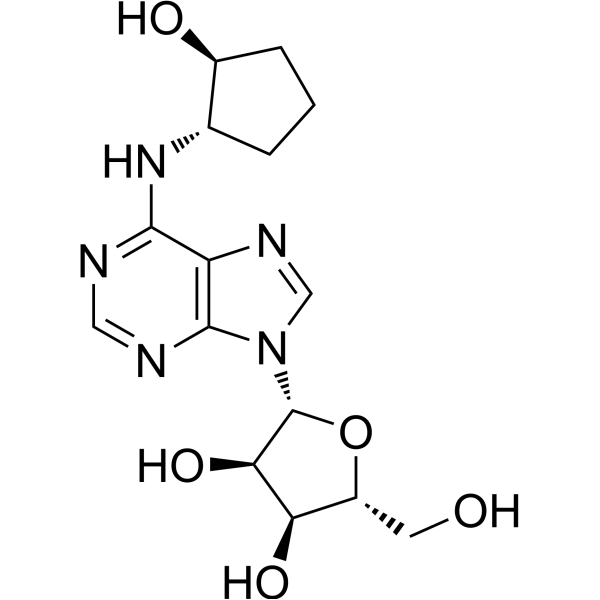
HY-18978
GR79236Adenosine A1 Receptor Agonist -
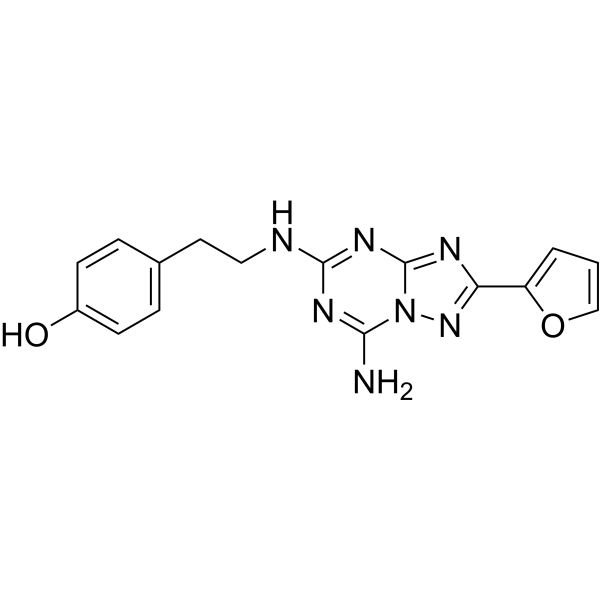
HY-19532
ZM241385A2A Receptor Antagonist -
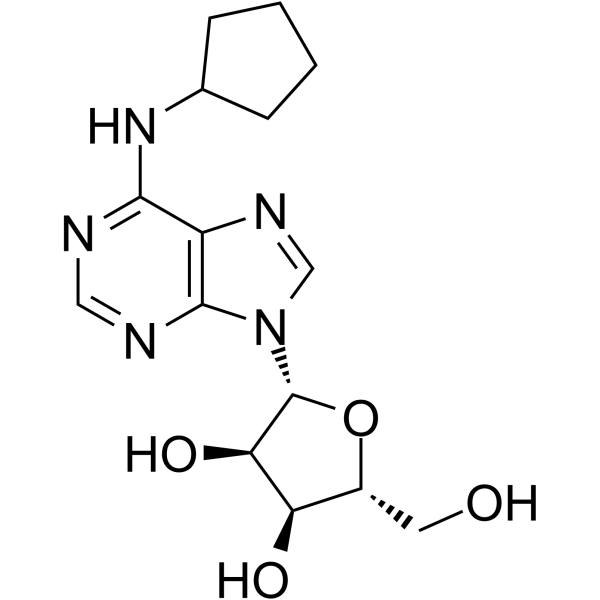
HY-103181
N6-CyclopentyladenosineAdenosine A1 Receptor Agonist


Product Information
Information
Application
The compound is the grade of analytical standard, which is the reference standard supplied assay. It is commonly used in qualitative, quantitative and methodological research experiments in HPLC, GC and MS.


Chemical Information
-
CAS No. 136199-02-5
-
Masse moléculaire 356.46
-
Formule C20H28N4O2
-
SMILES
O=C(N1CCC)N(CCC)C2=C(N=C(C34CC(C5)CC3CC5C4)N2)C1=O
-
Synonyms
KW-3902 (Standard)
-
Livraison
Room temperature in continental US; may vary elsewhere.
-
Stockage
Please store the product under the recommended conditions in the Certificate of Analysis.


Pureté et documentation
Références
[1]. Stroh M, et al. Simultaneous pharmacokinetic model for rolofylline and both M1-trans and M1-cis metabolites. AAPS J. 2013 Apr;15(2):498-504. [Content Brief]
[2]. Dennissen FJ, et al. Adenosine A1 receptor antagonist rolofylline alleviates axonopathy caused by human Tau ΔK280. Proc Natl Acad Sci U S A. 2016 Oct 11;113(41):11597-11602. Epub 2016 Sep 26. [Content Brief]

Calculators
Concentration (start) × Volume (start) = Concentration (final) × Volume (final)


Rolofylline (Standard) Related Classifications
HY-10965R Related Classifications
 Powered by Bioz