LinkedIn
 Researchgate
 Instagram
 X
X Facebook
 WhatsApp
 Reddit
 Mail
MailPROTAC, which exploit the ubiquitin-proteasome pathway to specifically degrade target proteins. PROTACs not only solve the problem of undruggability but they also have other advantages compared to traditional drug targeting strategies.
Articles
All
-
All
-
Scientific Reviews
-
EDM
-
Blog
Most Recent
-
Most Recent
-
Oldest
-
 Scientific Reviews
-
 Scientific Reviews
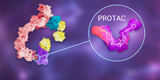
PROTAC — Target Selection and Design
Scientific Reviews
PROTAC — Target Selection and Design2022-07-08
A PROTAC molecule consists of three components: a target protein binding ligand, an E3 ligase ligand, and a linker connecting these two moieties. Here, we will discuss the conventional approaches for the rational design of PROTAC molecules. -
 Scientific Reviews
Organoids represent an important bridge between 2D cultures and in vivo mouse/human models. The organoid technology exerts enormous potential in evaluation of efficacy and toxicity of drugs, regenerative medicine, and precision medicine.In this article, we will briefly introduce organoid technology.
Scientific Reviews
Organoids represent an important bridge between 2D cultures and in vivo mouse/human models. The organoid technology exerts enormous potential in evaluation of efficacy and toxicity of drugs, regenerative medicine, and precision medicine.In this article, we will briefly introduce organoid technology. -
 Scientific Reviews
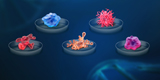
Development of Intestinal Organoid
Scientific Reviews
Development of Intestinal Organoid2022-07-28
3D organoid is one of the revolutionary developments in biomedical field during the past 10 years. The establishment of intestinal organoids is an important milestone in the development of organoid technology. -
 Scientific Reviews
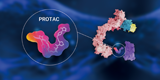
BacPROTACs is composed of a POI ligand, a chemical linker and a ClpCNTD anchor. BacPROTACs can induce in vitro and in vivo degradation of non-eukaryotic proteins in bacteria without the ubiquitin proteasome system.
Scientific Reviews
BacPROTACs is composed of a POI ligand, a chemical linker and a ClpCNTD anchor. BacPROTACs can induce in vitro and in vivo degradation of non-eukaryotic proteins in bacteria without the ubiquitin proteasome system. -
 Scientific Reviews
RNA therapeutics have changed the landscape of drug development, which possess broader spectrum of drug targets, simplicity and efficiency in development and manufacturing.In this article, we will discuss the underlying mechanisms of RNA-based drugs on the market or in clinical stages.
Scientific Reviews
RNA therapeutics have changed the landscape of drug development, which possess broader spectrum of drug targets, simplicity and efficiency in development and manufacturing.In this article, we will discuss the underlying mechanisms of RNA-based drugs on the market or in clinical stages. -
Scientific Reviews
Organoids have great potential in research of organ development, disease modeling, drug screening and, precision and regenerative medicin. In this article, we will expalin the origin of the organoids. Adult stem cells (ASCs) or pluripotent stem cells (PSCs) , which is the better choice.
-
 Scientific Reviews
Autophagy, derived from the Greek meaning "eating of self", plays an indispensable role in maintaining homeostasis. p27 is an inhibitor of cyclin CDKs, but how p27 regulates autophagy remains unknown. This article will cover the mechanism of autophagy and p27-related cell cycle regulation.
Scientific Reviews
Autophagy, derived from the Greek meaning "eating of self", plays an indispensable role in maintaining homeostasis. p27 is an inhibitor of cyclin CDKs, but how p27 regulates autophagy remains unknown. This article will cover the mechanism of autophagy and p27-related cell cycle regulation. -
 Scientific Reviews
AlphaFold2 can predict disease-related protein structures at low cost, and then find potential drugs for these diseases through drug repositioning, virtual screening, and other methods. ZINC is a public database summarizing information about billions of compounds. AlphaFold2 + ZINC20 speeds up the virtual screening process and improves the computing speed.
Scientific Reviews
AlphaFold2 can predict disease-related protein structures at low cost, and then find potential drugs for these diseases through drug repositioning, virtual screening, and other methods. ZINC is a public database summarizing information about billions of compounds. AlphaFold2 + ZINC20 speeds up the virtual screening process and improves the computing speed. -
 Scientific Reviews
CMA (chaperone-mediated autophagy) plays an essential role in maintaining neuronal protein stability and preventing neurodegeneration. In this article, we will comprehensively clarify the role of CMA in the occurrence and development of neurodegenerative diseases.
Scientific Reviews
CMA (chaperone-mediated autophagy) plays an essential role in maintaining neuronal protein stability and preventing neurodegeneration. In this article, we will comprehensively clarify the role of CMA in the occurrence and development of neurodegenerative diseases. -
 Scientific Reviews
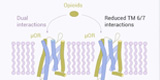
As powerful pain relievers, the opioids morphine and fentanyl have been "checked" by their side effects (listed as controlled substances). How to reduce its side effects? What is its mechanism? This research will explore its mechanism.
Scientific Reviews
As powerful pain relievers, the opioids morphine and fentanyl have been "checked" by their side effects (listed as controlled substances). How to reduce its side effects? What is its mechanism? This research will explore its mechanism. -
 Scientific Reviews
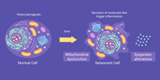
Understanding the mechanism of aging not only has guiding significance for prolonging human life but also has important clinical significance for the prevention and treatment of diseases in the elderly population , thus, improving their life quality and well-being.
Scientific Reviews
Understanding the mechanism of aging not only has guiding significance for prolonging human life but also has important clinical significance for the prevention and treatment of diseases in the elderly population , thus, improving their life quality and well-being. -
 Scientific Reviews
The latest study of Cell magazine "Neural mechanism underlying depressive-like state associated with social status loss" considers social factors as a breakthrough point. It has been found that the downward transition of social status induces depression-like behavior in mice whereas improves the depressive state by restoring their social environment.
Scientific Reviews
The latest study of Cell magazine "Neural mechanism underlying depressive-like state associated with social status loss" considers social factors as a breakthrough point. It has been found that the downward transition of social status induces depression-like behavior in mice whereas improves the depressive state by restoring their social environment. -
 Scientific Reviews
PROTAC - Design Strategy for Targeting
Scientific Reviews
PROTAC - Design Strategy for Targeting2023-04-23
Protein degradation targeting chimera (PROTAC) is a technology that uses the ubiquitin proteasome pathway to silent target protein. However, PROTAC still has problems such as solubility, membrane permeability, and selectivity. In this article, we have summarized three strategies for optimization: light-controlled linker, PAC molecule, and specific E3 ligase. -
 Scientific Reviews
Stem cell classification and its application
Scientific Reviews
Stem cell classification and its application2023-05-18
Stem cells (SCs) have the unique ability to self-renew and differentiate into different cell types. SCs can differentiate into various types of tissue cells under specific conditions. Additionally, they can be further cultured to form different tissues and organs in the human body. Stem cells have numerous applications in various fields, including cell therapy, organ transplantation, neurodegenerative disease modeling, and drug screening. -
 Scientific Reviews
Mitophagy:Mechanisms and Detection
Scientific Reviews
Mitophagy:Mechanisms and Detection2023-05-25
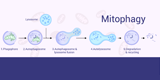
About 60 years ago, Christian de Duve first used the term "autophagy" to describe his observation of the degradation of mitochondria and other intracellular structures in lysosomes of rat liver. Over the years, autophagy has remained a beloved topic of research by the National Natural Science Foundation of China (NSFC).Today, let's talk about mitochondrial autophagy. -
 Scientific Reviews
How to Perform Western Blot?
Scientific Reviews
How to Perform Western Blot?2023-07-13
Western blot is one of the most frequently performed experiments in molecular biology, biochemistry and immunology. This article describes in detail how to do WB. -
 Scientific Reviews
Organoid Culture: Questions & Answers
Scientific Reviews
Organoid Culture: Questions & Answers2023-07-26
In the last issue, we conducted a live lecture on the theme of organoid culture. Today, we have a special topic to solve your doubts in the last live class! -
 Scientific Reviews
WHO's Q2 drug list has been updated. Let's take you through the list of the most noteworthy small molecule drugs that we should pay attention to.
Scientific Reviews
WHO's Q2 drug list has been updated. Let's take you through the list of the most noteworthy small molecule drugs that we should pay attention to. -
 Scientific Reviews
FDA Approved Drug List!
Scientific Reviews
FDA Approved Drug List!2023-09-14
In the first half of 2023 (as of June 27), the FDA approved 26 new drugs, let's take you learn about it through the article. -
 Scientific Reviews
SPR, which stands for Surface Plasmon Resonance, essentially works by detecting the interaction between ligands and analytes on a biosensor chip. This in turn allows us to probe the properties and structure of substances. With this technology, we can analyze molecules, proteins, DNA, and various organic and inorganic substances in samples in real-time with precision.
Scientific Reviews
SPR, which stands for Surface Plasmon Resonance, essentially works by detecting the interaction between ligands and analytes on a biosensor chip. This in turn allows us to probe the properties and structure of substances. With this technology, we can analyze molecules, proteins, DNA, and various organic and inorganic substances in samples in real-time with precision. -
 Scientific Reviews
Science | A "new" mechanism for non-ubiquitinated Midnolin-proteasomal degradation pathway
Scientific Reviews
Science | A "new" mechanism for non-ubiquitinated Midnolin-proteasomal degradation pathway2024-04-26
“ubiquitin-mediated protein degradation” won the Nobel Prize in Chemistry in 2004! In fact, proteasomes degrade not only ubiquitinated proteins but also non-ubiquitinated ones. The mechanism remains shrouded in mystery. After reading this piece today, you might have a lightbulb moment! -
 Scientific Reviews
Common Questions and Solutions for WB
Scientific Reviews
Common Questions and Solutions for WB2024-05-09
Come to understand the common problems and solutions of WB, and better complete the experiment! -
 Scientific Reviews
Exosomes, which won the Nobel Prize in 2013, are still a research hotspot in the national natural sciences, and their popularity has only increased over the past decade (in 2022, they still rank 5th in the national natural sciences hotspots!). Why have exosomes become the darling of scientific research? Let's take a look together~
Scientific Reviews
Exosomes, which won the Nobel Prize in 2013, are still a research hotspot in the national natural sciences, and their popularity has only increased over the past decade (in 2022, they still rank 5th in the national natural sciences hotspots!). Why have exosomes become the darling of scientific research? Let's take a look together~ -
 Scientific Reviews
Degrade target proteins through the autophagy-lysosome pathway including LYTAC, AUTAC, and ATTEC have gained increasing attention in recent years due to their significant research potential!
Scientific Reviews
Degrade target proteins through the autophagy-lysosome pathway including LYTAC, AUTAC, and ATTEC have gained increasing attention in recent years due to their significant research potential! -
 Scientific Reviews
Streptavidin-Biotin System
Scientific Reviews
Streptavidin-Biotin System2024-08-03
Streptavidin strongly binding small molecule biotin is one of the most popular non-covalent coupling methods. Streptavidin can be coupled to various carriers such as magnetic beads and agarose matrix, and become a highly specific affinity medium to capture various biotin-labeled ligands. -
 Scientific Reviews
2024 Nobel Prize Announcements! Curious about the details? Click to dive into the exciting developments!
Scientific Reviews
2024 Nobel Prize Announcements! Curious about the details? Click to dive into the exciting developments! -
Scientific Reviews
Delve into the intricate networks that govern mitochondrial quality control. By examining key mechanisms such as biogenesis, mitochondrial dynamics (fission and fusion), proteolysis, and mitophagy. -
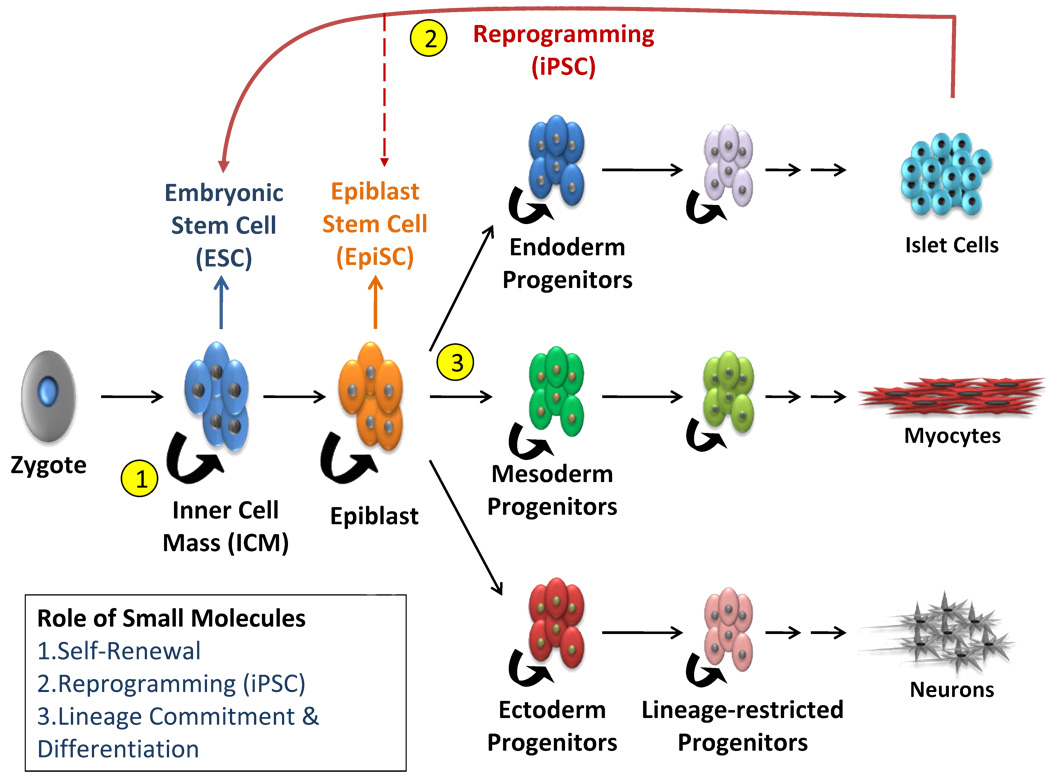 Scientific Reviews
In early January 2025, MIT Tech Review unveiled its annual list of top 10 breakthrough technologies poised to redefine the future. Among these, stem cell therapy stood out for its potential to treat diverse diseases—including neurodegenerative disorders, diabetes, cancer, and heart failure. This groundbreaking approach uses stem cells to replace damaged cells, offering hope for millions worldwide.
Scientific Reviews
In early January 2025, MIT Tech Review unveiled its annual list of top 10 breakthrough technologies poised to redefine the future. Among these, stem cell therapy stood out for its potential to treat diverse diseases—including neurodegenerative disorders, diabetes, cancer, and heart failure. This groundbreaking approach uses stem cells to replace damaged cells, offering hope for millions worldwide. -
 Scientific Reviews
When you hear "inflammation" and "DNA damage," you might immediately think of disease or injury. However, in brains, these two processes are key steps in forming long-term memories, particularly related to specialized cells in our brain called hippocampal neurons.
Scientific Reviews
When you hear "inflammation" and "DNA damage," you might immediately think of disease or injury. However, in brains, these two processes are key steps in forming long-term memories, particularly related to specialized cells in our brain called hippocampal neurons. -
 Scientific Reviews
Autophagy is a fundamental process that degrades various components within the cell.
Scientific Reviews
Autophagy is a fundamental process that degrades various components within the cell. -
.jpg) Scientific Reviews
nside cells, the homeostasis and degradation of proteins is a precisely regulated process. If proteins cannot be degraded in time, it may lead to the occurrence of various diseases such as neurodegenerative diseases and cancer. This article will tell you the process of how proteins are recognized, labeled and then degraded!
Scientific Reviews
nside cells, the homeostasis and degradation of proteins is a precisely regulated process. If proteins cannot be degraded in time, it may lead to the occurrence of various diseases such as neurodegenerative diseases and cancer. This article will tell you the process of how proteins are recognized, labeled and then degraded! -
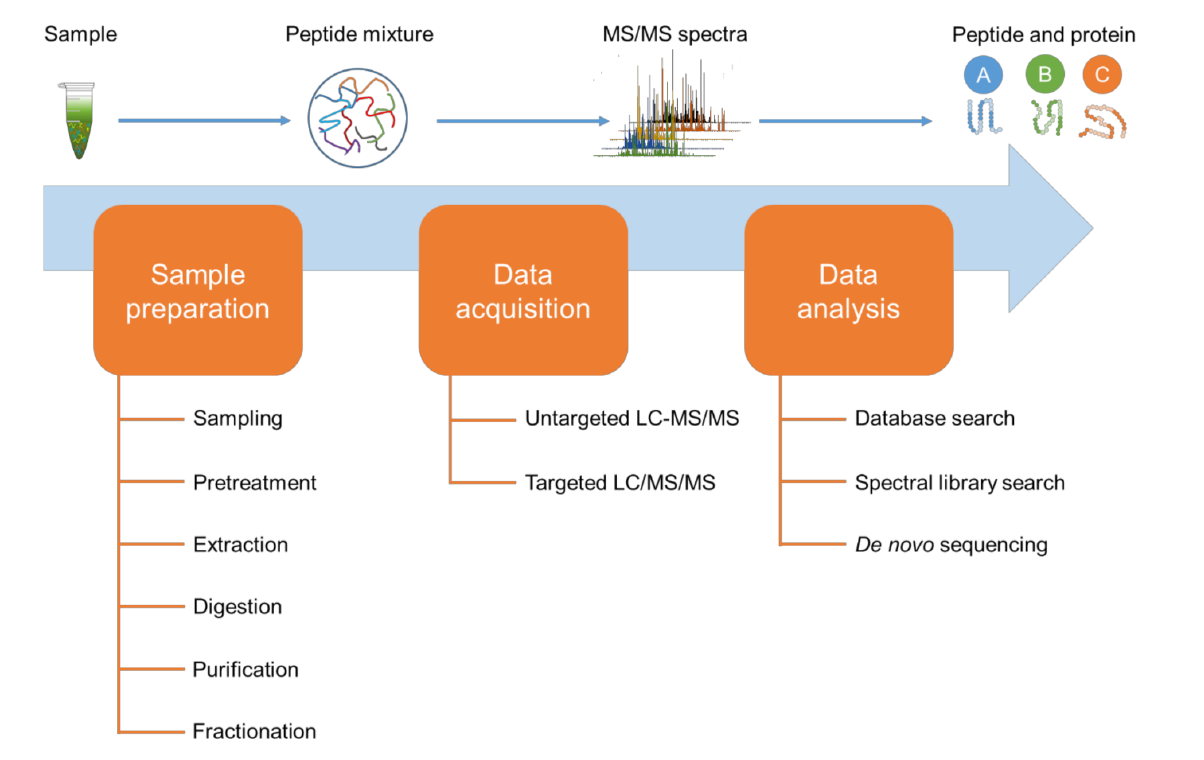 Scientific Reviews
As a pivotal branch in the post - genomic era, proteomics is committed to comprehensively elucidating the types, abundances, structures, functions, and interactions of all proteins within living organisms. This article will tell you the key steps of proteomics sample preparation based on mass spectrometry. This article will tell you the key steps of proteomics sample preparation based on mass spectrometry.
Scientific Reviews
As a pivotal branch in the post - genomic era, proteomics is committed to comprehensively elucidating the types, abundances, structures, functions, and interactions of all proteins within living organisms. This article will tell you the key steps of proteomics sample preparation based on mass spectrometry. This article will tell you the key steps of proteomics sample preparation based on mass spectrometry. -
 Scientific Reviews
Western blotting is a crucial and fundamental technique in life science research. It plays a significant role in exploring protein expression and function. The following article will comprehensively and thoroughly elaborate on the specific procedures and detailed key points of this experiment.
Scientific Reviews
Western blotting is a crucial and fundamental technique in life science research. It plays a significant role in exploring protein expression and function. The following article will comprehensively and thoroughly elaborate on the specific procedures and detailed key points of this experiment. -
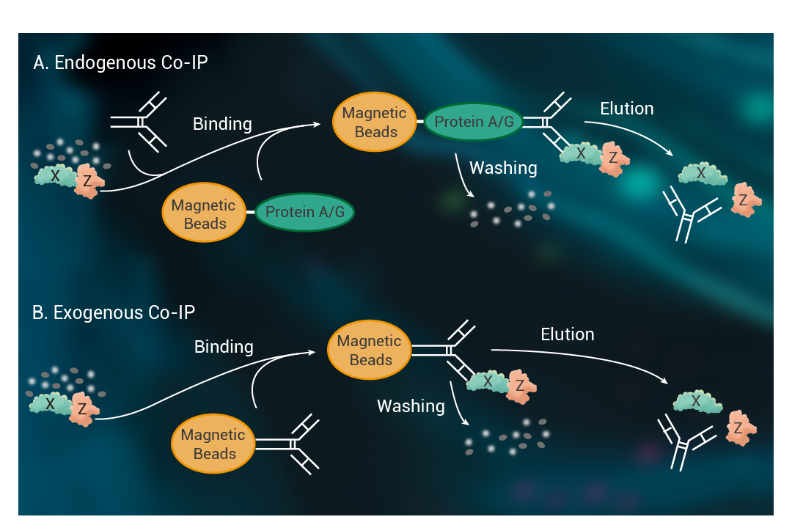 Scientific Reviews
In protein biology, Co-IP is a powerful tool to uncover protein "social networks." But poorly performed, it easily becomes an awkward lab "meet-and-greet." Today, we discuss making Co-IP experiments elegant and efficient—so you pull down target proteins with confidence and precision.
Scientific Reviews
In protein biology, Co-IP is a powerful tool to uncover protein "social networks." But poorly performed, it easily becomes an awkward lab "meet-and-greet." Today, we discuss making Co-IP experiments elegant and efficient—so you pull down target proteins with confidence and precision. -
 Scientific Reviews
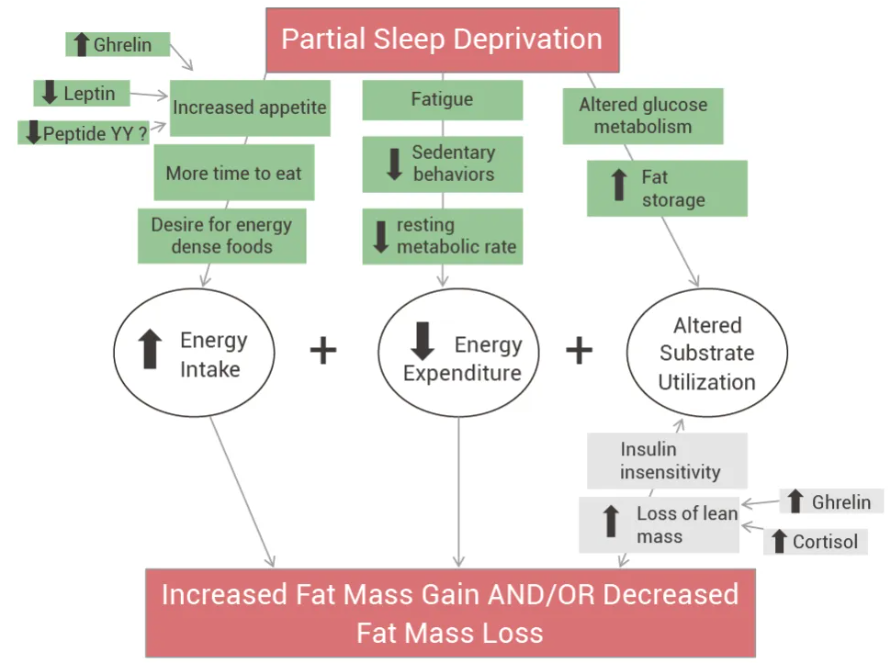
Have you ever noticed that after staying up late, your appetite—especially for high-calorie foods—gets out of control? If this sounds familiar, today’s article might offer some good news.
Scientific Reviews
Have you ever noticed that after staying up late, your appetite—especially for high-calorie foods—gets out of control? If this sounds familiar, today’s article might offer some good news. -
Scientific Reviews
For all the protein research folks out there, techniques like IP and Co-IP are no stranger, right? And of course, there's a faster and more convenient go-to tool—Protein A/G magnetic beads! In this article, let's chat about how these beads work their magic in classic experiments like IP and Co-IP. -
Scientific Reviews
Microglia– the only immune cells within the brain parenchyma. With advancements in imaging technologies, people’s understanding of microglia has shifted from being viewed as 'resting' cells to 'highly active' cells, particularly due to their dynamic processes that seem to be probing surrounding tissues and monitoring neuronal activity. This has made microglia a focal point of research in the field of neuroscience. -
 Scientific Reviews
Exosomes—natural nanoscale carriers—are revolutionizing targeted therapy. This article uncovers the science behind their precision in drug delivery.
Scientific Reviews
Exosomes—natural nanoscale carriers—are revolutionizing targeted therapy. This article uncovers the science behind their precision in drug delivery. -
Scientific Reviews
Cracking the PROTAC Permeability Barrier: CD36-Mediated Endocytosis as a Potential Breakthrough2025-12-03
This article provides an in-depth analysis of cutting-edge literature revealing CD36 as a key mediator of cellular uptake for PROTACs and bRO5 compounds. By structurally optimizing PROTAC molecules to enhance their affinity for CD36, membrane permeability can be markedly improved, leading to significantly enhanced antitumor efficacy. -
 Scientific Reviews
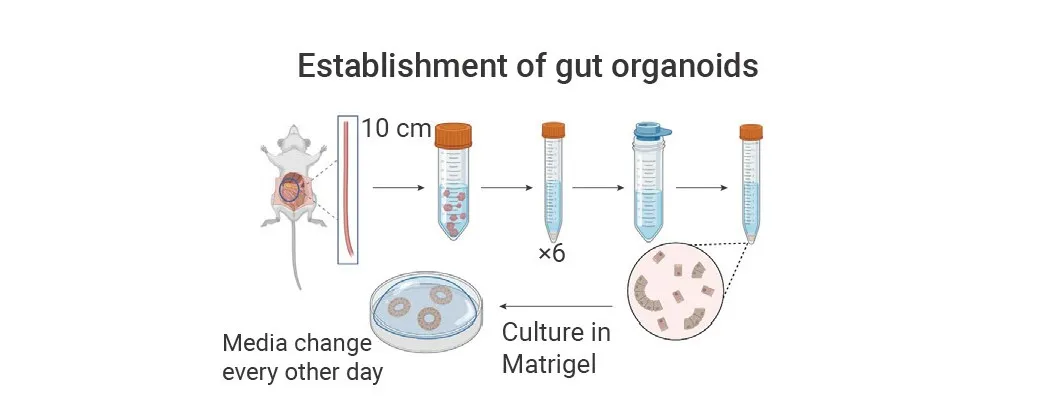
Efficient Generation of Mouse Small Intestinal Organoids: A Complete Experimental Protocol Guide
Scientific Reviews
Efficient Generation of Mouse Small Intestinal Organoids: A Complete Experimental Protocol Guide2025-12-10
How to successfully create mouse small intestine organoids? A detailed, hands-on guide to the entire process, all in one article! -
 Scientific Reviews
Molecular glue degraders have evolved from a serendipitous observation to one of the most dynamic and transformative fields in biomedical research.
Scientific Reviews
Molecular glue degraders have evolved from a serendipitous observation to one of the most dynamic and transformative fields in biomedical research. -
 EDM
Targeting the ‘Undruggable’ with PROTACs
EDM
Targeting the ‘Undruggable’ with PROTACs2025-06-18
This review introduces the fundamental principles and mechanisms of PROTACs, highlights recent advances in molecular design and clinical development, and discusses emerging opportunities and remaining challenges in targeted protein degradation. -
 EDM
Advances in Alzheimer's Disease Research
EDM
Advances in Alzheimer's Disease Research2025-07-16
This review summarizes current understanding of AD pathophysiology, including amyloid and tau pathology, neuroinflammation, synaptic dysfunction, and vascular abnormalities, and evaluates therapeutic strategies and experimental models. -
 EDM
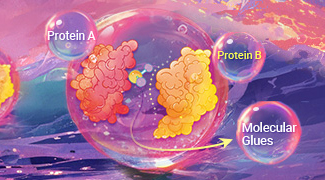
This review discusses recent progress in molecular glue technologies, illustrating how targeted protein degradation strategies enable the modulation of previously undruggable proteins.
EDM
This review discusses recent progress in molecular glue technologies, illustrating how targeted protein degradation strategies enable the modulation of previously undruggable proteins. -
 EDM
This review highlights the roles of microglia in AD pathology, focusing on metabolic reprogramming and microglia-targeted therapeutic strategies.
EDM
This review highlights the roles of microglia in AD pathology, focusing on metabolic reprogramming and microglia-targeted therapeutic strategies. -
 EDM
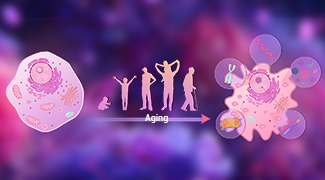
This review summarizes the hallmarks of aging and aging-related diseases, discusses mechanistic insights into aging processes, and highlights emerging anti-aging interventions.
EDM
This review summarizes the hallmarks of aging and aging-related diseases, discusses mechanistic insights into aging processes, and highlights emerging anti-aging interventions. -
 EDM
Review advances in target discovery, disease modeling, and biomarkers for Parkinson’s disease, highlighting their interplay and future directions for translational research.
EDM
Review advances in target discovery, disease modeling, and biomarkers for Parkinson’s disease, highlighting their interplay and future directions for translational research. -
 EDM
The Dual Role of Cellular Senescence in Cancer: Mechanisms, Microenvironment, and Therapeutics
EDM
The Dual Role of Cellular Senescence in Cancer: Mechanisms, Microenvironment, and Therapeutics2026-05-21
Explore the dual role of cellular senescence in cancer, including tumor suppression, SASP-driven tumor promotion, senescence heterogeneity and plasticity, and advances in senescence-targeted therapies. -
 EDM
Review the evolution of molecular glues from serendipitous discovery to rational design, highlighting how emerging targets and advances in screening, proteomics, structural biology, and AI are expanding the druggable proteome.
EDM
Review the evolution of molecular glues from serendipitous discovery to rational design, highlighting how emerging targets and advances in screening, proteomics, structural biology, and AI are expanding the druggable proteome. -
 EDM
Explore how anti-Aβ therapy is reshaping the AD treatment landscape, the rationale for multi-pathology combination strategies, and advances in biomarker-guided precision treatment.
EDM
Explore how anti-Aβ therapy is reshaping the AD treatment landscape, the rationale for multi-pathology combination strategies, and advances in biomarker-guided precision treatment. -
 EDM
Explore how mitochondrial quality control, inflammatory signaling, and metabolic–epigenetic reprogramming regulate cellular senescence and the SASP, along with strategies to restore mitochondrial homeostasis.
EDM
Explore how mitochondrial quality control, inflammatory signaling, and metabolic–epigenetic reprogramming regulate cellular senescence and the SASP, along with strategies to restore mitochondrial homeostasis. -
 Blog
AZD5991, a macrocyclic molecule with high selectivity for Mcl-1, reduces Mcl-1 protein in AZD5991-sensitive but not in AZD5991-resistant MM cell lines.
Blog
AZD5991, a macrocyclic molecule with high selectivity for Mcl-1, reduces Mcl-1 protein in AZD5991-sensitive but not in AZD5991-resistant MM cell lines. -
 Blog
CF53 is a highly potent, selective and orally active inhibitor of BET protein, with anti-tumor activity in acute leukemia and breast cancer cell lines.
Blog
CF53 is a highly potent, selective and orally active inhibitor of BET protein, with anti-tumor activity in acute leukemia and breast cancer cell lines. -
 Blog
HJB97 is a BET PROTAC inhibitor with good anti-tumor activity, and effectively blocks the degradation of BRD2, BRD3, and BRD4 proteins induced by BETd-260.
Blog
HJB97 is a BET PROTAC inhibitor with good anti-tumor activity, and effectively blocks the degradation of BRD2, BRD3, and BRD4 proteins induced by BETd-260. -
 Blog
BR351 is a Brain Penetrant MMP Inhibitor
Blog
BR351 is a Brain Penetrant MMP Inhibitor2019-04-05
BR351 is a brain penetrant MMP inhibitor, and a potential tool for the molecular imaging of activated MMPs with PET, with an IC50 in the nanomolar range. -
 Blog
A Lead PROTAC BRD9 Chemical Degrader
Blog
A Lead PROTAC BRD9 Chemical Degrader2019-04-06
PROTAC BRD9 Degrader-1 is a lead PROTAC BRD9 chemical degrader and a selective probe useful for the study of BAF complex biology. -
 Blog
COH000 is an allosteric, covalent and irreversible inhibitor of SUMO-activating enzyme, with an IC50 of 0.2 μM for SUMOylation in vitro.
Blog
COH000 is an allosteric, covalent and irreversible inhibitor of SUMO-activating enzyme, with an IC50 of 0.2 μM for SUMOylation in vitro. -
 Blog
PhiKan 083 is a carbazole derivative, which binds to the surface cavity and stabilizes Y220C (a p53 mutant), with a Kd of 167 μM.
Blog
PhiKan 083 is a carbazole derivative, which binds to the surface cavity and stabilizes Y220C (a p53 mutant), with a Kd of 167 μM. -
 Blog
IITZ-01 is a potent lysosomotropic autophagy inhibitor with single-agent antitumor activity, with an IC50 of 2.62 μM for PI3Kγ.
Blog
IITZ-01 is a potent lysosomotropic autophagy inhibitor with single-agent antitumor activity, with an IC50 of 2.62 μM for PI3Kγ. -
 Blog
Y06036 is a potent and selective BET inhibitor for potential treatment of castration-resistant prostate cancer. With nanomolar inhibition.
Blog
Y06036 is a potent and selective BET inhibitor for potential treatment of castration-resistant prostate cancer. With nanomolar inhibition. -
 Blog
Y06137 is a potent and selective BET inhibitor, which binds to the BRD4(1) bromodomain with a Kd of 81 nM. Antitumor activity.
Blog
Y06137 is a potent and selective BET inhibitor, which binds to the BRD4(1) bromodomain with a Kd of 81 nM. Antitumor activity. -
 Blog
NRX-252262 is a β-catenin:β-TrCP interaction enhancer, and its cognate E3 ligase, SCFβ-TrCP, induces mutant β-catenin degradation, with an EC50 of 3.8 nM
Blog
NRX-252262 is a β-catenin:β-TrCP interaction enhancer, and its cognate E3 ligase, SCFβ-TrCP, induces mutant β-catenin degradation, with an EC50 of 3.8 nM -
 Blog
TAK-981 is a selective inhibitor of the SUMOylation enzymatic cascade, with potential immune-activating and antineoplastic activities
Blog
TAK-981 is a selective inhibitor of the SUMOylation enzymatic cascade, with potential immune-activating and antineoplastic activities -
 Blog
TD-428 is a Highly Specific BRD4 Degrader
Blog
TD-428 is a Highly Specific BRD4 Degrader2019-04-29
TD-428, a immunomodulatory drug analog, is a highly specific BRD4 degrader with a DC50 of 0.32 nM. TD-428 reduces c-Myc levels more efficiently than JQ1. -
 Blog
SLLN-15 is an oral activ enhancer of autophagy that activates cytostatic macroautophagy/autophagy in triple-negative breast cancer (TNBC).
Blog
SLLN-15 is an oral activ enhancer of autophagy that activates cytostatic macroautophagy/autophagy in triple-negative breast cancer (TNBC). -
 Blog
A1874 is a nutlin-based and BRD4-degrading PROTAC with a DC50 of 32 nM. Effective in inhibiting many cancer cell lines proliferation
Blog
A1874 is a nutlin-based and BRD4-degrading PROTAC with a DC50 of 32 nM. Effective in inhibiting many cancer cell lines proliferation -
 Blog
BSJ-03-123, a Degrader with Proteome-wide Selectivity for CDK6 (PROTAC). Induces a G1 cell-cycle arrest without a measurable increase in apoptosis.
Blog
BSJ-03-123, a Degrader with Proteome-wide Selectivity for CDK6 (PROTAC). Induces a G1 cell-cycle arrest without a measurable increase in apoptosis. -
 Blog
FT671 is a potent, non-covalent and selective USP7 inhibitor with an IC50 of 52 nM and binds to the USP7 catalytic domain with a Kd of 65 nM.
Blog
FT671 is a potent, non-covalent and selective USP7 inhibitor with an IC50 of 52 nM and binds to the USP7 catalytic domain with a Kd of 65 nM. -
 Blog
ZM223 is a non-sulfamide NEDD8 activating enzyme (NAE) inhibitor, with IC50 value of 100 nM in cells. ZM223 has potential to treat colon cancer.
Blog
ZM223 is a non-sulfamide NEDD8 activating enzyme (NAE) inhibitor, with IC50 value of 100 nM in cells. ZM223 has potential to treat colon cancer. -
 Blog
ACY-1083, a Highly Selective HDAC6 Inhibitor, Reverses Chemotherapy-induced Peripheral Neuropathy
Blog
ACY-1083, a Highly Selective HDAC6 Inhibitor, Reverses Chemotherapy-induced Peripheral Neuropathy2019-05-12
ACY-1083 is a selective and brain-penetrating HDAC6 inhibitor with an IC50 of 3 nM. ACY-1083 effectively reverses chemotherapy-induced peripheral neuropathy -
 Blog
MS4077 is an anaplastic lymphoma kinase (ALK) PROTAC (degrader) with a Kd of 37 nM for binding affinity to ALK. Efficacy for breast cancer and lung cancer.
Blog
MS4077 is an anaplastic lymphoma kinase (ALK) PROTAC (degrader) with a Kd of 37 nM for binding affinity to ALK. Efficacy for breast cancer and lung cancer. -
 Blog
VL285, is a Potent VHL Ligand
Blog
VL285, is a Potent VHL Ligand2019-05-24
VL285 is a Potent VHL Ligand. -
 Blog
SNIPER(TACC3)-1 targets the TACC3 protein for degradation via the ubiquitin-proteasome pathway. SNIPER(TACC3)-1 induces cancer cell death.
Blog
SNIPER(TACC3)-1 targets the TACC3 protein for degradation via the ubiquitin-proteasome pathway. SNIPER(TACC3)-1 induces cancer cell death. -
 Blog
IWP-O1, a Highly Potent Porcupine Inhibitor, Functions by Preventing the Secretion of Wnt Proteins
Blog
IWP-O1, a Highly Potent Porcupine Inhibitor, Functions by Preventing the Secretion of Wnt Proteins2019-06-03
IWP-O1 is a Porcupine (Porcn) inhibitor, with an EC50 of 80 pM in L-Wnt-STF cells. IWP-O1 functions by preventing the secretion of Wnt proteins[ -
 Blog
SJFδ, a 10-atom Linker PROTAC, Degrades p38δ
Blog
SJFδ, a 10-atom Linker PROTAC, Degrades p38δ2019-06-11
SJFδ, a 10-atom Linker PROTAC, Degrades p38δ, degrades p38δwith strong capacity. SJFδ degrades p38δ with a DC50 of 46.17±9.85 nM and a Dmax of 99.41±3.31%. -
 Blog
TAS4464 is a highly potent and selective inhibitor of NEDD8 activating enzyme (NAE), with an IC50 of 0.955 nM. TAS4464 shows antitumor activity.
Blog
TAS4464 is a highly potent and selective inhibitor of NEDD8 activating enzyme (NAE), with an IC50 of 0.955 nM. TAS4464 shows antitumor activity. -
 Blog
ERD-308 is a highly potent PROTAC degrader of ER for ER+ breast cancer treatment. ERD-308 induces >95% of ER degradation at concentrations as low as 5 nM.
Blog
ERD-308 is a highly potent PROTAC degrader of ER for ER+ breast cancer treatment. ERD-308 induces >95% of ER degradation at concentrations as low as 5 nM. -
 Blog
JG-98, an Hsp70 inhibitor, binds tightly to a conserved site on Hsp70 and disrupts the Hsp70-Bag3 interaction. JG-98 shows anti-cancer activities.
Blog
JG-98, an Hsp70 inhibitor, binds tightly to a conserved site on Hsp70 and disrupts the Hsp70-Bag3 interaction. JG-98 shows anti-cancer activities. -
 Blog
MZP-55 is a selective PROTAC degrader of BRD3/4, shows no obvious effect on BRD2. MZP-55 exhibits excellent activity in cancer research.
Blog
MZP-55 is a selective PROTAC degrader of BRD3/4, shows no obvious effect on BRD2. MZP-55 exhibits excellent activity in cancer research. -
 Blog
dBET6 is a potent PROTAC degrader of BET, shows high affinity to BRD4(1), and possess good efficacy in T cell acute lymphoblastic leukemia activity.
Blog
dBET6 is a potent PROTAC degrader of BET, shows high affinity to BRD4(1), and possess good efficacy in T cell acute lymphoblastic leukemia activity. -
 Blog
GSK2643943A is a Novel DUB Inhibitor
Blog
GSK2643943A is a Novel DUB Inhibitor2019-07-25
GSK2643943A is a novel deubiquitylating enzyme (DUB) inhibitor. GSK2643943A targets USP20/Ub-Rho and shows an IC50 of 160 nM. -
 Blog
MT-802 is a potent BTK degrader based on PROTAC technology, with a DC50 of 1 nM. MT-802 has potential to treat C481S mutant chronic lymphocytic leukemia.
Blog
MT-802 is a potent BTK degrader based on PROTAC technology, with a DC50 of 1 nM. MT-802 has potential to treat C481S mutant chronic lymphocytic leukemia. -
 Blog
ACBI1 is a PROTAC Degrader of BAF Complex
Blog
ACBI1 is a PROTAC Degrader of BAF Complex2019-08-07
ACBI1 is a potent PROTAC degrader of BAF ATPase subunits SMARCA2, SMARCA4 and PBRM1, with DC50s of 6 nM, 11 nM and 32 nM in MV-4-11 cells, respectively. -
 Blog
dMCL1-2 is a potent and selective degrader of myeloid cell leukemia 1 (MCL1) based on PROTAC, which binds to MCL1 with a KD of 30 nM.
Blog
dMCL1-2 is a potent and selective degrader of myeloid cell leukemia 1 (MCL1) based on PROTAC, which binds to MCL1 with a KD of 30 nM. -
 Blog
CP-10 is a Specific PROTAC Degrader of CDK6
Blog
CP-10 is a Specific PROTAC Degrader of CDK62019-08-25
CP-10 is a PROTAC with highly selective, specific, and remarkable CDK6 degradation (DC50=2.1 nM), which has anti-cancer activity. -
 Blog
ARV-825 is a PROTAC, and acts as a potent BRD4 degrader, with Kds of 90 and 28 nM for BRD4 BD1 and BRD4 BD2, respectively.
Blog
ARV-825 is a PROTAC, and acts as a potent BRD4 degrader, with Kds of 90 and 28 nM for BRD4 BD1 and BRD4 BD2, respectively. -
 Blog
GMB-475 is a PROTAC BCR-ABL1 degrader, overcomes BCR-ABL1-dependent drug resistance, targets BCR-ABL1 protein and recruits the E3 ligase Von Hippel Lindau.
Blog
GMB-475 is a PROTAC BCR-ABL1 degrader, overcomes BCR-ABL1-dependent drug resistance, targets BCR-ABL1 protein and recruits the E3 ligase Von Hippel Lindau. -
 Blog
dBET57 is a potent and selective degrader of BRD4BD1 based on the PROTAC technology and mediates recruitment to the CRL4CRBN E3 ubiquitin ligase.
Blog
dBET57 is a potent and selective degrader of BRD4BD1 based on the PROTAC technology and mediates recruitment to the CRL4CRBN E3 ubiquitin ligase. -
 Blog
MD-224 is a human MDM2 degrader based on the PROTAC concept. MD-224 induces rapid degradation of MDM2 at concentrations <1 nM in human leukemia cells.
Blog
MD-224 is a human MDM2 degrader based on the PROTAC concept. MD-224 induces rapid degradation of MDM2 at concentrations <1 nM in human leukemia cells. -
 Blog
CP5V is a Specific PROTAC Degrader of Cdc20
Blog
CP5V is a Specific PROTAC Degrader of Cdc202019-11-20
CP5V is a PROTAC, which specifically degrades Cdc20 by linking Cdc20 to the VHL/VBC complex for ubiquitination followed by proteasomal degradation. -
 Blog
PK11007 is a Mild Alkylating Agent with Anticancer Activity and induces mutant p53 cancer cell death by increasing reactive oxygen species (ROS) levels.
Blog
PK11007 is a Mild Alkylating Agent with Anticancer Activity and induces mutant p53 cancer cell death by increasing reactive oxygen species (ROS) levels. -
 Blog
SD-36 is a Selective PROTAC STAT3 Degrader
Blog
SD-36 is a Selective PROTAC STAT3 Degrader2019-12-06
SD-36 is a potent, efficacious and selective PROTAC STAT3 degrader (Kd=50 nM) and achieves complete tumor regression in vivo. -
 Blog
MG-277 works as a PROTAC molecular glue, inducing degradation of a translation termination factor, GSPT1 to achieve its potent anticancer activity.
Blog
MG-277 works as a PROTAC molecular glue, inducing degradation of a translation termination factor, GSPT1 to achieve its potent anticancer activity. -
 Blog
MS432 is a first-in-class and highly selective PD0325901-based VHL-recruiting PROTAC degrader for MEK1 and MEK2 with good anti-cancer activity.
Blog
MS432 is a first-in-class and highly selective PD0325901-based VHL-recruiting PROTAC degrader for MEK1 and MEK2 with good anti-cancer activity. -
 Blog
KB02-JQ1 is a highly potent and selective PROTAC BRD4 degrader that degrades nuclear proteins by engaging CUL4-DDB1 E3 ubiquitin ligases DCAF16.
Blog
KB02-JQ1 is a highly potent and selective PROTAC BRD4 degrader that degrades nuclear proteins by engaging CUL4-DDB1 E3 ubiquitin ligases DCAF16. -
 Blog
M8891 is an orally active, reversible and brain penetrant Methionine Aminopeptidase-2 (MetAP-2) inhibitor with antiangiogenic and antitumoral activity.
Blog
M8891 is an orally active, reversible and brain penetrant Methionine Aminopeptidase-2 (MetAP-2) inhibitor with antiangiogenic and antitumoral activity. -
 Blog
TCH-165 is a modulator of proteasome assembly, which increases 20S levels and facilitates 20S-mediated protein degradation, such as IDPs, α-syn, and tau.
Blog
TCH-165 is a modulator of proteasome assembly, which increases 20S levels and facilitates 20S-mediated protein degradation, such as IDPs, α-syn, and tau. -
 Blog
6RK73 is a covalent irreversible and specific UCHL1 inhibitor,which specifically inhibits UCHL1 activity in breast cancer.
Blog
6RK73 is a covalent irreversible and specific UCHL1 inhibitor,which specifically inhibits UCHL1 activity in breast cancer. -
 Blog
Ro 90-7501, an Aβ42 fibril assembly inhibitor, inhibits PP5 in a TPR-dependent manner and has radiosensitizing effects on cervical cancer cells.
Blog
Ro 90-7501, an Aβ42 fibril assembly inhibitor, inhibits PP5 in a TPR-dependent manner and has radiosensitizing effects on cervical cancer cells. -
 Blog
CCT367766, a PROTAC-based Pirin-targeting PDP, exhibits a moderate affinity for the CRBN-DDB1 complex and reveals a good affinity for Pirin and CRBN.
Blog
CCT367766, a PROTAC-based Pirin-targeting PDP, exhibits a moderate affinity for the CRBN-DDB1 complex and reveals a good affinity for Pirin and CRBN. -
 Blog
E64FC26 is a highly potent pan-style inhibitor of the protein disulfide isomerase (PDI) family with anti-myeloma activities.
Blog
E64FC26 is a highly potent pan-style inhibitor of the protein disulfide isomerase (PDI) family with anti-myeloma activities. -
 Blog
NU1025 is a potent PARP inhibitor and potentiates the cytotoxicity of ionizing radiation drug. NU1025 has anti-cancer and neuroprotective activity.
Blog
NU1025 is a potent PARP inhibitor and potentiates the cytotoxicity of ionizing radiation drug. NU1025 has anti-cancer and neuroprotective activity. -
 Blog
TL13-112 is a PROTAC Degrader of ALK
Blog
TL13-112 is a PROTAC Degrader of ALK2020-04-15
TL13-112 is a selective ALK-PROTAC degrader and inhibits ALK activity. TL13-112 is comprised of the conjugation of Ceritinib and the ligand pomalidomide . -
 Blog
TL13-12 is a Selective ALK-PROTAC Degrader
Blog
TL13-12 is a Selective ALK-PROTAC Degrader2020-04-21
TL13-12 can induce receptor tyrosine kinase anaplastic lymphoma kinase degradation in non small cell lung cancer cells. PROTAC ALK degrader. -
 Blog
ARCC-4 is a low-nanomolar AR degrader, and effectively degrades clinically relevant AR mutants associated with antiandrogen therapy.
Blog
ARCC-4 is a low-nanomolar AR degrader, and effectively degrades clinically relevant AR mutants associated with antiandrogen therapy. -
 Blog
UT-34 is a potent, selective and orally active second-generation pan-androgen receptor (AR) antagonist and degrader with anti-prostate cancer efficacy.
Blog
UT-34 is a potent, selective and orally active second-generation pan-androgen receptor (AR) antagonist and degrader with anti-prostate cancer efficacy. -
 Blog
HM03 is a potent and selective HSPA5 inhibitor with anticancer activity. HSPA5 plays a key role in monitoring protein transport through the cell.
Blog
HM03 is a potent and selective HSPA5 inhibitor with anticancer activity. HSPA5 plays a key role in monitoring protein transport through the cell. -
 Blog
XZ739 is a PROTAC BCL-XL Degrader
Blog
XZ739 is a PROTAC BCL-XL Degrader2020-06-18
XZ739 is a PROTAC BCL-XL Degrader. XZ739 is potent against various cancer cell lines. PROTAC is an emerging therapeutic modality. -
 Blog
JCN037 is a potent, non-covalent, and brain-penetrant EGFR tyrosine kinase inhibitor. JCN037 has potent anti-cancer activity.
Blog
JCN037 is a potent, non-covalent, and brain-penetrant EGFR tyrosine kinase inhibitor. JCN037 has potent anti-cancer activity. -
 Blog
RA-9 is a potent and selective proteasome-associated DUBs inhibitor with favorable toxicity profile and anticancer activity.
Blog
RA-9 is a potent and selective proteasome-associated DUBs inhibitor with favorable toxicity profile and anticancer activity. -
 Blog
HLI373 represents a potential drug-able lead for the development of therapeutically efficacious inhibitors of Hdm2. Hdm2 is an ubiquitin protein ligase.
Blog
HLI373 represents a potential drug-able lead for the development of therapeutically efficacious inhibitors of Hdm2. Hdm2 is an ubiquitin protein ligase. -
 Blog
RA375, a RPN13 inhibitor, inhibits proteasome function in muscle. RA375 is highly active against cell lines of multiple myeloma and diverse solid cancers.
Blog
RA375, a RPN13 inhibitor, inhibits proteasome function in muscle. RA375 is highly active against cell lines of multiple myeloma and diverse solid cancers. -
 Blog
KCC-07 prevents binding of MBD2 to methylated DNA and activates BAI1 inducing anti-proliferative BAI1/p53/p21 signaling. Anticancer activity.
Blog
KCC-07 prevents binding of MBD2 to methylated DNA and activates BAI1 inducing anti-proliferative BAI1/p53/p21 signaling. Anticancer activity. -
 Blog
MPT0G211, an orally active and selective HDAC6 inhibitor, ameliorates tau phosphorylation, and cognitive deficits in an Alzheimer’s disease model.
Blog
MPT0G211, an orally active and selective HDAC6 inhibitor, ameliorates tau phosphorylation, and cognitive deficits in an Alzheimer’s disease model. -
 Blog
RapaLink-1, a third-generation bivalent mTOR inhibitor, potently blocking cancer-derived, activating mutants of mTOR. It can cross the blood-brain barrier.
Blog
RapaLink-1, a third-generation bivalent mTOR inhibitor, potently blocking cancer-derived, activating mutants of mTOR. It can cross the blood-brain barrier. -
 Blog
SJF620 is a Potent PROTAC BTK Degrader
Blog
SJF620 is a Potent PROTAC BTK Degrader2020-09-26
SJF620 is a potent PROTAC BTK degrader with improved pharmacokinetic properties. Contains a Lenalidomide analog for recruiting CRBN. -
 Blog
BSJ-04-132 is a potent and selective Ribociclib-based CDK4 degrader (PROTAC) and does not induce CDK6 and IKZF1/3 degradation with anti-cancer activity.
Blog
BSJ-04-132 is a potent and selective Ribociclib-based CDK4 degrader (PROTAC) and does not induce CDK6 and IKZF1/3 degradation with anti-cancer activity. -
 Blog
BSJ-03-204 is a potent and selective Palbociclib-based CDK4/6 dual degrader (PROTAC) and does not induce IKZF1/3 degradation with anti-cancer activity.
Blog
BSJ-03-204 is a potent and selective Palbociclib-based CDK4/6 dual degrader (PROTAC) and does not induce IKZF1/3 degradation with anti-cancer activity. -
 Blog
KB02-SLF is a PROTAC-based nuclear FKBP12 degrader. KB02-SLF promotes nuclear FKBP12 degradation by covalently modifying DCAF16 (E3 ligase).
Blog
KB02-SLF is a PROTAC-based nuclear FKBP12 degrader. KB02-SLF promotes nuclear FKBP12 degradation by covalently modifying DCAF16 (E3 ligase). -
 Blog
DT2216 is a potent and selective BCL-XL degrader based on PROTAC technology. DT2216 inhibits leukemia and has potent anti-cancer activity.
Blog
DT2216 is a potent and selective BCL-XL degrader based on PROTAC technology. DT2216 inhibits leukemia and has potent anti-cancer activity. -
 Blog
dTRIM24 will be a useful tool to further probe the function of TRIM24 by rapid chemical depletion in hematopoietic cancers and other biological contexts.
Blog
dTRIM24 will be a useful tool to further probe the function of TRIM24 by rapid chemical depletion in hematopoietic cancers and other biological contexts. -
 Blog
ZXH-3-26 is a Selective PROTAC BRD4 Degrader
Blog
ZXH-3-26 is a Selective PROTAC BRD4 Degrader2020-11-17
ZXH-3-26 is a Selective PROTAC BRD4 Degrader and allows pharmacologic targeting of BRD4 without significant inhibition or degradation of BRD2/3. -
 Blog
BETd-260 is a Potent PROTAC BET Degrader
Blog
BETd-260 is a Potent PROTAC BET Degrader2020-11-18
BETd-260 is a highly potent, efficacious, and promising BET degrader. -
 Blog
SIAIS178 is a potent and selective BCR-ABL degrader based on PROTAC technology by recruiting VHL E3 ubiquitin ligase. SIAIS178 has anticancer activity.
Blog
SIAIS178 is a potent and selective BCR-ABL degrader based on PROTAC technology by recruiting VHL E3 ubiquitin ligase. SIAIS178 has anticancer activity. -
 Blog
GNE-987, a potent chimeric BET degrader, exhibits picomolar cell BRD4 degradation activity. GNE-987 can be used in PROTAC-Antibody Conjugate (PAC).
Blog
GNE-987, a potent chimeric BET degrader, exhibits picomolar cell BRD4 degradation activity. GNE-987 can be used in PROTAC-Antibody Conjugate (PAC). -
 Blog
BI-3663 is a highly selective PTK2/FAK PROTAC (DC50=30 nM), with cereblon ligands to hijack E3 ligases for PTK2 degradation.
Blog
BI-3663 is a highly selective PTK2/FAK PROTAC (DC50=30 nM), with cereblon ligands to hijack E3 ligases for PTK2 degradation. -
 Blog
dFKBP-1 induces potent and dose-dependent degradation of FKBP12 in 293FT-WT cells. A facile and general new strategy to control target protein stability.
Blog
dFKBP-1 induces potent and dose-dependent degradation of FKBP12 in 293FT-WT cells. A facile and general new strategy to control target protein stability. -
 Blog
UNC6852 is a chemical degrader that targets polycomb repressive complex 2 (PRC2). Anti-proliferative in diffuse large B cell lymphoma cell lines.
Blog
UNC6852 is a chemical degrader that targets polycomb repressive complex 2 (PRC2). Anti-proliferative in diffuse large B cell lymphoma cell lines. -
 Blog
VZ185 is a highly selective, potent, and rapid dual degrader with a slight preference for BRD9 over BRD7.
Blog
VZ185 is a highly selective, potent, and rapid dual degrader with a slight preference for BRD9 over BRD7. -
 Blog
PQR530 is a potent, ATP-competitive, orally bioavailable and brain-penetrant dual pan-PI3K/mTORC1/2 inhibitor. Antitumor activity.
Blog
PQR530 is a potent, ATP-competitive, orally bioavailable and brain-penetrant dual pan-PI3K/mTORC1/2 inhibitor. Antitumor activity. -
 Blog
MZP-54 is a Selective BRD3/4 PROTAC Degrader
Blog
MZP-54 is a Selective BRD3/4 PROTAC Degrader2020-12-02
MZP-54 is a PROTAC that would link together specific VHL ligand and BET bromodomain ligand. MZP-54 induces degradation of BRD3/4. -
 Blog
CHDI-390576, a potent and CNS penetrant class IIa HDAC inhibitor, show selectivity over class I HDACs, HDAC8 and the class IIb HDAC6 isoform.
Blog
CHDI-390576, a potent and CNS penetrant class IIa HDAC inhibitor, show selectivity over class I HDACs, HDAC8 and the class IIb HDAC6 isoform. -
 Blog
BI-3802, a BCL6 degrader, inhibits the BCL6 BTB domain. BI-3802 induces the polymerization of BCL6 and promotes BCL6 degration depended on E3 ligase SIAH1.
Blog
BI-3802, a BCL6 degrader, inhibits the BCL6 BTB domain. BI-3802 induces the polymerization of BCL6 and promotes BCL6 degration depended on E3 ligase SIAH1. -
 Blog
JH-XI-10-02, a highly Potent CDK8 Degrader, modulates the CDK8 protein levels. A viable therapeutic strategy in cancer.
Blog
JH-XI-10-02, a highly Potent CDK8 Degrader, modulates the CDK8 protein levels. A viable therapeutic strategy in cancer. -
 Blog
dCBP-1 is a potent and selective degrader of p300/CBP based on PROTAC. dCBP-1 is exceptionally potent at killing multiple myeloma cells.
Blog
dCBP-1 is a potent and selective degrader of p300/CBP based on PROTAC. dCBP-1 is exceptionally potent at killing multiple myeloma cells. -
 Blog
PR-619 is a Broad-Range DUB Inhibitor
Blog
PR-619 is a Broad-Range DUB Inhibitor2021-02-20
PR-619, a broad-spectrum deubiquitinating enzyme (DUB) inhibitor, induces ER stress and ER-stress related apoptosis. -
 Blog
NAZ2329 is an allosteric, noncompetitive and reversible inhibitor of R5 RPTP subfamily and PTPRZ/PTPRG with anti-cancer activity.
Blog
NAZ2329 is an allosteric, noncompetitive and reversible inhibitor of R5 RPTP subfamily and PTPRZ/PTPRG with anti-cancer activity. -
 Blog
BrBzGCp2 is a Glyoxalase 1 (GLO1) inhibitor for a variety of disorders. Possesses antitumor and neuroprotective activity.
Blog
BrBzGCp2 is a Glyoxalase 1 (GLO1) inhibitor for a variety of disorders. Possesses antitumor and neuroprotective activity. -
 Blog
Conglobatin inhibits proliferation and induces apoptosis by binding to N-terminus of Hsp90 and disrupting Hsp90-Cdc37 complex formation.
Blog
Conglobatin inhibits proliferation and induces apoptosis by binding to N-terminus of Hsp90 and disrupting Hsp90-Cdc37 complex formation. -
 Blog
YUM70 inhibits GRP78. Induces endoplasmic reticulum stress-mediated apoptosis. Pancreatic cancer. Acts as a novel anticancer agent.
Blog
YUM70 inhibits GRP78. Induces endoplasmic reticulum stress-mediated apoptosis. Pancreatic cancer. Acts as a novel anticancer agent. -
 Blog
LC-2 is a potent and first-in-class PROTAC capable of degrading endogenous KRAS G12C, with DC50s between 0.25 and 0.76 μM.
Blog
LC-2 is a potent and first-in-class PROTAC capable of degrading endogenous KRAS G12C, with DC50s between 0.25 and 0.76 μM. -
 Blog
ML-00253764 is a brain penetrant nonpeptidic melanocortin receptor 4 (MC4R) antagonist with a Ki/IC50 of 0.16 µM/0.103 µM, respectively.
Blog
ML-00253764 is a brain penetrant nonpeptidic melanocortin receptor 4 (MC4R) antagonist with a Ki/IC50 of 0.16 µM/0.103 µM, respectively. -
 Blog
PROTAC MDM2 degrader MD-222 is highly potent and effective in inducing degradation of MDM2 and in activating wild-type p53 in cells.
Blog
PROTAC MDM2 degrader MD-222 is highly potent and effective in inducing degradation of MDM2 and in activating wild-type p53 in cells. -
 Blog
Butaprost is a selective prostaglandin E receptor (EP2) agonist. Butaprost can effectively mitigate kidney fibrogenesis in various fibrosis models.
Blog
Butaprost is a selective prostaglandin E receptor (EP2) agonist. Butaprost can effectively mitigate kidney fibrogenesis in various fibrosis models. -
 Blog
Lenalidomide, a CRBN ligand, is an orally active immunomodulator that effective treatment for myelodysplastic syndrome and multiple myeloma.
Blog
Lenalidomide, a CRBN ligand, is an orally active immunomodulator that effective treatment for myelodysplastic syndrome and multiple myeloma. -
 Blog
AUTAC4 is a mitochondria-targeting autophagy-targeting chimera, which can be used for the study of mitochondrial dysfunction.
Blog
AUTAC4 is a mitochondria-targeting autophagy-targeting chimera, which can be used for the study of mitochondrial dysfunction. -
 Blog
ARV-110 is an orally active, specific androgen receptor (AR) PROTAC degrader. ARV-110 can be used for the research of prostate cancer.
Blog
ARV-110 is an orally active, specific androgen receptor (AR) PROTAC degrader. ARV-110 can be used for the research of prostate cancer. -
 Blog
Vorasidenib is an orally available, brain penetrant second-generation dual mutant isocitrate dehydrogenases 1 and 2 (mIDH1/2) inhibitor.
Blog
Vorasidenib is an orally available, brain penetrant second-generation dual mutant isocitrate dehydrogenases 1 and 2 (mIDH1/2) inhibitor. -
 Blog
BSJ-4-116 is a highly potent and selective CDK12 degrader (PROTAC). BSJ-4-116 exhibits potent antiproliferative effects.
Blog
BSJ-4-116 is a highly potent and selective CDK12 degrader (PROTAC). BSJ-4-116 exhibits potent antiproliferative effects. -
 Blog
EMD527040 is a highly selective αvβ6 antagonist with antifibrotic activities.
Blog
EMD527040 is a highly selective αvβ6 antagonist with antifibrotic activities. -
 Blog
SJ6986 is a selective and orally active GSPT1/GSPT2 degrader, displaying selectivity over classical IMiD neosubstrates, such as IKZF1/3
Blog
SJ6986 is a selective and orally active GSPT1/GSPT2 degrader, displaying selectivity over classical IMiD neosubstrates, such as IKZF1/3 -
 Blog
DP-C-4 is a CRBN-Based dual PROTAC for EGFR and PARP could provide an effective study for cancer diseases.
Blog
DP-C-4 is a CRBN-Based dual PROTAC for EGFR and PARP could provide an effective study for cancer diseases. -
 Blog
XY028-140 is a potent and selective PROTAC-based CDK4/6 degrader, which can inhibit RB-E2F signaling and reduce CDK4 and CDK6 protein levels.
Blog
XY028-140 is a potent and selective PROTAC-based CDK4/6 degrader, which can inhibit RB-E2F signaling and reduce CDK4 and CDK6 protein levels. -
 Blog
NRX-2663 is a potent enhancer of the interaction between β-catenin SCFβ-TrCP, potentiates the ubiquitylation of mutant β-Catenin by β-TrCP.
Blog
NRX-2663 is a potent enhancer of the interaction between β-catenin SCFβ-TrCP, potentiates the ubiquitylation of mutant β-Catenin by β-TrCP. -
 Blog
SIM1 is a PROTAC Based BET Family Degrader
Blog
SIM1 is a PROTAC Based BET Family Degrader2021-08-11
SIM1 is a potent von Hippel-Lindau (VHL)-based trivalent PROTAC capable of degradation for all BET family members. -
 Blog
Iberdomide (CC-220) is an orally active cereblon (CRBN) E3 ligase modulator (CELMoD) with antitumor and immunostimulatory activities。
Blog
Iberdomide (CC-220) is an orally active cereblon (CRBN) E3 ligase modulator (CELMoD) with antitumor and immunostimulatory activities。 -
 Blog
GSK2606414 is an orally available PERK inhibitor and is a potent compound of cancer and neurological diseases.
Blog
GSK2606414 is an orally available PERK inhibitor and is a potent compound of cancer and neurological diseases. -
 Blog
Ganetespib (STA-9090) is a HSP90 Inhibitor
Blog
Ganetespib (STA-9090) is a HSP90 Inhibitor2021-10-14
Ganetespib is a unique Hsp90 inhibitor that exhibits potent and sustained antitumor effects in a broad range of malignancies. -
 Blog
SB 258719 is a selective 5-HT7 receptor antagonist and can be used for the research of cancer and neurological disease.
Blog
SB 258719 is a selective 5-HT7 receptor antagonist and can be used for the research of cancer and neurological disease. -
 Blog
MB710 is a stabilizer of oncogenic p53 mutation Y220C. MB710 binds to the Y220C pocket and stabilizes p53-Y220C, with a Kd of 4.1 μM.
Blog
MB710 is a stabilizer of oncogenic p53 mutation Y220C. MB710 binds to the Y220C pocket and stabilizes p53-Y220C, with a Kd of 4.1 μM. -
 Blog
Trolox is an analogue of vitamin E with a powerful antioxidant effect. Trolox is also a powerful inhibitor of membrane damage.
Blog
Trolox is an analogue of vitamin E with a powerful antioxidant effect. Trolox is also a powerful inhibitor of membrane damage. -
 Blog
AZD1390 is a potent, highly selective, orally bioavailable, brain-penetrant ATM inhibitor with an IC50 of 0.78 nM.
Blog
AZD1390 is a potent, highly selective, orally bioavailable, brain-penetrant ATM inhibitor with an IC50 of 0.78 nM. -
 Blog
MS4322 is a first-in-class PRMT5 degrader and a valuable chemical tool for exploring the PRMT5 functions in vitro and in vivo.
Blog
MS4322 is a first-in-class PRMT5 degrader and a valuable chemical tool for exploring the PRMT5 functions in vitro and in vivo. -
 Blog
MS170 is a PROTAC AKT Degrader
Blog
MS170 is a PROTAC AKT Degrader2022-02-27
MS170 is a CRBN-recruiting degrader, the AKT proteolysis targeting chimera (PROTAC) degrader. -
 Blog
AUTAC2 is a FKBP12-targeting autophagy-mediated degrader (AUTAC). AUTAC2 contains an FBnG and an SLF moiety.
Blog
AUTAC2 is a FKBP12-targeting autophagy-mediated degrader (AUTAC). AUTAC2 contains an FBnG and an SLF moiety. -
 Blog
Oprozomib (PR-047) is an orally active peptide epoxyketone proteasome inhibitor.
Blog
Oprozomib (PR-047) is an orally active peptide epoxyketone proteasome inhibitor. -
 Blog
Epoxomicin is an epoxyketone-containing natural product and a selective and irreversible proteasome inhibitor. Cross the blood-brain barrier.
Blog
Epoxomicin is an epoxyketone-containing natural product and a selective and irreversible proteasome inhibitor. Cross the blood-brain barrier. -
 Blog
DD1, a proteasome inhibitor, targets Bax activation and P70S6K degradation during acute myeloid leukemia (AML) apoptosis.
Blog
DD1, a proteasome inhibitor, targets Bax activation and P70S6K degradation during acute myeloid leukemia (AML) apoptosis. -
 Blog
PU-H54 is a potent purine-based (PU) Grp94-selective inhibitor. PU-H54 has the potential for the research of breast cancer.
Blog
PU-H54 is a potent purine-based (PU) Grp94-selective inhibitor. PU-H54 has the potential for the research of breast cancer. -
 Blog
MS159 is a frist-In-class nuclear receptor binding SET NSD2 PROTAC degrader for multiple myeloma research.
Blog
MS159 is a frist-In-class nuclear receptor binding SET NSD2 PROTAC degrader for multiple myeloma research. -
 Blog
ARV-471 is an oral estrogen receptor PROTAC degrader for breast cancer. ARV-471 robustly degrades ER in ER-positive breast cancer cell lines.
Blog
ARV-471 is an oral estrogen receptor PROTAC degrader for breast cancer. ARV-471 robustly degrades ER in ER-positive breast cancer cell lines. -
 Blog
AZD-9574 is a potent and brain penetrant PARP1 inhibitor and shows >8000-fold selectivity for PARP1 compared to PARP2/3/5a/6.
Blog
AZD-9574 is a potent and brain penetrant PARP1 inhibitor and shows >8000-fold selectivity for PARP1 compared to PARP2/3/5a/6. -
 Blog
ARD-69 is a potent PROTAC androgen receptor degrader and induces degradation of AR protein in AR-positive prostate cancer cell lines.
Blog
ARD-69 is a potent PROTAC androgen receptor degrader and induces degradation of AR protein in AR-positive prostate cancer cell lines. -
 Blog
GR-46611 is a 5-HT1D Receptor Agonist
Blog
GR-46611 is a 5-HT1D Receptor Agonist2022-10-11
GR-46611 is a potent 5-HT1D receptor agonist and has the potential for the research of epilepsy and inhibits bladder activity. -
 Blog
Golcadomide is a potent and orally active CRBN E3 ligase modulator with immunomodulating and antineoplastic activities.
Blog
Golcadomide is a potent and orally active CRBN E3 ligase modulator with immunomodulating and antineoplastic activities. -
 Blog
U7D-1 is a selective USP7 PROTAC degrader. U7D-1 induces apoptosis in Jeko-1 cells and shows anticancer activity.
Blog
U7D-1 is a selective USP7 PROTAC degrader. U7D-1 induces apoptosis in Jeko-1 cells and shows anticancer activity. -
 Blog
Olutasidenib (FT-2102) is an orally active, brain penetrant inhibitor of mutant IDH1. Olutasidenib is used for AML or MDS Research.
Blog
Olutasidenib (FT-2102) is an orally active, brain penetrant inhibitor of mutant IDH1. Olutasidenib is used for AML or MDS Research. -
 Blog
A947 is a selective SMARCA2 (PROTAC). A947 also is a moderately selective SMARCA2 degrader. A947 can be used for the research of cancer.
Blog
A947 is a selective SMARCA2 (PROTAC). A947 also is a moderately selective SMARCA2 degrader. A947 can be used for the research of cancer. -
 Blog
SJ988497 is a cell permeable PROTAC JAK2 degrader that degrades JAK2 in vitro and in vivo, and shows anticancer activity against leukemia.
Blog
SJ988497 is a cell permeable PROTAC JAK2 degrader that degrades JAK2 in vitro and in vivo, and shows anticancer activity against leukemia. -
 Blog
MMRi62, a Ferroptosis inducer targeting MDM2-MDM4. MMRi62 shows a P53-independent pro-apoptotic activity against PDAC cells.
Blog
MMRi62, a Ferroptosis inducer targeting MDM2-MDM4. MMRi62 shows a P53-independent pro-apoptotic activity against PDAC cells. -
 Blog
TD1092 is a pan-IAP degrader, degrades cIAP1, cIAP2, and XIAP. TD1092 inhibits NF-κB pathway and epithelial-mesenchymal transition (EMT).
Blog
TD1092 is a pan-IAP degrader, degrades cIAP1, cIAP2, and XIAP. TD1092 inhibits NF-κB pathway and epithelial-mesenchymal transition (EMT). -
 Blog
SIAIS100 is a Potent BCR-ABL PROTAC Degrader
Blog
SIAIS100 is a Potent BCR-ABL PROTAC Degrader2023-01-10
SIAIS100 is a potent BCR-ABL PROTAC degrader with an DC50 value of 2.7 nM. SIAIS100 can be used to research chronic myeloid leukemia (CML). -
 Blog
YX-2-107 is a PROTAC that selectively degrades CDK6.
Blog
YX-2-107 is a PROTAC that selectively degrades CDK6. -
 Blog
SZUH280, a potent and selective PROTAC HDAC8 degrader, ,shows antitumor activity in an A549 nude mouse model.
Blog
SZUH280, a potent and selective PROTAC HDAC8 degrader, ,shows antitumor activity in an A549 nude mouse model. -
 Blog
MS8815 is a selective EZH2 PROTAC degrader. MS8815 can be used for the research of triple-negative breast cancer (TNBC),
Blog
MS8815 is a selective EZH2 PROTAC degrader. MS8815 can be used for the research of triple-negative breast cancer (TNBC), -
 Blog
J-113397 is a potent and selective nonpeptidyl ORL1 receptor antagonist without any agonistic effects on other opioid receptors.
Blog
J-113397 is a potent and selective nonpeptidyl ORL1 receptor antagonist without any agonistic effects on other opioid receptors. -
 Blog
dBRD9 is a PROTAC (proteolysis targeting chimera) and can be used as a selective valuable probe for degrading BRD9.
Blog
dBRD9 is a PROTAC (proteolysis targeting chimera) and can be used as a selective valuable probe for degrading BRD9.
Products
All
-
All
-
Inhibitors & Agonists
-
Isotope-Labeled Compounds
-
Fluorescent Dye
-
Peptides
-
Recombinant Proteins
-
Antibodies
-
Screening Libraries
-
Kits
-
Inhibitory Antibodies
-
Reference Standards
-
Induced Disease Models Products
-
GMP Small Molecules
-
Enzyme
-
Biochemical Assay Reagents
-
Natural Products
| Cat. No. | Product Name | Information | Application | Publication |
|---|---|---|---|---|
| HY-B0141C | Estradiol hemihydrate |
Estradiol (β-Estradiol) hemihydrate is a steroid hormone and the major female sex hormone. Estradiol (β-Estradiol) hemihydrate can up-regulate the expression of neural markers of human endometrial stem cells (hEnSCs) and promote their neural differentiation. Estradiol (β-Estradiol) hemihydrate can be used for the research of cancers, neurodegenerative diseases and neural tissue engineering.
|
|
141
|
| HY-B0141 | Estradiol |
Estradiol (β-Estradiol) is a steroid hormone and the major female sex hormone. Estradiol can up-regulate the expression of neural markers of human endometrial stem cells (hEnSCs) and promote their neural differentiation. Estradiol can be used for the research of cancers, neurodegenerative diseases and neural tissue engineering.
|
Metabolic or Endocrine Disease
Prostate Cancer
Viral Infection
Bacterial Infection
Neurodegenerative Disease
Cardiovascular Disease
Luminal Breast Cancer
Metastatic Breast Cancer
SARS-CoV-2 Infection
|
141
|
| HY-15465B | KN-93 phosphate |
KN-93 phosphate is a cell-permeable, reversible and competitive inhibitor calmodulin-dependent kinase type II (CaMKII) with a Ki of 370 nM.
|
|
108
|
| HY-15465 | KN-93 |
KN-93 is a cell-permeable, reversible and competitive inhibitor calmodulin-dependent kinase type II (CaMKII) with a Ki of 370 nM.
|
|
108
|
| HY-P1061A | Colivelin TFA |
Colivelin TFA is a brain penetrant neuroprotective peptide and a potent activator of STAT3, suppresses neuronal death by activating STAT3 in vitro. Colivelin TFA exhibits long-term beneficial effects against neurotoxicity, Aβ deposition, neuronal apoptosis, and synaptic plasticity deficits in neurodegenerative disease. Colivelin TFA has the potential for the treatment of alzheimer's disease and ischemic brain injury.
|
|
102
|
| HY-P1061 | Colivelin |
Colivelin is a brain penetrant neuroprotective peptide and a potent activator of STAT3, suppresses neuronal death by activating STAT3 in vitro. Colivelin exhibits long-term beneficial effects against neurotoxicity, Aβ deposition, neuronal apoptosis, and synaptic plasticity deficits in neurodegenerative disease. Colivelin has the potential for the treatment of alzheimer's disease and ischemic brain injury
|
|
102
|
| HY-L068 | Flavonoids Library |
Flavonoids are an important class of natural products; particularly, they belong to a class of plant secondary metabolites having a polyphenolic structure, widely found in fruits, vegetables and certain beverages. Flavonoids can be subdivided into different subgroups depending on the carbon of the C ring on which the B ring is attached and the degree of unsaturation and oxidation of the C ring. These subgroups are: flavones, flavonols, flavanones, flavanonols, flavanols or catechins, anthocyanins and chalcones. Flavonoids are now considered as an indispensable component in a variety of nutraceutical, pharmaceutical, medicinal and cosmetic applications. This is attributed to their anti-oxidative, anti-inflammatory, anti-mutagenic and anti-carcinogenic properties coupled with their capacity to modulate key cellular enzyme function. Naturally occurring flavonoids are known to have biological activities for use as drugs, for example, in diseases like cancer, Alzheimer’s disease (AD), atherosclerosis, etc.
MCE offers a unique collection of 583 natural flavonoid compounds which is a useful tool for drug discovery as an important source of lead compounds.
|
|
96
|
| HY-L028 | CNS-Penetrant Compound Library |
The blood-brain barrier (BBB) is the complex network of brain microvessels. It protects the brain from the external bloodstream environment and supplies the brain with the required nutrients for normal function. However, blood-brain barrier is also the obstacle to deliver beneficial drugs to treat CNS (central nervous system) diseases or brain tumors, as it has the least permeable capillaries in the entire body due to physical barriers (tight junctions). Therefore, it is crucial to discover drugs which can cross this barrier for the treatment of brain-based diseases, such as Alzheimer’s disease (AD), Parkinson’s disease (PD) and epilepsy.
MCE offers a unique collection of 1,158 compounds with confirmed CNS-Penetrant property. It’s a useful tool for the discovery of drugs used for brain diseases, such as brain tumors, mental disorders, and neurodegenerative diseases.
|
|
91
|
| HY-L017 | Stem Cell Signaling Compound Library |
Adult stem cells are important for tissue homeostasis and regeneration due to their ability to self-renew and generate multiple types of differentiated daughters. Self-renewal is reflected by their capacity to undergo multiple/limitless divisions. Several signaling pathways are involved in self-renewal of stem cells, that is, Notch, Wnt, and Hedgehog pathways or Polycomb family proteins. Recent studies mainly focus on cancer stem cell (CSCs), induced pluripotent stem cell (iPSCs), neural stem cell and maintenance of embryonic stem cell pluripotency. Among them, CSCs have been believed to be responsible for tumor initiation, growth, and recurrence that have implications for cancer therapy.
MCE owns a unique collection of 2,906 compounds that can be used for stem cell regulatory and signaling pathway research.
|
|
86
|
| HY-L057 | Phenols Library |
Phenolic compounds are usually referred to as a diverse group of naturally occurring compounds with multiple medical properties, such as antioxidants, antimicrobial properties. Those compounds are commonly found in food and plants. They have high synthetic, medicinal and industrial values. Polyphenols are compounds with multiple phenolic functionalities. Naturally occurring polyphenols are known to have biological activities for use as drugs, for example, in diseases like AIDS, heart ailments, ulcer formation, bacterial infection, mutagenesis and neural disorders.
MCE offers a unique collection of 1,307 natural phenol compounds which is a useful tool for drug discovery as an important source of lead compounds.
|
|
86
|
| HY-L086 | Neurodegenerative Disease-related Compound Library |
Neurodegenerative diseases are incurable and life-threatening conditions that result in progressive degeneration and/or death of nerve cells. Some common neurodegenerative diseases include Alzheimer’s Disease (AD), Parkinson’s Disease (PD), Motor Neuron Disease (MND), Huntington’s Disease (HD), Spino-Cerebellar Ataxia (SCA), Spinal Muscular Atrophy (SMA), and Amyotrophic Lateral Sclerosis (ALS). Because the pathophysiology of neurodegenerative disorders is generally poorly understood, it is difficult to identify promising molecular targets and validate them. At the same time, about 85% of the drugs fail in clinical trials. Therefore, validating new targets and discovering new drugs to mitigate neurodegenerative disorders is need of the hour.
MCE offers a unique collection of 3,727 compounds with anti-Neurodegenerative Diseases activities or targeting the unique targets of neurodegenerative diseases. MCE Neurodegenerative Disease-related Compound Library is a useful tool for exploring the mechanism of neurodegenerative diseases and discovering new drugs for neurodegenerative diseases.
|
|
85
|
| HY-L013 | Neuronal Signaling Compound Library |
Neuronal Signaling is involved in the regulation of the mechanisms of the central nervous system (CNS) such as its structure, function, genetics and physiology as well as how this can be applied to understand diseases of the nervous system. Every information processing system in the CNS is composed of neurons and glia, neurons have evolved unique capabilities for intracellular signaling (communication within the cell) and intercellular signaling (communication between cells). G protein-coupled receptors (GPCRs), including 5-HT receptor, histamine receptor, opioid receptor, etc. are the largest class of sensory proteins and are important therapeutic targets in Neuronal Signaling. Besides, Notch signaling, such as β- and γ-secretase, also plays multiple roles in the development of the CNS including regulating neural stem cell (NSC) proliferation, survival, self-renewal and differentiation. GPCR dysfunction caused by receptor mutations and environmental challenges contributes to many neurological diseases. Notch signaling in neurons, glia, and NSCs is also involved in pathological changes that occur in disorders such as stroke, Alzheimer's disease and CNS tumors. Thus, targeting Neuronal Signaling, such as notch signaling and GPCRs, can be used as therapeutic interventions for several different CNS disorders.
MCE designs a unique collection of 3,947 Neuronal Signaling-related compounds that act as a useful tool for the research of neuronal regulation and neuronal diseases.
|
|
84
|
| HY-L069 | Anti-Alzheimer's Disease Compound Library |
Alzheimer’s Disease (AD) is a progressive degenerative brain disease which causes mental and physical decline, gradually resulting in death. Despite the significant public health issue that it poses, only few medical treatments have been approved for Alzheimer’s Disease (AD) and these act to control symptoms rather than alter the course of the disease. Discovery of new therapeutic approaches depends on the study of pathology of AD. Recent research findings have led to greater understanding of disease neurobiology in Alzheimer's Disease (AD) and identification of unique targets for drug development. Several important mechanisms have been proposed to explain the underlying pathology of AD, such as Amyloid cascade hypothesis, Tau hypothesis and Cholinergic hypothesis, etc.
MCE offers a unique collection of 2,164 compounds with anti-Alzheimer’s Disease activities or targeting the unique targets of AD. MCE Anti-Alzheimer’s Disease Compound Library is a useful tool for exploring the mechanism of AD and discovering new drugs for AD.
|
|
84
|
| HY-L070 | Neuroprotective Compound Library |
Neurodegenerative diseases are characterised by progressive dysfunction and death of neurons, such as Alzheimer’s disease, Parkinson’s disease, and multiple sclerosis (MS). Neuroprotection is an approach to preserve neurons so that neurons cannot be hurt by different pathological factors in neurodegenerative diseases. Neuroprotectors are some agonists and antagonists targeting some key targets in neuroprotactive signal pathways, such as calcium and sodium channel blockers, GABA receptor agonists, NMDA receptor Antagonists, etc. Current neuroprotectors cannot reverse existing damage, but they may protect against further nerve damage and slow down any degeneration of the central nervous system (CNS) and still play important roles in the treatment of neurodegenerative diseases.
MCE offers a unique collection of 1,849 compounds with potential neuroprotective activities. These compounds mainly act on some key targets in neuroprotetive signal pathways, such as calcium channel, sodium channel, adenosine A1 receptor, etc. MCE Neuroprotective Compopund Library is a useful tool in neuroprotective drug discovery.
|
|
84
|
| HY-L121 | 5-HT Receptor Compound Library |
5-HT receptors, also called Serotonin receptors, are a group of G protein-coupled receptors (GPCRs) and ligand-gated ion channels (LGICs) found in the central and peripheral nervous systems. These receptors are now classified into seven families, 5-HT1–7, comprising a total of 14 structurally and pharmacologically distinct mammalian 5-HT receptor subtypes. The 5-HT receptors influence various biological and neurological processes such as aggression, anxiety, appetite, cognition, learning, memory, mood, nausea, sleep, andthermoregulation. The serotonin receptors are the target of a variety of pharmaceutical drugs, including many antidepressants, antipsychotics, anorectics, antiemetics, gastroprokinetic agents, antimigraine agents, hallucinogens, and entactogens.
MCE 5-HT Receptor Compound Library consists of 427 5-HT receptor inhibitors and activators, which can be used for neuropsychiatric disorders drugs discovery.
|
|
84
|
| HY-L045 | Oxygen Sensing Compound Library |
Oxygen homeostasis regulation is the most fundamental cellular process for adjusting physiological oxygen variations, and its irregularity leads to various human diseases, including cancer. Hypoxia is closely associated with cancer development, and hypoxia/oxygen-sensing signaling plays critical roles in the modulation of cancer progression.
Hypoxia-inducible factor 1 (HIF-1) is a transcription factor that functions as a master regulator of oxygen homeostasis. A variety of HF-1 target genes have been identified thus far which encode proteins that play key roles in critical developmental and physiological processes including angiogenesis/vascular remodeling, erythropoiesis, glucose transport, glycolysis, iron transport, and cell proliferation/survival.
HIF-1 is a heterodimeric transcription factor consisting of a constitutively expressed β-subunit and an oxygen-regulated α-subunit. The unique feature of HIF-1 is the regulation of HIF-1α expression and activity based upon the cellular O2 concentration. Under normoxic conditions, hydroxylation of HIF-1α on these different proline residues is essential for HIF proteolytic degradation by promoting interaction with the von Hippel-Lindau tumor-suppressor protein (pVHL) through hydrogen bonding to the hydroxyproline-binding pocket in the pVHL β-domain. As oxygen levels decrease, hydroxylation of HIF decreases; HIF-1α then no longer binds pVHL, and becomes stabilized, allowing more of the protein to translocate to the cell’s nucleus, where it acts as a transcription factor, upregulating (often within minutes) the production of proteins that stimulate blood perfusion in tissues and thus tissue oxygenation.
MCE offers a unique collection of 4,283 oxygen sensing related compounds targeting HIF/HIF Prolyl-Hydroxylase, MAPK/ERK, PI3K/AKT signaling pathways, etc. MCE Oxygen Sensing Compound Library is a useful tool to study hypoxia, oxidative stress and discover new anti-cancer drugs.
|
|
83
|
| HY-L174 | Macrophage Related Compound Library |
Macrophages are effector cells of the innate immune system, engulfing bacteria and secreting pro-inflammatory and antibacterial mediators. They are an important component of the first line defense against pathogens and tumor cells. In addition, macrophages play an important role in eliminating damaged cells through programmed cell death. Like all immune cells, macrophages originate from pluripotent hematopoietic stem cells in the bone marrow. Macrophages play key functions in many physiological processes beyond homeostasis and innate immunity, including metabolic function, cell debris clearance, tissue repair, and remodeling. In order to fulfill their different functional roles, macrophages can polarize into a series of phenotypes, including classic (pro inflammatory, M1) and alternative (anti-inflammatory, healing promoting, M2) activation states, as well as a wide range of regulatory phenotypes and subtypes. Macrophages exist in all vertebrate tissues and have a dual function in host protection and tissue damage, maintaining a good balance.
MCE designs a unique collection of 276 macrophage related compounds. It is a good tool to be used for research on Inflammation, cancer and other diseases.
|
|
83
|
| HY-L906 | Norepinephrine Transporter (NET) Compound Library |
On May 15, 2024, "Dimerization and antidepressant recognition at noradrenaline transporter" was published online by Nature. The research findings were an effort from Shanghai Institute of Materia Medica, Chinese Academy of Sciences. This study unraveled the important neural system target - the noradrenaline transporter (NET), obtaining the binding modes of human NET homodimers with the natural substrate norepinephrine (NE) and six selective antidepressants. It laid an important theoretical foundation for understanding the physiological regulation mechanisms of NET and other monoamine transporters.
The Norepinephrine Transporter (NET) Compound Library is obtained by computer-aided virtual screening based on the HY-L901 compound library . The specific screening process includes molecular docking screening, key pharmacophore screening, and CNS-MPO screening, which can be used for new drug discovery targeting the noradrenaline transporter.
|
|
83
|
| HY-B1618 | Corticosterone |
Corticosterone (17-Deoxycortisol) is an orally active and adrenal cortex-produced glucocorticoid, which plays an important role in regulating neuronal functions of the limbic system (including hippocampus, prefrontal cortex, and amygdala). Corticosterone increases the Rab-mediated AMPAR membrane traffic via SGK-induced phosphorylation of GDI. Corticosterone also interferes with the maturation of dendritic cells and shows a good immunosuppressive effect.
|
Inflammation or Immune System Disease
Metabolic or Endocrine Disease
Pain
SARS-CoV-2 Infection
Osteoarthritis
|
71
|
| HY-N2332 | Methyllycaconitine |
Methyllycaconitine (MLA) is a blood-brain barrier-permeable antagonist of α7 nicotinic acetylcholine receptor (α7nAChR) with an IC50 of 2 nM. Methyllycaconitine inhibits Aβ25-35-induced autophagy by restoring the mTOR pathway, and prevents reactive oxygen species (ROS) production, microglial activation, reduced dopamine uptake, loss of dopaminergic terminals and catecholamine secretion. Methyllycaconitine induces hippocampal glutamate efflux, enhances long-term potentiation, and improves memory acquisition. Methyllycaconitine can be used in research related to Alzheimer's disease, cerebral palsy, Parkinson's disease and schizophrenia.
|
|
50
|
| HY-114118C | Semaglutide sodium |
Semaglutide sodium is a long-acting, selective, competitive GLP-1R agonist that can penetrate the blood-brain barrier. After activating GLP-1R, Semaglutide sodium promotes insulin secretion, inhibits gastric emptying and appetite, and at the same time enhances autophagy, inhibits oxidative stress and apoptosis. Semaglutide sodium also regulates mitochondrial function and lipid metabolism (such as reducing de novo lipogenesis in the liver). Semaglutide sodium has activities such as lowering blood sugar, reducing weight, neuroprotection (such as improving motor function in Parkinson's disease models, reducing α-synuclein aggregation) and improving hepatic steatosis. Semaglutide sodium can be used for the study of neurodegenerative diseases and liver diseases such as type 2 diabetes, obesity, Parkinson's disease, metabolic associated fatty liver disease (MASLD), and cancer.
|
|
50
|
| HY-114118B | Semaglutide acetate |
Semaglutide acetate is a long-acting, selective, competitive GLP-1R agonist that can penetrate the blood-brain barrier. After activating GLP-1R, Semaglutide acetate promotes insulin secretion, inhibits gastric emptying and appetite, and at the same time enhances autophagy, inhibits oxidative stress and apoptosis. Semaglutide acetate also regulates mitochondrial function and lipid metabolism (such as reducing de novo lipogenesis in the liver). Semaglutide acetate has activities such as lowering blood sugar, reducing weight, neuroprotection (such as improving motor function in Parkinson's disease models, reducing α-synuclein aggregation) and improving hepatic steatosis. Semaglutide acetate can be used for the study of neurodegenerative diseases and liver diseases such as type 2 diabetes, obesity, Parkinson's disease, metabolic associated fatty liver disease (MASLD), and cancer.
|
|
50
|
| HY-114118A | Semaglutide TFA |
Semaglutide TFA is a long-acting, selective, competitive GLP-1R agonist that can penetrate the blood-brain barrier. After activating GLP-1R, Semaglutide TFA promotes insulin secretion, inhibits gastric emptying and appetite, and at the same time enhances autophagy, inhibits oxidative stress and apoptosis. Semaglutide TFA also regulates mitochondrial function and lipid metabolism (such as reducing de novo lipogenesis in the liver). Semaglutide TFA has activities such as lowering blood sugar, reducing weight, neuroprotection (such as improving motor function in Parkinson's disease models, reducing α-synuclein aggregation) and improving hepatic steatosis. Semaglutide TFA can be used for the study of neurodegenerative diseases and liver diseases such as type 2 diabetes, obesity, Parkinson's disease, metabolic associated fatty liver disease (MASLD), and cancer.
|
|
50
|
| HY-114118 | Semaglutide |
Semaglutide is a long-acting, selective, competitive GLP-1R agonist that can penetrate the blood-brain barrier. After activating GLP-1R, Semaglutide promotes insulin secretion, inhibits gastric emptying and appetite, and at the same time enhances autophagy, inhibits oxidative stress and apoptosis. Semaglutide also regulates mitochondrial function and lipid metabolism (such as reducing de novo lipogenesis in the liver). Semaglutide has activities such as lowering blood sugar, reducing weight, neuroprotection (such as improving motor function in Parkinson's disease models, reducing α-synuclein aggregation) and improving hepatic steatosis. Semaglutide can be used for the study of neurodegenerative diseases and liver diseases such as type 2 diabetes, obesity, Parkinson's disease, metabolic associated fatty liver disease (MASLD), and cancer.
|
|
50
|
| HY-19805 | STO-609 |
STO-609 is a selective and cell-permeable inhibitor of the Ca2+/calmodulin-dependent protein kinase kinase (CaM-KK), with Ki values of 80 and 15 ng/mL for recombinant CaM-KKα and CaM-KKβ, respectively. STO-609 inhibits AMP-activated protein kinase kinase (AMPKK) activity in HeLa cell lysates with an IC50 ~0.02 g/ml.
|
|
38
|
| HY-16637D | Folic acid disodium |
Folic acid disodium (Vitamin B9 disodium; Vitamin M disodium) is an orally active disodium salt form of Folic acid (HY-16637) with an intrinsic dissolution rate (IDR) of 4.96·105 g/s. Folic acid disodium serves as cofactor in single-carbon transfer reactions and exhibits protective effects against neural tube defects, ischemic events, and cancer. Folate acid disodium overload leads to impaired brain development in embryogenesis and promotes growth of precancerous altered cells. Folic acid deficiency leads to megaloblastic anemia.
|
|
29
|
| HY-100001 | SKF-96365 (hydrochloride) |
SKF-96365 hydrochloride is a TRPC channel antagonist and store-operated calcium entry (SOCE) inhibitor. SKF-96365 hydrochloride reduces calcium ion influx by inhibiting the activity and expression of TRPC6, STIM1 and Orai1. SKF-96365 hydrochloride inhibits voltage-gated sodium current (cardiac INa/NaV1.5) and slows myocardial conduction. SKF-96365 hydrochloride inhibits phosphorylation/activation of CaMKIIγ and suppresses the downstream AKT signaling pathway. SKF-96365 hydrochloride induces G2/M phase cell cycle arrest, apoptosis and cytoprotective autophagy in colorectal cancer cells. SKF-96365 hydrochloride alleviates allergic rhinitis symptoms by reducing inflammatory cytokine levels. SKF-96365 hydrochloride reduces intracellular calcium overload, inhibits Homer1 expression, prevents nuclear damage and suppresses apoptosis. SKF-96365 hydrochloride inhibits the growth of colorectal cancer xenografts in nude mice. SKF-96365 hydrochloride is applicable to research related to allergic rhinitis, colorectal cancer, Parkinson's disease, persistent spontaneous nociception and hyperalgesia.
|
|
29
|
| HY-16637 | Folic acid |
Folic acid (Vitamin B9) is a orally active essential nutrient from the B complex group of vitamins. Folic acid shows antidepressant-like effect. Folic acid sodium reduces the risk of neonatal neural tube defects. Folic acid can be used to the research of megaloblastic and macrocytic anemias due to folic deficiency.
|
|
29
|
| HY-N6732 | K-252a |
K-252a, a staurosporine analog, inhibits protein kinase, with IC50 values of 470 nM, 140 nM, 270 nM, and 1.7 nM for PKC, PKA, Ca2+/calmodulin-dependent kinase type II, and phosphorylase kinase, respectively. K-252a is a potent inhibitor (IC50 of 3 nM) of the tyrosine protein kinase (TRK) activity of the NGF receptor gp140trk, the product of the trk protooncogene.
Source: Nocardiopsis sp. |
|
27
|
| HY-P1363 | β-Amyloid (1-42), human TFA |
β-Amyloid (1-42) (Amyloid β-peptide (1-42), human TFA, a 42-amino acid peptide that has not been treated with HFIP, is a brain-penetrant amyloid protein fragment, which can be used in research on Alzheimer's disease and Down’s syndrome. β-Amyloid (1-42), human TFA remaining as a monomer exhibits antioxidant and neuroprotective effects. β-Amyloid (1-42), human TFA, after being monomericized by HFIP and dissolved in DMSO to form the stock solution, on the one hand, can form soluble oligomers (AβOs) when incubated at 4 °C, which have synaptic toxicity and neurotoxicity; on the other hand, it can be incubated at 37 °C to form insoluble fibrils, with lower neurotoxicity, and participating in the oxidative damage process. Aβ42 oligomers bind to various neuronal surface receptors (such as PrPc, mGluR5, NMDA receptors, etc.), triggering oxidative stress, calcium homeostasis imbalance, and synaptic toxicity via activating downstream signaling pathways, leading to neuronal dysfunction and death.
|
|
27
|
| HY-P1363B | β-Amyloid (1-42), human, HFIP-treated |
β-Amyloid (1-42), human, HFIP-treated, a 42-amino acid peptide that has been treated with HFIP from β-Amyloid (1-42), human (HY-P1363A), is a brain-penetrant amyloid protein fragment, which can be used in research on Alzheimer's disease and Down’s syndrome. β-Amyloid (1-42), human, HFIP-treated remaining as a monomer exhibits antioxidant and neuroprotective effects. β-Amyloid (1-42), human, HFIP-treated, after being dissolved in DMSO to form the stock solution, on the one hand, can form soluble oligomers (AβOs) when incubated at 4°C, which have synaptic toxicity and neurotoxicity; on the other hand, it can be incubated at 37°C to form insoluble fibrils, with lower neurotoxicity, and participating in the oxidative damage process. Aβ42 oligomers bind to various neuronal surface receptors (such as PrPc, mGluR5, NMDA receptors, etc.), triggering oxidative stress, calcium homeostasis imbalance, and synaptic toxicity via activating downstream signaling pathways, leading to neuronal dysfunction and death.
|
|
27
|
| HY-P1363A | β-Amyloid (1-42), human |
β-Amyloid (1-42) (Amyloid β-peptide (1-42)), human, a 42-amino acid peptide that has not been treated with HFIP, is a brain-penetrant amyloid protein fragment, which can be used in research on Alzheimer's disease and Down’s syndrome. β-Amyloid (1-42), human remaining as a monomer exhibits antioxidant and neuroprotective effects. β-Amyloid (1-42), human, after being monomericized by HFIP and dissolved in DMSO to form the stock solution, on the one hand, can form soluble oligomers (AβOs) when incubated at 4 °C, which have synaptic toxicity and neurotoxicity; on the other hand, it can be incubated at 37 °C to form insoluble fibrils, with lower neurotoxicity, and participating in the oxidative damage process. Aβ42 oligomers bind to various neuronal surface receptors (such as PrPc, mGluR5, NMDA receptors, etc.), triggering oxidative stress, calcium homeostasis imbalance, and synaptic toxicity via activating downstream signaling pathways, leading to neuronal dysfunction and death.
|
|
27
|
| HY-B0649 | Propofol |
Propofol potently and directly activates GABAA receptor and inhibits glutamate receptor mediated excitatory synaptic transmission. Propofol has antinociceptive properties and is used for sedation and hypnotic.
Source: Periplaneta americana |
Breast Cancer
Prostate Cancer
Pancreatic Cancer
Depression
Non-Small Cell Lung Cancer
Alzheimer's Disease
Parkinson's Disease
|
25
|
| HY-W013372 | 7,8-Dihydroxyflavone |
7,8-Dihydroxyflavone is a potent and selective TrkB agonist that mimics the physiological actions of Brain-derived neurotrophic factor (BDNF). Displays therapeutic efficacy toward various neurological diseases.
|
|
21
|
| HY-P7116A | BDNF Protein, Human/Mouse/Rat |
Brain Derived Neurotrophic Factor (BDNF) is a neurotrophin that belongs to NGF-beta family. BDNF can bind to its high affinity receptor TrkB and activates signal transduction cascades (IRS1/2, PI3K, Akt). BDNF can also bind to the p75NTR, but the affinity for the p75NTR receptor is lower than for TrkB. BDNF is a neurotransmitter modulator, and is vital in maturation, survival and differentiation of neuronal populations during development. BDNF also participates in neuronal plasticity, which is essential for learning and memory. BDNF is widely expressed in the CNS. BDNF Protein, Human is a recombinant human BDNF (H129-R247) without tag, which is produced in E.coli.
Species: Mouse; Rat; Human; Source: E. coli |
|
15
|
| HY-13290 | KN-62 |
KN-62 is a selective and reversible inhibitor of calmodulin-dependent protein kinase II (CaMK-II) with a Ki of 0.9 μM for rat brain CaMK-II. KN-62 directly binds to the calmodulin binding site of CaMK-II. KN-62 displays noncompetitive antagonism at P2X7 receptors in HEK293 cells, with an IC50 value of approximately 15 nM.
|
|
14
|
| HY-15136 | Lonafarnib |
Lonafarnib (Sch66336) is an orally active, blood-brain barrier penetrant farnesyltransferase (FPTase) inhibitor. Lonafarnib increases the phosphorylation levels of Akt, CaMKII and CREB, upregulates BDNF expression in the hippocampus, elevates the content of α7nAChR on cell membranes, and blocks the isoprenylation of H-Ras. Lonafarnib repairs synapses and reverses spatial memory deficits in Aβ1-42 model mice. Lonafarnib inhibits RSV fusion and replication, and alleviates virus-induced lung injury. Lonafarnib activates the lysosomal and autophagic pathways, and reduces the phosphorylation and aggregation of tau. Lonafarnib acts synergistically with Sorafenib (HY-10201) to promote apoptosis, and inhibits the proliferation and invasion of melanoma cells. Lonafarnib inhibits the farnesylation of progerin, repairs nuclear membrane defects, and activates the cGAS-STING-STAT1 signaling pathway. Lonafarnib can be used in research related to diseases including Alzheimer's disease, viral infections, melanoma, and progeria.
|
|
14
|
| HY-B0007C | Baclofen hydrochloride |
Baclofen hydrochloride, a lipophilic derivative of γ-aminobutyric acid (GABA), is an orally active, selective metabotropic GABAB receptor (GABABR) agonist. Baclofen hydrochloride mimics the action of GABA and produces slow presynaptic inhibition through the GABAB receptor. Baclofen hydrochloride has high blood brain barrier penetrance. Baclofen hydrochloride has the potential for muscle spasticity research.
|
|
13
|
| HY-106224B | Orexin A (human, rat, mouse) acetate |
Orexin A (Hypocretin-1) (human, rat, mouse) acetate is a hypothalamic neuropeptide with analgesic properties (crosses the blood-brain barrier). Orexin A (human, rat, mouse) acetate binds and activates two types of G protein-coupled receptors, the orexin-1 receptor (OX1R) and the orexin-2 receptor (OX2R). Orexin A (human, rat, mouse) acetate can be used in studies of appetite regulation, neurodegenerative diseases and modulation of injurious messaging.
|
|
13
|
| HY-B0007 | Baclofen |
Baclofen, a lipophilic derivative of γ-aminobutyric acid (GABA), is an orally active, selective metabotropic GABAB receptor (GABABR) agonist with blood-brain barrier permeability. Baclofen mimics the action of GABA and produces slow presynaptic inhibition through the GABAB receptor. Baclofen has high blood brain barrier penetrance. Baclofen has the potential for muscle spasticity research.
|
|
13
|
| HY-W015229 | 3-Indolepropionic acid |
3-Indolepropionic acid is shown to be a powerful antioxidant and has potential in the treatment for Alzheimer’s disease.
|
|
13
|
| HY-103259 | Sodium metatungstate |
Sodium metatungstate (Sodium polyoxotungstate) is a NTPDase inhibitor, with Ki values of 2.58 μM, 3.26 μM, and 28.8 μM for NTPDase 1 (CD39), NTPDase 3 and NTPDase 2 respectively. Sodium metatungstate has anti-inflammatory and anti-cancer effect. Sodium metatungstate inhibits ATP breakdown but also blocks central synaptic transmission.
|
Neurological, Eye or Ear Disease
Digestive System Disease
Leukemia/Lymphoma/Myeloma
Digestive System Inflammation
|
12
|
| HY-113355 | NADH |
NADH is an orally active dehydrogenase coenzyme that acts as a crucial electron carrier in cellular respiration and participates in ATP production. NADH promotes metabolism, supports brain function, and counteracts oxidative stress by transferring electrons to the electron transport chain. As a signaling molecule, NADH regulates multiple biological processes, including anti-apoptosis, synaptic plasticity, gene expression, and calcium homeostasis. Redox imbalance of NADH/NAD⁺ is one of the key pathological mechanisms of various diseases, such as diabetic nephropathy, neurodegenerative diseases, and ischemia-reperfusion injury.
|
|
11
|
| HY-12355A | Siponimod hemifumarate |
Siponimod (BAF-312) hemifumarate is an orally active, blood-brain barrier penetrant dual agonist of S1P1/S1P5, with EC50 values of 0.39 nM and 0.98 nM, respectively. Siponimod hemifumarate induces S1P1 internalization, activates GIRK channels, inhibits lymphocyte egress, reduces peripheral lymphocyte counts, triggers transient bradycardia, prevents synaptic neurodegeneration, promotes remyelination, alleviates demyelination, and prevents the loss of GABAergic interneurons. Siponimod hemifumarate can be used in research related to multiple sclerosis.
|
|
11
|
| HY-N0935 | Ligustrazine hydrochloride |
Ligustrazine hydrochloride (Chuanxiongzine hydrochloride) is an orally active, blood-brain barrier-permeable alkaloid. It can be isolated from Ligusticum striatum DC. Ligustrazine hydrochloride reduces ROS, upregulates the levels of p-Akt/Akt and p-eNOS/eNOS, and decreases ALT and AST. It inhibits glutamate excitotoxicity, calcium overload, oxidative stress, ischemia-reperfusion injury and atherosclerotic plaque progression, enhances synaptic plasticity, and improves neurological function, cerebral infarct volume and brain water content. Ligustrazine hydrochloride possesses anti-inflammatory, antioxidant, lipid-lowering, endothelial protective and hepatoprotective activities. It can be used in studies related to ischemic stroke, cerebral ischemia-reperfusion injury and atherosclerosis.
|
Cerebrovascular Disease
Lipid Metabolism
Ischemia-Reperfusion Injury
Atherosclerosis and Inflammation
|
11
|
| HY-12355 | Siponimod |
Siponimod (BAF-312) is an orally active, blood-brain barrier penetrant dual agonist of S1P1/S1P5, with EC50 values of 0.39 nM and 0.98 nM, respectively. Siponimod induces S1P1 internalization, activates GIRK channels, inhibits lymphocyte egress, reduces peripheral lymphocyte counts, triggers transient bradycardia, prevents synaptic neurodegeneration, promotes remyelination, alleviates demyelination, and prevents the loss of GABAergic interneurons. Siponimod can be used in research related to multiple sclerosis.
|
SARS-CoV-2 Infection
Experimental Autoimmune Encephalomyelitis
Experimental Autoimmune Encephalomyelitis
|
11
|
| HY-N0264 | Ligustrazine |
Ligustrazine (Chuanxiongzine) is an orally active, blood-brain barrier-permeable alkaloid. It can be isolated from Ligusticum striatum DC. Ligustrazine reduces ROS, upregulates the levels of p-Akt/Akt and p-eNOS/eNOS, and decreases ALT and AST. It inhibits glutamate excitotoxicity, calcium overload, oxidative stress, ischemia-reperfusion injury and atherosclerotic plaque progression, enhances synaptic plasticity, and improves neurological function, cerebral infarct volume and brain water content. Ligustrazine possesses anti-inflammatory, antioxidant, lipid-lowering, endothelial protective and hepatoprotective activities. It can be used in studies related to ischemic stroke, cerebral ischemia-reperfusion injury and atherosclerosis.
|
Cerebrovascular Disease
Lipid Metabolism
Ischemia-Reperfusion Injury
Atherosclerosis and Inflammation
|
11
|
| HY-N0127 | Yohimbine Hydrochloride |
Yohimbine hydrochloride is an alpha-2 renal adenomatase receptor inhibitor, blocking pre- and post-contact alpha-2 renal adenomatase receptors, causing the release of renal adenoma and multiple sclerosis.
|
|
11
|
| HY-B1287 | Citalopram hydrobromide |
Citalopram hydrobromide is a selective serotonin reuptake inhibitor (SSRI), with blood-brain barrier permeability. Citalopram hydrobromide inhibits 5-HT uptake into synaptosomes with an IC50 of 1.8 nM. Citalopram hydrobromideinhibits the 5-HT uptake in rabbit blood platelets with an IC50 of 14 nM. Antidepressant effect.
|
|
10
|
| HY-B0532A | Trifluoperazine dihydrochloride |
Trifluoperazine dihydrochloride, an antipsychotic agent, acts by blocking central dopamine receptors. Trifluoperazine dihydrochloride is a potent α1-adrenergic receptor antagonist. Trifluoperazine dihydrochloride is a potent NUPR1 inhibitor exerting anticancer activity. Trifluoperazine dihydrochloride is a calmodulin inhibitor, and also inhibits P-glycoprotein. Trifluoperazine dihydrochloride can be used for the research of schizophrenia. Trifluoperazine dihydrochloride acts as a reversible inhibitor of influenza virus morphogenesis.
|
|
10
|
| HY-108599 | DCP-LA |
DCP-LA (FR236924), a linoleic acid derivative, selectively and directly activates PKCε. DCP-LA activates Ca(2+)/calmodulin-dependent protein kinase II (CaMKII) and inhibits protein phosphatase-1 (PP-1) to stimulate AMPA receptor exocytosis. DCP-LA inhibits activation of caspase-3/-9 and protects neurons at least in part from oxidative stress-induced apoptosis.
|
|
9
|
| HY-B0527A | Amitriptyline hydrochloride |
Amitriptyline hydrochloride is an orally active tricyclic antidepressant (TCA). Amitriptyline hydrochloride mainly exerts its antidepressant effect by blocking SERT (Ki = 3.45 nM) and NET (Ki = 13.3 nM), thereby increasing the concentrations of 5-hydroxytryptamine (5-HT) and norepinephrine (NE) in the synaptic cleft. Amitriptyline hydrochloride is also an agonist at α2A and TrkA/TrkB receptors, thereby exerting analgesic and neurotrophic activities (inhibiting cell apoptosis). Amitriptyline hydrochloride can reduce inflammation, angiogenesis and fibrosis. Amitriptyline hydrochloride binds to DAT (with Ki = 2.58 μM). Amitriptyline hydrochloride has high affinity for a series of receptors and can antagonize muscarinic cholinergic receptors (M1/M2/M3/M4/M5 receptors) (Ki = 11-24 nM), H1 receptors (Ki = 0.5-1.1 nM), adrenergic α1 receptors (Ki = 4.4 nM), etc., resulting in a series of side effects. Amitriptyline hydrochloride can block sodium channels and hERG potassium channel (IC50 = 4.78 μM) and it has cardiotoxicity.
|
Serotonin Transporter
5-HT Receptor
mAChR
Histamine Receptor
Adrenergic Receptor
Trk Receptor
Sodium Channel
Potassium Channel
Dopamine Transporter
Apoptosis
Digestive System Disease
Viral Infection
Depression
Pain
Digestive System Inflammation
Alzheimer's Disease
Parkinson's Disease
Hypertension
Obesity
|
9
|
| HY-B0527 | Amitriptyline |
Amitriptyline is an orally active tricyclic antidepressant (TCA). Amitriptyline mainly exerts its antidepressant effect by blocking SERT (Ki = 3.45 nM) and NET (Ki = 13.3 nM), thereby increasing the concentrations of 5-hydroxytryptamine (5-HT) and norepinephrine (NE) in the synaptic cleft. Amitriptyline is also an agonist at α2A and TrkA/TrkB receptors, thereby exerting analgesic and neurotrophic activities (inhibiting cell apoptosis). Amitriptyline can reduce inflammation, angiogenesis and fibrosis. Amitriptyline binds to DAT (with Ki = 2.58 μM). Amitriptyline has high affinity for a series of receptors and can antagonize muscarinic cholinergic receptors (M1/M2/M3/M4/M5 receptors) (Ki = 11-24 nM), H1 receptors (Ki = 0.5-1.1 nM), adrenergic α1 receptors (Ki = 4.4 nM), etc., resulting in a series of side effects. Amitriptyline can block sodium channels and hERG potassium channel (IC50 = 4.78 μM) and it has cardiotoxicity.
|
Serotonin Transporter
5-HT Receptor
mAChR
Sodium Channel
Adrenergic Receptor
Trk Receptor
Histamine Receptor
Potassium Channel
Dopamine Transporter
Apoptosis
Digestive System Disease
Depression
Pain
Digestive System Inflammation
SARS-CoV-2 Infection
Pseudomonas Aeruginosa Infection
Alzheimer's Disease
Parkinson's Disease
Hypertension
Obesity
|
9
|
| HY-110096 | A-484954 |
A-484954 is a highly selective eukaryotic elongationfactor-2 kinase(eEF2K) inhibitor, with an IC50 of 280 nM.
|
|
9
|
| HY-110032 | Lamotrigine isethionate |
Lamotrigine (BW430C) isethionate is a potent and orally active anticonvulsant or antiepileptic agent. Lamotrigine isethionate selectively blocks voltage-gated Na+ channels, stabilizing presynaptic neuronal membranes and inhibiting glutamate release. Lamotrigine isethionate can be used for the research of epilepsy, focal seizure, et al.
|
|
7
|
| HY-B0495A | Lamotrigine hydrate |
Lamotrigine hydrate is a potent and orally active anticonvulsant or antiepileptic agent. Lamotrigine hydrate selectively blocks voltage-gated Na+ channels, stabilizing presynaptic neuronal membranes and inhibiting glutamate release. Lamotrigine hydrate can be used for the research of epilepsy, focal seizure, et al.
|
|
7
|
| HY-B0495 | Lamotrigine |
Lamotrigine (BW430C) is a potent and orally active anticonvulsant or antiepileptic agent. Lamotrigine selectively blocks voltage-gated Na+ channels, stabilizing presynaptic neuronal membranes and inhibiting glutamate release. Lamotrigine can be used for the research of epilepsy, focal seizure, et al.
|
|
7
|
| HY-N0901A | Corynoxine B |
Corynoxine B is an alkaloid-based autophagy inducer and α-synuclein aggregation inhibitor that ameliorates Mn-induced dysregulation of autophagy and enhances α-synuclein (α-syn) clearance in Parkinson's disease mice.
|
|
6
|
| HY-B1110A | Nomifensine maleate |
Nomifensine ((±)-Nomifensine) maleate is a potent norepinephrine (NE) and dopamine (DA) reuptake inhibitor. Nomifensine maleate inhibits uptake of NE, DA and 5-HT in rat brain synaptosomes, with IC50 values of 6.6 nM, 48 nM and 830 nM, and Ki values of 4.7 nM, 26 nM and 4000 nM, respectively. Nomifensine maleate has antidepressant and analgesic effects. Nomifensine maleate is used in neurodegenerative diseases, compound addiction, and pain research.
|
|
6
|
| HY-B1110 | Nomifensine |
Nomifensine ((±)-Nomifensine) is a potent norepinephrine (NE) and dopamine (DA) reuptake inhibitor. Nomifensine inhibits uptake of NE, DA and 5-HT in rat brain synaptosomes, with IC50 values of 6.6 nM, 48 nM and 830 nM, and Ki values of 4.7 nM, 26 nM and 4000 nM, respectively. Nomifensine has antidepressant and analgesic effects. Nomifensine is used in neurodegenerative diseases, compound addiction, and pain research.
|
|
6
|
| HY-19948 | Leucomethylene blue mesylate |
Leucomethylene blue (TRx0237) mesylate, an orally active second-generation tau protein aggregation inhibitor (Ki of 0.12 μM), could be used for the study of Alzheimer's Disease. Leucomethylene blue mesylate is a common reduced form of Methylene Blue, Methylene Blue is a member of the thiazine class of dyes.
|
|
6
|
| HY-N6947 | Lutein |
Lutein (Xanthophyll) is a carotenoid with reported anti-inflammatory properties. A large body of evidence shows that lutein has several beneficial effects, especially on eye health. Lutein exerts its biological activities, including anti-inflammation, anti-oxidase and anti-apoptosis, through effects on reactive oxygen species (ROS). Lutein is able to arrive in the brain and shows antidepressant-like and neuroprotective effects. Lutein is orally active.
Source: egg's yolk |
|
6
|
| HY-19793 | RS-1 |
|
6
|
|
| HY-N2183 | Baimaside |
Baimaside (Quercetin 3-O-sophoroside) is a flavonoid cholinergic function modulator that binds to SARS-CoV-2-related targets. Baimaside regulates the expression of cholinergic system-related proteins and acetylcholine levels, improves scopolamine-induced learning and memory impairment, protects hippocampal neurons, inhibits pollen protein fluorescence, and protects pollen DNA. Its biosynthesis is regulated by multiple enzymes. Baimaside is completely absorbed in rats, undergoes phase Ⅱ metabolism and gut microbiota decomposition, and inhibits the invasion and proliferation of SARS-CoV-2 and its variants, making it suitable for research related to Alzheimer's disease and COVID-19.
|
|
5
|
| HY-117771 | DO34 |
DO34 is a selective DAGL inhibitor, with an IC50 of 6 nM for DAGLα conversion of SAG to 2-AG. DO34 blocks de novo 2-AG synthesis, and suppresses tonic CB1 receptor activation. DO34 blocks depolarization-induced suppression of excitation and inhibition in the cerebellum and hippocampus. DO34 regulates feeding behavior and locomotor activity in mice. DO34 abolishes AM251-mediated enhancement of parallel fiber-evoked excitatory postsynaptic currents in cerebellar slices from MAGL global knockout mice. DO34 can be used for the research of energy balance disorder and neuroinflammation.
|
|
5
|
| HY-17406 | Tolcapone |
Tolcapone (Ro 40-7592) is a selective, potent and orally active COMT inhibitor with an IC50of 773 nM. Tolcapone can inhibits α-syn and Aβ42 oligomerization and fibrillogenesis. Tolcapone can cause oxidative stress and induce cancer cells apoptosis and ROS production. Tolcapone can be used for the researches of cancer and neurological disease, such as Parkinson disease and neuroblastoma.
|
Cancer
Digestive System Disease
Digestive System Inflammation
SARS-CoV-2 Infection
Alzheimer's Disease
Parkinson's Disease
|
5
|
| HY-B0512A | Sulfamerazine sodium |
Sulfamerazine (RP2632) sodium is a brain-penetrant and orally active sulfonamide antibiotic and α-synuclein inhibitor with human α-synuclein KD of 352 μM. Sulfamerazine sodium inhibits the synthesis of dihydrofolate by bacteria, thereby inhibiting bacterial growth. Sulfamerazine sodium inhibits α-synuclein fibrillation, reduces α-synuclein aggregation-associated toxicity and α-synuclein aggregate accumulation. Sulfamerazine sodium can be used for the research of Parkinson’s disease and bacterial infection.
|
|
4
|
| HY-N0901B | Corynoxine hydrochloride |
Corynoxine hydrochloride, a tetracyclic oxindole alkaloid, is isolated from the hooks of Uncaria macrophylla. Corynoxine hydrochloride is a natural autophagy enhancer that promotes the clearance of alpha-synuclein via Akt/mTOR pathway.
|
|
4
|
| HY-B0512 | Sulfamerazine |
Sulfamerazine (RP2632) is a brain-penetrant and orally active sulfonamide antibiotic and α-synuclein inhibitor with human α-synuclein KD of 352 μM. Sulfamerazine inhibits the synthesis of dihydrofolate by bacteria, thereby inhibiting bacterial growth. Sulfamerazine inhibits α-synuclein fibrillation, reduces α-synuclein aggregation-associated toxicity and α-synuclein aggregate accumulation. Sulfamerazine can be used for the research of Parkinson’s disease and bacterial infection.
|
|
4
|
| HY-100811 | 7-Chlorokynurenic acid |
7-Chlorokynurenic acid (7-CKA) is a potent and selective antagonist of the glycine B coagonist site of the N-methyl-D-aspartate (NMDA) receptor (IC50=0.56 μM). 7-Chlorokynurenic acid is also a potent inhibitor of the reuptake of glutamate into synaptic vesicles with a Ki of 0.59 μM. 7-Chlorokynurenic acid has potent antinociceptive actions after neuraxial delivery.
|
|
4
|
| HY-100811A | 7-Chlorokynurenic acid sodium salt |
7-Chlorokynurenic acid sodium salt (7-CKA sodium salt) is a potent and selective antagonist of the glycine B coagonist site of the N-methyl-D-aspartate (NMDA) receptor (IC50=0.56 μM). 7-Chlorokynurenic acid sodium salt is also a potent inhibitor of the reuptake of glutamate into synaptic vesicles with a Ki of 0.59 μM. 7-Chlorokynurenic acid sodium salt has potent antinociceptive actions after neuraxial delivery.
|
|
4
|
| HY-N0901 | Corynoxine |
Corynoxine, a tetracyclic oxindole alkaloid, is isolated from the hooks of Uncaria rhynchophylla. Corynoxine is a natural autophagy enhancer that promotes the clearance of alpha-synuclein via Akt/mTOR pathway.
|
|
4
|
| HY-N0743 | Senkyunolide A |
Senkyunolide A is a phthalide, anti-tumor cell proliferation agent with anticancer activity. Senkyunolide A protects neurons from corticosterone (HY-B1618)-induced apoptosis by decreasing protein phosphatase PP2A and α-synuclein phosphorylation and protein level. Senkyunolide A also inhibits osteoarthritis through the NLRP3 signaling pathway and suppresses the expression of CD137, a diagnostic biomarker for atherosclerosis.
|
|
4
|
| HY-116522 | AR420626 |
AR420626 is a selective agonist of free fatty acid receptor 3 (FFAR3) (IC50=117 nM). AR420626 has anti-inflammatory, anticancer and antidiabetic activities. AR420626 improves neurogenic diarrhea by inhibiting nAChR mediated neural pathways. AR420626 inhibits the growth of HepG2 xenografts and inhibits the proliferation of hepatoma cells by inducing apoptosis. AR420626 also suppresses allergic asthma and eczema and has the ability to activate GPR41 to increase Ca2+ signal-mediated glucose uptake and improve diabetes.
|
Free Fatty Acid Receptor
Histone Methyltransferase
HDAC
mTOR
CaMK
p38 MAPK
Epigenetic Reader Domain
GLUT
nAChR
TNF Receptor
Lung Cancer
Breast Cancer
Liver Cancer
Leukemia/Lymphoma/Myeloma
Pancreatic Cancer
Depression
Pain
Autoimmune Disease
Digestive System Inflammation
Glucose Metabolism
Parkinson's Disease
|
4
|
| HY-119209 | Nefazodone |
Nefazodone is an orally active phenylpiperazine antidepressant. Nefazodone can potently and selectively block postsynaptic 5-HT2A receptors, and moderately inhibit 5-HT and noradrenaline reuptake. Nefazodone can also relieve the adverse effects of stress on the the immune system of mice. Nefazodone has a high affinity for CYP3A4 isoenzyme, which indicates that it has certain risk of agent-agent interaction.
|
|
4
|
| HY-135507A | NAS-181 free base |
NAS181 free base is a potent and selective antagonist of rat 5-HT1B receptor, with a Ki of 47 nM. NAS181 free base shows 13-fold selectivity for r5-HT1B over bovine 5-HT1B receptor (Ki=630 nM). NAS181 free base increases the 5-HT turnover and the synaptic concentration of 5-HT by inhibiting terminal r5-HT1B autoreceptors.
|
|
3
|
| HY-P1178A | Cyclotraxin B TFA |
|
3
|
|
| HY-W753806 | Doxazosin hydrochloride |
Doxazosin hydrochloride (UK 33274 hydrochloride) is a compound used to inhibit hypertension and prostate hyperplasia, with activity that inhibits postsynaptic α1-adrenoceptors on vascular smooth muscle. Doxazosin hydrochloride can cause vasodilation, thereby reducing peripheral vascular resistance. Doxazosin hydrochloride was found to inhibit the proliferation and migration of hepatic stellate cells in a mouse liver fibrosis model. Doxazosin hydrochloride regulates fibrosis, autophagy, and apoptosis of hepatic stellate cells by activating the PI3K/Akt/mTOR signaling pathway. Doxazosin hydrochloride also blocks autophagic flux and induces apoptosis of hepatic stellate cells.
|
|
3
|
| HY-119980A | Fluphenazine dimaleate |
Fluphenazine dimaleate is a potent, orally active phenothiazine-based dopamine receptor antagonist. Fluphenazine dimaleate blocks neuronal voltage-gated sodium channels. Fluphenazine dimaleate acts primarily through antagonism of postsynaptic dopamine-2 receptors in mesolimbic, nigrostriatal, and tuberoinfundibular neural pathways. Fluphenazine dimaleate can antagonize Methylphenidate-induced stereotyped gnawing and inhibit climbing behaviour in mice. Fluphenazine dimaleate can be used for researching psychosis and painful peripheral neuropathy associated with diabetes and has potential to inhibit SARS-CoV-2.
|
|
3
|
| HY-P2264 | KYL peptide |
KYL peptide, an antagonistic peptide, selectively targets EphA4 receptor (IC50:4.22 μM, Kd:1.3 μM). KYL peptide binds to the ligand-binding domain of EphA4, effectively alleviates Aβ-induced synaptic dysfunction and synaptic plasticity defects in AD mice. KYL peptide can promote nerve regeneration after injury and modulating immune responses.
|
|
3
|
| HY-N0385 | Gomisin J |
Gomisin J is a Schisandra chinensis-derived lignan that can inhibit multiple targets such as eNOS, AMPK (LKB1, CaMKIIβ), fetuin-A, NF-κB, Nrf2/HO-1, and can pass through the blood-brain barrier. Gomisin J increases NO bioavailability by activating eNOS, regulates lipid metabolism by activating the AMPK pathway, inhibits fetuin-A and NF-κB to exert anti-inflammatory effects, and activates Nrf2/HO-1 to enhance antioxidant capacity. Gomisin J has the activities of anti-hypertension, regulating liver lipid metabolism, and reducing cerebral ischemia-reperfusion injury, and can be used for research on hypertension, non-alcoholic fatty liver disease, cerebral ischemia-reperfusion injury, etc.
|
Breast Cancer
Prostate Cancer
Liver Cancer
Leukemia/Lymphoma/Myeloma
Pancreatic Cancer
Ovarian Cancer
Depression
Pain
Ischemia-Reperfusion Injury
Nonalcoholic Steatohepatitis
Hypertension
Obesity
Lung Fibrosis
|
3
|
| HY-N7981 | Pratensein |
Pratensein, a flavonoid, ameliorates β-amyloid-induced cognitive impairment in rats via reducing oxidative damage and restoring synapse and BDNF levels.
|
Breast Cancer
Prostate Cancer
Liver Cancer
Leukemia/Lymphoma/Myeloma
Pancreatic Cancer
Ovarian Cancer
Depression
Pain
Digestive System Inflammation
Alzheimer's Disease
Obesity
|
3
|
| HY-113252 | 2-Methoxyestrone |
2-Methoxyestrone is an estrogen metabolite with antimitotic activity. 2-Methoxyestrone acts as a liver-specific prohormone that undergoes demethylation to form active 2-hydroxyestrogens, and it can also interconvert with 2-Methoxyestradiol (HY-12033) via the 17β-hydroxysteroid dehydrogenase pathway. In the presence of all-trans retinoic acid, 2-Methoxyestrone exerts a strong, concentration-dependent inhibitory effect on cell growth. 2-Methoxyestrone delays the progression of pulmonary hypertension in rats, alleviates right ventricular and pulmonary vascular remodeling, and relieves proliferative pulmonary hypertension in rats. 2-Methoxyestrone can be used in studies related to proliferative pulmonary hypertension.
|
|
3
|
| HY-103156 | NAS-181 dimesylate |
NAS181 is a potent and selective antagonist of rat 5-HT1B receptor, with a Ki of 47 nM. NAS181 shows 13-fold selectivity for r5-HT1B over bovine 5-HT1B receptor (Ki=630 nM). NAS181 increases the 5-HT turnover and the synaptic concentration of 5-HT by inhibiting terminal r5-HT1B autoreceptors.
|
|
3
|
| HY-119980 | Fluphenazine |
Fluphenazine is a potent, orally active phenothiazine-based dopamine receptor antagonist. Fluphenazine blocks neuronal voltage-gated sodium channels. Fluphenazine acts primarily through antagonism of postsynaptic dopamine-2 receptors in mesolimbic, nigrostriatal, and tuberoinfundibular neural pathways. Fluphenazine can antagonize Methylphenidate-induced stereotyped gnawing and inhibit climbing behaviour in mice. Fluphenazine can be used for researching psychosis and painful peripheral neuropathy associated with diabetes and has potential to inhibit SARS-CoV-2.
|
|
3
|
| HY-B0098A | Doxazosin mesylate |
Doxazosin mesylate (UK 33274 mesylate) is a quinazoline-derivative that selectively antagonizes postsynaptic α1-adrenergic receptors.
|
Metabolic or Endocrine Disease
Digestive System Disease
Prostate Cancer
Depression
Digestive System Inflammation
Alzheimer's Disease
Hypertension
|
3
|
| HY-W247131 | DASPEI |
DASPEI is a cationic styrenyl mitochondrial dye with large Stokes shift. DASPEI has excitation and emission wavelength at 550/573 nm, which has good light chromogenic property. DASPEI can stain mitochondria in living cells with good labeling property. And DASPEI can also be used to stain presynaptic nerve endings independently of neuronal activity.
|
|
3
|
| HY-B0098 | Doxazosin |
Doxazosin (UK 33274) is a quinazoline-derivative that selectively antagonizes postsynaptic α1-adrenergic receptors.
|
|
3
|
| HY-100407 | JNJ16259685 |
JNJ16259685 is a selective antagonist of mGlu1 receptor, and inhibits the synaptic activation of mGlu1 in a concentration-dependent manner with IC50 of 19 nM.
|
|
3
|
| HY-P1178 | Cyclotraxin B |
|
3
|
|
| HY-A0081 | Fluphenazine dihydrochloride |
Fluphenazine dihydrochloride is a potent, orally active phenothiazine-based dopamine receptor antagonist. Fluphenazine dihydrochloride blocks neuronal voltage-gated sodium channels. Fluphenazine dihydrochloride acts primarily through antagonism of postsynaptic dopamine-2 receptors in mesolimbic, nigrostriatal, and tuberoinfundibular neural pathways. Fluphenazine dihydrochloride can antagonize Methylphenidate-induced stereotyped gnawing and inhibit climbing behaviour in mice. Fluphenazine dihydrochloride can be used for researching psychosis and painful peripheral neuropathy associated with diabetes and has potential to inhibit SARS-CoV-2.
|
|
3
|
| HY-100808 | D-Serine |
D-Serine ((R)-Serine), an endogenous amino acid involved in glia-synapse interactions that has unique neurotransmitter characteristics, is a potent co-agonist at the NMDA glutamate receptor. D-Serinee has a cardinal modulatory role in major NMDAR-dependent processes including NMDAR-mediated neurotransmission, neurotoxicity, synaptic plasticity, and cell migration.
|
|
3
|
| HY-B0106 | Levetiracetam |
Levetiracetam, an antiepileptic agent, binds the synaptic vesicle protein SV2A. Levetiracetam enhances Temozolomide effect on glioblastoma stem cell proliferation and apoptosis. Levetiracetam modulates HDAC levels ultimately silencing MGMT, thus increasing Temozolomide effectiveness. A chemosensitizer agent.
|
|
3
|
| HY-D0837 | Imidazole |
Imidazole (Glyoxaline; 1,3-Diaza-2,4-cyclopentadiene) is a heterocyclic aromatic compound. Imidazole bearing molecules have been used as corrosion, acetylcholinesterase (AChEI) and xanthine oxidase (XO) inhibitors, performing biological activities such as antifungal, antituberculosis, anti-inflammatory, antioxidant, and analgesic, amongst many others. Imidazole inhibits the enzymatic conversion of the endoperoxides (PGG2 and PGH2) to thromboxane A2 by platelet microsomes. Imidazole derivatives exhibits inhibition on SARS-CoV-2 3CLPro enzyme, which is promising for research in the field of Alzheimer’s disease, gout, COVID-19 and thrombo-embolic disease.
|
|
3
|
| HY-P74383 | BDNF Protein, Mouse (R129A, R130A, HEK293, His, Solution) |
Brain Derived Neurotrophic Factor (BDNF) is a neurotrophin that belongs to NGF-beta family. BDNF can bind to its high affinity receptor TrkB and activates signal transduction cascades (IRS1/2, PI3K, Akt). BDNF can also bind to the p75NTR, but the affinity for the p75NTR receptor is lower than for TrkB. BDNF is a neurotransmitter modulator, and is vital in maturation, survival and differentiation of neuronal populations during development. BDNF also participates in neuronal plasticity, which is essential for learning and memory. BDNF is widely expressed in the CNS. BDNF Protein, Mouse (R129A, R130A, HEK293, His) is a recombinant mouse BDNF (M1-R249, R129A, R130A) with C-terminal His tag, which is produced in HEK293.
Species: Mouse; Source: HEK293 |
|
3
|
| HY-P0062 | Ziconotide |
Ziconotide (SNX-111), a peptide, is a potent and selective block of N-type calcium channels antagonist. Ziconotide reduces synaptic transmission, and can be used for chronic pain research.
|
|
2
|
| HY-P0062A | Ziconotide TFA |
Ziconotide TFA (SNX-111 TFA), a peptide, is a potent and selective block of N-type calcium channels antagonist. Ziconotide TFA reduces synaptic transmission, and can be used for chronic pain research.
|
|
2
|
| HY-P0214 | Autocamtide-2-related inhibitory peptide |
Autocamtide-2-related inhibitory peptide is a highly specific and potent inhibitor of CaMKII with an IC50 of 40 nM.
|
|
2
|
| HY-120475B | PBT434 free base |
PBT434 (ATH434) free base is a potent, orally active and cross the blood-brain barrier α-synuclein aggregation inhibitor. PBT434 free base can be used as a iron chelator and modulates transcellular iron trafficking. PBT434 free base inhibits iron-mediated redox activity and iron-mediated aggregation of α-synuclein. PBT434 free base prevents the loss of substantia nigra pars compacta neurons (SNpc). PBT434 free base has the potential for the research of Parkinson’s disease (PD).
|
|
2
|
| HY-135902 | Synucleozid |
Synucleozid (NSC 377363) is a potent inhibitor of the SNCA mRNA that encodes α-synuclein protein. Synucleozid selectively targets the α-synuclein mRNA 5′ UTR at the designed IRE site, decreases the amount of SNCA mRNA loaded into polysomes and thereby inhibits SNCA translation. Synucleozid has the potential for the investigation of Parkinson’s disease.
|
|
2
|
| HY-12961A | Bretylium tosylate |
Bretylium (tosylate) is an inhibitor of the presynaptic release of vasoconstrictor neurotransmitters.
|
|
2
|
| HY-N1414A | 3′,6-Disinapoylsucrose |
3′,6-Disinapoylsucrose is a type of oligosaccharide that's effective when taken orally, and it has antidepressant, anti-anxiety, and antioxidant properties. 3′,6-Disinapoylsucrose inhibits neuronal apoptosis by lowering the ratio of Bax to Bcl-2 in hippocampal neurons, and it enhances cognitive function in APP/PS1 transgenic mice by activating the CREB/BDNF signaling pathway.
|
Digestive System Disease
Prostate Cancer
Leukemia/Lymphoma/Myeloma
Ovarian Cancer
Depression
Pain
Digestive System Inflammation
Obesity
|
2
|
| HY-120475 | PBT434 |
PBT434 is a potent, orally active and cross the blood-brain barrier α-synuclein aggregation inhibitor. PBT434 can be used as a iron chelator and modulates transcellular iron trafficking. PBT434 inhibits iron-mediated redox activity and iron-mediated aggregation of α-synuclein. PBT434 prevents the loss of substantia nigra pars compacta neurons (SNpc). PBT434 has the potential for the research of Parkinson’s disease (PD).
|
|
2
|
| HY-P0271A | Syntide 2 TFA |
Syntide 2 (TFA), a Ca2+- and calmodulin (CaM)-dependent protein kinase II (CaMKII) substrate peptide, selectively inhibits the gibberellin (GA) response, leaving constitutive and abscisic acid-regulated events unaffected.
|
|
2
|
| HY-109046 | Tulrampator |
Tulrampator (S-47445) is an orally active selective AMPA receptor modulator. Tulrampator possesses procognitive, enhancing synaptic plasticity, anti-depressant-anxiolytic-like, procognitive and potential neuroprotective properties. Tulrampator can be used for research of alzheimer’s disease and in major depressive disorder.
|
|
2
|
| HY-P2259 | TAT-GluA2 3Y |
TAT-GluA2 3Y is a blood-brain barrier-permeable AMPA receptor inhibitory peptide that crosses cell membranes via the HIV-1 TAT protein domain. TAT-GluA2 3Y blocks the endocytosis of AMPA receptors, including the internalization of GluA1/GluA2 subunits, by disrupting interactions with the AP2, Brag2 and Syt3-GluA2 complexes, while also inhibiting long-term depression. TAT-GluA2 3Y blocks hypoxia-mediated AMPAR internalization, alleviates A1R-induced persistent synaptic inhibition, and reduces cerebral ischemic volume, neurological deficits and spatial memory deficits. TAT-GluA2 3Y blocks the effect of NLRP3 deficiency on fear generalization, inhibits amphetamine-induced behavioral/neurochemical sensitization, weakens the unconditioned stimulus-conditioned stimulus association of morphine, and promotes the extinction of morphine CPP. TAT-GluA2 3Y can be used in studies related to fear generalization, ischemic stroke, hypoxia, drug addiction and opioid addiction.
|
|
2
|
| HY-100769 | Hypidone hydrochloride |
Hypidone hydrochloride (YL0919) is an orally active antidepressant agent with dual activity as a highly seletive 5-HT uptake blocker and an effective 5-HT1A receptor agonist (Ki=0.19 nM). Hypidone hydrochloride inhibits the uptake of [3H]-5-HT into rat cerebral cortical synaptosomes and HEK293 cells with IC50s of 1.78 nM and 1.93 nM, respectively. Hypidone hydrochloride shows remarkable antidepressant effects in animal models and has the poential for the investigation of depressive disorder.
|
|
2
|
| HY-12498 | GV-58 |
|
2
|
|
| HY-120475A | PBT434 mesylate |
PBT434 methanesulfonate is a potent, orally active and cross the blood-brain barrier α-synuclein aggregation inhibitor. PBT434 methanesulfonate can be used as a iron chelator and modulates transcellular iron trafficking. PBT434 methanesulfonate inhibits iron-mediated redox activity and iron-mediated aggregation of α-synuclein. PBT434 methanesulfonate prevents the loss of substantia nigra pars compacta neurons (SNpc). PBT434 methanesulfonate has the potential for the research of Parkinson’s disease (PD).
|
|
2
|
| HY-145155 | Calpain-2-IN-1 |
Calpain-2-IN-1 (Formula 1A) is a isoform-specific calpain-2 inhibitor with Kis of 181 nM and 7.8 nM for calpain-1, and calpain-2, respectively. Calpain-2-IN-1 can be used for the research of neurodegenerative diseases and other diseases of synaptic function.
|
|
2
|
| HY-N2099 | Onjisaponin B |
Onjisaponin B is an orally active natural product derived from Polygala tenuifolia. Onjisaponin B inhibits NF-κB p65. Onjisaponin B enhances autophagy and accelerates the degradation of mutant α-synuclein and huntingtin. Onjisaponin B reduces β-amyloid (Aβ) production. Onjisaponin B reduces radiation-induced cell apoptosis. Onjisaponin B has anti-oxidant and anti-inflammatory activities. Onjisaponin B can be used for neurological disease and radiation injury study, and its metabolite tenuifolin (TF) can enter the brain through the BBB.
|
Breast Cancer
Prostate Cancer
Liver Cancer
Leukemia/Lymphoma/Myeloma
Pancreatic Cancer
Ovarian Cancer
Depression
Pain
Digestive System Inflammation
Alzheimer's Disease
Parkinson's Disease
Obesity
|
2
|
| HY-120051 | Afizagabar |
Afizagabar (S44819) is a first-in-class, competitive, and selective antagonist at the GABA-binding site of the α5-GABAAR, with an IC50 of 585 nM for α5β2γ2 and a Ki of 66 nM for α5β3γ2. Afizagabar enhances hippocampal synaptic plasticity and exhibits pro-cognitive efficacy.
|
|
2
|
| HY-P0214A | Autocamtide-2-related inhibitory peptide TFA |
Autocamtide-2-related inhibitory peptide (TFA) is a highly specific and potent inhibitor of CaMKII with an IC50 of 40 nM.
|
|
2
|
| HY-135902A | Synucleozid hydrochloride |
Synucleozid hydrochloride (NSC 377363 hydrochloride) is a potent inhibitor of the?SNCA?mRNA?that encodes α-synuclein protein. Synucleozid selectively?targets the?α-synuclein?mRNA 5′ UTR at the designed IRE site, decreases the amount of?SNCA?mRNA loaded into polysomes and thereby inhibits?SNCA?translation. Synucleozid has the potential for the investigation of Parkinson’s disease.
|
|
2
|
| HY-109009 | Padsevonil |
Padsevonil (UCB0942) is a potent antiepileptic agent that selectively acts on presynaptic and postsynaptic targets. Padsevonil binds to synaptic vesicular protein 2 (SV2) with high affinity. Padsevonil is also a positive allosteric modulator and partial agonist of GABAAR, with high potency against α1 and α5 receptors. Padsevonil has antiepileptic effects in a variety of rodent models.
|
|
2
|
| HY-N0450 | Sinapine thiocyanate |
Sinapine thiocyanate is an alkaloid isolated from seeds of the cruciferous species. Sinapine thiocyanate exhibits anti-inflammatory, anti-oxidant, anti-tumor, anti-angiogenic and radio-protective effects. Sinapine thiocyanate is also an acetylcholinesterase (AChE) inhibitor and can be used for the research of Alzheimer’s disease, ataxia, myasthenia gravis, and Parkinson’s disease.
|
|
2
|
| HY-124876 | SynuClean-D |
SynuClean-D (SC-D) is an inhibitor of α-synuclein aggregation, disrupts mature amyloid fibrils, prevents fibril propagation, and abolishes the degeneration of dopaminergic neurons in an animal model of Parkinson’s disease.
|
|
2
|
| HY-10035 | TTA-P2 |
TTA-P2 (T-Type calcium channel inhibitor) is a selective, orally active, and BBB-penetrant T-type calcium channel blocker (IC50 = 22 nM). TTA-P2 reduces mechanical hypersensitivity and alleviates acute as well as chronic pain. TTA-P2 significantly reduces firing rates in temporal lobe epilepsy (TLE) neurons to control levels and suppresses synaptically evoked burst firing. TTA-P2 can be studied in research for neurological diseases such as tremor and absence epilepsy< sup>[4].
|
|
2
|
| HY-133968 | 24-Methylenecholesterol |
24-Methylenecholesterol (Ostreasterol) is a regulator targeting acyl-CoA cholesterol acyltransferase (ACAT) with anti-aging and neuroprotective effects. 24-Methylenecholesterol mimics the effects of nerve growth factor (NGF), can extend yeast lifespan through an anti-oxidative stress mechanism, and exhibits neuroprotective activity in PC12 cells. 24-Methylenecholesterol can reduce intracellular reactive oxygen species (ROS) and malondialdehyde (MDA) levels, activate anti-oxidative stress pathways (such as UTH1, SOD-related genes), and promote synaptic growth.
Source: the larva of queen bees and from royal jelly |
|
2
|
| HY-N0766 | Isorhynchophylline |
Isorhynchophylline is an alkaloid isolated from Crocus sativus with anticancer, antihypertensive, anti-inflammatory, and neuroprotective properties. Isorhynchophylline can be applied to cardiovascular and neurological disorders, and cancer studies.
|
Breast Cancer
Prostate Cancer
Liver Cancer
Leukemia/Lymphoma/Myeloma
Pancreatic Cancer
Ovarian Cancer
Depression
Pain
Digestive System Inflammation
Hypertension
Obesity
|
2
|
| HY-101184 | T807 |
T807 a novel tau positron emission tomography (PET) tracer.
|
|
2
|
| HY-N5077 | Sinapine |
Sinapine is an alkaloid isolated from seeds of the cruciferous species. Sinapine exhibits anti-inflammatory, anti-oxidant, anti-tumor, anti-angiogenic and radio-protective effects. Sinapine is also an acetylcholinesterase (AChE) inhibitor and can be used for the research of Alzheimer’s disease, ataxia, myasthenia gravis, and Parkinson’s disease.
|
|
2
|
| HY-P0062B | Ziconotide acetate |
Ziconotide acetate (SNX-111 acetate), a peptide, is a potent and selective block of N-type calcium channels antagonist. Ziconotide acetate reduces synaptic transmission, and can be used for chronic pain research.
|
|
2
|
| HY-B0762 | Acetyl-L-carnitine hydrochloride |
Acetyl-L-carnitine (O-Acetyl-L-carnitine; ALCAR) hydrochloride is an orally active mitochondrial energy metabolism regulator and neuroprotectant that can penetrate the blood-brain barrier. Acetyl-L-carnitine hydrochloride selectively enters cells and the brain through the organic cation transporter OCTN2. Acetyl-L-carnitine hydrochloride can participate in fatty acid β-oxidation, promote acetylcholine synthesis, regulate mitochondrial function and inhibit oxidative stress as an acetyl donor. Acetyl-L-carnitine hydrochloride exerts its activity by enhancing energy metabolism, protecting neurons and improving synaptic plasticity. Acetyl-L-carnitine hydrochloride is mainly used in the study of neurodegenerative diseases and metabolic disorder-related diseases such as neonatal hypoxic-ischemic brain damage, Alzheimer's disease, and depression.
|
Digestive System Disease
Prostate Cancer
Viral Infection
Depression
Digestive System Inflammation
Alzheimer's Disease
Parkinson's Disease
|
2
|
| HY-B0815 | Chlorpyrifos |
Chlorpyrifos is a neurotoxic insecticide that belongs to the class of thionite esters. Chlorpyrifos is also a AChE inhibitor that affects neurological function in insects, humans and other animals. Chlorpyrifos interferes with cell replication and differentiation, ultimately altering synaptic transmission in neurons.
|
|
2
|
| HY-113218 | Acetyl-L-carnitine |
Acetyl-L-carnitine (O-Acetyl-L-carnitine; ALCAR) is an orally active mitochondrial energy metabolism regulator and neuroprotectant that can penetrate the blood-brain barrier. Acetyl-L-carnitine selectively enters cells and the brain through the organic cation transporter OCTN2. Acetyl-L-carnitine can participate in fatty acid β-oxidation, promote acetylcholine synthesis, regulate mitochondrial function and inhibit oxidative stress as an acetyl donor. Acetyl-L-carnitine exerts its activity by enhancing energy metabolism, protecting neurons and improving synaptic plasticity. Acetyl-L-carnitine is mainly used in the study of neurodegenerative diseases and metabolic disorder-related diseases such as neonatal hypoxic-ischemic brain damage, Alzheimer's disease, and depression.
Source: Homo sapiens |
Digestive System Disease
Viral Infection
Digestive System Inflammation
Alzheimer's Disease
Parkinson's Disease
|
2
|
| HY-A0183 | Phosphatidylserine |
Phosphatidylserine (Phospholipids) is a well-conserved anti-inflammatory and immunosuppressive signal. Phosphatidylserine is involved in membrane translocation and the activation of protein kinase C, participating in Akt signaling through its interaction with PIP3. The local exposure of Phosphatidylserine can interact with complement and other proteins, promoting microglial phagocytosis during critical periods of synaptic refinement. Phosphatidylserine can promote blood coagulation in the extracellular environment and acts as a "eat me" signal to clear out apoptotic cells. Phosphatidylserine can suppress inflammation in tissues by inducing TGF-β secretion and inhibiting immune responses.
Source: Most organisms |
|
2
|
| HY-122704A | Surfen dihydrochloride |
Surfen dihydrochloride is a potent heparan sulfate antagonist. Surfen inhibits FGF2 binding and signal transduction. Surfen binds to glycosaminoglycans and reduces tau hyperphosphorylation. Surfen dihydrochloride inhibits the activity of recombinant uronyl 2-O-sulfotransferase with an IC50 of approximately 2 μM. Surfen dihydrochloride inhibits HSV-1 viral infection. Surfen dihydrochloride inhibits neural differentiation, delays remyelination, and alleviates EAE.
|
Inflammation or Immune System Disease
Lung Cancer
Prostate Cancer
Liver Cancer
Viral Infection
Neurodegenerative Disease
|
2
|
| HY-B0141R | Estradiol (Standard) |
Estradiol (Standard) is the analytical standard of Estradiol. This product is intended for research and analytical applications. Estradiol (β-Estradiol) is a steroid hormone and the major female sex hormone. Estradiol can up-regulate the expression of neural markers of human endometrial stem cells (hEnSCs) and promote their neural differentiation. Estradiol can be used for the research of cancers, neurodegenerative diseases and neural tissue engineering.
|
|
2
|
| HY-Y0808 | Dimethyl succinate |
Dimethyl succinate is an orally active cell permeable succinate analogue. Dimethyl succinate can disrupt the TCA cycle by elevating intracellular succinate levels, leading to reduced protein synthesis and impairs myogenic differentiation. Dimethyl succinate can induce apoptosis. Dimethyl succinate can decrease maximal cellular respiration and reserve capacity. Dimethyl succinate can rescue synapse loss in AD. Dimethyl succinate can be used for the researches of metabolic and neurological disease.
|
|
2
|
| HY-10863 | Anandamide |
Anandamide is an endocannabinoid. Anandamide modulates both neuronal and immune functions through two protein-coupled cannabinoid receptors (CB1 and CB2). Anandamide can activate numerous other receptors like PPARS, TRPV1, and GPR18/GPR55. Anandamide also has potential anti-fungal and anti-inflammatory activities. Anandamide can be used for the research of Alzheimer’s disease (AD) and ulcerative colitis.
|
Infection
Neurological, Eye or Ear Disease
Inflammation or Immune System Disease
Metabolic or Endocrine Disease
|
2
|
| HY-P80761 | N Cadherin Antibody (YA276) |
|
2
|
|
| HY-B0590E | Tetrabenazine mesylate |
Tetrabenazine (Ro 1-9569) mesylate is a brain-penetrant and orally active VMAT2-selective ligand with human VMAT2 Ki 100 nM. Tetrabenazine mesylate binds VMAT2 to block monoamine uptake into synaptic vesicles, potentiates cytoplasmic monoamine degradation. Tetrabenazine mesylate weakly blocks dopamine D2 receptors, and increases dopamine turnover via elevated cerebrospinal fluid homovanillic acid. Tetrabenazine mesylate can be used for the research of Huntington’s disease, tardive dyskinesia, and Tourette’s syndrome.
|
|
1
|
| HY-114899 | Azamethiphos |
Azamethiphos is an acetylcholinesterase inhibitor and insecticide. Azamethiphos covalently binds to acetylcholinesterase via phosphorylation, inhibits its activity, causes acetylcholine to accumulate in cholinergic synapses, triggers uncontrolled excitation of cholinergic sites, induces paralysis and leads to death. Azamethiphos can be used as a bath insecticide in salmonid aquaculture to control sea lice infestations, and it exerts acute toxicity to European lobster larvae, including mortality and movement disorders.
|
|
1
|
| HY-107811A | Harmol hydrochloride |
Harmol hydrochloride is an orally active β-carboline alkaloid. Harmol hydrochloride is a TFEB activator and monoamine oxidase inhibitor. Harmol hydrochloride can induce cell mitosis, Autophagy and Apoptosis. Harmol hydrochloride promotes the degradation of α-synuclein by regulating the autophagy-lysosomal pathway. Harmol hydrochloride has anti-tumor, anti-depressant and anti-aging activities. Harmol hydrochloride improves motor impairment in a mouse Parkinson's disease model.
|
|
1
|
| HY-128420 | Lobeline sulfate |
Lobeline (α-Lobeline) sulfate is a brain-penetrant nicotinic receptor agonist. Lobeline sulfate increases dopamine (DA) release by inhibiting DA uptake into synaptic vesicles, and altering presynaptic DA storage. Lobeline sulfate is effective in smoking cessation.
|
|
1
|
| HY-W040555 | Norquetiapine dihydrochloride |
Norquetiapine ( N-Desalkylauetiapine) dihydrochloride, a metabolite of Quetiapine (HY-14544), is a selective HCN1 channel inhibitor, with an IC50 of 13.9 μM. Norquetiapine dihydrochloride selectively inhibits noradrenaline reuptake, is a partial 5-HT1A (Ki = 45 nM) receptor agonist, and acts as an antagonist at presynapticα2 (Ki = 237 nM), 5-HT2C(Ki = 107 nM), and 5-HT7 (Ki = 76 nM) receptors. Norquetiapine dihydrochloride blocks the human cardiac sodium channel Nav1.5 in a state-dependent manner. Norquetiapine dihydrochloride shows partial anti-inflammatory effects in LPS (HY-D1056) injected C57BL/6 mice. Norquetiapine dihydrochloride can be used for the study of depression and inflammation.
|
|
1
|
| HY-G0017A | N-Desmethyl imatinib mesylate |
N-Desmethyl imatinib mesylate (Norimatinib mesylate) is an active metabolite of Imatinib (HY-15463), a selective c‑Abl inhibitor, and a substrate of P‑glycoprotein. N-Desmethyl imatinib mesylate binds to the c-Abl catalytic domain to prevent substrate phosphorylation, inhibits c-Abl-mediated α-synuclein activation and downstream inflammatory signaling pathways. N-Desmethyl imatinib mesylate induces apoptosis in K562 human leukemia cells. N-Desmethyl imatinib mesylate exhibits significantly elevated plasma levels in gastrointestinal stromal tumor (GIST) settings following mild SARS CoV 2 infection. N-Desmethyl imatinib mesylate can be used for the research of Parkinson’s disease, gastrointestinal stromal tumor, and chronic myeloid leukemia.
|
|
1
|
| HY-B0649R | Propofol (Standard) |
Propofol (Standard) is the analytical standard of Propofol. This product is intended for research and analytical applications. Propofol potently and directly activates GABAA receptor and inhibits glutamate receptor mediated excitatory synaptic transmission. Propofol has antinociceptive properties and is used for sedation and hypnotic.
|
|
1
|
| HY-W720917 | Junicedric acid |
Junicedric acid is a diterpenoid compound that can be isolated from the resin of the Araucaria araucana tree. Junicedric acid exerts neuroprotective activity by increasing intracellular calcium levels in hippocampal neurons, activating PKC and calcium/calmodulin-dependent protein kinase (CaMKII), and preventing Amyloid-β oligomer-induced synaptic protein loss, apoptosis, and long-term potentiation (LTP) inhibition. Junicedric acid can be used in the study of the pathological mechanisms of neurodegenerative diseases such as Alzheimer's disease.
|
|
1
|
| HY-134261 | 8-Br-ADPR |
8-Br-ADPR (8-Bromoadenosine-5'-O-diphosphoribose) is a TRPM2 inhibitor and ADPR signaling pathway antagonist. 8-Br-ADPR inhibits glucagon-mediated nuclear calcium signaling and downstream CaMKII/CREB phosphorylation by blocking ADPR-induced TRPM2 activation. 8-Br-ADPR significantly reduces gluconeogenic gene expression and blood glucose levels in diabetic models. 8-Br-ADPR effectively blocks ADPR-mediated calcium signal transduction in NK cells, inhibits immune synapse formation, granzyme B release and cytolytic activity against melanoma cells. 8-Br-ADPR is widely used in studies related to diseases such as diabetes, melanoma and lymphoma.
|
|
1
|
| HY-B1423 | Lobeline |
Lobeline (α-Lobeline) is a brain-penetrant nicotinic receptor agonist. Lobeline increases dopamine (DA) release by inhibiting DA uptake into synaptic vesicles, and altering presynaptic DA storage. Lobeline is effective in smoking cessation.
|
|
1
|
| HY-P4106 | Tat-GluR23Y, scrambled |
Tat-GluR23Y, scrambled is the scrambled peptide of Tat-GluR23Y (HY-P2259). Tat-GluR23Y is a synthetic peptide containing tyrosine residues that inhibit AMPAR endocytosis and is effective in the research of long-term depression (LTD).
|
|
1
|
| HY-100834A | 5,7-Dichlorokynurenic acid sodium |
5,7-Dichlorokynurenic acid (5,7-DCKA) sodium is a selective and competitive antagonist of the glycine site on NMDA receptor with a KB of 65 nM. 5,7-Dichlorokynurenic acid sodium reduces NMDA-induced neuron injury. 5,7-Dichlorokynurenic acid sodium increases social interaction time, increases open arm exploration time, disinhibits suppressed conflict responding in rodent models. 5,7-Dichlorokynurenic acid sodium exhibits anxiolytic-like activity in rodent models and supports exploration of glycine’s role in NMDA receptor-mediated synaptic transmission.
|
|
1
|
| HY-16468A | Squalamine phosphate |
Squalamine phosphate (Compound ENT-01) is an orally active neuroprotective agent. Squalamine phosphate can displace α-Syn that is bound electrostatically to nerve cell membranes and prevent aggregation of α-Syn. Squalamine phosphate can be used for the research of neurological disease, such as Parkinson’s disease.
|
|
1
|
| HY-N2183R | Baimaside (Standard) |
Baimaside (Standard) is the analytical standard of Baimaside. This product is intended for research and analytical applications. Baimaside (Quercetin 3-O-sophoroside) is a flavonoid cholinergic function modulator that binds to SARS-CoV-2-related targets. Baimaside regulates the expression of cholinergic system-related proteins and acetylcholine levels, improves scopolamine-induced learning and memory impairment, protects hippocampal neurons, inhibits pollen protein fluorescence, and protects pollen DNA. Its biosynthesis is regulated by multiple enzymes. Baimaside is completely absorbed in rats, undergoes phase Ⅱ metabolism and gut microbiota decomposition, and inhibits the invasion and proliferation of SARS-CoV-2 and its variants, making it suitable for research related to Alzheimer's disease and COVID-19.
|
|
1
|
| HY-16009B | Buntanetap L-Tartrate |
Buntanetap L-Tartrate (Phenserine L-Tartrate) is a selective AChE inhibitor (IC50 = 22.2 nM). Buntanetap is a multiple neurotoxic protein translation inhibitor with oral activity, including amyloid precursor protein (APP), α-synuclein (αSYN) and huntingtin protein (HTT). Buntanetap reduces the production of β-amyloid precursor protein by blocking its mRNA translation. Buntanetap has anti-inflammatory effects and can be used in the study of Alzheimer's disease and Parkinson's disease.
|
|
1
|
| HY-P3532 | [Glp1]-FGL peptide acetate |
[Glp1]-FGL peptide acetate is a neural cell adhesion molecule (NCAM) derived motif and can be used for the research of neurogenesis.
|
|
1
|
| HY-P4106A | Tat-GluR23Y, scrambled TFA |
Tat-GluR23Y, scrambled TFA is the scrambled peptide of Tat-GluR23Y (HY-P2259). Tat-GluR23Y is a synthetic peptide containing tyrosine residues that inhibit AMPAR endocytosis and is effective in the research of long-term depression (LTD).
|
|
1
|
| HY-134261A | 8-Br-ADPR disodium |
8-Br-ADPR disodium (8-Bromoadenosine-5'-O-diphosphoribose) is a TRPM2 inhibitor and ADPR signaling pathway antagonist. 8-Br-ADPR disodium inhibits glucagon-mediated nuclear calcium signaling and downstream CaMKII/CREB phosphorylation by blocking ADPR-induced TRPM2 activation. 8-Br-ADPR disodium significantly reduces gluconeogenic gene expression and blood glucose levels in diabetic models. 8-Br-ADPR disodium effectively blocks ADPR-mediated calcium signal transduction in NK cells, inhibits immune synapse formation, granzyme B release and cytolytic activity against melanoma cells. 8-Br-ADPR disodium is widely used in studies related to diseases such as diabetes, melanoma and lymphoma.
|
|
1
|
| HY-N0459 | 3,5-O-Dicaffeoylquinic acid |
3,5-O-Dicaffeoylquinic acid reverses Trimethyltin-induced learning and memory deficits.
|
|
1
|
| HY-N3198A | Sophoramine |
Sophoramine ((-)-Sophoramine) is a prejunctional α2-adrenoceptor inhibitor that can be found in the seeds of Sophora alopecuroides. Sophoramine inhibits prejunctional α2-adrenoceptors to facilitate norepinephrine release from adrenergic nerves. Sophoramine shows cytotoxic activity against human cancer cells, positive inotropic activity, and activity in rodent arrhythmia models. Sophoramine can be used for the research of arrhythmias.
|
|
1
|
| HY-13527 | LY310762 |
LY310762 is a selective 5-HT1D receptor antagonist (Ki=249 nM) with a weak affinity for 5-HT1B receptor. LY310762 effectively abolishes the renal vasodilatory effects of 5-HTSumatriptan (HY-B0121B)-induced decrease in excitatory postsynaptic potential (EPSC) amplitude.
|
|
1
|
| HY-B0570 | Decamethonium Bromide |
Decamethonium Bromide is an acetylcholine receptor inhibitor and muscle relaxant. Decamethonium Bromide first induces depolarization of skeletal muscles, and then binds to postsynaptic acetylcholine receptors to induce persistent paralysis.\n
|
|
1
|
| HY-119711 | NNGH |
NNGH is a stromelysin-1 (MMP-3) inhibitor. MMP-3 is both a direct transcriptional target and a necessary contributor of the Wnt/β-catenin signaling pathway. Matrix metalloproteinases (MMPs) play a well-defined role in later stages of tumor progression.
|
|
1
|
| HY-125900 | Neocarzilin A |
Neocarzilin A (NCA) reduces BST-2 levels via lysosomal degradation. Neocarzilin A has antimigratory and antiproliferative effects on cancer cells. Neocarzilin A inhibits cancer cell migration via irreversible binding to the synaptic vesicle membrane protein VAT-1.
Source: Streptomyces carzinostaticus |
|
1
|
| HY-160831 | PQQ-trimethylester |
PQQ-trimethylester (PQQ-TME) is a synthetic compound that is a trimethylester derivative of pyrroloquinoline quinone (PQQ). PQQ-trimethylester has twice the blood-brain barrier permeability of PQQ (HY-100196) in vitro. In addition, PQQ-trimethylester shows strong inhibitory activity against α-synuclein, amyloid β1-42 (Aβ1-42) and prion protein fibrillation. PQQ-trimethylester can be used in the study of neurodegenerative diseases.
|
|
1
|
| HY-P3443 | Peanut agglutinin |
Peanut agglutinin (PNA) is a carbohydrate-recognition protein that binds competitively and irreversibly to cell-surface β-D-Gal (1-3)-GalNAc, and this binding can be inhibited by D-galactose and asialofetuin. Peanut agglutinin recognizes exposed glycoepitopes and reflects the glycosylation status of cells. Peanut agglutinin can label glycoconjugates at neuromuscular junctions to safely visualize synaptic structures. Peanut agglutinin can be used to synthesize dyes to distinguish between normal and tumor tissues. Peanut agglutinin provides support for research on leukemia, Burkitt's tumors, and cutaneous squamous lesions.
|
|
1
|
| HY-P1146A | Semax acetate |
Semax acetate is a BBB-penetrable adrenocorticotropic hormone-like peptide and can form stable complexes with Cu2+. Semax acetate is a synthetic peptide analog of Adrenocorticotropic hormone (ACTH) (4-10). Semax acetate has immunomodulatory, nootropic and neuroprotective activities. Semax acetate can be used in the research of central nervous system diseases such as Alzheimer's disease and cerebral ischemia.
|
|
1
|
| HY-121035 | 7BIO |
7BIO (7-Bromoindirubin-3-Oxime) is the derivate of indirubin. 7BIO (7-Bromoindirubin-3-Oxime) has inhibitory effects against cyclin-dependent kinase-5 (CDK5) and glycogen synthase kinase-3β (GSK3β). 7BIO (7-Bromoindirubin-3-Oxime) inhibits Aβ oligomer-induced neuroinflammation, synaptic impairments, tau hyper-phosphorylation, activation of astrocytes and microglia, and attenuates Aβ oligomer-induced cognitive impairments in mice[1].
|
Breast Cancer
Leukemia/Lymphoma/Myeloma
Pancreatic Cancer
Ovarian Cancer
Depression
Alzheimer's Disease
Obesity
Lung Fibrosis
|
1
|
| HY-116818 | Crebinostat |
Crebinostat is a potent histone deacetylase (HDAC) inhibitor with IC50 values of 0.7 nM, 1.0 nM, 2.0 nM and 9.3 nM for HDAC1, HDAC2, HDAC3 and HDAC6, respectively. Crebinostat potently induces acetylation of both histone H3 and histone H4 as well as enhances the expression of the cAMP response element-binding protein (CREB) target gene Egr1. Crebinostat increases the density of synapsin-1 punctae along dendrites in cultured neurons. Crebinostat can modulate chromatin-mediated neuroplasticity and exhibits enhanced memory in mice.
|
Breast Cancer
Prostate Cancer
Liver Cancer
Leukemia/Lymphoma/Myeloma
Pancreatic Cancer
Pain
Obesity
Lung Fibrosis
|
1
|
| HY-120034 | NCGC 607 |
NCGC 607 is a noninhibitory small-molecule chaperone of glucocerebrosidase (GCase). NCGC 607 can increase GCase activity, reduce α-synuclein levels, and decrease glycolipid levels. NCGC 607 can be used in the research of Gaucher disease and Parkinson's disease.
|
|
1
|
| HY-P0204 | Endothelin-3, human, mouse, rabbit, rat |
Endothelin-3, human, mouse, rabbit, rat (Endothelin 3 (Rat,Human)) is an adhesion stimulant. Endothelin-3, human, mouse, rabbit, rat stimulates the adhesion of enteric neural crest cells to various ECM components. Endothelin-3, human, mouse, rabbit, rat plays an important role in the maintenance and self-renewal of intestinal progenitor cells, participates in the migration of enteric neural crest cells, and helps maintain a suitable environment for the colonization of enteric neural crest cells. Endothelin-3, human, mouse, rabbit, rat acts synergistically with the β1-integrin signaling pathway during enteric nervous system development. Endothelin-3, human, mouse, rabbit, rat can be used in studies related to distal aganglionosis.
|
|
1
|
| HY-120170 | BMS-466442 |
BMS-466442 is a potent and selective inhibitor of asc-1 (alanine serine cysteine transporter-1), with an IC50 of 11 nM. BMS-466442 inhibits [3H] D-serine uptake into rat brain synaptosomes, with an IC50 of 400 nM. BMS-466442 can be used for schizophrenia research.
|
|
1
|
| HY-P99216 | Ponezumab |
Ponezumab (PF-04360365; RN 1219) is a humanized anti-amyloid-β (Amyloid-β) IgG2 monoclonal antibody. Ponezumab reduces Aβ levels in the central nervous system and improves the performance of mice in various learning and memory models. Ponezumab is applicable to the research of Alzheimer's disease.
Species: Human |
|
1
|
| HY-130553 | β-Spaglumic acid |
β-Spaglumic acid (β-NAAG) is a competitive NAAG peptidase inhibitor (Ki=1 µM) that protects spinal cord neurons from excitotoxicity and hypoxic damage. β-Spaglumic acid is also a selective mGluR3 antagonist (mGluR3 receptor functions to regulate activity-dependent synaptic potentiation in the hippocampus). β-Spaglumic acid can be used in neuroprotection-related studies.
|
|
1
|
| HY-124344 | Avenanthramide C |
Avenanthramide C is an orally active polyphenolic compound that penetrates the blood-brain barrier. Avenanthramide C is derived from oats. Avenanthramide C inhibits NF-κB nuclear translocation and inhibits the phosphorylation of PI3K, PLCγ1, Lyn, Syk, and Akt. Avenanthramide C inhibits the expression and activity of MMP-9 and inhibits MAPK phosphorylation. Avenanthramide C scavenges DPPH radicals, reduces intracellular ROS, and inhibits pro-inflammatory cytokine release and adhesion molecule expression. Avenanthramide C inhibits cell degranulation. Avenanthramide C attenuates active systemic anaphylaxis and inhibits passive cutaneous anaphylaxis. Avenanthramide C ameliorates PHZ-induced blood stasis. Avenanthramide C inhibits neuroinflammation, restores long-term potentiation, and improves recognition and spatial memory in Alzheimer's disease models. Avenanthramide C can be used for research on allergic inflammation, thrombosis, atherosclerosis, and Alzheimer's disease.
|
NF-κB
PI3K
Phospholipase
Src
Syk
Akt
MMP
p38 MAPK
Free Radical Scavengers
Reactive Oxygen Species (ROS)
Blood or Cardio-cerebrovascular Disease
Allergy
Alzheimer's Disease
Atherosclerosis and Inflammation
|
1
|
| HY-110175 | CX614 |
CX614 is a positive variant modulator of AMPA receptors that enhances excitatory postsynaptic potentials (amplitude and duration) by blocking and slowing the inactivation of responses to glutamate and automatically evokes excitatory postsynaptic currents in neuronal cultures. CX614 can be used in the study of psychiatric disorders such as depression.
|
|
1
|
| HY-W052508 | Norquetiapine |
Norquetiapine ( N-Desalkylauetiapine), a metabolite of Quetiapine (HY-14544), is a selective HCN1 channel inhibitor, with an IC50 of 13.9 μM. Norquetiapine selectively inhibits noradrenaline reuptake, is a partial 5-HT1A (Ki = 45 nM) receptor agonist, and acts as an antagonist at presynapticα2 (Ki = 237 nM), 5-HT2C(Ki = 107 nM), and 5-HT7 (Ki = 76 nM) receptors. Norquetiapine blocks the human cardiac sodium channel Nav1.5 in a state-dependent manner. Norquetiapine shows partial anti-inflammatory effects in LPS (HY-D1056) injected C57BL/6 mice. Norquetiapine can be used for the study of depression and inflammation.
|
|
1
|
| HY-Z0478 | (-)-Limonene |
(-)-Limonene ((S)-(-)-Limonene) is orally active and can cause mild bronchoconstriction. (-)-Limonene alleviates cytosolic and mitochondrial oxidative stress by inhibiting the increase of calcium ions (Ca2+) and Ca2+/calmodulin-dependent protein kinase II (CaMKII). It also exerts anti-stress effects by inhibiting the activity of the hypothalamic-pituitary-adrenal (HPA) axis. Additionally, (-)-Limonene can be used as an antibacterial agent in aquaculture.
|
|
1
|
| HY-P1146 | Semax |
Semax is a BBB-penetrable adrenocorticotropic hormone-like peptide and can form stable complexes with Cu2+. Semax is a synthetic peptide analog of Adrenocorticotropic hormone (ACTH) (4-10). Semax has immunomodulatory, nootropic and neuroprotective activities. Semax can be used in the research of central nervous system diseases such as Alzheimer's disease and cerebral ischemia.
|
|
1
|
| HY-G0017 | N-Desmethyl imatinib |
N‑Desmethyl imatinib (Norimatinib) is an active metabolite of Imatinib (HY-15463), a selective c‑Abl inhibitor, and a substrate of P‑glycoprotein. N-Desmethyl imatinib binds to the c-Abl catalytic domain to prevent substrate phosphorylation, inhibits c-Abl-mediated α-synuclein activation and downstream inflammatory signaling pathways. N-Desmethyl imatinib induces apoptosis in K562 human leukemia cells. N-Desmethyl imatinib shows significantly elevated plasma levels in gastrointestinal stromal tumor (GIST) models with mild SARS-CoV-2 infection. N-Desmethyl imatinib can be used for the research of Parkinson’s disease, gastrointestinal stromal tumor, and chronic myeloid leukemia.
|
|
1
|
| HY-124832 | δ-Secretase inhibitor 11 |
δ-Secretase inhibitor 11 (compound 11) is an orally active, potent, BBB-penetrated, non-toxic, selective and specific δ-secretase inhibitor, with an IC50 of 0.7 μM. δ-Secretase inhibitor 11 interacts with both the active site and allosteric site of δ-secretase. δ-Secretase inhibitor 11 attenuates tau and APP (amyloid precursor protein) cleavage. δ-Secretase inhibitor 11 ameliorates synaptic dysfunction and cognitive impairments in tau P301S and 5XFAD transgenic mouse models. δ-Secretase inhibitor 11 can be used for Alzheimer's disease research.
|
|
1
|
| HY-113995 | (-)-Vesamicol |
(-)-Vesamicol (AH5183) is a vesicular acetylcholine transporter inhibitor. (-)-Vesamicol reversibly and non-competitively inhibits the transport of acetylcholine into circulating synaptic vesicles and blocks the activity of vesicular acetylcholine transporters in medial amygdala neurons. (-)-Vesamicol is applicable to research related to central precocious puberty.
|
|
1
|
| HY-16689 | VU 0240551 |
VU 0240551 is a potent neuronal K-Cl cotransporter KCC2 inhibitor (IC50=560 nM) and is selective versus NKCC1. VU 0240551 also inhibits hERG and L-type Ca2+ channels. VU 0240551 attenuates GABA-induced hyperpolarization of P cells, produces a positive shift in the P cell GABA reversal potential and enhances P cell synaptic transmission.
|
|
1
|
| HY-W011370 | Pelargonidin chloride |
Pelargonidin chloride is an anthocyanidin and also is a scavenger of nitric oxide radical and has antioxidant activities. Pelargonidin inhibits cell viability and induces cell cycle arrest at sub-G1 phase. Pelargonidin chloride increases the mRNA and protein expression of HO-1, NQO1, Nrf2. Pelargonidin chloride improves Aβ-induced memory and learning impairment.
|
|
1
|
| HY-129434A | 4aα,7α,7aα-Nepetalactone |
4aα,7α,7aα-Nepetalactone is an iridoid compound, a TRPA1 agonist, a repellent, and an attractant. 4aα,7α,7aα-Nepetalactone can be isolated from the oil of N. crispa. 4aα,7α,7aα-Nepetalactone induces repellent responses in three sap-sucking pests (Chinese psyllid, Asian citrus psyllid, and western flower thrips) via PKCα. Nepetalactone attracts two predatory lady beetles (Harmonia axyridis and Propylea japonica) through CaMKII. 4aα,7α,7aα-Nepetalactone causes mortality in Pogonomyrmex sp. ants. 4aα,7α,7aα-Nepetalactone can be used in studies related to bacterial infections and mandibulate pest infestations.
|
|
1
|
| HY-155659 | 4A7C-301 |
4A7C-301 is a blood-brain barrier-permeable Nurr1 agonist, with IC50 values of 48.22 nM and 107.71 nM for binding to Nurr1-LBD in the [3H]-CQ competition assay and TR-FRET assay, respectively. The EC50 of 4A7C-301 for activating Nurr1 transcriptional activity is 6.53 μM, and its EC50 in N27-A dopaminergic cells is approximately 0.2 μM. 4A7C-301 binds directly to Nurr1-LBD, enhances the transcriptional function of Nurr1, and restores the reduction of Nurr1 protein induced by MPP+ or αSyn. 4A7C-301 alleviates oxidative stress and mitochondrial dysfunction, protects midbrain dopaminergic neurons, inhibits microglial activation, and restores impaired autophagic flux. 4A7C-301 can be used in studies related to neuroprotection and Parkinson's disease.
|
|
1
|
| HY-N1916 | Coniferyl ferulate |
Coniferyl ferulate is an orally active phenolic acid compound. Coniferyl ferulate is a potent inhibitor of glutathione S-transferase (GST) (IC50 = 0.3 μM), which downregulates P-gp expression, induces apoptosis in B-MD-C1 (ADR+/+) cells, and reverses multidrug resistance. Coniferyl ferulate blocks the NMDAR/NR2B-CaMKII-MAPKs signaling pathway, inhibits ROS production and mitochondrial apoptosis, while reshapes the intestinal microbiota and microbial metabolism, ameliorates colonic inflammation and alleviates depressive symptoms in mice. Coniferyl ferulate can alleviate the toxicity of xylene to hematopoietic stem and progenitor cells by targeting Mgst2. Coniferyl ferulate exhibits antibacterial activity against the Gram-positive Bacillus subtilis and Staphylococcus aureus.
|
Glutathione S-transferase
P-glycoprotein
Apoptosis
iGluR
CaMK
p38 MAPK
Reactive Oxygen Species (ROS)
Bacterial
Lung Cancer
Prostate Cancer
Gastric Cancer
Ovarian Cancer
Bacterial Infection
Depression
Pain
Digestive System Inflammation
Cardiovascular Disease
Alzheimer's Disease
Parkinson's Disease
Obesity
Lung Fibrosis
Rheumatoid Arthritis
|
1
|
| HY-16637R | Folic acid (Standard) |
Folic acid (Standard) is the analytical standard of Folic acid. This product is intended for research and analytical applications. Folic acid (Vitamin B9) is a orally active essential nutrient from the B complex group of vitamins. Folic acid shows antidepressant-like effect. Folic acid sodium reduces the risk of neonatal neural tube defects. Folic acid can be used to the research of megaloblastic and macrocytic anemias due to folic deficiency.
|
|
1
|
| HY-P99742 | Mitazalimab |
Mitazalimab (ADC-1013; JNJ-64457107) is FcγR-dependent CD40 agonist with tumor-directed activity. Mitazalimab activates antigen-presenting cells, e.g. dendritic cells (DC), to initiate tumor-reactive T cells. Therefore, Mitazalimab induces tumor-specific T cells to infiltrate and kill tumors. Mitazalimab remodels the tumor-infiltrating myeloid microenvironment.
Species: Human |
|
1
|
| HY-18686 | AS1949490 |
AS1949490 is a potent, orally active, selective SHIP2 phosphatase inhibitor with IC50 values of 0.34, 0.62, 13, >50, >50, and >50 µM for Mouse SHIP2, Human SHIP2, Human SHIP1, Human PTEN, Human synaptojanin, and Human myotubularin, respectively. AS1949490 increases the phosphorylation of Akt, glucose consumption and glucose uptake. AS1949490 activates intracellular insulin signalling pathways. AS1949490 can be used for research of diabetes.
|
|
1
|
| HY-107811 | Harmol |
Harmol is an orally active β-carboline alkaloid. Harmol is a TFEB activator and monoamine oxidase inhibitor. Harmol can induce cell mitosis, Autophagy and Apoptosis. Harmol promotes the degradation of α-synuclein by regulating the autophagy-lysosomal pathway. Harmol has anti-tumor, anti-depressant and anti-aging activities. Harmol improves motor impairment in a mouse Parkinson's disease model.
|
|
1
|
| HY-10932 | Aniracetam |
Aniracetam (Ro 13-5057) is an orally active neuroprotective agent, possessing nootropics effects. Aniracetam potentiates the ionotropic quisqualate (iQA) responses in the CA1 region of rat hippocampal slices. Aniracetam also potentiates the excitatory post synaptic potentials (EPSPs) in Schaffer collateral-commissural synapses. Aniracetam can prevents the CO2-induced impairment of acquisition in hypercapnia model rats. Aniracetam can be used to research cerebral dysfunctional disorders.
|
|
1
|
| HY-B0979 | Lobeline hydrochloride |
Lobeline (α-Lobeline) hydrochloride is a brain-penetrant nicotinic receptor agonist. Lobeline hydrochloride increases dopamine (DA) release by inhibiting DA uptake into synaptic vesicles, and altering presynaptic DA storage. Lobeline hydrochloride is effective in smoking cessation.
|
|
1
|
| HY-P1363F3 | 5-FAM-β-Amyloid (1-42), human Tris |
5-FAM-β-Amyloid (1-42), human (5-FAM-Amyloid β-peptide (1-42) (human) Tris is a 5-FAM labeled β-Amyloid (1-42), human. β-Amyloid (1-42), human is a brain-penetrant amyloid protein fragment, which can be used in research on Alzheimer's disease and Down’s syndrome.
|
|
1
|
| HY-16009 | Buntanetap |
Buntanetap ((+)-Phenserine) is a selective acetylcholinesterase inhibitor. Buntanetap is a multiple neurotoxic protein translation inhibitor with oral activity, including amyloid precursor protein (APP), α-synuclein (αSYN) and huntingtin protein (HTT). Buntanetap reduces the production of β-amyloid precursor protein by blocking its mRNA translation. Buntanetap has anti-inflammatory effects and can be used in the study of Alzheimer's disease and Parkinson's disease.
|
|
1
|
| HY-113283 | Homogentisic acid |
Homogentisic acid is an orally active, blood-brain barrier-permeable amyloidogenic compound that functions as both an amyloid component and a pigment precursor. Accumulation of homogentisic acid downregulates tight junction proteins (such as claudin-5, occludin, ZO-1) and impairs blood-brain barrier integrity. Homogentisic acid and its oxidation product benzoquinone acetic acid not only induce the aggregation and fibrosis of multiple proteins (such as Aβ1-42, α-synuclein, SAA, Transthyretin (TTR), atrial natriuretic peptide), but also trigger oxidative stress, damage to the Wnt/β-catenin pathway, and neurotoxicity, leading to ochronosis pigment deposition and synaptic dysfunction. At specific concentrations, homogentisic acid exerts no cytotoxicity or genotoxicity on human peripheral blood lymphocytes, and even counteracts the genotoxicity induced by Irinotecan (HY-16562). Homogentisic acid serves as an important tool molecule for investigating the mechanisms of diseases including ochronosis, secondary amyloidosis, Alzheimer's disease, and colorectal cancer.
|
|
1
|
| HY-10232 | THIP |
THIP (Gaboxadol) is a selective extrasynaptic GABAA receptors (eGABARs) agonist (with blood-brain barrier permeability), shows an EC50 value of 13 μM for δ-GABAAR. THIP induces strong tense GABAA-mediated currents in layer 2/3 neurons, but shows on effect on miniature IPSCs. THIP can be used in studies of sleep disorders.
|
|
1
|
| HY-100834 | 5,7-Dichlorokynurenic acid |
5,7-Dichlorokynurenic acid (5,7-DCKA) is a selective and competitive antagonist of the glycine site on NMDA receptor with a KB of 65 nM. 5,7-Dichlorokynurenic acid reduces NMDA-induced neuron injury. 5,7-Dichlorokynurenic acid increases social interaction time, increases open arm exploration time, disinhibits suppressed conflict responding in rodent models. 5,7-Dichlorokynurenic acid exhibits anxiolytic-like activity in rodent models and supports exploration of glycine’s role in NMDA receptor-mediated synaptic transmission.
|
|
1
|
| HY-111263 | NIAD-4 |
NIAD-4 is a blood-brain barrier permeable fluorophore for optical imaging of amyloid-β (Aβ) in the central nervous system (CNS) for Alzheimer’s disease (AD). NIAD-4 binds to the same Aβ site with the binding affinity (Ki) of 10 nM.
|
|
1
|
| HY-P0204A | Endothelin-3, human, mouse, rabbit, rat TFA |
Endothelin-3, human, mouse, rabbit, rat TFA (Endothelin 3 (Rat,Human) TFA) is an adhesion stimulant. Endothelin-3, human, mouse, rabbit, rat TFA stimulates the adhesion of enteric neural crest cells to various ECM components. Endothelin-3, human, mouse, rabbit, rat TFA plays an important role in the maintenance and self-renewal of intestinal progenitor cells, participates in the migration of enteric neural crest cells, and helps maintain a suitable environment for the colonization of enteric neural crest cells. Endothelin-3, human, mouse, rabbit, rat TFA acts synergistically with the β1-integrin signaling pathway during enteric nervous system development. Endothelin-3, human, mouse, rabbit, rat TFA can be used in studies related to distal aganglionosis.
|
|
1
|
| HY-B0590 | Tetrabenazine |
Tetrabenazine (Ro 1-9569) is a brain-penetrant and orally active VMAT2-selective ligand with human VMAT2 Ki 100 nM. Tetrabenazine binds VMAT2 to block monoamine uptake into synaptic vesicles, potentiates cytoplasmic monoamine degradation. Tetrabenazine weakly blocks dopamine D2 receptors, and increases dopamine turnover via elevated cerebrospinal fluid homovanillic acid. Tetrabenazine can be used for the research of Huntington’s disease, tardive dyskinesia, and Tourette’s syndrome.
|
|
1
|
| HY-W041892 | Dimethyl itaconate |
Dimethyl itaconate induces innate immune memory (trained immunity), and exhibits immunomodulatory property. Dimethyl itaconate inhibits the activation of microglia, reduces the neuroinflammation and synaptic structural damage. Dimethyl itaconate regulates the composition of intestinal flora.
|
|
1
|
| HY-P990110 | Lecanemab (Mouse IgG2a) |
Lecanemab (Mouse IgG2a) (Mab158) is a monoclonal antibody that targets soluble β-amyloid and has the potential to reduce cognitive decline. The variable region of Lecanemab (Mouse IGG2a) is consistent with that of Lecanemab, while the constant region is of Mouse IgG2a sequence. Lecanemab (Mouse IgG2a) almost abolishes Aβ accumulation in astrocytes and rescues neurons from Aβ-induced cell death. Lecanemab (Mouse IgG2a) holds promise for research in the field of Alzheimer's disease.
Species: Human |
|
1
|
| HY-P700158AF | Animal-Free BDNF Protein, Human/Mouse/Rat (His) |
Brain Derived Neurotrophic Factor (BDNF) is a neurotrophin that belongs to NGF-beta family. BDNF can bind to its high affinity receptor TrkB and activates signal transduction cascades (IRS1/2, PI3K, Akt). BDNF can also bind to the p75NTR, but the affinity for the p75NTR receptor is lower than for TrkB. BDNF is a neurotransmitter modulator, and is vital in maturation, survival and differentiation of neuronal populations during development. BDNF also participates in neuronal plasticity, which is essential for learning and memory. BDNF is widely expressed in the CNS. Animal-Free BDNF Protein, Human/Mouse (His) is an animal-free recombinant human/muose BDNF (H129-R247) with C-terminal His tag, which is produced in E.coli.This product is for cell culture use only.
Species: Rat; Mouse; Human; Source: E. coli |
|
1
|
| HY-P80567 | BDNF Antibody |
BDNF Antibody is a Rabbit-derived and non-conjugated IgG polyclonal antibody, targeting to BDNF.
Host: Rabbit; Reactivity: Human, Mouse, Rat |
|
1
|
| HY-177647A | Movronersen sodium |
Movronersen sodium is an antisense oligonucleotide targeted to α-synuclein.
|
|
/
|
| HY-144026S | 9-PAHSA-d9 |
9-PAHSA-d9 is the deuterium labeled 9-PAHSA (HY-120657). 9-PAHSA is an orally active endogenous GPR120 agonist (EC50=18 μM). 9-PAHSA significantly inhibits LPS-induced inflammatory responses by blocking the NF-κB pathway. 9-PAHSA induces adipocyte browning, enhances glucose uptake and reduces lipid accumulation, while improving mitochondrial function and the survival rate of steatotic hepatocytes. In terms of neuroprotection, 9-PAHSA regulates the expression of REST and BDNF in the prefrontal cortex of diabetic mice, and effectively prevents spatial working memory deficits and abnormal social behaviors. 9-PAHSA does not directly regulate insulin secretion or improve systemic insulin sensitivity, and possesses specific anti-inflammatory, metabolic regulatory and neuroprotective properties. 9-PAHSA can be used in the research of diabetes-related cognitive impairment, obesity and non-alcoholic fatty liver disease.
|
|
/
|
| HY-177647 | Movronersen |
Movronersen is an antisense oligonucleotide targeted to α-synuclein.
|
|
/
|
| HY-N0698R | Crocin II (Standard) |
Crocin II (Standard) is the analytical standard of Crocin II. This product is intended for research and analytical applications. Crocin II is an inhibitor targeting α-synuclein aggregation, with a IC50 of 0.541 μM and a EC50 of 3.63 μM. Crocin II inhibits α-synuclein aggregation and dissociates pre-formed α-synuclein fibrils. Crocin II possesses antioxidant, anticancer and antidepressant activities. Crocin II is applicable to research related to neurological disorders such as Parkinson's disease, dementia with Lewy bodies and multiple system atrophy, as well as cancers.
|
|
/
|
| HY-B0007S | Baclofen-d4 |
Baclofen-d4 is the deuterium labeled Baclofen. Baclofen, a lipophilic derivative of γ-aminobutyric acid (GABA), is an orally active, selective metabotropic GABAB receptor (GABABR) agonist. Baclofen mimics the action of GABA and produces slow presynaptic inhibition through the GABAB receptor. Baclofen has high blood brain barrier penetrance. Baclofen has the potential for muscle spasticity research.
|
|
/
|
| HY-P2471 | Neurogranin (48-76), mouse |
Neurogranin (48-76), mouse is a peptide corresponding to residues 48-76 of Neurogranin. Neurogranin, a calmodulin-binding protein, is exclusively expressed in the post-synapse, and mediates NMDAR driven synaptic plasticity by regulating the calcium-calmodulin (Ca2+-CaM) pathway.
|
|
/
|
| HY-B1110S | Nomifensine-d3 maleate |
Nomifensine-d3 ((±)-Nomifensine-d3) maleate is the deuterium labeled Nomifensine maleate (HY-B1110A). Nomifensine ((±)-Nomifensine) maleate is a potent norepinephrine (NE) and dopamine (DA) reuptake inhibitor. Nomifensine maleate inhibits uptake of NE, DA and 5-HT in rat brain synaptosomes, with IC50 values of 6.6 nM, 48 nM and 830 nM, and Ki values of 4.7 nM, 26 nM and 4000 nM, respectively. Nomifensine maleate has antidepressant and analgesic effects. Nomifensine maleate is used in neurodegenerative diseases, compound addiction, and pain research.
|
|
/
|
| HY-18610S | Diclofensine-d3 hydrochloride |
Diclofensine-d3 (Ro-8-4650-d3) hydrochloride is the deuterium labeled Diclofensine hydrochloride. Diclofensine hydrochloride is an orally active neuronal monoamine uptake inhibitor. Diclofensine hydrochloride blocks the uptake of dopamine, noradrenaline, and serotonin by rat brain synaptosomes with IC50 values of 0.74, 2.3 and 3.7 nM, respectively. Diclofensine hydrochloride potentiates norepinephrine-induced hypertension and attenuates Tyramine (HY-W007606)-induced hypertension. Diclofensine hydrochloride produces psychostimulant and mood-elevating effects without causing sudden disappearance or withdrawal reactions. Diclofensine hydrochloride can be used in the research of moderate to severe depression.
|
|
/
|
| HY-W052508S | Norquetiapine-d8 |
Norquetiapine-d8 (N-Desalkylquetiapine-d8) is the deuterium labeled Norquetiapine.Norquetiapine ( N-Desalkylauetiapine), a metabolite of Quetiapine (HY-14544), is a selective HCN1 channel inhibitor, with an IC50 of 13.9 μM. Norquetiapine selectively inhibits noradrenaline reuptake, is a partial 5-HT1A (Ki = 45 nM) receptor agonist, and acts as an antagonist at presynapticα2 (Ki = 237 nM), 5-HT2C(Ki = 107 nM), and 5-HT7 (Ki = 76 nM) receptors. Norquetiapine blocks the human cardiac sodium channel Nav1.5 in a state-dependent manner. Norquetiapine shows partial anti-inflammatory effects in LPS (HY-D1056) injected C57BL/6 mice. Norquetiapine can be used for the study of depression and inflammation.
|
|
/
|
| HY-107944R | Chlorphenesin carbamate (Standard) |
Chlorphenesin carbamate (Standard) is the analytical standard of Chlorphenesin carbamate. This product is intended for research and analytical applications. Chlorphenesin carbamate is a centrally acting skeletal muscle relaxant. Chlorphenesin carbamate can be used for the research of pain and discomfort related to skeletal muscle trauma and inflammation. Chlorphenesin carbamate is a selective blocker of polysynaptic pathways at the spinal and supra-spinal levels. Antinociceptive effect.
|
|
/
|
| HY-170553 | ZPD-2 |
ZPD-2 inhibits the aggregation of C-terminally truncated and full-length α-synuclein. ZPD-2 inhibits the formation and fibrillation of α-Syn, thereby preventing its propagation. ZPD-2 can be used in research of Parkinson's disease.
|
|
/
|
| HY-B0718 | Methoxyflurane |
Methoxyflurane disrupts neuronal transmission by interfering with the release and re-uptake of neurotransmitters at post-synaptic terminals, or altering ionic conductance following receptor activation. Methoxyflurane is an analgesic agent that provides rapid short-term analgesia. Methoxyflurane may shows a effective non-opioid treatment option for trauma pain.
|
|
/
|
| HY-Y0921S3 | (±)-1,2-Propanediol-13C3 |
(±)-1,2-Propanediol-13C3 is 13C labeled (±)-1,2-Propanediol (HY-Y0921). (±)-1, 2-propanediol (1,2-(RS)-Propanediol) is an aliphatic alcohol that is often used as an excipient in many active molecular preparations to increase the solubility and stability of the active molecule. (±)-1, 2-propanediol can affect the neurobehavior of zebrafish.
|
|
/
|
| HY-108973A | Ifoxetine |
Ifoxetine (CGP 15210G) is an inhibitor of 5-HT reuptake. Ifoxetine specifically and selectively blocks the 5-HT reuptake in the brain without affecting the 5-HT uptake processes in the periphery (blood platelets). Ifoxetine inhibits the uptake of radiolabelled 5-HT into rat brain synaptosomes in vitro or ex vivo. Ifoxetine has antidepressant properties.
|
|
/
|
| HY-W009353S | Tetrabutylammonium-d36 chloride |
Tetrabutylammonium-d36 chloride (IPC-TBA-Cl-d36 chloride) is the deuterium labeled Tetrabutylammonium (chloride). Tetrabutylammonium chloride (IPC-TBA-Cl) is an organic compound commonly used as a catalyst and as an ionic liquid. It can be used to catalyze or promote reactions in certain organic reactions, and is widely used in batteries, solar cells and pigments. In addition, the compound is also used for metallization, silver plating and electroplating of circuit boards.
|
|
/
|
| HY-176712 | GSNOR-IN-1 |
GSNOR-IN-1, a prodrug of GSNOR-IN-2 (HY-176275), is a BBB-penetrable S-nitrosoglutathione reductase (GSNOR) inhibitor. GSNOR-IN-1 has significant protective activity against OGD/R-induced injury. GSNOR-IN-1 regulates calcium signaling and synaptic function via Clstn1 S-nitrosation and inhibits neuronal apoptosis. GSNOR-IN-1 significantly reduces infarct volume while improving neurological deficits in ischemic stroke rat models. GSNOR-IN-1 has neuroprotective activity, promising for ischemic stroke research.
|
|
/
|
| HY-100998 | Metaphit |
Metaphit is a specific PCPantagonist and site-directed acylating agent of the [3H]phencyclidine binding site in rat brain homogenates. Metaphit prevents PCP-induced locomotor behavior through presynaptic mechanisms.
|
|
/
|
| HY-12191 | A-331440 |
A-331440 is a potent and selective histamine H3 receptor antagonist that regulates neurotransmitter release by inhibiting presynaptic H3 receptors. In preclinical studies involving mice on a high-fat diet, A-331440 demonstrated dose-dependent effects on weight reduction and fat loss. At 5 mg/kg, it effectively decreased body weight comparable to dexfenfluramine, while at 15 mg/kg, it significantly reduced body fat and improved insulin tolerance, similar to mice on a low-fat diet. These findings suggest that A-331440 holds promise as an antiobesity agent by modulating histaminergic pathways involved in food intake and metabolic regulation.
|
|
/
|
| HY-49450 | WAY-385995 |
WAY-385995 is an active molecule for the study of amyloid diseases and synucleinopathies.
|
|
/
|
| HY-182893 | SK-129 |
SK-129 is a blood-brain barrier-permeable inhibitor of α-synuclein (αS) oligomers with a Kd of 221 nM. SK-129 preferentially binds to neurotoxic αS oligomers over physiological αS monomers, inhibits αS aggregation, blocks the interaction and co-aggregation of αS with tau protein, and prevents the maturation of αS-tau condensates into amyloid aggregates. SK-129 reduces ROS production, rescues dopaminergic neuron degeneration, improves motor function, restores endogenous dopamine synthesis, increases the number of Tyrosine Hydroxylase-positive neurons, prevents brain histopathological changes, alleviates neuroinflammation, and improves survival rates in relevant models. SK-129 can be used in research related to Parkinson's disease (PD) and Lewy body dementia (LBD).
|
|
/
|
| HY-P1567 | β-Amyloid (10-35), amide |
β-Amyloid (10-35), amide is composed of 26 aa (10-35 residues of the Aβ peptide) and is the primary component of the amyloid plaques of Alzheimer’s disease.
|
|
/
|
| HY-172531 | Sulfonadyn-47 |
Sulfonadyn-47 is a GTP-competitive dynamin I (dynI) inhibitor that targets the active site in the GTPase domain of dynamin I, with IC50 values of 3.5 μM against dynI, 27.3 μM in clathrin-mediated endocytosis (CME) assays, and 12.3 μM in synaptic vesicle endocytosis (SVE) assays. Sulfonadyn-47 increases seizure threshold. Sulfonadyn-47 can be used the study for the seizure.
|
|
/
|
| HY-P11753A | IKVAVC acetate |
IKVAVC acetate is a derivative peptide of IKVAV with an artificially added cysteine (Cys) at its C-terminus. IKVAVC acetate retains all the biological activities of the original IKVAV, mainly acting as a neural adhesion/differentiation signaling peptide, and is equipped with an engineered linker arm that enables covalent conjugation to molecular materials. IKVAV inhibits the migration and activation of fibroblasts, downregulates the TGF-β1 signaling pathway and endoplasmic reticulum stress, and promotes nerve repair. IKVAV regulates the phenotype of macrophages, shifting them from the pro-inflammatory M1 type to the pro-reparative M2 type.
|
|
/
|
| HY-B1789 | Telenzepine |
Telenzepine is an antimuscarinic agent with Kis of 0.94 nM (M1 mAChR) and 17.8 nM (M2 mAChR) binding to muscarinic receptors. Telenzepine effectively blocks synaptic transmission promoted by muscarinic or M1 receptor agonists. Thus, Telenzepine can reduce the amplitude of extracellular slow excitatory postsynaptic potentials (EC50=38 nM) and slow inhibitory postsynaptic potentials (EC50=253 nM).
|
|
/
|
| HY-B0495S4 | Lamotrigine-13C3 |
Lamotrigine-13C3 is the 13C-labeled Lamotrigine. Lamotrigine (BW430C) is a potent and orally active anticonvulsant or antiepileptic agent. Lamotrigine selectively blocks voltage-gated Na+ channels, stabilizing presynaptic neuronal membranes and inhibiting glutamate release. Lamotrigine can be used for the research of epilepsy, focal seizure, et al.
|
|
/
|
| HY-124985 | VU6010608 |
VU6010608 is a blood-brain barrier-crossing mGlu7 negative allosteric modulator (IC50 = 0.76 μM). VU6010608 can block long-term enhancement (LTP) of SC-CA1 synapses in mouse brain slices induced by high-frequency stimulation. VU6010608 can be used for research on neurological diseases.
|
|
/
|
| HY-175737 | α-synuclein-IN-16 |
α-synuclein-IN-16 (Compound H1) is a α-synuclein inhibitor. α-synuclein-IN-16 significantly inhibits the secondary nucleation in α-synuclein aggregation. α-synuclein-IN-16 can be used for Parkinson’s disease research.
|
|
/
|
| HY-103518A | CGP36216 hydrochloride |
CGP36216 hydrochloride is a selective antagonist at GABA presynaptic receptor. CGP36216 binds to GABAB receptor with a Ki value of 0.3 μM. CGP36216 hydrochloride can be used for research of anxiety and trauma-related disorders.
|
|
/
|
| HY-114899R | Azamethiphos (Standard) |
Azamethiphos (Standard) is the analytical standard of Azamethiphos (HY-114899). This product is intended for research and analytical applications. Azamethiphos is an acetylcholinesterase inhibitor and insecticide. Azamethiphos covalently binds to acetylcholinesterase via phosphorylation, inhibits its activity, causes acetylcholine to accumulate in cholinergic synapses, triggers uncontrolled excitation of cholinergic sites, induces paralysis and leads to death. Azamethiphos can be used as a bath insecticide in salmonid aquaculture to control sea lice infestations, and it exerts acute toxicity to European lobster larvae, including mortality and movement disorders.
|
|
/
|
| HY-182707 | JWX-A0108 |
JWX-A0108 is a selective human α7 nAChR positive allosteric modulator with an EC50 of 4.35 μM. JWX-A0108 potentiates α7 nAChR currents only in the presence of acetylcholine, with no direct activating effect or alteration of desensitization. JWX-A0108 enhances hippocampal GABAergic synaptic transmission by increasing spontaneous inhibitory postsynaptic currents. JWX-A0108 reduces the brain expression levels of IL-1β, TNF-α, and IL-6 by blocking the NF-κB signaling pathway, and reduces microglial activation by downregulating Iba1. JWX-A0108 effectively improves cognitive deficits, neuroinflammation, and hippocampal neuronal damage in mouse models of schizophrenia and Alzheimer's disease. JWX-A0108 can be used for research related to schizophrenia and Alzheimer's disease.
|
|
/
|
| HY-P11753 | IKVAVC |
IKVAVC is a derivative peptide of IKVAV with an artificially added cysteine (Cys) at its C-terminus. IKVAVC retains all the biological activities of the original IKVAV, mainly acting as a neural adhesion/differentiation signaling peptide, and is equipped with an engineered linker arm that enables covalent conjugation to molecular materials. IKVAV inhibits the migration and activation of fibroblasts, downregulates the TGF-β1 signaling pathway and endoplasmic reticulum stress, and promotes nerve repair. IKVAV regulates the phenotype of macrophages, shifting them from the pro-inflammatory M1 type to the pro-reparative M2 type.
|
|
/
|
| HY-P991866 | BI 1034020 |
BI 1034020 is a humanized nanobody, targeting two different epitopes of Aβ ( Aβ40 and Aβ42) with high affinity. BI 1034020 reduces the level of free Ab peptide in plasma and thus prevent the formation of new Aβ plaques and clear existing plaques. BI 1034020 can be used for Alzheimer’s disease research.
Species: Human |
|
/
|
| HY-107717 | MNI-caged-NMDA |
MNI-caged-NMDA is a light-sensitive amino acid with rapid release properties suitable for use in the study of fast synaptic receptor mechanisms. MNI-caged-NMDA shows metered release of NMDA receptors, inducing rapid and sustained receptor activation in cerebellar interneurons. MNI-caged-NMDA is able to achieve rapid transient responses and generate large inward currents by local laser photolysis. The use of MNI-caged-NMDA can effectively study neurotransmitter signaling and its inhibitory effects on GABA-A receptors.
|
|
/
|
| HY-16923A | Crobenetine hydrochloride |
Crobenetine hydrochloride (BIII-890 hydrochloride) is the hydrochloride form of Crobenetine (HY-16923). Crobenetine hydrochloride is a selective inhibitor for Na+ channel. Crobenetine hydrochloride displaces 3HBTX from site 2 of the Na+ channel (IC50=49 nM) in rat brain synaptosomes, exhibits only low binding affinity for other receptors and ion channels. Crobenetine hydrochloride protects brain tissue from the deleterious effects of focal cerebral ischemia in rodents.
|
|
/
|
| HY-123320S | Fluvalinate-d5 |
Fluvalinate-d5 is the deuterated-labeled Fluvalinate (HY-123320). Fluvalinate is an orally active acaricide classified as a sodium channel inhibitor. Fluvalinate delays sodium channel closure, prolongs cell membrane depolarization, inhibits the excitability of honeybee brain neurons, and exerts a central nervous system inhibitory effect. Fluvalinate negatively affects the learning ability, memory ability, sucrose responsiveness, and survival of honeybees. Fluvalinate potentiates pentobarbital-induced hypnosis, reduces spontaneous activity in mice, and decreases the total white blood cell count and absolute lymphocyte count in mice. Fluvalinate induces acute toxic symptoms in rats, acts as a cholinergic stimulant, and induces the production of hepatic enzymes in rats. Fluvalinate causes the death of Varroa jacobsoni sensitive to τ-Fluvalinate (HY-B2021). Fluvalinate can be used in studies related to mite pest control.
|
|
/
|
| HY-B1804S1 | Tricaprilin-d50 |
Tricaprilin-d50 (Trioctanoin-d50) is the deuterium labeled Tricaprilin (HY-B1804). Tricaprilin is an orally active and well tolerated ketogenic agent that safely induces ketosis. Tricaprilin restores brain electrical activity and metabolism to help counteract neuroinflammation in migraine. Tricaprilin is promising for research of migraine prevention and Alzheimer’s disease (AD). Tricaprilin is a pure C8 medium chain triglyceride (MCT).
|
|
/
|
| HY-P5859 | α-Pompilidotoxin |
α-Pompilidotoxin (α-PMTX) is a neurotoxin that can be obtained from the venom of Anoplius safnariensis. α-Pompilidotoxin reversibly and dose-dependently enhances excitatory postsynaptic currents (EPSCs). α-Pompilidotoxin is a useful tool in the field of neuroscience research.
|
|
/
|
| HY-165475 | TDPAM02 |
TDPAM02 is a positive allosteric modulator of AMPA receptor GluA2. TDPAM02 can specifically bind to the ligand-binding domain (LBD) of GluA2 and shows an IC50 of 1.4 nM for the GluA2 flop subtype. TDPAM02 can stabilize the activated conformation of GluA2 receptors, delay the receptor deactivation or desensitization process, maintaining the rapid excitatory synaptic transmission in the central nervous system.
|
|
/
|
| HY-120156 | D-520 |
D-520 is a potent and brain-penetrant dopamine D2/D3 agonist (D2 EC50 = 4.73 nM, Ki = 41.8 nM; D3 EC50 = 2.18 nM, Ki = 0.35 nM). D-520 inhibits the formation of Aβ aggregates in vitro and promotes the disaggregation of both alpha-synuclein (α-syn) and Aβ aggregates. D-520 exhibits efficacious activity in animal models of Parkinson’s disease (PD). D-520 can be used for PD and PD with dementia (PDD) research.
|
|
/
|
| HY-113410S | 3-Methylglutaric acid-d4 |
3-Methylglutaric acid-d4 is the deuterium labeled 3-Methylglutaric acid (HY-113410). 3-Methylglutaric acid is a non-selective inhibitor of mitochondrial function and Na+, K+-ATPase, with an inhibition rate of 30% on rat cortical synaptosomal Na+, K+-ATPase. 3-Methylglutaric acid can induce reactive oxygen species (ROS) generation, thereby causing oxidative damage and inhibiting mitochondrial redox potential and ion pump function of cell membranes. 3-Methylglutaric acid can be used to study the neuropathological mechanisms of metabolic diseases and the role of oxidative stress-mediated neuronal damage in neurodegeneration.
|
|
/
|
| HY-122957 | Huperzine C |
Huperzine C is an alkaloid isolated from Huperzia serrate. Huperzine C is an acetylcholinesterase (AChE) inhibotor, with an IC50 of 0.6 μM. Huperzine C can be used for the research of Alzheimer’s disease.
|
|
/
|
| HY-B0007S2 | Baclofen-d5 hydrochloride |
Baclofen-d5 hydrochloride is deuterated labeled Baclofen (HY-B0007). Baclofen, a lipophilic derivative of γ-aminobutyric acid (GABA), is an orally active, selective metabotropic GABAB receptor (GABABR) agonist. Baclofen mimics the action of GABA and produces slow presynaptic inhibition through the GABAB receptor. Baclofen has high blood brain barrier penetrance. Baclofen has the potential for muscle spasticity research.
|
|
/
|
| HY-100642S | 3-O-Methyltolcapone-d7 |
3-O-Methyltolcapone-d7 (Ro 40-7591 d7) is a deuterium labeled 3-O-Methyltolcapone (HY-174062). 3-O-Methyltolcapone (Ro 40-7591) is a metabolite of Tolcapone (HY-17406). Tolcapone (Ro 40-7592) is a selective, potent and orally active COMT inhibitor with an IC50of 773 nM. Tolcapone can inhibits α-syn and Aβ42 oligomerization and fibrillogenesis. Tolcapone can cause oxidative stress and induce cancer cells apoptosis and ROS production. Tolcapone can be used for the researches of cancer and neurological disease, such as Parkinson disease and neuroblastoma.
|
|
/
|
| HY-149509 | α-Synuclein inhibitor 9 |
α-Synuclein inhibitor 9 (Compound 20C) is an α-Synuclein inhibitor. α-Synuclein inhibitor 9 binds to cavities in mature α-synuclein fibrils and reduces the β-sheet structure. α-Synuclein inhibitor 9 inhibits A53T α-Syn aggregation. α-Synuclein inhibitor 9 has neuroprotective effect, improves brain functional connection and relieves motor dysfunction.α-Synuclein inhibitor 9 can be used for Parkinson’s disease (PD) research..
|
|
/
|
| HY-12355S | Siponimod-d11 |
Siponimod-d11 (BAF-312-d11) is deuterium labeled Siponimod (HY-12355). Siponimod is an orally active, blood-brain barrier penetrant dual agonist of S1P1/S1P5, with EC50 values of 0.39 nM and 0.98 nM, respectively. Siponimod induces S1P1 internalization, activates GIRK channels, inhibits lymphocyte egress, reduces peripheral lymphocyte counts, triggers transient bradycardia, prevents synaptic neurodegeneration, promotes remyelination, alleviates demyelination, and prevents the loss of GABAergic interneurons. Siponimod can be used in research related to multiple sclerosis.
|
|
/
|
| HY-W674612 | WAY-297848 |
WAY-297848 is an active molecule for the study of amyloid diseases and synucleinopathies.
|
|
/
|
| HY-136873A | (Rac)-UCB-J |
(Rac)-UCB-J (Compound 23) is a ligand for synaptic vesicle protein 2A (SV2A), with a pIC50 value of 8.2. (Rac)-UCB-J can be used as a PET tracer for SV2A to assist in the diagnosis of epilepsy research.
|
|
/
|
| HY-124057 | RO5126946 |
RO5126946 is a selective, orally active α7 nAChR allosteric potentiator with EC50 values of 0.06 μM (hα7 nAChR) and 770 nM (α7 nAChR), and it crosses the blood-brain barrier. RO5126946 enhances synaptic transmission and positively modulates GABA-ergic responses by increasing peak current, slowing current decay, and elevating the frequency of spontaneous inhibitory postsynaptic currents, without affecting the recovery of receptors from the desensitized state. RO5126946 not only enhances subthreshold nicotine effects and improves associative learning, but also does not interfere with the original pro-cognitive effects of nicotine. RO5126946 can be used to study cognitive impairments associated with diseases such as Alzheimer's disease and schizophrenia.
|
|
/
|
| HY-178395S | Tricosanoic acid-d45 |
Tricosanoic acid-d45 is the deuterium labeled Tricosanoic acid (HY-W009081). Tricosanoic acid is an endogenous agonist of long-chain saturated fatty acids and free fatty acid receptor FFAR1, which can activate hair growth. Tricosanoic acid (C23:0) has the activity of improving cognitive function by regulating neuronal membrane fluidity, inhibiting neuroinflammatory response, participating in myelination and neuronal energy metabolism. Tricosanoic acid expression levels are low in the prefrontal cortex of Alzheimer's disease (AD) models; while better cognitive performance corresponds to higher serum concentration levels. Tricosanoic acid can be used as a biomarker for diseases related to cognitive decline.
|
|
/
|
| HY-N20637 | Polygalasaponin XXXII |
Polygalasaponin XXXII is an orally active cognitive enhancer. Polygalasaponin XXXII promotes the phosphorylation of ERK, CREB, Synapsin I and TrkB. Polygalasaponin XXXII enhances basal synaptic transmission. Polygalasaponin XXXII attenuates Scopolamine (HY-N0296)-induced cognitive impairment and improves hippocampus-dependent learning and memory abilities. Polygalasaponin XXXII can be used in research related to cognitive dysfunction.
|
|
/
|
| HY-N6776R | Penitrem A (Standard) |
Prenylamine (lactate) (Standard) is the analytical standard of Prenylamine (lactate). This product is intended for research and analytical applications. Prenylamine lactate is a calcium-modulating protein (CaM) antagonist that inhibits CaM-dependent enzymes and can slowly relax smooth muscle preparations. The effect of Prenylamine lactate on smooth muscle is not inhibited by the calcium agonist Bay K 8644 (HY-10588). Reports suggest that under low heart rate conditions, Prenylamine seems to enhance voltage-dependent transmembrane calcium currents.
|
|
/
|
| HY-P991536 | KHK6640 |
KHK6640 is a humanized anti-amyloid beta oligomer-specific antibody. KHK6640 demonstrates high potency and efficacy for cognitive improvement in several rodent Alzheimer’s models. KHK6640 can be studied in research for neurological diseases such as Alzheimer’s disease.
Species: Human |
|
/
|
| HY-49460 | WAY-639299 |
WAY-639299 is an active molecule for research into amyloid diseases and synucleinopathies.
|
|
/
|
| HY-P2562 | β-Amyloid (1-38), mouse, rat |
β-Amyloid (1-38), mouse, rat is composed of 38 aa (1-38 residues of the Aβ peptide) and is the primary component of the amyloid plaques of Alzheimer’s disease.
|
|
/
|
| HY-W674257 | WAY-658674 |
WAY-658674 is an active molecule for the study of amyloid diseases and synucleinopathies.
|
|
/
|
| HY-156898 | NPT100-18A |
NPT100-18A is an αSyn oligomerization inhibitor. NPT10018A rescues cleaved caspase-3 levels to control levels. NPT10018A attenuates mitochondrial oxidative stress probe levels in a compartment-specific manner and, at higher concentrations, increases ATP signals. NPT100-18A can be used for the study of Parkinson’s disease (PD).
|
|
/
|
| HY-121318 | LK 11 |
LK-11 is a tropane derivative that inhibits the passive uptake of noradrenalin (NA) by hypothalamic synaptic vesicles in vitro, similar to cocaine.
|
|
/
|
| HY-P5044 | α-Synuclein (45-54) (human) |
α-Synuclein (45-54) (human) is the 45-54 fragment of α-Synuclein. α-Synuclein is an abundant neuronal protein that is highly abundant in presynaptic nerve terminals. α-Synuclein is a biomarker for Parkinson's disease (PD).
|
|
/
|
| HY-B0106S | Levetiracetam-d6 |
Levetiracetam-d6 is the deuterium labeled Levetiracetam. Levetiracetam, an antiepileptic agent, binds the synaptic vesicle protein SV2A. Levetiracetam enhances Temozolomide effect on glioblastoma stem cell proliferation and apoptosis. Levetiracetam modulates HDAC levels ultimately silencing MGMT, thus increasing Temozolomide effectiveness. A chemosensitizer agent.
|
|
/
|
| HY-W746542 | Tricosanoic acid-d3 |
Tricosanoic acid-d3 is the deuterium labeled Tricosanoic acid (HY-W009081). Tricosanoic acid is an endogenous agonist of long-chain saturated fatty acids and free fatty acid receptor FFAR1, which can activate hair growth. Tricosanoic acid (C23:0) has the activity of improving cognitive function by regulating neuronal membrane fluidity, inhibiting neuroinflammatory response, participating in myelination and neuronal energy metabolism. Tricosanoic acid expression levels are low in the prefrontal cortex of Alzheimer's disease (AD) models; while better cognitive performance corresponds to higher serum concentration levels. Tricosanoic acid can be used as a biomarker for diseases related to cognitive decline.
|
|
/
|
| HY-D1516 | NerveGreen C3 |
NerveGreen C3 is a cationic styrene based fluorescent dye. NerveGreen C3 can be used to track synaptic activity at neuromuscular junctions or synapses.
|
|
/
|
| HY-133968S1 | 24-Methylenecholesterol-13C |
24-Methylenecholesterol-13C (Ostreasterol-13C) is the 13C labeled 24-Methylenecholesterol (HY-133968). 24-Methylenecholesterol (Ostreasterol) is a regulator targeting acyl-CoA cholesterol acyltransferase (ACAT) with anti-aging and neuroprotective effects. 24-Methylenecholesterol mimics the effects of nerve growth factor (NGF), can extend yeast lifespan through an anti-oxidative stress mechanism, and exhibits neuroprotective activity in PC12 cells. 24-Methylenecholesterol can reduce intracellular reactive oxygen species (ROS) and malondialdehyde (MDA) levels, activate anti-oxidative stress pathways (such as UTH1, SOD-related genes), and promote synaptic growth.
|
|
/
|
| HY-106469 | Taltrimide |
Taltrimide (MY-117), a lipophilic derivative of Taurine (HY-B0351), strongly inhibits the sodium-independent binding of Taurine to synaptic membranes of brain, the effects on the binding of GABA being less pronounced. Taltrimide exhibits definitive anticonvulsive effects in experimental epilepsy models.
|
|
/
|
| HY-119980B | Fluphenazine hydrochloride |
Fluphenazine hydrochloride is a potent, orally active phenothiazine-based dopamine receptor antagonist. Fluphenazine hydrochloride blocks neuronal voltage-gated sodium channels. Fluphenazine hydrochloride acts primarily through antagonism of postsynaptic dopamine-2 receptors in mesolimbic, nigrostriatal, and tuberoinfundibular neural pathways. Fluphenazine hydrochloride can antagonize Methylphenidate-induced stereotyped gnawing and inhibit climbing behaviour in mice. Fluphenazine hydrochloride can be used for researching psychosis and painful peripheral neuropathy associated with diabetes and has potential to inhibit SARS-CoV-2.
|
|
/
|
| HY-174146 | 5-HT1A agonist 1 |
5-HT1A agonist 1 (Compound Ex.37) is a highly selective 5-HT1a receptor agonist (EC50=0.18 nM). 5-HT1A agonist 1 mimicks serotonin binding to the receptor, promotes postsynaptic membrane hyperpolarization, inhibits neuronal hyperexcitability, and reduces the release of anxiety-related neurotransmitters. 5-HT1A agonist 1 is promising for research of neuropsychiatric diseases.
|
|
/
|
| HY-P5041 | α-Synuclein (34-45) (human) |
α-Synuclein (34-45) (human) is the 34-45 fragment of α-Synuclein. α-Synuclein is an abundant neuronal protein that is highly abundant in presynaptic nerve terminals. α-Synuclein is a Parkinson's disease (PD) biomarker.
|
|
/
|
| HY-133968R | 24-Methylenecholesterol (Standard) |
24-Methylenecholesterol (Ostreasterol) (Standard) is the analytical standard of 24-Methylenecholesterol (HY-133968). This product is intended for research and analytical applications. 24-Methylenecholesterol (Ostreasterol) is a regulator targeting acyl-CoA cholesterol acyltransferase (ACAT) with anti-aging and neuroprotective effects. 24-Methylenecholesterol mimics the effects of nerve growth factor (NGF), can extend yeast lifespan through an anti-oxidative stress mechanism, and exhibits neuroprotective activity in PC12 cells. 24-Methylenecholesterol can reduce intracellular reactive oxygen species (ROS) and malondialdehyde (MDA) levels, activate anti-oxidative stress pathways (such as UTH1, SOD-related genes), and promote synaptic growth.
|
|
/
|
| HY-101753A | Cianopramine hydrochloride |
Cianopramine hydrochloride (Cyanimipramine hydrochloride; Ro 11-2465 hydrochloride) is the hydrochloride form of Cianopramine (HY-101753). Cianopramine hydrochloride is an antidepressant, which selectively inhibits the serotonin uptake into synaptosomes.
|
|
/
|
| HY-P1426A | AmmTX3 TFA |
AmmTX3 TFA is a peptide toxin identified from the venom of the scorpion Androctonus mauretanicus. AmmTX3 TFA is a highly specific blocker of Kv4 channels, which selectively and almost completely blocks transient A-type K+ currents with a Ki of 131 nM. AmmTX3 TFA induces epileptiform behaviors and causes death in mice receiving intracerebroventricular injection. AmmTX3 TFA increases the excitability of dentate gyrus granule cells, reduces GABAergic inhibition, enhances and stabilizes the EPSP-spike component of long-term potentiation, and impairs reference memory. AmmTX3 TFA can be used in research related to pain, epilepsy, and autism spectrum disorder.
|
|
/
|
| HY-114613 | D-Trp-Aib |
D-Trp-Aib is a dipeptide and amyloid-β inhibitor with a Kd of 29.6 nM. D-Trp-Aib triggers formation of non-toxic, non-β-sheet, amorphous amyloid β clusters from misfolded amyloid β monomers and toxic amyloid β oligomers, and reduces toxic amyloid β1-42 deposits. D-Trp-Aib inhibits amyloid fibril formation of α‑synuclein, IAPP and calcitonin. D-Trp-Aib can be used for the research of Alzheimer's disease.
|
|
/
|
| HY-100255 | Tiodazosin |
Tiodazosin is a potent competitive postsynaptic alpha adrenergic receptor antagonist.
|
|
/
|
| HY-178323 | MW073 |
MW073 is a highly selective and orally active 5-HT2BR antagonist (IC50 =70 nM). MW073 exerts its effects by concentration-dependently inhibiting receptor activity and β-arrestin-1 recruitment. MW073 ameliorates synaptic plasticity and behavioral deficits, including aggression, in Alzheimer’s disease (AD) mouse models. MW073 can be used for Alzheimer’s disease (AD) research.
|
|
/
|
| HY-173049 | 2N4R Tau/α-Syn against-1 |
2N4R Tau/α-Syn against-1 (Compound 4d) targets α-synuclein and tau protein, inhibits the fibrillation and oligomer formation of α-synuclein and tau proteins, exhibits disaggregation activity on Aβ fibers. 2N4R Tau/α-Syn against-1 can be used in research of Parkinson's disease and Alzheimer's disease.
|
|
/
|
| HY-175483S | TrkB activator-1 |
TrkB activator-1 is a specific, orally active and brain-penetrant tropomyosin receptor kinase B (TrkB) activator. TrkB activator-1 shows potent antidepressant effects through activation of the activates the BDNF (brainderived neurotrophic factor)-Tropomyosin-related kinase B (TrkB)-CREB (cAMP response element binding protein) signaling aixs. TrkB activator-1 increaes neuroplasticity. TrkB activator-1 can be used for the research of neurological disease, such as depression.
|
|
/
|
| HY-47599 | WAY-639418 |
WAY-639418 is an active molecule for the study of amyloid diseases and synucleinopathies.
|
|
/
|
| HY-148283 | WAY-309236 |
WAY-309236 is an active molecule for the study of amyloid diseases and synucleinopathies.
|
|
/
|
| HY-116431 | I-BOP |
I-BOP is an agonist for thromboxane A2 receptor (TP) with a KD of 0.61 nM. I-BOP promotes proliferation through activation of PI3K pathway in vascular smooth muscle. I-BOP dose-dependently biphasicly affects the excitatory postsynaptic potential (e.p.s.p.) in hippocampal neurons.
|
|
/
|
| HY-100842A | (S)-3C4HPG |
(S)-3C4HPG is a metabotropic glutamate receptor antagonist, demonstrating significant potential in modulating neuronal excitability and influencing synaptic transmission.
|
|
/
|
| HY-P5046 | α-Synuclein (71-82) (human) |
α-Synuclein (71-82) (human) is the 71-82 fragment of α-Synuclein. α-Synuclein is an abundant neuronal protein that is highly abundant in presynaptic nerve terminals. α-Synuclein is a biomarker for Parkinson's disease (PD).
|
|
/
|
| HY-B1315S | Carbaryl-d3 |
|
/
|
|
| HY-119325 | Lanperisone |
Lanperisone is a novel oral muscle relaxant with anticancer activity. Lanperisone produces non-apoptotic cell death by inhibiting monosynaptic and polysynaptic reflex potentials. Lanperisone is also believed to play an important role in the dysregulation of iron metabolism and antioxidant systems to modulate processes associated with ischemic stroke.
|
|
/
|
| HY-121252S | Dopal-d5 |
Dopal-d5 is the deuterium labeled Dopal (HY-121252). Dopal is a metabolite and aldehyde neurotoxin of Dopamine (HY-B0451). Dopal exhibits cytotoxicity, induces α-synuclein oligomerization and aggregation, and is closely associated with the pathogenesis of Parkinson's disease. Dopal can be used in research related to Parkinson's disease.
|
|
/
|
| HY-180346 | Hepta-histidine |
Hepta-histidine is an inhibitor of Ku70-Huntingtin protein interaction. Hepta-histidine can reverse the morphological abnormalities of primary neurons differentiatied from hiPSCs. Hepta-histidine prolongs the lifespan in severe Huntington’s disease R6/2 mouse model. Hepta-histidine ameliorates DNA damage in vitro. Hepta-histidine can be used to study anti-aggregation agent against Tau-associated neurodegenerative diseases such as Alzheimer’s disease and Huntington’s disease.
|
|
/
|
| HY-145454A | Preclamol |
Preclamol is a dopamine (DA) agonist with autoreceptor as well as postsynaptic receptor stimulatory properties. Preclamol inhibits the locomotor activity of mice and rats in low doses.
|
|
/
|
| HY-183217C | Dextran-Biotin (MW 100 kDa) |
Dextran-Biotin (MW 100 kDa) is a functional material formed by covalently linking biotin to dextran molecules. Dextran-Biotin combines the biocompatibility of dextran with the high affinity of biotin for streptavidin, and is widely used in research fields such as biolabeling, detection, drug delivery, and neural tracking.
|
|
/
|
| HY-P992314 | ASD141 |
|
/
|
|
| HY-N2099A | (Z)-Onjisaponin B |
(Z)-Onjisaponin B ((Z)-Senegin III) is a derivative of Onjisaponin B (HY-N2099). Onjisaponin B is an orally active natural product derived from Polygala tenuifolia. Onjisaponin B inhibits NF-κB p65. Onjisaponin B enhances autophagy and accelerates the degradation of mutant α-synuclein and huntingtin. Onjisaponin B reduces β-amyloid (Aβ) production. Onjisaponin B reduces radiation-induced cell apoptosis. Onjisaponin B has anti-oxidant and anti-inflammatory activities. Onjisaponin B can be used for neurological disease and radiation injury study, and its metabolite tenuifolin (TF) can enter the brain through the BBB.
|
Neurological, Eye or Ear Disease
Inflammation or Immune System Disease
Metabolic or Endocrine Disease
|
/
|
| HY-P1060 | LPYFD-NH2 |
LPYFD-NH2, a pentapeptide, exerts some inhibitory effect on the aggregation of Aβ(1-42). LPYFD-NH2 can be used for the research of Alzheimer’s disease.
|
|
/
|
| HY-171794 | AZD1134 |
AZD1134 is an orally active, brain-penetrant and highly selective 5-HT1B receptor antagonist with IC50 values of 2.9 nM (human) and 0.108 nM (guinea pig), respectively. AZD1134 increases synaptic serotonin levels in guinea pigs. AZD1134 is promising for research of psychiatric disorders, such as depression and anxiety.
|
|
/
|
| HY-157225 | Brazilin-7-acetate |
Brazilin-7-acetate (B-7-A) is an inhibitor of α-synuclein (α-Syn) aggregates. Brazilin-7-acetate inhibits the formation of α-synuclein fibril, mitigates cytotoxicity, and decreases oxidative stress. Brazilin-7-acetate can be used in the research of Parkinson's disease.
|
|
/
|
| HY-P992457 | SAR444200 |
SAR444200 is a nanobody targeting GPC3 (glypican-3) and TCRαβ (T-cell receptor αβ). The KD of SAR444200 for human GPC3 is 0.023 nM, and its KD for human TCRαβ is 5.2 nM. SAR444200 mediates T cell-dependent cytotoxicity, and exhibits high selectivity and killing activity against GPC3-positive tumor cells. SAR444200 binds to GPC3 in a dual-epitope manner, and binds to TCRαβ via its N-terminal nanobody, forming an artificial immunological synapse between T cells and tumor cells. SAR444200 can be used in studies of GPC3+ solid tumors, including liver cancer, lung squamous cell carcinoma and melanoma.
Species: Human |
|
/
|
| HY-N17816 | Tambulin |
Tambulin is an orally active flavonol compound found in Zanthoxylum armatum. Tambulin can inhibit cell proliferation, induce apoptosis and inhibit ROS production. Tambulin upregulates cleaved caspase-3, cleaved caspase-9, and Bax, downregulates Bcl-2 levels. Tambulin can stimulate glucose-dependent insulin secretion and induce endothelium-independent vasorelaxation. Tambulin binds to succinate dehydrogenase (SDH) (Ki = 11.02 μM) and shows significant ferric reducing power. Tambulin can enhances oxidative stress resistance, reduces, lipofuscin deposits, lipid levels, α-synuclein levels, improves locomotary behavior, and dopamine levels in in age-synchronized L1 hermaphrodite Caenorhabditis elegans models of ageing and Parkinson's disease. Tambulin can be used for the researches of Parkinson's disease, lung squamous cell carcinoma, and diabetes.
|
|
/
|
| HY-183217D | Dextran-Biotin (MW 250 kDa) |
Dextran-Biotin (MW 250 kDa) is a functional material formed by covalently linking biotin to dextran molecules. Dextran-Biotin combines the biocompatibility of dextran with the high affinity of biotin for streptavidin, and is widely used in research fields such as biolabeling, detection, drug delivery, and neural tracking.
|
|
/
|
| HY-108578 | RuBi-4AP |
RuBi-4AP, a derivative of 4-aminopyridine (4AP; HY-B0604), is a caged Kv channel blocker. RuBi-4AP contains a photolabile protecting group, allowing its effect to be controlled precisely in both space and time with light. RuBi-4AP can be used for the research of neuronal excitability, synaptic transmission, and signal propagation.
|
|
/
|
| HY-W436420 | WAY-299375 |
WAY-299375 is an active molecule for research into amyloid diseases and synucleinopathies.
|
|
/
|
| HY-113410R | 3-Methylglutaric acid (Standard) |
3-Methylglutaric acid (Standard) is the analytical standard of 3-Methylglutaric acid (HY-113410). This product is intended for research and analytical applications. 3-Methylglutaric acid is a non-selective inhibitor of mitochondrial function and Na+, K+-ATPase, with an inhibition rate of 30% on rat cortical synaptosomal Na+, K+-ATPase. 3-Methylglutaric acid can induce reactive oxygen species (ROS) generation, thereby causing oxidative damage and inhibiting mitochondrial redox potential and ion pump function of cell membranes. 3-Methylglutaric acid can be used to study the neuropathological mechanisms of metabolic diseases and the role of oxidative stress-mediated neuronal damage in neurodegeneration.
|
|
/
|
| HY-N0901AR | Corynoxine B (Standard) |
Corynoxine B Standard is an analytical standard for Corynoxine B. This product is intended for research and analytical applications. Corynoxine B is an alkaloid-type autophagy inducer and α-synuclein aggregation inhibitor that ameliorates Mn-induced dysregulation of autophagy and enhances the clearance of α-synuclein (α-syn) in Parkinson's disease mice.
|
|
/
|
| HY-P10360 | Tat-βsyn-degron |
Tat-βsyn-degron is an α-synuclein knockdown peptide that effectively degrades α-synuclein protein via the proteasome pathway. Tat-βsyn-degron effectively reduces α-synuclein protein levels in primary rat cortical neuron cultures. In a Parkinson's mouse toxicity model, Tat-βsyn-degron can alleviate parkinsonian toxin-induced neuronal damage and movement disorders.
|
|
/
|
| HY-129682 | LY125180 |
LY125180 is a serotonin uptake inhibitor. LY125180 competitively inhibits the uptake of serotonin and norepinephrine by cortical synaptosomes and of dopamine by striatal synaptosomes, with Ki values of 0.06 μM, 2.2 μM and 2.5 μM respectively.
|
|
/
|
| HY-19733S | Lumateperone-13C,d3 tosylate |
Lumateperone-13C,d3 (ITI-007-13C,d3) tosylate is 13C and deuterium labeled Lumateperone (tosylate). Lumateperone (ITI-007) tosylate is a 5-HT2A receptor antagonist (Ki = 0.54 nM), a partial agonist of presynaptic D2 receptors and an antagonist of postsynaptic D2 receptors (Ki = 32 nM), and a dopamine D1 receptor modulator. Lumateperone tosylate has anticancer activity and can also be used in studies of psychiatric disorders such as schizophrenia.
|
|
/
|
| HY-116377 | DU-14 |
DU-14 is a potent steroid sulfatase inhibitor with an IC50 of 55.8 nM. DU-14 inhibits the MCF-7 cell proliferation (IC50 = 38.7 nM). DU-14 has neuroprotective effects against neurotoxic Aβ, suggesting that up-regulation of endogenous DHEAS by DU-14 could be beneficial to the alleviation of Aβ-induced impairments in spatial memory and synaptic plasticity.
|
|
/
|
| HY-100981 | MR-16728 hydrochloride |
MR-16728 hydrochloride is a compound that promotes the release of acetylcholine and has activity that enhances the release of acetylcholine. MR-16728 hydrochloride inhibits acetylcholine release induced by KCl depolarization. MR-16728 hydrochloride also inhibits Ca(2+)-ATPase activity in pure presynaptic membranes. The half-maximal effect of MR-16728 hydrochloride occurs at a concentration of 13.5 μM. MR-16728 hydrochloride significantly enhances the release of acetylcholine in the presence of low concentrations of calcium (approximately 10 μM range). Enhanced acetylcholine release was also observed with MR-16728 hydrochloride in proteoliposomes loaded with mediator proteins.
|
|
/
|
| HY-106781 | OPC-4392 |
OPC-4392 is a orally active presynaptic dopamine autoreceptor agonist and postsynaptic D2 receptor antagonist. OPC 4392 reverses the Reserpine (HY-N0480)-induced dopamine accumulation, inhibits Apomorphine (HY-12723)-induced stereotypic and climbing behaviors in mouse models. OPC-4392 can be used as antipsychotic agent.
|
|
/
|
| HY-114040 | NO-711 |
NO-711 (NNC-711) free acid is a novel potent and selective inhibitor of γ-aminobutyric acid uptake. NO-711 inhibits synaptosomal (IC50 = 47 nM), neuronal (IC50 = 1238 nM) and glial (IC50 = 636 nM) GABA uptake in vitro.
|
|
/
|
| HY-W127407 | Glycerophospho-N-arachidonoyl ethanolamine |
Glycerophospho-N-Arachidonoyl Ethanolamine is a N-acylated ethanolamines (NAEs). Most NAEs are naturally occurring lipids with diverse biological activities. Different types of NAE can be derived from glycerophosphate-linked precursors through the activity of glycerophosphodiesterase 1 (GDE1). Glycerophosphate-N-Arachidonoyl Ethanolamine is the precursor of Anandamide (AEA), also known as Anandamide. AEA is an endocannabinoid neurotransmitter that binds to central cannabinoid (CB1) and peripheral cannabinoid (CB2) receptors. It inhibits the specific binding of [3H]-HU-243 to synaptosomal membranes with a Ki value of 52 nM compared to 46 nM for δ9-THC.
|
|
/
|
| HY-P11092 | TLQP-62 (mouse,rat) |
TLQP-62 (mouse,rat) is a secreted C-terminal peptide that can be derived from protein VGF. TLQP-62 activates the BDNF-TrkB signaling pathway, inducing acute, transient phosphorylation of TrkB receptor and downstream CREB (Ser133) phosphorylation. TLQP-62 demonstrates excellent efficacy in promoting long-term fear memory formationin wild-type mice and reversing memory impairment in VGF heterozygous knock-out mice. TLQP-62 can be used for the study of memory-related neurological disorders (e.g., Alzheimer’s disease, frontotemporal dementia).
|
|
/
|
| HY-100821 | 2,4-Dihydroxyphenylacetylasparagine |
2,4-Dihydroxyphenylacetylasparagine is a potent and selective antagonist of glutamate. 2,4-Dihydroxyphenylacetylasparagine inhibits glutamate binding to rat brain synaptic membranes.
Source: Nephila clavata |
|
/
|
| HY-49601 | WAY-329738 |
WAY-329738 is an active molecule for research into amyloid diseases and synucleinopathies.
|
|
/
|
| HY-47596 | WAY-612453 |
WAY-612453 is an active molecule for the study of amyloid diseases and synucleinopathies.
|
|
/
|
| HY-123439 | FTY720-C2 |
FTY720-C2 is a derivative of FTY72 (HY-12005). FTY720-C2 promotes the expression of brain-derived neurotrophic factor (BDNF) and glial cell-derived neurotrophic factor (GDNF) in multiple system atrophy (MSA) models, without causing immunosuppression. FTY720-C2 improves motor dysfunction and reduces the levels of insoluble alpha-synuclein (αSyn) in MSA mouse models. FTY720-C2 is blood-brain barrier penetrate.
|
|
/
|
| HY-P1426 | AmmTX3 |
AmmTX3 is a peptide toxin identified from the venom of the scorpion Androctonus mauretanicus. AmmTX3 is a highly specific blocker of Kv4 channels, which selectively and almost completely blocks transient A-type K+ currents with a Ki of 131 nM. AmmTX3 induces epileptiform behaviors and causes death in mice receiving intracerebroventricular injection. AmmTX3 increases the excitability of dentate gyrus granule cells, reduces GABAergic inhibition, enhances and stabilizes the EPSP-spike component of long-term potentiation, and impairs reference memory. AmmTX3 can be used in research related to pain, epilepsy, and autism spectrum disorder.
|
|
/
|
| HY-120796 | MW108 hydrochloride |
MW108 (MW01-11-108SRM) hydrochloride is a selective and CNS-penetrant p38αMAPK inhibitor with a Ki of 114 nM. MW108 hydrochloride ameliorates beta-amyloid induced synaptic and cognitive dysfunction.
|
|
/
|
| HY-N2922R | β-Amyrin (Standard) |
β-Amyrin shows effectively counteract amyloid β (Aβ)-induced impairment of long-term potentiation (LTP). β-Amyrin is a promising candidate for Alzheimer's disease (AD) research. β-Amyrin exhibits anti-inflammatory effects, protective activity against pulmonary fibrosis, and notable antibacterial capabilities. β-Amyrin is an orally active natural triterpenoid compound.
|
|
/
|
| HY-W042156R | Aegeline (Standard) |
Aegeline (Standard) is the analytical standard of Aegeline. This product is intended for research and analytical applications. Aegeline, a main alkaloid, mimics the yeast SNARE protein Sec22p in suppressing α-synuclein and Bax toxicity in yeast. Aegeline restores growth of yeast cells suppressed by either αsyn or Bax. Antioxidant activity.
|
|
/
|
| HY-183217 | Dextran-Biotin (MW 10 kDa) |
Dextran-Biotin (MW 10 kDa) is a functional material formed by covalently linking biotin to dextran molecules. Dextran-Biotin combines the biocompatibility of dextran with the high affinity of biotin for streptavidin, and is widely used in research fields such as biolabeling, detection, drug delivery, and neural tracking.
|
|
/
|
| HY-W707528 | Propofol-d14 |
|
/
|
|
| HY-401209 | Synucleozid-2.0 |
Synucleozid-2.0 is a blood-brain barrier-permeable inhibitor that binds to the IRE of SNCA mRNA, with a EC50 of 2.9 µM and a Kd value of 1.8 µM. Synucleozid-2.0 selectively binds to and stabilizes the A bulge and adjacent closed base pairs in the 5' UTR IRE of SNCA mRNA, blocks the translation process and reduces intracellular levels of α-synuclein. Synucleozid-2.0 exerts cytoprotective effects against cytotoxicity induced by α-synuclein preformed fibrils. Synucleozid-2.0 is applicable to the research of Parkinson's disease.
|
|
/
|
| HY-181926 | COX-2/HDAC6-IN-1 |
COX-2/HDAC6-IN-1 (Compound 11e) is a dual COX-2 and HDAC6 inhibitor, with an IC50 of 0.12 μM against HDAC6 and an IC50 of 0.66 μM against COX-2. COX-2/HDAC6-IN-1 enhances the acetylation level of α-tubulin, regulates epigenetic gene expression, and inhibits the expression of pro-inflammatory mediators (COX-2, IL-1β, IL-6 and TNF-α). COX-2/HDAC6-IN-1 promotes Amyloid-β clearance and reduces excessive phosphorylation of Tau protein. COX-2/HDAC6-IN-1 maintains neuronal morphology by stabilizing MAP2, protects synaptic integrity by regulating synapsin, and restores the expression of memory-related genes. COX-2/HDAC6-IN-1 possesses neuroprotective activity and improves learning and memory abilities in Scopolamine (HY-N0296)-induced Alzheimer's disease mouse models. COX-2/HDAC6-IN-1 is applicable to research related to Alzheimer's disease.
|
|
/
|
| HY-105161 | AP-521 free base |
AP-521 (free base) is a benzothienopyridine derivative that exhibits potent anxiolytic effects by acting as a postsynaptic 5-HT1A receptor agonist and by enhancing serotonergic neural transmission in the medial prefrontal cortex (mPFC). AP-521 (free base) is promising for research of anxiety disorders.
|
|
/
|
| HY-P10282 | Synapsin I-(3-13) |
Synapsin I-(3-13), a substrate for CaMK1, is a glycoprotein. Synapsin I is a phosphoprotein that coats the cytoplasmic side of synaptic vesicles and regulates their trafficking within nerve terminals.
|
|
/
|
| HY-P3089 | Dendrotoxin K |
Dendrotoxin K is a Kv1.1 channel blocker. Dendrotoxin K determines glutamate release in CA3 neurons in a time-dependent manner through the control of the presynaptic spike waveform.
|
|
/
|
| HY-124009R | L-Cysteic acid (Standard) |
L-Cysteic acid (Standard) is the analytical standard of L-Cysteic acid. This product is intended for research and analytical applications. L-Cysteic acid is the oxidation product of L-cystine. L-Cysteic acid is a substrate of GADCase/CADCaseII. L-Cysteic acid has high affinity with CADCase I (Km = 0.22 mM). L-Cysteic acid is taken up by the synaptosome through a high affinity, Na+-dependent transport system.
|
|
/
|
| HY-G0017S1 | N-Desmethyl imatinib-d4 |
N-Desmethyl imatinib-d4 is the deuterium-labeled N-Desmethyl imatinib (HY-G0017). N‑Desmethyl imatinib (Norimatinib) is an active metabolite of Imatinib (HY-15463), a selective c‑Abl inhibitor, and a substrate of P‑glycoprotein. N-Desmethyl imatinib binds to the c-Abl catalytic domain to prevent substrate phosphorylation, inhibits c-Abl-mediated α-synuclein activation and downstream inflammatory signaling pathways. N-Desmethyl imatinib induces apoptosis in K562 human leukemia cells. N-Desmethyl imatinib exhibits significantly elevated plasma levels in gastrointestinal stromal tumor (GIST) settings following mild SARS CoV 2 infection. N-Desmethyl imatinib can be used for the research of Parkinson’s disease, gastrointestinal stromal tumor, and chronic myeloid leukemia.
|
|
/
|
| HY-103467 | NPE-caged-HPTS sodium |
NPE-caged-HPTS sodium is a caged fluorophore that fluoresces upon uncaged fluorophore release, releasing the free highly polar fluorophore HPTS (Exc=470/40 nm, Em=525/50 nm). HPTS releases the fluorophore rapidly and uniformly, allowing for measurement of diffusion within tissues, with a diffusion coefficient of μm2s-1, similar to that of synaptic L-glutamate.
|
|
/
|
| HY-185659 | 6'-BPANeuGc |
6'-BPANeuGc is a CD22-targeting ligand. 6'-BPANeuGc suppresses BCR activation, recruits CD22 to B cell immunological synapses, initiates inhibitory signals, induces B cell apoptosis. 6'-BPANeuGc inhibits calcium flux, and inhibits Akt and Erk activation. 6'-BPANeuGc can be used for research on immune system diseases.
|
|
/
|
| HY-105328 | S-14489 |
S-14489 is an orally active selective postsynaptic 5-HT1A receptor antagonist with a pKi of 9.2. S-14489 can act as a 5-HT1A autoreceptor agonist and inhibit striatal 5-hydroxytryptophan accumulation. S-14489 can be used for the research of neurological disease.
|
|
/
|
| HY-113608 | VCP171 |
|
/
|
|
| HY-P1058 | Pep2m |
Pep2m is a peptide receptor inhibitor. Pep2m inhibits the interaction between the C-terminus of the AMPA-type glutamate receptor (GluA2) subunit and N-ethylmaleimide-sensitive fusion protein (NSF). Pep2m prevents synaptic long-term depression (LTD). Pep2m can reduce postsynaptic currents in neurons, AMPA-mediated currents in cultured hippocampal neurons, and AMPA receptor surface expression[2][3][4][5].
|
|
/
|
| HY-119857 | AGK7 |
AGK7 is a potent inhibitor of sirtuin 2 (SIRT2). AGK7 rescues alpha-synuclein toxicity and modified inclusion morphology in a cellular model of Parkinson's disease. AGK7 protects against dopaminergic cell death both in vitro and in a Drosophila model of Parkinson's disease.
|
|
/
|
| HY-115739 | RTIL 13 |
|
/
|
|
| HY-P11263 | AVLX-144 |
AVLX-144 is a highly potent inhibitor of postsynaptic density protein 95 (PSD-95). AVLX-144 can be used as a template to develop imaging probes for postsynaptic density (PSD) molecules, and can be labeled with fluorine-18 (¹⁸F) or tritium (³H) to visualize PSD-95 in vivo. AVLX-144 can be utilized for the study of Parkinson's disease.
|
|
/
|
| HY-123858 | VU6001221 |
VU6001221 is a blood-brain barrier permeable Choline Transporter (CHT) inhibitor (IC50 = 270 nM). VU6001221 increases the likelihood of extracellular choline elevation activating synaptic α7 nicotine ACh receptors. VU6001221 attenuates potassium-induced ACh levels in the prefrontal cortex.
|
|
/
|
| HY-B0495S3 | Lamotrigine-13C2,15N |
Lamotrigine-13C2,15N is the 13C and 15N labeled Lamotrigine. Lamotrigine (BW430C) is a potent and orally active anticonvulsant or antiepileptic agent. Lamotrigine selectively blocks voltage-gated Na+ channels, stabilizing presynaptic neuronal membranes and inhibiting glutamate release. Lamotrigine can be used for the research of epilepsy, focal seizure, et al.
|
|
/
|
| HY-103557 | Ro 64-5229 |
Ro 64-5229 is a selective, non-competitive mGlu2 antagonist. RO 64-5229 reduces the presynaptic inhibitory effect of Neuroligin 1.
|
|
/
|
| HY-175300 | AChE-IN-92 |
AChE-IN-92 (Compound L4R1-3) is a highly selective acetylcholinesterase (AChE) inhibitor (IC50=4.6 nM). AChE-IN-92 blocks acetylcholine hydrolysis and elevates synaptic acetylcholine levels. AChE-IN-92 is promising for research of Alzheimer’s disease (AD).
|
|
/
|
| HY-106888A | CS-722 |
CS-722 is a centrally acting muscle relaxant, and has a muscle relaxant activity and depressant effectson the spinal reflex[1]. CS-722 inhibits spontaneous inhibitory postsynaptic currents and excitatory postsynaptic currents in hippocampal cultures probably by an inhibition of both sodium and calcium currents.
|
|
/
|
| HY-B0007R | Baclofen (Standard) |
Baclofen (Standard) is the analytical standard of Baclofen. This product is intended for research and analytical applications. Baclofen, a lipophilic derivative of γ-aminobutyric acid (GABA), is an orally active, selective metabotropic GABAB receptor (GABABR) agonist. Baclofen mimics the action of GABA and produces slow presynaptic inhibition through the GABAB receptor. Baclofen has high blood brain barrier penetrance. Baclofen has the potential for muscle spasticity research.
|
|
/
|
| HY-D2962 | CAQ |
CAQ is a near-infrared fluorescent probe based on a curcumin scaffold (Ex/Em = 565/635). CAQ exhibits high affinity for Aβ1-42 aggregates (Kd = 78.89 nM) and excellent selectivity toward common biomolecules. CAQ’s emission wavelength shows significant solvent dependence. CAQ, by incorporating intramolecular rotation donors and quinoline functional groups, can be used for the specific detection and imaging of Aβ aggregates in Alzheimer's disease.
|
|
/
|
| HY-178153 | BPAM363 |
BPAM363 is an orally active, selective positive allosteric modulator (PAM) of AMPARs with blood-brain barrier penetration. BPAM363 selectively potentiates AMPAR activity in human and rat models, with an EC2x value of 0.96 μM in rat embryonic cortex primary neurons. BPAM363 upregulates BDNF protein expression in rat primary cortical neuronal cultures. BPAM363 enhances AMPA-mediated excitatory postsynaptic responses in rat and mice. BPAM363 can be used for the study of cognitive disorders.
|
|
/
|
| HY-183101 | AMPAR modulator-12 |
AMPAR modulator-12 is a blood-brain barrier-permeable AMPAR positive allosteric modulator. AMPAR modulator-12 reduces NOX-1 expression, enhances AMPAR-mediated currents, promotes excitatory postsynaptic transmission and restores AMPAR function. AMPAR modulator-12 enhances excitatory and inhibitory synaptic transmission, reduces burst firing in the lateral habenula after withdrawal, and produces rapid and sustained antidepressant-like effects. AMPAR modulator-12 is applicable for the research of depression.
|
|
/
|
| HY-157072 | WAY-311474 |
WAY-311474 is an active molecule for research into amyloid diseases and synucleinopathies.
|
|
/
|
| HY-A0081R | Fluphenazine dihydrochloride (Standard) |
Fluphenazine (dihydrochloride) (Standard) is the analytical standard of Fluphenazine (dihydrochloride). This product is intended for research and analytical applications. Fluphenazine dihydrochloride is a potent, orally active phenothiazine-based dopamine receptor antagonist. Fluphenazine dihydrochloride blocks neuronal voltage-gated sodium channels. Fluphenazine dihydrochloride acts primarily through antagonism of postsynaptic dopamine-2 receptors in mesolimbic, nigrostriatal, and tuberoinfundibular neural pathways. Fluphenazine dihydrochloride can antagonize Methylphenidate-induced stereotyped gnawing and inhibit climbing behaviour in mice. Fluphenazine dihydrochloride can be used for researching psychosis and painful peripheral neuropathy associated with diabetes and has potential to inhibit SARS-CoV-2.
|
|
/
|
| HY-P1363S1 | β-Amyloid (1-42), human, Ala(13C3,15N) TFA |
β-Amyloid (1-42), human, Ala(13C3,15N) TFA is the 13C and 15N-labeled β-Amyloid (1-42), human (HY-P1363A). β-Amyloid (1-42) (Amyloid β-peptide (1-42)), human, a 42-amino acid peptide that has not been treated with HFIP, is a brain-penetrant amyloid protein fragment, which can be used in research on Alzheimer's disease and Down’s syndrome. β-Amyloid (1-42), human remaining as a monomer exhibits antioxidant and neuroprotective effects. β-Amyloid (1-42), human, after being monomericized by HFIP and dissolved in DMSO to form the stock solution, on the one hand, can form soluble oligomers (AβOs) when incubated at 4 °C, which have synaptic toxicity and neurotoxicity; on the other hand, it can be incubated at 37 °C to form insoluble fibrils, with lower neurotoxicity, and participating in the oxidative damage process. Aβ42 oligomers bind to various neuronal surface receptors (such as PrPc, mGluR5, NMDA receptors, etc.), triggering oxidative stress, calcium homeostasis imbalance, and synaptic toxicity via activating downstream signaling pathways, leading to neuronal dysfunction and death.
|
|
/
|
| HY-182677 | EF-7412 |
EF-7412 is a dual antagonist of the 5-HT1A receptor and dopamine D2 receptor, with Ki values of 27 nM and 22 nM, respectively. EF-7412 acts as an antagonist at both pre- and postsynaptic 5-HT1A receptor sites, blocking 8-OH-DPAT (HY-112061)-induced hypothermia, behavioral syndrome, and corticosterone elevation in vivo. EF-7412 increases hypothalamic 5-HIAA/5-HT and DOPAC/DA ratios, alters 5-HT and DA neuronal activity, and slightly decreases spontaneous motor activity. EF-7412 can be used for research on 5-HT1A/D2 receptor regulation and related neural pathways.
|
|
/
|
| HY-G0017R | N-Desmethyl imatinib (Standard) |
N‑Desmethyl imatinib (Standard) is the analytical standard of N‑Desmethyl imatinib (Norimatinib) (HY-G0017R). This product is intended for research and analytical applications. N‑Desmethyl imatinib (Norimatinib) is an active metabolite of Imatinib (HY-15463), a selective c‑Abl inhibitor, and a substrate of P‑glycoprotein. N-Desmethyl imatinib binds to the c-Abl catalytic domain to prevent substrate phosphorylation, inhibits c-Abl-mediated α-synuclein activation and downstream inflammatory signaling pathways. N-Desmethyl imatinib induces apoptosis in K562 human leukemia cells. N-Desmethyl imatinib exhibits significantly elevated plasma levels in gastrointestinal stromal tumor (GIST) settings following mild SARS CoV 2 infection. N-Desmethyl imatinib can be used for the research of Parkinson’s disease, gastrointestinal stromal tumor, and chronic myeloid leukemia.
|
|
/
|
| HY-B0678S | Metaxalone-d3 |
Metaxalone-d3 is the deuterium labeled Metaxalone. Metaxalone (AHR438; NSC170959) is an FDA-approved muscle relaxant. Metaxalone acts mainly on the central nervous system and achieves muscle relaxation by inhibiting polysynaptic reflex arcs. In addition, Metaxalone is an inhibitor of MAO-A, which has anti-inflammatory and antioxidant effects. Metaxalone inhibits IL-1β-induced inflammatory phenotype, modulates NF-κB and other related signaling pathways, and decreases MAO-A expression and activity in IL-1β-treated microglia.
|
|
/
|
| HY-125984 | Syn-516 |
Syn-516 is an inhibitor of α-synuclein (α-Syn). Syn-516 targets the 5' untranslated region (5'UTR) of α-Syn mRNA, with an IC50 value of 1.8 μM, thereby inhibiting the translation process of α-Syn. Syn-516 improves motor dysfunction and colonic motility abnormalities associated with α-Syn overexpression in mouse models. α-Syn can be used to study diseases such as Parkinson's disease and Lewy body dementia.
|
|
/
|
| HY-P1389S | Neuropeptide S (human)-13C2,15N |
Neuropeptide S (human)-13C2,15N is the 13C- and 15N-labeled Neuropeptide S (human) (HY-P1389). Neuropeptide S human, a neuropeptide, is a potent cognate neuropeptide S receptor (NPSR) agonist. Neuropeptide S human can be used for Alzheimer's disease (AD) research.
|
|
/
|
| HY-171979 | Fluorolintane |
Fluorolintane exhibits high affinity for N-methyl-D-aspartate (NMDA) receptors with a Ki of 87.92 nM. Fluorolintane inhibits prepulse inhibition in rats. Fluorolintane also inhibits NMDA receptor-induced field excitatory postsynaptic potentials in rat hippocampal slices.
|
|
/
|
| HY-107506 | Ro 67-4853 |
Ro 67-4853 is a positive allosteric modulator (PAM) of mGluR1 (pEC50=7.16 for rmGlu1a receptor). Ro67-4853 exhibits activity at all group I mGlu receptors including hmGlu1, rmGlu1, and rmGlu5. Ro 67-4853 enhances the potency of L-Glu by interacting with the transmembrane domain (TMD) of the receptor. Ro 67-4853 potentiates sensory synaptic responses to repetitive vibrissa stimulation.
|
|
/
|
| HY-P11581 | MNP2 |
MNP2 is a NLRP3-ASC interaction inhibitor. MNP2 selectively binds to the PYD domain of ASC (Ka=149 nM) and blocks ASC-PYM binding (Ka=58 nM), thereby inhibiting the interaction between ASC and NLRP3 and suppressing the formation of the NLRP3 inflammasome. MNP2 inhibits IL-1β release and caspase-1 maturation, and reduces the efflux of potassium and chloride ions. MNP2 prevents mitochondrial damage and reactive oxygen species production, and significantly decreases NLRP3 inflammasome formation in neurodegenerative pathologies induced by β-amyloid, Tau protein and α-synuclein. MNP2 is applicable for the research of neurodegenerative diseases.
|
|
/
|
| HY-N18289 | 8-Hydroxydihydrochelerythrine |
8-Hydroxydihydrochelerythrine is a benzophenanthridine alkaloid-derived, selective and competitive AChE inhibitor (IC50=0.61 μM) isolated from the roots of Zanthoxylum nitidum (Roxb.) DC. 8-Hydroxydihydrochelerythrine increases the content of acetylcholine in the synapses of cholinergic neurons and enhances cholinergic neurotransmission. 8-Hydroxydihydrochelerythrine is applicable to the research of neurodegenerative diseases with dementia such as Alzheimer's disease.
|
|
/
|
| HY-175308 | α-Synuclein inhibitor 15 |
α-Synuclein inhibitor 15 (Compound 1) is an inhibitor targeting the fibrillation growth of α-synuclein (IC50=18 μM). α-Synuclein inhibitor 15 is promising for research of neurodegenerative diseases, such as Parkinson's disease (PD) and Lewy body dementia (LBD).
|
|
/
|
| HY-P5525 | AC3-I, myristoylated |
AC3-I, myristoylated is a biological active peptide. (This is a myristoylated form of Autocamtide-3-Derived Inhibitory Peptide (AC3-I), a highly specific inhibitor of Calmodulin-Dependent Protein Kinase ll (CaMKII) that is resistant to proteolysis. AC3-I is derived from Autocamtide-3, a substrate for CaMKII, with the Thr-9 phosphorylation site substituted with Ala.)
|
|
/
|
| HY-180779 | SR-1815 |
SR-1815 is a small molecule multi-kinase inhibitor. SR-1815, through mechanisms such as splicing regulation effectively restores the SynGAP protein to normal levels in the disease model with Syngap1 haploinsufficiency, thereby correcting the functional abnormalities at the synaptic and neuronal network levels caused by the deficiency of this gene. SR-1815 can be used for the study of brain diseases.
|
|
/
|
| HY-117251 | LP-403812 |
LP-403812 is a high affinity proline transporter (PROT) inhibitor that produces dose-dependent inhibition of hPROT (IC50=0.11 μM; Ki=0.12 μM) and also inhibits the activity of mouse brain synaptosomal mPROT with the same potency (IC50=0.23 μM). LP-403812 can be used to study the function of PROT in the brain.
|
|
/
|
| HY-165474 | TDPAM01 |
TDPAM01 is a positive allosteric modulator of AMPA receptor GluA2. TDPAM01 can specifically bind to the ligand-binding domain (LBD) of GluA2 and shows an IC50 of 13.4 nM for the GluA2 flop subtype. TDPAM01 can stabilize the activated conformation of GluA2 receptors, delay the receptor deactivation or desensitization process, maintaining the rapid excitatory synaptic transmission in the central nervous system.
|
|
/
|
| HY-P1544 | Cerebellin |
Cerebellin is a neuromodulatory hexadecapeptide that serves as a marker for Purkinje cell maturation. Cerebellin stimulates norepinephrine release via the adenylate cyclase/PKA-dependent signaling pathway. Cerebellin reduces insulin secretion from pancreatic islets under high-glucose conditions. Cerebellin also regulates synaptic structure formation and controls catecholamine secretion in peripheral tissues. Cerebellin can be used in neurological research.
|
|
/
|
| HY-P1054 | pep2-EVKI |
pep2-EVKI (YNVYGIEEVKI) is an inhibitor peptide that selectively blocks PICK1 interactions, caused the opposite effects on synaptic AMPAR function to PICK1 expression.
|
|
/
|
| HY-P10071 | CaMKII inhibitory peptide KIIN |
CaMKII inhibitory peptide KIIN is a potent inhibitor of CaMKII.
|
|
/
|
| HY-19021 | ADD-17014 |
ADD-17014 is a L-Glu antagonist. ADD-17014 impairs presynaptic excitatory amino acid L-Glu neurotransmission. ADD-17014 is a prodrug of its β-amino alcohol metabolite, and the metabolite acts as a NMDA receptor antagonist by binding to the MK-801 site located inside the NMDA receptor or ion channel. ADD-17014 has an anticonvulsant and anti-ischemic activity. ADD-17014 can be used for neurodegenerative diseases like Parkinson’s disease, Alzheimer’s disease and stroke research.
|
|
/
|
| HY-165539 | SMER10 |
SMER10 is a small-molecule enhancer that can induce autophagy. SMER10 can increase the number of EGFP-LC3 positive autophagosoms in COS-7 and HeLa cells, promoting the conversion of LC3-I to autophagosome-associated LC3-II. SMER10 can efficiently promote the degradation of autophagy substrates, including the mutant huntingtin protein (EGFP-HDQ74) associated with Huntington's disease and the A53T α-synuclein protein associated with Parkinson's disease. SMER10 exerts neuroprotective effect.
|
|
/
|
| HY-178920 | α-Synuclein-IN-17 |
α-Synuclein-IN-17 (Compound 10) is an α-Synuclein inhibitor, with an IC50 value of 9 μM. α-Synuclein-IN-17 exhibits potent inhibitory activity against both in-vitro assembled asyn fibrils and LBD brain tissue-amplified asyn fibrils. α-Synuclein-IN-17 can be used for the study of Parkinson's disease (PD) and Lewy Body Disease (LBD).
|
|
/
|
| HY-P10404 | PDpep1.3 |
PDpep1.3 is a peptide inhibitor of α-synuclein that disrupts the direct interaction between α-synuclein and CHarged Multivesicular body Protein 2B (CHMP2B). As a result, PDpep1.3 restores the degradation function of endosomes and lysosomes, reduces the protein level and aggregation of α-synuclei, and protects dopaminergic neurons from α-synuclei-mediated degeneration. PDpep1.3 can be used to study neurodegenerative diseases and protein-protein interactions.
|
|
/
|
| HY-178276 | α-Synuclein-IN-18 |
α-Synuclein-IN-18 (Compound Mol D) is an inhibitor of the autocatalytic proliferation of α-Synuclein aggregate. α-Synuclein-IN-18 can specifically bind to the conserved binding pocket on the surface of α-synuclein fibrils. α-Synuclein-IN-18 can delay the aggregation process of α-synuclein, extend the aggregation T1/2 by three times. α-Synuclein-IN-18 can reduce the generation flux of α-synuclein toxic oligomers, thereby alleviating the neurotoxicity. α-Synuclein-IN-18 can be used for research of Parkinson’sdisease.
|
|
/
|
| HY-12389 | 8-Hydroxyamoxapine |
8-Hydroxyamoxapine is an orally active antidepressant, which inhibits the reuptake of norepinephrine and serotonin at synapses.
|
|
/
|
| HY-16900G | Rolipram (GMP) |
Rolipram GMP is Rolipram (HY-16900) produced by using GMP guidelines. GMP small molecules works appropriately as an auxiliary reagent for cell therapy manufacture. Rolipram is a PDE4 inhibitor, with blood-brain barrier permeability, that reverses β-amyloid-induced learning and memory impairment in rats. Rolipram elevates intracellular cAMP and clevels and regulates the cAMP/CREB signaling pathway, thereby alleviating neuroinflammation and apoptotic responses. Rolipram promotes neuronal differentiation of human bone marrow mesenchymal stem cells and inhibits Methamphetamine- and morphine-induced hyperlocomotion in mice. Rolipram also reduces the viability of glioblastoma stem-like cells and enhances Bevacizumab (HY-P9906)-induced cell death. Rolipram inhibits the expression of proinflammatory cytokines and enhances central noradrenergic transmission. Rolipram is mainly used in studies related to various central nervous system diseases including Alzheimer's disease, major depressive disorder, glioblastoma multiforme, and multiple sclerosis.
|
|
/
|
| HY-D2970 | Golgi-P |
Golgi-P is a near-infrared Golgi-targeted fluorescent probe specifically used for the detection of Golgi polarity in living cells and living tissues. Golgi-P exhibits a significant polarity-dependent spectral behavior, with its emission wavelength shifting redward with polarity (Ex/Em: 700 nm/780-825 nm). Golgi-P achieves near-infrared fluorescence imaging directly in the brain tissue of depressed mice. Golgi-P combines polarity sensing with Golgi-targeting functionality, providing a new tool for the molecular diagnosis of depression.
|
|
/
|
| HY-114555 | TASP0315003 |
TASP0315003 is a glycine transporter 1 (GlyT1) inhibitor. TASP0315003 potentiates NMDA receptor function by increasing synaptic glycine levels. TASP0315003 can improve cognitive dysfunction and the negative symptoms of schizophrenia without having undesirable central nervous system side effects. TASP0315003 can be used for the research of neurological disease.
|
|
/
|
| HY-P10979 | Buccalin |
Buccalin is a neuropeptide that colocalizes with small molecule cardioactive peptides in neuronal B15. When exogenously applied to the ARC neuromuscular junction, Buccalin reduces the amplitude of muscle contraction induced by motor neuron firing and acts only presynaptically. Buccalin has no effect on the rate of muscle relaxation and reduces motor neuron-induced ARC excitatory junction potentials without affecting contraction produced by direct acetylcholine action on the muscle.
|
|
/
|
| HY-P3340 | Leptin (116-130) |
Leptin (116-130) is a bioactive leptin fragment. Leptin (116-130) promotes AMPA receptor trafficking to synapses and facilitate activity-dependent hippocampal synaptic plasticity. Leptin (116-130) prevents hippocampal synaptic disruption and neuronal cell death in models of amyloid toxicity. Leptin (116-130) has the potential for the research of Alzheimer's disease (AD).
|
|
/
|
| HY-17406S | Tolcapone-d7 |
Tolcapone-d7 (Ro 40-7592-d7) is the deuterium labeled Tolcapone (HY-17406). Tolcapone (Ro 40-7592) is a selective, potent and orally active COMT inhibitor with an IC50of 773 nM. Tolcapone can inhibits α-syn and Aβ42 oligomerization and fibrillogenesis. Tolcapone can cause oxidative stress and induce cancer cells apoptosis and ROS production. Tolcapone can be used for the researches of cancer and neurological disease, such as Parkinson disease and neuroblastoma.
|
|
/
|
| HY-101322A | MM 77 dihydrochloride |
MM 77 dihydrochloride is a potent postsynaptic antagonist of the 5-HT1A receptor. MM 77 dihydrochloride exhibits anxiolytic-like activity.
|
|
/
|
| HY-P1057 | Pep4c |
Pep4c is an inactive control peptide for Pep2m (HY-P1058). Pep4c lacks functional activity to disrupt Protein Interacting with C Kinase 1 (PICK1)-AMPA receptor (GluA2) or N-ethylmaleimide-sensitive factor (NSF)-GluA2 interactions. Pep4c is used as a negative control in experiments to validate the specificity of Pep2m's effects on AMPA receptor trafficking and synaptic plasticity[2][3][4][5][6].
|
|
/
|
| HY-183217B | Dextran-Biotin (MW 70 kDa) |
Dextran-Biotin (MW 70 kDa) is a functional material formed by covalently linking biotin to dextran molecules. Dextran-Biotin combines the biocompatibility of dextran with the high affinity of biotin for streptavidin, and is widely used in research fields such as biolabeling, detection, drug delivery, and neural tracking.
|
|
/
|
| HY-N0413R | Hupehenine (Standard) |
Hupehenine (Standard) is the analytical standard of Hupehenine (HY-N0413). This product is intended for research and analytical applications. Hupehenine is an orally active isosteroidal alkaloid that can be extracted from F. hupehensis. Hupehenine exhibits activities such as antitussive, expectorant, anticancer, and antiparasitic. In vitro, Hupehenine can also inhibit α-synuclein seeded fibril formation, making it applicable for the research of Parkinson's disease and other related disorders.
|
|
/
|
| HY-W657887 | GSK-3β/G9a-IN-1 |
GSK-3β/G9a-IN-1 (Compound T2) is an orally active, selective, blood-brain-barrier permeable, competitive G9a (substrate-competitive, IC50: 1.1 μM) and GSK-3β (ATP competitive, IC50: 0.8 μM) inhibitor. GSK-3β/G9a-IN-1 is a potent H3K9me2 inhibitor that reshapes chromatin landscape. GSK-3β/G9a-IN-1 lowers tau phosphorylation, reduces Aβ aggregation. GSK-3β/G9a-IN-1 displays inhibition toward glucocorticoid receptor, androgen receptor, and alpha-2A adrenergic receptor. GSK-3β/G9a-IN-1 also upregulates SAGA complex members such as Eny2 and Sgf29. GSK-3β/G9a-IN-1 markedly improves memory, restores social behaviors, and increases synaptic complexity in late-onset Alzheimer’s disease.
|
Histone Methyltransferase
GSK-3
Tau Protein
Amyloid-β
Glucocorticoid Receptor
Androgen Receptor
Adrenergic Receptor
|
/
|
| HY-175100 | HexylHIBO hydrobromide |
HexylHIBO hydrobromide is a potent group I mGluR antagonist with Kbs of 140 μM and 110 μM at mGlu1a and mGlu5a receptors, respectively. HexylHIBO hydrobromide does not inhibits mGlu2 and mGlu4a. HexylHIBO hydrobromide decreases spontaneous excitatory postsynaptic currents (sEPSCs) in rat.
|
|
/
|
| HY-145761 | AMPA-IN-1 |
AMPA-IN-1 is a potent inhibitor of AMPA receptor. AMPA receptors are receptors that are widely expressed in the brain, and play a central role in the regulation of fast excitatory synaptic transmission and synaptic plasticity. AMPA-IN-1 has the potential for the research of various central diseases including epilepsy (extracted from patent WO2017082288A1, compound 14).
|
|
/
|
| HY-103518 | CGP36216 |
CGP36216 is a selective antagonist at GABA presynaptic receptor. CGP36216 binds to GABAB receptor with a Ki value of 0.3 μM. CGP36216 hydrochloride can be used for research of anxiety and trauma-related disorders.
|
|
/
|
| HY-P11414 | Cys-flag peptide |
Cys-flag peptide (CDYKDDDDK) is a FLAG tag peptide containing cysteine. Cys-flag peptide has a targeted interaction for protein purification and detection. Cys-flag peptide can be used for the research of neurological disease, such as Alzheimer’s disease.
|
|
/
|
| HY-P3684 | [DPro5] Corticotropin Releasing Factor, human, rat |
[DPro5] Corticotropin Releasing Factor, human, rat is a selective R2 agonist of corticotropin releasing factor/hormone. Corticotropin releasing factor (CRF) is a hypothalamic hormone, stimulates the release of adrenocorticotropic hormone (ACTH) and of β-endorphin. [DPro5] Corticotropin Releasing Factor, human, rat fails to cause the typical anxiogenic effect, but modulates learning and memory processes in rat.
|
|
/
|
| HY-122487A | Troriluzole hydrochloride |
Troriluzole hydrochloride is a third-generation peptide precursor of Riluzole (HY-B0211) and is an orally active glutamate modulator. Troriluzole hydrochloride can reduce synaptic glutamate levels and enhance the uptake of synaptic glutamate. Troriluzole hydrochloride shows potential for treating Alzheimer's disease and Generalized Anxiety Disorder (GAD) .
|
|
/
|
| HY-162860 | FO-4-15 |
FO-4-15 is an mGluR1/CaMKIIα activator. FO-4-15 has a protective effect against H2O2 in human neuroblastoma (SH-SY5Y) cells. FO-4-15 can improve cognitive impairment in Alzheimer’s disease mice by activating the mGluR1/CaMKIIα pathway, and can reduce Aβ accumulation, hyperphosphorylated Tau, and synaptic damage.
|
|
/
|
| HY-D3171 | AD-BChE/HClO |
AD-BChE/HClO is a dual-target two-photon fluorescent probe. AD-BChE/HClO produces strong fluorescence only in the simultaneous presence of BChE and HClO. AD-BChE/HClO enables two-photon imaging in nerve cells and mouse brain tissues via tail vein injection. AD-BChE/HClO can be used for the research of Alzheimer's disease (Ex/Em = 450 nm/500 nm).
|
|
/
|
| HY-12153 | JNJ-1930942 |
JNJ-1930942 is a selective and blood-brain barrier (BBB) penetrant α(7) nAChR positive allosteric modulator.JNJ-1930942 enhances the Choline (HY-B0282)-evoked rise in intracellular Ca2+ levels and neurotransmission at hippocampal dentate gyrus synapses. JNJ-1930942 reverses the naturally occurring sensory gating deficit in DBA/2 mice.
|
|
/
|
| HY-118018 | CHF-2993 |
CHF-2993 is an orally active anticonvulsant. CHF-2993 antagonizes Bicuculline (HY-N0219)- and Picrotoxin (HY-101391)-induced tonic convulsions in mice, shows no activity against Pentylenetetrazole-induced clonic convulsions in mice, and partially reduces Veratridine (HY-N6691)-induced aspartate efflux in rat cortical synaptosomes. CHF-2993 can be used in the research of epilepsy.
|
|
/
|
| HY-P1716 | Neuropeptide DF2 |
Neuropeptide DF2 is a DRNFLRFamide neuropeptide orignally isolated from crayfish. which enhances transmitter release and stimulates the amplitude of excitatory post-synaptic potentials (EPSP) through the calcium/calmodulin-dependent protein kinase.
|
|
/
|
| HY-N2007S | Veratric acid-d6 |
Veratric acid-d6 is deuterium labeled Veratric acid. Veratric acid (3,4-Dimethoxybenzoic acid) is an orally active phenolic compound derived from vegetables and fruits, has antioxidant and anti-inflammatory activities. Veratric acid also acts as a protective agent against hypertension-associated cardiovascular remodelling. Veratric acid reduces upregulated COX-2 expression, and levels of PGE2, IL-6 after UVB irradiation.
|
|
/
|
| HY-119615 | Mezilamine |
Mezilamine is a potent antidopaminergic agent. Mezilamine induces a concentration dependent increase in the electrically stimulated overflow of 3H-noradrenaline from rat cortical slices, without affecting the basal overflow. Mezilamine acts as a presynaptic α-adrenoceptor antagonist and a postsynaptic α-adrenoceptor agonist.
|
|
/
|
| HY-P4610 | H-Trp-Tyr-OH |
H-Trp-Tyr-OH is an orally active tryptophan-tyrosine dipeptide with blood-brain barrier permeability. H-Trp-Tyr-OH exerts physiological regulatory effects by stimulating enteroendocrine cells to secrete glucagon-like peptide GLP-1. In mouse models of tauopathies, H-Trp-Tyr-OH inhibits tau phosphorylation, reduces the level of neurofibrillary tangles, increases dopamine turnover, upregulates synapsin expression, and elevates cecal short-chain fatty acid levels, thereby improving behavioral deficits and extending lifespan. H-Trp-Tyr-OH can be used in research related to impaired glucose tolerance and tauopathies.
|
|
/
|
| HY-107413G | SR11237 (GMP) |
SR11237 GMP is SR11237 (HY-107413) produced by using GMP guidelines. GMP small molecules works appropriately as an auxiliary reagent for cell therapy manufacture. SR11237 is a RXR activator and lipid metabolism regulator that promotes the differentiation of induced neural stem cells into dopaminergic (TH-positive) neurons. SR11237 induces transcriptional regulation of lipogenic genes and cholesterol transporters, increases glycosaminoglycan release, and elevates total cellular triglyceride levels. SR11237 promotes heterodimerization of RXR with Nurr1, thereby enhancing tyrosine hydroxylase expression and facilitating dopamine release. SR11237 produces a synergistic effect when used in combination with bFGF/EGF. SR11237 is mainly used in studies related to osteoarthritis and Parkinson's disease.
|
|
/
|
| HY-135525 | Agroclavine |
Agroclavine acts as an agonist of the D1-dopamine receptor and α1-adrenergic receptor. Agroclavine enhances the sensitivity of the brain to magnetic fields; it impairs spatial memory without affecting hippocampal long-term potentiation (LTP). Agroclavine exerts bidirectional regulatory effects on immune activity: it enhances NK cell activity with low toxicity under normal conditions, while it inhibits NK cell activity and exhibits significant cardiac and hepatic toxicity under stress conditions. Agroclavine can be used for research on neuroelectrophysiology, learning and memory, and immunoregulation.
Source: Saccharomyces cerevisiae |
|
/
|
| HY-W747910A | S584 dihydrochloride |
S584 dihydrochloride is a catechol metabolite of the oral-effective Piribedil (HY-12707), with anti-lipid peroxidation activity. S584 dihydrochloride significantly inhibits lipid peroxidation in rat synaptosomes under basal conditions and Fe³⁺ stimulation. S584 dihydrochloride significantly antagonizes the increase in thiobarbituric acid reactive substances (TBARS) in the brains of mice exposed to high oxygen and under normal air conditions.
|
|
/
|
| HY-16525 | XEN-2174 |
XEN-2174 is a noradrenaline transporter (NET) inhibitor. XEN-2174 inhibits the reuptake of noradrenaline through non-competitive inhibition, increasing the concentration of noradrenaline in the synaptic cleft, thereby activating α2-adrenergic receptor at the spinal level and exerting analgesic effects. XEN-2174 exhibits long-lasting analgesic effects in models of neuropathic pain and postoperative pain in rats. XEN-2174 can be used in pain research.
|
|
/
|
| HY-P10844 | ANK peptide |
ANK peptide is a novel peptide designed based on the conserved residues of single ankyrin motif. ANK peptide is a synuclein-γ (SNCG) inhibitor that binds to SNCG and competes with SNCG-BubR1 interaction to enhance the sensitivity of breast cancer cells to antimicrotubule drugs such as nocodazole and paclitaxel. ANK peptide can be used in the study of cancer.
|
|
/
|
| HY-159152 | PQM-164 |
PQM-164 (Compound 3e) has antioxidant activity (IC50: 0.93 μM for DPPH radical). PQM-164 shows anti-inflammatory activity against 6-OHDA (HY-B1081A)-induced neuronal damage in activated microglial cells. PQM-164 decreases the accumulation of α-synuclein. PQM-164 promotes nuclear translocation of Nrf2 and its transcriptional activity. PQM-164 can be used for research of Parkinson’s disease.
|
|
/
|
| HY-P10630 | Pep63 |
Pep63 is a neuroprotective peptide (VFQVRARTVA). Pep63 has a neuroprotective effect on synaptic plasticity and memory. Pep63 can competitively bind with Aβ1-42 oligomers, and can block Aβ fiber formation. Pep63 can be used for Alzheimer’s disease (AD) research.
|
|
/
|
| HY-P11319 | RAP-103 |
RAP-103 is an orally active CCR antagonist that provides potent synaptic protection by inhibiting and reversing cytoskeletal changes induced by PrPC/NOX signaling. RAP-103 is potentially useful in Alzheimer's disease (AD) research.
|
|
/
|
| HY-184140 | AChE-IN-117 |
AChE-IN-117 is an AChE/nAChR inhibitor with larvicidal activity against Culex pipiens third-instar larvae. AChE-IN-117 forms stable catalytic site interactions to disrupt cholinergic signaling. AChE-IN-117 binds to its receptor via hydrogen bonding and π-cation interactions to interfere with cholinergic synaptic transmission. AChE-IN-117 induces neurotoxic symptoms including hyperactivity, erratic movement, tremors, paralysis, and larval mortality. AChE-IN-117 can be used for the research of mosquito-borne infectious diseases.
|
|
/
|
| HY-106644A | Femoxetine hydrochloride |
Femoxetine hydrochloride is a serotonin (5-HT) inhibitor with antidepressant properties. Femoxetine hydrochloride increases serotonin levels in the brain by preventing serotonin from being reabsorbed by nerve cells, resulting in increased concentrations of the neurotransmitter in the synaptic gap, which enhances serotonin signaling. Femoxetine hydrochloride can be used to study the role of serotonin in depression and other emotional disorders, and how 5-HT reuptake inhibitors affect mood and behavior.
|
|
/
|
| HY-D1737 | RADA |
RADA is a fluorescent D-amino acid (FDAA) with high photostability and thermostability, which emits yellow-to-orange fluorescence. RADA shows low outer membrane permeability in wild-type Gram-negative Escherichia coli, but it targets penicillin-binding proteins and L,D-transpeptidases, mimics the interaction between acyl acceptors and enzyme intermediates, and integrates into peptidoglycan during biosynthesis. As a peptidoglycan labeling reagent, RADA metabolically integrates into the nascent peptidoglycan of live bacterial cells, labels the peptidoglycan at the poles and lateral walls of mycobacteria, and enables visualization of peptidoglycan synthesis and remodeling processes. RADA serves as a non-specific stain for fixed cells, is non-toxic to bacterial cells, and its red-shifted excitation/emission spectra reduce phototoxicity. RADA also supports virtual pulse-chase labeling experiments and stochastic optical reconstruction microscopy for sub-diffraction-limited imaging of bacterial cell walls.
|
|
/
|
| HY-17406R | Tolcapone (Standard) |
Tolcapone (Standard) (Ro 40-7592 (Standard)) is the analytical standard of Tolcapone (HY-17406). Tolcapone (Ro 40-7592) is a selective, potent and orally active COMT inhibitor with an IC50of 773 nM. Tolcapone can inhibits α-syn and Aβ42 oligomerization and fibrillogenesis. Tolcapone can cause oxidative stress and induce cancer cells apoptosis and ROS production. Tolcapone can be used for the researches of cancer and neurological disease, such as Parkinson disease and neuroblastoma.
|
|
/
|
| HY-W765177 | Acetyl-L-carnitine hydrochloride-13C3 |
Acetyl-L-carnitine hydrochloride-13C3 (O-Acetyl-L-carnitine hydrochloride-13C3) is the 13C-labeled Acetyl-L-carnitine hydrochloride (HY-B0762). Acetyl-L-carnitine (O-Acetyl-L-carnitine; ALCAR) hydrochloride is an orally active mitochondrial energy metabolism regulator and neuroprotectant that can penetrate the blood-brain barrier. Acetyl-L-carnitine hydrochloride selectively enters cells and the brain through the organic cation transporter OCTN2. Acetyl-L-carnitine hydrochloride can participate in fatty acid β-oxidation, promote acetylcholine synthesis, regulate mitochondrial function and inhibit oxidative stress as an acetyl donor. Acetyl-L-carnitine hydrochloride exerts its activity by enhancing energy metabolism, protecting neurons and improving synaptic plasticity. Acetyl-L-carnitine hydrochloride is mainly used in the study of neurodegenerative diseases and metabolic disorder-related diseases such as neonatal hypoxic-ischemic brain damage, Alzheimer's disease, and depression.
|
|
/
|
| HY-100808R | D-Serine (Standard) |
D-Serine (Standard) is the analytical standard of D-Serine. This product is intended for research and analytical applications. D-Serine ((R)-Serine), an endogenous amino acid involved in glia-synapse interactions that has unique neurotransmitter characteristics, is a potent co-agonist at the NMDA glutamate receptor. D-Serinee has a cardinal modulatory role in major NMDAR-dependent processes including NMDAR-mediated neurotransmission, neurotoxicity, synaptic plasticity, and cell migration[1][2].
|
|
/
|
| HY-N0459R | 3,5-O-Dicaffeoylquinic acid (Standard) |
3,5-O-Dicaffeoylquinic acid (Standard) is the analytical standard of 3,5-O-Dicaffeoylquinic acid. This product is intended for research and analytical applications. 3,5-O-Dicaffeoylquinic acid reverses Trimethyltin-induced learning and memory deficits.
|
|
/
|
| HY-B0678R | Metaxalone (Standard) |
Metaxalone (Standard) is the analytical standard of Metaxalone. This product is intended for research and analytical applications. Metaxalone (AHR438; NSC170959) is an FDA-approved muscle relaxant. Metaxalone acts mainly on the central nervous system and achieves muscle relaxation by inhibiting polysynaptic reflex arcs. In addition, Metaxalone is an inhibitor of MAO-A, which has anti-inflammatory and antioxidant effects. Metaxalone inhibits IL-1β-induced inflammatory phenotype, modulates NF-κB and other related signaling pathways, and decreases MAO-A expression and activity in IL-1β-treated microglia.
|
|
/
|
| HY-B0495S6 | Lamotrigine-13C2,15N2,d3 |
Lamotrigine-13C2,15N2,d3 is 15N and deuterated labeled Lamotrigine (HY-B0495). Lamotrigine (BW430C) is a potent and orally active anticonvulsant or antiepileptic agent. Lamotrigine selectively blocks voltage-gated Na+ channels, stabilizing presynaptic neuronal membranes and inhibiting glutamate release. Lamotrigine can be used for the research of epilepsy, focal seizure, et al.
|
|
/
|
| HY-P4839 | GLP-2 (1-34) (human) |
GLP-2 (1-34) (human) is a polypeptide released from the intestine within minutes after food intake. GLP-2 (1-34) (human) can be used for the research of bone remodeling processes.
|
|
/
|
| HY-B0590S3 | Tetrabenazine-d7 |
Tetrabenazine-d7 (TBZ-d7-d7) is deuterium labeled Tetrabenazine (HY-B0590). Tetrabenazine (Ro 1-9569) is a brain-penetrant and orally active VMAT2-selective ligand with human VMAT2 Ki 100 nM. Tetrabenazine binds VMAT2 to block monoamine uptake into synaptic vesicles, potentiates cytoplasmic monoamine degradation. Tetrabenazine weakly blocks dopamine D2 receptors, and increases dopamine turnover via elevated cerebrospinal fluid homovanillic acid. Tetrabenazine can be used for the research of Huntington’s disease, tardive dyskinesia, and Tourette’s syndrome.
|
|
/
|
| HY-176867 | Rodin-B |
Rodin-B is a selective histone deacetylase (HDAC)-co-repressor of repressor element-1 silencing transcription factor (CoREST) complex inhibitor with an IC50 value of 0.50 μM for the CoREST complex, 0.27 μM for HDAC1, and 0.28 μM for HDAC2. Rodin-B increases the acetylation level of histone H3K9, upregulates the expression of neuron-related genes, thereby promoting the increase in dendritic spine density, the colocalization of synaptic proteins (SV2A and PSD95), and the improvement of hippocampal long-term potentiation (LTP), exerting synaptic protection and repair activity. Rodin-B is promising for research of neurodegenerative diseases related to synaptic dysfunction, especially Alzheimer’s disease.
|
|
/
|
| HY-47595 | WAY-621089 |
WAY-621089 is an active molecule for the study of amyloid diseases and synucleinopathies.
|
|
/
|
| HY-182631 | CX1763 |
CX1763 is an AMPAR allosteric modulator. CX1763 allosterically potentiates glutamate-evoked currents, accelerates channel opening, and increases the surface levels of AMPAR containing Glur2 (R). CX1763 enhances synaptic transmission in the rat hippocampus. CX1763 improves attention in rats and attenuates amphetamine-induced hyperactivity in mice. CX1763 can be used in studies related to attention deficit hyperactivity disorder and opioid-induced respiratory depression.
|
|
/
|
| HY-100838 | cis-α-(Carboxycyclopropyl)glycine |
cis-α-(Carboxycyclopropyl)glycine (L-CCG III) is a potent, competitive glutamate uptake inhibitor. cis-α-(Carboxycyclopropyl)glycine is a substrate of glutamate transporters (GluT) (EC50: 13 μM, 2 μM for EAAT 1 and EAAT 2, respectively). cis-α-(Carboxycyclopropyl)glycine inhibits a Na+-dependent high-affinity L-glutamate uptake in glial plasmalemmal vesicles (GPV) and synaptosomes.
|
|
/
|
| HY-D3179 | CDg13 |
CDg13 is a fluorescent probe that specifically detects living neural stem/progenitor cells. CDg13 localizes to the endoplasmic reticulum via its dihexyl moiety, with no interaction with endoplasmic reticulum biomolecules. CDg13 undergoes selective efflux by active ABCG2 transporters, with increased intracellular accumulation following ABCG2 inhibition or knockdown. CDg13 isolates and enriches self-renewable neural stem/progenitor cells from embryonic mouse brain tissue, stains neural stem/progenitor cells brightly, and sorts ABCG2low cell populations from heterogeneous populations. (Ex/Em = 520/553 nm)
|
|
/
|
| HY-121299 | m-Chlorophenylbiguanide |
m-Chlorophenylbiguanide (mCPBG) is a potent high-affinity agonist of the 5-HT3 receptor, exhibiting an inhibitory effect on long-term potentiation (LTP) in the mossy fiber-CA3 system. mCPBG attenuates the magnitude of LTP at concentrations of 0.3-1 microM, demonstrating its role in modulating synaptic plasticity. Additionally, the impact of mCPBG on LTP is reversible by the GABAA receptor antagonist bicuculline, indicating a connection between its action and GABAergic neurotransmission.
|
|
/
|
| HY-112828 | LEI105 |
LEI105 is a highly selective and reversible diacylglycerol lipase (DAGL) inhibitor that exhibits significant inhibitory activity against human DAGLα and DAGLβ (e.g., the pIC50 value against human DAGLα is 8.5, and the IC50 against human DAGLβ is 32 nM). LEI105 effectively reduces intracellular 2-arachidonoylglycerol levels and inhibits CB1 receptor-mediated short-term synaptic plasticity. LEI105 can be used to investigate the on-demand biosynthesis of 2-AG in retrograde signaling.
|
|
/
|
| HY-N16524 | Alpinin A |
Alpinin A is a diarylheptanoid found in the rhizomes of Alpinia officinarum. Alpinin A can strongly inhibit the aggregation of α-synuclein with inhibition rate of 66% at 10 μM. Alpinin A can be used for the research of neurological disease, such as Parkinson’s disease.
|
|
/
|
| HY-149065 | D-685 |
D-685, a prodrug of D-520, exhibits higher in vivo anti-Parkinsonian efficacy in a reserpinized Parkinson's disease (PD) animal model than the parent D-520. D-685 reduces accumulation of human α-synuclein (α-syn) protein. D-685 exhibits facile brain penetration.
|
|
/
|
| HY-D2343 | PB0822 |
PB0822 can be used for in vivo PET imaging when labeled with [18F]fluoride. [18F]PB0822 is a PET radioligand. [18F]PB0822 has a cLogP value of 1.54, which is a good predictive index for BBB penetration. [18F]PB0822 can be used for Alzheimer’s Disease research.
|
|
/
|
| HY-P2210A | BigLEN(mouse) TFA |
BigLEN(mouse) TFA is a GPR171 agonist. BigLEN(mouse) TFA is a proSAAS-derived neuropeptide. BigLEN(mouse) TFA regulates food intake in mice. BigLEN(mouse) inhibits the release of glutamate onto parvocellular neurons of the paraventricular nucleus in a process dependent upon activation of postsynaptic G proteins.
|
|
/
|
| HY-108973 | Ifoxetine hemisulfate |
Ifoxetine (CGP 15210G) hemisulfate is an inhibitor of 5-HT reuptake. Ifoxetine hemisulfate specifically and selectively blocks the 5-HT reuptake in the brain without affecting the 5-HT uptake processes in the periphery (blood platelets). Ifoxetine hemisulfate inhibits the uptake of radiolabelled 5-HT into rat brain synaptosomes in vitro or ex vivo. Ifoxetine hemisulfate has antidepressant properties.
|
|
/
|
| HY-D3394 | SGC5 |
SGC5 is a fluorescence enhancer and membrane dissociator with millisecond-scale membrane dissociation kinetics, with an emission spectrum of 500-650 nm. SGC5 produces strong fluorescence upon binding to lipid membranes, exhibits fast partitioning dissociation kinetics at higher temperatures, and is unaffected by pH or cholesterol. SGC5 does not belong to the FM dye family and shows the highest membrane-bound fluorescence intensity among the tested styryl/FM dyes. SGC5 can be used to study synaptic vesicle cycling in neurons.
|
|
/
|
| HY-129097 | FFN-102 trifluoroacetate |
FFN-102 trifluoroacetate is an analogue of biogenic neurotransmitters. FFN-102 trifluoroacetate is a pH-dependent fluorescent probe that labels dopamine cell bodies, axons, and presynaptic terminals.
|
|
/
|
| HY-P99648A | Gosuranemab (powder) |
Gosuranemab (BMS-986168; IPN007; BIIB092) (powder) is a humanised IgG4 anti-tau monoclonal antibody. Gosuranemab (powder) neutralizes the extracellular tau protein, inhibiting the spread and aggregation of pathological tau protein. Gosuranemab (powder) can be used for the research of progressive supranuclear palsy and early Alzheimer’s disease.
|
|
/
|
| HY-B0531S | Triflusal-d3 |
Triflusal-d3 is deuterium labeled Triflusal (HY-B0531). Triflusal is an orally bioavailable, blood-brain barrier-permeable dual Cyclooxygenase-1 (COX-1)/cAMP phosphodiesterase inhibitor. Triflusal inhibits platelet aggregation, NF-κB activation, iNOS activity, and prostaglandin synthesis in ischaemic tissue. Triflusal stimulates neutrophil nitric oxide production, eNOS protein expression, and cNOS activity. Triflusal alleviates cerebral ischemic injury in rats and ameliorates pathological lesions and related gene expression in transgenic Alzheimer’s disease models. Triflusal can be used for the research of thromboembolic/ischemic cardiovascular and cerebrovascular diseases, and Alzheimer’s disease.
|
Colorectal Cancer
Prostate Cancer
Pancreatic Cancer
Depression
SARS-CoV-2 Infection
Rheumatoid Arthritis
|
/
|
| HY-101599 | IP-66 |
IP-66 is a potent postsynaptic alpha-receptor antagonist. IP-66 can be used for the research of cardiovascular disease, such as hypertension.
|
|
/
|
| HY-100642S1 | 3-O-Methyltolcapone-d4 |
3-O-Methyltolcapone-d4 (Ro 40-7591 d4) is a deuterium labeled 3-O-Methyltolcapone (HY-174062). 3-O-Methyltolcapone (Ro 40-7591) is a metabolite of Tolcapone (HY-17406). Tolcapone (Ro 40-7592) is a selective, potent and orally active COMT inhibitor with an IC50of 773 nM. Tolcapone can inhibits α-syn and Aβ42 oligomerization and fibrillogenesis. Tolcapone can cause oxidative stress and induce cancer cells apoptosis and ROS production. Tolcapone can be used for the researches of cancer and neurological disease, such as Parkinson disease and neuroblastoma.
|
|
/
|
| HY-W707498 | Baclofen-d4-1 |
Baclofen-d4-1 is the deuterium labeled Baclofen (HY-B0007). Baclofen, a lipophilic derivative of γ-aminobutyric acid (GABA), is an orally active, selective metabotropic GABAB receptor (GABABR) agonist. Baclofen mimics the action of GABA and produces slow presynaptic inhibition through the GABAB receptor. Baclofen has high blood brain barrier penetrance. Baclofen has the potential for muscle spasticity research.
|
|
/
|
| HY-113273C | Diadenosine pentaphosphate pentalithium |
Diadenosine pentaphosphate (Ap5A; P1,P5-Di(adenosine-5'-)pentaphosphate) pentalithium is an endogenous generated diadenosine polyphosphate, possessing the dual identities of intracellular alarm signal and extracellular signaling molecule. Diadenosine pentaphosphate regulates calcium signaling in the nervous, cardiac and peripheral sensory systems by activating P2X1/P2X3/P2Y receptor and RyR2 channels (EC50 = 140 μM). Diadenosine pentaphosphate can be used in studies related to intracellular calcium release channels, cardiovascular diseases and nociception (pain).
|
|
/
|
| HY-168966 | JNJ-54082730 |
JNJ-54082730 (Compound 1) is the orally active inhibitor for phosphodiesterase (PDE) that inhibits PDE2A, PDE3B, and PDE10A2 with IC50s of 0.95 nM, 6.17 μM (pIC50=5.21) and 87.1 nM (pIC50=7.06), respectively. JNJ-54082730 modulates the activity of AMPA receptor, enhance the synaptic plasticity and promotes the learning and memory function in rats models. JNJ-54082730 can cross blood-brain barrier.
|
|
/
|
| HY-183269 | SERT-IN-5 |
SERT-IN-5 is a potent, selective, and CNS-penetrant serotonin transporter (SERT) inhibitor with a Ki of 0.3 nM. SERT-IN-5 blocks serotonin reuptake to increase synaptic serotonin levels. SERT-IN-5 exhibits anti-anxiety effects in mice. SERT-IN-5 can be used for the research of anxiety, depression.
|
|
/
|
| HY-108256R | Melitracen hydrochloride (Standard) |
Melitracen (hydrochloride) (Standard) is the analytical standard of Melitracen (hydrochloride). This product is intended for research and analytical applications. Melitracen hydrochloride is an orally active biphasic antidepressant and antianxiety agent. Melitracen hydrochloride can inhibit the uptake of Norepinephrine and 5-HT (serotonin) through the presynaptic membrane inducing the increase of monoamine transmitters in synaptic space.
|
|
/
|
| HY-123199 | Serotonin azidobenzamidine |
|
/
|
|
| HY-103298 | MNI-caged kainate |
MNI-caged kainate is a photoprotected neuroactive amino acid with the activity to generate large inward currents. MNI-caged kainate can be released at the resting membrane potential of Purkinje cells and generate significant inward currents. The release of MNI-caged kainate results in approximately 40% of the current being generated through AMPA receptor activation. MNI-caged kainate is used to study fast synaptic receptor mechanisms. The photorelease time of MNI-caged kainate is in the sub-microsecond range, making it suitable for investigating the mechanisms of fast synaptic transmission.
|
|
/
|
| HY-183217A | Dextran-Biotin (MW 40 kDa) |
Dextran-Biotin (MW 40 kDa) is a functional material formed by covalently linking biotin to dextran molecules. Dextran-Biotin combines the biocompatibility of dextran with the high affinity of biotin for streptavidin, and is widely used in research fields such as biolabeling, detection, drug delivery, and neural tracking.
|
|
/
|
| HY-106390A | GYKI 12743 |
GYKI 12743 is a vasoselective, postsynaptic α-adrenoceptor blocker. GYKI 12743 inhibits but does not completely eliminate the cutaneous microcirculatory blood flow reduction evoked by electrical stimulation of the peripheral stump of the cut saphenous nerve in rats. GYKI 12743 can be used for the study of neurological diseases.
|
|
/
|
| HY-121252A | Dopal (purity>80%) |
Dopal (purity>80%) is a metabolite and aldehyde neurotoxin of Dopamine (HY-B0451). Dopal (purity>80%) exhibits cytotoxicity, induces α-synuclein oligomerization and aggregation, and is closely associated with the pathogenesis of Parkinson's disease. Dopal (purity>80%) can be used in research related to Parkinson's disease.
|
|
/
|
| HY-W674624 | WAY-312858 |
WAY-312858 is an active molecule for the study of amyloid diseases and synucleinopathies.
|
|
/
|
| HY-17387S1 | (-)-Huperzine A-d4 hydrochloride |
(-)-Huperzine A-d4 hydrochloride is deuterated labeled (-)-Huperzine A (HY-17387). (-)-Huperzine A (Huperzine A) is an alkaloid isolated from Huperzia serrata, with neuroprotective activity. (-)-Huperzine A is a potent, highly specific, reversible and blood-brain barrier penetrant inhibitor of acetylcholinesterase (AChE), with an IC50 of 82 nM. (-)-Huperzine A also is non-competitive antagonist of N-methyl-D-aspartate glutamate (NMDA) receptor. (-)-Huperzine A is developed for the research of neurodegenerative diseases, including Alzheimer’s disease.
|
|
/
|
| HY-N15649 | Ostruthol |
Ostruthol is a coumarin and a potent inhibitor of AChE. Ostruthol can be studied in research on Alzheimer’s disease.
|
|
/
|
| HY-P4397 | (d(CH2)51,Tyr(Me)2,Thr4,Orn8,des-Gly-NH29)-Vasotocin |
(d(CH2)51,Tyr(Me)2,Thr4,Orn8,des-Gly-NH29)-Vasotocin, an oxytocin receptor antagonist, abolishes oxytocin-enhanced inhibitory postsynaptic currents in CA1 pyramidal neurons.
|
|
/
|
| HY-P4882 | (Pyr3)-Amyloid β-Protein (3-42) |
(Pyr3)-Amyloid β-Protein (3-42) is an N-terminally truncated pyroglutamylated β-amyloid peptide. (Pyr3)-Amyloid β-Protein (3-42) forms stable β-sheet structures across different pH values, co-oligomerizes with Aβ1-42 to form cytotoxic oligomers, induces tau-dependent cytotoxicity and neuronal loss, inhibits hippocampal LTP, and exhibits stronger protease resistance. (Pyr3)-Amyloid β-Protein (3-42) exists in the brain tissues of human Alzheimer's disease patients, correlates with the pathogenesis of Alzheimer's disease, and follows a unique, faster oligomerization pathway. (Pyr3)-Amyloid β-Protein (3-42) can be used in Alzheimer's disease-related research.
|
|
/
|
| HY-P991535 | PMN310 |
PMN310 is a monoclonal antibody targeting amyloid-β oligomers (AβO). PMN310 prevents AβO-induced memory loss and reduces synaptic loss and inflammation in vivo. PMN310 is potentially useful in Alzheimer's disease research.
Species: Human |
|
/
|
| HY-130398 | Aerophobin-2 |
Aerophobin-2 is a bromine compound, which can be isolated from sponge Verongia aerophoba. Aerophobin-2 inhibits aggregation of α-synuclein (α-syn) and phosphorylated α-synuclein (pSyn), exhibits neuroprotective efficacy.
Source: marine sponge Verongia aerophoba |
|
/
|
| HY-156104 | CaMKIIα-PHOTAC |
CaMKIIα-PHOTAC is a photochemically targeted chimera (PHOTAC) targeting Ca2+/calmodulin-dependent protein kinase II α (CaMKIIα). Molecules such as PHOTAC can catalyze the ubiquitination and degradation of target proteins through the endogenous proteasome under specific wavelengths of light. CaMKIIα-PHOTAC reduces synaptic function under light conditions, and it attenuates the intensity of evoked field excitatory postsynaptic potentials in the mouse hippocampus in response to physiological stimuli. CaMKIIα-PHOTAC plays a critical role in maintaining long-term potentiation and memory capacity in subcellular dendritic domains.
|
|
/
|
| HY-176866 | Rodin-A |
Rodin-A is an orally active, brain-penetrant and selective histone deacetylase (HDAC)-co-repressor of repressor element-1 silencing transcription factor (CoREST) complex inhibitor with an IC50 value of 1.80 μM for the CoREST complex, 0.15 μM for HDAC1, and 0.43 μM for HDAC2. Rodin-A increases the acetylation level of histone H3K9, upregulates the expression of neuron-related genes, thereby promoting the increase in dendritic spine density, the colocalization of synaptic proteins (SV2A and PSD95), and the improvement of hippocampal long-term potentiation (LTP), exerting synaptic protection and repair activity. Rodin-A is promising for research of neurodegenerative diseases related to synaptic dysfunction, especially Alzheimer’s disease.
|
|
/
|
| HY-145475 | Nervonoyl ethanolamide |
Nervonoyl ethanolamide (NEA) is an endogenous cannabinoid that can act as a presynaptic and postsynaptic neuromodulator. Nervonoyl ethanolamide can also be used in the research of inflammation.
|
|
/
|
| HY-101241 | MPPG |
MPPG is a potent and selective L-AP4-sensitive receptor antagonist with an kD value of 9.2 μM, being tested on the neonatal rat spinal cord.
|
|
/
|
| HY-P3140 | α-Synuclein (61-75) |
α-Synuclein (61-75) is the 61-75 fragment of α-Synuclein. α-Synuclein is an abundant neuronal protein that is highly enriched in presynaptic nerve terminals. α-Synuclein is a potential biomarker for Parkinson's disease (PD).
|
|
/
|
| HY-A0171A | Benzoctamine hydrochloride |
Benzoctamine hydrochloride (Ba-30803) is a psychoactive agent with anti-anxiety effect. Benzoctamine hydrochloride blocks the central postsynaptic serotonin receptors and decreases 5-HT turnover in the brain.
|
|
/
|
| HY-P1297A | CRF(6-33)(human) TFA |
CRF(6-33)(human) TFA is a CRF binding protein (CRF-BP) ligand inhibitor. CRF(6-33)(human) TFA competitively binds the CRF-BP but not the post-synaptic CRF receptors. CRF(6-33)(human) TFA has anti-obesity effect.
|
|
/
|
| HY-105521A | Dexnafenodone hydrochloride |
Dexnafenodone hydrochloride ((S)-Nafenodone; LU-43706) is a novel antidepressant candidate molecule that selectively inhibits the norepinephrine synaptosomal uptake transporter. Dexnafenodone hydrochloride inhibits the fast inward Na+ current and slow inward Ca2+ current in cardiomyocytes. Dexnafenodone hydrochloride inhibits voltage-gated and receptor-activated Ca2+ influx in vascular smooth muscle, depletes norepinephrine-sensitive intracellular Ca2+ stores, suppresses agonist-stimulated Ca2+ influx, relaxes precontracted vascular smooth muscle, inhibits spontaneous myogenic activity, and modulates cardiac electrophysiology, exerting negative chronotropic and negative inotropic effects. Dexnafenodone hydrochloride can be used in the research of depression.
|
|
/
|
| HY-P991654 | SAR228810 |
SAR228810 is a humanized IgG4 monoclonal antibody inhibitor targeting amyloid β (Aβ) with a KD? of ?0.43 ?nM for protofibrillar Aβ over monomeric Aβ. SAR228810 significantly inhibits the brain amyloid plaque formation and oligomer-induced synaptic dysfunction and neurite loss. SAR228810 has significant protection against Aβ-mediated neuritotoxicity. MINT1526A can be used for Alzheimer’s disease imaging and immunotherapy research.
Species: Human |
|
/
|
| HY-118646A | NS-6740 hydrochloride |
NS-6740 hydrochloride is a silent agonist of α7 nicotinic acetylcholine receptor (α7 nAChR) with an IC50 of 3 nM. NS-6740 hydrochloride reduces LPS-induced TNF-α release and regulates the cholinergic anti-inflammatory pathway. NS-6740 hydrochloride exerts anti-inflammatory effects. NS-6740 hydrochloride reduces long-term potentiation in hippocampal brain slices. NS-6740 hydrochloride can be used in research related to neuroinflammation and schizophrenia.
|
|
/
|
| HY-N15613 | α-Synuclein inhibitor 14 |
α-Synuclein inhibitor 14 (Compound 3) is a diarylheptanoid that can be isolated from Alpinia officinarum. α-Synuclein inhibitor 14 can inhibit the aggregation of α-synuclein, with an inhibition rate of 72.4% at a concentration of 10 μM. α-Synuclein inhibitor 14 can be used in the research of neurodegenerative diseases such as Parkinson's disease.
|
|
/
|
| HY-111283 | AJ-76 |
AJ-76 ((+)-AJ 76; (1S,2R)-AJ 76) is a dopamine autoreceptor antagonist. AJ-76 can increase the synthesis and turnover of dopamine in the rat brain, while having little effect on the synthesis and turnover of serotonin (5-HT) and norepinephrine. AJ-76 can also antagonize the sedative effects of low-dose apomorphine and has a weak antagonistic effect on postsynaptic dopamine receptor.
|
|
/
|
| HY-W795736 | (+)-Vesamicol |
(+)-Vesamicol ((+)-AH5183) is an acetylcholine vesicular transport system inhibitor. (+)-Vesamicol blocks acetylcholine storage and uptake by synaptic vesicles, reducing transmitter availability for neuromuscular junction release. (+)-Vesamicol acts as a neuromuscular blocking agent, producing frequency-dependent neuromuscular block in rat hemidiaphragm preparations.
|
|
/
|
| HY-49075 | WAY-622252 |
WAY-622252 is an active molecule for the study of amyloid diseases and synucleinopathies.
|
|
/
|
| HY-106888 | CS-722 Free base |
CS-722 Free base is a synthesized centrally acting muscle relaxant, and has a muscle relaxant activity and depressant effectson the spinal reflex. CS-722 Free base inhibits spontaneous inhibitory postsynaptic currents and excitatory postsynaptic currents in hippocampal cultures probably by an inhibition of both sodium and calcium currents.
|
|
/
|
| HY-P1385 | TCS 183 |
|
/
|
|
| HY-49458 | WAY-232897 |
WAY-232897 is an active molecule for the study of amyloid diseases and synucleinopathies.
|
|
/
|
| HY-114899S | Azamethiphos-d6 |
Azamethiphos-d6 is deuterated labeled Azamethiphos (HY-114899). Azamethiphos is an acetylcholinesterase inhibitor and insecticide. Azamethiphos covalently binds to acetylcholinesterase via phosphorylation, inhibits its activity, causes acetylcholine to accumulate in cholinergic synapses, triggers uncontrolled excitation of cholinergic sites, induces paralysis and leads to death. Azamethiphos can be used as a bath insecticide in salmonid aquaculture to control sea lice infestations, and it exerts acute toxicity to European lobster larvae, including mortality and movement disorders.
|
|
/
|
| HY-B0098S | Doxazosin-d8 |
Doxazosin-d8 is a deuterium labeled Doxazosin (UK 33274). Doxazosin is a quinazoline-derivative that selectively antagonizes postsynaptic α1 adrenergic receptors.
|
|
/
|
| HY-184832 | P021 |
P021 (Peptide 021) is an orally active, blood-brain barrier penetrant neurotrophic/neurogenic pentapeptide derived from the most active region of ciliary neurotrophic factor (CNTF). P021 competitively inhibits leukemia inhibitory factor (LIF) and promotes BDNF transcription. P021 targets neurogenesis and synaptic plasticity. P021 prevents neurodegeneration, Amyloid-β pathology, tau protein pathology and cognitive deficits, rescues episodic memory impairment and reduces mortality in 3xTg-AD mice. P021 is applicable to the research of Alzheimer's disease.
|
|
/
|
| HY-180976 | Arg-PEG1-Tαsyn |
Arg-PEG1-Tαsyn is an α-syn PROTAC degrader with a DC50 of 0.28 μM in U251 cells. Arg-PEG1-Tαsyn employs the amino acid arginine (Arg) as the E3 ligase UBR1 ligand and a benzothiazole-aniline variant as the warhead for α-syn. Arg-PEG1-Tαsyn significantly reduces α-syn aggregates and improves the dopaminergic neuronal impairment and the locomotion with safety profile in vivo.Arg-PEG1-Tαsyn shows the high degradation effect in mammalian cells for both wild-type α-syn and the α-syn (A53T) mutant. Arg-PEG1-Tαsyn can be used for Parkinson’s disease research.
|
|
/
|
| HY-108497A | L-803087 TFA |
L-803087 TFA is a potent and selective somatostatin sst4 receptor agonist with a Ki of 0.7 nM. L-803087 TFA is >280-fold more selective for sst4 receptor than other somatostatin receptors. L-803087 TFA facilitates AMPA-mediated hippocampal synaptic responses in vitro and increases kainate-induced seizures in mice.
|
|
/
|
| HY-B0194AS | Tizanidine-d4 hydrochloride |
Tizanidine-d4 hydrochloride is deuterium labeled Tizanidine hydrochloride (HY-B0194A). Tizanidine hydrochloride, a skeletal muscle relaxant, is an orally effective central α2-adrenoceptor agonist (IC50 = 6.9 nmol). Tizanidine hydrochloride primarily exerts muscle relaxation effects by inhibiting the release of excitatory amino acids (glutamate and aspartate) from the presynaptic terminals of spinal cord interneurons. Tizanidine hydrochloride has anti-injury activity and can inhibit gastrointestinal (GI) transport. Tizanidine hydrochloride can inhibit the proliferation, migration, and invasion of lung cancer cells and induce cell apoptosis by upregulating Nischarin and inhibiting the AKT and Wnt3a/β-catenin signaling pathways. Tizanidine hydrochloride can be used to treat spasticity caused by diseases such as multiple sclerosis (MS), stroke, and spinal cord injury (SCI).
|
|
/
|
| HY-105197A | BMS-181101 hydrochloride |
BMS-181101 (hydrochloride) is an orally active antidepressant. BMS-181101 (hydrochloride) can interact with a variety of central presynaptic and postsynaptic 5-HT receptors. BMS-181101 (hydrochloride) can be used in the research of diseases such as depression.
|
|
/
|
| HY-182381 | FLA-797 |
FLA-797 is a brain-penetrant dopamine D2 receptor blocker and very low affinity for dopamine D1 receptors. FLA-797 selectively binds to and blocks postsynaptic dopamine D2 receptors. FLA-797 induces catalepsy in male rats. FLA-797 blocks dopamine agonist-induced hypothermia in male rats. FLA-797 contributes marginally to the dopamine D2 receptor-blocking activity of Remoxipride (HY-101313) in male rats. FLA-797 does not mimic the atypical antipsychotic profile of Remoxipride. FLA-797 can be used for research on mental disorders.
|
|
/
|
| HY-174462 | AChE-IN-90 |
AChE-IN-90 (Compound 5b) is an orally active, brain-penetrant and potent acetylcholinesterase (AChE) inhibitor with an IC50 value of 0.023 μM against human AChE and lower selectivity for butyrylcholinesterase (BuChE) (IC50 1.8 μM). AChE-IN-90 increases acetylcholine levels in the synaptic cleft. AChE-IN-90 is promising for research of neurodegenerative diseases such as Alzheimer's disease.
|
|
/
|
| HY-N4161 | Euparin |
Euparin, a monomeric compound of Benzofuran, is a reactive oxygen species (ROS) inhibitor. Euparin shows antiviral activity against poliovirus, and also has antidepressant effects.
|
|
/
|
| HY-B1287S | Citalopram-d3 hydrobromide |
Citalopram-d3 ((±)-Citalopram-d3) hydrobromide is deuterium labeled Citalopram (hydrobromide). Citalopram hydrobromide is a selective serotonin reuptake inhibitor (SSRI). Citalopram hydrobromide inhibits 5-HT uptake into synaptosomes with an IC50 of 1.8 nM. Citalopram hydrobromideinhibits the 5-HT uptake in rabbit blood platelets with an IC50 of 14 nM. Antidepressant effect.
|
|
/
|
| HY-B0678S1 | Metaxalone-d6 |
Metaxalone-d6 is deuterium labeled Metaxalone. Metaxalone (AHR438; NSC170959) is an FDA-approved muscle relaxant. Metaxalone acts mainly on the central nervous system and achieves muscle relaxation by inhibiting polysynaptic reflex arcs. In addition, Metaxalone is an inhibitor of MAO-A, which has anti-inflammatory and antioxidant effects. Metaxalone inhibits IL-1β-induced inflammatory phenotype, modulates NF-κB and other related signaling pathways, and decreases MAO-A expression and activity in IL-1β-treated microglia.
|
|
/
|
| HY-P11629 | KBP-336 |
KBP-336 is a dual amylin and calcitonin receptor agonist (DACRA). KBP-336 exhibits antidiabetic and insulin-sensitizing properties, improves glucose levels, spatial learning, and memory in diabetic rats, and reduces blood glucose. KBP-336 also alleviates pain-like symptoms in osteoarthritis rats. KBP-336 also promotes weight and fat reduction. KBP-336 is useful for research on diabetes, obesity, and arthritis.
|
Neurological, Eye or Ear Disease
Inflammation or Immune System Disease
Metabolic or Endocrine Disease
|
/
|
| HY-P1389A | Neuropeptide S (human) TFA |
Neuropeptide S human TFA, a neuropeptide, is a potent cognate neuropeptide S receptor (NPSR) agonist. Neuropeptide S human TFA can be used for Alzheimer's disease (AD) research.
|
|
/
|
| HY-N0565AG | Doxycycline (hydrochloride) (GMP) |
Doxycycline hydrochloride GMP is Doxycycline (hydrochloride) (HY-N0565A) produced by using GMP guidelines. GMP small molecules works appropriately as an auxiliary reagent for cell therapy manufacture. Doxycycline hydrochloride is an orally active highly lipophilic, tissue-permeable MMP inhibitor with broad-spectrum antibacterial activity. Doxycycline hydrochloride is also a semi-synthetic antibiotic with chelating properties, which blocks bacterial protein synthesis and inhibits extracellular matrix degradation through interactions with zinc and calcium atoms. Doxycycline hydrochloride also inhibits mitochondrial biogenesis, translation, and the expression of respiratory chain proteins. Doxycycline hydrochloride induces apoptosis, inhibits autophagy and EMT, downregulates stem cell markers, and activates the PI3K-AKT pathway, thereby effectively inhibiting the viability and proliferation of cancer cells such as breast cancer cells. Doxycycline hydrochloride also promotes the survival and self-renewal of embryonic stem cells and neural stem cells, and reduces the frequency of medium changes in culture. Doxycycline hydrochloride has been applied in studies related to breast cancer, prostate cancer, bladder cancer, and other cancers.
|
Infection
Neurological, Eye or Ear Disease
Inflammation or Immune System Disease
Breast Cancer
Prostate Cancer
Bladder Cancer
|
/
|
| HY-168647 | KAC-50.1 |
KAC-50.1 is an α-Synuclein (α-syn) PET ligand, with a KD of 35 nM toward site 2 in recombinant α-syn fibrils.
|
|
/
|
| HY-P991973 | HuL001 |
HuL001 is a specific monoclonal antibody targeting ENO1. HuL001 remodels the tumor microenvironment by inhibiting cancer-associated fibroblasts, thereby suppressing the progression of multiple myeloma. HuL001 can be used for research on cancers such as colorectal cancer, pancreatic ductal adenocarcinoma, and myeloma.
Species: Human |
|
/
|
| HY-100407R | JNJ16259685 (Standard) |
JNJ16259685 (Standard) is the analytical standard of JNJ16259685 (HY-100407). This product is intended for research and analytical applications. JNJ16259685 is a selective antagonist of mGlu1 receptor, and inhibits the synaptic activation of mGlu1 in a concentration-dependent manner with IC50 of 19 nM.
|
|
/
|
| HY-10932R | Aniracetam (Standard) |
Aniracetam (Standard) is the analytical standard of Aniracetam. This product is intended for research and analytical applications. Aniracetam (Ro 13-5057) is an orally active neuroprotective agent, possessing nootropics effects. Aniracetam potentiates the ionotropic quisqualate (iQA) responses in the CA1 region of rat hippocampal slices. Aniracetam also potentiates the excitatory post synaptic potentials (EPSPs) in Schaffer collateral-commissural synapses. Aniracetam can prevents the CO2-induced impairment of acquisition in hypercapnia model rats. Aniracetam can be used to research cerebral dysfunctional disorders.
|
|
/
|
| HY-109009AR | (S)-Padsevonil (Standard) |
(S)-Padsevonil (Standard) is the analytical standard of (S)-Padsevonil (HY-109009A). This product is intended for research and analytical applications. (S)-Padsevonil is the S-enantiomer of Padsevonil (HY-109009).Padsevonil (UCB0942) is a potent antiepileptic agent that selectively acts on presynaptic and postsynaptic targets. Padsevonil binds to synaptic vesicular protein 2 (SV2) with high affinity. Padsevonil is also a positive allosteric modulator and partial agonist of GABAAR, with high potency against α1 and α5 receptors. Padsevonil has antiepileptic effects in a variety of rodent models.
|
|
/
|
| HY-100811AR | 7-Chlorokynurenic acid sodium salt (Standard) |
7-Chlorokynurenic acid (sodium salt) (Standard) is the analytical standard of 7-Chlorokynurenic acid (sodium salt). This product is intended for research and analytical applications. 7-Chlorokynurenic acid sodium salt (7-CKA sodium salt) is a potent and selective antagonist of the glycine B coagonist site of the N-methyl-D-aspartate (NMDA) receptor (IC50=0.56 μM). 7-Chlorokynurenic acid sodium salt is also a potent inhibitor of the reuptake of glutamate into synaptic vesicles with a Ki of 0.59 μM. 7-Chlorokynurenic acid sodium salt has potent antinociceptive actions after neuraxial delivery.
|
|
/
|
| HY-P3095 | α-Latrotoxin |
α-Latrotoxin, a potent neurotoxin from black widow spider venom, triggers synaptic vesicle exocytosis from presynaptic nerve terminals.
|
|
/
|
| HY-109009R | Padsevonil (Standard) |
Padsevonil (Standard) is the analytical standard of Padsevonil (HY-109009). This product is intended for research and analytical applications. Padsevonil (UCB0942) is a potent antiepileptic agent that selectively acts on presynaptic and postsynaptic targets. Padsevonil binds to synaptic vesicular protein 2 (SV2) with high affinity. Padsevonil is also a positive allosteric modulator and partial agonist of GABAAR, with high potency against α1 and α5 receptors. Padsevonil has antiepileptic effects in a variety of rodent models.
|
|
/
|
| HY-129517 | UBP714 |
UBP714 exhibts agonistic activity for recombinant GluN1/GluN2 receptor by binding to the positive allosteric site (PAM) of NMDARs. UBP714 enhances NMDAR-mediated field excitatory postsynaptic potentials (f-EPSPs) in Xenopus oocytes .
|
|
/
|
| HY-141554A | (2S,3S,11bR)-Dihydrotetrabenazine |
(2S,3S,11bR)-Dihydrotetrabenazine ((2S,3S,11bR)-DHTBZ) is a highly selective inhibitor of vesicular monoamine transporter 2 (VMAT2) with a Ki value of 593 nM. (2S,3S,11bR)-Dihydrotetrabenazine inhibits vesicular transport of monoamine neurotransmitters like dopamine and serotonin, reducing their synaptic release. (2S,3S,11bR)-Dihydrotetrabenazine is promising for research of Huntington's chorea and other hyperkinetic disorders.
|
|
/
|
| HY-Y0790S | Cuminaldehyde-d8 |
Cuminaldehyde-d8 is deuterated labeled Cuminaldehyde (HY-Y0790). Cuminaldehyde is the major component of Cuminum cyminum, a natural aldehyde with inhibitory effect on alpha-synuclein fibrillation and cytotoxicity. Cuminaldehyde shows anticancer activity.
|
|
/
|
| HY-181046 | Multi-kinase-IN-14 |
Multi-kinase-IN-14 is an orally active and blood-brain barrier-permeable multi-kinase inhibitor. Multi-kinase-IN-14 reduces the excessive phosphorylation of α-synuclein by inhibiting four kinases (ABL1, DYRK1A, GSK3β, and LRRK2) and stabilizing microtubules. Multi-kinase-IN-14 is applicable for research on neurodegenerative diseases such as Parkinson’s disease and Alzheimer’s disease.
|
|
/
|
| HY-131556 | 4-Iodoamphetamine hydrochloride |
4-Iodoamphetamine (p-Iodoamphetamine) hydrochloride is a halogenated amphetamine featuring an iodine atom at the para position of the phenyl group. 4-Iodoamphetamine hydrochloride selectively induces serotonin release and inhibits reuptake by rat brain synaptosomes.
|
|
/
|
| HY-114684 | A20832 |
A20832 is a specific resolvase inhibitor that blocks both the recombination and topoisomerase activities of resolvase. A20832 inhibits the site-specific recombination reaction mediated by the Tn3-encoded resolvase protein at the strand cleavage step and has no effect on synapsis.
|
|
/
|
| HY-B0979R | Lobeline hydrochloride (Standard) |
Lobeline (hydrochloride) (Standard) is the analytical standard of Lobeline (hydrochloride). This product is intended for research and analytical applications. Lobeline (α-Lobeline) hydrochloride is a brain-penetrant nicotinic receptor agonist. Lobeline hydrochloride increases dopamine (DA) release by inhibiting DA uptake into synaptic vesicles, and altering presynaptic DA storage. Lobeline hydrochloride is effective in smoking cessation.
|
|
/
|
| HY-117259S | Valiltramiprosate-d6 |
Valiltramiprosate-d6 (ALZ-801-d6) is deuterium labeled Valiltramiprosate. ALZ-801 is a potent and orally available small-molecule β-amyloid (Aβ) anti-oligomer and aggregation inhibitor, valine-conjugated proagent of Tramiprosate with substantially improved PK properties and gastrointestinal tolerability compared with the parent compound. ALZ-801 is an advanced and markedly improved candidate for the treatment of alzheimer’s disease.
|
|
/
|
| HY-107811R | Harmol (Standard) |
Harmol (Standard) is the analytical standard of Harmol (HY-107811). This product is intended for research and analytical applications. Harmol hydrochloride is an orally active β-carboline alkaloid. Harmol hydrochloride is a TFEB activator and monoamine oxidase inhibitor. Harmol can induce cell mitosis, Autophagy and Apoptosis. Harmol promotes the degradation of α-synuclein by regulating the autophagy-lysosomal pathway. Harmol has anti-tumor, anti-depressant and anti-aging activities. Harmol improves motor impairment in a mouse Parkinson's disease model.
|
|
/
|
| HY-B0495S7 | Lamotrigine-13C |
Lamotrigine-13C (LTG-13C) is 13C labeled Lamotrigine. Lamotrigine (BW430C) is a potent and orally active anticonvulsant or antiepileptic agent. Lamotrigine selectively blocks voltage-gated Na+ channels, stabilizing presynaptic neuronal membranes and inhibiting glutamate release. Lamotrigine can be used for the research of epilepsy,?focal seizure, et al.
|
|
/
|
| HY-12355R | Siponimod (Standard) |
Siponimod (BAF-312) (Standard) is the analytical standard of Siponimod. This product is intended for research and analytical applications. Siponimod is an orally active, blood-brain barrier penetrant dual agonist of S1P1/S1P5, with EC50 values of 0.39 nM and 0.98 nM, respectively. Siponimod induces S1P1 internalization, activates GIRK channels, inhibits lymphocyte egress, reduces peripheral lymphocyte counts, triggers transient bradycardia, prevents synaptic neurodegeneration, promotes remyelination, alleviates demyelination, and prevents the loss of GABAergic interneurons. Siponimod can be used in research related to multiple sclerosis.
|
|
/
|
| HY-P10430 | Stalk peptide |
Stalk peptide is a GPR110 activator. Stalk peptide is released from GPCR Autoproteolysis INducing domain by autocatalytic process and then Stalk peptide is inserted into the ligand-binding pocket of the receptor to activate the receptor. Stalk peptide can promote nerve growth and synaptic formation. Stalk peptide can be used to study neurodevelopmental and neurodegenerative diseases.
|
|
/
|
| HY-126194 | Tolcapone 3-β-D-glucuronide |
Tolcapone 3-β-D-glucuronide (Ro 61-1448) is an O-methyl metabolite of Tolcapone (HY-17406) and is pharmacologically inactive. Tolcapone (Ro 40-7592) is a selective, potent and orally active COMT inhibitor with an IC50of 773 nM. Tolcapone can inhibits α-syn and Aβ42 oligomerization and fibrillogenesis. Tolcapone can cause oxidative stress and induce cancer cells apoptosis and ROS production. Tolcapone can be used for the researches of cancer and neurological disease, such as Parkinson disease and neuroblastoma.
|
|
/
|
| HY-B0098B | (R)-Doxazosin |
(R)-Doxazosin ((R)-UK 33274) is an isomer of Doxazosin, a selective and orally active a1-adrenoceptor agonist. Doxazosin can be used for systemic antihypertensive and ocular hypotensive. Doxazosin exerts its antihypertensive effect by reducing total peripheral resistance by selective postsynaptic a1-blockade, without reducing cardiac output. Doxazosin can significantly lower both standing and supine blood pressure.
|
|
/
|
| HY-12273G | DMH-1 (GMP) |
DMH-1 (GMP) is GMP grade DMH-1 (HY-12273). DMH-1 (GMP) is a selective BMP inhibitor. DMH-1 (GMP) upregulates the expression of SOX1. DMH-1 (GMP) increases cardiomyocyte progenitor cells and promotes the differentiation of mouse embryonic stem cells into cardiomyocytes. DMH-1 (GMP) induces the differentiation of hiPSC-derived neural progenitor cells into β3-tubulin-positive neurons.
|
|
/
|
| HY-106644 | Femoxetine |
Femoxetine is a serotonin (5-HT) inhibitor with antidepressant properties. Femoxetine increases serotonin levels in the brain by preventing serotonin from being reabsorbed by nerve cells, resulting in increased concentrations of the neurotransmitter in the synaptic gap, which enhances serotonin signaling. Femoxetine can be used to study the role of serotonin in depression and other emotional disorders, and how 5-HT reuptake inhibitors affect mood and behavior.
|
|
/
|
| HY-131527 | Wy-45494 hydrochloride |
Wy-45494 hydrochloride (N-Desmethyl Venlafaxine hydrochloride; Wy 45494) is a minor active metabolite of the selective norepinephrine and serotonin reuptake inhibitor (SNRI) venlafaxine. It is formed from venlafaxine via the cytochrome P450 (CYP) isomer CYP3A4.2. Wy-45494 hydrochloride inhibits norepinephrine and serotonin reuptake in rat synaptosomal preparations (IC50s of 4.7 and 1.6 μM, respectively). In vivo, Wy-45494 hydrochloride reversed reserpine-induced hypothermia in mice at a minimum effective dose (MED) of 10 mg/kg.
|
|
/
|
| HY-17018A | Napitane mesylate |
Napitane mesylate (ABT 200 mesylate) is an inhibitor for norepinephrine reuptake and an antagonist for presynaptic α2 receptor. Napitane mesylate exhibits antidepressant activity .
|
|
/
|
| HY-137108 | Sp-8-pCPT-cGMPS |
Sp-8-pCPT-cGMPS is a potent cyclic guanosine monophosphate-gated channel agonist and a lipophilic activator of protein kinase G (types I α, I β, and II) and protein kinase A type II with excellent cell membrane permeability and phosphodiesterase stability. Sp-8-pCPT-cGMPS can be used to study the role of cGMP in neural plasticity and synaptic transmission.
|
|
/
|
| HY-100642R | 3-O-Methyltolcapone (Standard) |
3-O-Methyltolcapone (Standard) (Ro 40-7591 (Standard)) is the analytical standard of 3-O-Methyltolcapone (HY-174062). 3-O-Methyltolcapone (Ro 40-7591) is a metabolite of Tolcapone (HY-17406). Tolcapone (Ro 40-7592) is a selective, potent and orally active COMT inhibitor with an IC50of 773 nM. Tolcapone can inhibits α-syn and Aβ42 oligomerization and fibrillogenesis. Tolcapone can cause oxidative stress and induce cancer cells apoptosis and ROS production. Tolcapone can be used for the researches of cancer and neurological disease, such as Parkinson disease and neuroblastoma.
|
|
/
|
| HY-124910 | BU-E-75 |
BU-E-75 is a guanidine-type H2 receptor agonist that exhibits antagonism at postsynaptic α-adrenoceptors, which can relax the noradrenaline-precontracted vessels.
|
|
/
|
| HY-W015912S | 2-Acetylfuran-d3 |
2-Acetylfuran-d3 is deuterated labeled Citreoviridin (HY-N6745). Citreoviridin, a toxin from Penicillium citreoviride NRRL 2579, inhibits brain synaptosomal Na+/K+-ATPase whereas in microsomes, both Na+/K+-ATPase and Mg2+-ATPase activities are significantly stimulated in a dose-dependent manner. Citreoviridin inhibits cell proliferation and enhances apoptosis of human umbilical vein endothelial cells.
|
|
/
|
| HY-N8210R | Homoeriodictyol (Standard) |
Homoeriodictyol (Standard) is the analytical standard of Homoeriodictyol (HY-N8210). This product is intended for research and analytical applications. Homoeriodictyol is an orally active, bitter-tasting flavanone that can penetrate the blood-brain barrier. Homoeriodictyol enhances synaptic-related protein expression through NCOA4-mediated ferritin autophagy. Homoeriodictyol improves memory impairment in mice by inhibiting the NLRP3 inflammasome. Homoeriodictyol protects human endothelial cells from oxidative damage by activating Nrf2 and inhibiting mitochondrial dysfunction. Homoeriodictyol enhances ROS activity and induces apoptosis, exhibiting anticancer effects. Homoeriodictyol inhibits the survival and migration of androgen-resistant prostate cancer cells in vitro. Homoeriodictyol exerts antinociceptive activity in mice in vivo.
|
Reference Standards
Drug Metabolite
Autophagy
Apoptosis
Reactive Oxygen Species (ROS)
Keap1-Nrf2
MMP
Caspase
PARP
MDM-2/p53
|
/
|
| HY-W101298S | (Leu-13C6,15N)-Ile-OH TFA |
(Leu-13C6,15N)-Ile-OH (L-Leucyl-13C6,15N-L-isoleucine) TFA is the deuterium labeled Leu-Ile-OH. Leu-Ile-OH protects against neuronal death by inducing brain-derived neurotrophic factor (BDNF) and glial cell line-derived neurotrophic factor (GDNF) synthesis.
|
|
/
|
| HY-12961AR | Bretylium tosylate (Standard) |
Bretylium (tosylate) (Standard) is the analytical standard of Bretylium (tosylate). This product is intended for research and analytical applications. 0
|
|
/
|
| HY-B1953S | Thiacloprid-d4 |
Thiacloprid-d4 is the deuterium labeled Thiacloprid. Thiacloprid is an orally active neurotoxic insecticide and also a nAChR agonist. Thiacloprid reduces the viability of healthy cells, depletes reduced glutathione, and increases MDA levels, thereby inducing cytotoxicity and oxidative stress damage. In practical applications, Thiacloprid has lower acute toxicity to honeybees than other compounds of the same class such as Imidacloprid (HY-B0838), but it still significantly impairs the learning and memory function, immune capacity and survival status of honeybees. Thiacloprid induces intestinal microbial dysbiosis and reduces survival rate in middle-aged honeybees, increases the risk of premature collapse in bumblebee colonies, and significantly decreases the final colony weight and reproductive output. Thiacloprid is used in broad-spectrum agricultural pest control, often alone or in combination with Deltamethrin (HY-B1971), and meets the pest management needs of various crops including potatoes, cabbages, various fruits and vegetables, and nuts.
|
|
/
|
| HY-P3071 | ShK toxin |
ShK toxin blocks voltage-dependent potassium channel (Kv1.3 channel). ShK toxin can be isolated from the whole body extract of the Caribbean sea anemone (Stichodactylu helianthus). ShK toxin competes with dendrotoxin I and α-dendrotoxin for binding to synaptosomal membranes of rat brain, facilitates acetylcholine release. ShK toxin suppresses K+ currents in cultured rat dorsal root ganglion neurons. ShK toxin also inhibits T lymphocyte proliferation.
|
|
/
|
| HY-116495 | (-)-OSU6162 |
(-)-OSU6162 (PNU-96391) is a presynaptic dopamine receptor antagonist.
|
|
/
|
| HY-B0098AR | Doxazosin mesylate (Standard) |
Doxazosin (mesylate) (Standard) is the analytical standard of Doxazosin (mesylate). This product is intended for research and analytical applications. Doxazosin mesylate (UK 33274) is a quinazoline-derivative that selectively antagonizes postsynaptic α1-adrenergic receptors.
|
|
/
|
| HY-N15448 | Dihydrosamidin |
Dihydrosamidin is a coumarin component isolated from the fruits of ammi visnaga. Dihydrosamidin promotes neuroplasticity, modulates glycolysis and oxidative phosphorylation and enhances antioxidant defences. Dihydrosamidin inhibits triacylglycerol accumulation in 3T3-L1 preadipocytes. Dihydrosamidin can be used for neuroprotective, anti-obesity study.
|
|
/
|
| HY-108497R | L-803087 (Standard) |
L-803087 (Standard) is the analytical standard of L-803087 (HY-108497). This product is intended for research and analytical applications. L-803087 is a potent and selective somatostatin sst4 receptor agonist with a Ki of 0.7 nM. L-803087 is >280-fold higher than other somatostatin receptors. L-803087 facilitates AMPA-mediated hippocampal synaptic responses in vitro and increases kainate-induced seizures in mice.
|
|
/
|
| HY-B0194R | Tizanidine (Standard) |
Tizanidine (Standard) is the analytical standard of Tizanidine (HY-B0194). This product is intended for research and analytical applications. Tizanidine, a skeletal muscle relaxant, is an orally effective central α2-adrenoceptor agonist (IC50 = 6.9 nmol). Tizanidine primarily exerts muscle relaxation effects by inhibiting the release of excitatory amino acids (glutamate and aspartate) from the presynaptic terminals of spinal cord interneurons. Tizanidine has anti-injury activity and can inhibit gastrointestinal (GI) transport. Tizanidine can inhibit the proliferation, migration, and invasion of lung cancer cells and induce cell apoptosis by upregulating Nischarin and inhibiting the AKT and Wnt3a/β-catenin signaling pathways. Tizanidine can be used to treat spasticity caused by diseases such as multiple sclerosis (MS), stroke, and spinal cord injury (SCI).
|
|
/
|
| HY-B0106S1 | Levetiracetam-d3 |
Levetiracetam-d3 is the deuterium labeled Levetiracetam. Levetiracetam, an antiepileptic agent, binds the synaptic vesicle protein SV2A. Levetiracetam enhances Temozolomide effect on glioblastoma stem cell proliferation and apoptosis. Levetiracetam modulates HDAC levels ultimately silencing MGMT, thus increasing Temozolomide effectiveness. A chemosensitizer agent.
|
|
/
|
| HY-18610R | Diclofensine hydrochloride (Standard) |
Diclofensine (Ro 8-4650) hydrochloride (Standard) is the analytical standard of Diclofensine hydrochloride. This product is intended for research and analytical applications. Diclofensine hydrochloride is an orally active neuronal monoamine uptake inhibitor. Diclofensine hydrochloride blocks the uptake of dopamine, noradrenaline, and serotonin by rat brain synaptosomes with IC50 values of 0.74, 2.3 and 3.7 nM, respectively. Diclofensine hydrochloride potentiates norepinephrine-induced hypertension and attenuates Tyramine (HY-W007606)-induced hypertension. Diclofensine hydrochloride produces psychostimulant and mood-elevating effects without causing sudden disappearance or withdrawal reactions. Diclofensine hydrochloride can be used in the research of moderate to severe depression.
|
|
/
|
| HY-N5077R | Sinapine (Standard) |
Sinapine is an alkaloid isolated from seeds of the cruciferous species. Sinapine exhibits anti-inflammatory, anti-oxidant, anti-tumor, anti-angiogenic and radio-protective effects. Sinapine is also an acetylcholinesterase (AChE) inhibitor and can be used for the research of Alzheimer’s disease, ataxia, myasthenia gravis, and Parkinson’s disease.
|
|
/
|
| HY-120657S | 9-PAHSA-d4 |
9-PAHSA-d4 is the deuterium labeled 9-PAHSA. 9-PAHSA is an orally active endogenous GPR120 agonist (EC50=18 μM). 9-PAHSA significantly inhibits LPS-induced inflammatory responses by blocking the NF-κB pathway. 9-PAHSA induces adipocyte browning, enhances glucose uptake and reduces lipid accumulation, while improving mitochondrial function and the survival rate of steatotic hepatocytes. In terms of neuroprotection, 9-PAHSA regulates the expression of REST and BDNF in the prefrontal cortex of diabetic mice, and effectively prevents spatial working memory deficits and abnormal social behaviors. 9-PAHSA does not directly regulate insulin secretion or improve systemic insulin sensitivity, and possesses specific anti-inflammatory, metabolic regulatory and neuroprotective properties. 9-PAHSA can be used in the research of diabetes-related cognitive impairment, obesity and non-alcoholic fatty liver disease.
|
|
/
|
| HY-109046R | Tulrampator (Standard) |
Tulrampator (Standard) is the analytical standard of Tulrampator (HY-109046). This product is intended for research and analytical applications. Tulrampator (S-47445) is an orally active selective AMPA receptor modulator. Tulrampator possesses procognitive, enhancing synaptic plasticity, anti-depressant-anxiolytic-like, procognitive and potential neuroprotective properties. Tulrampator can be used for research of alzheimer’s disease and in major depressive disorder.
|
|
/
|
| HY-106512 | Cianergoline |
Cianergoline is a ergoline derivative with the activity of reducing intraocular pressure (IOP). Its primary regulatory mechanism involves the inhibition of sympathetic nervous function, achieved through actions on both prejunctional (DA2) and postjunctional (α1) adrenergic receptors. Cianergoline can be used for research in the field of glaucoma.
|
|
/
|
| HY-118646 | NS-6740 |
NS-6740 is a silent agonist of α7 nicotinic acetylcholine receptor (α7 nAChR) with an IC50 of 3 nM. NS-6740 reduces LPS-induced TNF-α release and regulates the cholinergic anti-inflammatory pathway. NS-6740 exerts anti-inflammatory effects. NS-6740 reduces long-term potentiation in hippocampal brain slices. NS-6740 can be used in research related to neuroinflammation and schizophrenia.
|
|
/
|
| HY-100642 | 3-O-Methyltolcapone |
3-O-Methyltolcapone (Ro 40-7591) is a metabolite of Tolcapone (HY-17406). Tolcapone (Ro 40-7592) is a selective, potent and orally active COMT inhibitor with an IC50of 773 nM. Tolcapone can inhibits α-syn and Aβ42 oligomerization and fibrillogenesis. Tolcapone can cause oxidative stress and induce cancer cells apoptosis and ROS production. Tolcapone can be used for the researches of cancer and neurological disease, such as Parkinson disease and neuroblastoma.
|
Cancer
Digestive System Disease
Digestive System Inflammation
Alzheimer's Disease
Parkinson's Disease
|
/
|
| HY-120042 | Heptenophos |
Heptenophos is an inhibitor of AChE and plasma carboxylesterase (CES). By inhibiting AChE activity, Heptenophos causes the accumulation of acetylcholine at cholinergic synapses, thereby triggering typical symptoms of organophosphate poisoning. Heptenophos exhibits rapid lethal toxicity in male albino mice, but its toxic effects are effectively antagonized by obidoxime, and Memantine (HY-B0591) further enhances the detoxification efficacy of obidoxime. Therefore, Heptenophos is commonly used in studies related to the mechanism of organophosphate poisoning and detoxification strategies.
|
|
/
|
| HY-10232R | THIP (Standard) |
THIP (Standard) is the analytical standard of THIP. This product is intended for research and analytical applications. THIP (Gaboxadol) is a selective extrasynaptic GABAA receptors (eGABARs) agonist (with blood-brain barrier permeability), shows an EC50 value of 13 μM for δ-GABAAR. THIP induces strong tense GABAA-mediated currents in layer 2/3 neurons, but shows on effect on miniature IPSCs. THIP can be used in studies of sleep disorders.
|
|
/
|
| HY-14607 | Besipirdine hydrochloride |
Besipirdine (hydrochloride) is a potassium channel blocker with cholinergic and adrenergic activity. The cholinergic activity of Besipirdine (hydrochloride) involves stimulating phosphatidylinositol turnover and reducing potassium currents. The adrenergic activity of Besipirdine (hydrochloride) involves stimulating norepinephrine release, which is attributed to the inhibition of presynaptic α2-adrenergic receptors and the inhibition of norepinephrine uptake. Besipirdine (hydrochloride) may be used in research for Alzheimer's disease.
|
|
/
|
| HY-B0590R | Tetrabenazine (Standard) |
Tetrabenazine (Standard) is the analytical standard of Tetrabenazine (HY-B0590). This product is intended for research and analytical applications. Tetrabenazine (Ro 1-9569) is a brain-penetrant and orally active VMAT2-selective ligand with human VMAT2 Ki 100 nM. Tetrabenazine binds VMAT2 to block monoamine uptake into synaptic vesicles, potentiates cytoplasmic monoamine degradation. Tetrabenazine weakly blocks dopamine D2 receptors, and increases dopamine turnover via elevated cerebrospinal fluid homovanillic acid. Tetrabenazine can be used for the research of Huntington’s disease, tardive dyskinesia, and Tourette’s syndrome.
|
|
/
|
| HY-119209R | Nefazodone (Standard) |
Nefazodone (Standard) is the analytical standard of Nefazodone. This product is intended for research and analytical applications. Nefazodone is an orally active phenylpiperazine antidepressant. Nefazodone can potently and selectively block postsynaptic 5-HT2A receptors, and moderately inhibit 5-HT and noradrenaline reuptake. Nefazodone can also relieve the adverse effects of stress on the the immune system of mice. Nefazodone has a high affinity for CYP3A4 isoenzyme, which indicates that it has certain risk of agent-agent interaction.
|
|
/
|
| HY-108698AR | (R)-Preclamol hydrochloride (Standard) |
(R)-Preclamol hydrochloride (Standard) is the analytical standard of (R)-Preclamol (hydrochloride) (HY-108698A). This product is intended for research and analytical applications. (R)-Preclamol hydrochloride ((+)-3-PPP hydrochloride) is the R-enantiomer of Preclamol hydrochloride. (R)-Preclamol hydrochloride is a DA agonist with autoreceptor as well as postsynaptic receptor stimulatory properties.
|
|
/
|
| HY-100811R | 7-Chlorokynurenic acid (Standard) |
7-Chlorokynurenic acid (Standard) is the analytical standard of 7-Chlorokynurenic acid. This product is intended for research and analytical applications. 7-Chlorokynurenic acid (7-CKA) is a potent and selective antagonist of the glycine B coagonist site of the N-methyl-D-aspartate (NMDA) receptor (IC50=0.56 μM). 7-Chlorokynurenic acid is also a potent inhibitor of the reuptake of glutamate into synaptic vesicles with a Ki of 0.59 μM. 7-Chlorokynurenic acid has potent antinociceptive actions after neuraxial delivery.
|
|
/
|
| HY-123904 | UoS12258 |
UoS12258 is a selective positive allosteric modulator of AMPA receptor. UoS12258 enhances AMPA receptor‐mediated synaptic transmission. UoS12258 improves performance in cognition rat models, including Scopolamine (HY-N0296)‐impaired rats and water maze learning and retention in aged rats.
|
|
/
|
| HY-107203S | Propentofylline-d6 |
Propentofylline-d6 (HWA 285-d6) is the deuterium labeled Propentofylline. Propentofylline is an orally active and brain-penetrant phosphodiesterase inhibitor. Propentofylline blocks adenosine reuptake and prevents cyclic nucleotide degradation. Propentofylline can be used for the research of primary degenerative (Alzheimer's) dementia, vascular dementia, cerebral ischemia, acute stroke, and learning and memory disorders.
|
|
/
|
| HY-175296 | EAAT2 activator 2 |
EAAT2 activator 2 (Compound 4(SF-2)) is a brain-penetrant excitatory amino acid transporter 2 (EAAT2) modulator (Ki=28.7 nM). EAAT2 activator 2 enhances EAAT2-mediated glutamate uptake, improving synaptic glutamate clearance. EAAT2 activator 2 is promising for research of neurodegenerative diseases (e.g., ALS, Alzheimer’s disease) .
|
|
/
|
| HY-101855R | Emrusolmin (Standard) |
Emrusolmin (Standard) (Anle138b (Standard)) is the analytical standard of Emrusolmin (HY-101855). This product is intended for research and analytical applications. Emrusolmin (Anle138b), an oligomeric aggregation inhibitor, blocks the formation of pathological aggregates of prion protein (PrPSc) and of α-synuclein (α-syn). Emrusolmin strongly inhibits oligomer accumulation, neuronal degeneration, and disease progression in vivo. Emrusolmin has low toxicity and an excellent oral bioavailability and blood-brain-barrier penetration. Emrusolmin blocks Aβ channels and rescues disease phenotypes in a mouse model for amyloid pathology.
|
|
/
|
| HY-N0614GL | Sucralose (GMP Like) |
Sucralose (GMP Like) (E955 (GMP Like)) is the GMP Like class Sucralose (HY-N0614) that can be used as pharmaceutical excipients. Sucralose (E955; Trichlorosucrose) is a non-nutritive artificial sweetener and sugar substitute. Sucralose can activate a conserved neural fasting response and thereby exerts an appetite-stimulating effect in rodents.
|
|
/
|
| HY-16637S5 | Folic acid-13C6 |
Folic acid-13C6 is a deuterated labeled Folic acid. Folic acid (Vitamin B9) is a orally active essential nutrient from the B complex group of vitamins. Folic acid shows antidepressant-like effect. Folic acid sodium reduces the risk of neonatal neural tube defects. Folic acid can be used to the research of megaloblastic and macrocytic anemias due to folic deficiency.
|
|
/
|
| HY-152171 | GZ-11608 |
GZ-11608 is a potent and selective vesicular monoamine transporter-2 (VMAT2) inhibitor with high affinity (Ki = 25 nM). GZ-11608 decreases methamphetamine-induced dopamine release from isolated synaptic vesicles from brain dopaminergic neurons. GZ-11608 exhibits rapid brain penetration and without neurotoxicity. GZ-11608 can be used for the research of methamphetamine use disorder.
|
|
/
|
| HY-W278867R | trans-3,5-Dimethoxystilbene (Standard) |
trans-3,5-Dimethoxystilbene (Standard) is the analytical standard of trans-3,5-Dimethoxystilbene (HY-W278867). This product is intended for research and analytical applications. trans-3,5-Dimethoxystilbene (trans-Pinosylvin dimethyl ether) is a natural stilbenoid metabolite. trans-3,5-Dimethoxystilbene acts as an acetylcholinesterase inhibitor with a IC50 of 9 μM against Electrophorus electricus acetylcholinesterase. trans-3,5-Dimethoxystilbene binds to acetylcholinesterase and blocks acetylcholine hydrolysis, thereby increasing acetylcholine levels in the cholinergic synaptic cleft. trans-,5-Dimethoxystilbene can be used in the research of neurodegenerative diseases such as Alzheimer's disease.
|
|
/
|
| HY-148977 | 18:0,22:6 PS sodium |
18:0,22:6 PS sodium is a sodium-form phosphatidylserine lipid. 18:0,22:6 PS sodium is found in rat brain and heart tissues, where it accounts for a considerable proportion of the total phosphatidylserine content in these tissues. 18:0,22:6 PS sodium contains 18:0 and 22:6 n-3 fatty acyl chains. 18:0,22:6 PS sodium is also used in research related to liposome preparation.
|
|
/
|
| HY-183665 | GBR-13119 |
GBR-13119 is a blood-brain barrier-permeable inhibitor of the presynaptic dopamine uptake system. GBR-13119 binds to dopamine uptake sites with high selectivity, without being affected by other neurotransmitter reuptake inhibitors. GBR-13119 exhibits a lipophilic systemic distribution profile with extremely low defluorination in rats, while it shows a differential characteristic of slow striatal washout in the brain of primates. GBR-13119 can serve as a PET tracer to achieve visualized imaging of the striatum in primates, and can reflect MPTP-induced dopaminergic neuron degeneration through reduced uptake. GBR-13119 can be widely applied to studies related to Parkinson's disease and dopaminergic neuron degeneration.
|
|
/
|
| HY-B0194AR | Tizanidine hydrochloride (Standard) |
Tizanidine hydrochloride (Standard) is the analytical standard of Tizanidine hydrochloride (HY-B0194A). This product is intended for research and analytical applications. Tizanidine hydrochloride, a skeletal muscle relaxant, is an orally effective central α2-adrenoceptor agonist (IC50 = 6.9 nmol). Tizanidine hydrochloride primarily exerts muscle relaxation effects by inhibiting the release of excitatory amino acids (glutamate and aspartate) from the presynaptic terminals of spinal cord interneurons. Tizanidine hydrochloride has anti-injury activity and can inhibit gastrointestinal (GI) transport. Tizanidine hydrochloride can inhibit the proliferation, migration, and invasion of lung cancer cells and induce cell apoptosis by upregulating Nischarin and inhibiting the AKT and Wnt3a/β-catenin signaling pathways. Tizanidine hydrochloride can be used to treat spasticity caused by diseases such as multiple sclerosis (MS), stroke, and spinal cord injury (SCI).
|
|
/
|
| HY-N0127R | Yohimbine Hydrochloride (Standard) |
Yohimbine Hydrochloride Standard is an alpha-2 renal adenomatase receptor inhibitor, blocking pre- and post-contact alpha-2 renal adenomatase receptors, causing the release of renal adenoma and multiple sclerosis.
|
|
/
|
| HY-100834R | 5,7-Dichlorokynurenic acid (Standard) |
5,7-Dichlorokynurenic acid (Standard) is the analytical standard of 5,7-Dichlorokynurenic acid (HY-100834). This product is intended for research and analytical applications. 5,7-Dichlorokynurenic acid (5,7-DCKA) is a selective and competitive antagonist of the glycine site on NMDA receptor with a KB of 65 nM. 5,7-Dichlorokynurenic acid reduces NMDA-induced neuron injury. 5,7-Dichlorokynurenic acid increases social interaction time, increases open arm exploration time, disinhibits suppressed conflict responding in rodent models. 5,7-Dichlorokynurenic acid exhibits anxiolytic-like activity in rodent models and supports exploration of glycine’s role in NMDA receptor-mediated synaptic transmission.
|
|
/
|
| HY-113985 | Cirazoline |
Cirazoline (LD 3098) is a doul agonist of Presynaptic imidazoline receptors (R(i-pre)) and α-adrenoceptor (R(α)). Cirazoline (30 μM) suppresses M current in SCG neurons cultured overnight.
|
|
/
|
| HY-120657S1 | 9-PAHSA-d31 |
9-PAHSA-d31 is the deuterium labeled 9-PAHSA. 9-PAHSA is an orally active endogenous GPR120 agonist (EC50=18 μM). 9-PAHSA significantly inhibits LPS-induced inflammatory responses by blocking the NF-κB pathway. 9-PAHSA induces adipocyte browning, enhances glucose uptake and reduces lipid accumulation, while improving mitochondrial function and the survival rate of steatotic hepatocytes. In terms of neuroprotection, 9-PAHSA regulates the expression of REST and BDNF in the prefrontal cortex of diabetic mice, and effectively prevents spatial working memory deficits and abnormal social behaviors. 9-PAHSA does not directly regulate insulin secretion or improve systemic insulin sensitivity, and possesses specific anti-inflammatory, metabolic regulatory and neuroprotective properties. 9-PAHSA can be used in the research of diabetes-related cognitive impairment, obesity and non-alcoholic fatty liver disease.
|
|
/
|
| HY-121503 | FD44 |
FD44 is a phenothiazine small molecule that inhibits the interaction between neuronal calcium sensor 1 (NCS-1) and the guanine exchange factor Ric8a, a key regulator of synapse number and neurotransmitter release probability. In the Drosophila genetic autism model of fragile X syndrome (FXS), FD44 restored normal synapse number and associative learning.
|
|
/
|
| HY-B1110AR | Nomifensine maleate (Standard) |
Nomifensine (maleate) (Standard) is the analytical standard of Nomifensine (maleate). This product is intended for research and analytical applications. Nomifensine ((±)-Nomifensine) maleate is a potent norepinephrine (NE) and dopamine (DA) reuptake inhibitor. Nomifensine maleate inhibits uptake of NE, DA and 5-HT in rat brain synaptosomes, with IC50 values of 6.6 nM, 48 nM and 830 nM, and Ki values of 4.7 nM, 26 nM and 4000 nM, respectively. Nomifensine maleate has antidepressant and analgesic effects. Nomifensine maleate is used in neurodegenerative diseases, compound addiction, and pain research.
|
|
/
|
| HY-111129 | CP-66713 |
CP-66713 is a selective adenosine A2 receptor antagonist, with Ki of 22 nM. CP-66713 inhibits induction of long-term potentiation of evoked synaptic potentials. CP-66713 can be used in the study of neurological diseases.
|
|
/
|
| HY-100143R | Pentiapine (Standard) |
Pentiapine (Standard) is the analytical standard of Pentiapine (HY-100143). This product is intended for research and analytical applications. Pentiapine (CGS 10746) is a dopamine release inhibitor without binding to synaptic dopamine receptor sites.
|
|
/
|
| HY-101226R | MSOP (Standard) |
|
/
|
|
| HY-106504 | Aganodine |
Aganodine is a guanidine that activates presynaptic imidazoline receptors and can inhibit electrically evoked [3H]-norepinephrine release.
|
|
/
|
| HY-17637R | Lumateperone (Standard) |
Lumateperone (Standard) is the analytical standard of Lumateperone. This product is intended for research and analytical applications. Lumateperone (ITI-007) is an orally active 5-HT2A receptor antagonist (Ki = 0.54 nM), a partial agonist of presynaptic D2 receptors and an antagonist of postsynaptic D2 receptors (Ki = 32 nM), and a dopamine D1 receptor modulator. Lumateperone has anticancer activity and can also be used for the study of schizophrenia and bipolar depression.
|
|
/
|
| HY-169288 | α-Synuclein modulator 1 |
α-Synuclein modulator 1 (Compound 7k) is a modulator for α-synuclein. α-Synuclein modulator 1 exhibits a maximal absorption and emission wavelength of 386 and 603 nm in ACN/PBS (1:1) buffer.
|
|
/
|
| HY-14472R | Tesofensine (Standard) |
Tesofensine (Standard) is the analytical standard of Tesofensine. This product is intended for research and analytical applications. Tesofensine (NS-2330) is a triple monoamine reuptake inhibitor inducing a potent inhibition of the re-uptake process in the synaptic cleft of the neurotransmitters dopamine (DA; IC50=6.5 nM), norepinephrine (NE;IC50=1.7 nM), and serotonin (5-HT;IC50=11 nM), and with potentials as an anti-obesity agent. Tesofensine is a CNS acting anti-obesity agent.
|
|
/
|
| HY-B0098C | (S)-Doxazosin |
(S)-Doxazosin is a long-acting selective α1-adrenoceptor antagonist. (S)-Doxazosin exhibits antihypertensive activity through lowering total perioheral resistance by selective postsynaptic α1-blockade. (S)-Doxazosin reduces blood pressure in dog model with experimentally induced renal hypertension. (S)-Doxazosin can alleviate bladder outflow obstruction. (S)-Doxazosin can also be studied in mental health disorder-related research.
|
|
/
|
| HY-B0495S5 | Lamotrigine-d3 |
Lamotrigine-d3 is the deuterium labeled Lamotrigine. Lamotrigine (BW430C) is a potent and orally active anticonvulsant or antiepileptic agent. Lamotrigine selectively blocks voltage-gated Na+ channels, stabilizing presynaptic neuronal membranes and inhibiting glutamate release. Lamotrigine can be used for the research of epilepsy, focal seizure, et al.
|
|
/
|
| HY-W067716R | Spinacine (Standard) |
Spinacine (Standard) is the analytical standard of Spinacine (HY-W067716). This product is intended for research and analytical applications. Spinacine ((S)-Spinacine) is a GABA uptake inhibitor. Spinacine enhances synaptic GABA effects via inhibition of gamma-aminobutyric acid uptake in cerebral cortex slices. Spinacine inhibits reflex responses of ventral roots in isolated spinal cord. Spinacine inhibits motor activity and reduces approaches to water dispensers in conflict situations. Spinacine raises pain sensitivity threshold via subarachnoidal injection.
|
|
/
|
| HY-17637S2 | Lumateperone-d4 |
Lumateperone-d4 (ITI-007-d4) is deuterium labeled Lumateperone. Lumateperone (ITI-007) is an orally active 5-HT2A receptor antagonist (Ki = 0.54 nM), a partial agonist of presynaptic D2 receptors and an antagonist of postsynaptic D2 receptors (Ki = 32 nM), and a dopamine D1 receptor modulator. Lumateperone has anticancer activity and can also be used for the study of schizophrenia and bipolar depression.
|
|
/
|
| HY-10232S | THIP-d4 |
THIP-d4 (Gaboxadol-d4) is the deuterium labeled THIP (HY-10232). THIP (Gaboxadol) is a selective extrasynaptic GABAA receptors (eGABARs) agonist (with blood-brain barrier permeability), shows an EC50 value of 13 μM for δ-GABAAR. THIP induces strong tense GABAA-mediated currents in layer 2/3 neurons, but shows on effect on miniature IPSCs. THIP can be used in studies of sleep disorders.
|
|
/
|
| HY-119980BS | Fluphenazine-d6 hydrochloride |
Fluphenazine-d6 (hydrochloride) is deuterium labeled Fluphenazine (hydrochloride). Fluphenazine hydrochloride is a potent, orally active phenothiazine-based dopamine receptor antagonist. Fluphenazine hydrochloride blocks neuronal voltage-gated sodium channels. Fluphenazine hydrochloride acts primarily through antagonism of postsynaptic dopamine-2 receptors in mesolimbic, nigrostriatal, and tuberoinfundibular neural pathways. Fluphenazine hydrochloride can antagonize Methylphenidate-induced stereotyped gnawing and inhibit climbing behaviour in mice. Fluphenazine hydrochloride can be used for researching psychosis and painful peripheral neuropathy associated with diabetes and has potential to inhibit SARS-CoV-2.
|
|
/
|
| HY-169871 | Argiotoxin 636 |
Argiotoxin 636 is a toxin and the non-specific, non-competitive, and potent ionotropic glutamate receptor (iGluR) antagonist. Argiotoxin 636 blocks excitatory synaptic transmission in neurons and has paralysis and muscle relaxation effects. Argiotoxin 636 can be used in the study of nervous system diseases.
Source: Argiope aurantia |
|
/
|
| HY-116143 | MAGL-IN-12 |
SAR127303 is an orally active, selective, competitive monoacylglycerol lipase (MAGL) covalent inhibitor with IC50s of 3.8 nM and 29 nM for mouse and human MAGL, respectively. SAR127303 potently elevates hippocampal levels of 2-AG in mice. SAR127303 decreased long term potentiation (LTP) of CA1 synaptic transmission and acetylcholine release in the hippocampus. SAR127303 produces antinociceptive effects in assays of inflammatory and visceral pain. SAR127303 slows down epileptogenesis.
|
|
/
|
| HY-W013372R | 7,8-Dihydroxyflavone (Standard) |
7,8-Dihydroxyflavone is a potent and selective TrkB agonist that mimics the physiological actions of Brain-derived neurotrophic factor (BDNF). Displays therapeutic efficacy toward various neurological diseases.
|
|
/
|
| HY-W708023 | 5-APDI hydrochloride |
5-APDI hydrochloride is an indane with an amphetamine-like aminopropane group. 5-APDI hydrochloride inhibits the uptake of serotonin, dopamine, and norepinephrine by crude synaptosomes (IC50 values of 82 nM, 1,847 nM, and 849 nM, respectively).
|
|
/
|
| HY-107498R | GNE-8324 (Standard) |
GNE-8324 (Standard) is the analytical standard of GNE-8324 (HY-107498). This product is intended for research and analytical applications. GNE-8324 is a selective GluN2A positive allosteric modulator. GNE-8324 selectively enhances NMDA receptor (NMDAR)-mediated synaptic responses in inhibitory but not excitatory neurons.
|
|
/
|
| HY-10965R | Rolofylline (Standard) |
Rolofylline (Standard) is the analytical standard of Rolofylline. This product is intended for research and analytical applications. Rolofylline (KW-3902) is a potent, selective adenosine A1 receptor antagonist that is under development for the treatment of patients with acute congestive heart failure and renal impairment.
Rolofylline is metabolized primarily to the pharmacologically active M1-trans and M1-cis metabolites by cytochrome P450 (CYP450).
Rolofylline is alleviating the presynaptic dysfunction and restores neuronal activity as well as dendritic spine levels in vitro, is an interesting candidate to combat the hypometabolism and neuronal dysfunction associated with Tau-induced neurodegenerative diseases.
|
|
/
|
| HY-129408 | SGE-516 |
SGE-516 is a neuroactive steroid that is a potent positive allosteric modulator of synaptic and extra-synaptic GABAA receptors. SGE-516 has anticonvulsant activity.
|
|
/
|
| HY-183910 | Pitrazepin |
Pitrazepin is a GABAA receptor antagonist and glycine receptor antagonist. Pitrazepin blocks synaptic GABA action, induces neuronal bursting and reduces inhibitory postsynaptic potentials. Pitrazepin can be used in research on depression and psychosis.
|
|
/
|
| HY-B0495S8 | Lamotrigine-13C7,15N |
Lamotrigine-13C7,15N (LTG-13C7,15N) is 13C and 15N labeled Lamotrigine. Lamotrigine (BW430C) is a potent and orally active anticonvulsant or antiepileptic agent. Lamotrigine selectively blocks voltage-gated Na+ channels, stabilizing presynaptic neuronal membranes and inhibiting glutamate release. Lamotrigine can be used for the research of epilepsy,?focal seizure, et al.
|
|
/
|
| HY-N15001 | Gabaculine |
Gabaculine is an amino acid neurotoxin and blood-brain barrier-permeable GABA transaminase inhibitor, with an IC50 of 1 μM in beef and Pseudomonas ovalis. Gabaculine elevates endogenous synaptic and brain GABA levels and enhances GABA activity. Gabaculine induces sedation, hypothermia, loss of righting reflex, and prevents convulsions in mice. Gabaculine is applicable to research related to neurological disorders.
Source: Streptomyces togocaensis subspecies 1039 |
|
/
|
| HY-B1110R | Nomifensine (Standard) |
Nomifensine (Standard) is the analytical standard of Nomifensine. This product is intended for research and analytical applications. Nomifensine ((±)-Nomifensine) is a potent norepinephrine (NE) and dopamine (DA) reuptake inhibitor. Nomifensine inhibits uptake of NE, DA and 5-HT in rat brain synaptosomes, with IC50 values of 6.6 nM, 48 nM and 830 nM, and Ki values of 4.7 nM, 26 nM and 4000 nM, respectively. Nomifensine has antidepressant and analgesic effects. Nomifensine is used in neurodegenerative diseases, compound addiction, and pain research.
|
|
/
|
| HY-101334A | MPDC hydrochloride |
MPDC hydrochloride is a potent and competitive inhibitor of the Na+-dependent high-affinity glutamate transporter in forebrain synaptosomes.
|
|
/
|
| HY-108256S | Melitracen-d6 hydrochloride |
Melitracen-d6 (hydrochloride) is the deuterium labeled Melitracen hydrochloride. Melitracen hydrochloride is an orally active biphasic antidepressant and antianxiety agent. Melitracen hydrochloride can inhibit the uptake of Norepinephrine and 5-HT (serotonin) through the presynaptic membrane inducing the increase of monoamine transmitters in synaptic space.
|
|
/
|
| HY-10035R | TTA-P2 (Standard) |
TTA-P2 (Standard) is the analytical standard of TTA-P2 (HY-10035). This product is intended for research and analytical applications. TTA-P2 (T-Type calcium channel inhibitor) is a selective, orally active, and BBB-penetrant T-type calcium channel blocker (IC50 = 22 nM). TTA-P2 reduces mechanical hypersensitivity and alleviates acute as well as chronic pain. TTA-P2 significantly reduces firing rates in temporal lobe epilepsy (TLE) neurons to control levels and suppresses synaptically evoked burst firing. TTA-P2 can be studied in research for neurological diseases such as tremor and absence epilepsy< sup>.
|
|
/
|
| HY-16923 | Crobenetine |
Crobenetine (BIII-890), a benzomorphan derivative, is a potent, selective, and highly use-dependent Na+ channel blocker. Crobenetine displaces BTX from site 2 of the Na+ channel (IC50=49 nM) in rat brain synaptosomes, yet exhibits only low binding affinity for other receptors and ion channels. Crobenetine protects brain tissue from the deleterious effects of focal cerebral ischemia in rodents.
|
|
/
|
| HY-107605 | UBP296 |
UBP296 is a potent and selective antagonist of GLUK5-containing kainate receptor in the spinal cord. UBP296 reversibly blocks ATPA-induced depressions of synaptic transmission, and affects AMPA receptor-mediated synaptic transmission directly in rat hippocampal slices.
|
|
/
|
| HY-17406S1 | Tolcapone-d4 |
Tolcapone-d4 (Ro 40-7592-d4) is the deuterium labeled Tolcapone (HY-17406). Tolcapone (Ro 40-7592) is a selective, potent and orally active COMT inhibitor with an IC50of 773 nM. Tolcapone can inhibits α-syn and Aβ42 oligomerization and fibrillogenesis. Tolcapone can cause oxidative stress and induce cancer cells apoptosis and ROS production. Tolcapone can be used for the researches of cancer and neurological disease, such as Parkinson disease and neuroblastoma.
|
|
/
|
| HY-12323G | ISX-9 (GMP) |
ISX-9 (Isoxazole 9) is a potent inducer of adult neural stem cell differentiation.
|
|
/
|
| HY-N10772 | Albanin A |
Albanin A, a flavonoid, suppresses glutamate release by decreasing Ca2+/calmodulin/adenylate Cyclase 1 (AC1) activation in synaptosomes and exerts neuroprotective effect in vivo. Albanin A has anti-inflflammatory activity.
|
|
/
|
| HY-108698A | (R)-Preclamol hydrochloride |
(R)-Preclamol hydrochloride ((+)-3-PPP hydrochloride) is the R-enantiomer of Preclamol hydrochloride. (R)-Preclamol hydrochloride is a DA agonist with autoreceptor as well as postsynaptic receptor stimulatory properties.
|
|
/
|
| HY-14785A | Befiradol hydrochloride |
Befiradol (NLX-112) hydrochloride is a highly selective 5-HT1A receptor agonist that acts on both presynaptic and postsynaptic sites. Befiradol hydrochloride attenuates sedative agent-induced respiratory depression in neonatal and adult rats. Befiradol reduces the duration of sedative agent-induced analgesia and sedation in adult rats. Befiradol hydrochloride can be used in studies related to opioid-induced respiratory depression.
|
|
/
|
| HY-119468 | Medifoxamine |
Medifoxamine is an orally active monoamine reuptake inhibitor and antidepressant. Medifoxamine preferentially inhibits presynaptic dopamine reuptake. Medifoxamine acts as an intraocular pressure-lowering agent to reduce intraocular pressure, and also functions as a miotic agent to decrease pupil diameter. Medifoxamine exhibits characteristic properties of antidepressant compounds, including preventing hypothermia induced by Reserpine (HY-N0480) or Apomorphine (HY-12723), potentiating the toxic effects of Yohimbine (HY-N0127) in mice, and reducing immobility behavior in mice and rats in the "behavioral despair" model. Medifoxamine has no anticholinergic activity. Medifoxamine can be used in research related to depression.
|
|
/
|
| HY-W008610 | GBR 12783 |
GBR 12783 is a specific, potent and selective dopamine uptake inhibitor that inhibits the [3H]dopamine uptake by rat and mice striatal synaptosomes with IC50s of 1.8 nM and 1.2 nM, respectively. GBR 12783 can improve memory performance and increase hippocampal acetylcholine release in rats.
|
|
/
|
| HY-N12581 | Kuwanon U |
Kuwanon U is a potent cholinesterase inhibitor with IC50s of 19.69, 10.11 µM and Kis of 6.48, 9.59 µM for acetylcholinesterase (AChE) and butyrylcholinesterase (BChE), respectively. Kuwanon U has the potential for the research of Alzheimer’s disease (AD).
|
|
/
|
| HY-13999A1 | Amdiglurax phosphate |
Amdiglurax (NSI-189) phosphate is an orally active chemical entity with enhanced neurogenic activity. Amdiglurax phosphate up-regulates neurogenic factors such as BDNF (brain derived-neurotrophic factor) and SCF. Amdiglurax phosphate exhibits anti-depressant effect. Amdiglurax enhances synaptic plasticity and reduces cognitive dysfunction. Amdiglurax phosphate holds potential for psychiatric disorder research.
|
|
/
|
| HY-106781A | OPC 4392 hydrochloride |
OPC 4392 hydrochloride is an agonist for presynaptic dopamine receptor and an antagonist for postsynaptic D2 receptor. OPC 4392 reverses the Reserpine (HY-N0480)-induced dopamine accumulation, inhibits Apomorphine (HY-12723)-induced stereotypic and climbing behaviors in mouse models.
|
|
/
|
| HY-Y0378R | D-Leucine (Standard) |
D-Leucine (Standard) is the analytical standard of D-Leucine. This product is intended for research and analytical applications. D-Leucine is a more potent anti-seizure agent than L-leucine. D-leucine potently terminates seizures even after the onset of seizure activity. D-leucine, but not L-leucine, reduces long-term potentiation but had no effect on basal synaptic transmission in vitro.
|
|
/
|
| HY-P1386 | D15 |
D15, a peptide with 15 aa segment of dynamin, is an AMPAR endocytosis inhibitor. D15 blocks the interaction of dynamin with amphiphysin 1 and 2. D15 significantly increases AMPAR excitatory postsynaptic potential (EPSC) amplitude of medium spiny neurons (MSNs) in Sapap3 KO mice. D15 can be used for neuropsychiatric disorder research.
|
|
/
|
| HY-B1018AS | Phenelzine-d5 sulfate |
Phenelzine-d5 sulfate is the deuterium labeled Phenelzine sulfate (HY-B1018A). Phenelzine sulfate, an antidepressant agent, is an irreversible and orally active monoamine oxidase (MAO-A and MAO-B) inhibitor. Phenelzine sulfate inhibits GABA transaminase and primary amine oxidase (PrAO), and sequester reactive aldehydes. Phenelzine sulfate also inhibits LSD1 (Ki: 5.6 μM) and suppresses oxidative stress and lipogenesis. Phenelzine sulfate elevates neurotransmitters (serotonin, norepinephrine, dopamine). Phenelzine sulfate is studied in neurological, metabolic and cancer diseases for depression and anxiety disorders, stroke, spinal cord injury, traumatic brain injury, multiple sclerosis, Parkinson’s disease, Alzheimer’s disease, inflammatory pain, obesity and prostate cancer.
|
Cancer
Neurological, Eye or Ear Disease
Inflammation or Immune System Disease
Blood or Cardio-cerebrovascular Disease
Metabolic or Endocrine Disease
|
/
|
| HY-119325A | Lanperisone hydrochloride |
Lanperisone hydrochloride is a novel oral muscle relaxant with anticancer activity. Lanperisone hydrochloride produces non-apoptotic cell death by inhibiting monosynaptic and polysynaptic reflex potentials. Lanperisone hydrochloride is also believed to play an important role in the dysregulation of iron metabolism and antioxidant systems to modulate processes associated with ischemic stroke.
|
|
/
|
| HY-15037S2 | Diclofenac-13C6 sodium |
Diclofenac-13C6 (Sodium) is the 13C6 labeled Diclofenac (Sodium). Diclofenac Sodium (GP 45840) is a potent and nonselective anti-inflammatory agent, acts as a COX inhibitor, with IC50s of 4 and 1.3 nM for human COX-1 and COX-2 in CHO cells, and 5.1 and 0.84 μM for ovine COX-1 and COX-2, respectively. Diclofenac Sodium induces apoptosis of neural stem cells (NSCs) via the activation of the caspase cascade.
|
|
/
|
| HY-100143 | Pentiapine |
Pentiapine (CGS 10746) is a dopamine release inhibitor without binding to synaptic dopamine receptor sites.
|
|
/
|
| HY-P1056 | pep2-SVKI |
pep2-SVKI is a selective peptide inhibitor. pep2-SVKI inhibits the binding of AMPA-type glutamate receptor (GluA2) (C-terminal PDZ site) to glutamate receptor interacting protein (GRIP), AMPA receptor binding protein (ABP), and C-kinase interacting protein (PICK1). pep2-SVKI increases the amplitude of AMPA receptor-mediated currents and blocks long-term depression (LTD). pep2-SVKI can be used to study neurological diseases.
|
|
/
|
| HY-115038 | ELN484228 |
ELN484228 is a blocker of α-synuclein which is a key protein in Parkinson’s disease.
|
|
/
|
| HY-14563 | VU10010 |
VU10010 is a potent, highly selective and allosteric M4 mAChR potentiator with an EC50 of 400 nM. VU10010 binds to an allosteric site on M4 mAChR and increases affinity for acetylcholine and coupling to G proteins. VU10010 increases carbachol-induced depression of transmission at excitatory but not inhibitory synapses in the hippocampus.
|
|
/
|
| HY-180554 | UCB1244283 |
UCB1244283 is a synaptic vesicle glycoprotein 2A (SV2A) allosteric modulator. UCB1244283 binds to a secondary ligand-binding site in SV2A and enhances orthosteric ligand engagement when the orthosteric site is occupied, by stabilizing the occluded state and slowing ligand dissociation. UCB1244283 shows a clear protective effect against both tonic and clonic convulsions in sound-sensitive mice. UCB1244283 can be used for epilepsy research.
|
|
/
|
| HY-N0614S | Sucralose-d6 |
Sucralose-d6 is deuterium labeled Sucralose. Sucralose?(E955; Trichlorosucrose) is a?non-nutritive?artificial?sweetener and sugar substitute. Sucralose can activate a conserved neural fasting response and thereby exerts an appetite-stimulating effect in rodents.
|
|
/
|
| HY-W793473 | WAY-301398 |
WAY-301398 is an active molecule for the study of amyloid diseases and synucleinopathies.
|
|
/
|
| HY-110016 | Docosatetraenylethanolamide |
Docosatetraenylethanolamide (DEA) is a cannabinoid receptor 1 (CB1) agonist. Docosatetraenylethanolamide inhibits the specific binding of cannabinoid probe to rat synaptosomal membranes with a Ki value of 34.4 nM. Docosatetraenylethanolamide can be used in the research of nervous system.
|
|
/
|
| HY-B0649S | Propofol-d17 |
Propofol-d17 is the deuterium labeled Propofol. Propofol potently and directly activates GABAA receptor and inhibits glutamate receptor mediated excitatory synaptic transmission. Propofol has antinociceptive properties.
|
|
/
|
| HY-NP180 | Progesterone/BSA |
Progesterone/BSA is a conjugate of Progesterone (HY-N0437) and bovine serum albumin (BSA). Progesterone/BSA cannot penetrate the plasma membrane of human sperm, but still rapidly elevates intracellular free calcium and induces the acrosome reaction. Progesterone/BSA can also act as a probe to specifically bind to progesterone-binding proteins on the membrane of rat brain synaptosomes.
|
|
/
|
| HY-179390 | KMCA-0011 |
KMCA-0011 is an orally active ɑ2C adrenoceptor antagonist (Ki = 56.7 nM). KMCA-0011 alleviates depressive behaviors by enhancing BDNF and synaptic plasticity. KMCA-0011 displays favorable metabolic stability, including high plasma stability (99.8% after 120 min). KMCA-0011 can be used for the research of depression.
|
|
/
|
| HY-P4704 | α-Synuclein (61-95) (human) |
α-Synuclein (61-95) (human) is the hydrophobic core region of α-synuclein, and induces neuronal cell death. α-Synuclein (61-95) (human) can be used for research of neurodegenerative diseases, including Alzheimer’s disease (AD) and Parkinson’s disease (PD).
|
|
/
|
| HY-141554 | Dihydrotetrabenazine |
Dihydrotetrabenazine (DHTBZ) is the active metabolite of Tetrabenazine (HY-B0590). Dihydrotetrabenazine is the inhibitor for human vesicular monoamine transporter 2 (VMAT2), that reduces monoamine content in presynaptic neurons, and can be used in movement disorder research.
|
|
/
|
| HY-N0264R | Ligustrazine (Standard) |
Ligustrazine (Standard) (Chuanxiongzine (Standard)) is the analytical standard of Ligustrazine (HY-N0264). This product is intended for research and analytical applications. Ligustrazine (Chuanxiongzine) is an orally active, blood-brain barrier-permeable alkaloid. It can be isolated from Ligusticum striatum DC. Ligustrazine reduces ROS, upregulates the levels of p-Akt/Akt and p-eNOS/eNOS, and decreases ALT and AST. It inhibits glutamate excitotoxicity, calcium overload, oxidative stress, ischemia-reperfusion injury and atherosclerotic plaque progression, enhances synaptic plasticity, and improves neurological function, cerebral infarct volume and brain water content. Ligustrazine possesses anti-inflammatory, antioxidant, lipid-lowering, endothelial protective and hepatoprotective activities. It can be used in studies related to ischemic stroke, cerebral ischemia-reperfusion injury and atherosclerosis.
|
Cerebrovascular Disease
Lipid Metabolism
Ischemia-Reperfusion Injury
Atherosclerosis and Inflammation
|
/
|
| HY-N2125R | Parishin C (Standard) |
Parishin C (Standard) is the analytical standard of Parishin C (HY-N2125). This product is intended for research and analytical applications. Parishin C is a brain-penetrant major bioactive component found in Gastrodia elata Blume. Parishin C is a 5-HT1A receptor agonist with an EC50 of 34 nM. Parishin C has antipsychotic and neuroprotective effects. Parishin C protects against Aβ-induced long-term potentiation damage and NMDA receptor current impairment. Parishin C reduces oxidative stress, pro-inflammatory cytokine levels, caspase activity, brain water content, and cerebral infarct volume; increases antioxidant enzyme activity and BDNF levels; improves nerve function and histopathological brain damage. Parishin C attenuates phencyclidine-induced immobility time increases, sociability deficits, and visual recognition memory impairment. Parishin C can be used for the research of ischemic stroke, Alzheimer's disease, and schizophrenia-like psychosis.
|
|
/
|
| HY-113273B | Diadenosine pentaphosphate pentaammonium |
Diadenosine pentaphosphate (Ap5A; P1,P5-Di(adenosine-5'-)pentaphosphate) pentaammonium is an endogenous generated diadenosine polyphosphate, possessing the dual identities of intracellular alarm signal and extracellular signaling molecule. Diadenosine pentaphosphate regulates calcium signaling in the nervous, cardiac and peripheral sensory systems by activating P2X1/P2X3/P2Y receptor and RyR2 channels (EC50 = 140 μM). Diadenosine pentaphosphate can be used in studies related to intracellular calcium release channels, cardiovascular diseases and nociception (pain).
|
|
/
|
| HY-100372 | E4CPG |
E4CPG ((RS)-ECPG) is a Group I/Group II metabotropic glutamate receptor (mGluR) antagonist. E4CPG can inhibit the paired-pulse ratio of monosynaptic inhibitory postsynaptic currents (IPSC) potentiation.
|
|
/
|
| HY-145454 | (R)-Preclamol |
(R)-Preclamol is a dopamine (DA) agonist with autoreceptor as well as postsynaptic receptor stimulatory properties. (R)-Preclamol inhibits the locomotor activity of mice and rats in low doses.
|
|
/
|
| HY-47600 | WAY-323756 |
WAY-323756 is an active molecule for research into amyloid diseases and synucleinopathies.
|
|
/
|
| HY-109009A | (S)-Padsevonil |
(S)-Padsevonil is the S-enantiomer of Padsevonil (HY-109009).Padsevonil (UCB0942) is a potent antiepileptic agent that selectively acts on presynaptic and postsynaptic targets. Padsevonil binds to synaptic vesicular protein 2 (SV2) with high affinity. Padsevonil is also a positive allosteric modulator and partial agonist of GABAAR, with high potency against α1 and α5 receptors. Padsevonil has antiepileptic effects in a variety of rodent models.
|
|
/
|
| HY-P3688 | β-Amyloid (1-38) |
β-Amyloid (1-38) (Aβ (1-38)) is a β-Amyloid (Aβ) peptide. β-Amyloid (1-38) interferes with the conversion of Aβ(1-42) to a β-sheet-rich aggregate. β-Amyloid (1-38) reverses the negative impact of Aβ(1-42) on long-term potentiation in acute hippocampal slices and on membrane conductance in primary neurons, and mitigates an Aβ(1-42) phenotype in Caenorhabditis elegans.
|
|
/
|
| HY-W012788S | Maltol-d3 |
Maltol-d3 is a deuterium labeled Maltol (HY-W012788). Maltol, a type of aromatic compound, is an antioxidant agent. Maltol enhances neural function by mitigating oxidative stress and cell apoptosis. Maltol is an inhibitor of oxidative damage in nerve cells and is effective in preventing diabetic peripheral neuropathy (DPN). Maltol is used extensively as a safe flavoring agent and food preservative. Maltol is a metal ion chelator that can be used in the field of catalysis, cosmetics, and medicine.
|
|
/
|
| HY-153416 | QR-0217 |
QR-0217 is a potent Aβ1-40 aggregation inhibitor with an IC50 value of 7.5 µM. QR-0217 inhibits α-synuclein aggregation. QR-0217 reduces memory impairments caused by Aβ neurotoxicity.
|
|
/
|
| HY-B1315S1 | Carbaryl-d7 |
|
/
|
|
| HY-103559 | HexylHIBO |
HexylHIBO is a potent group I mGluR antagonist with Kbs of 140 μM and 110 μM at mGlu1a and mGlu5a receptors, respectively. HexylHIBO does not inhibits mGlu2 and mGlu4a. HexylHIBO decreased spontaneous excitatory postsynaptic currents (sEPSCs) in rat.
|
|
/
|
| HY-N2326 | (±)-Anatoxin A fumarate |
(±)-Anatoxin A fumarate is a natural alkaloid isolated from freshwater cyanobacterium.(±)-Anatoxin A fumarate is a potent nicotinic receptor agonist and exhibits Ki values of 1.25 nM and 1.84 μM for binding to α4β2- and α7-type nicotinic receptors in rat brain membranes, respectively. (±)-Anatoxin A fumarate stimulates [3H]-dopamine release from rat striatal synaptosomes (EC50=134 nM). (±)-Anatoxin A fumarate has toxic effect on fish.
|
|
/
|
| HY-119980S | Fluphenazine-d8 |
Fluphenazine-d8 is the deuterium labeled Fluphenazine. Fluphenazine is a potent, orally active phenothiazine-based dopamine receptor antagonist. Fluphenazine blocks neuronal voltage-gated sodium channels. Fluphenazine acts primarily through antagonism of postsynaptic dopamine-2 receptors in mesolimbic, nigrostriatal, and tuberoinfundibular neural pathways. Fluphenazine can antagonize Methylphenidate-induced stereotyped gnawing and inhibit climbing behaviour in mice. Fluphenazine can be used for researching psychosis and painful peripheral neuropathy associated with diabetes and has potential to inhibit SARS-CoV-2.
|
|
/
|
| HY-101334 | MPDC |
MPDC is a potent and competitive inhibitor of the Na+-dependent high-affinity glutamate transporter in forebrain synaptosomes.
|
|
/
|
| HY-B1287R | Citalopram hydrobromide (Standard) |
Citalopram (hydrobromide) (Standard) is the analytical standard of Citalopram (hydrobromide). This product is intended for research and analytical applications. Citalopram hydrobromide is a selective serotonin reuptake inhibitor (SSRI). Citalopram hydrobromide inhibits 5-HT uptake into synaptosomes with an IC50 of 1.8 nM. Citalopram hydrobromideinhibits the 5-HT uptake in rabbit blood platelets with an IC50 of 14 nM. Antidepressant effect.
|
|
/
|
| HY-B0495S1 | Lamotrigine-13C,d3 |
Lamotrigine-13C,d3 is the 13C- and deuterium labeled Lamotrigine. Lamotrigine (BW430C) is a potent and orally active anticonvulsant or antiepileptic agent. Lamotrigine selectively blocks voltage-gated Na+ channels, stabilizing presynaptic neuronal membranes and inhibiting glutamate release. Lamotrigine can be used for the research of epilepsy,?focal seizure, et al.
|
|
/
|
| HY-168771 | gamma-DGG TFA |
|
/
|
|
| HY-B0495S | Lamotrigine-13C3,d3 |
Lamotrigine-13C3,d3 is the 13C-labeled Lamotrigine. Lamotrigine (BW430C) is a potent and orally active anticonvulsant or antiepileptic agent. Lamotrigine selectively blocks voltage-gated Na+ channels, stabilizing presynaptic neuronal membranes and inhibiting glutamate release. Lamotrigine can be used for the research of epilepsy,?focal seizure, et al.
|
|
/
|
| HY-B1409S | Isosorbide dinitrate-13C6 |
Isosorbide dinitrate-13C6 is the 13C labeled Isosorbide dinitrate. Isosorbide dinitrate (ISDN) is an NO donor that prevents LV remodeling and degradation of cardiac function following myocardial infarction (MI).
|
|
/
|
| HY-18610A | Diclofensine |
Diclofensine (Ro 8-46500) is an orally active neuronal monoamine uptake inhibitor. Diclofensine blocks the uptake of dopamine, noradrenaline, and serotonin by rat brain synaptosomes with IC50 values of 0.74, 2.3 and 3.7 nM, respectively. Diclofensine potentiates norepinephrine-induced hypertension and attenuates Tyramine (HY-W007606)-induced hypertension. Diclofensine produces psychostimulant and mood-elevating effects without causing sudden disappearance or withdrawal reactions. Diclofensine can be used in the research of moderate to severe depression.
|
|
/
|
| HY-117160 | 4-trans-Hydroxy-glibenclamide |
rac-trans-4-hydroxy Glyburide is an active metabolite of the SUR1/Kir6.2 sulfonylurea inhibitor glyburide (HY-15206). It is formed from glyburide by the cytochrome P450 (CYP) isoforms CYP2C8 and CYP2C9. rac-trans-4-hydroxy Glyburide inhibits glyburide binding to rat brain synaptosomes at the high and low affinity sites of SUR1/Kir6.2 with IC50 values of 0.95 and 100 nM, respectively.
|
|
/
|
| HY-P992512 | ANX-M1 (Mouse IgG1) |
ANX-M1 Mouse IgG1 is a brain-penetrant C1q inhibitor. ANX-M1 Mouse IgG1 blocks classical complement pathway activation, reduces C1q concentrations in brain and plasma, and inhibits microglia-mediated synapse engulfment. ANX-M1 Mouse IgG1 can be used for the research of Huntington's disease, Alzheimer's disease, retinopathy and neuropathic pain.
Species: Human/Mouse |
|
/
|
| HY-100454 | CGP 25454A |
CGP 25454A is a selective presynaptic dopamine autoreceptor antagonist which induces the increase of dopamine and acetyl choline. CGP 25454A can be used for major depression research.
|
|
/
|
| HY-W770410 | 9-PAHSA-13C4 |
9-PAHSA-13C4 is 13C-labeled 9-PAHSA. 9-PAHSAis an orally active endogenous GPR120 agonist (EC50=18 μM). 9-PAHSAsignificantly inhibits LPS-induced inflammatory responses by blocking the NF-κB pathway. 9-PAHSAinduces adipocyte browning, enhances glucose uptake and reduces lipid accumulation, while improving mitochondrial function and the survival rate of steatotic hepatocytes. In terms of neuroprotection, 9-PAHSAregulates the expression of REST and BDNF in the prefrontal cortex of diabetic mice, and effectively prevents spatial working memory deficits and abnormal social behaviors. 9-PAHSAdoes not directly regulate insulin secretion or improve systemic insulin sensitivity, and possesses specific anti-inflammatory, metabolic regulatory and neuroprotective properties. 9-PAHSAcan be used in the research of diabetes-related cognitive impairment, obesity and non-alcoholic fatty liver disease.
|
|
/
|
| HY-106407 | Beloxepin |
Beloxepin (Org 4428) is an orally active synaptosomal noradrenalin reuptake inhibitor and a 5-HT2 receptor antagonist. Beloxepin shows about 100-fold less affine for other monoamine carriers. Beloxepin has antidepressant and pain-relieving effects.
|
|
/
|
| HY-125553 | Hexapeptide-10 |
Hexapeptide-10 (Serilesine) is a synthetic hexapeptide. Hexapeptide-10 promotes wound healing and tissue remodeling. Hexapeptide-10 is applicable in cosmetic research.
|
|
/
|
| HY-116076 | S-15535 |
S-15535 is a highly selective 5-HT1A receptor ligand. S-15535 is an antagonist of postsynaptic 5-HT1A receptors and an agonist of presynaptic 5-HT1A receptors. S-15535 can be used in research on psychiatric disorders, such as anti-anxiety.
|
|
/
|
| HY-P3811A | Autocamtide-3 acetate |
|
/
|
|
| HY-P2588 | Osteocalcin (human) |
Osteocalcin (Osteocalcin (1-49)) (human) is a vitamin K-dependent bone specific protein. Osteocalcin (human) is chemotactic for several of the cell types frequently found at bone remodeling surfaces.
|
|
/
|
| HY-163739 | LETC |
LETC is an orally active α-synuclein (α-Syn) aggregation inhibitor with an EC50 of 66 nM in transfected DH60.21 neuroblastoma cells. LETC can cross the blood-brain barrier. LETC can be used for the study of synucleinopathies.
|
|
/
|
| HY-N5130 | Effusol |
Effusol, a phenolic constituent from Juncus effuses, exhibits potent scavenging activity for DPPH and ABTS radicals, with IC50 values of 79 μM and 2.73 μM, respectively. Effusol rescues CA1 LTP attenuated by corticosterone, defending the hippocampal function against stress-induced cognitive decline.
|
|
/
|
| HY-P1297 | CRF(6-33)(human) |
CRF(6-33)(human) is a CRF binding protein (CRF-BP) ligand inhibitor. CRF(6-33)(human) competitively binds the CRF-BP but not the post-synaptic CRF receptors. CRF(6-33)(human) has anti-obesity effect.
|
|
/
|
| HY-W049881 | 9-Methyl-β-carboline |
9-Methyl-β-carboline is a monoamine oxidase inhibitor and dopaminergic modulator, with an IC50 of 1 μM against human MAO-A and an IC50 of 15.5 μM against human MAO-B. 9-Methyl-β-carboline possesses cognitive enhancement potential and can cross the blood-brain barrier. 9-Methyl-β-carboline increases dopamine levels by inhibiting monoamine oxidase activity and microglial proliferation. 9-Methyl-β-carboline activates PKA/PKC and mitochondrial respiratory chain complex I, promotes neurotrophic factor expression and reduces α-synuclein (α-synuclein) levels, thereby reversing neurotoxin-induced dopaminergic neuron damage. 9-Methyl-β-carboline also regulates the PI3K pathway and exerts an anti-proliferative effect on astrocytes. 9-Methyl-β-carboline is widely used in Parkinson's disease-related studies.
|
|
/
|
| HY-B1804S2 | Tricaprilin-d15 |
Tricaprilin-d15 (Trioctanoin-d15) is the deuterium labeled Tricaprilin (HY-B1804). Tricaprilin is an orally active and well tolerated ketogenic agent that safely induces ketosis. Tricaprilin restores brain electrical activity and metabolism to help counteract neuroinflammation in migraine. Tricaprilin is promising for research of migraine prevention and Alzheimer’s disease (AD). Tricaprilin is a pure C8 medium chain triglyceride (MCT).
|
|
/
|
| HY-D1438 | RH 414 |
RH 414 is the styryl pyridinium dye. RH 414 can be used for optical monitoring of synaptic vesicle membrane trafficking.
|
|
/
|
| HY-P6292 | KS-133 |
KS-133 is a bicyclic peptide with VIPR2 antagonistic activity that can cross the blood-brain barrier. KS-133 selectively blocks VIPR2-mediated Gq/Ca, Gs/cAMP, cAMP/PKA/ERK and PI3K/AKT/GSK3β signaling pathways. KS-133 inhibits VIPR2 agonist-induced CREB phosphorylation in the prefrontal cortex of mice. KS-133 shifts the polarization direction of macrophages toward M1. KS-133 attenuates cancer cell proliferation and reduces the cell cycle distribution level at the S-M phase. KS-133 exerts antitumor effects in a mouse model of colorectal cancer. KS-133 reverses cognitive decline in mouse models of psychiatric disorders. KS-133 can be used for research related to schizophrenia, colorectal cancer and breast cancer.
|
|
/
|
| HY-15036S1 | Diclofenac-13C6 |
Diclofenac-13C6 is the 13C6 labeled Diclofenac. Diclofenac is a potent and nonselective anti-inflammatory agent, acts as a COX inhibitor, with IC50s of 4 and 1.3 nM for human COX-1 and COX-2 in CHO cells, and 5.1 and 0.84 μM for ovine COX-1 and COX-2, respectively. Diclofenac induces apoptosis of neural stem cells (NSCs) via the activation of the caspase cascade.
|
|
/
|
| HY-B0762R | Acetyl-L-carnitine hydrochloride (Standard) |
Acetyl-L-carnitine hydrochloride (Standard) is the analytical standard of Acetyl-L-carnitine hydrochloride. This product is intended for research and analytical applications. Acetyl-L-carnitine (O-Acetyl-L-carnitine; ALCAR) hydrochloride is an orally active mitochondrial energy metabolism regulator and neuroprotectant that can penetrate the blood-brain barrier. Acetyl-L-carnitine hydrochloride selectively enters cells and the brain through the organic cation transporter OCTN2. Acetyl-L-carnitine hydrochloride can participate in fatty acid β-oxidation, promote acetylcholine synthesis, regulate mitochondrial function and inhibit oxidative stress as an acetyl donor. Acetyl-L-carnitine hydrochloride exerts its activity by enhancing energy metabolism, protecting neurons and improving synaptic plasticity. Acetyl-L-carnitine hydrochloride is mainly used in the study of neurodegenerative diseases and metabolic disorder-related diseases such as neonatal hypoxic-ischemic brain damage, Alzheimer's disease, and depression.
|
|
/
|
| HY-P3071A | ShK toxin TFA |
ShK toxin TFA (Stichodactyla helianthus neurotoxin TFA) is a neurotoxin. ShK toxin TFA blocks voltage-dependent potassium channel (Kv1.3 channel). ShK toxin TFA can be isolated from the whole body extract of the Caribbean sea anemone (Stichodactylu helianthus). ShK toxin TFA competes with dendrotoxin I and α-dendrotoxin for binding to synaptosomal membranes of rat brain, facilitates acetylcholine release. ShK toxin TFA suppresses K+ currents in cultured rat dorsal root ganglion neurons. ShK toxin TFA also inhibits T lymphocyte proliferation.
|
|
/
|
| HY-N1414 | (E)-3',6-Disinapoylsucrose |
(E)-3',6-Disinapoylsucrose is an orally active, blood-brain barrier permeable neuroprotective agent that inhibits Aβ protein aggregation. (E)-3',6-Disinapoylsucrose exerts anxiolytic, anti-inflammatory and cognitive-enhancing effects. (E)-3',6-Disinapoylsucrose regulates the TrkB/BDNF signaling pathway, inhibits the expression of NF-κB p65, reduces pro-inflammatory cytokine levels, and alleviates neuronal damage. (E)-3',6-Disinapoylsucrose also enhances the functions of central 5-HT and noradrenergic systems, thereby improving spatial learning and memory abilities and reducing anxiety-like behaviors. (E)-3',6-Disinapoylsucrose can be used for the research of related diseases such as Alzheimer's disease, depression, memory impairment and anxiety disorder.
|
|
/
|
| HY-P3588 | N-Acetyl semax amidate |
N-Acetyl semax amidate is a derivative of Semax (HY-P1146) (Met-Glu-His-Phe-Pro-Gly-Pro) obtained via N-terminal acetylation and C-terminal amidation, and it exhibits nootropic and neuroprotective activities. N-Acetyl semax amidate exerts neuroprotective effects by upregulating the expression of BDNF and NGF, inhibiting neuronal apoptosis, alleviating oxidative stress, and reducing glutamate excitotoxicity. N-Acetyl semax amidate can be used in research related to central nervous system diseases such as ischemic stroke, cognitive impairment, and neurodegenerative diseases.
|
|
/
|
| HY-P1544A | Cerebellin TFA |
Cerebellin TFA is a neuromodulatory hexadecapeptide that serves as a marker for Purkinje cell maturation. Cerebellin TFA stimulates norepinephrine release via the adenylate cyclase/PKA-dependent signaling pathway. Cerebellin TFA reduces insulin secretion from pancreatic islets under high-glucose conditions. Cerebellin TFA also regulates synaptic structure formation and controls catecholamine secretion in peripheral tissues. Cerebellin TFA can be used in neurological research.
|
|
/
|
| HY-P10638A | TAT-CN21 (scrambled) |
|
/
|
|
| HY-164703 | Lumateperone metabolite 1 |
Lumateperone metabolite 1 (Formula T) is a metabolite of Lumateperone (HY-17637). Lumateperone (ITI-007) is an orally active 5-HT2A receptor antagonist (Ki = 0.54 nM), a partial agonist of presynaptic D2 receptors and an antagonist of postsynaptic D2 receptors (Ki = 32 nM), and a dopamine D1 receptor modulator
|
|
/
|
| HY-Y0399S | L-Norvaline-d5 |
L-Norvaline-d5 is the deuterium labeled L-Norvaline. L-Norvaline is the inhibitor for arginase, that promotes the production of NO, reduces oxidative stress, improves insulin resistance, and exhibits antioxidant and anti-hyperglycemic effects. L-Norvaline can be used in research of Alzheimer’s disease.
|
|
/
|
| HY-W070306 | PDK1-IN-1 |
PDK1-IN-1 (Compound 2-11) is a PDK1 inhibitor. PDK1-IN-1 is also useful as inhibitor of other kinases such as FGFR3, NTRK3, RP-S6K and WEE1. PDK1-IN-1 selectively inhibits microtubule affinity regulating kinase (MARK). PDK1-IN-1 can be used for researches of myeloproliferative disorders, cancer and Alzheimer's disease.
|
Lung Cancer
Colorectal Cancer
Prostate Cancer
Liver Cancer
Pancreatic Cancer
Alzheimer's Disease
Obesity
|
/
|
| HY-P3140A | α-Synuclein (61-75) TFA |
α-Synuclein (61-75) TFA is the 61-75 fragment of α-Synuclein. α-Synuclein is an abundant neuronal protein that is highly enriched in presynaptic nerve terminals. α-Synuclein is a potential biomarker for Parkinson's disease (PD).
|
|
/
|
| HY-131686A | Ganglioside GT1b (porcine) ammonium |
Ganglioside GT1b (porcine) ammonium is a member of the ganglioside family. Ganglioside GT1b (porcine) ammonium acts as a protective signal against nerve injury-induced spinal synapse elimination. Ganglioside GT1b (porcine) ammonium induces HA synthesis and the phosphorylation of Akt/mTOR in orbital fibroblasts. Ganglioside GT1b (porcine) ammonium enhances porcine oocyte maturation and induces activation of EGFR and ERK1/2 signaling. Ganglioside GT1b (porcine) ammonium is a putative host cell receptor for the Merkel cell polyomavirus. Ganglioside GT1b (porcine) ammonium can be used for the researches of cancer, infection, immunology, endocrinology and neurological disease, such as Thyroid eye disease.
|
Cancer
Infection
Neurological, Eye or Ear Disease
Inflammation or Immune System Disease
Metabolic or Endocrine Disease
|
/
|
| HY-P991704 | Moponetug |
Moponetug (PRX-005), an anti-microtubule binding region (MTBR) tau monoclonal antibody, is a humanized monoclonal tri-epitopic antibody. Moponetug binds with high affinity to the R1, R2, and R3 repeats in the MTBR region of tau, and targets both 3R and 4R tau isoforms. Moponetug can be used for the study of Alzheimer’s disease.
Species: Human |
|
/
|
| HY-131885 | RuBi-Glutamate hexafluorophosphate sodium |
RuBi-Glutamate hexafluorophosphate sodium is a neuronal activator. RuBi-Glutamate hexafluorophosphate sodium photocleaves to release glutamate upon one- or two-photon excitation, activating glutamate receptors in cortical pyramidal neurons. RuBi-Glutamate hexafluorophosphate sodium reduces peak amplitude of evoked GABAergic inhibitory postsynaptic currents in its caged form. RuBi-Glutamate hexafluorophosphate sodium can be used for the research of Huntington's disease.
|
|
/
|
| HY-121116 | CGS 8216 |
CGS 8216 is a non-benzodiazepine brain benzodiazepine receptor ligand that binds to rat forebrain membranes with high affinity and specificity. CGS 8216 also inhibits 3H-flunitrazepam (3H-FLU) binding to rat synaptosomal membranes and blocks 3H-FLU labeling of brain benzodiazepine receptors in vivo with potency equivalent to Diazepam.
|
|
/
|
| HY-P5082 | α-Synuclein 4554W |
α-Synuclein 4554W is an inhibitor of α-Synuclein (aSyn) aggregation with associated toxicity. α-Synuclein 4554W consists of GIVNGVKA sequences, previously identified through intracellular library screening. α-Synuclein 4554W reduces fibril formation of aSyn mutants assocaited with Parkinson’s disease.
|
|
/
|
| HY-P991413 | ZEB85 |
ZEB85 is a human monoclonal antibody (mAb) targeting TrkB. ZEB85 activates TrkB and its downstream cascades, including the ERK, PLCγ, AKT, MAPK signaling pathways and cFOS expression, and enhances neuronal activity. ZEB85 prevents β-amyloid toxicity in cultured hippocampal neurons. ZEB85 is applicable to the research of Alzheimer's disease (AD).
Species: Human |
|
/
|
| HY-N8693 | Withanoside IV |
Withanoside IV is an orally active, blood-brain barrier-permeable withanolide derivative. Withanoside IV specifically binds to the Sudlow I site of HSA, induces secondary structural changes in HSA, and forms stable HSA complexes. Withanoside IV inhibits the enzymatic activity of COX-2. Withanoside IV induces axonal regeneration, peripheral nervous system myelination and increased axonal density in spinal cord tissue, reduces reactive gliosis-related changes, and improves hindlimb motor function. Withanoside IV binds to amyloid-β 1-42 to inhibit its aggregation, induces neurite outgrowth and synapse reconstruction, repairs damaged axons and dendrites, enhances mitochondrial biogenesis, exerts neuroprotective effects via the BDNF and SIRT1 signaling pathways, reduces ROS production and neuronal apoptosis, and ameliorates memory deficits. Withanoside IV inhibits the activity of the SARS-CoV-2 main protease. Withanoside IV can be used in research related to spinal cord injury, Alzheimer's disease, and coronavirus disease 2019 (COVID-19).
|
|
/
|
| HY-B1315R | Carbaryl (Standard) |
Carbaryl (Standard) is the analytical standard of Carbaryl (HY-B1315). This product is intended for research and analytical applications. Carbaryl is the inhibitor for acetylcholinesterase that inhibits the degradation of acetylcholine in the synaptic cleft, leads to the accumulation of acetylcholine and causes neurotoxicity. Carbaryl can be used as an insecticide.
|
|
/
|
| HY-B0527AS | Amitriptyline-d6 hydrochloride |
Amitriptyline-d6 hydrochloride is the deuterium labeled Amitriptyline hydrochloride (HY-B0527A). Amitriptyline hydrochloride is an orally active tricyclic antidepressant (TCA). Amitriptyline hydrochloride mainly exerts its antidepressant effect by blocking SERT (Ki = 3.45 nM) and NET (Ki = 13.3 nM), thereby increasing the concentrations of 5-hydroxytryptamine (5-HT) and norepinephrine (NE) in the synaptic cleft. Amitriptyline hydrochloride is also an agonist at α2A and TrkA/TrkB receptors, thereby exerting analgesic and neurotrophic activities (inhibiting cell apoptosis). Amitriptyline hydrochloride can reduce inflammation, angiogenesis and fibrosis. Amitriptyline hydrochloride binds to DAT (with Ki = 2.58 μM). Amitriptyline hydrochloride has high affinity for a series of receptors and can antagonize muscarinic cholinergic receptors (M1/M2/M3/M4/M5 receptors) (Ki = 11-24 nM), H1 receptors (Ki = 0.5-1.1 nM), adrenergic α1 receptors (Ki = 4.4 nM), etc., resulting in a series of side effects. Amitriptyline hydrochloride can block sodium channels and hERG potassium channel (IC50 = 4.78 μM) and it has cardiotoxicity.
|
Isotope-Labeled Compounds
Serotonin Transporter
5-HT Receptor
Histamine Receptor
mAChR
Adrenergic Receptor
Trk Receptor
Sodium Channel
Potassium Channel
Dopamine Transporter
Apoptosis
Neurological, Eye or Ear Disease
Inflammation or Immune System Disease
Metabolic or Endocrine Disease
|
/
|
| HY-50682S | Azeliragon-d9 |
Azeliragon-d9 (TTP488-d9) is the deuterium labeled Azeliragon (HY-50682). Azeliragon (TTP488) is an orally bioavailable inhibitor of the receptor for advanced glycation end products (RAGE) in development as a potential treatment to slow disease progression with mild Alzheimer’s disease (AD). Azeliragon also can cross the blood-brain barrier (BBB).
|
|
/
|
| HY-117575A | WAY-100135 dihydrochloride |
WAY-100135 dihydrochloride is a selective antagonist at presynaptic and postsynaptic 5-HT1A receptor, with an IC50 of 34 nM at the rat hippocampal 5-HT1A receptor. WAY-100135 dihydrochloride has potential antipsychotic properties.
|
|
/
|
| HY-164795 | SBI-810 |
SBI-810 is a blood-brain barrier-permeable NTSR1 modulator. SBI-810 promotes the recruitment of β-arrestin-2 to NTSR1 and antagonizes NTSR1-mediated Gq activation. SBI-810 inhibits excitatory synaptic transmission, NMDA receptor and extracellular signal-regulated kinase (ERK) signaling in spinal nociceptive neurons, reduces surface expression of Nav1.7 and action potential firing in primary sensory neurons, and attenuates C-fiber responses. SBI-810 effectively alleviates acute and chronic pain in various rodent models through peripheral and central modulation. SBI-810 is applicable to research related to multiple pain disorders.
|
|
/
|
| HY-157999 | SDI-118 |
SDI-118 is an orally active modulator for synaptic vesicle glycoprotein 2A (SV2A) with an IC50 of 13 nM.
|
|
/
|
| HY-P3684A | [DPro5] Corticotropin Releasing Factor, human, rat TFA |
[DPro5] Corticotropin Releasing Factor, human, rat TFA is a selective corticotropin releasing factor/hormone R2 (CRH-R2)agonist. [DPro5] Corticotropin Releasing Factor, human, rat TFA fails to cause the typical anxiogenic effect, but modulates learning and memory processes in rat.
|
|
/
|
| HY-P99618 | Fidasimtamab |
Fidasimtamab is a bispecific antibody targeting human epidermal growth factor receptor 2 (Her2) and programmed death protein 1 (PD-1), with a Ka of 3.55e-10 M for human Her2 and a Ka of 1.17e-9 M for human PD-1. Fidasimtamab cross-links Her2-positive tumor cells with PD-1-positive T cells to form immune synapses, blocks PD-1-ligand interactions, preserves antibody-dependent cellular cytotoxicity, induces gasdermin B (GSDMB)-mediated pyroptosis, and activates T cells. Fidasimtamab is applicable to relevant research on Her2-positive gastric cancer.
Species: Human |
|
/
|
| HY-136873 | UCB-J |
UCB-J is a ligand for synaptic vesicle protein 2A (SV2A) with pIC50 values for human and rat SV2A of 8.15 and 7.6 respectively. UCB-J can be used to display and quantify the total synaptic density throughout the brain.
|
|
/
|
| HY-N0413 | Hupehenine |
Hupehenine is an orally active isosteroidal alkaloid that can be extracted from F. hupehensis. Hupehenine exhibits activities such as antitussive, expectorant, anticancer, and antiparasitic. In vitro, Hupehenine can also inhibit α-synuclein seeded fibril formation, making it applicable for the research of Parkinson's disease and other related disorders.
|
Cancer
Digestive System Disease
Parasitic Infection
Digestive System Inflammation
Parkinson's Disease
|
/
|
| HY-163145 | α-Synuclein inhibitor 11 |
α-Synuclein inhibitor 11 (compound 1) is a selective α-synuclein (α-syn) oligomer formation inhibitor. α-Synuclein inhibitor 11 does not inhibits tau 4R (isoforms 0N4R, 2N4R) or p-tau (isoform 1N4R). α-Synuclein inhibitor 11 can be used for Parkinson's disease (PD) research.
|
|
/
|
| HY-D1443 | BSB |
BSB is a Congo red-derived fluorescent probe. BSB binds not only to extracellular amyloid β protein, but also many intracellular lesions composed of abnormal tau and synuclein proteins. BSB acts as a prototype imaging agent for Alzheimer's disease.
|
|
/
|
| HY-D1515 | FM1-84 |
FM1-84 (Neurodye GH1-84) is a fluorescent dye. FM1-84 has lipophilic and facilitates association with membranes, resulting in an increase in fluorescence intensity (λex=510 nm, λem=625 nm). FM1-84 can be used for synaptic vesicle recycling in neurons research.
|
|
/
|
| HY-107498 | GNE-8324 |
GNE-8324 is a selective GluN2A positive allosteric modulator. GNE-8324 selectively enhances NMDA receptor (NMDAR)-mediated synaptic responses in inhibitory but not excitatory neurons.
|
|
/
|
| HY-101013 | D-SNAP |
D-SNAP (S-Nitroso-N-acetylpenicillamine) can Generate nitric oxide and form superoxides spontaneously under physiological conditions and is often used to probe the cell stress response and stimulate calcium-independent synaptic vesicle release.
|
|
/
|
| HY-N2740 | Agalloside |
Agalloside is a neural stem cell differentiation activator that binds to Hes1, and it is found in Aquilaria agallocha. Agalloside promotes the differentiation of neural stem cells and increases the number of neurons. Agalloside can be used in studies related to neural stem cell differentiation.
|
|
/
|
| HY-W278867 | trans-3,5-Dimethoxystilbene |
trans-3,5-Dimethoxystilbene (trans-Pinosylvin dimethyl ether) is a natural stilbenoid metabolite. trans-3,5-Dimethoxystilbene acts as an acetylcholinesterase inhibitor with a IC50 of 9 μM against Electrophorus electricus acetylcholinesterase. trans-3,5-Dimethoxystilbene binds to acetylcholinesterase and blocks acetylcholine hydrolysis, thereby increasing acetylcholine levels in the cholinergic synaptic cleft. trans-3,5-Dimethoxystilbene can be used in the research of neurodegenerative diseases such as Alzheimer's disease. |
|
/
|
| HY-165607S | MCB-22-174 |
MCB-22-174 is a deuterated Piezo1 agonist, with an EC50 value of 6.28 μM. MCB-22-174 remarkably activates the CaMKII/ERK signaling pathway and initiates Ca2+ influx in rMSCs. MCB-22-174 significantly decreases the expression of chondrogenesis markers (Comp, Acan) and adipogenesis markers (Lpl, Fabp4) in MSCs. MCB-22-174 can effectively improve bone quality in hind-limb unloading (HU) model rats. MCB-22-174 can be used for the study of disuse osteoporosis (OP).
|
|
/
|
| HY-175748 | MK-7337 |
MK-7337 is an α-synuclein ligand with an affinity of < 1 nM. MK-7337 labeled with 11C can be used as a PET tracer for neurodegenerative disorders like Parkinson’s disease imagination.
|
|
/
|
| HY-P990905 | Bexatamig |
Bexatamig (SAR-443579) is a trifunctional natural killer cell engager targeting IL-3R α/CD123, NKp46/NCR1/CD335 and Fc gamma RIIIA/CD16a. Bexatamig forms a cytolytic synapse between natural killer cells and CD123-positive tumor cells. By activating natural killer cells to induce tumor cell death, Bexatamig effectively reduces the burden of CD123-positive acute myeloid leukemia (AML) blasts. Bexatamig has been granted FDA Fast Track designation, and is primarily investigated for relapsed or refractory acute myeloid leukemia, B-cell acute lymphoblastic leukemia, and high-risk myelodysplastic syndromes.
Species: Human |
|
/
|
| HY-W012735 | (+)-Nipecotic acid |
(+)-Nipecotic acid ((+)-β-Homoproline) is a GABA transport inhibitor with potential antidepressant and anxiolytic activities. (+)-Nipecotic acid can increase the concentration of GABA in the synaptic cleft, thereby enhancing inhibitory neurotransmission. The research on (+)-Nipecotic acid provides a possible direction for the development of new inhibitory compounds for psychiatric diseases.
|
|
/
|
| HY-160959 | AN317 |
AN317 is a selective agonist for α6β2-containing nicotinic acetylcholine receptor (nAChR) with Ki of 6.2 nM and 4.1 nM, for α6/α3β2β3 receptor and α4β2 receptor, respectively. AN317 induces dopamine release in the synaptosomes of the rat striatum, enhances dopaminergic neuronal activity in substantia nigra, and exhibits protective efficacy to rat neurons against dopamine neurotoxin MPP+. AN317 exhibits good pharmacokinetic characteristics in rats. AN317 penetrates the blood-brain barrier (BB).
|
|
/
|
| HY-N6745 | Citreoviridin |
Citreoviridin, a toxin from Penicillium citreoviride NRRL 2579, inhibits brain synaptosomal Na+/K+-ATPase whereas in microsomes, both Na+/K+-ATPase and Mg2+-ATPase activities are significantly stimulated in a dose-dependent manner. Citreoviridin inhibits cell proliferation and enhances apoptosis of human umbilical vein endothelial cells.
Source: Penicillium citreoviride |
|
/
|
| HY-G0017S | N-Desmethyl imatinib-d8 |
N-Desmethyl imatinib-d8 is a deuterium labeled Imatinib metabolite N-Desmethyl Imatinib (HY-G0017). N‑Desmethyl imatinib (Norimatinib) is an active metabolite of Imatinib (HY-15463), a selective c‑Abl inhibitor, and a substrate of P‑glycoprotein. N-Desmethyl imatinib binds to the c-Abl catalytic domain to prevent substrate phosphorylation, inhibits c-Abl-mediated α-synuclein activation and downstream inflammatory signaling pathways. N-Desmethyl imatinib induces apoptosis in K562 human leukemia cells. N-Desmethyl imatinib exhibits significantly elevated plasma levels in gastrointestinal stromal tumor (GIST) settings following mild SARS CoV 2 infection. N-Desmethyl imatinib can be used for the research of Parkinson’s disease, gastrointestinal stromal tumor, and chronic myeloid leukemia.
|
|
/
|
| HY-124030 | 3-Hydroxyphenazepam |
3-Hydroxyphenazepam is an active metabolite of Cinazepam. Cinazepam is a GABAA receptor agonist. 3-Hydroxyphenazepam can inhibit synaptosomal transporter-mediated [3H]GABA uptake.
|
|
/
|
| HY-124501 | LY 165163 |
LY 165163 is a potent 5-HT presynaptic receptor agonist. LY 165163 significantly decreases 5-HTP accumulation and increases DOPA accumulation in the cortex and striatum.
|
|
/
|
| HY-P11540 | CCKBR agonist-1 |
CCKBR agonist-1 (Compound 3r1) is a Gq-protein-preferring cholecystokinin B receptor (CCKBR) agonist with an EC50 of 35 pM. CCKBR agonist-1 significantly increases the survival rate of neurons, with an EC50 of 37 pM. CCKBR agonist-1 can improve the cognitive decline in mice by upregulating α-secretase (ADAM10) and calcium signaling molecule PLCB4, reduce the number of amyloid β (Aβ) plaques, and promote long-term potentiation (LTP). CCKBR agonist-1 can be used for the study of Alzheimer's disease.
|
|
/
|
| HY-114118S1 | Semaglutide-d8 tetraTFA |
Semaglutide-d8 tetraTFA is the deuterium labeled Semaglutide (HY-114118). Semaglutide is a long-acting, selective, competitive GLP-1R agonist that can penetrate the blood-brain barrier. After activating GLP-1R, Semaglutide promotes insulin secretion, inhibits gastric emptying and appetite, and at the same time enhances autophagy, inhibits oxidative stress and apoptosis. Semaglutide also regulates mitochondrial function and lipid metabolism (such as reducing de novo lipogenesis in the liver). Semaglutide has activities such as lowering blood sugar, reducing weight, neuroprotection (such as improving motor function in Parkinson's disease models, reducing α-synuclein aggregation) and improving hepatic steatosis. Semaglutide can be used for the study of neurodegenerative diseases and liver diseases such as type 2 diabetes, obesity, Parkinson's disease, metabolic associated fatty liver disease (MASLD), and cancer.
|
Isotope-Labeled Compounds
GLP Receptor
Insulin Receptor
α-synuclein
Apoptosis
p38 MAPK
Autophagy
Bcl-2 Family
|
/
|
| HY-N6076 | Tenuifoliside A |
Tenuifoliside A is isolated from Polygala tenuifolia, has anti-apoptotic and antidepressant-like effects. Tenuifoliside A exhibits its neneurotrophic effects and promotes cell proliferation through the ERK/CREB/BDNF signal pathway in C6 cells.
|
Inflammation or Immune System Disease
Colorectal Cancer
Prostate Cancer
Liver Cancer
Depression
Pain
Obesity
|
/
|
| HY-P0099 | Pentapeptide-3 |
Pentapeptide-3 is a pentapeptide fragment of neurotoxin waglerin-1, it can be extracted from the venom of Temple Viper. Pentapeptide-3 is a competitive antagonist of nicotinic acetylcholine receptors (nAChRs), it can blocks nerves at the post-synaptic membrane. Pentapeptide-3 has anti-aging effects and it can be used together with other cosmetic peptides.
|
|
/
|
| HY-12546 | Brevetoxin B |
Brevetoxin B (Brevetoxin-2) is a red tide toxin. Brevetoxin B affects sodium, potassium and calcium currents in nerve terminals. Brevetoxin B also modulates the metabolic activity of Jurkat cells, reduces cell viability and induces apoptosis. Brevetoxin B can be used in research on synaptic transmission and tumors.
Source: Austrovenus stutchburyi |
|
/
|
| HY-125931 | Unifiram |
Unifiram (DM232) is a AMPA receptor activator and cognitive enhancer. Unifiram activates the AMPA-mediated neurotransmission system. Unifiram reverses NBQX-induced amnesia in the passive avoidance test in mice. Unifiram reverses the antagonistic effect of kynurenic acid on NMDA-mediated [3H]NA release in rat hippocampal slices. Unifiram enhances excitatory synaptic transmission in the rat hippocampus in vitro. Unifiram can be used in studies related to amnesia and cognitive dysfunction, including age-related memory decline, neurodegenerative diseases such as Alzheimer's disease or Parkinson's disease, multiple sclerosis, schizophrenia, and attention deficit hyperactivity disorder.
|
|
/
|
| HY-P990126 | Anti-Rat CD8α Antibody (OX-8) |
Anti-Rat CD8α Antibody (OX-8) is an anti-rat CD8α IgG1 monoclonal antibody. Anti-Rat CD8α Antibody (OX-8) can deplete CD8+ T cells. Anti-Rat CD8α Antibody (OX-8) can enhance airway remodeling. Anti-Rat CD8α Antibody (OX-8) can be used for researches on allergic conditions and infections such as RHV-rn1 virus infection and asthma.
Species: Rat |
|
/
|
| HY-W009235 | Tetraethylammonium p-toluenesulfonate |
Tetraethylammonium p-toluenesulfonate p-toluenesulfonate is an organic compound commonly used as a catalyst and surfactant. It can be used to catalyze or promote reactions in certain organic synthesis reactions, and is widely used in the fields of surfactants, lubricants and antistatic agents. In addition, the compound is also used for metallization, silver plating and electroplating of circuit boards.
|
|
/
|
| HY-155811 | DQP-997-74 |
DQP-997-74 (compound 2i) is a selective negative allosteric modulator of N-methyl-d-aspartate receptor (NMDAR), specifically targeting GluN2C/D (IC50: 0.069 μM and 0.035 μM), with blood-brain barrier penetrability. Where DQP refers to dihydroquinoline-pyrazoline. DQP-997-74 acts synergistically with the agonist glutamate to exhibit time-dependent enhanced potency in inhibiting hypersynchronous activity driven by high-frequency excitatory synaptic transmission. DQP-997-74 reduces the number of epileptogenesis in a murine model of tuberous sclerosis complex (TSC)-induced epilepsy. DQP-997-74 can be used for research on NMDAR-related neurological diseases.
|
|
/
|
| HY-NP203 | High density lipoprotein (human) |
High density lipoprotein (human) (HDL (human)) is a human-derived high-density lipoprotein. High density lipoprotein can cross the blood-brain barrier, and partially acts on endothelial nitric oxide synthase (eNOS) by activating surface receptors such as SR-B1 and S1P3R, as well as intracellular signaling cascades involving Akt, PI3K and MAPK, thereby inducing the production of NO in endothelial cells. High density lipoprotein (human) can be used in research related to type 2 diabetes, Alzheimer's disease, cancer and atherosclerosis.
|
|
/
|
| HY-B0649S1 | Propofol-d18 |
Propofol-d18 is the deuterium labeled Propofol. Propofol potently and directly activates GABAA receptor and inhibits glutamate receptor mediated excitatory synaptic transmission.
|
|
/
|
| HY-18610 | Diclofensine hydrochloride |
Diclofensine (Ro 8-46500) hydrochloride is an orally active neuronal monoamine uptake inhibitor. Diclofensine hydrochloride blocks the uptake of dopamine, noradrenaline, and serotonin by rat brain synaptosomes with IC50 values of 0.74, 2.3 and 3.7 nM, respectively. Diclofensine hydrochloride potentiates norepinephrine-induced hypertension and attenuates Tyramine (HY-W007606)-induced hypertension. Diclofensine hydrochloride produces psychostimulant and mood-elevating effects without causing sudden disappearance or withdrawal reactions. Diclofensine hydrochloride can be used in the research of moderate to severe depression.
|
|
/
|
| HY-34408 | 6-Methoxy-1-tetralone |
6-Methoxy-1-tetralone is a tetralone derivative and core structure for synthesis of acetylcholinesterase and butyrylcholinesterase inhibitors. 6-Methoxy-1-tetralone can be used for the research of alzheimer’s disease.
|
|
/
|
| HY-16934 | ML352 |
ML352 is a noncompetitive inhibitor of the presynaptic choline transporter (CHT) with Ki
values of 92 and 166 nM for HEK293 cells expressing human CHT and mouse forebrain synaptosomes, respectively.
|
|
/
|
| HY-145580A | (S)-Minzasolmin |
(S)-Minzasolmin is an isomer of minzasolmin (HY-145580), an inhibitor of α-synuclein oligomerization.
|
|
/
|
| HY-160426 | Gcase activator 3 |
Gcase activator 3 is a β-glucocerebrosidase (GCase) activator with an EC50 of 1.49 μM. By binding to the allosteric site of GCase, Gcase activator 3 partially stabilizes GCase and enhances its activity. Gcase activator 3 can be conjugated with fluorophores to form fluorescent probes, which are used for high-throughput screening of GCase. Gcase activator 3 is applicable to research related to Gaucher's disease, Parkinson's disease, dementia with Lewy bodies, and multiple system atrophy.
|
|
/
|
| HY-110146 | XAP044 |
XAP044 is a potent and selective antagonist of mGlu7. The metabotropic glutamate receptor subtype 7 (mGlu7) is an important presynaptic regulator of neurotransmission in the mammalian CNS. XAP044 demonstrates good brain exposure and wide spectrum anti-stress and antidepressant- and anxiolytic-like efficacy in rodent behavioral paradigms.
|
|
/
|
| HY-W795507 | Cyanopindolol |
Cyanopindolol is an β3-adrenoceptor antagonist. Cyanopindolol is a potent and selective antagonist at the presynaptic serotonin autoreceptor in the rat brain cortex. Cyanopindolol has binding affinity for 5-HT1A and 5-HT1B receptor (Ki: 2.1 and 3 nM respectively).
|
|
/
|
| HY-B0106R | Levetiracetam (Standard) |
Levetiracetam (Standard) is the analytical standard of Levetiracetam. This product is intended for research and analytical applications. Levetiracetam, an antiepileptic agent, binds the synaptic vesicle protein SV2A. Levetiracetam enhances Temozolomide effect on glioblastoma stem cell proliferation and apoptosis. Levetiracetam modulates HDAC levels ultimately silencing MGMT, thus increasing Temozolomide effectiveness. A chemosensitizer agent.
|
|
/
|
| HY-B0194S | Tizanidine-d4 |
Tizanidine-d4 is the deuterium labeled Tizanidine (HY-B0194). Tizanidine, a skeletal muscle relaxant, is an orally effective central α2-adrenoceptor agonist (IC50 = 6.9 nmol). Tizanidine primarily exerts muscle relaxation effects by inhibiting the release of excitatory amino acids (glutamate and aspartate) from the presynaptic terminals of spinal cord interneurons. Tizanidine has anti-injury activity and can inhibit gastrointestinal (GI) transport. Tizanidine can inhibit the proliferation, migration, and invasion of lung cancer cells and induce cell apoptosis by upregulating Nischarin and inhibiting the AKT and Wnt3a/β-catenin signaling pathways. Tizanidine can be used to treat spasticity caused by diseases such as multiple sclerosis (MS), stroke, and spinal cord injury (SCI).
|
|
/
|
| HY-15036S | Diclofenac-d4 |
Diclofenac-d4 is the deuterium labeled Diclofenac. Diclofenac is a potent and nonselective anti-inflammatory agent, acts as a COX inhibitor, with IC50s of 4 and 1.3 nM for human COX-1 and COX-2 in CHO cells, and 5.1 and 0.84 μM for ovine COX-1 and COX-2, respectively. Diclofenac induces apoptosis of neural stem cells (NSCs) via the activation of the caspase cascade.
|
|
/
|
| HY-P10235 | Cyclic AC253 |
Cyclic AC253 is an antagonist for amylin receptor, with IC50 of 0.3 μM. Cyclic AC253 exhibits neuroprotective efficacy against Aβ toxicity and abrogates Aβ-induced impairment of hippocampal long-term potentiation. Cyclic AC253 penetrate blood-brain barrier (BBB).
|
|
/
|
| HY-107944 | Chlorphenesin carbamate |
Chlorphenesin carbamate is a centrally acting skeletal muscle relaxant, as well as a derivate of Chlorphenesin (HY-A0133). Chlorphenesin carbamate can be used for the research of pain and discomfort related to skeletal muscle trauma and inflammation. Chlorphenesin carbamate is a selective blocker of polysynaptic pathways at the spinal and supra-spinal levels. Antinociceptive effect.
|
|
/
|
| HY-P3688A | β-Amyloid (1-38) TFA |
β-Amyloid (1-38) (Aβ (1-38)) TFA is a β-Amyloid (Aβ) peptide. β-Amyloid (1-38) TFA interferes with the conversion of Aβ(1-42) to a β-sheet-rich aggregate. β-Amyloid (1-38)TFA reverses the negative impact of Aβ(1-42) on long-term potentiation in acute hippocampal slices and on membrane conductance in primary neurons, and mitigates an Aβ(1-42) phenotype in Caenorhabditis elegans.
|
|
/
|
| HY-Y0282 | Sodium bromide |
Sodium bromide (NSC 77384; Sanibrom 40) is a GABA-ergic system modulator that crosses the blood-brain barrier, and it effectively reduces and blocks epileptiform discharges. Sodium bromide exerts significant anticonvulsant effects by enhancing GABA-ergic inhibitory functions, such as increasing the amplitude of inhibitory postsynaptic currents and paired-pulse inhibition. Sodium bromide specifically enhances stimulation-induced extracellular alkalosis without affecting baseline pH or subsequent acidosis processes. Sodium bromide exhibits species-specific pharmacokinetic characteristics, competes with chloride ions for renal tubular reabsorption sites, and serves as a marker for extracellular fluid volume. Sodium bromide can be used in the research of epilepsy and related neurological diseases.
|
|
/
|
| HY-100968 | GBR 12783 dihydrochloride |
GBR 12783 dihydrochloride is a specific, potent and selective dopamine uptake inhibitor that inhibits the [3H]dopamine uptake by rat and mice striatal synaptosomes with IC50s of 1.8 nM and 1.2 nM, respectively. GBR 12783 dihydrochloride can improve memory performance and increase hippocampal acetylcholine release in rats.
|
|
/
|
| HY-121793 | Roemerine |
Roemerine is an alkaloid that has been identified from the leaves of Fibraurea recisa Pierre. Roemerine exhibits antibacterial, anticancer, and antidepressant activities, can reverse the multidrug resistance phenotype in cultured cells, and exerts antibacterial effects by regulating the cAMP signaling pathway. Additionally, Roemerine influences neuronal activity by increasing BDNF protein expression and modulating the serotonergic and glutamatergic systems. Roemerine holds promise for research in the fields of cancer, infections, and neurological diseases.
|
|
/
|
| HY-131686 | Ganglioside GT1b (bovine) ammonium |
Ganglioside GT1b (bovine) ammonium is a member of the ganglioside family. Ganglioside GT1b (bovine) ammonium acts as a protective signal against nerve injury-induced spinal synapse elimination. Ganglioside GT1b (bovine) ammonium induces HA synthesis and the phosphorylation of Akt/mTOR in orbital fibroblasts. Ganglioside GT1b (bovine) ammonium enhances porcine oocyte maturation and induce activation of EGFR and ERK1/2 signaling. Ganglioside GT1b (bovine) ammonium is a putative host cell receptor for the Merkel cell polyomavirus. Ganglioside GT1b (bovine) ammonium can be used for the researches of cancer, infection, immunology, endocrinology and neurological disease, such as Thyroid eye disease.
|
Cancer
Infection
Neurological, Eye or Ear Disease
Inflammation or Immune System Disease
Metabolic or Endocrine Disease
|
/
|
| HY-P991373 | APNmAb005 |
APNmAb005 is a human monoclonal antibody (mAb) targeting MAPT/Tau/PHF-tau. APNmAb005 blocks tau seeding in vitro and rescues neuronal loss in rTG4510 mice. APNmAb005 can be used in Alzheimer’s disease (AD) research.
Species: Human |
|
/
|
| HY-Y0364 | Ethyl 2-chloroacetoacetate |
Ethyl 2-chloroacetoacetate (A 21960) is a Tn3 resolvase inhibitor, and inhibit synapse formation between resolvase and two directly repeated res sites. Ethyl 2-chloroacetoacetate is commonly used in in vitro enzymatic experiments. Ethyl 2-chloroacetoacetate inhibits the dehalogenation reaction by consuming intracellular GSH in yeast cells.
|
|
/
|
| HY-W002199 | 6:2 Fluorotelomer alcohol |
6:2 Fluorotelomer alcohol (6:2 FTOH) is an orally active, blood-brain barrier-permeable modulator of cyclin D1 and ETS1. 6:2 Fluorotelomer alcohol downregulates cyclin D1 expression, upregulates ETS1 via the TNF-α/ERK 1/2 pathway, impairs mitochondrial membrane potential and respiratory function, increases reactive oxygen species levels, disrupts calcium homeostasis and activates endoplasmic reticulum stress markers, and induces cell proliferation inhibition and endothelial-mesenchymal transition. Furthermore, 6:2 Fluorotelomer alcohol induces morphological abnormalities in zebrafish embryos and liver developmental damage, while disrupting the brain immune microenvironment in mice, causing systemic toxicity and delayed pup maturation in CD-1 mice. 6:2 Fluorotelomer alcohol also induces cortical neuron apoptosis, glial cell activation, synaptic abnormalities, colonic barrier damage, intestinal dysbiosis and autism spectrum disorder-like symptoms in mice. 6:2 Fluorotelomer alcohol shows no mutagenic, clastogenic, primary skin/eye irritation or skin sensitizing effects, exhibits no selective reproductive toxicity in CD-1 mice, and is classified as GHS Category 4 for acute oral toxicity. 6:2 Fluorotelomer alcohol can be used in studies of neurodevelopmental disorders and autism spectrum disorders.
|
|
/
|
| HY-B0815R | Chlorpyrifos (Standard) |
Chlorpyrifos (Standard) is the analytical standard of Chlorpyrifos. This product is intended for research and analytical applications. Chlorpyrifos is a neurotoxic insecticide that belongs to the class of thionite esters. Chlorpyrifos is also a AChE inhibitor that affects neurological function in insects, humans and other animals. Chlorpyrifos interferes with cell replication and differentiation, ultimately altering synaptic transmission in neurons.
|
|
/
|
| HY-B0590S | Tetrabenazine-d6 |
Tetrabenazine-d6 (Deutetrabenazine) is a deuterium-labled Tetrabenazine (HY-B0590). Tetrabenazine (Ro 1-9569) is a brain-penetrant and orally active VMAT2-selective ligand with human VMAT2 Ki 100 nM. Tetrabenazine binds VMAT2 to block monoamine uptake into synaptic vesicles, potentiates cytoplasmic monoamine degradation. Tetrabenazine weakly blocks dopamine D2 receptors, and increases dopamine turnover via elevated cerebrospinal fluid homovanillic acid. Tetrabenazine can be used for the research of Huntington’s disease, tardive dyskinesia, and Tourette’s syndrome.
|
|
/
|
| HY-13418G | Dorsomorphin dihydrochloride (GMP) |
Dorsomorphin dihydrochloride (GMP) is the GMP level of Dorsomorphin dihydrochloride (HY-13418). GMP guidelines are used to produce Dorsomorphin dihydrochloride (GMP). GMP small molecules works appropriately as an auxiliary reagent for cell research manufacture. Dorsomorphin dihydrochloride (GMP) is a potent, selective and ATP-competitive AMPK inhibitor. Dorsomorphin dihydrochloride (GMP) can be used for the research of induced differentiation of pluripotent stem cells (PSCs).
|
|
/
|
| HY-125287 | (Rac)-Minzasolmin |
(Rac)-Minzasolmin ((Rac)-UCB0599; NPT200-11) is a blood-brain barrier penetrated alpha-synuclein (ASYN) misfolding inhibitor. (Rac)-Minzasolmin acts on the early stage of ASYN aggregation process, by replacing the membrane-bound oligomers ASYN, allowing them to revert to the monomeric form, while preventing pathological aggregation. (Rac)-Minzasolmin effectively improves the ASYN deposition in the retina and the neuro-pathological indicators in two α-synuclein transgenic mouse models. (Rac)-Minzasolmin can be used for the studies of Parkinson's disease (PD) and dementia with Lewy bodies (DLB).
|
|
/
|
| HY-P5883 | TAT-M2NX |
TAT-M2NX (tatM2NX) is a selective inhibitor targeting human TRPM2 channels and exerts inhibitory effects on ischemic stroke. TAT-M2NX reduces H2O2-induced calcium influx via TRPM2 channels. After traumatic brain injury in mice, TAT-M2NX preserves hippocampal long-term potentiation, improves memory function, and reduces infarct volume after middle cerebral artery occlusion, but it shows no effect on female mice. TAT-M2NX can be used in studies related to traumatic brain injury and ischemic stroke.
|
|
/
|
| HY-108256 | Melitracen hydrochloride |
Melitracen hydrochloride is an orally active biphasic antidepressant and antianxiety agent. Melitracen hydrochloride can inhibit the uptake of Norepinephrine and 5-HT (serotonin) through the presynaptic membrane inducing the increase of monoamine transmitters in synaptic space.
|
|
/
|
| HY-B0194A | Tizanidine hydrochloride |
Tizanidine hydrochloride, a skeletal muscle relaxant, is an orally effective central α2-adrenoceptor agonist (IC50 = 6.9 nmol). Tizanidine hydrochloride primarily exerts muscle relaxation effects by inhibiting the release of excitatory amino acids (glutamate and aspartate) from the presynaptic terminals of spinal cord interneurons. Tizanidine hydrochloride has anti-injury activity and can inhibit gastrointestinal (GI) transport. Tizanidine hydrochloride can inhibit the proliferation, migration, and invasion of lung cancer cells and induce cell apoptosis by upregulating Nischarin and inhibiting the AKT and Wnt3a/β-catenin signaling pathways. Tizanidine hydrochloride can be used to treat spasticity caused by diseases such as multiple sclerosis (MS), stroke, and spinal cord injury (SCI).
|
Lung Cancer
Breast Cancer
Colorectal Cancer
Prostate Cancer
Gastric Cancer
Liver Cancer
Leukemia/Lymphoma/Myeloma
Pancreatic Cancer
Ovarian Cancer
Depression
Pain
Digestive System Inflammation
Hypertension
Obesity
Lung Fibrosis
Rheumatoid Arthritis
|
/
|
| HY-B0527AR | Amitriptyline hydrochloride (Standard) |
Amitriptyline hydrochloride (Standard) is the analytical standard of Amitriptyline hydrochloride (HY-B0527A). This product is intended for research and analytical applications. Amitriptyline hydrochloride is an orally active tricyclic antidepressant (TCA). Amitriptyline hydrochloride mainly exerts its antidepressant effect by blocking SERT (Ki = 3.45 nM) and NET (Ki = 13.3 nM), thereby increasing the concentrations of 5-hydroxytryptamine (5-HT) and norepinephrine (NE) in the synaptic cleft. Amitriptyline hydrochloride is also an agonist at α2A and TrkA/TrkB receptors, thereby exerting analgesic and neurotrophic activities (inhibiting cell apoptosis). Amitriptyline hydrochloride can reduce inflammation, angiogenesis and fibrosis. Amitriptyline hydrochloride binds to DAT (with Ki = 2.58 μM). Amitriptyline hydrochloride has high affinity for a series of receptors and can antagonize muscarinic cholinergic receptors (M1/M2/M3/M4/M5 receptors) (Ki = 11-24 nM), H1 receptors (Ki = 0.5-1.1 nM), adrenergic α1 receptors (Ki = 4.4 nM), etc., resulting in a series of side effects. Amitriptyline hydrochloride can block sodium channels and hERG potassium channel (IC50 = 4.78 μM) and it has cardiotoxicity.
|
Reference Standards
Serotonin Transporter
5-HT Receptor
Histamine Receptor
mAChR
Adrenergic Receptor
Trk Receptor
Sodium Channel
Potassium Channel
Dopamine Transporter
Apoptosis
Neurological, Eye or Ear Disease
Inflammation or Immune System Disease
Metabolic or Endocrine Disease
|
/
|
| HY-B0495R | Lamotrigine (Standard) |
Lamotrigine (Standard) is the analytical standard of Lamotrigine. This product is intended for research and analytical applications. Lamotrigine (BW430C) is a potent and orally active anticonvulsant or antiepileptic agent. Lamotrigine selectively blocks voltage-gated Na+ channels, stabilizing presynaptic neuronal membranes and inhibiting glutamate release. Lamotrigine can be used for the research of epilepsy, focal seizure, et al.
|
|
/
|
| HY-113788 | PF-719 |
PF-719 is a highly selective Pyk2 inhibitor with an IC50 value of 17 nM. PF-719 promotes the activation of LKB1 and p38 MAPK. PF-719 blocks synaptic deficits induced by Amyloid-beta oligomers and reverses the inhibition of long-term potentiation induced by β-amyloid oligomers. PF-719 can be used in research related to Alzheimer's disease and autoimmune diseases.
|
|
/
|
| HY-E70094 | T4 UvsX Recombinase |
T4 UvsX Recombinase helps initiate DNA replication on a double-stranded DNA template by catalyzing synapsis between the template and a homologous DNA single strand that serves as primer. T4 UvsX Recombinase greatly amplifies the snap-back (hairpin-primed) DNA synthesis that is catalyzed by the T4 DNA polymerase holoenzyme on linear, single-stranded DNA templates.
Species: E.coli |
|
/
|
| HY-100771 | PCC0208009 |
|
/
|
|
| HY-124751 | YTX-465 |
YTX-465 is a stearoyl-CoA desaturase (Ole1/SCD) inhibitor. YTX-465 inhibits Ole1 and SCD1 with IC50s of 0.039 μM and 30.4 μM, respectively. YTX-465 can be used in the research of Parkinson’s disease and other synucleinopathies.
|
|
/
|
| HY-W749694 | Cannflavin B |
Cannflavin B is a flavonoid compound that can be isolated from Cannabis sativa L. Cannflavin B is inhibitors of PGE2 release (IC50: 0.7 μM), mPGES-1 (IC50: 3.7 μM), and 5-lipoxygenase. Cannflavin B has multiple activities such as anti-inflammatory, antioxidant, anti-glycation, anti-ferroptosis, anti-tumor, and anti-Leishmania (IC50: 14 μM). Cannflavin B can also inhibit the TrkB-BDNF signaling pathway.
|
|
/
|
| HY-N6776 | Penitrem A |
Penitrem A is an indole diterpene neurotoxic alkaloid produced by Penicillium, acts as a selective BK channel antagonist with antiproliferative and anti-invasive activities against multiple malignancies. Penitrem A increases the spontaneous release of endogenous glutamate, gamma-aminobutyric acid (GABA) and aspartate from cerebrocortical synaptosomes, and induces tremorgenic syndromes in animals.
Source: Penicillium |
|
/
|
| HY-W042156 | Aegeline |
Aegeline, a main alkaloid, mimics the yeast SNARE protein Sec22p in suppressing α-synuclein and Bax toxicity in yeast. Aegeline restores growth of yeast cells suppressed by either αsyn or Bax. Antioxidant activity.
|
|
/
|
| HY-10965 | Rolofylline |
Rolofylline (KW-3902) is a potent, selective adenosine A1 receptor antagonist that is under development for the treatment of patients with acute congestive heart failure and renal impairment.
Rolofylline is metabolized primarily to the pharmacologically active M1-trans and M1-cis metabolites by cytochrome P450 (CYP450).
Rolofylline is alleviating the presynaptic dysfunction and restores neuronal activity as well as dendritic spine levels in vitro, is an interesting candidate to combat the hypometabolism and neuronal dysfunction associated with Tau-induced neurodegenerative diseases.
|
|
/
|
| HY-108497 | L-803087 |
L-803087 is a potent and selective somatostatin sst4 receptor agonist with a Ki of 0.7 nM. L-803087 is >280-fold higher than other somatostatin receptors. L-803087 facilitates AMPA-mediated hippocampal synaptic responses in vitro and increases kainate-induced seizures in mice.
|
|
/
|
| HY-W067716 | Spinacine |
Spinacine ((S)-Spinacine) is a GABA uptake inhibitor. Spinacine enhances synaptic GABA effects via inhibition of gamma-aminobutyric acid uptake in cerebral cortex slices. Spinacine inhibits reflex responses of ventral roots in isolated spinal cord. Spinacine inhibits motor activity and reduces approaches to water dispensers in conflict situations. Spinacine raises pain sensitivity threshold via subarachnoidal injection.
|
|
/
|
| HY-163455 | pan-HCN-IN-1 |
pan-HCN-IN-1 is a potent HCN ion channel inhibitor with IC50 values of 58 nM, 522 nM, 58 nM, and 58 nM against HCN1, HCN2, HCN3, and HCN4, respectively. pan-HCN-IN-1 exerts voltage-dependent but not use-dependent inhibition, potently inhibits channels in the closed state, and significantly slows the activation time constant of HCN1 currents. pan-HCN-IN-1 can be used for the research of cognitive dysfunction.
|
|
/
|
| HY-Y0378S | D-Leucine-d10 |
D-Leucine-d10 is the deuterium labeled D-Leucine. D-Leucine is a more potent anti-seizure agent than L-leucine. D-leucine potently terminates seizures even after the onset of seizure activity. D-leucine, but not L-leucine, reduces long-term potentiation but had no effect on basal synaptic transmission in vitro.
|
|
/
|
| HY-N10889 | Sominone |
Sominone is the active metabolite of Withanoside IV (HY-N8693). Sominone enhances neuronal morphological plasticity by activating the RET pathway. Sominone can also induce axon/dendrite regeneration and synaptic reconstruction, thereby improving spatial memory. Sominone can be used in the research of neurodegenerative diseases such as Alzheimer's disease.
|
|
/
|
| HY-171705 | KMS99220 |
KMS99220 is an orally active, blood-brain barrier-permeable activator of the Nrf2 inhibitory protein Keap-1. KMS99220 enhances the activity of AMPK, activates the Nrf2 signaling pathway, and reduces the phosphorylation of IκB, nuclear translocation of NFκB, as well as the phosphorylation levels of JNK, IKK and p38 MAPK via HO-1. KMS99220 binds to Keap1 to trigger the nuclear translocation of Nrf2, induces the expression of HO-1, NQO1, GCLC, GCLM and proteasome subunits; enhances proteasomal enzymatic activity; inhibits iNOS expression, nitric oxide production and IL-1β generation; attenuates microglial activation; reduces α-synuclein aggregation; and prevents dopaminergic neuron degeneration and motor dysfunction. KMS99220 prevents the degeneration of dopaminergic neurons in the substantia nigra, induces the expression of Nrf2 downstream target genes, and effectively ameliorates associated motor dysfunction in a mouse model of Parkinson's disease. KMS99220 is applicable to research related to Parkinson's disease.
|
|
/
|
| HY-150209 | MODAG-001 |
MODAG-001 can bind to synuclein fibrils in a rat brain. MODAG-001 is a candidate α-syn imaging probe.
|
|
/
|
| HY-N8210 | Homoeriodictyol |
Homoeriodictyol is an orally active, bitter-tasting flavanone that can penetrate the blood-brain barrier. Homoeriodictyol enhances synaptic-related protein expression through NCOA4-mediated ferritin autophagy. Homoeriodictyol improves memory impairment in mice by inhibiting the NLRP3 inflammasome. Homoeriodictyol protects human endothelial cells from oxidative damage by activating Nrf2 and inhibiting mitochondrial dysfunction. Homoeriodictyol enhances ROS activity and induces apoptosis, exhibiting anticancer effects. Homoeriodictyol inhibits the survival and migration of androgen-resistant prostate cancer cells in vitro. Homoeriodictyol exerts antinociceptive activity in mice in vivo.
|
Drug Metabolite
Autophagy
Apoptosis
Reactive Oxygen Species (ROS)
Keap1-Nrf2
MMP
Caspase
PARP
MDM-2/p53
Breast Cancer
Prostate Cancer
Leukemia/Lymphoma/Myeloma
Pancreatic Cancer
Ovarian Cancer
Depression
Pain
Digestive System Inflammation
Obesity
Lung Fibrosis
|
/
|
| HY-121964 | cis-Piperidine-2,3-dicarboxylic acid |
Cis-piperidine-2,3-dicarboxylic acid is a non-specific antagonist of NMDA, AMPA and kainate ionotropic receptors and a partial agonist for NMDA receptors. Cis-piperidine-2,3-dicarboxylic acid can be used in blocking general excitatory synaptic transmissions.
|
|
/
|
| HY-P3089A | Dendrotoxin K TFA |
Dendrotoxin K TFA is a Kv1.1 channel blocker. Dendrotoxin K TFA determines glutamate release in CA3 neurons in a time-dependent manner through the control of the presynaptic spike waveform.
|
|
/
|
| HY-139692 | EAAT2 activator 1 |
EAAT2 activator 1 is the potent activator of excitatory amino acid transporter 2 (EAAT2). EAAT2 is the major glutamate transporter and functions to remove glutamate from synapses. EAAT2 activator 1 increases EAAT2 protein levels dose-dependently.
|
|
/
|
| HY-114118S | Semaglutide-d8 |
Semaglutide-d8 is the deuterium labeled Semaglutide (HY-114118). Semaglutide is a long-acting, selective, competitive GLP-1R agonist that can penetrate the blood-brain barrier. After activating GLP-1R, Semaglutide promotes insulin secretion, inhibits gastric emptying and appetite, and at the same time enhances autophagy, inhibits oxidative stress and apoptosis. Semaglutide also regulates mitochondrial function and lipid metabolism (such as reducing de novo lipogenesis in the liver). Semaglutide has activities such as lowering blood sugar, reducing weight, neuroprotection (such as improving motor function in Parkinson's disease models, reducing α-synuclein aggregation) and improving hepatic steatosis. Semaglutide can be used for the study of neurodegenerative diseases and liver diseases such as type 2 diabetes, obesity, Parkinson's disease, metabolic associated fatty liver disease (MASLD), and cancer.
|
Isotope-Labeled Compounds
α-synuclein
Autophagy
Insulin Receptor
p38 MAPK
GLP Receptor
Apoptosis
Bcl-2 Family
|
/
|
| HY-P10506 | CMX-8933 |
CMX-8933 is an octapeptide fragment of the goldfish brain neurotrophic factor ependymin. CMX-8933 increases the enzymatic activity of c-Jun N-terminal kinase (JNK), increases the phosphorylation of JNK and c-Jun proteins, and increases the cellular levels of c-Jun and c-Fos mRNA. CMX-8933 can be used to study the role of ependymin in neuroplasticity, learning, memory formation, and neural regeneration.
|
|
/
|
| HY-B0678 | Metaxalone |
Metaxalone (AHR438; NSC170959) is an FDA-approved muscle relaxant. Metaxalone acts mainly on the central nervous system and achieves muscle relaxation by inhibiting polysynaptic reflex arcs. In addition, Metaxalone is an inhibitor of MAO-A, which has anti-inflammatory and antioxidant effects. Metaxalone inhibits IL-1β-induced inflammatory phenotype, modulates NF-κB and other related signaling pathways, and decreases MAO-A expression and activity in IL-1β-treated microglia.
|
Breast Cancer
Prostate Cancer
Liver Cancer
Leukemia/Lymphoma/Myeloma
Pancreatic Cancer
Ovarian Cancer
Depression
Pain
Digestive System Inflammation
SARS-CoV-2 Infection
Parkinson's Disease
Obesity
|
/
|
| HY-100808S | D-Serine-d3 |
D-Serine-d3 ((R)-Serine-d3) is a deuterium labeled D-Serine (HY-100808). D-Serine ((R)-Serine), an endogenous amino acid involved in glia-synapse interactions that has unique neurotransmitter characteristics, is a potent co-agonist at the NMDA glutamate receptor. D-Serinee has a cardinal modulatory role in major NMDAR-dependent processes including NMDAR-mediated neurotransmission, neurotoxicity, synaptic plasticity, and cell migration.
|
|
/
|
| HY-13999 | Amdiglurax |
Amdiglurax (NSI-189) is an orally active chemical entity with enhanced neurogenic activity. Amdiglurax up-regulates neurogenic factors such as BDNF (brain derived-neurotrophic factor) and SCF. Amdiglurax exhibits anti-depressant effect. Amdiglurax enhances synaptic plasticity and reduces cognitive dysfunction. Amdiglurax holds potential for psychiatric disorder research.
|
|
/
|
| HY-125784 | Viloxazine hydrochloride |
Viloxazine hydrochloride is a non-brain-penetrant, selective norepinephrine transporter (NET) inhibitor (IC50=0.26 μM) and 5-HT receptor modulator. Viloxazine antagonizes 5-HT2B receptors (Ki=4.2 μM) and agonizes 5-HT2C receptors (EC50=32 μM), respectively, and enhances 5-HT neurotransmission by modulating 5-HT2B/C receptors. Viloxazine also competitively inhibits NET from increasing NE and DA levels in the synaptic cleft, and can be used in the study of attention deficit hyperactivity disorder (ADHD).
|
|
/
|
| HY-B1315 | Carbaryl |
Carbaryl is the inhibitor for acetylcholinesterase that inhibits the degradation of acetylcholine in the synaptic cleft, leads to the accumulation of acetylcholine and causes neurotoxicity. Carbaryl can be used as an insecticide.
|
|
/
|
| HY-P0225 | Autocamtide 2 |
Autocamtide 2 is a highly selective peptide substrate of calcium/calmodulin-dependent protein kinase II (CaMKII). It can be used in the CaMKII activity assay.
|
|
/
|
| HY-167832 | PT109 |
PT109 is an orally active, blood-brain barrier permeable multi-kinase inhibitor. By inhibiting PTBP1, PT109 promotes the switch of pyruvate kinase isoform from PKM2 to PKM1, thereby effectively inhibiting the proliferation and migration of glioblastoma multiforme and inducing its reprogramming into oligodendrocytes. PT109 also targets and regulates key signaling molecules such as JNK, SGK1, GSK3β to exert neuroprotective effects including promoting neurogenesis, inducing synapse formation and alleviating neuroinflammation. In Alzheimer's disease models, PT109 exhibits significant efficacy in improving spatial learning ability, along with excellent in vivo pharmacokinetic properties. PT109 can be used to investigate metabolic reprogramming of glioblastoma multiforme and neuroprotective mechanisms of Alzheimer's disease.
|
JNK
SGK
ROCK
Tau Protein
MMP
DNA/RNA Synthesis
Pyruvate Kinase
NF-κB
COX
NO Synthase
Reactive Oxygen Species (ROS)
|
/
|
| HY-P2860A | Acetylcholinesterase, Electric eel |
Acetylcholinesterase, Electric eel is a cholinergic enzyme that is mainly found in neuromuscular junctions and cholinergic chemical synapses and is often used in biochemical research. Acetylcholinesterase, Electric eel can catalyze the decomposition or hydrolysis of acetylcholine and some other choline esters that act as neurotransmitters into acetic acid and choline. The main function of Acetylcholinesterase, Electric eel is to terminate neuronal transmission and signal conduction between synapses to prevent ACh diffusion and activation of nearby receptors.
|
|
/
|
| HY-N0698 | Crocin II |
Crocin II is an inhibitor targeting α-synuclein aggregation, with a IC50 of 0.541 μM and a EC50 of 3.63 μM. Crocin II inhibits α-synuclein aggregation and dissociates pre-formed α-synuclein fibrils. Crocin II possesses antioxidant, anticancer and antidepressant activities. Crocin II is applicable to research related to neurological disorders such as Parkinson's disease, dementia with Lewy bodies and multiple system atrophy, as well as cancers.
|
|
/
|
| HY-P0215 | Autocamtide-2-related inhibitory peptide, myristoylated |
Autocamtide-2-related inhibitory peptide, myristoylated is the myristoylated Autocamtide-2-related inhibitory peptide. Autocamtide-2-related inhibitory peptide is a highly specific and potent inhibitor of CaMKII with an IC50 of 40 nM.
|
|
/
|
| HY-B0590A | Tetrabenazine Racemate |
Tetrabenazine (Ro 1-9569) Racemate is a brain-penetrant and orally active VMAT2-selective ligand with human VMAT2 Ki 100 nM. Tetrabenazine Racemate binds VMAT2 to block monoamine uptake into synaptic vesicles, potentiates cytoplasmic monoamine degradation. Tetrabenazine Racemate weakly blocks dopamine D2 receptors, and increases dopamine turnover via elevated cerebrospinal fluid homovanillic acid. Tetrabenazine Racemate can be used for the research of Huntington’s disease, tardive dyskinesia, and Tourette’s syndrome.
|
|
/
|
| HY-P99959 | Unasnemab |
Unasnemab (MT-3921) is a humanised IgG1 monoclonal antibody that binds to repulsive guidance molecule A (RGMa). Unasnemab improves locomotor function and promotes neuroregeneration. Unasnemab exerts ameliorative effects on hippocampal neurogenesis impairment and cognitive decline in db/db mice, Streptozotocin (STZ) (HY-13753)-induced type 1 diabetic and bilateral common carotid artery stenosis (BCAS)-induced mice. Unasnemab can be used for the research of spinal cord injury, diabetes-induced neurological impairments.
Species: Human |
|
/
|
| HY-14785 | Befiradol |
Befiradol (NLX-112) is a highly selective 5-HT1A receptor agonist that acts on both presynaptic and postsynaptic sites. Befiradol attenuates sedative agent-induced respiratory depression in neonatal and adult rats. Befiradol reduces the duration of sedative agent-induced analgesia and sedation in adult rats. Befiradol can be used in studies related to opioid-induced respiratory depression.
|
|
/
|
| HY-101226 | MSOP |
MSOP is a selective group III metabotropic glutamate receptor antagonist with apparent KD of 51 μM for the L-AP4-sensitive presynaptic mGluR.
|
|
/
|
| HY-W009081 | Tricosanoic acid |
Tricosanoic acid is an endogenous agonist of long-chain saturated fatty acids and free fatty acid receptor FFAR1, which can activate hair growth. Tricosanoic acid (C23:0) has the activity of improving cognitive function by regulating neuronal membrane fluidity, inhibiting neuroinflammatory response, participating in myelination and neuronal energy metabolism. Tricosanoic acid expression levels are low in the prefrontal cortex of Alzheimer's disease (AD) models; while better cognitive performance corresponds to higher serum concentration levels. Tricosanoic acid can be used as a biomarker for diseases related to cognitive decline.
|
|
/
|
| HY-P991155 | Ramantamig |
Ramantamig (JNJ-79635322) is a humanized monoclonal antibody targeting human CD3ε, GPRC5D, and TNFRSF17 (BCMA). Ramantamig binds to BCMA and GPRC5D on multiple myeloma cells, binds to CD3ε on T cells, forms immunological synapses, and enables T-cell-mediated cytotoxicity. Ramantamig activates T cells concomitantly with inducing myeloma cell cytotoxicity, with no nonspecific T-cell activation in the absence of target myeloma cells. Ramantamig carries mutations to reduce interaction with Fc receptors and disrupt protein A binding of monomeric and homodimerized chains. Ramantamig can be used for the research of multiple myeloma.
Species: Human |
|
/
|
| HY-B0194 | Tizanidine |
Tizanidine, a skeletal muscle relaxant, is an orally effective central α2-adrenoceptor agonist (IC50 = 6.9 nmol). Tizanidine primarily exerts muscle relaxation effects by inhibiting the release of excitatory amino acids (glutamate and aspartate) from the presynaptic terminals of spinal cord interneurons. Tizanidine has anti-injury activity and can inhibit gastrointestinal (GI) transport. Tizanidine can inhibit the proliferation, migration, and invasion of lung cancer cells and induce cell apoptosis by upregulating Nischarin and inhibiting the AKT and Wnt3a/β-catenin signaling pathways. Tizanidine can be used to treat spasticity caused by diseases such as multiple sclerosis (MS), stroke, and spinal cord injury (SCI).
|
|
/
|
| HY-Y0378 | D-Leucine |
D-Leucine is a more potent anti-seizure agent than L-leucine. D-leucine potently terminates seizures even after the onset of seizure activity. D-leucine, but not L-leucine, reduces long-term potentiation but had no effect on basal synaptic transmission in vitro.
|
|
/
|
| HY-N6588 | 3,4,5-Tricaffeoylquinic acid |
3,4,5-Tricaffeoylquinic acid (3,4,5-triCQA) inhibits tumor necrosis factor-α-stimulated production of inflammatory mediators in keratinocytes via suppression of Akt- and NF-κB-pathways. 3,4,5-Tricaffeoylquinic acid induces cell cycle arrest at G0/G1, actin cytoskeleton organization, chromatin remodeling, neuronal differentiation, and bone morphogenetic protein signaling in human neural stem cells. 3,4,5-Tricaffeoylquinic acid has the potential for the research of aging-associated diseases.
|
|
/
|
| HY-P99648 | Gosuranemab |
Gosuranemab (BMS-986168; IPN007; BIIB092) is a humanised IgG4 anti-tau monoclonal antibody. Gosuranemab neutralizes the extracellular tau protein, inhibiting the spread and aggregation of pathological tau protein. Gosuranemab can be used for the research of progressive supranuclear palsy and early Alzheimer’s disease.
Species: Human |
|
/
|
| HY-156586 | Egalognastat |
Egalognastat (ASN90) is a selective, brain-penetrant and orally active O-GlcNAcase (OGA) enzyme inhibitor with an IC50 value of 10.2 nM. Egalognastat increases O-GlcNAcylation of intracellular proteins like tau and α-synuclein, preventing their aggregation and toxicity. Egalognastat does not inhibit hexosaminidase (Hex). Egalognastat can be used for the research of neurodegenerative diseases, such as tauopathies and α-synucleinopathies (e.g., Alzheimer’s disease and Parkinson’s disease).
|
|
/
|
| HY-107601 | UBP316 |
UBP316 (ACET) is a highly potent and selective kainate receptor GluK1 (GluR5) antagonist, with a Kb value of 1.4 nM. UBP316 is effective at blocking the depression of both field excitatory postsynaptic potentials (fEPSPs) and monosynaptically-evoked GABAergic transmission induced by ATPA, a GluK1 selective agonist.
|
|
/
|
| HY-160116 | α-Synuclein aggregate binder 1 |
α-Synuclein aggregate binder 1 (Compound C05-05) is a specific binder for α-synuclein aggregates and can inhibit α-synuclein aggregation. α-Synuclein aggregate binder 1 can be used as a fluorescent probe (excitation wavelength 900 nm, detection wavelength 500-550 nm) for optical imaging, and can also inhibit α-synuclein fibril formation by blocking the aggregation process. α-Synuclein aggregate binder 1 can be used for positron emission tomography (PET) imaging after being labeled with 18F. α-Synuclein aggregate binder 1 can be used for visual diagnosis of brain lesions and mechanism research of neurodegenerative diseases such as Parkinson's disease and Lewy body dementia.
|
|
/
|
| HY-19733 | Lumateperone tosylate |
Lumateperone (ITI-007) tosylate is a 5-HT2A receptor antagonist (Ki = 0.54 nM), a partial agonist of presynaptic D2 receptors and an antagonist of postsynaptic D2 receptors (Ki = 32 nM), and a dopamine D1 receptor modulator. Lumateperone tosylate has anticancer activity and can also be used in studies of psychiatric disorders such as schizophrenia.
|
|
/
|
| HY-164288 | TDI-6570 |
TDI-6570 (TDI-006570) is a blood-brain barrier-permeable, orally active cGAS inhibitor with an IC50 of 1.64 μM. TDI-6570 exhibits high gastrointestinal absorption and a long brain half-life in mice, and shows no toxicity to primary neurons. By inhibiting the cGAS-STING-IFN signaling pathway, TDI-6570 reduces STING levels and the activation of TBK1, blocks double-stranded DNA-induced cGAS activation and downstream interferon-stimulated gene expression, thereby reducing tau protein spread and improving synaptic loss. TDI-6570 reverses memory deficits, increases the amplitude of long-term potentiation, enhances the MEF2C transcriptional network, restores PSD-95 and vGAT punctate structures, and significantly improves cognitive resilience. TDI-6570 can be applied to the research of Alzheimer's disease, Parkinson's disease, systemic lupus erythematosus, as well as various central nervous system and autoimmune diseases.
|
|
/
|
| HY-N0062 | Angoroside C |
Angoroside C, a phenylpropanoid glycoside isolated from Scrophularia ningpoensis, has beneficial effects against ventricular remodeling.
|
|
/
|
| HY-E70074 | Monoamine oxidase, plasma |
Monoamine oxidase (EC 1.4.3.4) is an enzyme composed of different polypeptides. Monoamine oxidation catalyzes the oxidative deamination of various biological amines in brain and peripheral tissues by producing hydrogen peroxide. Monoamine oxidase plays an important role in maintaining the regulation of synaptic transmission, emotional behavior and other brain functions.
|
|
/
|
| HY-164795A | SBI-810 hydrochloride |
SBI-810 hydrochloride is a blood-brain barrier-permeable NTSR1 modulator. SBI-810 hydrochloride promotes the recruitment of β-arrestin-2 to NTSR1 and antagonizes NTSR1-mediated Gq activation. SBI-810 hydrochloride inhibits excitatory synaptic transmission, NMDA receptor and extracellular signal-regulated kinase (ERK) signaling in spinal nociceptive neurons, reduces surface expression of Nav1.7 and action potential firing in primary sensory neurons, and attenuates C-fiber responses. SBI-810 hydrochloride effectively alleviates acute and chronic pain in various rodent models through peripheral and central modulation. SBI-810 hydrochloride is applicable to research related to multiple pain disorders.
|
|
/
|
| HY-W380450 | Viloxazine |
Viloxazine is a non-brain-penetrant, selective norepinephrine transporter (NET) inhibitor (IC50= 0.26 μM) and 5-HT receptor modulator. Viloxazine antagonizes 5-HT2B receptors (Ki=4.2 μM) and agonizes 5-HT2C receptors (EC50= 32 μM), respectively, and enhances 5-HT neurotransmission by modulating 5-HT2B/C receptors. Viloxazine also competitively inhibits NET from increasing NE and DA levels in the synaptic cleft, and can be used in the study of attention deficit hyperactivity disorder (ADHD).
|
|
/
|
| HY-P99163 | Tilavonemab |
Tilavonemab (ABBV-8E12) is a humanized anti-tau monoclonal antibody that binds to amino acids 25-30 near the N-terminus of the tau protein. Tilavonemab can block the ability of human and mouse neurons to uptake tau aggregates. Tilavonemab can be used for research on Alzheimer’s disease and other tauopathies.
Species: Human |
|
/
|
| HY-122487 | Troriluzole |
Troriluzole, a third-generation, tripeptide proagent of Riluzole (HY-B0211), is an orally active glutamate modulator. Troriluzole reduces synaptic glutamate level and increases the synaptic glutamate absorption. Troriluzole has the potential for Alzheimer disease and generalized anxiety disorder (GAD).
|
|
/
|
| HY-P4704A | α-Synuclein (61-95) (human) TFA |
α-Synuclein (61-95) (human) TFA is the hydrophobic core region of α-synuclein, and induces neuronal cell death. α-Synuclein (61-95) (human) TFA can be used for research of neurodegenerative diseases, including Alzheimer’s disease (AD) and Parkinson’s disease (PD).
|
|
/
|
| HY-170035 | GlcCer (d18:1/18:0) |
GlcCer (d18:1/18:0) (C18 Glucosyl(β) ceramide (d18:1/18:0)) is a glycosphingolipids that activates the Wnt/β-catenin pathway by targeting LRP6. GlcCer (d18:1/18:0) drives EMT, migration, invasion and GBA1-mediated liver cancer metastasis. GlcCer (d18:1/18:0) accumulates to impair lysosomal function and induce toxic α-synuclein aggregation. GlcCer (d18:1/18:0) supports growth, sporulation, germination and virulence in Penicillium digitatum. GlcCer (d18:1/18:0) is reduced in demyelinated mouse corpus callosum. GlcCer (d18:1/18:0) can be used for the research of liver cancer, synucleinopathies, fungal, Parkinson’s disease and Gaucher disease.
|
|
/
|
| HY-173371 | BRI-50460 |
BRI-50460 is an inhibitor of cytosolic calcium-dependent phospholipase A2 (cPLA2) that has the ability to penetrate the blood-brain barrier, with an IC50 of 0.88 nM. BRI-50460 exerts the activities of regulating neuroinflammation and restoring lipid homeostasis by inhibiting cPLA2, regulating the downstream inflammatory lipid signaling pathway, and alleviating the effects of amyloid β42 oligomers on the activation of cPLA2, the hyperphosphorylation of tau protein, and the reduction of synapses and dendrites. BRI-50460 can be applied to the research in the fields of Alzheimer's disease and other neurodegenerative diseases.
|
|
/
|
| HY-113410 | 3-Methylglutaric acid |
3-Methylglutaric acid is a non-selective inhibitor of mitochondrial function and Na+, K+-ATPase, with an inhibition rate of 30% on rat cortical synaptosomal Na+, K+-ATPase. 3-Methylglutaric acid can induce reactive oxygen species (ROS) generation, thereby causing oxidative damage and inhibiting mitochondrial redox potential and ion pump function of cell membranes. 3-Methylglutaric acid can be used to study the neuropathological mechanisms of metabolic diseases and the role of oxidative stress-mediated neuronal damage in neurodegeneration.
|
Cancer
Metabolic or Endocrine Disease
Digestive System Disease
Digestive System Inflammation
Parkinson's Disease
|
/
|
| HY-113262 | 8-Hydroxyguanosine |
8-Hydroxyguanosine, an oxidized nucleoside, is a marker of RNA oxidative damage and oxidative stress. 8-Hydroxyguanosine stimulates proliferation and differentiation of murine B cells with immunostimulatory activity. 8-Hydroxyguanosine is promising for research of Alzheimer’s disease and Down’s syndrome.
|
Metabolic or Endocrine Disease
Digestive System Disease
Digestive System Inflammation
Alzheimer's Disease
Parkinson's Disease
|
/
|
| HY-N2125 | Parishin C |
Parishin C is a brain-penetrant major bioactive component found in Gastrodia elata Blume. Parishin C is a 5-HT1A receptor agonist with an EC50 of 34 nM. Parishin C has antipsychotic and neuroprotective effects. Parishin C protects against Aβ-induced long-term potentiation damage and NMDA receptor current impairment. Parishin C reduces oxidative stress, pro-inflammatory cytokine levels, caspase activity, brain water content, and cerebral infarct volume; increases antioxidant enzyme activity and BDNF levels; improves nerve function and histopathological brain damage. Parishin C attenuates phencyclidine-induced immobility time increases, sociability deficits, and visual recognition memory impairment. Parishin C can be used for the research of ischemic stroke, Alzheimer's disease, and schizophrenia-like psychosis.
|
|
/
|
| HY-114118CP | Semaglutide (crude) |
Semaglutide (crude) is the crude form of Semaglutide (HY-114118). Semaglutide is a long-acting, selective, competitive GLP-1R agonist that can penetrate the blood-brain barrier. After activating GLP-1R, Semaglutide promotes insulin secretion, inhibits gastric emptying and appetite, and at the same time enhances Autophagy, inhibits oxidative stress and Apoptosis. Semaglutide also regulates mitochondrial function and lipid metabolism (such as reducing de novo lipogenesis in the liver). Semaglutide has activities such as lowering blood sugar, reducing weight, neuroprotection (such as improving motor function in Parkinson's disease models, reducing α-synuclein aggregation) and improving hepatic steatosis. Semaglutide can be used for the study of neurodegenerative diseases and liver diseases such as type 2 diabetes, obesity, Parkinson's disease, metabolic associated fatty liver disease (MASLD), and cancer.
|
|
/
|
| HY-141867 | Z-FF-FMK |
Z-FF-FMK (Z-Phe-Phe-FMK) is a cell-permeable, irreversible, and cysteine protease inhibitor targeting cathepsin-L. Z-FF-FMK inhibits angiotensin II-induced MEK activation in vascular walls, aortic medial remodeling, blood pressure elevation, and upregulation of cystatin C in aortic walls. Z-FF-FMK prevents β-amyloid-mediated caspase-3 activation, poly (ADP-ribose) polymerase cleavage, DNA fragmentation, and apoptosis of cortical neurons (apoptosis). Z-FF-FMK can be used in research related to hypertension and Alzheimer's disease.
|
|
/
|
| HY-162566 | REM127 |
REM127 is an orally active, blood-brain barrier-penetrant septin 6/7 molecular glue degrader. REM127 binds to SEPT6 with high affinity and promotes the assembly of SEPT2/6/7 cortical filaments, thereby normalizing cytoplasmic calcium levels, cerebrospinal fluid hyperphosphorylated tau protein levels, synaptic function and cognitive function. REM127 can be used in research related to Alzheimer's disease.
|
|
/
|
| HY-B0762S | Acetyl-L-carnitine-d3 hydrochloride |
Acetyl-L-carnitine-d3 (O-Acetyl-L-carnitine-d3) hydrochloride is the deuterium labeled Acetyl-L-carnitine hydrochloride (HY-B0762). Acetyl-L-carnitine (O-Acetyl-L-carnitine; ALCAR) hydrochloride is an orally active mitochondrial energy metabolism regulator and neuroprotectant that can penetrate the blood-brain barrier. Acetyl-L-carnitine hydrochloride selectively enters cells and the brain through the organic cation transporter OCTN2. Acetyl-L-carnitine hydrochloride can participate in fatty acid β-oxidation, promote acetylcholine synthesis, regulate mitochondrial function and inhibit oxidative stress as an acetyl donor. Acetyl-L-carnitine hydrochloride exerts its activity by enhancing energy metabolism, protecting neurons and improving synaptic plasticity. Acetyl-L-carnitine hydrochloride is mainly used in the study of neurodegenerative diseases and metabolic disorder-related diseases such as neonatal hypoxic-ischemic brain damage, Alzheimer's disease, and depression.
|
|
/
|
| HY-P990925 | Linclatamig |
Linclatamig (BLYG8824A) is a humanized IgG1 T-cell engaging bispecific antibody (TCB) targeting LY6G6D and CD3. Linclatamig can bind to LY6G6D and CD3-positive T cells, forming an immunological synapse to promote T cell-mediated killing of LY6G6D-positive cells. Linclatamig can be used in colorectal cancer research.
Species: Human |
|
/
|
| HY-B0762S1 | Acetyl-L-carnitine-d3-1 hydrochloride |
Acetyl-L-carnitine-d3-1 (O-Acetyl-L-carnitine-d3-1) hydrochloride is the deuterium labeled Acetyl-L-carnitine hydrochloride (HY-B0762). Acetyl-L-carnitine (O-Acetyl-L-carnitine; ALCAR) hydrochloride is an orally active mitochondrial energy metabolism regulator and neuroprotectant that can penetrate the blood-brain barrier. Acetyl-L-carnitine hydrochloride selectively enters cells and the brain through the organic cation transporter OCTN2. Acetyl-L-carnitine hydrochloride can participate in fatty acid β-oxidation, promote acetylcholine synthesis, regulate mitochondrial function and inhibit oxidative stress as an acetyl donor. Acetyl-L-carnitine hydrochloride exerts its activity by enhancing energy metabolism, protecting neurons and improving synaptic plasticity. Acetyl-L-carnitine hydrochloride is mainly used in the study of neurodegenerative diseases and metabolic disorder-related diseases such as neonatal hypoxic-ischemic brain damage, Alzheimer's disease, and depression.
|
|
/
|
| HY-14472 | Tesofensine |
Tesofensine (NS-2330) is a triple monoamine reuptake inhibitor inducing a potent inhibition of the re-uptake process in the synaptic cleft of the neurotransmitters dopamine (DA; IC50=6.5 nM), norepinephrine (NE;IC50=1.7 nM), and serotonin (5-HT;IC50=11 nM), and with potentials as an anti-obesity agent. Tesofensine is a CNS acting anti-obesity agent.
|
|
/
|
| HY-P99185 | Bapineuzumab |
|
/
|
|
| HY-P99317 | Solanezumab |
Species: Human |
|
/
|
| HY-124009 | L-Cysteic acid |
L-Cysteic acid is the oxidation product of L-cystine. L-Cysteic acid is a substrate of GADCase/CADCaseII. L-Cysteic acid has high affinity with CADCase I (Km = 0.22 mM). L-Cysteic acid is taken up by the synaptosome through a high affinity, Na+-dependent transport system.
|
|
/
|
| HY-I1070 | D-Isoleucine |
D-Isoleucine is a selective competitive activator of the Asc-1 antiporter (Ki=0.98 mM). D-Isoleucine promotes the release of D-serine and glycine by binding to the Asc-1 protein on the neuronal cell membrane, and enhances NMDA receptor-dependent synaptic plasticity. D-Isoleucine can be used in the study of neurodegenerative diseases (such as Alzheimer's disease and schizophrenia). D-Isoleucine also acts as a non-classical D-amino acid, interferes with bacterial peptidoglycan synthesis, and inhibits the formation of Staphylococcus aureus biofilm, and has potential antibacterial application value[1][2].
|
|
/
|
| HY-B2167R | Docosahexaenoic acid (Standard) |
Docosahexaenoic acid (Standard) is the analytical standard of Docosahexaenoic acid. This product is intended for research and analytical applications. Docosahexaenoic Acid (DHA) is an omega-3 fatty acid abundantly present brain and retina. It can be obtained directly from fish oil and maternal milk.
In Vitro: Docosahexaenoic acid (DHA) is essential for the growth and functional development of the brain in infants. DHA is also required for maintenance of normal brain function in adults. The inclusion of plentiful DHA in the diet improves learning ability and memory. DHA is an essential requirement in every step of brain development like neural cell proliferation, migration, differentiation, synaptogenesis. The multiple double bonds and unique structure allow DHA to impart special membrane characteristics for effective cell signaling. Many development disorders like dyslexia, autism spectrum disorder, attention deficit hyperactivity disorder, schizophrenia etc. are causally related to decreased level of DHA. DHA is a potent RXR ligand inducing robust RXR activation already at low micro molar concentrations. The EC50 for RXRα activation by DHA is about 5-10 μM fatty acid.
In Vivo: Docosahexaenoic acid administration over 10 weeks significantly reduces the number of reference memory errors, without affecting the number of working memory errors, and significantly increases the docosahexaenoic acid content and the docosahexaenoic acid/arachidonic acid ratio in both the hippocampus and the cerebral cortex. DHA treatment exerts neuroprotective actions on an experimental mouse model of PD. There is a decrease tendency in brain lipid oxidation of MPTP mice but it does not significantly.
|
|
/
|
| HY-114118S3 | Semaglutide-13C6,15N TFA |
Semaglutide-13C6,15N TFA is the 13C- and 15N-labeled Semaglutide TFA (HY-114118A). Semaglutide TFA is a long-acting, selective, competitive GLP-1R agonist that can penetrate the blood-brain barrier. After activating GLP-1R, Semaglutide TFA promotes insulin secretion, inhibits gastric emptying and appetite, and at the same time enhances autophagy, inhibits oxidative stress and apoptosis. Semaglutide TFA also regulates mitochondrial function and lipid metabolism (such as reducing de novo lipogenesis in the liver). Semaglutide TFA has activities such as lowering blood sugar, reducing weight, neuroprotection (such as improving motor function in Parkinson's disease models, reducing α-synuclein aggregation) and improving hepatic steatosis. Semaglutide TFA can be used for the study of neurodegenerative diseases and liver diseases such as type 2 diabetes, obesity, Parkinson's disease, metabolic associated fatty liver disease (MASLD), and cancer.
|
Isotope-Labeled Compounds
α-synuclein
Autophagy
Insulin Receptor
p38 MAPK
GLP Receptor
Apoptosis
Bcl-2 Family
|
/
|
| HY-P99356 | Cinpanemab |
Cinpanemab (BIIB054) is a human-derived monoclonal antibody that binds to α-synuclein. Cinpanemab can be used for the research of Parkinson's disease.
Species: Human |
|
/
|
| HY-121252 | Dopal |
Dopal is a metabolite and aldehyde neurotoxin of Dopamine (HY-B0451). Dopal exhibits cytotoxicity, induces α-synuclein oligomerization and aggregation, and is closely associated with the pathogenesis of Parkinson's disease. Dopal can be used in research related to Parkinson's disease.
|
|
/
|
| HY-P3267A | Apo-Bovine Transferrin |
Apo-Bovine Transferrin refers to iron free Transferrin (HY-P3267), serves as Transferrin receptor ligand and mediates iron release from endothelial cells. Apo-Transferrin can directly bind to hephaestin, which can convert Fe2+ to Fe3+. Apo-Transferrin mediates iron efflux most likely in cooperation with ferroportin 1. Apo-Bovine Transferrin can be used in neuroretinal research.
|
|
/
|
| HY-P2847 | Urocortin II, mouse |
Urocortin II, mouse is a potent and selective endogenous peptide agonist of type-2 corticotropin-releasing factor (CRF2) receptor with Ki values of 0.66 nM and ﹥100 nM for CRFR2 and CRFR1, respectively. Urocortin II, mouse activates CRF2 receptors in a cAMP/PKA- and Ca2+/CaMKII-dependent manner.Urocortin II, mouse is expressed in discrete areas of the central nervous system, and activates central neurons involved in the processing of visceral sensory information, and in modulating autonomic outflow.
|
|
/
|
| HY-W008145 | Sodium tetrachloropalladate(II) |
Sodium tetrachloropalladate(II) is an organic compound commonly used as a catalyst and as a raw material for dye production. It can be used to catalyze or promote reactions in certain chemical reactions, and is widely used in the fields of organic synthesis and dye preparation. In addition, the compound is also used for metallization, silver plating and electroplating of circuit boards.
|
|
/
|
| HY-145580 | Minzasolmin |
Minzasolmin (UCB0599; (R)-NPT200-11) is an orally active, blood-brain-permeable α-synuclein (α-Syn) inhibitor that selectively binds to α-Syn misfolded intermediates (such as oligomers) and inhibits aggregation and fibril formation by regulating their conformational stability. Minzasolmin can reduce the generation of pathological oligomers and block neurotoxic signaling, thereby reducing the abnormal accumulation of α-Syn in the brain. Minzasolmin significantly improved motor deficits, reduced neuroinflammatory markers, and α-Syn-related pathological deposition in transgenic mouse models.
|
|
/
|
| HY-Y0399 | L-Norvaline |
L-Norvaline is the inhibitor for arginase, that promotes the production of NO, reduces oxidative stress, improves insulin resistance, and exhibits antioxidant and anti-hyperglycemic effects. L-Norvaline can be used in research of Alzheimer’s disease.
|
|
/
|
| HY-P1389 | Neuropeptide S (human) |
Neuropeptide S human, a neuropeptide, is a potent cognate neuropeptide S receptor (NPSR) agonist. Neuropeptide S human can be used for Alzheimer's disease (AD) research.
|
|
/
|
| HY-17637 | Lumateperone |
Lumateperone (ITI-007) is an orally active 5-HT2A receptor antagonist (Ki = 0.54 nM), a partial agonist of presynaptic D2 receptors and an antagonist of postsynaptic D2 receptors (Ki = 32 nM), and a dopamine D1 receptor modulator. Lumateperone has anticancer activity and can also be used for the study of schizophrenia and bipolar depression.
|
|
/
|
| HY-157839 | PROTAC α-Synuclein/Tau degrader 1 |
PROTAC α-Synuclein/Tau degrader 1 is a blood-brain barrier-penetrant dual PROTAC degrader of α-synuclein (α-Syn) and tau, with DC50 of 1.57 μM and 4.09 μM, respectively. PROTAC α-Synuclein/Tau degrader 1 binds to α-Syn and tau PFF, with KDs of 0.47 and 2.78 μM, respectively. PROTAC α-Synuclein/Tau degrader 1 exhibits degradation effect mediated by the ubiquitin-proteasome system (UPS). PROTAC α-Synuclein/Tau degrader 6 can be used for the study of Parkinson’s disease (PD) (Pink: α-Synuclein/Tau ligand (HY-151035); Blue: CRBN ligase ligand (HY-14658); Black: Linker (HY-128803)).
|
|
/
|
| HY-113273A | Diadenosine pentaphosphate pentasodium |
Diadenosine pentaphosphate (Ap5A; P1,P5-Di(adenosine-5'-)pentaphosphate) pentasodium is an endogenous generated diadenosine polyphosphate, possessing the dual identities of intracellular alarm signal and extracellular signaling molecule. Diadenosine pentaphosphate regulates calcium signaling in the nervous, cardiac and peripheral sensory systems by activating P2X1/P2X3/P2Y receptor and RyR2 channels (EC50 = 140 μM). Diadenosine pentaphosphate can be used in studies related to intracellular calcium release channels, cardiovascular diseases and nociception (pain).
|
|
/
|
| HY-N2922 | β-Amyrin |
β-Amyrin shows effectively counteract amyloid β (Aβ)-induced impairment of long-term potentiation (LTP). β-Amyrin is a promising candidate for Alzheimer's disease (AD) research. β-Amyrin exhibits anti-inflammatory effects, protective activity against pulmonary fibrosis, and notable antibacterial capabilities. β-Amyrin is an orally active natural triterpenoid compound.
|
|
/
|
| HY-NP0204 | MSA Protein |
MSA Protein (Mouse Serum Albumin) is most abundant protein in plasma, which leaks into the brain parenchyma when the blood-brain barrier (BBB) is impaired. Mouse Serum Albumin induces astrocytes to A1 phenotype to remarkably increase levels of Elovl1. Mouse Serum Albumin promotes VLSFAs secretion and causes neuronal lippoapoptosis through endoplasmic reticulum stress response pathway. MSA-activated microglia triggeres remarkable tau phosphorylation at multiple sites (Ser202/Thr205) through NLRP3 inflammasome pathway. Mouse Serum Albumin decreases the spatial learning and memory abilities in mice. Mouse Serum Albumin can be used for the study of neurodegenerative diseases like Alzheimer’s disease (AD) and frontotemporal dementia (FTD).
|
|
/
|
| HY-W015229S | 3-Indolepropionic acid-d2 |
3-Indolepropionic acid-d2 is the deuterium labeled 3-Indolepropionic acid. 3-Indolepropionic acid is shown to be a powerful antioxidant and has potential in the treatment for Alzheimer’s disease.
|
|
/
|
| HY-P99405 | Prasinezumab |
Prasinezumab (PRX 002) is a humanized IgG1 monoclonal antibody directed against aggregated α-synuclein. Prasinezumab has the potential for Parkinson's disease research.
Species: Human |
|
/
|
| HY-P99471 | Bepranemab |
Bepranemab is a humanized IgG4 monoclonal antibody that binds to the central region of tau protein. Bepranemab inhibits the seeding, aggregation of pathological tau protein and the spread of tau pathology to distal brain regions. Bepranemab is applicable to research related to Alzheimer's disease.
Species: Human |
|
/
|
| HY-138669 | C004019 |
C004019 is a BBB-penetrable and small-molecule PROTAC that targets tau. C004019 can simultaneously recruit tau and E3 ligase, and effectively clear tau proteins by promoting the ubiquitination and proteasome-dependent degradation of tau, thereby improving synaptic and cognitive functions in Alzheimer's disease (AD) mice. C004019 can be used in the research of AD and tau protein-related diseases.
|
|
/
|
| HY-134850 | QC-01–175 |
QC-01-175 is a Tau PROTAC degrader, with Kd values of 1.2 μM, 1.7 μM and 2.5 μM for wild-type, A152T mutant and P301L mutant tau-441 proteins, respectively. QC-01-175 binds to both Tau and CRBN, triggering ubiquitination and proteasomal degradation of Tau. QC-01-175 preferentially targets disease-associated Tau proteins in frontotemporal dementia. QC-01-175 inhibits MAO activity, with an IC50 of 8.56 μM. QC-01-175 suppresses the elevation of ROS levels. QC-01-175 can be used in studies related to frontotemporal dementia and amyotrophic lateral sclerosis.
|
|
/
|
| HY-130750 | Phycocyanobilin |
Phycocyanobilin, an orally active antioxidative agent, is an effective scavenger for various reactive oxygen species. Phycocyanobilin can be used for the research of Alzheimer’s disease.
Source: Spirulina platensis |
|
/
|
| HY-P2860 | Acetylcholinesterase, Fly head |
Acetylcholinesterase, Fly head (ACHE; EC 3.1.1.7) is a cholinergic enzyme mainly found in neuromuscular junctions and cholinergic type chemical synapses used in biochemical research. Acetylcholinesterase, Fly head catalyzes the breakdown or hydrolysis of acetylcholine and some other choline esters that act as neurotransmitters into acetate and choline. Acetylcholinesterase, Fly head's main role is to terminate neuronal transmission and signaling between synapses to prevent ACh spread and activation of nearby receptors.
|
|
/
|
| HY-P99244 | Fezakinumab |
Fezakinumab (ILV 094) is an anti-IL-22 monoclonal antibody. Fezakinumab inhibits IL-22 signal transduction, and regulates the JAK1/STAT3 pathway as well as apoptotic proteins. Fezakinumab alleviates airway remodeling, alveolar enlargement and inflammatory cell infiltration in lung tissues. Fezakinumab reduces the levels of neutrophils, lymphocytes, eosinophils and macrophages in lung tissues. Fezakinumab can be used in the research of chronic obstructive pulmonary disease and skin diseases.
Species: Human |
|
/
|
| HY-116673 | TTK21 |
TTK21 is an activator of the histone acetyltransferases CBP/p300. TTK21 passes the blood–brain barrier, induces no toxicity, and reaches different parts of the brain when conjugated to glucose-based carbon nanosphere (CSP). TTK21 has beneficial implications for the brain functions of neurogenesis and long-term memory.CSP-TTK21 can ameliorate Aβ-impaired long-term potentiation (LTP). CSP-TTK21 may enhance the transcription of genes that promote synaptic health and cognitive function. CSP-TTK21 is orally effective and leads to improvements in motor functions, histone acetylation dynamics in a spinal injury rat model.
|
|
/
|
| HY-P5912 | GluN1(356-385) |
GluN1 (356-385) is a polypeptide targeting NMDAR GluN1. GluN1 (356-385) induces the production of autoantibodies, which reduce the density of cell surface NMDAR clusters, impair long-term potentiation, and decrease NMDAR-mediated Ca2+ influx. As an immunogen, GluN1 (356-385) induces symptoms similar to anti-NMDAR encephalitis, including memory loss, in mice. GluN1 (356-385) can be used to establish a mouse model that mimics the pathogenesis of anti-NMDAR encephalitis. GluN1 (356-385) is applicable to research related to anti-NMDAR encephalitis.
|
|
/
|
| HY-P3247 | [D-Ala2]-GIP (human) |
[D-Ala2]-GIP (human) is a GIP receptor agonist (EC50 = 630 pM). [D-Ala2]-GIP (human) improves glucose tolerance. [D-Ala2]-GIP (human) shows neuroprotective activity in MPTP (HY-W114750)-induced Parkinson's disease model. [D-Ala2]-GIP (human) also improves cognitive function and hippocampal synaptic plasticity in obese diabetic rats. [D-Ala2]-GIP (human) can be used for research of type 2 diabetes, Parkinson's disease, etc
|
|
/
|
| HY-P99601 | Cevostamab |
Cevostamab (BFCR4350A; RG6160; RO7187797) is a humanized IgG1-based BsAb that targets membrane-proximal extracellular domain of FcRH5 on multiple myeloma (MM) cells as well as CD3 on T cells. Moreover, Cevostamab facilitates efficient synapse formation, improves killing activity of T cells against MM tumor cells.
Species: Human |
|
/
|
| HY-101855 | Emrusolmin |
Emrusolmin (Anle138b), an oligomeric aggregation inhibitor, blocks the formation of pathological aggregates of prion protein (PrPSc) and of α-synuclein (α-syn). Emrusolmin strongly inhibits oligomer accumulation, neuronal degeneration, and disease progression in vivo. Emrusolmin has low toxicity and an excellent oral bioavailability and blood-brain-barrier penetration. Emrusolmin blocks Aβ channels and rescues disease phenotypes in a mouse model for amyloid pathology.
|
|
/
|
| HY-P7116 | BDNF Protein, Human/Mouse/Rat (CHO) |
BDNF Protein, Human (CHO) is a neurotrophin binding to the high-affinity tropomyosin-related receptor kinase B (TrkB) receptor to regulate neurodevelopmental processes, including neuronal survival, neuronal differentiation, and synaptic plasticity.
Species: Mouse; Human; Rat; Source: CHO |
|
/
|
| HY-P74383A | BDNF Protein, Mouse (R129A, R130A, HEK293, C-His) |
BDNF protein is an important signaling molecule that activates NTRK2 downstream cascades and affects multiple roles in neuronal development and function. It promotes survival and differentiation of the peripheral and central nervous system, affecting axonal and dendritic growth. BDNF Protein, Mouse (R129A, R130A, HEK293, C-His) is the recombinant mouse-derived BDNF protein, expressed by HEK293 , with C-6*His labeled tag and R129A, R130A mutation.
Species: Mouse; Source: HEK293 |
|
/
|
| HY-P701094 | Apolipoprotein E/APOE2 Protein, Human (R154S, R176C, HEK293, C-His) |
Apolipoprotein E (APOE) plays a key role in lipoprotein-mediated lipid transport and is a core component in the production, transformation, and clearance of plasma lipoproteins. As an amphipathic molecule, APOE binds to various lipoprotein particles, including chylomicrons, chylomicron remnants, VLDL, and IDL, favoring HDL. Apolipoprotein E/APOE Protein, Human (R154S, R176C, HEK293, C-His) is the recombinant human-derived Apolipoprotein E/APOE protein, expressed by HEK293 , with C-6*His labeled tag and R154S, R176C mutation.
Species: Human; Source: HEK293 |
|
/
|
| HY-P72489 | BDNF Protein, Human (R125A, R127A, R128A) |
Brain Derived Neurotrophic Factor (BDNF) is a neurotrophin that belongs to NGF-beta family. BDNF can bind to its high affinity receptor TrkB and activates signal transduction cascades (IRS1/2, PI3K, Akt). BDNF can also bind to the p75NTR, but the affinity for the p75NTR receptor is lower than for TrkB. BDNF is a neurotransmitter modulator, and is vital in maturation, survival and differentiation of neuronal populations during development. BDNF also participates in neuronal plasticity, which is essential for learning and memory. BDNF is widely expressed in the CNS. BDNF Protein, Human (R125A, R127A, R128A) is a recombinant human BDNF (A19-R247) with R125A, R127A, R128A mutations, and without tag, which is produced in E.coli.
Species: Human; Source: E. coli |
|
/
|
| HY-P70687 | NCAM-1/CD56 Protein, Human (HEK293, His) |
Neural cell adhesion molecule 1 (NCAM1) is a cell adhesion molecule which enables LRR domain binding activity and phosphatase binding activity. NCAM1 plays a role in the cell development and differentiation as well as immune surveillance. NCAM1 plays a role in signal transduction by interacting with fibroblast growth factor receptors, N-cadherin and activating FAK, MAPK and PI3K. NCAM-1/CD56 Protein, Human (HEK293, His) is the recombinant human-derived NCAM-1/CD56 protein, expressed by HEK293 , with C-6*His labeled tag.
Species: Human; Source: HEK293 |
|
/
|
| HY-P70793 | TrkB Protein, Human (HEK293, His) |
The TrkB protein is a key receptor tyrosine kinase that plays a key role in central and peripheral nervous system development. It regulates neuronal survival, proliferation, migration, differentiation, synapse formation, and plasticity. TrkB Protein, Human (HEK293, His) is the recombinant human-derived TrkB protein, expressed by HEK293 , with C-6*His labeled tag.
Species: Human; Source: HEK293 |
|
/
|
| HY-P76761 | CaMKII alpha/CAMK2A Protein, Human (Active, sf9, GST) |
CaMKII α/CAMK2A protein functions autonomously upon Ca(2+)/calmodulin binding and autophosphorylation. CaMKII alpha/CAMK2A Protein, Human (sf9, GST) is the recombinant human-derived CaMKII alpha/CAMK2A protein, expressed by Sf9 insect cells , with N-GST labeled tag.
Species: Human; Source: Sf9 insect cells |
|
/
|
| HY-P72436 | TrkB Protein, Mouse (HEK293, His) |
TrkB protein, also known as tropomyosin receptor kinase B, consists of a non-catalytic isoform. Unlike its catalytic isoform, the noncatalytic isoform of TrkB lacks intrinsic kinase activity. TrkB Protein, Mouse (HEK293, His) is the recombinant mouse-derived TrkB protein, expressed by HEK293 , with C-His labeled tag.
Species: Mouse; Source: HEK293 |
|
/
|
| HY-P701720 | CaMKII delta/CAMK2D Protein, Human (Active, sf9, GST) |
CAMK2D protein regulates calcium levels and excitation-contraction coupling in the heart. CaMKII delta/CAMK2D Protein, Human (sf9, GST) is the recombinant human-derived CAMK2D protein, expressed by sf9 insect cells , with N-GST labeled tag.
Species: Human; Source: Sf9 insect cells |
|
/
|
| HY-P70843 | NEDD8 Protein, Human |
NEDD8 is an important ubiquitin-like protein that plays a key role in cell cycle regulation and embryogenesis by binding to specific proteins such as cullin and p53/TP53. Its binding to cullin is critical for recruiting E2 enzymes to the cullin-RING-based E3 ubiquitin-protein ligase complex, thereby enabling degradation of regulatory proteins. NEDD8 Protein, Human is the recombinant human-derived NEDD8 protein, expressed by E. coli , with tag free.
Species: Human; Source: E. coli |
|
/
|
| HY-P71168 | NPDC-1 Protein, Human (HEK293, His) |
NPDC-1 protein critically hinders oncogenic transformation in neural and non-neural cells, suppressing neural cell proliferation. Its multifaceted impact extends to transcriptional regulation, emphasizing its role as a regulator with implications for mitigating oncogenic processes and modulating cellular proliferation in diverse cell systems. NPDC-1 Protein, Human (HEK293, His) is the recombinant human-derived NPDC-1 protein, expressed by HEK293 , with C-6*His labeled tag.
Species: Human; Source: HEK293 |
|
/
|
| HY-P700876 | MXRA8 Protein, Human (HEK293, His) |
The MXRA8 protein is a transmembrane regulator that may interact with the integrin ITGAV:ITGB3 to affect various signaling pathways. It inhibits osteoclastogenesis, promotes chondrogenesis, and stimulates the formation of primary cilia in chondrocytes. MXRA8 Protein, Human (HEK293, His) is the recombinant human-derived MXRA8 protein, expressed by HEK293 , with C-His labeled tag.
Species: Human; Source: HEK293 |
|
/
|
| HY-P700877 | MXRA8 Protein, Mouse (HEK293, His) |
MXRA8 is a transmembrane protein that complexly regulates signaling pathways likely by interacting with the integrin ITGAV:ITGB3. It mediates heterophil-cell interactions, inhibits osteoclastogenesis through TNFSF11/RANKL and CSF1, and inhibits VEGF-induced activation of AKT and p38 MAP kinase. MXRA8 Protein, Mouse (HEK293, His) is the recombinant mouse-derived MXRA8 protein, expressed by HEK293 , with C-His labeled tag.
Species: Mouse; Source: HEK293 |
|
/
|
| HY-P72489Y | BDNF Protein, Human (R125A, R127A, R128A, solution) |
Brain Derived Neurotrophic Factor (BDNF) is a neurotrophin that belongs to NGF-beta family. BDNF can bind to its high affinity receptor TrkB and activates signal transduction cascades (IRS1/2, PI3K, Akt). BDNF can also bind to the p75NTR, but the affinity for the p75NTR receptor is lower than for TrkB. BDNF is a neurotransmitter modulator, and is vital in maturation, survival and differentiation of neuronal populations during development. BDNF also participates in neuronal plasticity, which is essential for learning and memory. BDNF is widely expressed in the CNS. BDNF Protein, Human (R125A,R127A,R128A) is a recombinant human BDNF (A19-R247) with R125A, R127A, R128A mutations, and without tag, which is produced in E.coli.
Species: Human; Source: E. coli |
|
/
|
| HY-P76278 | CNTN6/Contactin-6 Protein, Human (HEK293, Fc) |
The Contactin-6 (CNTN6) protein is a key player in nervous system development, promoting critical cell surface interactions. It actively participates in oligodendrocyte generation by acting as a ligand for NOTCH1. CNTN6/Contactin-6 Protein, Human (HEK293, Fc) is the recombinant human-derived CNTN6/Contactin-6 protein, expressed by HEK293 , with C-hFc labeled tag.
Species: Human; Source: HEK293 |
|
/
|
| HY-P76842 | CNTN5/Contactin-5 Protein, Mouse (HEK293, His) |
The CNTN5/Contactin-5 protein is a member of the contactin family and plays a crucial role in mediating cell surface interactions during nervous system development. Although it exhibits neurite growth-promoting activity in cerebral cortical neurons, it does not exhibit the same effect in hippocampal neurons, highlighting its cell type-specific function in neuronal growth. CNTN5/Contactin-5 Protein, Mouse (HEK293, His) is the recombinant mouse-derived CNTN5/Contactin-5 protein, expressed by HEK293 , with C-His labeled tag.
Species: Mouse; Source: HEK293 |
|
/
|
| HY-P76841 | CNTN5/Contactin-5 Protein, Human (HEK293, His) |
CNTN5/Contactin-5 protein mediates cell surface interactions in nervous system development, promoting neurite outgrowth in cerebral cortical neurons but not in hippocampal neurons. It is involved in auditory system neuronal activity and interacts with PTPRG, potentially regulating neuronal functions and connectivity. CNTN5/Contactin-5 Protein, Human (HEK293, His) is the recombinant human-derived CNTN5/Contactin-5 protein, expressed by HEK293 , with C-His labeled tag.
Species: Human; Source: HEK293 |
|
/
|
| HY-P76762 | CaMKII beta/CAMK2B Protein, Human (Active, sf9, His-GST) |
CaMKII beta/CAMK2B is a calcium/calmodulin-dependent protein kinase that functions autonomously upon Ca(2+)/calmodulin binding and autophosphorylation. It plays an important role in dendritic spine and synapse formation, neuronal plasticity, and the regulation of skeletal muscle sarcoplasmic reticulum Ca(2+) transport. CaMKII beta/CAMK2B Protein, Human (sf9, His-GST) is the recombinant human-derived CaMKII beta/CAMK2B protein, expressed by Sf9 insect cells , with N-His, N-GST labeled tag.
Species: Human; Source: Sf9 insect cells |
|
/
|
| HY-P7116G | GMP BDNF Protein, Human/Mouse/Rat |
Brain Derived Neurotrophic Factor (BDNF) is a neurotrophin that belongs to NGF-beta family. BDNF can bind to its high affinity receptor TrkB and activates signal transduction cascades (IRS1/2, PI3K, Akt). BDNF can also bind to the p75NTR, but the affinity for the p75NTR receptor is lower than for TrkB. BDNF is a neurotransmitter modulator, and is vital in maturation, survival and differentiation of neuronal populations during development. BDNF also participates in neuronal plasticity, which is essential for learning and memory. BDNF is widely expressed in the CNS. GMP BDNF Protein, Human is a recombinant human BDNF (H129-R247) without tag, which is produced in E.coli.
Species: Human; Source: E. coli |
|
/
|
| HY-P701611 | BPTF Protein, Human |
BPTF proteins are regulatory subunits in the NURF-1 and NURF-5 ISWI chromatin remodeling complexes that assemble ordered nucleosome arrays to access DNA during replication, transcription, and repair. The NURF-1 complex is critical for brain development and actively regulates the expression of En1 and En2. BPTF Protein, Human is the recombinant human-derived BPTF protein, expressed by E. coli , with tag free.
Species: Human; Source: E. coli |
|
/
|
| HY-P701612 | BPTF Protein, Human (His) |
BPTF proteins are regulatory subunits in the NURF-1 and NURF-5 ISWI chromatin remodeling complexes that assemble ordered nucleosome arrays to access DNA during replication, transcription, and repair. The NURF-1 complex is critical for brain development and actively regulates the expression of En1 and En2. BPTF Protein, Human (His) is the recombinant human-derived BPTF protein, expressed by E. coli , with N-6*His labeled tag.
Species: Human; Source: E. coli |
|
/
|
| HY-P704979 | Apolipoprotein E/APOE3 Protein, Human (Biotinylated, R154S, HEK293, His-Avi) |
Species: Human; Source: HEK293 |
|
/
|
| HY-P83754 | beta Amyloid 1-42 Antibody (YA3555) |
beta Amyloid 1-42 Antibody (YA3555) is a Rabbit-derived and non-conjugated IgG monoclonal antibody, targeting to beta Amyloid 1-42.
Host: Rabbit; Reactivity: Human, Mouse |
|
/
|
| HY-P80862 | Phospho-TrkA/B (Tyr490/Tyr516) Antibody (YA139) |
Phospho-TrkA/B (Tyr490/Tyr516) Antibody (YA139) is a Rabbit-derived and non-conjugated IgG monoclonal antibody, targeting to Phospho-TrkA/B (Tyr490/Tyr516).
Host: Rabbit; Reactivity: Human, Mouse, Rat |
|
/
|
| HY-P83753 | beta Amyloid 1-40 Antibody (YA3554) |
beta Amyloid 1-40 Antibody (YA3554) is a Rabbit-derived and non-conjugated IgG monoclonal antibody, targeting to beta Amyloid 1-40.
Host: Rabbit; Reactivity: Human, Mouse |
|
/
|
| HY-P86522 | N Cadherin Antibody (YA6214) |
|
/
|
|
| HY-P80360 | TrkB Antibody (YA026) |
|
/
|
|
| HY-P86066 | Phospho-CaMKIIβ/γ/δ Antibody (YA5758) |
Phospho-CaMKIIβ/γ/δ Antibody (YA5758) is a Mouse-derived and non-conjugated monoclonal antibody, targeting to Phospho-CaMKIIβ/γ/δ.
Host: Mouse; Reactivity: Human, Rat, Mouse |
|
/
|
| HY-P83477 | CD56 Antibody (YA3222) |
CD56 Antibody (YA3222) is a Rabbit-derived and non-conjugated IgG monoclonal antibody, targeting to CD56.
Host: Rabbit; Reactivity: Human |
|
/
|
| HY-P84551 | CaMKII gamma Antibody (YA4248) |
|
/
|
|
| HY-P810546 | Phospho-CaMKII (Thr286) Antibody (YA9815) |
Phospho-CaMKII (Thr286) Antibody (YA9815) is a Rabbit-derived and non-conjugated IgG Recombinant, Monoclonal antibody, targeting to Phospho-CaMKII (Thr286).
Host: Rabbit; Reactivity: Human, Mouse, Rat |
|
/
|
| HY-P84197 | BDNF Antibody (YA3894) |
BDNF Antibody (YA3894) is a Mouse-derived and non-conjugated IgG1 monoclonal antibody, targeting to BDNF.
Host: Mouse; Reactivity: Human |
|
/
|
| HY-P86365 | CaMKII alpha Antibody (YA6057) |
|
/
|
|
| HY-P82592 | CaMKII delta Antibody (YA2337) |
CaMKII delta Antibody (YA2337) is a Rabbit-derived and non-conjugated IgG monoclonal antibody, targeting to CaMKII delta.
Host: Rabbit; Reactivity: Human, Rat |
|
/
|
| HY-P83753A | beta Amyloid 1-40 Antibody (YA3554)(PBS only) |
beta Amyloid 1-40 Antibody (YA3554) is a Rabbit-derived and non-conjugated IgG monoclonal antibody, targeting to beta Amyloid 1-40.
Host: Rabbit; Reactivity: Human, Mouse |
|
/
|
| HY-P83754A | beta Amyloid 1-42 Antibody (YA3555)(PBS only) |
beta Amyloid 1-42 Antibody (YA3555) is a Rabbit-derived and non-conjugated IgG monoclonal antibody, targeting to beta Amyloid 1-42.
Host: Rabbit; Reactivity: Human, Mouse |
|
/
|
| HY-P83755 | beta Amyloid Antibody (YA3556) |
beta Amyloid Antibody (YA3556) is a Rabbit-derived and non-conjugated IgG monoclonal antibody, targeting to beta Amyloid.
Host: Rabbit; Reactivity: Human, Mouse |
|
/
|
| HY-P83755A | beta Amyloid Antibody (YA3556)(PBS only) |
beta Amyloid Antibody (YA3556) is a Rabbit-derived and non-conjugated IgG monoclonal antibody, targeting to beta Amyloid.
Host: Rabbit; Reactivity: Human, Mouse |
|
/
|
| HY-P86086 | BDNF Antibody (YA5778) |
BDNF Antibody (YA5778) is a Rabbit-derived and non-conjugated IgG monoclonal antibody, targeting to BDNF.
Host: Rabbit; Reactivity: Human, Mouse, Rat |
|
/
|
| HY-P80567A | BDNF Antibody(YA9955) |
BDNF Antibody(YA9955) is a Rabbit-derived and non-conjugated IgG monoclonal antibody, targeting to BDNF.
Host: Rabbit; Reactivity: Human, Mouse, Rat |
|
/
|
| HY-P80761A | N Cadherin Antibody (YA276)(PBS only) |
|
/
|
|
| HY-P80862A | Phospho-TrkA/B (Tyr490/Tyr516) Antibody (YA139)(PBS only) |
Phospho-TrkA/B (Tyr490/Tyr516) Antibody (YA139) is a Rabbit-derived and non-conjugated IgG monoclonal antibody, targeting to Phospho-TrkA/B (Tyr490/Tyr516).
Host: Rabbit; Reactivity: Human, Mouse, Rat |
|
/
|
| HY-P82599 | CaMKII beta Antibody (YA2344) |
CaMKII beta Antibody (YA2344) is a Rabbit-derived and non-conjugated IgG monoclonal antibody, targeting to CaMKII beta.
Host: Rabbit; Reactivity: Mouse |
|
/
|
| HY-P82599A | CaMKII beta Antibody (YA2344)(PBS only) |
CaMKII beta Antibody (YA2344) is a Rabbit-derived and non-conjugated IgG monoclonal antibody, targeting to CaMKII beta.
Host: Rabbit; Reactivity: Mouse |
|
/
|
| HY-P84197A | BDNF Antibody (YA3894)(PBS only) |
BDNF Antibody (YA3894) is a Mouse-derived and non-conjugated IgG1 monoclonal antibody, targeting to BDNF.
Host: Mouse; Reactivity: Human |
|
/
|
| HY-P84551A | CaMKII gamma Antibody (YA4248)(PBS only) |
|
/
|
|
| HY-P84998 | CD56 Antibody (YA4690) |
CD56 Antibody (YA4690) is a Mouse-derived and non-conjugated monoclonal antibody, targeting to CD56.
Host: Mouse; Reactivity: Human |
|
/
|
| HY-P85195 | HAND1 Antibody (YA4887) |
HAND1 Antibody (YA4887) is a Mouse-derived and non-conjugated monoclonal antibody, targeting to HAND1.
Host: Mouse; Reactivity: Human |
|
/
|
| HY-P85195A | HAND1 Antibody (YA4887)(PBS only) |
HAND1 Antibody (YA4887) is a Mouse-derived and non-conjugated monoclonal antibody, targeting to HAND1.
Host: Mouse; Reactivity: Human |
|
/
|
| HY-P86359 | SLUG Antibody (YA6051) |
SLUG Antibody (YA6051) is a Rabbit-derived and non-conjugated IgG monoclonal antibody, targeting to SLUG.
Host: Rabbit; Reactivity: Human, Mouse |
|
/
|
| HY-P86423 | CaMKII beta Antibody (YA6115) |
CaMKII beta Antibody (YA6115) is a Rabbit-derived and non-conjugated IgG monoclonal antibody, targeting to CaMKII beta.
Host: Rabbit; Reactivity: Human, Mouse, Rat |
|
/
|
| HY-P86850 | Delta-catenin Antibody (YA6543) |
Delta-catenin Antibody (YA6543) is a Rabbit-derived and non-conjugated IgG monoclonal antibody, targeting to Delta-catenin.
Host: Rabbit; Reactivity: Human, Mouse, Rat |
|
/
|
| HY-P87599 | CaMKII delta Antibody (YA7283) |
CaMKII delta Antibody (YA7283) is a Rabbit-derived and non-conjugated IgG monoclonal antibody, targeting to CaMKII delta.
Host: Rabbit; Reactivity: Human |
|
/
|
| HY-P85951 | CD56 Antibody (YA5643) |
CD56 Antibody (YA5643) is a Mouse-derived and non-conjugated IgG1 monoclonal antibody, targeting to CD56.
Host: Mouse; Reactivity: Human, Mouse, Rat |
|
/
|
| HY-P87855 | Trk B Antibody (YA7540) |
|
/
|
|
| HY-K3035 | G-5 Supplement (100×) |
MCE G-5 Supplement (100×) is a serum-free, chemically defined cell culture supplement developed based on the classic Bottenstein G-5 formulation. It is suitable for the culture of primary glial cells and neural cells with myelination properties. This supplement contains growth factors, hormones, insulin, transferrin, and other components related to cell growth and maintenance. |
|
/
|
| HY-K6022 | ECM Gentle Dissociation Solution |
MCE ECM Gentle Dissociation Solution is a gentle ECM-degrading enzyme mixture derived from marine bacteria and Bacillus species, specifically formulated for efficient and low-damage digestion of in-vitro cell systems. It selectively degrades extracellular matrix components while minimizing disruption to the cell membrane and intercellular junctions, thereby significantly reducing mechanical stress during dissociation. This product is compatible with a wide range of cell types, including stem cell colonies, primary cells, neural cells, and organoids, and is particularly well suited for gentle yet effective dissociation of brain organoids and other complex 3D structures. |
|
/
|
Targets/Pathways
Brochures