



101419-75-4

Chemical Structure
Dimebutic acid-d6
Synonym(s): NSC-16045-d6; NSC-741804-d6
- CAS No.: 101419-75-4
- Formula:C6H6D6O2
- Molecular Weight:122.20
IUPAC Name: 2,2-bis(methyl-d3)butanoic acid
InChIKey: VUAXHMVRKOTJKP-XERRXZQWSA-N
SMILES: OC(C(C([2H])([2H])[2H])(CC)C([2H])([2H])[2H])=O
Biological Activity: Dimebutic acid-d6 (NSC-16045-d6; NSC-741804-d6) is the deuterium labeled Dimebutic acid (HY-W015881). Dimebutic acid is a fatty acid derivative. Dimebutic acid is an orally active short-chain fatty acid. Dimebutic acid stimulates fetal globin production and alters the balance of Bcl family proteins. Dimebutic acid prolongs red blood cell survival. Dimebutic acid exhibits toxicity in rats. Dimebutic acid is used in the study of β-thalassemia and sickle cell disease[1][2][3].
| Cat. No. | Product Name | Purity | Description | Pricing | |||||||||||||||||||
|---|---|---|---|---|---|---|---|---|---|---|---|---|---|---|---|---|---|---|---|---|---|---|---|
|
|
Dimebutic acid-d6 | Dimebutic acid-d6 (NSC-16045-d6; NSC-741804-d6) is the deuterium labeled Dimebutic acid (HY-W015881). Dimebutic acid is a fatty acid derivative. Dimebutic acid is an orally active short-chain fatty acid. Dimebutic acid stimulates fetal globin production and alters the balance of Bcl family proteins. Dimebutic acid prolongs red blood cell survival. Dimebutic acid exhibits toxicity in rats. Dimebutic acid is used in the study of β-thalassemia and sickle cell disease. | |||||||||||||||||||||
|
loading...
/
|
|||||||||||||||||||||||
|
|
Dimebutic acid (Standard) | ≥98% | Dimebutic acid (Standard) is an analytical standard of Dimebutic acid (HY-W015881). This product is intended for research and analytical applications. Dimebutic acid is an orally active short-chain fatty acid. Dimebutic acid stimulates fetal globin production and alters the balance of Bcl family proteins. Dimebutic acid prolongs red blood cell survival. Dimebutic acid exhibits toxicity in rats. Dimebutic acid can be used in the study of β-thalassemia and sickle cell disease. | ||||||||||||||||||||
|
loading...
/
|
|||||||||||||||||||||||
|
|
2,2-Dimethylbutanoic acid-d11 | 99.09% | 2,2-Dimethylbutanoic acid-d11 is the deuterium labeled 2,2-Dimethylbutanoic acid. | ||||||||||||||||||||
|
loading...
/
|
|||||||||||||||||||||||
|
|
Dimebutic acid | 99.85% | Dimebutic acid is an orally active short-chain fatty acid. Dimebutic acid stimulates fetal globin production and alters the balance of Bcl family proteins. Dimebutic acid prolongs red blood cell survival. Dimebutic acid exhibits toxicity in rats. Dimebutic acid can be used in the study of β-thalassemia and sickle cell disease. | ||||||||||||||||||||
|
loading...
/
|
|||||||||||||||||||||||
-
Similarity Score 0.85
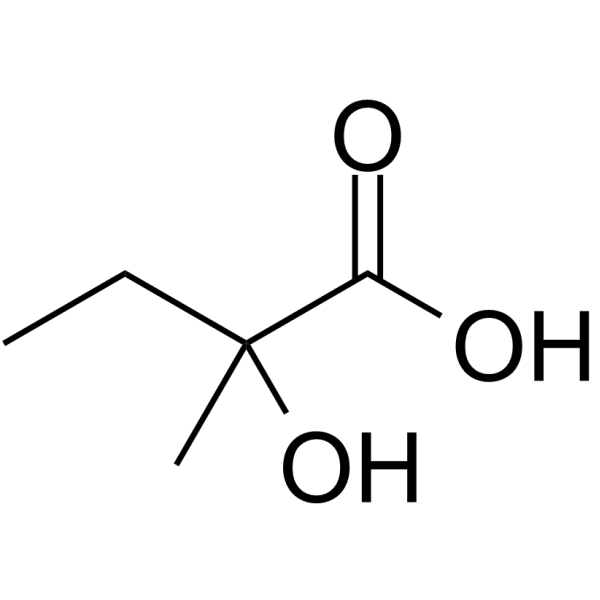 HY-W0158742-Hydroxy-2-methylbutanoic acid
-
Similarity Score 0.83
 HY-Y1150Pivalic acid
-
Similarity Score 0.82
 HY-33358Valproic acid impurity 1
-
Similarity Score 0.82
 HY-W015881ADimebutic acid sodium
-
Similarity Score 0.78
 HY-W015641R2,2-Dimethylsuccinic acid (Standard)
-
Similarity Score 0.78
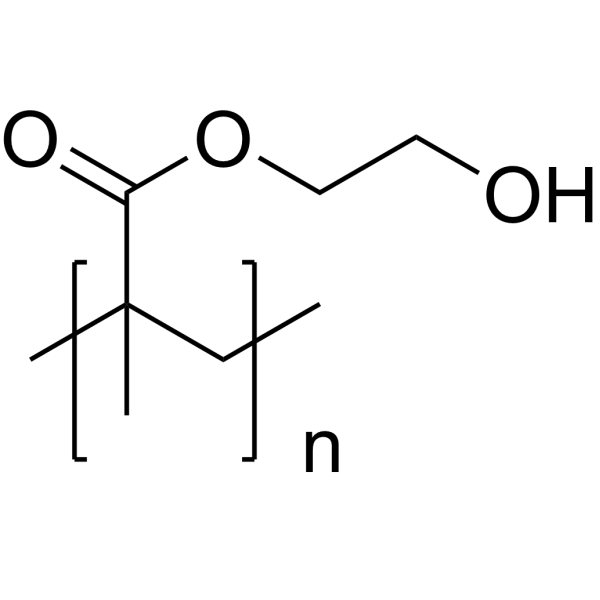 HY-112531APoly(2-hydroxyethyl methacrylate) (Mv 1000000)
-
Similarity Score 0.78
 HY-113409R3-Hydroxyisovaleric acid (Standard)
-
Similarity Score 0.76
 HY-W140670R2-Ethyl-2-methylsuccinic acid (Standard)
-
Similarity Score 0.75
 HY-W007894RDimethylmalonic acid (Standard)
-

Explore the MedChemAI to find more analogs


References
- [1]. Dr Susan P. Perrine MD, et al. Evaluation of Safety and Pharmacokinetics of Sodium 2,2 Dimethylbutyrate, a Novel Short Chain Fatty Acid Derivative, in a Phase 1, Double-Blind, Placebo-Controlled, Single-Dose, and Repeat-Dose Studies in Healthy Volunteers.Clinical Pharmacology Volume51, Issue8 August 2011 Pages 1186-1194
- [2]. Parise RA, et al. Liquid chromatography-mass spectrometric assay for quantitation of the short-chain fatty acid, 2,2-dimethylbutyrate (NSC 741804), in rat plasma. J Chromatogr B Analyt Technol Biomed Life Sci. 2008 Feb 1;862(1-2):168-74. [Content Brief]
- [3]. Terse PS, et al. Short-term toxicity study of ST-20 (NSC-741804) by oral gavage in Sprague-Dawley rats. Toxicol Pathol. 2011 Jun;39(4):614-22. [Content Brief]



