



Insulin(cattle)
Based on 17 publication(s) in Google Scholar
Insulin cattle is a two-chain polypeptide hormone produced in vivo in the pancreatic β cells. Insulin cattle has often been used as growth supplement in culturing cells.
Nur für Forschungszwecke. Wir verkaufen nicht an Patienten.
- CAS. Nr.: 11070-73-8
- Molecular Weight:5800 (Approximately)
-
Speicherung:
Sealed storage, away from moisture.
Powder -80°C, 2 years , -20°C, 1 year* In solvent : -80°C, 6 months; -20°C, 1 month (sealed storage, away from moisture)

To place orders, for customer services and technical support, please contact: MedChemExpress USA
Tel: 609-228-6898 E-mail: [email protected] [email protected]


-
 Biologische Aktivität
-
Chemical Information
-
Lösungsmittel & Löslichkeit
- Protokoll
- Reinheit & Dokumentation
- Verweise
-
 Help & FAQs


-
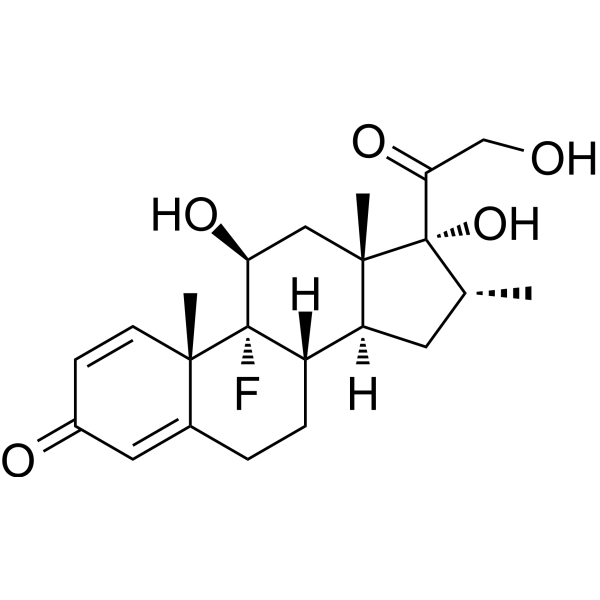
HY-14648
DexamethasoneGR Agonist -
HY-P0035
Insulin (human)Recombinant Human Insulin -
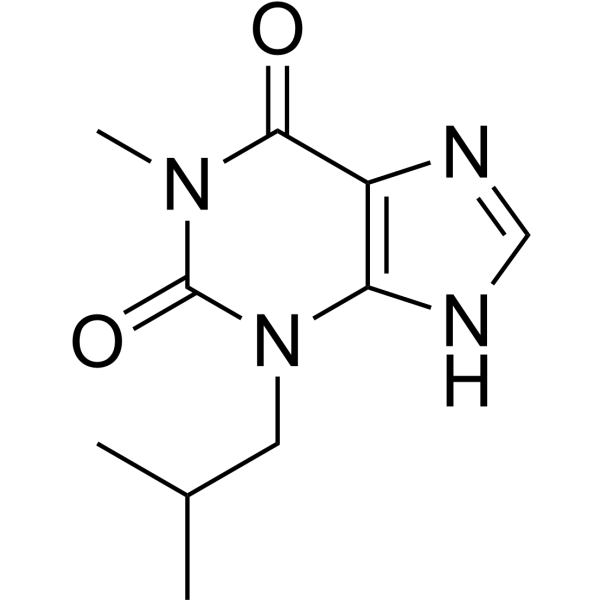
HY-12318
IBMXPDE Inhibitor -

HY-P0035A
Insulin solution (human)Polypeptide Hormone -
HY-P3479
Insulin (swine)Swine Insulin -
HY-N0583
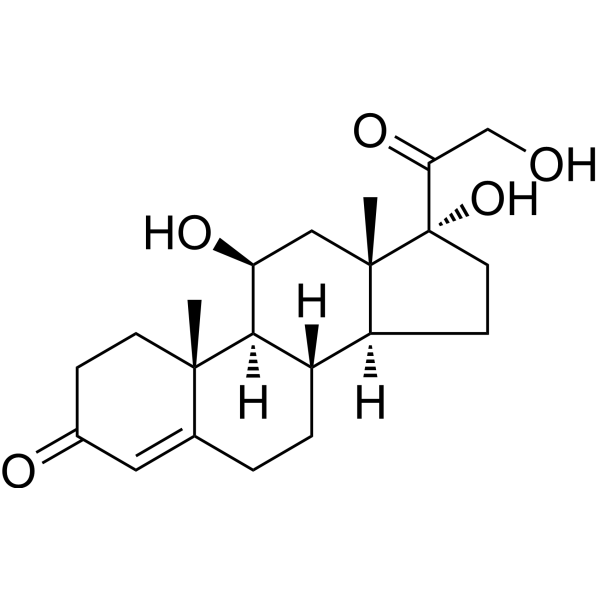
HydrocortisoneGlucocorticoid Receptor Agonist -
HY-17386
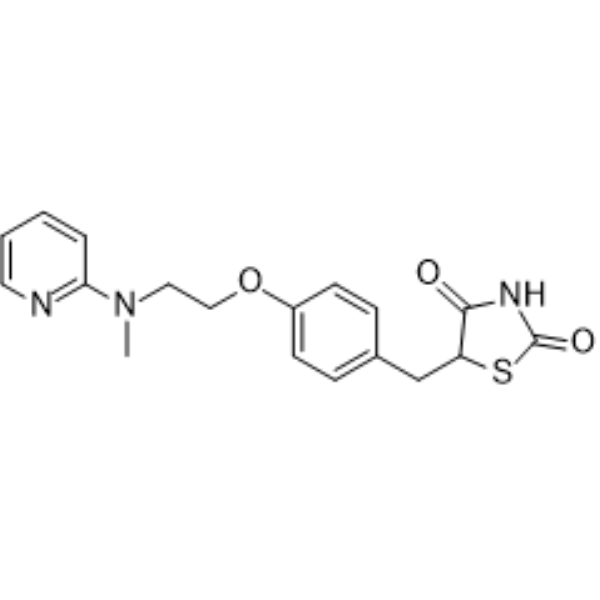
RosiglitazonePPARγ Agonist -
HY-14397
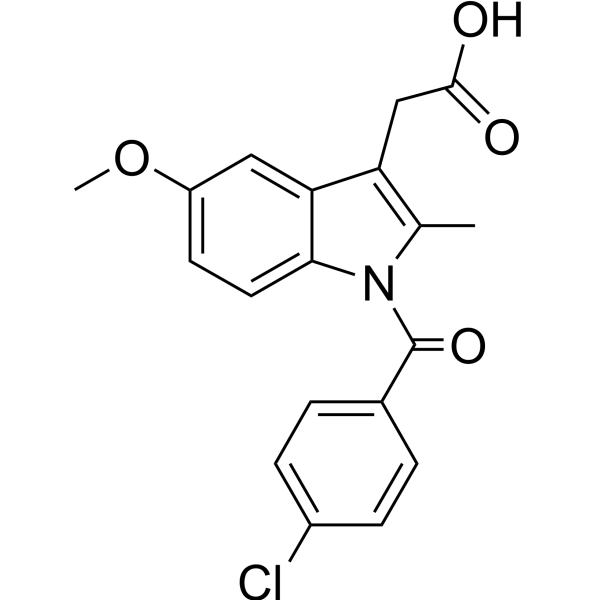
IndomethacinCOX1/2 Inhibitor -
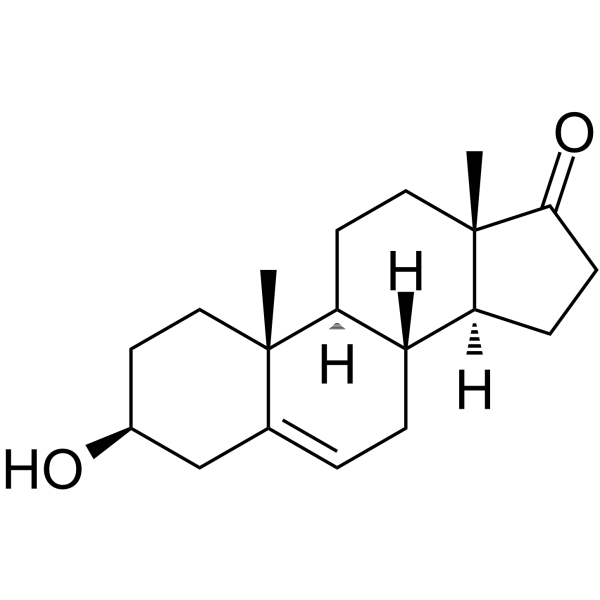
HY-14650
DHEASteroid Hormone -

HY-P7109
EGF Protein, Human -
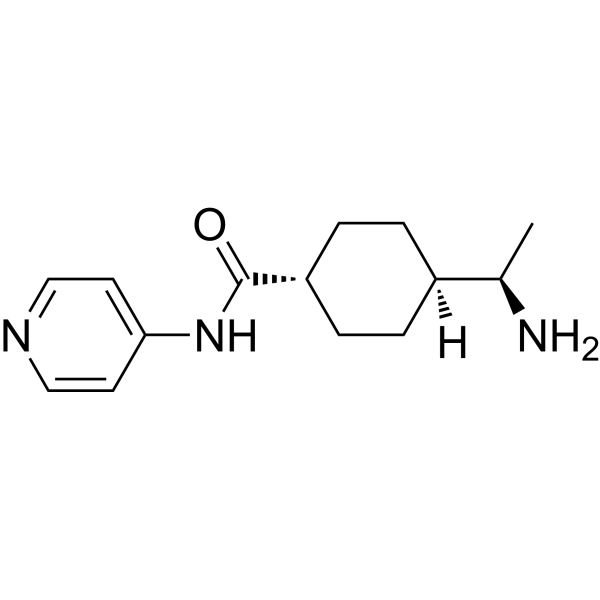
HY-10071
Y-27632ROCK Inhibitor -
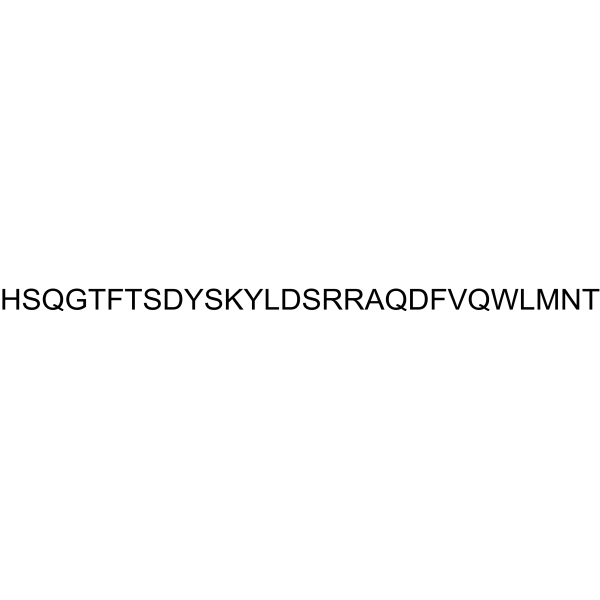
HY-P0082
Glucagon (1-29), bovine, humanPeptide Hormone


Biologische Aktivität
Beschreibung
In Vitro
Insulin cattle is the two-chain polypeptide hormone produced by the β-cells of pancreatic islets. The α and β chains are joined by two interchain disulfide bonds. The α chain contains an intrachain disulfide bond. Insulin regulates glucose uptake into muscle and fat cells by recruiting membrane glucose transporter Glut-4 to cell surface. Insulin cattle has often been used as growth supplement in culturing cells at the concentration ranging from 1 to 10 μg/mL of medium[1].
MedChemExpress (MCE) has not independently confirmed the accuracy of these methods. They are for reference only.


Chemical Information
-
CAS. Nr. 11070-73-8
-
Appearance Solid
-
Molecular Weight 5800 (Approximately)
-
Color White to off-white
-
Versand
Room temperature in continental US; may vary elsewhere.
-
Speicherung
Sealed storage, away from moisture
Powder -80°C 2 years -20°C 1 year * In solvent : -80°C, 6 months; -20°C, 1 month (sealed storage, away from moisture)


Publications (17)
-
Journal Impact Factor
-
Most Recent
-
Cell Death Dis
Estrogen-dependent activation of TRX2 reverses oxidative stress and metabolic dysfunction associated with steatotic disease. [Abstract]2025 Jan 31;16(1):57. PMID: 39890799 -
Genome Biol
BIND&MODIFY: a long-range method for single-molecule mapping of chromatin modifications in eukaryotes. [Abstract]2023 Mar 29;24(1):61. PMID: 36991510 -
-
Cells
2024 Jul 20;13(14):1224. PMID: 39056805 -
J Nutr Biochem
Baicalein alleviates Western diet-induced obesity via metabolically activated adipose tissue macrophages by inducing Nrf2. [Abstract]2026 Sep:155:110381. PMID: 41997457 -
iScience
Integration of GWAS and eQTL analysis reveals regulatory CNVs for fatty acid traits in cattle. [Abstract]2026 Jun 2;29(6):116180. PMID: 42291186 -
Metabolites
Rutin Maintains the Thermogenic Phenotype of Beige Adipocytes and Concomitantly Suppresses Mitophagy Against Obesity in HFD Mice. [Abstract]2025 Dec 23;16(1):12. PMID: 41590620 -
-
Stem Cells Int
E3 Ubiquitin Ligase CHIP Inhibits the Interaction between Hsp90 β and MAST1 to Repress Radiation Resistance in Non-Small-Cell Lung Cancer Stem Cells. [Abstract]2022 Sep 20;2022:2760899. PMID: 36199626 -
Immun Inflamm Dis
2025 Aug;13(8):e70229. PMID: 40844079 -
Adipocyte
Salvianolic acid A promotes mitochondrial biogenesis and mitochondrial function in 3T3-L1 adipocytes through regulation of the AMPK-PGC1α signalling pathway. [Abstract]2022 Dec;11(1):562-571. PMID: 36053001 -
Mol Biol Rep
Dapagliflozin promotes browning of white adipose tissue through the FGFR1-LKB1-AMPK signaling pathway. [Abstract]2024 Apr 21;51(1):562. PMID: 38644407 -
J Proteomics
Global proteomic analysis reveals lysine succinylation contributes to the pathogenesis of aortic aneurysm and dissection. [Abstract]2023 May 30:280:104889. PMID: 36966968 -
bioRxiv
Tissue-specific regulation of PNPLA3 promotes lipid remodeling in response to dietary and temperature stress. [Abstract]2025 Oct 27:2025.10.27.684800. PMID: 41278711 -
-
-


Lösungsmittel & Löslichkeit
In Vitro:
H2O : 23.81 mg/mL (ultrasonic and adjust pH to 2 with 1M HCl)
H2O : 10 mg/mL (ultrasonic and warming and adjust pH to 3 with HCl and heat to 60°C)
1 M Acetic acid : ≥ 6.67 mg/mL
* "≥" means soluble, but saturation unknown.
Konzentration (Stammlösung) × Volumen (Stammlösung) = Konzentration (Ziellösung) × Volumen (Ziellösung)
In Vivo Dissolution Calculator
Please enter the basic information of animal experiments:
-
-
-
-
Recommended: Prepare an additional quantity of animals to account for potential losses during experiments.
Working solution concentration: 0.22 mg/mL
This product has good water solubility, please refer to the measured solubility data in water/PBS/Saline for details.


Reinheit & Dokumentation


Verweise


Insulin(cattle) Related Classifications
HY-P1156 Related Classifications
 Powered by Bioz