



Ralimetinib dimesylate
Based on 18 publication(s) in Google Scholar
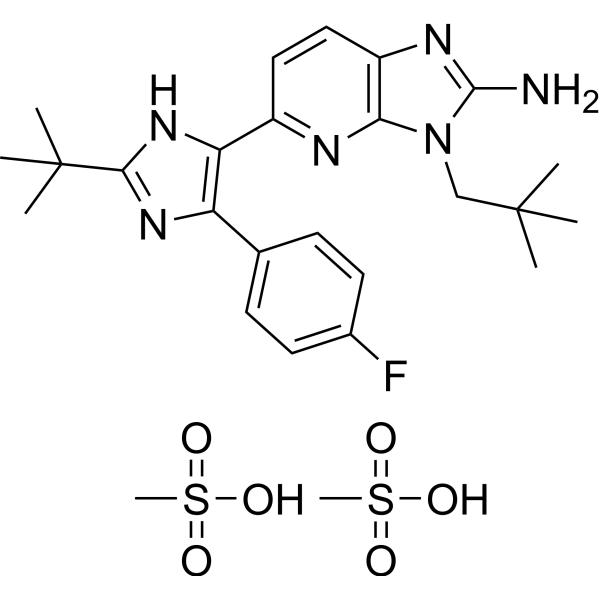
Ralimetinib dimesylate (LY2228820 dimesylate) is a selective, ATP-competitive inhibitor of p38 MAPK α/β with IC50s of 5.3 and 3.2 nM, respectively. Ralimetinib (LY2228820) selectively inhibits phosphorylation of MK2 (Thr334), with no effect on phosphorylation of p38a MAPK, JNK, ERK1/2, c-Jun, ATF2, or c-Myc.
Nur für Forschungszwecke. Wir verkaufen nicht an Patienten.
- Reinheit : 99.97%
- CAS. Nr.: 862507-23-1
- Formel: C26H37FN6O6S2
- Molecular Weight:612.74
-
Speicherung:
4°C, sealed storage, away from moisture
* In solvent : -80°C, 1 year; -20°C, 6 months (sealed storage, away from moisture)

To place orders, for customer services and technical support, please contact: MedChemExpress USA
Tel: 609-228-6898 E-mail: [email protected] [email protected]


-
 Biologische Aktivität
-
Chemical Information
-
Lösungsmittel & Löslichkeit
- Protokoll
- Reinheit & Dokumentation
- Verweise
-
 Help & FAQs


-
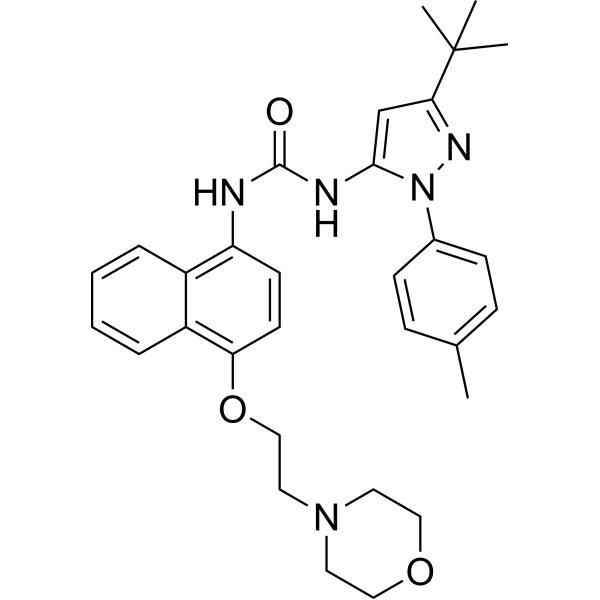
HY-10320
Doramapimodp38 MAPK Inhibitor -
HY-10256
Adezmapimodp38 MAPK Inhibitor -
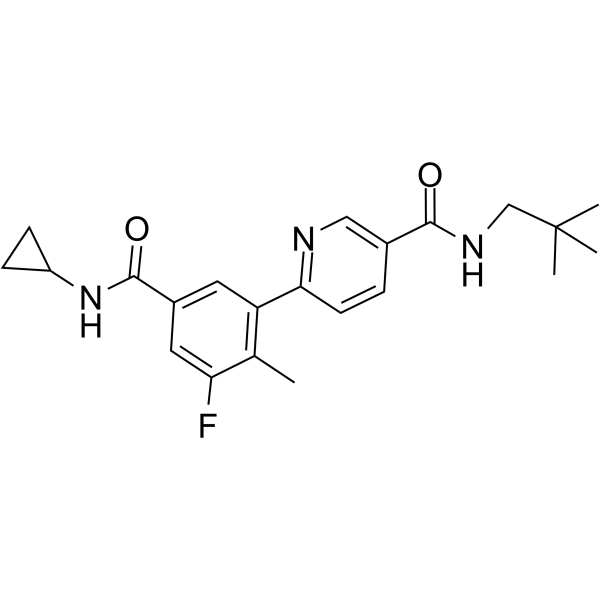
HY-10402
Losmapimodp38α/β MAPK Inhibitor -
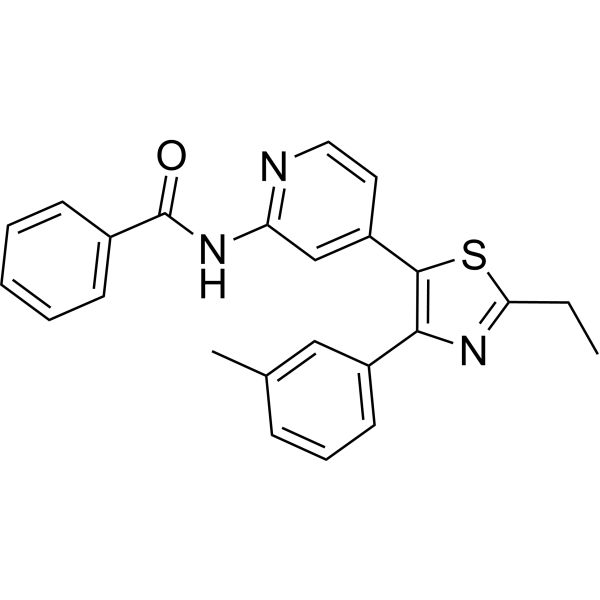
HY-10456
TAK-715p38 MAPK Inhibitor -
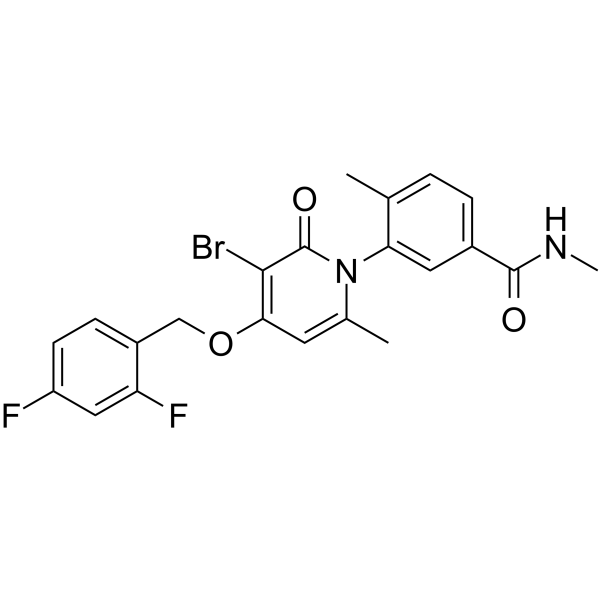
HY-10403
PH-797804p38α/β Inhibitor -
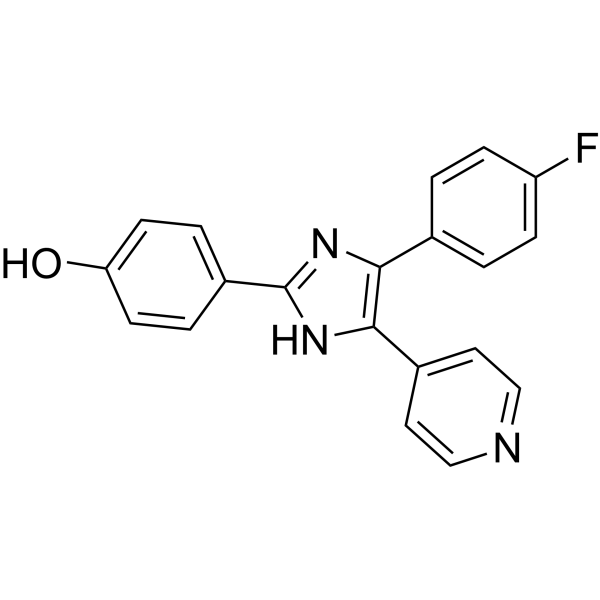
HY-10295
SB 202190p38 MAPK Inhibitor -
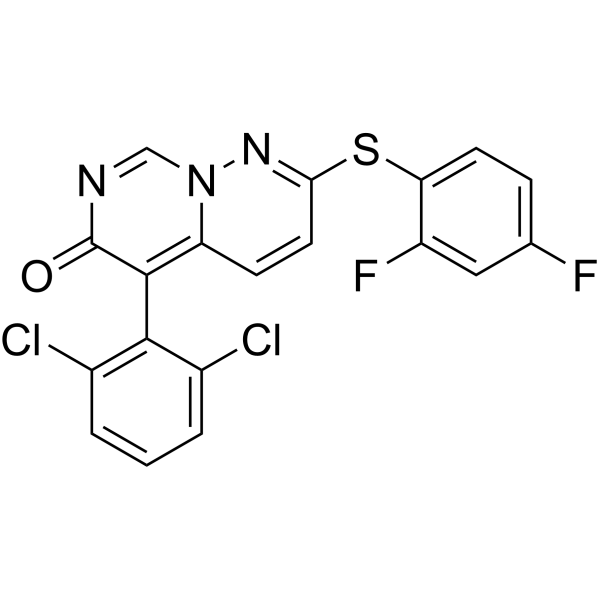
HY-10328
Neflamapimodp38α Inhibitor -
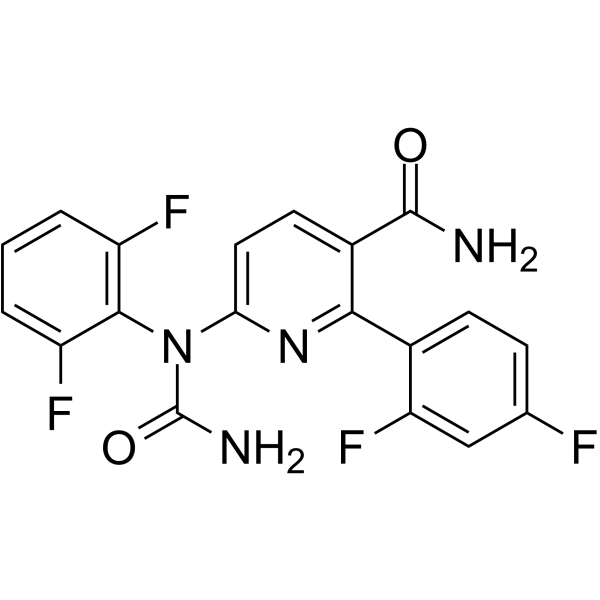
HY-10401
VX-702p38α MAPK Inhibitor -
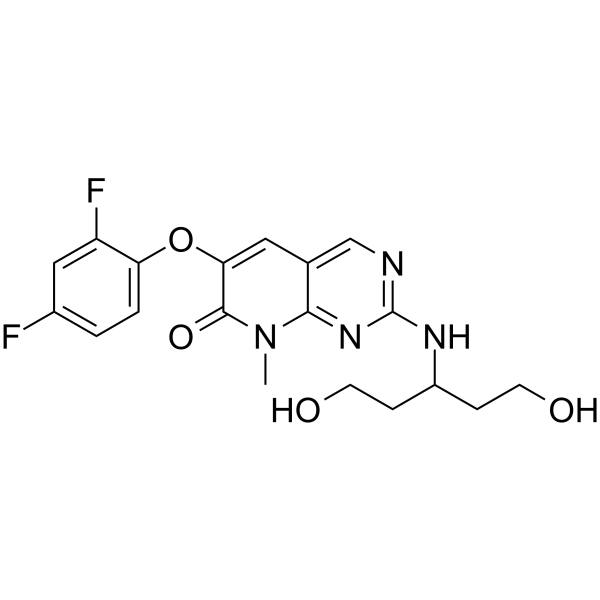
HY-10405
Pamapimodp38α Inhibitor -
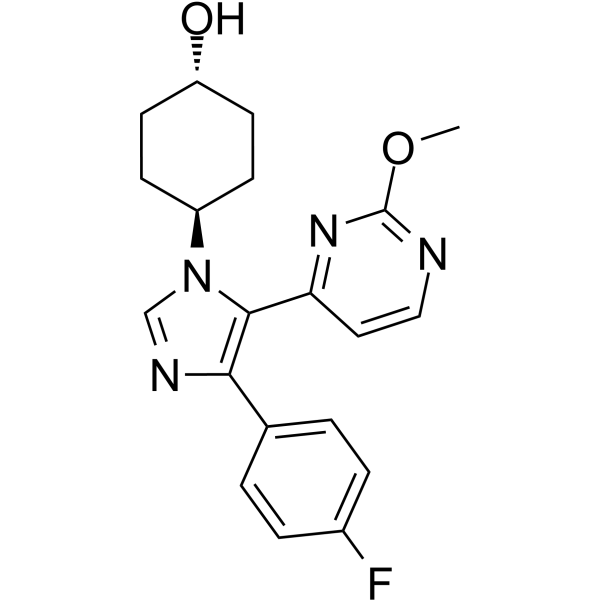
HY-11068
SB 239063p38 MAPK Inhibitor -
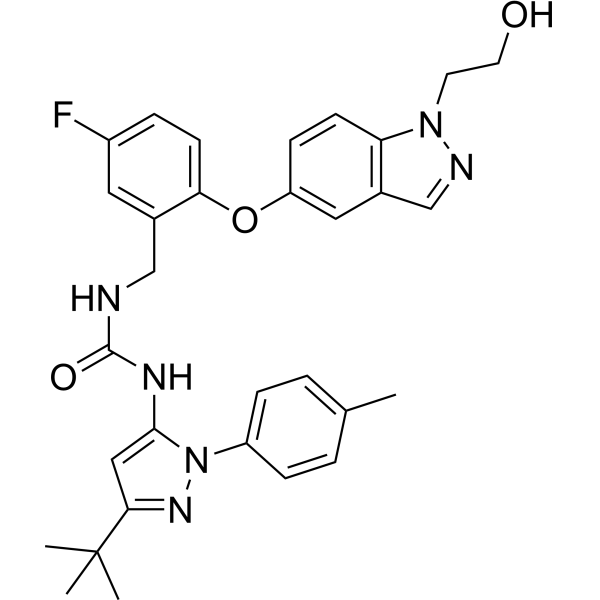
HY-16782
PexmetinibTie-2/p38 MAPK Inhibitor -
HY-10999
TrametinibMEK Inhibitor
Publications Citing Use of MedChemExpress (MCE) Ralimetinib dimesylate
More- Nat Commun. 2021 Dec 3;12(1):6941. [Abstract]
- Sci Transl Med. 2018 Jul 18;10(450):eaaq1093. [Abstract]
- Cell Death Dis. 2021 Oct 23;12(11):994. [Abstract]
- EBioMedicine. 2015 Nov 19;2(12):1944-56. [Abstract]
- Oncogene. 2026 Mar 5. [Abstract]
- Cell Rep. 2026 Jun 18;45(7):117576. [Abstract]
- Cell Rep. 2023 Mar 20;42(3):112275. [Abstract]
- Commun Biol. 2022 Dec 20;5(1):1391. [Abstract]
- Glia. 2020 Jan;68(1):27-43. [Abstract]
- Mol Med Rep. 2019 Jul;20(1):735-744. [Abstract]
- Toxics. 2025 Dec 25;14(1):24. [Abstract]
- Med Oncol. 2026 Jun 3;43(7):191. [Abstract]
- Eur J Immunol. 2020 Sep;50(9):1350-1361. [Abstract]
- Cell Biol Int. 2020 Jan;44(1):89-97. [Abstract]
- Mol Cell Biol. 2025;45(3):99-115. [Abstract]
- bioRxiv. 2026 Aug 7:2026.08.06.743109.
- Res Sq. 2025 Apr 15.
- bioRxiv. 2023 Feb 8.
 Customer Validation & Images

-
Cell Proliferation/Viability Assay
-
Cell Proliferation/Viability Assay
-
WB
-
ELISA
-
WB


Biologische Aktivität
Beschreibung
IC50 & Target
[3]|
p38β MAPK 3.2 nM (IC50) |
p38α MAPK 5.3 nM (IC50) |
Cellular Effect
|
Cell Line

|
Type | Value | Description | References |
|---|---|---|---|---|
| Caco-2 | CC50 |
56.2 μM
Compound: LY2228820
|
Toxicity against Caco-2 cells determined at 48 hours by intracellular ATP concentration using the CellTiter-Glo Luminescent Cell Viability Assay
Toxicity against Caco-2 cells determined at 48 hours by intracellular ATP concentration using the CellTiter-Glo Luminescent Cell Viability Assay
|
10.21203/rs.3.rs-23951/v1 |
| Caco-2 | IC50 |
0.87 μM
Compound: LY2228820
|
Determination of IC50 values for inhibition of SARS-CoV-2 induced cytotoxicity of Caco-2 cells after 48 hours by high content imaging
Determination of IC50 values for inhibition of SARS-CoV-2 induced cytotoxicity of Caco-2 cells after 48 hours by high content imaging
|
10.21203/rs.3.rs-23951/v1 |
In Vitro
Ralimetinib dimesylate inhibits p38α, as well as the level of phosphoMAPKAPK-2 (pMK2) in RAW 264.7 cells, with IC50 values of 7 nM and 34.3 nM, respectively. Furthermore, Ralimetinib dimesylate inhibits lipopolysaccharide (LPS)-induced TNFα formation in murine peritoneal macrophages, with IC50 of 5.2 nM[1]. In multiple myeloma (MM) cells, including INA6, RPMI-8226, U266, and RPMI-Dox40, Ralimetinib dimesylate (LY2228820) (200 nM-800 nM) significantly blocks p38MAPK signaling, as revealed by its inhibition on phosphorylation of HSP27, a downstream target of p38MAPK, without affecting the expression level of HSP27. Ralimetinib dimesylate (200 nM-400 nM) enhances bortezomib-induced cytotoxicity and apoptosis, but Ralimetinib dimesylate alone doesn't inhibit the growth of MM.1S cells. Ralimetinib dimesylate (200 nM-800 nM) also inhibits secretion of IL-6 and MIP-1α in long-term BM stromal cells (LT-BMSCs), BM mononuclear cells (BMMNCs), peripheral blood (PB) CD138+, CD138- or PB CD14+ cells. Ralimetinib dimesylate (400 nM-800 nM) also blocks osteoclastogenesis from CD14+ cells[2].
MedChemExpress (MCE) has not independently confirmed the accuracy of these methods. They are for reference only.
In Vivo
MedChemExpress (MCE) has not independently confirmed the accuracy of these methods. They are for reference only.


Chemical Information
-
CAS. Nr. 862507-23-1
-
Appearance Solid
-
Molecular Weight 612.74
-
Formel C26H37FN6O6S2
-
Color White to yellow
-
SMILES
FC1=CC=C(C=C1)C2=C(NC(C(C)(C)C)=N2)C3=NC4=C(C=C3)N=C(N)N4CC(C)(C)C.OS(C)(=O)=O.OS(C)(=O)=O
-
Synonyms
LY2228820 dimesylate
-
Versand
Room temperature in continental US; may vary elsewhere.
-
Speicherung
4°C, sealed storage, away from moisture
* In solvent : -80°C, 1 year; -20°C, 6 months (sealed storage, away from moisture)


Publications (18)
-
Journal Impact Factor
-
Most Recent
-
Nat Commun
Inhibition of cytoplasmic EZH2 induces antitumor activity through stabilization of the DLC1 tumor suppressor protein. [Abstract]2021 Dec 3;12(1):6941. PMID: 34862367 -
Sci Transl Med
PP2A inhibition is a druggable MEK inhibitor resistance mechanism in KRAS-mutant lung cancer cells. [Abstract]2018 Jul 18;10(450):eaaq1093. PMID: 30021885 -
Cell Death Dis
Quantitative analysis of phosphoproteome in necroptosis reveals a role of TRIM28 phosphorylation in promoting necroptosis-induced cytokine production. [Abstract]2021 Oct 23;12(11):994. PMID: 34689152
Ralimetinib dimesylate purchased from MedChemExpress. Usage Cited in: Cell Death Dis. 2021 Oct 23;12(11):994. [Abstract]
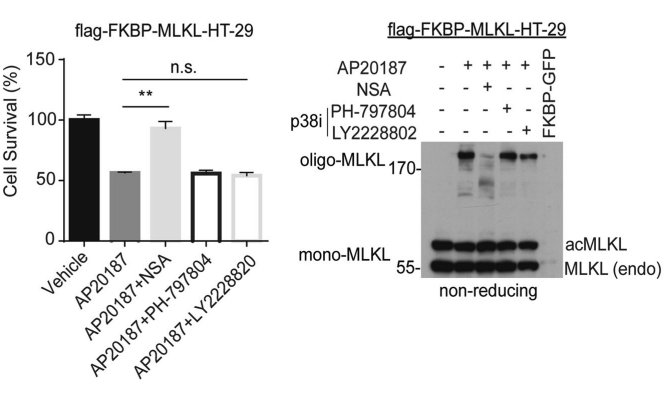
HT-29 cells were transfected with an expression vector of flag-tagged MLKL fused with two AP20187 (10 μM)-binding (FKBPv) domains. The cells were pretreated with indicated compounds (Ralimetinib dimesylate (LY2228820, 10 μM), et al.) for 4 h followed by treatment with AP20187 to induce MLKL oligomerization. Cell viability was determined by CellTiter-Glo after treatment with AP20187 for 2 h (Left). Cell lysates were separated by non-reducing SDS/PAGE and analyzed by western blotting using MLKL antibody (Right).
-
EBioMedicine
PP2AC Level Determines Differential Programming of p38-TSC-mTOR Signaling and Therapeutic Response to p38-Targeted Therapy in Colorectal Cancer. [Abstract]2015 Nov 19;2(12):1944-56. PMID: 26844273
Ralimetinib dimesylate purchased from MedChemExpress. Usage Cited in: EBioMedicine. 2015 Nov 19;2(12):1944-56. [Abstract]
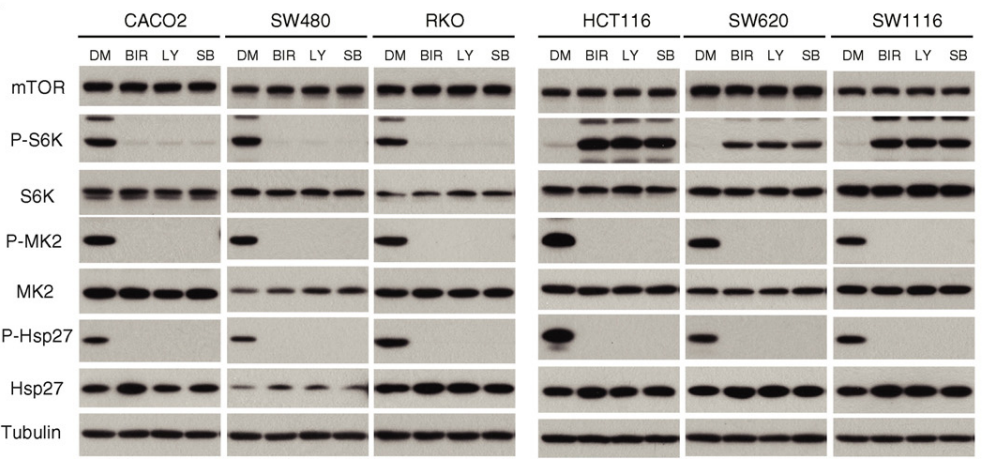
CRC cells were treated with 4 μM Ralimetinib dimesylate (LY2228820), 10 μM BIRB796 or 10 μM SB202190 for 2 h and p38 and mTORC1 signaling was analyzed by immunoblot.
-
Oncogene
ULK1 promotes metastatic progression in experimental models of epithelial ovarian cancer. [Abstract]2026 Mar 5. PMID: 41786876
Ralimetinib dimesylate purchased from MedChemExpress. Usage Cited in: Oncogene. 2026 Mar 5. [Abstract]
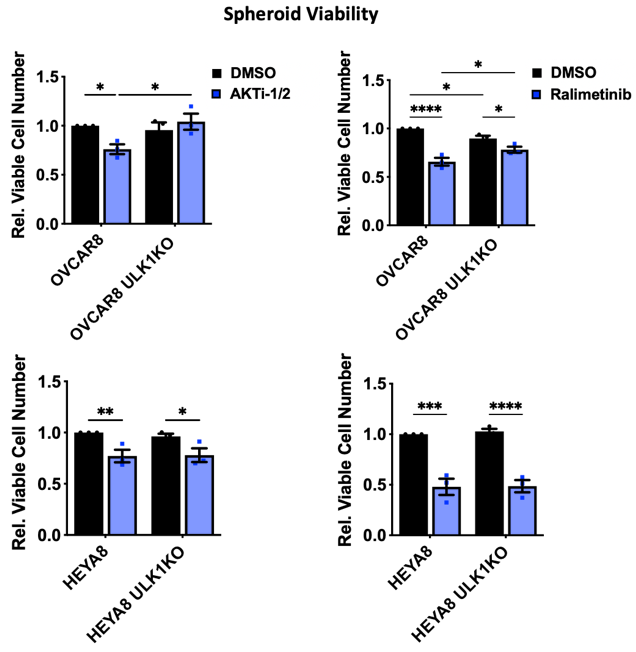
Spheroids were cultured for 24 h before treating with either AKTi-1/2 (5 µM) or Ralimetinib dimesylate (15 µM) for 72 h before performing Trypan Blue Exclusion Assay. Treatment with AKTi-1/2 (AKT inhibitor) and Ralimetinib dimesylate (p38 inhibitor) resulted in significantly increased cell viability in OVCAR8-ULK1KO spheroids, while no differences were observed in HEYA8-ULK1KO spheroids.
-
Cell Rep
2026 Jun 18;45(7):117576. PMID: 42313565 -
Cell Rep
Pharmacological boosting of cGAS activation sensitizes chemotherapy by enhancing antitumor immunity. [Abstract]2023 Mar 20;42(3):112275. PMID: 36943864 -
Commun Biol
2022 Dec 20;5(1):1391. PMID: 36539532 -
Glia
Activation of G protein-coupled receptor 30 protects neurons by regulating autophagy in astrocytes. [Abstract]2020 Jan;68(1):27-43. PMID: 31429156 -
Mol Med Rep
2019 Jul;20(1):735-744. PMID: 31115561
Ralimetinib dimesylate purchased from MedChemExpress. Usage Cited in: Mol Med Rep. 2019 Jul;20(1):735-744. [Abstract]
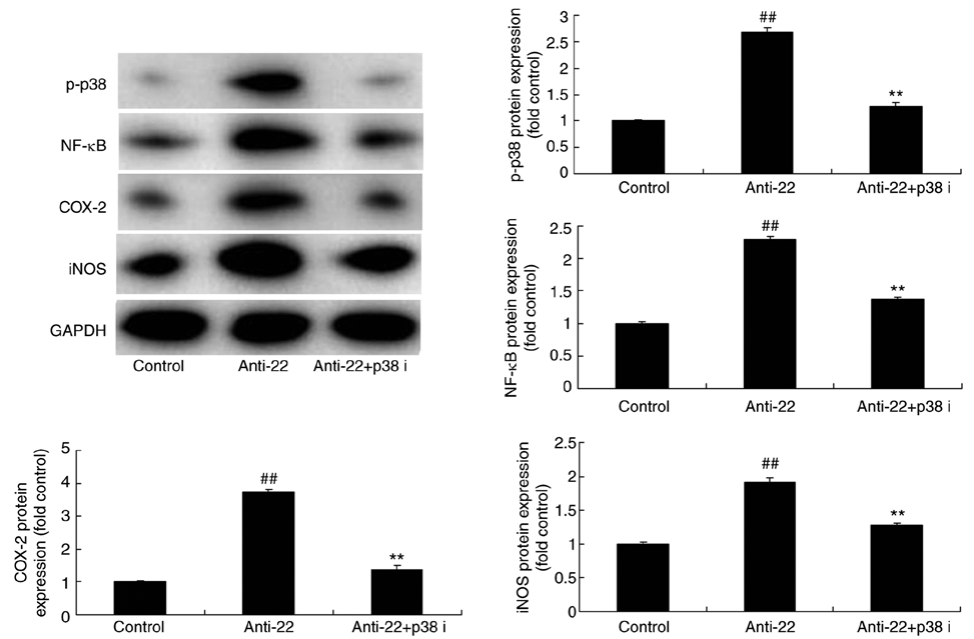
p38 inhibitor Ralimetinib dimesylate (p38 i, 3 nM; 24 h) reduced the proinflammatory effects of Anti-22 in model in vitro. p-p38, NF-κB, COX-2 and iNOS protein expression was determined by western blotting and statistically analyzed.
Ralimetinib dimesylate purchased from MedChemExpress. Usage Cited in: Mol Med Rep. 2019 Jul;20(1):735-744. [Abstract]
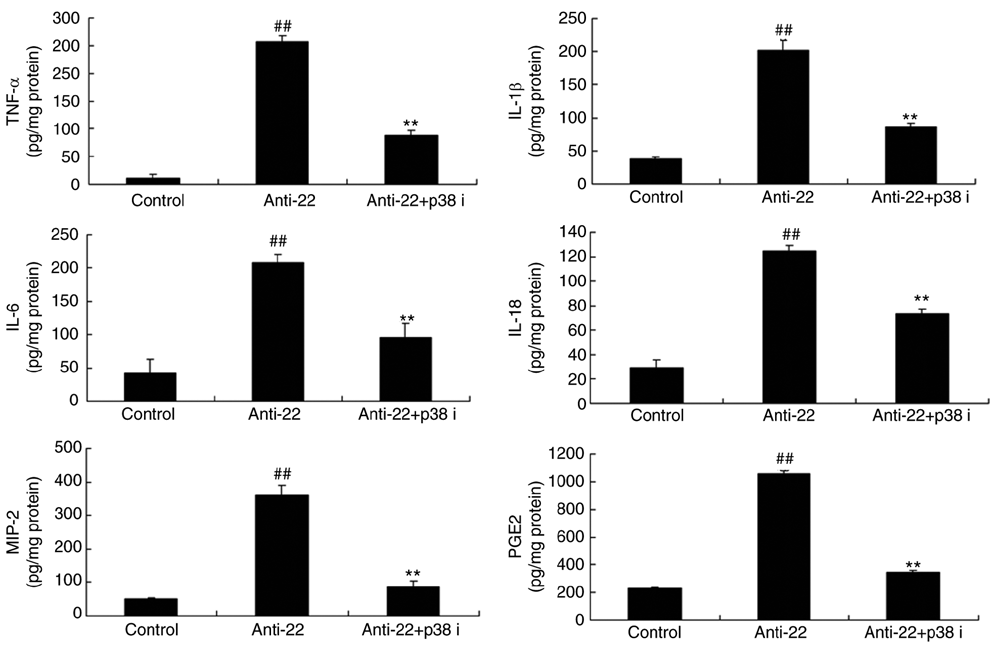
p38 inhibitor Ralimetinib dimesylate (p38 i, 3 nM; 24 h) reduced the proinflammatory effects of Anti-22 in the in vitro stroke model. TNF-α, IL-1β, IL-6, IL-18, MIP-2 and PGE2 expression was determined by ELISA.
-
Toxics
Co-Exposure of Microplastics and Avermectin at Environmental-Related Concentrations Caused Severe Heart Damage Through ROS-Mediated MAPK Signaling in Larval and Adult Zebrafish. [Abstract]2025 Dec 25;14(1):24. PMID: 41600573 -
Med Oncol
P38MAPK targeting in pancreatic ductal adenocarcinoma: Promising interventional approach for breaking drug resistance and tumor control. [Abstract]2026 Jun 3;43(7):191. PMID: 42234045 -
Eur J Immunol
Neutralization of IL-10 produced by B cells promotes protective immunity during persistent HCV infection in humanized mice. [Abstract]2020 Sep;50(9):1350-1361. PMID: 32339264 -
Cell Biol Int
Lipopolysaccharide inhibits GPR120 expression in macrophages via Toll-like receptor 4 and p38 MAPK activation. [Abstract]2020 Jan;44(1):89-97. PMID: 31322778 -
Mol Cell Biol
Kinase Inhibitor-Induced Cell-Type Specific Vacuole Formation in the Absence of Canonical ATG5-Dependent Autophagy Initiation Pathway. [Abstract]2025;45(3):99-115. PMID: 39895059 -
-
-


Lösungsmittel & Löslichkeit
In Vitro:
DMSO : 61 mg/mL (99.55 mM; Need ultrasonic and warming; Hygroscopic DMSO has a significant impact on the solubility of product, please use newly opened DMSO)
H2O : ≥ 33.33 mg/mL (54.40 mM)
* "≥" means soluble, but saturation unknown.
Please refer to the solubility information to select the appropriate solvent. Once prepared, please aliquot and store the solution to prevent product inactivation from repeated freeze-thaw cycles.
Storage method and period of stock solution: -80°C, 1 year; -20°C, 6 months (sealed storage, away from moisture). When stored at -80°C, please use it within 1 year. When stored at -20°C, please use it within 6 months.
* Note: If you choose water as the stock solution, please dilute it to the working solution, then filter and sterilize it with a 0.22 μm filter before use.
Please refer to the solubility information to select the appropriate solvent. Once prepared, please aliquot and store the solution to prevent product inactivation from repeated freeze-thaw cycles.
Storage method and period of stock solution: -80°C, 1 year; -20°C, 6 months (sealed storage, away from moisture). When stored at -80°C, please use it within 1 year. When stored at -20°C, please use it within 6 months.
* Note: If you choose water as the stock solution, please dilute it to the working solution, then filter and sterilize it with a 0.22 μm filter before use.
Konzentration (Stammlösung) × Volumen (Stammlösung) = Konzentration (Ziellösung) × Volumen (Ziellösung)
In Vivo:
Select the appropriate dissolution method based on your experimental animal and administration route.
- For the following dissolution methods, please ensure to first prepare a clear stock solution using an In Vitro approach and then sequentially add co-solvents:
- To ensure reliable experimental results, the clarified stock solution can be appropriately stored based on storage conditions. As for the working solution for In Vivo experiments, it is recommended to prepare freshly and use it on the same day.
- The percentages shown for the solvents indicate their volumetric ratio in the final prepared solution. If precipitation or phase separation occurs during preparation, heat and/or sonication can be used to aid dissolution.
Add each solvent one by one: 10% DMSO 40% PEG300 5% Tween-80 45% Saline
Solubility: ≥ 2.5 mg/mL (4.08 mM); Clear solution
This protocol yields a clear solution of ≥ 2.5 mg/mL (saturation unknown).
Taking 1 mL working solution as an example, add 100 μL DMSO stock solution (25.0 mg/mL) to 400 μL PEG300, and mix evenly; then add 50 μL Tween-80 and mix evenly; then add 450 μL Saline to adjust the volume to 1 mL.
Preparation of Saline: Dissolve 0.9 g sodium chloride in ddH₂O and dilute to 100 mL to obtain a clear Saline solution.
Add each solvent one by one: 10% DMSO 90% (20% SBE-β-CD in Saline)
Solubility: ≥ 2.5 mg/mL (4.08 mM); Clear solution
This protocol yields a clear solution of ≥ 2.5 mg/mL (saturation unknown).
Taking 1 mL working solution as an example, add 100 μL DMSO stock solution (25.0 mg/mL) to 900 μL 20% SBE-β-CD in Saline, and mix evenly.
Preparation of 20% SBE-β-CD in Saline (4°C, storage for one week): 2 g SBE-β-CD powder is dissolved in 10 mL Saline, completely dissolve until clear.
In Vivo Dissolution Calculator
Please enter the basic information of animal experiments:
-
-
-
-
Recommended: Prepare an additional quantity of animals to account for potential losses during experiments.
Working solution concentration: 0.22 mg/mL
This product has good water solubility, please refer to the measured solubility data in water/PBS/Saline for details.


Reinheit & Dokumentation
-
Data Sheet (288 KB)
-
SDS (393 KB)
- English - EN (393 KB)
- Français - FR (393 KB)
- Deutsch - DE (393 KB)
- Norwegian - NO (393 KB)
- Español - ES (393 KB)
- Swedish - SV (393 KB)
- Italian - IT (393 KB)
- Korean - KR (393 KB)
- Portuguese - PT (393 KB)
-
Handling Instructions (2659 KB)
Verweise
[1]. Mader M, et al. Imidazolyl benzimidazoles and imidazo[4,5-b]pyridines as potent p38alpha MAP kinase inhibitors with excellent in vivo antiinflammatory properties. Bioorg Med Chem Lett, 2008, 18(1), 179-183. [Content Brief]
[2]. Ishitsuka K, et al. p38 mitogen-activated protein kinase inhibitor LY2228820 enhances bortezomib-induced cytotoxicity and inhibits osteoclastogenesis in multiple myeloma; therapeutic implications. Br J Haematol, 2008, 141(5), 598-606. [Content Brief]
[3]. Campbell RM, et al. Characterization of LY2228820 dimesylate, a potent and selective inhibitor of p38 MAPK with antitumor activity. Mol Cancer Ther. 2014 Feb;13(2):364-74. [Content Brief]


Complete Stock Solution Preparation Table
Please refer to the solubility information to select the appropriate solvent. Once prepared, please aliquot and store the solution to prevent product inactivation from repeated freeze-thaw cycles.
Storage method and period of stock solution: -80°C, 1 year; -20°C, 6 months (sealed storage, away from moisture). When stored at -80°C, please use it within 1 year. When stored at -20°C, please use it within 6 months.
| Optional Solvent | Concentration Solvent Mass | 1 mg | 5 mg | 10 mg | 25 mg |
|---|---|---|---|---|---|
| H2O / DMSO | 1 mM | 1.6320 mL | 8.1601 mL | 16.3201 mL | 40.8003 mL |
| 5 mM | 0.3264 mL | 1.6320 mL | 3.2640 mL | 8.1601 mL | |
| 10 mM | 0.1632 mL | 0.8160 mL | 1.6320 mL | 4.0800 mL | |
| 15 mM | 0.1088 mL | 0.5440 mL | 1.0880 mL | 2.7200 mL | |
| 20 mM | 0.0816 mL | 0.4080 mL | 0.8160 mL | 2.0400 mL | |
| 25 mM | 0.0653 mL | 0.3264 mL | 0.6528 mL | 1.6320 mL | |
| 30 mM | 0.0544 mL | 0.2720 mL | 0.5440 mL | 1.3600 mL | |
| 40 mM | 0.0408 mL | 0.2040 mL | 0.4080 mL | 1.0200 mL | |
| 50 mM | 0.0326 mL | 0.1632 mL | 0.3264 mL | 0.8160 mL | |
| DMSO | 60 mM | 0.0272 mL | 0.1360 mL | 0.2720 mL | 0.6800 mL |
| 80 mM | 0.0204 mL | 0.1020 mL | 0.2040 mL | 0.5100 mL |
* Note: If you choose water as the stock solution, please dilute it to the working solution, then filter and sterilize it with a 0.22 μm filter before use.


Ralimetinib dimesylate Related Classifications
HY-13241 Related Classifications
 Powered by Bioz