
767 Results for "

Normal

" in MedChemExpress (MCE) Product Catalog:
Products (767)

767 Results for "Normal" in MCE Product Catalog:

262
262 Publications Verification
Art. -Nr.: HY-15534
CAS. Nr.: 3520-43-2
Reinheit:  98.71%
Synonyms: CBIC2
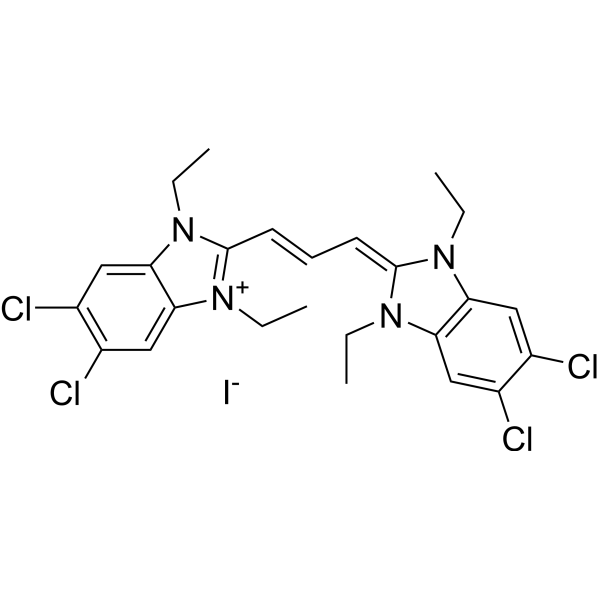
JC-1 (CBIC2) is an ideal fluorescent probe widely used to detect mitochondrial membrane potential. JC-1 accumulates in mitochondria in a potential dependent manner and can be used to detect the membrane potential of cells or purified mitochondria. In normal mitochondria, JC-1 aggregates in the mitochondrial matrix to form a polymer, which emits strong red fluorescence (Ex=585 nm, Em=590 nm); When the mitochondrial membrane potential is low, JC-1 cannot aggregate in the matrix of mitochondria and produce green fluorescence (ex=510 nm, em= 527 nm) .
loading...
    loading...
139
139 Cited Publications
Art. -Nr.: HY-P1410
CAS. Nr.: 1209500-46-8
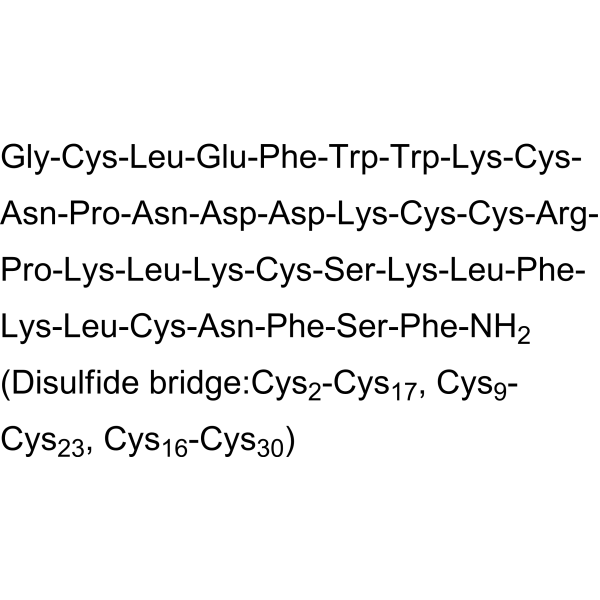
GsMTx4 is a spider venom peptide that selectively inhibits cationic-permeable mechanosensitive channels (MSCs) belonging to the Piezo and TRP channel families. GsMTx4 also blocks cation-selective stretch-activated channels (SACs) , attenuates lysophosphatidylcholine (LPC)-induced astrocyte toxicity and microglial reactivity. GsMTx4 is an important pharmacological tool for identifying the role of these excitatory MSCs in normal physiology and pathology .
loading...
    loading...
139
139 Cited Publications
Art. -Nr.: HY-P1410A
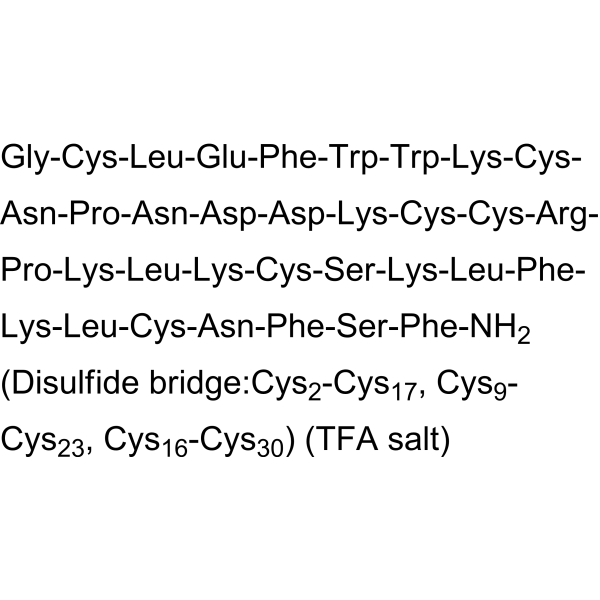
GsMTx4 TFA is a spider venom peptide that selectively inhibits cationic-permeable mechanosensitive channels (MSCs) belonging to the Piezo and TRP channel families. GsMTx4 TFA also blocks cation-selective stretch-activated channels (SACs) , attenuates lysophosphatidylcholine (LPC)-induced astrocyte toxicity and microglial reactivity. GsMTx4 TFA is an important pharmacological tool for identifying the role of these excitatory MSCs in normal physiology and pathology .
loading...
    loading...
121
121 Cited Publications
Art. -Nr.: HY-B0069
CAS. Nr.: 21679-14-1
Synonyms: F-ara-A; NSC 118218
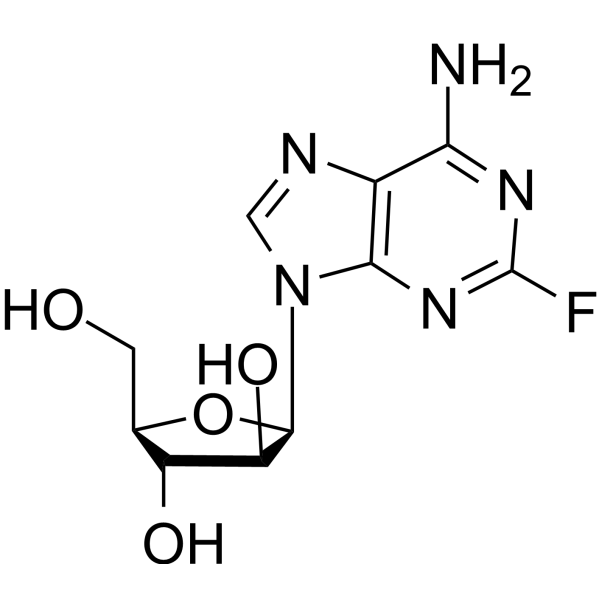
Fludarabine (NSC 118218) is a DNA synthesis inhibitor and a fluorinated purine analogue with antineoplastic activity in lymphoproliferative malignancies. Fludarabine inhibits the cytokine-induced activation of STAT1 and STAT1-dependent gene transcription in normal resting or activated lymphocytes .
loading...
    loading...
78
78 Cited Publications
Art. -Nr.: HY-13318
CAS. Nr.: 187227-45-8
Reinheit:  99.50%
Synonyms: GS 4071; Ro 64-0802; Oseltamivir carboxylate
Forschungsgebiete:  

Infection Neurological Disease

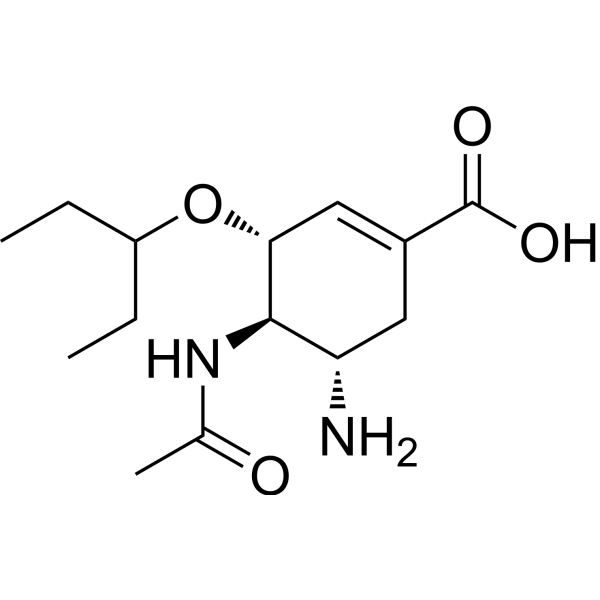
Oseltamivir acid (GS 4071), the active metabolite of Oseltamivir phosphate, is an orally bioavailable, potent and selective inhibitor of influenza virus neuraminidase (IC50=2 nM) with activity against both influenza A and B viruses. Oseltamivir acid has an extremely weak ability to penetrate the BBB under normal physiological conditions, but its blood-brain barrier penetration is significantly enhanced under inflammatory conditions .
loading...
    loading...
74
74 Cited Publications
Art. -Nr.: HY-10211
CAS. Nr.: 75747-14-7
Reinheit:  99.01%
Synonyms: 17-AAG; NSC 330507; CP 127374
Forschungsgebiete:  

Infection Cancer

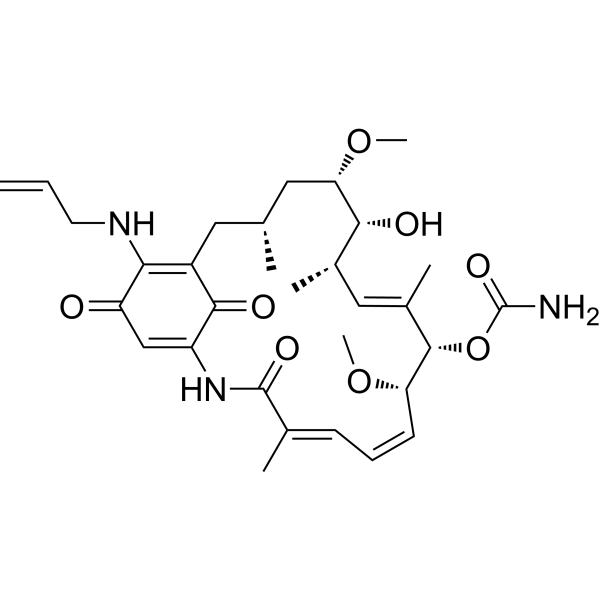
Tanespimycin (17-AAG) is a potent HSP90 inhibitor with an IC50 of 5 nM, having a 100-fold higher binding affinity for tumour cell derived HSP90 than normal cell derived HSP90 . Tanespimycin depletes cellular STK38/NDR1 and reduces STK38 kinase activity. Tanespimycin also downregulates the stk38 gene expression .
loading...
    loading...
72
72 Cited Publications
Art. -Nr.: HY-13443
CAS. Nr.: 141758-74-9
Reinheit:  99.95%
Synonyms: Exenatide
Target:  

GLP Receptor Apoptosis

Forschungsgebiete:  

Cardiovascular Disease Metabolic Disease

Exendin‑4 (Exenatide) is an orally active, blood-brain barrier-permeable glucagon-like peptide-1 receptor (GLP‑1 receptor) agonist that resists degradation mediated by dipeptidyl peptidase IV. Exendin‑4 mediates multiple glucose-regulating effects, including stimulation of glucose-dependent insulin secretion, inhibition of glucagon production, increase in β-cell mass, delay of gastric emptying, reduction of food intake, improvement of peripheral insulin sensitivity, and restoration of normal islet structure. Exendin‑4 inhibits oxidative stress, alleviates inflammatory responses, and reduces neuronal apoptosis. Exendin‑4 reduces the aggregation level of mutant huntingtin, improves motor function, prolongs survival time, and regulates the expression levels of leptin and ghrelin. Exendin‑4 can be used in research related to type 2 diabetes, acute ischemic stroke, and Huntington's disease .
loading...
    loading...
72
72 Cited Publications
Art. -Nr.: HY-13443A
CAS. Nr.: 914454-01-6
Reinheit:  99.91%
Synonyms: Exenatide acetate
Target:  

GLP Receptor Apoptosis

Forschungsgebiete:  

Cardiovascular Disease Metabolic Disease

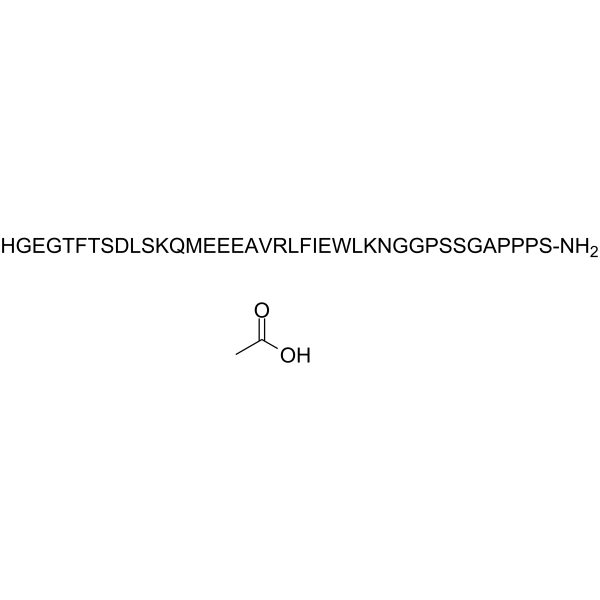
Exendin-4 acetate (Exenatide acetate) is an orally active, blood-brain barrier-permeable glucagon-like peptide-1 receptor (GLP‑1 receptor) agonist that resists degradation mediated by dipeptidyl peptidase IV. Exendin-4 acetate mediates multiple glucose-regulating effects, including stimulation of glucose-dependent insulin secretion, inhibition of glucagon production, increase in β-cell mass, delay of gastric emptying, reduction of food intake, improvement of peripheral insulin sensitivity, and restoration of normal islet structure. Exendin-4 acetate inhibits oxidative stress, alleviates inflammatory responses, and reduces neuronal apoptosis. Exendin-4 acetate reduces the aggregation level of mutant huntingtin, improves motor function, prolongs survival time, and regulates the expression levels of leptin and ghrelin. Exendin-4 acetate can be used in research related to type 2 diabetes, acute ischemic stroke, and Huntington's disease .
loading...
    loading...
24
24 Cited Publications
Art. -Nr.: HY-141644
CAS. Nr.: 2765218-56-0
Reinheit:  99.10%
Target:  

Annexin A YAP

Forschungsgebiete:  

Inflammation/Immunology

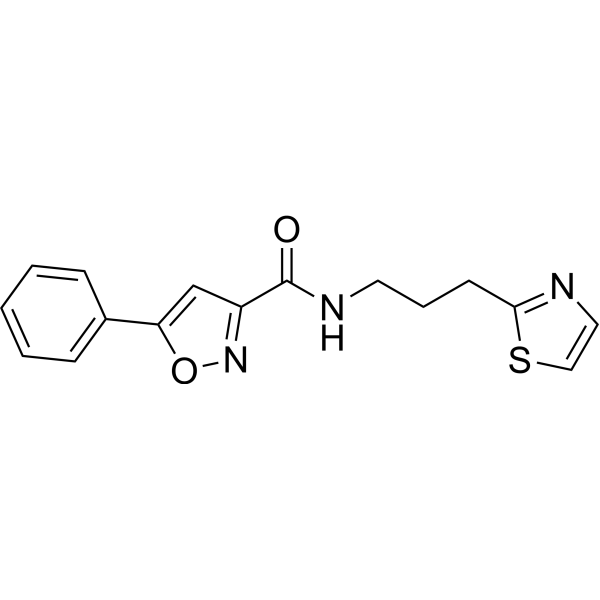
PY-60 is a robust and specific activator of YAP transcriptional activity that targets annexin A2 (ANXA2) with a Kd of 1.4 µM. PY-60 directly binds to ANXA2 and antagonizes its normal cellular function of repressing YAP activity .
loading...
    loading...
17
17 Cited Publications
Art. -Nr.: HY-B0639
CAS. Nr.: 20537-88-6
Synonyms: WR2721
Forschungsgebiete:  

Cancer

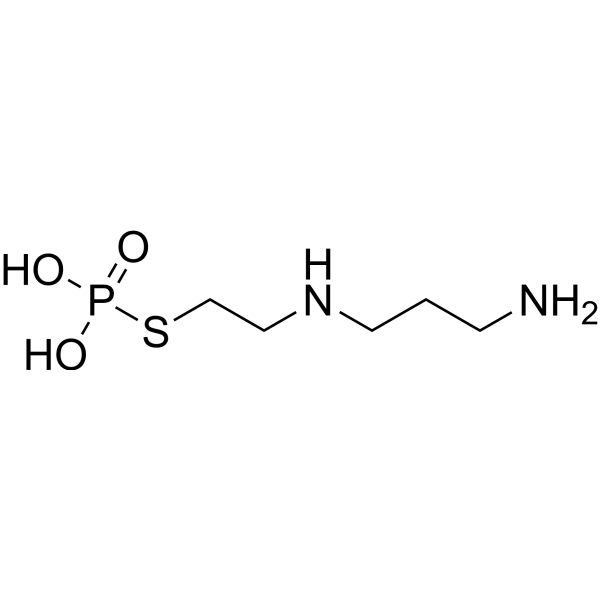
Amifostine (WR2721) is a broad-spectrum cytoprotective agent and a radioprotector. Amifostine selectively protects normal tissues from damage caused by radiation and chemotherapy. Amifostine is potent hypoxia-inducible factor-α1 (HIF-α1) and p53 inducer. Amifostine protects cells from damage by scavenging oxygen-derived free radicals. Amifostine reduces renal toxicity and has antiangiogenic action .
loading...
    loading...
17
17 Cited Publications
Art. -Nr.: HY-B0639A
CAS. Nr.: 112901-68-5
Synonyms: WR2721 trihydrate
Forschungsgebiete:  

Cancer

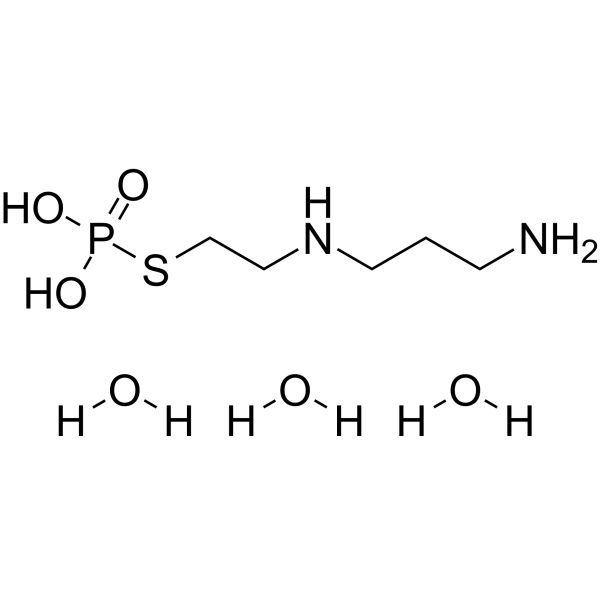
Amifostine trihydrate (WR2721 trihydrate) is a broad-spectrum cytoprotective agent and a radioprotector. Amifostine trihydrate selectively protects normal tissues from damage caused by radiation and chemotherapy. Amifostine trihydrate is potent hypoxia-inducible factor-α1 (HIF-α1) and p53 inducer. Amifostine trihydrate protects cells from damage by scavenging oxygen-derived free radicals. Amifostine trihydrate reduces renal toxicity and has antiangiogenic action .
loading...
    loading...
16
16 Cited Publications
Art. -Nr.: HY-16657
CAS. Nr.: 163847-77-6
Forschungsgebiete:  

Inflammation/Immunology Cancer

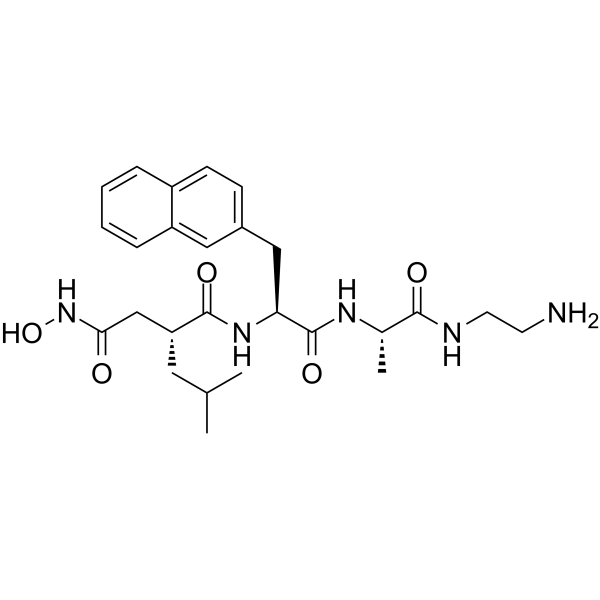
TAPI-1 is a broad-spectrum MMP inhibitor and NF-κB p65 inhibitor that targets ADAM17/TACE, ADAM10 and other proteins. TAPI-1 reduces the proteolytic cleavage of membrane-bound TNF-α, decreases TNF-α levels, inhibits NF-κB pathway activation, and downregulates profibrotic markers. TAPI-1 reduces the proportion of proinflammatory immune cells, alleviates cardiac and airway fibrosis, and improves cardiac function after myocardial infarction. Meanwhile, TAPI-1 inhibits the viability, migration and invasion of esophageal squamous cell carcinoma cells, enhances the chemosensitivity of Cisplatin (HY-17394), induces apoptosis, and shows low toxicity to normal esophageal epithelial cells. TAPI-1 can be widely used in studies related to myocardial infarction-induced heart failure, severe traumatic tracheal stenosis, esophageal squamous cell carcinoma and other conditions .
loading...
    loading...
13
13 Cited Publications
Art. -Nr.: HY-15650
CAS. Nr.: 1561178-17-3
Reinheit:  99.68%
Forschungsgebiete:  

Cancer

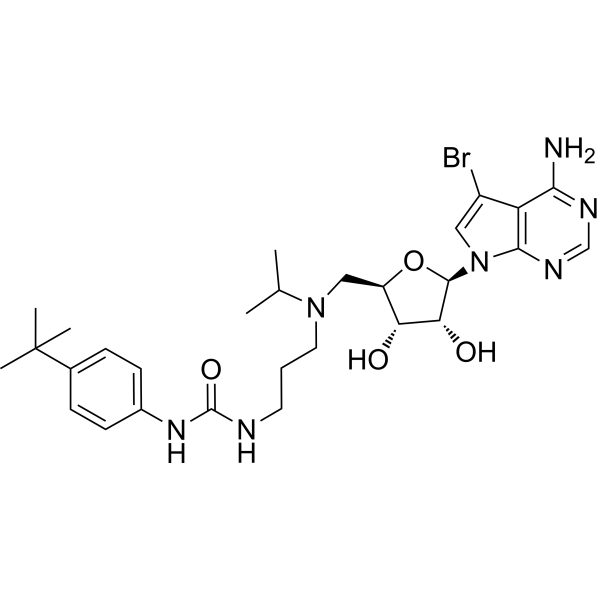
SGC0946 is a selective DOT1L inhibitor with an IC50 value of 0.3 nM. By inhibiting DOT1L, SGC0946 can induce G1 phase arrest, suppress cell self-renewal and metastatic potential, and induce cell differentiation in cancer cells. SGC0946 can be used in the research of tumors such as leukemia and breast cancer, and also serves as a probe to further investigate the cellular mechanisms of DOT1L in normal and diseased cells .
loading...
    loading...
12
12 Cited Publications
Art. -Nr.: HY-136278
CAS. Nr.: 146724-94-9
Reinheit:  98.10%
Synonyms: Diethylamine NONOate; NOC-18
Target:  

NO Synthase

Forschungsgebiete:  

Cardiovascular Disease

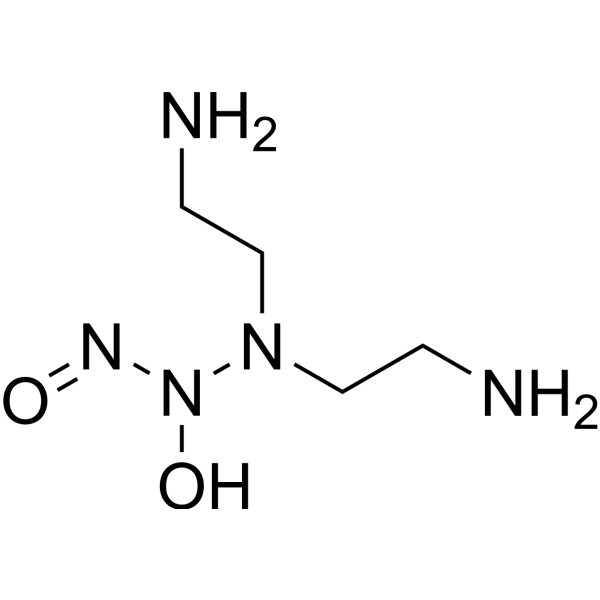
DETA NONOate (NOC 18) is an exogenous nitric oxide (NO) donor. DETA NONOate shows a slow release normal amounts of NO and long-acting .
loading...
    loading...
11
11 Cited Publications
Art. -Nr.: HY-12682
CAS. Nr.: 311795-38-7
Reinheit:  99.88%
Synonyms: Compound 968
Target:  

Glutaminase

Forschungsgebiete:  

Cancer

Glutaminase C-IN-1 (Compound 968) is an allosteric inhibitor of Glutaminase C that inhibits cancer cell growth without affecting their normal cellular counterparts .
loading...
    loading...
10
10 Cited Publications
Art. -Nr.: HY-N6693
CAS. Nr.: 2001-95-8
Synonyms: NSC 122023
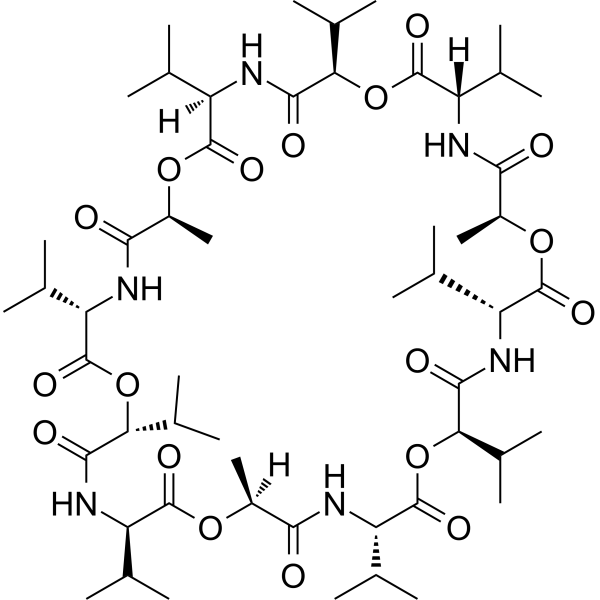
Valinomycin is a potassium-specific ionophore, the valinomycin-K + complex can be incorporated into biological bilayer membranes with the hydrophobic surface of valinomycin, destroys the normal K + gradient across the membrane, and as a result kills the cells, incorporating into liposomes can significantly reduces the cytotoxicity and enhances the targeting effect. Valinomycin exhibits antibiotic, antifungal, antiviral, antitumor and insecticidal efficacy, thus can be used for relevant research .
loading...
    loading...
9
9 Cited Publications
Art. -Nr.: HY-N2334
CAS. Nr.: 640-79-9
Synonyms: Chenodeoxycholylglycine
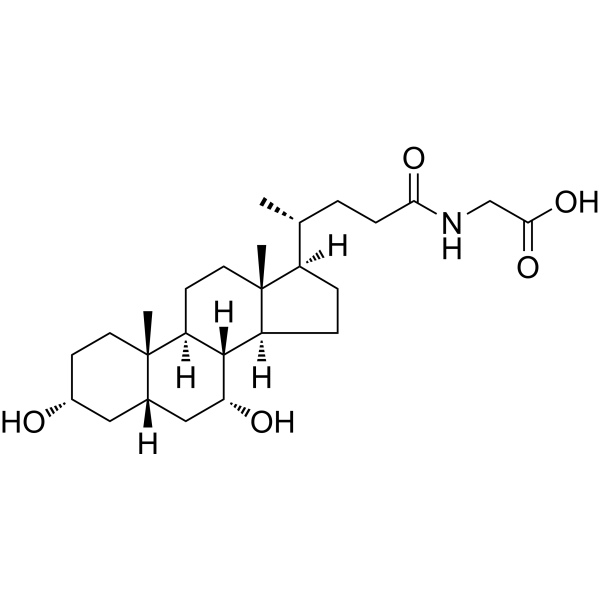
Glycochenodeoxycholic acid (Chenodeoxycholylglycine) is a relatively toxic bile salt generated in the liver from chenodeoxycholic acid and glycine. Glycochenodeoxycholic acid inhibits Autophagosome formation and impairs lysosomal function by inhibiting lysosomal proteolysis and increasing lysosomal pH in human normal liver cells, leading to the Apoptosis of human hepatocyte cells. Glycochenodeoxycholic acid induces stemness and chemoresistance via activating STAT3 signaling pathway in hepatocellular carcinoma cells (HCC). Glycochenodeoxycholic acid is promising for research in the field of cholestasis desease, hepatocellular carcinoma and primary sclerosing cholangitis (PSC) .
loading...
    loading...
9
9 Cited Publications
Art. -Nr.: HY-N2334A
CAS. Nr.: 16564-43-5
Synonyms: Chenodeoxycholylglycine sodium salt; Sodium glycochenodeoxycholate
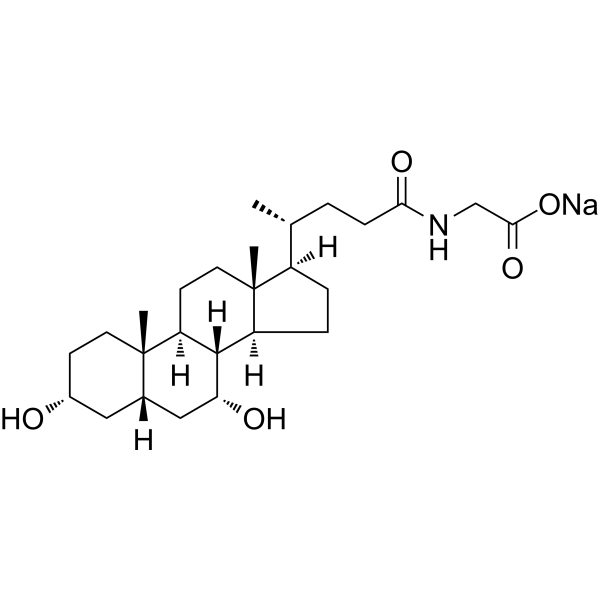
Glycochenodeoxycholic acid sodium salt (Sodium glycochenodeoxycholate) is a relatively toxic bile salt generated in the liver from chenodeoxycholic acid and glycine. Glycochenodeoxycholic acid sodium salt inhibits Autophagosome formation and impairs lysosomal function by inhibiting lysosomal proteolysis and increasing lysosomal pH in human normal liver cells, leading to the Apoptosis of human hepatocyte cells. Glycochenodeoxycholic acid sodium salt induces stemness and chemoresistance via activating STAT3 signaling pathway in hepatocellular carcinoma cells (HCC). Glycochenodeoxycholic acid sodium salt is promising for research in the field of cholestasis desease, hepatocellular carcinoma and primary sclerosing cholangitis (PSC) .
loading...
    loading...
8
8 Cited Publications
Art. -Nr.: HY-W010347
CAS. Nr.: 6027-13-0
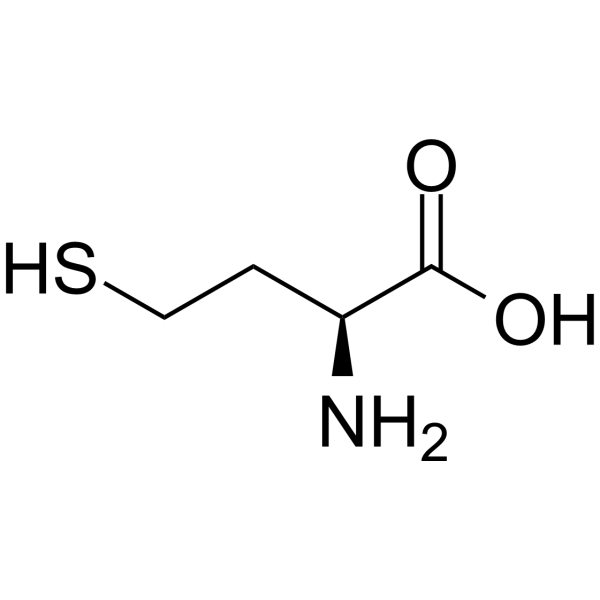
L-Homocysteine, an amino acid, is a homocysteine that has L configuration. Homocysteine is an essential intermediate in normal mammalian metabolism of methionine. L-Homocysteine induces upregulation of Cathepsin V that mediates vascular endothelial inflammation in hyperhomocysteinaemia .
loading...
    loading...
8
8 Cited Publications
Art. -Nr.: HY-110171
CAS. Nr.: 881970-80-5
Reinheit:  99.35%
Target:  

PI3K

Forschungsgebiete:  

Cancer

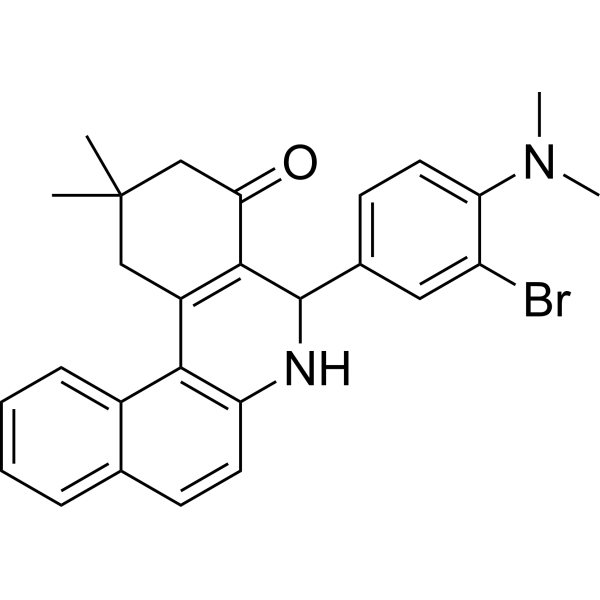
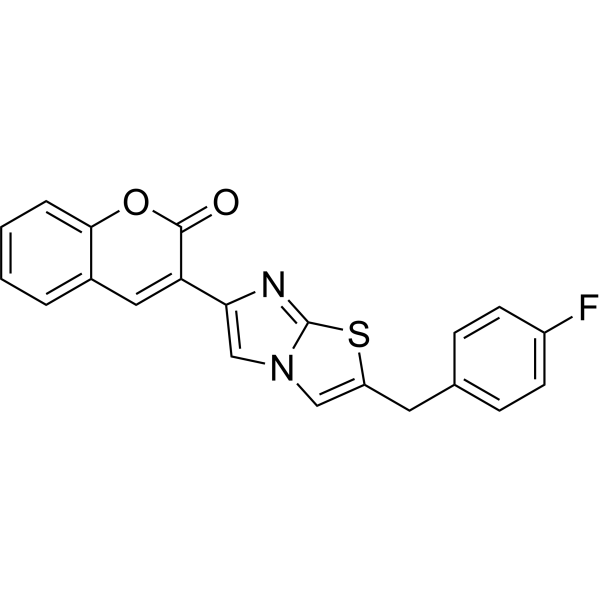
iMDK is a potent PI3K inhibitor and inhibits the growth factor MDK (also known as midkine or MK). iMDK suppresses non-small cell lung cancer (NSCLC) cooperatively with A MEK inhibitor without harming normal cells and mice .
loading...
    loading...

