246 Results for "

Retinal

" in MedChemExpress (MCE) Product Catalog:
Products (246)

246 Results for "Retinal" in MCE Product Catalog:

  • Categories Recommended:
    More
16
16 Publications Verification
Art. -Nr.: HY-N0637
CAS. Nr.: 552-58-9
Synonyms: Huazhongilexone
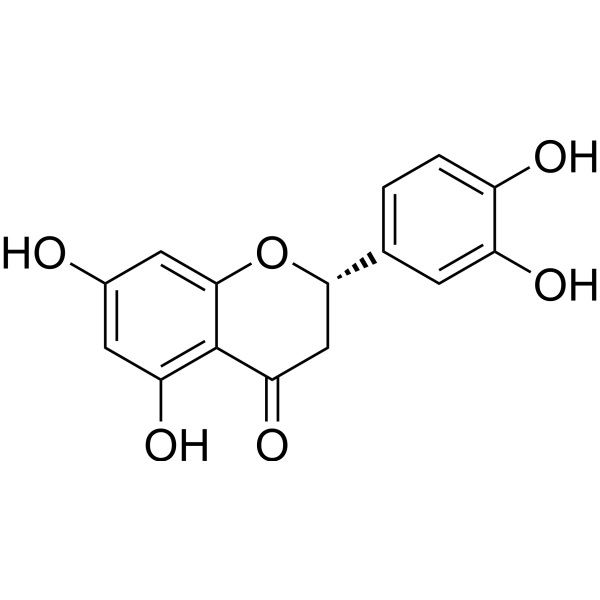
Eriodictyol ((±)-Huazhongilexone; Dihydroluteolin) is an orally active TRPV1 receptor antagonist (IC50=44-47 nM, rTRPV1) with antioxidant and anti-inflammatory activities. Eriodictyol effectively inhibits lipid peroxidation and the release of proinflammatory cytokines by specifically antagonizing the TRPV1 receptor and activating the Nrf2 signaling pathway. Eriodictyol reduces the levels of ICAM-1, VEGF, eNOS and TNF-α in the retina and maintains the integrity of the blood-retinal barrier. Eriodictyol alleviates oxidative stress-induced apoptosis and hyperalgesia, enhances the activity and cytotoxicity of immune cells (such as B lymphocytes, NK cells and macrophages), and increases the levels of antioxidant enzymes simultaneously. Eriodictyol can be used in the research of diabetic retinopathy, acute lung injury and various pain-related diseases .
loading...
    loading...
9
9 Cited Publications
Art. -Nr.: HY-D0799
CAS. Nr.: 191671-46-2
Target:  

Fluorescent Dye

Forschungsgebiete:  

Others

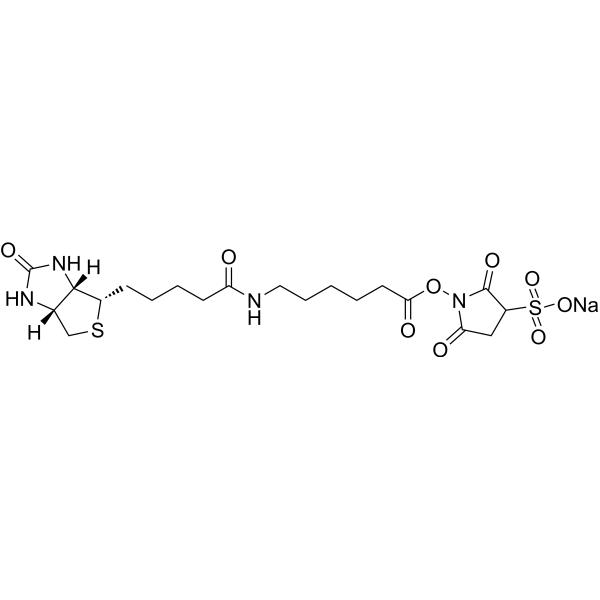
Sulfo-NHS-LC-Biotin sodium is an amine-reactive ester derivative of biotin and cannot pass the intact blood-retinal barrier. It can be used to assess vascular permeability of the brain and retinal vasculature.
loading...
    loading...
7
7 Cited Publications
Art. -Nr.: HY-103252
CAS. Nr.: 2756-87-8
Reinheit:  99.95%
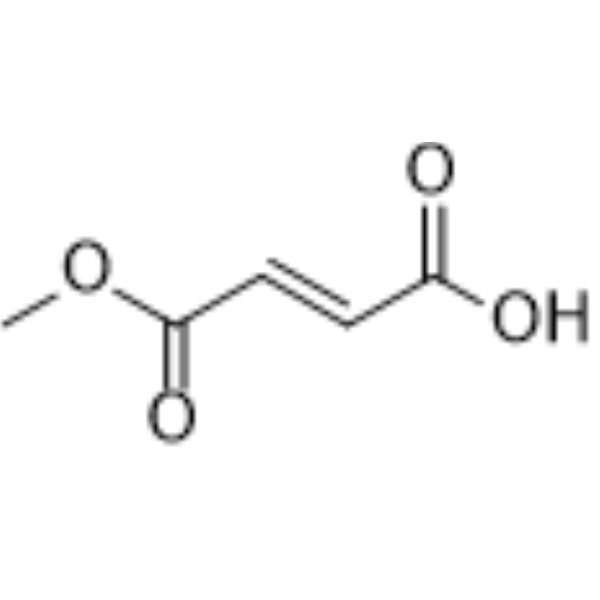
Monomethyl fumarate, an active metabolite of Dimethyl fumarate (DMF), is a potent GPR109A agonist. Monomethyl fumarate has the potential for multiple neuroprotective pathways and other models of retinal disease .
loading...
    loading...
7
7 Cited Publications
Art. -Nr.: HY-B0636
CAS. Nr.: 76-25-5
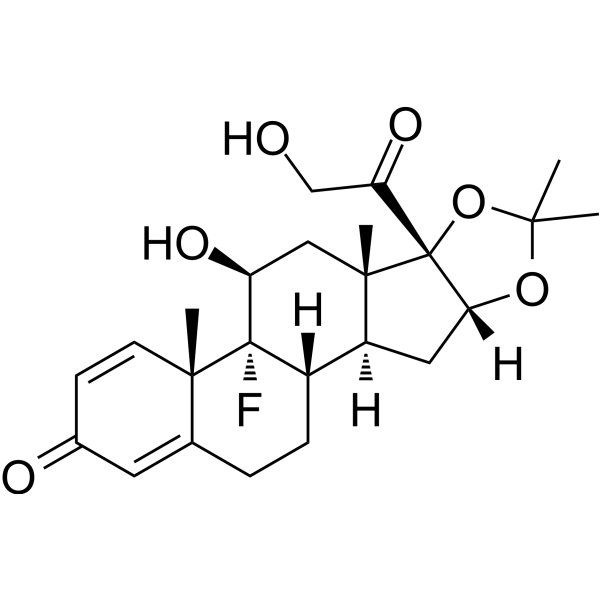
Triamcinolone acetonide inhibits basic fibroblast growth factor (bFGF) induced proliferation of retinal endothelial cells. Triamcinolone acetonide reduces chondrocyte viability and leads to cartilage destruction. Triamcinolone acetonide activates macrophage with anti-inflammatory characteristics. Triamcinolone acetonide can be used in the study of diseases such as atopic dermatitis .
loading...
    loading...
6
6 Cited Publications
Art. -Nr.: HY-B1745
CAS. Nr.: 85-87-0
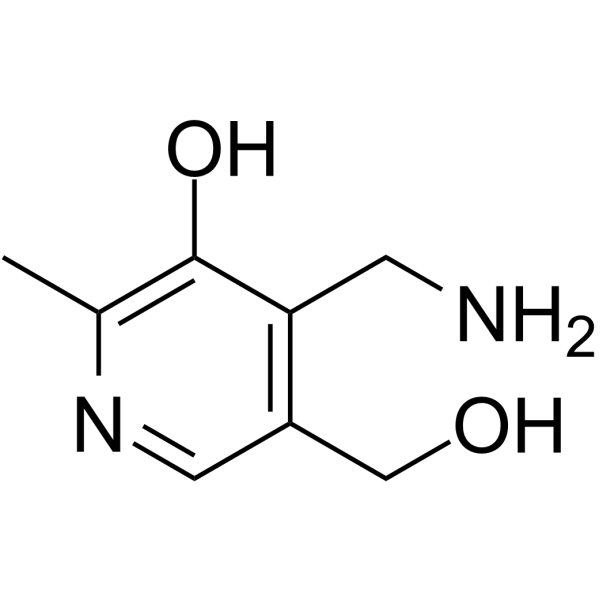
Pyridoxylamine is an advanced glycation end production (AGEs) and lipoxidation end products (ALEs) inhibitor, to protect against diabetes-induced retinal vascular lesions.
loading...
    loading...
6
6 Cited Publications
Art. -Nr.: HY-B1745A
CAS. Nr.: 524-36-7
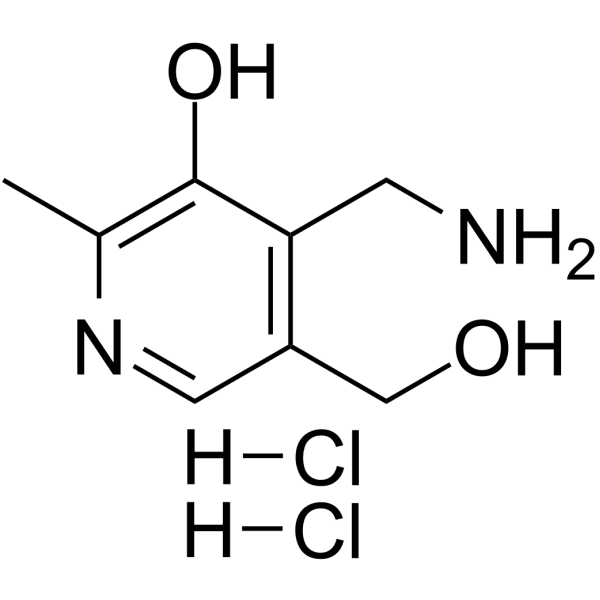
Pyridoxylamine dihydrochloride is an advanced glycation end production (AGEs) and lipoxidation end products (ALEs) inhibitor, to protect against diabetes-induced retinal vascular lesions .
loading...
    loading...
5
5 Cited Publications
Art. -Nr.: HY-10968
CAS. Nr.: 1094042-01-9
Reinheit:  98.83%
Target:  

LPL Receptor

Forschungsgebiete:  

Neurological Disease

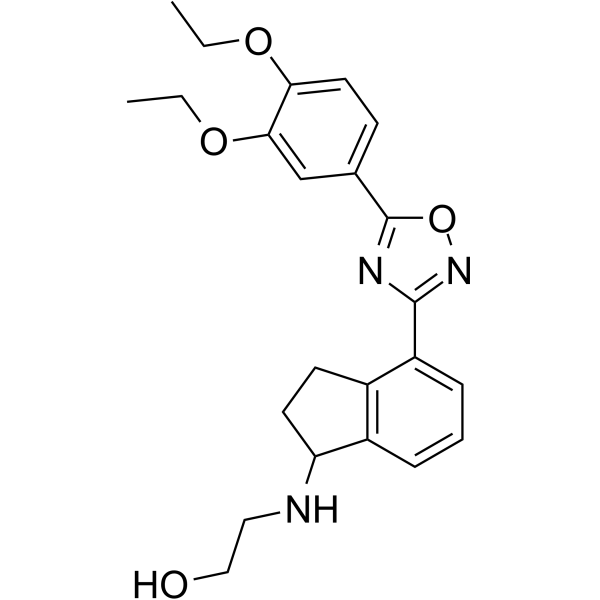
CYM5442 is a potent, highly-selective and orally active sphingosine 1-phosphate (S1P1) receptor agonist with an EC50 of 1.35 nM. CYM5442 is inactive against S1P2, S1P3, S1P4, and S1P5. CYM5442 activates S1P1-dependent p42/p44-MAPK phosphorylation. CYM5442 exerts retinal neuroprotection. CYM5442 can easily penetrate the central nervous system (CNS) .
loading...
    loading...
5
5 Cited Publications
Art. -Nr.: HY-10968A
CAS. Nr.: 1783987-80-3
Target:  

LPL Receptor

Forschungsgebiete:  

Neurological Disease

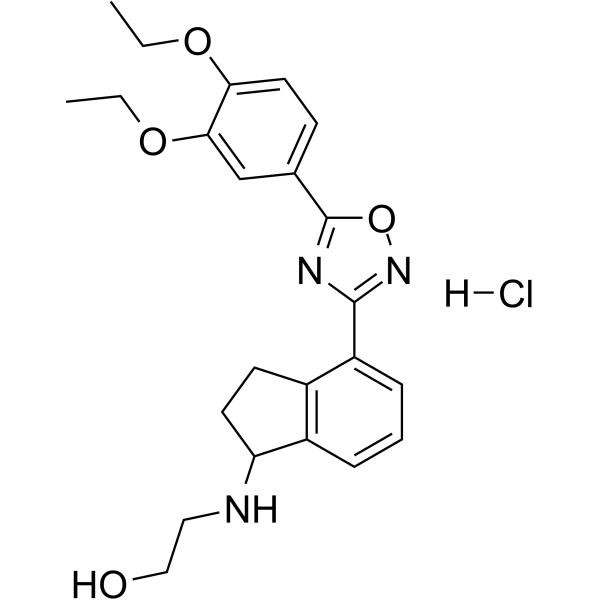
CYM5442 hydrochloride is a potent, highly-selective and orally active sphingosine 1-phosphate (S1P1) receptor agonist with an EC50 of 1.35 nM. CYM5442 hydrochloride is inactive against S1P2, S1P3, S1P4, and S1P5. CYM5442 hydrochloride activates S1P1-dependent p42/p44-MAPK phosphorylation. CYM5442 exerts retinal neuroprotection. CYM5442 hydrochloride can easily penetrate the central nervous system (CNS) .
loading...
    loading...
4
4 Cited Publications
Art. -Nr.: HY-N0428
CAS. Nr.: 751-03-1
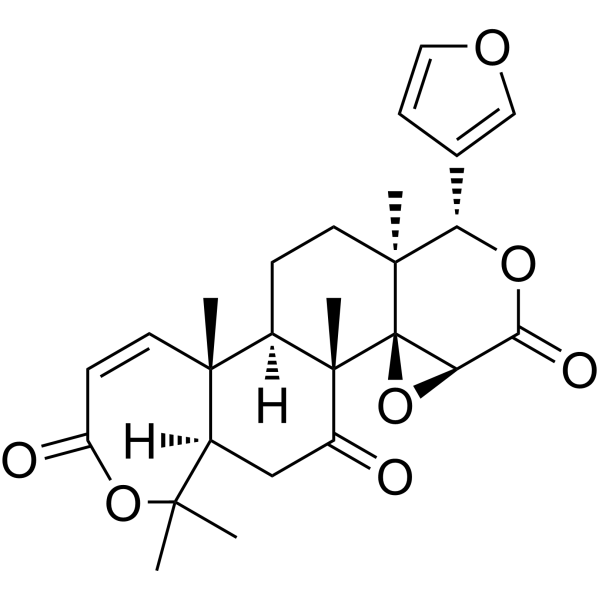
Obacunone is a highly oxidized triterpenoid limonoid isolated from citrus plants. Obacunone exerts its anticancer effects by inducing apoptosis. Obacunone also protects retinal pigment epithelial (RPE) cells from ultraviolet (UV) radiation (UVR)-induced oxidative damage .
loading...
    loading...
3
3 Cited Publications
Art. -Nr.: HY-W004500
CAS. Nr.: 116-31-4
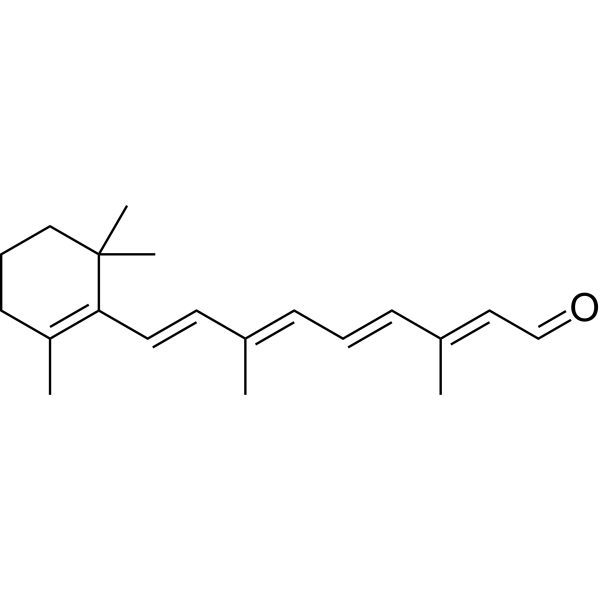
All-trans-retinal is an vitamin A metabolite in the retina, and is produced following photo-isomerization of the visual chromophore 11-cis-Retinal. All-trans-retinal is cleared from photoreceptors by ATP-binding cassette transporter (ABCA4) and all-trans-retinol dehydrogenase (RDH). All-trans-retinal induces Bax activation via DNA damage to mediate retinal cell apoptosis .
loading...
    loading...
3
3 Cited Publications
Art. -Nr.: HY-139192
CAS. Nr.: 2243506-33-2
Reinheit:  99.59%
Synonyms: NMDAR/TRPM4-IN-2
Target:  

iGluR TRP Channel ERK

Forschungsgebiete:  

Neurological Disease

Brophenexin (compound 8) is a potent NMDAR/TRPM4 interaction interface inhibitor. Brophenexin shows neuroprotective activity. Brophenexin prevents NMDA-induced cell death and mitochondrial dysfunction in hippocampal neurons, with an IC50 of 2.1 μM. Brophenexin protects mice from MCAO-induced brain damage and NMDA-induced retinal ganglion cell loss .
loading...
    loading...
3
3 Cited Publications
Art. -Nr.: HY-139192A
CAS. Nr.: 1353979-43-7
Reinheit:  99.24%
Synonyms: NMDAR/TRPM4-IN-2 free base
Target:  

iGluR TRP Channel ERK

Forschungsgebiete:  

Neurological Disease

Brophenexin free base (compound 8) is a potent NMDAR/TRPM4 interaction interface inhibitor. Brophenexin free base shows neuroprotective activity. Brophenexin free base prevents NMDA-induced cell death and mitochondrial dysfunction in hippocampal neurons, with an IC50 of 2.1 μM. Brophenexin free base protects mice from MCAO-induced brain damage and NMDA-induced retinal ganglion cell loss .
loading...
    loading...
2
2 Cited Publications
Art. -Nr.: HY-134928A
CAS. Nr.: 1821308-73-9
Reinheit:  ≥90.0%
Synonyms: A2E TFA; N-retinylidene-N-retinylethanolamine TFA
Forschungsgebiete:  

Cancer

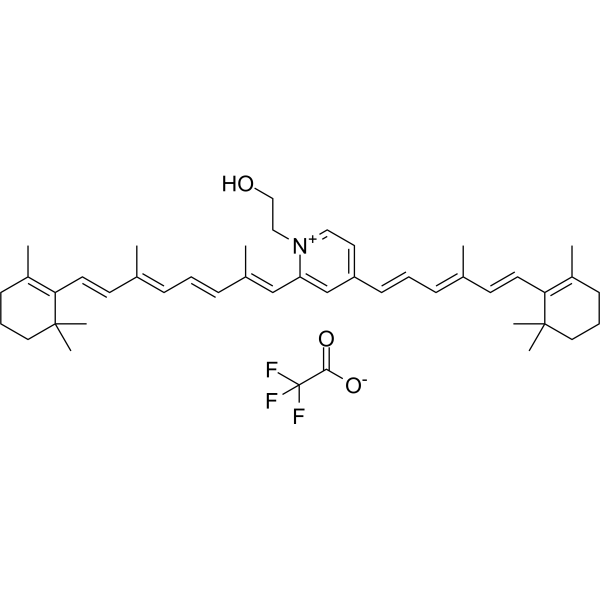
Pyridinium bisretinoid A2E (A2E) TFA is a fluorophore that can be isolated from lipofuscin in the retinal pigment epithelium (RPE). Pyridinium bisretinoid A2E TFA is an initiator of blue-light-induced apoptosis. Photoactivation of Pyridinium bisretinoid A2E TFA mediates autophagy and the production of reactive oxygen species. Pyridinium bisretinoid A2E TFA can be used in the study of retinal degenerative diseases .
loading...
    loading...
2
2 Cited Publications
Art. -Nr.: HY-Y0669
CAS. Nr.: 535-75-1
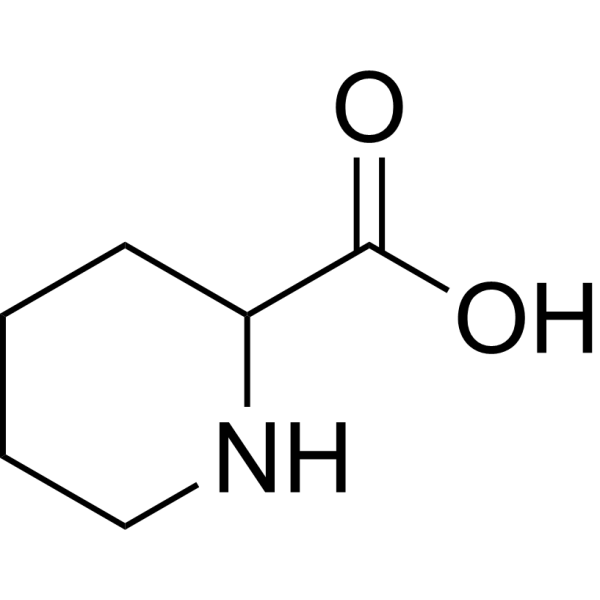
Pipecolic acid is an orally bioavailable, blood-brain barrier-permeable metabolite of lysine with antioxidant, inhibitor, and inducer activity. Pipecolic acid modulates the YAP-GPX4 signaling pathway, reduces retinal vascular tube formation, and mitigates ferroptosis. Pipecolic acid potentiates voltage-sensitive Ca 2+ channel currents and induces neuronal apoptosis. Pipecolic acid can be used for the research of diabetic retinopathy .
loading...
    loading...
2
2 Cited Publications
Art. -Nr.: HY-W040045
CAS. Nr.: 18466-51-8
Synonyms: Pelargonidin-3-O-glucoside chloride
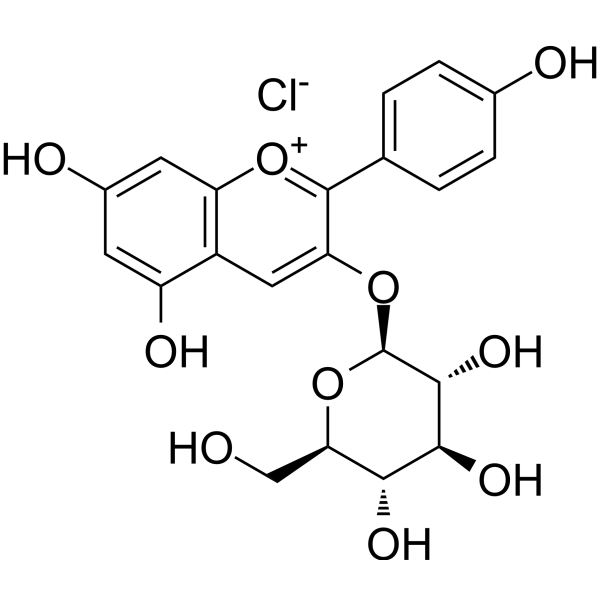
Callistephin (Pelargonidin 3-O-glucoside) chloride is an anthocyanin. Callistephin chloride regulates the expression of inflammatory (reducing iNOS/TNF-α/COX-2) and apoptosis-related proteins by inhibiting p38 phosphorylation, and enhances the protective effect of Isoflurane (HY-A0134) on microglial cell damage. Callistephin chloride significantly reduces ROS levels, eliminates DPPH free radicals, protects retinal pigment epithelial cells, and inhibits lipid peroxidation. Callistephin chloride can alleviate glutamate excitotoxicity, reduce neuronal apoptosis, and protect cerebellar granule neurons. Callistephin chloride can inhibit the proliferation and metastasis of breast cancer cells by inducing apoptosis .
loading...
    loading...
2
2 Cited Publications
Art. -Nr.: HY-107661
CAS. Nr.: 185517-21-9
Reinheit:  ≥98.0%
Synonyms: ONO-2506; (R)-2-Propyloctanoic acid
Target:  

ERK Akt NF-κB EAAT

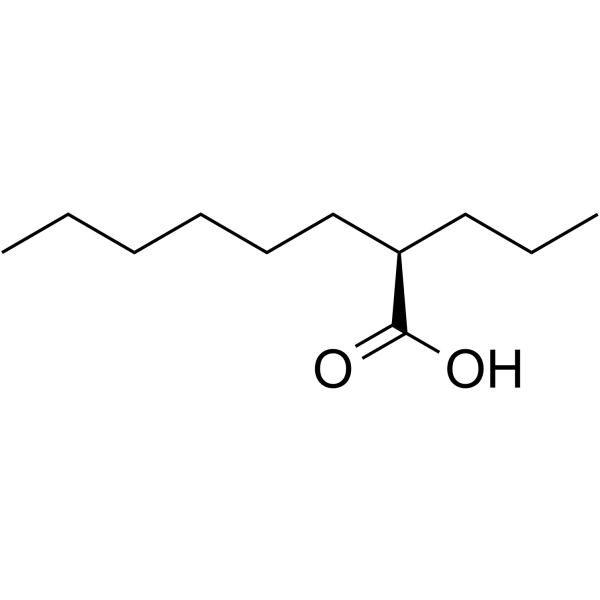
Arundic Acid is an orally effective astrocyte function modulator and neuroprotective agent. Arundic Acid increases the expression and function of the astrocytic glutamate transporter EAAT1 by activating the ERK, Akt and NF-κB pathways. Arundic Acid attenuates retinal ganglion cell death in a normal-tension glaucoma model. Arundic Acid exerts neuroprotective effects in a mouse model of Parkinson's disease. Arundic Acid is a S100β protein synthesis inhibitor that prevents neurological deficits and brain tissue damage after intracerebral hemorrhage in rats. Arundic Acid downregulates neuroinflammation and astrocytic dysfunction after status epilepticus in immature rats. Arundic Acid is applicable to research related to Parkinson's disease, cerebral ischemia, glaucoma, intracerebral hemorrhage and epilepsy .
loading...
    loading...
1
1 Cited Publications
Art. -Nr.: HY-B1670A
CAS. Nr.: 5984-95-2
Synonyms: Levisoprenaline hydrochloride; Proternol L hydrochloride
Target:  

Caspase TNF Receptor

Forschungsgebiete:  

Metabolic Disease

(-)-Isoproterenol (Levisoprenalinel) hydrochloride is the R-isomer of Isoproterenol. (-)-Isoproterenol hydrochloride can reduce the cleavage of caspase 3 and TNFα levels in retinal endothelial cells (REC). (-)-Isoproterenol hydrochloride can be used for the study of diabetic retinopathy .
loading...
    loading...
1
1 Cited Publications
Art. -Nr.: HY-101446
CAS. Nr.: 314054-36-9
Reinheit:  99.94%
Target:  

Trk Receptor ERK Apoptosis

Forschungsgebiete:  

Neurological Disease

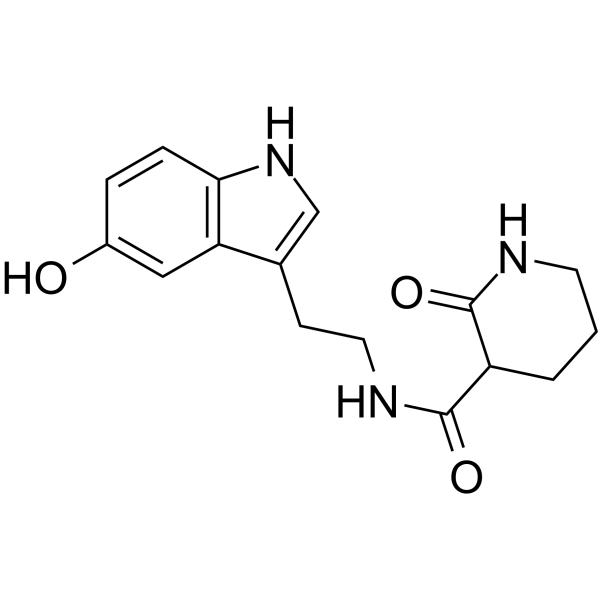
HIOC is a potent and selective activator of TrkB (tropomyosin related kinase B) receptor. HIOC can pass the blood-brain and blood-retinal barriers.HIOC activates TrkB/ERK pathway and decreases neuronal cell apoptosis. HIOC attenuates early brain injury after SAH (subarachnoid hemorrhage). HIOC shows protective activity in an animal model for light-induced retinal degeneration .
loading...
    loading...
1
1 Cited Publications
Art. -Nr.: HY-N0606
CAS. Nr.: 105558-26-7
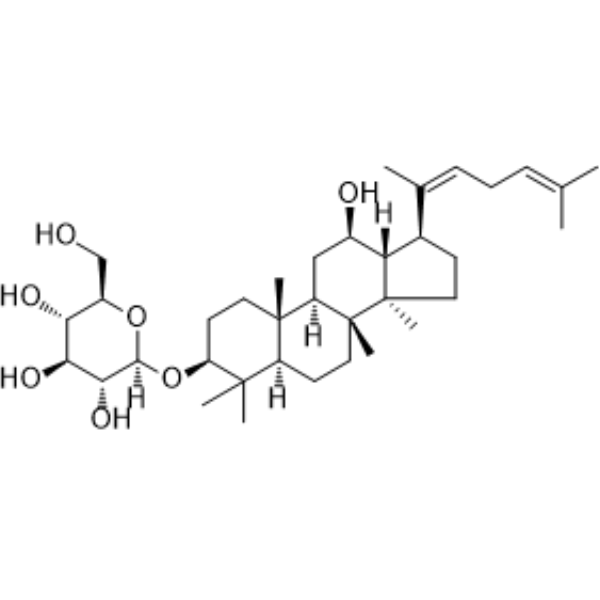
Ginsenoside Rh3 is a bacterial metabolite of Ginsenoside Rg5. Ginsenoside Rh3 treatment in human retinal cells induces Nrf2 activation.
loading...
    loading...
1
1 Cited Publications
Art. -Nr.: HY-P1663A
Target:  

Complement System

Forschungsgebiete:  

Cardiovascular Disease Metabolic Disease

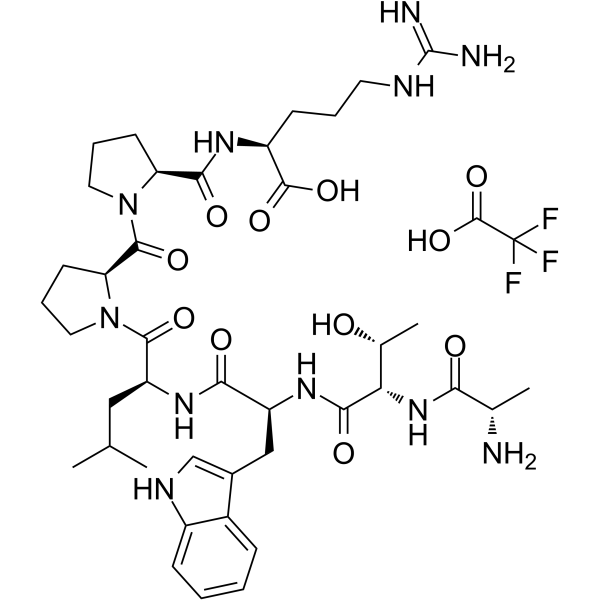
ATWLPPR Peptide TFA, a heptapeptide, acts as a selective neuropilin-1 inhibitor, inhibits VEGF165 binding to NRP-1, used in the research of angiogenesis . ATWLPPR Peptide TFA has potential in reducing the early retinal damage caused by diabetes .
loading...
    loading...

