



Dimethylenastron
Based on 4 publication(s) in Google Scholar
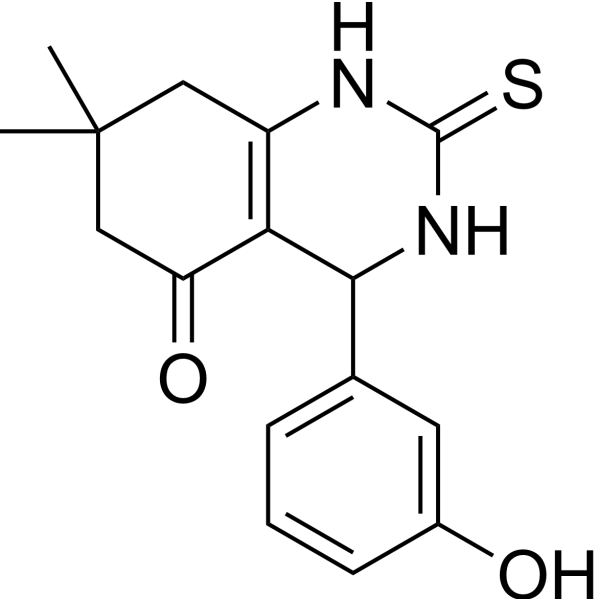
Dimethylenastron is a potent kinesin Eg5 inhibitor, with an IC50 of 200 nM.
Para uso exclusivo en investigación. No vendemos a pacientes.
- Pureza : 98.27%
- No. CAS: 863774-58-7
- Fòrmula: C16H18N2O2S
- Peso molecular:302.39
-
Almacenamiento:Powder -20°C, 3 years , 4°C, 2 years ; In solvent -80°C, 2 years , -20°C, 1 year

To place orders, for customer services and technical support, please contact: MedChemExpress USA
Tel: 609-228-6898 E-mail: [email protected] [email protected]


-
 Actividad biológica
-
Chemical Information
-
Solvente y solubilidad
- Pureza y Documentación
- Referencias
-
 Help & FAQs


-
HY-101071A
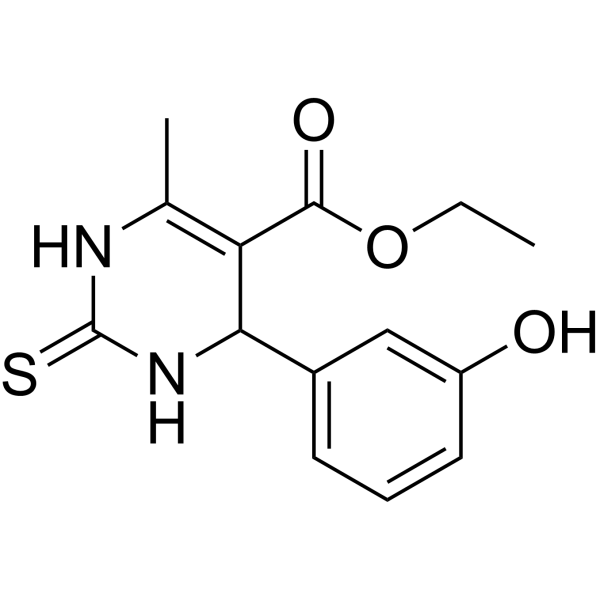
MonastrolMitotic Kinesin Eg5 Inhibitor -
HY-16592
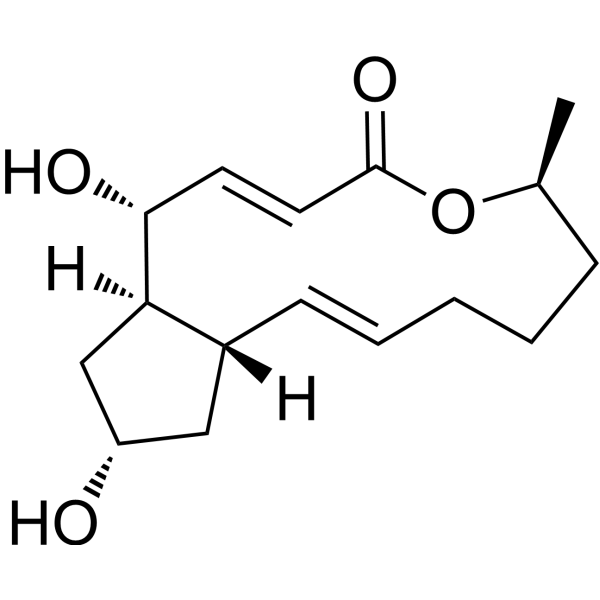
Brefeldin AProtein Transport Inhibitor -
HY-12529
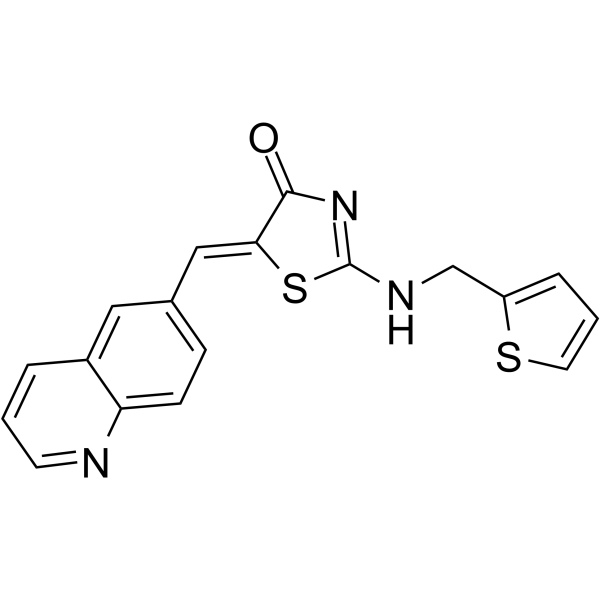
Ro-3306CDK1 Inhibitor -
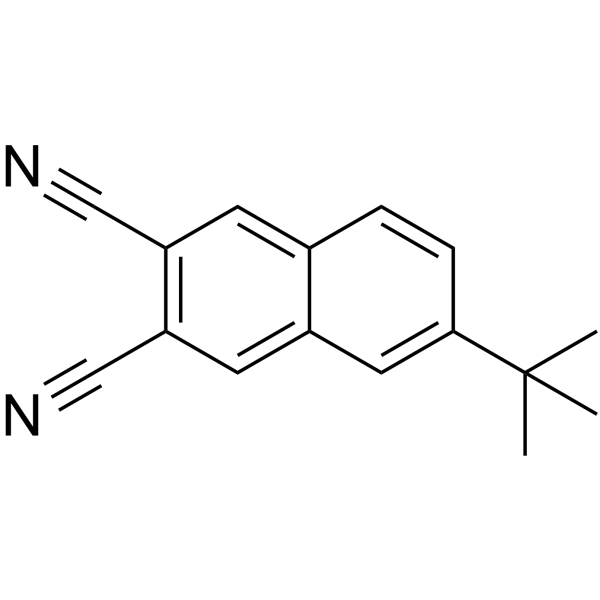
HY-110208
BRD9876 -
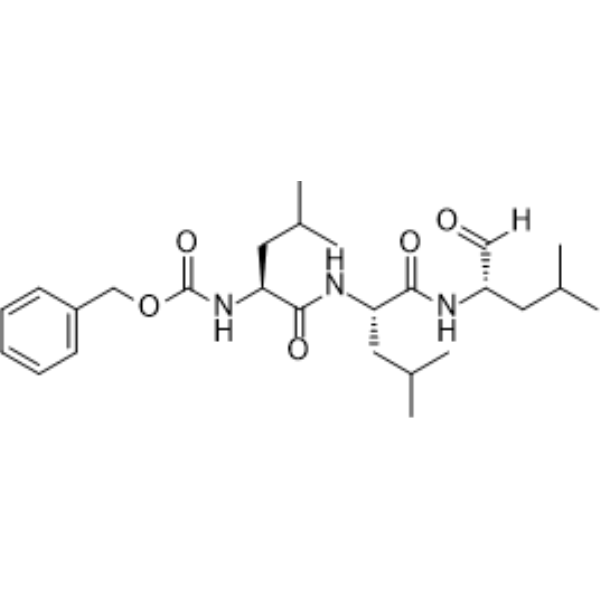
HY-13259
MG-132Proteasome Inhibitor -
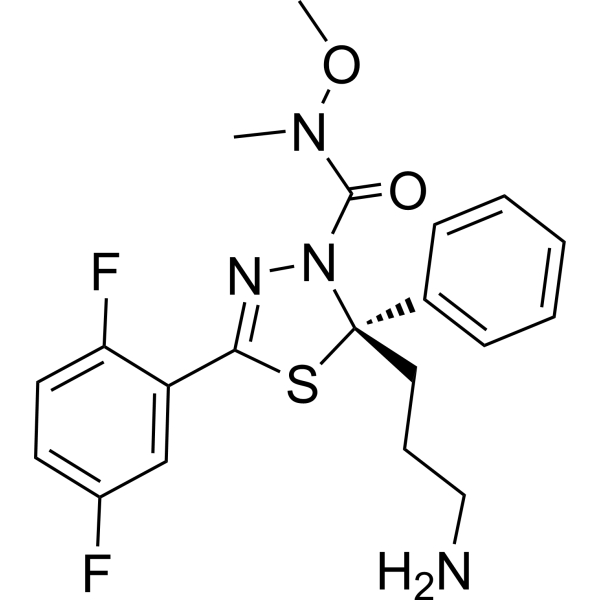
HY-15187
FilanesibKSP Inhibitor -
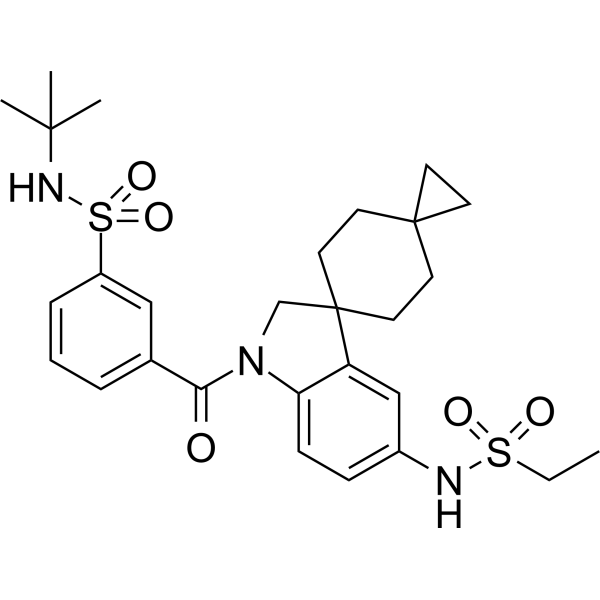
HY-153065
KIF18A-IN-6KIF18A Inhibitor -
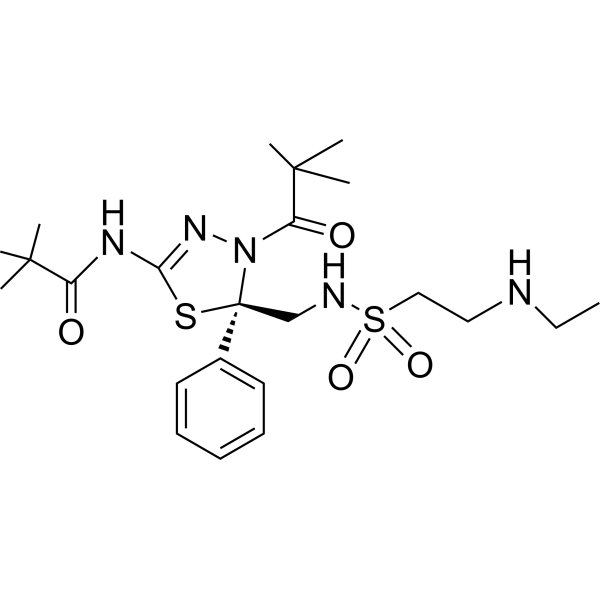
HY-14846
LitronesibKinesin Inhibitor -
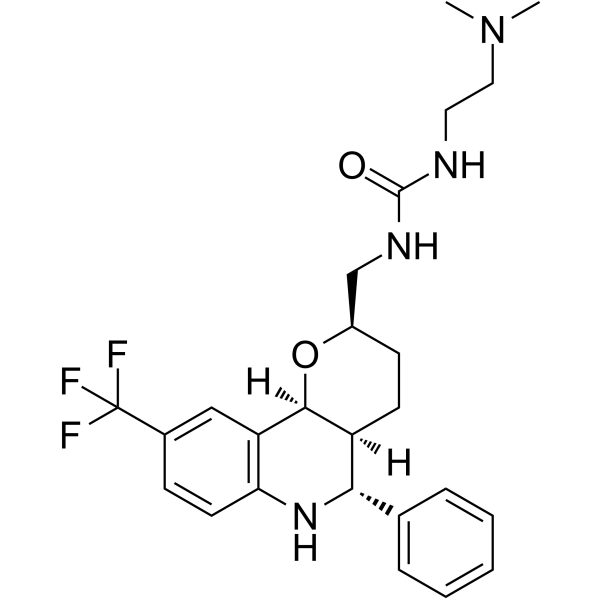
HY-15000
EMD534085Kinesin Inhibitor -
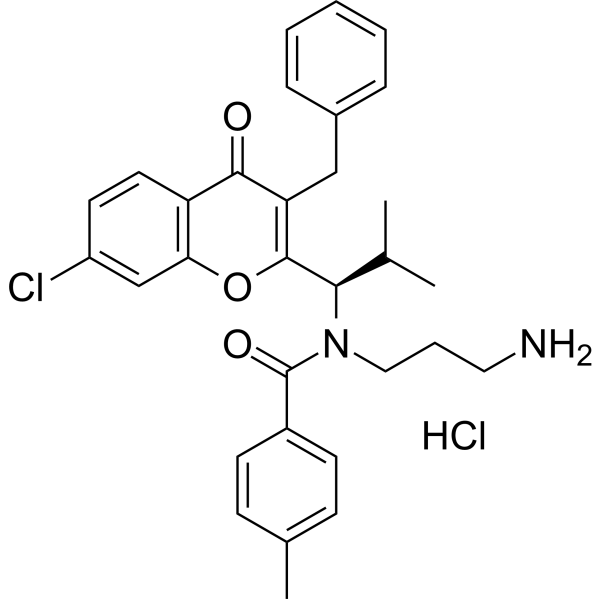
HY-12069
SB-743921 hydrochlorideEg5 Inhibitor -
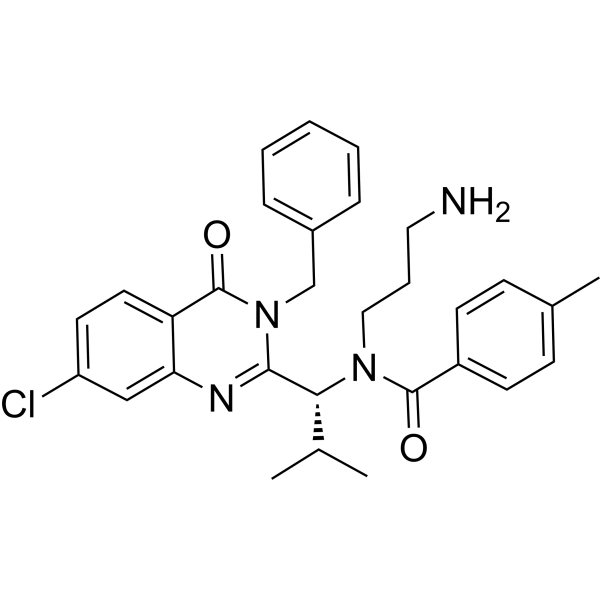
HY-50759
IspinesibKSP Inhibitor -
HY-19966
K858 (Racemic)Apoptosis Inducer
Publications Citing Use of MedChemExpress (MCE) Dimethylenastron
More Customer Validation & Images

-
In Vivo Efficacy Study
-
Histological Imaging/Staining
-
IF
Ver todos los productos específicos de isoformas Kinesin
More

Actividad biológica
Descripciòn
IC50 & Target
[1]|
Eg5 200 nM (IC50) |
Cellular Effect
|
Cell Line

|
Type | Value | Description | References |
|---|---|---|---|---|
| BXPC-3 | EC50 |
743 nM
Compound: rac-dimethylenastron
|
Antiproliferative activity against human BxPC3 cells after 72 hrs by Alamar blue assay
Antiproliferative activity against human BxPC3 cells after 72 hrs by Alamar blue assay
|
[PMID: 20597485] |
| HCT-116 | EC50 |
330 nM
Compound: rac-dimethylenastron
|
Antiproliferative activity against human HCT116 cells after 72 hrs by Alamar blue assay
Antiproliferative activity against human HCT116 cells after 72 hrs by Alamar blue assay
|
[PMID: 20597485] |
| K562 | EC50 |
769 nM
Compound: rac-dimethylenastron
|
Antiproliferative activity against human K562 cells after 72 hrs by Alamar blue assay
Antiproliferative activity against human K562 cells after 72 hrs by Alamar blue assay
|
[PMID: 20597485] |
| KB 3-1 | EC50 |
594 nM
Compound: rac-dimethylenastron
|
Antiproliferative activity against human KB3-1 cells after 72 hrs by Alamar blue assay in presence of zosuquidar
Antiproliferative activity against human KB3-1 cells after 72 hrs by Alamar blue assay in presence of zosuquidar
|
[PMID: 20597485] |
| KB 3-1 | EC50 |
661 nM
Compound: rac-dimethylenastron
|
Antiproliferative activity against human KB3-1 cells after 72 hrs by Alamar blue assay
Antiproliferative activity against human KB3-1 cells after 72 hrs by Alamar blue assay
|
[PMID: 20597485] |
| KB-V1 | EC50 |
12303 nM
Compound: rac-dimethylenastron
|
Antiproliferative activity against human KBV1 cells overexpressing MDR1 after 72 hrs by Alamar blue assay
Antiproliferative activity against human KBV1 cells overexpressing MDR1 after 72 hrs by Alamar blue assay
|
[PMID: 20597485] |
| KB-V1 | EC50 |
434 nM
Compound: rac-dimethylenastron
|
Antiproliferative activity against human KBV1 cells overexpressing MDR1 after 72 hrs by Alamar blue assay in presence of zosuquidar
Antiproliferative activity against human KBV1 cells overexpressing MDR1 after 72 hrs by Alamar blue assay in presence of zosuquidar
|
[PMID: 20597485] |
| NCI-H1299 | EC50 |
881 nM
Compound: rac-dimethylenastron
|
Antiproliferative activity against human NCI-H1299 cells after 72 hrs by Alamar blue assay
Antiproliferative activity against human NCI-H1299 cells after 72 hrs by Alamar blue assay
|
[PMID: 20597485] |
In Vitro
Dimethylenastron is a potent Eg5 inhibitor, with an IC50 of 200 nM. Dimethylenastron exhibits no inhibition of five other kinesin subfamilies (kinesin 1/4/7/10 and one ungrouped-originating from 4 different organisms). Dimethylenastron (0.5, 1 μM) causes accumulation of cells in G2/M in HeLa cells[1]. Dimethylenastron (3 and 10 μM) concentration-dependently suppresses the migratory ability of the cancer cells in PANC1 pancreatic cancer cells after treatment for 24 h, but does not inhibit the proliferation of cancer cells at 24 h until 72 h. Dimethylenastron also reduces invasion ability of the cancer cells[2].
MedChemExpress (MCE) has not independently confirmed the accuracy of these methods. They are for reference only. .
In Vivo
MedChemExpress (MCE) has not independently confirmed the accuracy of these methods. They are for reference only.


Chemical Information
-
No. CAS 863774-58-7
-
Appearance Solid
-
Peso molecular 302.39
-
Fòrmula C16H18N2O2S
-
Color White to off-white
-
SMILES
O=C1C2=C(NC(NC2C3=CC=CC(O)=C3)=S)CC(C)(C)C1
-
Envío
Room temperature in continental US; may vary elsewhere.
-
Almacenamiento
Powder -20°C 3 years 4°C 2 years In solvent -80°C 2 years -20°C 1 year


Publications (4)
-
Journal Impact Factor
-
Most Recent
-
Cell Death Discov
Kinesin-5 Eg5 is essential for spindle assembly, chromosome stability and organogenesis in development. [Abstract]2022 Dec 13;8(1):490. PMID: 36513626
Dimethylenastron purchased from MedChemExpress. Usage Cited in: Cell Death Discov. 2022 Dec 13;8(1):490. [Abstract]
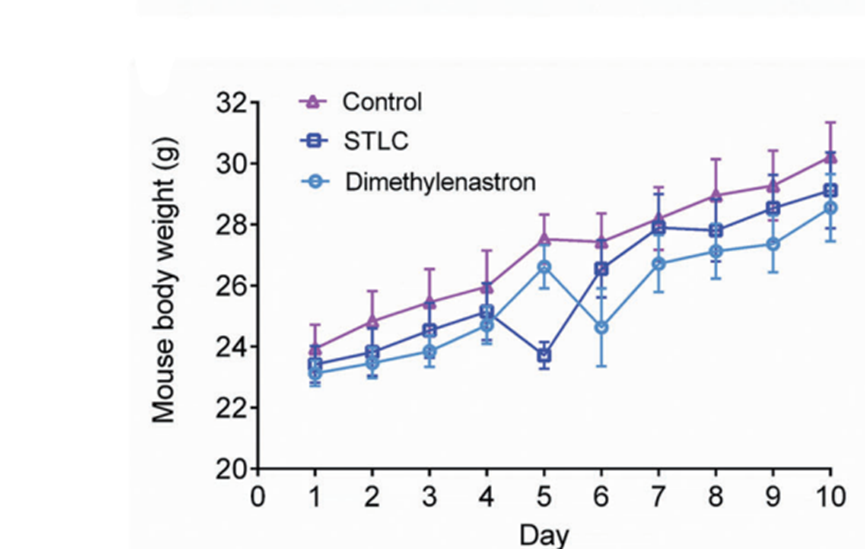
Mouse body weight in the control, STLC, and Dimethylenastron (3 mg/kg, i.p.) groups were shown.
Dimethylenastron purchased from MedChemExpress. Usage Cited in: Cell Death Discov. 2022 Dec 13;8(1):490. [Abstract]
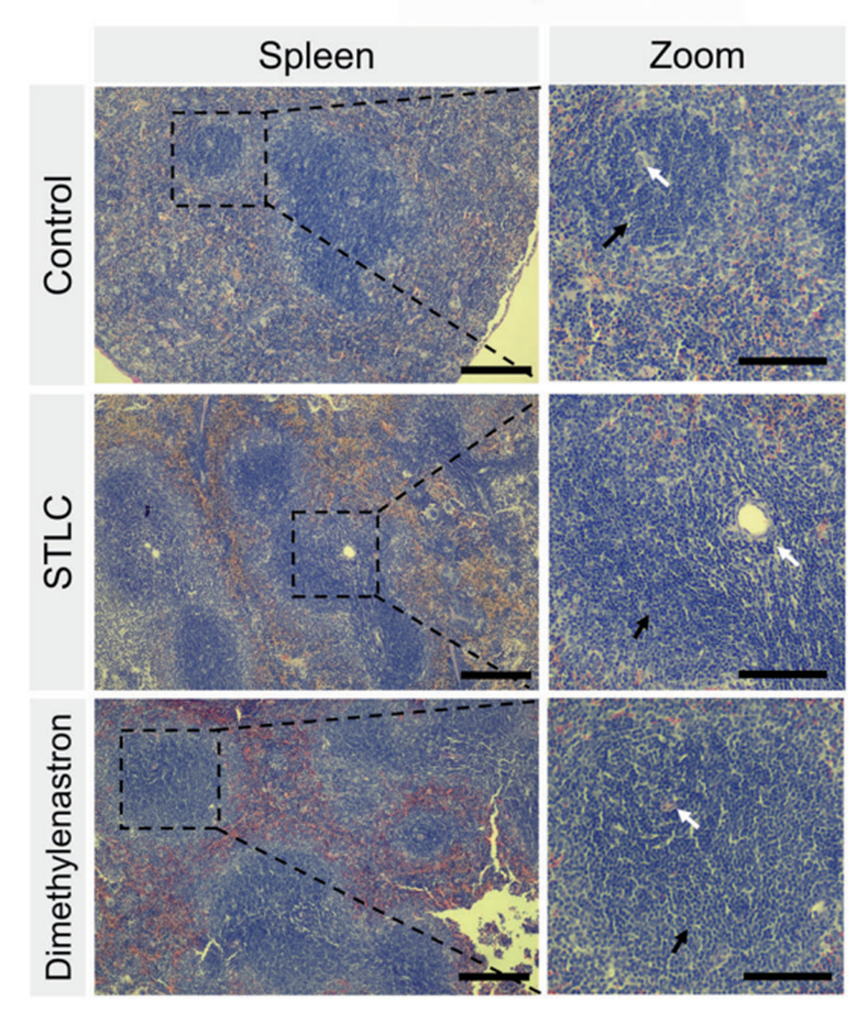
Representative HE staining of mouse spleen in the DMSO, STLC, and Dimethylenastron (3 mg/kg, i.p.) groups.
Dimethylenastron purchased from MedChemExpress. Usage Cited in: Cell Death Discov. 2022 Dec 13;8(1):490. [Abstract]
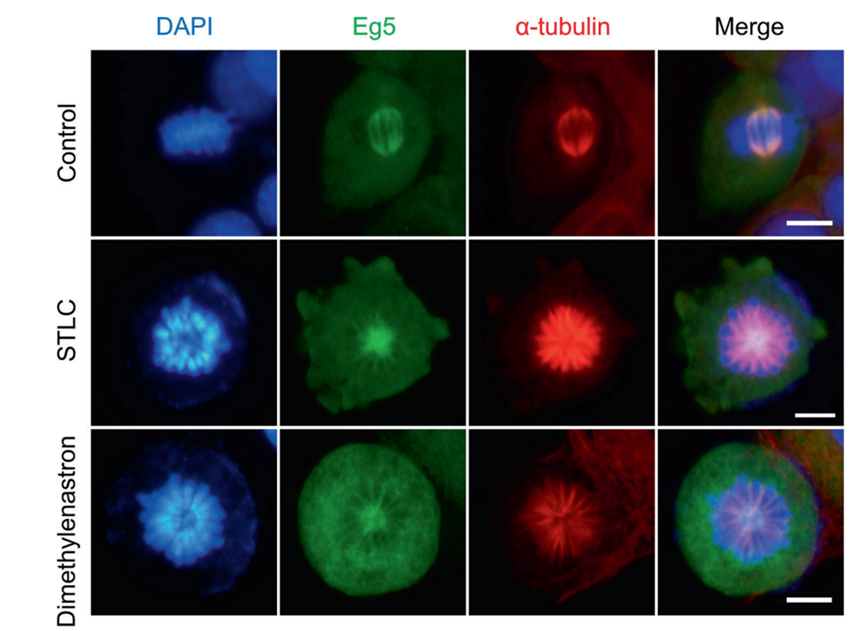
Representative immunofluorescence images of Eg5 and α-tubulin. DAPI, blue; Eg5, green; α-tubulin, red. NIH/3T3 cells were incubated with STLC and Dimethylenastron (3 mg/kg, i.p.) for 48 h.
-
Exp Cell Res
Loss-of-function of kinesin-5 KIF11 causes microcephaly, chorioretinopathy, and developmental disorders through chromosome instability and cell cycle arrest. [Abstract]2024 Mar 1;436(1):113975. PMID: 38367657 -
-
bioRxiv
2025 Apr 9:2023.09.04.556218. PMID: 39071426


Solvente y solubilidad
In Vitro:
DMSO : 100 mg/mL (330.70 mM; Need ultrasonic; Hygroscopic DMSO has a significant impact on the solubility of product, please use newly opened DMSO)
Please refer to the solubility information to select the appropriate solvent. Once prepared, please aliquot and store the solution to prevent product inactivation from repeated freeze-thaw cycles.
Storage method and period of stock solution: -80°C, 2 years; -20°C, 1 year. When stored at -80°C, please use it within 2 years. When stored at -20°C, please use it within 1 year.
Please refer to the solubility information to select the appropriate solvent. Once prepared, please aliquot and store the solution to prevent product inactivation from repeated freeze-thaw cycles.
Storage method and period of stock solution: -80°C, 2 years; -20°C, 1 year. When stored at -80°C, please use it within 2 years. When stored at -20°C, please use it within 1 year.
Concentration (start) × Volume (start) = Concentration (final) × Volume (final)
In Vivo:
Select the appropriate dissolution method based on your experimental animal and administration route.
- For the following dissolution methods, please ensure to first prepare a clear stock solution using an In Vitro approach and then sequentially add co-solvents:
- To ensure reliable experimental results, the clarified stock solution can be appropriately stored based on storage conditions. As for the working solution for In Vivo experiments, it is recommended to prepare freshly and use it on the same day.
- The percentages shown for the solvents indicate their volumetric ratio in the final prepared solution. If precipitation or phase separation occurs during preparation, heat and/or sonication can be used to aid dissolution.
Add each solvent one by one: 10% DMSO 40% PEG300 5% Tween-80 45% Saline
Solubility: ≥ 2.5 mg/mL (8.27 mM); Clear solution
This protocol yields a clear solution of ≥ 2.5 mg/mL (saturation unknown).
Taking 1 mL working solution as an example, add 100 μL DMSO stock solution (25.0 mg/mL) to 400 μL PEG300, and mix evenly; then add 50 μL Tween-80 and mix evenly; then add 450 μL Saline to adjust the volume to 1 mL.
Preparation of Saline: Dissolve 0.9 g sodium chloride in ddH₂O and dilute to 100 mL to obtain a clear Saline solution.
In Vivo Dissolution Calculator
Please enter the basic information of animal experiments:
-
-
-
-
Recommended: Prepare an additional quantity of animals to account for potential losses during experiments.
Please enter your animal formula composition:
-
%DMSO +
Recommended: Keep the proportion of DMSO in working solution below 2% if your animal is weak.
-
%+
-
+%Tween-80 + +
-
%Saline +
The co-solvents required include: DMSO, . All of co-solvents are available by MedChemExpress (MCE). , Tween 80. All of co-solvents are available by MedChemExpress (MCE).
Working solution concentration: 0.22 mg/mL
Method for preparing stock solution: mg drug dissolved in μL DMSO. Stock solution concentration: mg/mL.
1. Take μL DMSO stock solution;
2. Add μL .
μL , mix evenly;
3. Then add μL Tween 80, mix evenly;
4. Then add μL
Please ensure that the stock solution in the first step is dissolved to a clear state, and add co-solvents in sequence. You can use ultrasonic heating (ultrasonic cleaner, recommended frequency 20-40 kHz), vortexing, etc. to assist dissolution.


Pureza y Documentación
-
Ficha de datos (282 KB)
-
SDS (396 KB)
- English - EN (396 KB)
- Français - FR (396 KB)
- Deutsch - DE (396 KB)
- Norwegian - NO (396 KB)
- Español - ES (396 KB)
- Swedish - SV (396 KB)
- Italian - IT (396 KB)
- Korean - KR (396 KB)
- Portuguese - PT (396 KB)
-
Instrucciones de manejo (2659 KB)
Referencias
[1]. Gartner M, et al. Development and biological evaluation of potent and specific inhibitors of mitotic Kinesin Eg5. Chembiochem. 2005 Jul;6(7):1173-7. [Content Brief]
[2]. Sun XD, et al. Dimethylenastron suppresses human pancreatic cancer cell migration and invasion in vitro via allosteric inhibition of mitotic kinesin Eg5. Acta Pharmacol Sin. 2011 Dec;32(12):1543-8. [Content Brief]
[3]. Lüke J, et al. The effect of adjuvant dimethylenastron, a mitotic Kinesin Eg5 inhibitor, in experimental glaucoma filtration surgery. Curr Eye Res. 2010 Dec;35(12):1090-8. [Content Brief]


Complete Stock Solution Preparation Table
Please refer to the solubility information to select the appropriate solvent. Once prepared, please aliquot and store the solution to prevent product inactivation from repeated freeze-thaw cycles.
Storage method and period of stock solution: -80°C, 2 years; -20°C, 1 year. When stored at -80°C, please use it within 2 years. When stored at -20°C, please use it within 1 year.
| Optional Solvent | Concentration Solvent Mass | 1 mg | 5 mg | 10 mg | 25 mg |
|---|---|---|---|---|---|
| DMSO | 1 mM | 3.3070 mL | 16.5349 mL | 33.0699 mL | 82.6747 mL |
| 5 mM | 0.6614 mL | 3.3070 mL | 6.6140 mL | 16.5349 mL | |
| 10 mM | 0.3307 mL | 1.6535 mL | 3.3070 mL | 8.2675 mL | |
| 15 mM | 0.2205 mL | 1.1023 mL | 2.2047 mL | 5.5116 mL | |
| 20 mM | 0.1653 mL | 0.8267 mL | 1.6535 mL | 4.1337 mL | |
| 25 mM | 0.1323 mL | 0.6614 mL | 1.3228 mL | 3.3070 mL | |
| 30 mM | 0.1102 mL | 0.5512 mL | 1.1023 mL | 2.7558 mL | |
| 40 mM | 0.0827 mL | 0.4134 mL | 0.8267 mL | 2.0669 mL | |
| 50 mM | 0.0661 mL | 0.3307 mL | 0.6614 mL | 1.6535 mL | |
| 60 mM | 0.0551 mL | 0.2756 mL | 0.5512 mL | 1.3779 mL | |
| 80 mM | 0.0413 mL | 0.2067 mL | 0.4134 mL | 1.0334 mL | |
| 100 mM | 0.0331 mL | 0.1653 mL | 0.3307 mL | 0.8267 mL |


Dimethylenastron Related Classifications
HY-19944 Related Classifications
 Powered by Bioz