
2438 Results for "

decrease

" in MedChemExpress (MCE) Product Catalog:
Products (2438)

2438 Results for "decrease" in MCE Product Catalog:

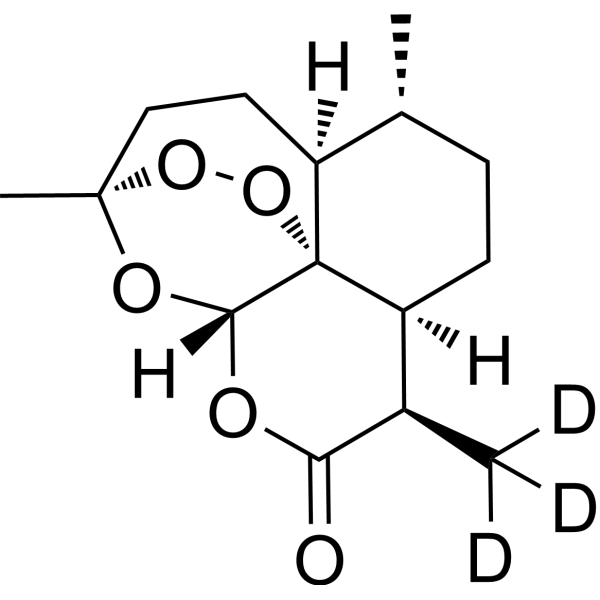
Referencia número: HY-B0094S
No. CAS: 176652-07-6
Synonyms: Qinghaosu-d3; NSC 369397-d3
Artemisinin-d3 is the deuterium labeled Artemisinin. Artemisinin (Qinghaosu), a sesquiterpene lactone, is an anti-malarial agent isolated from the aerial parts of Artemisia annua L. plants . Artemisinin inhibits AKT signaling pathway by decreasing pAKT in a dose-dependent manner. Artemisinin reduces cancer cell proliferation, migration, invasion, tumorigenesis and metastasis and has neuroprotective effects .
loading...
    loading...
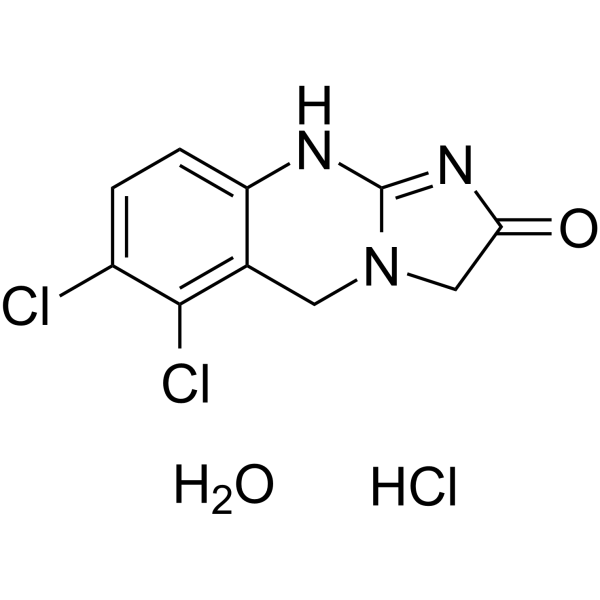
Referencia número: HY-B0523B
No. CAS: 823178-43-4
Áreas de investigación:  

Cardiovascular Disease Cancer

Anagrelide hydrochloride monohydrate is a potent inhibitor of phosphodiesterase type III (PDE3) (IC50=36 nM). Anagrelide hydrochloride monohydrate, an imidazoquinazoline derivative, acts as an inhibitor of platelet aggregation. Anagrelide hydrochloride monohydrate inhibits bone marrow megakaryocytopoiesis. Anagrelide hydrochloride monohydrate decreases gastrointestinal stromal tumor (GIST) cell proliferation and promotes their apoptosis in vitro. Anagrelide hydrochloride monohydrate is a platelet-lowering agent and plays in the antithrombopoietic action .
loading...
    loading...
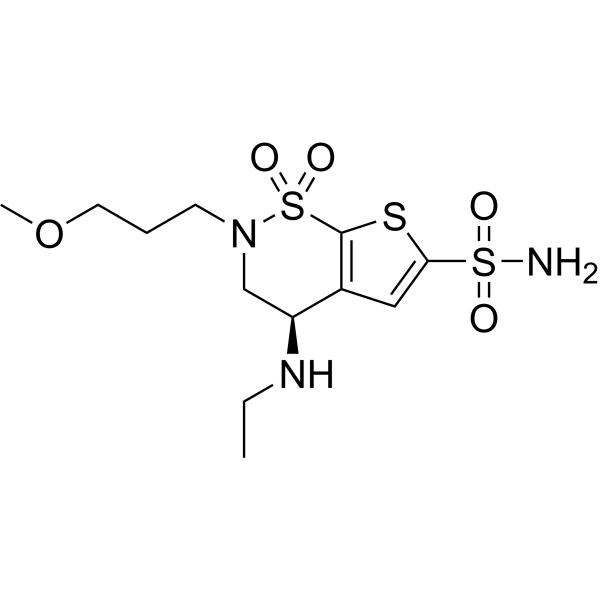
Referencia número: HY-B0588R
No. CAS: 138890-62-7
Synonyms: AL-4862 (Standard)
Áreas de investigación:  

Others Neurological Disease

Brinzolamide (Standard) is the analytical standard of Brinzolamide. This product is intended for research and analytical applications. Brinzolamide (AL-4862) is a selective carbonic anhydrase II inhibitor with anIC50 value of 3.2 nM. Brinzolamide hydrochloride reduces intraocular pressure (IOP) by inhibiting ciliary CA-II and decreasing atrial fluid secretion. Brinzolamide can be used in glaucoma disease research .
loading...
    loading...
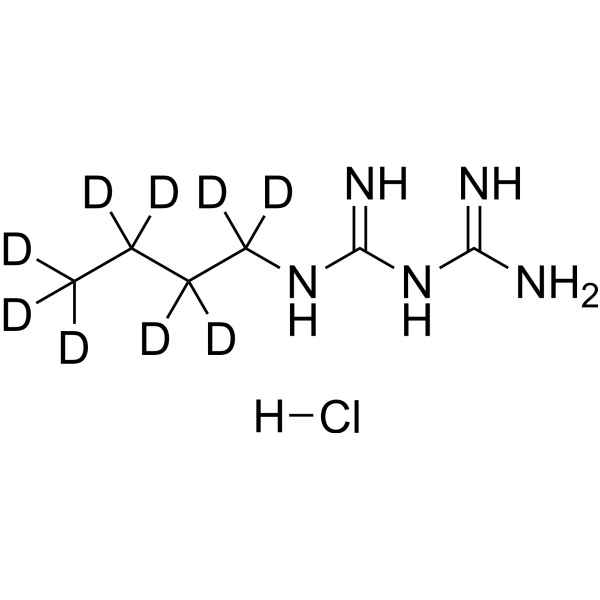
Referencia número: HY-B2099S
Synonyms: 1-Butylbiguanide-d9 hydrochloride
Buformin-d9 (hydrochloride) is the deuterium labeled Buformin. Buformin (1-Butylbiguanide), a potent AMPK activator, acts as an orally active biguanide antidiabetic agent. Buformin decreases hepatic gluconeogenesis and lowers blood glucose production in vivo. Buformin also has anti-cancer activities and is applied in cancer study (such as, cervical cancer and breast cancer, et al) .
loading...
    loading...
Referencia número: HY-N0158R
No. CAS: 16837-52-8
Oxymatrine (Standard) is the analytical standard of Oxymatrine. This product is intended for research and analytical applications. Oxymatrine, an alkaloid from Sophora flavescens Alt. with anti-inflammatory, antifibrosis, and antitumor effects, inhibits the iNOS expression and TGF-β/Smad pathway. Oxymatrine inhibits bocavirus minute virus of canines (MVC) replication, reduces viral gene expression and decreases apoptosis induced by viral infection.
loading...
    loading...
Referencia número: HY-N11772R
No. CAS: 875455-92-8
Mutanocyclin (Standard) is the analytical standard of Mutanocyclin (HY-N11772). This product is intended for research and analytical applications. Mutanocyclin is a potent antifungal agent. Mutanocyclin inhibits Candida albicans (C. albicans) filamentation. Mutanocyclin decreases the mRNA expression of HWP1, ECE1, FLO8, TEC1. Mutanocyclin inhibits yeast-form in ex vivo mouse .
loading...
    loading...
Referencia número: HY-N12042
No. CAS: 110300-77-1
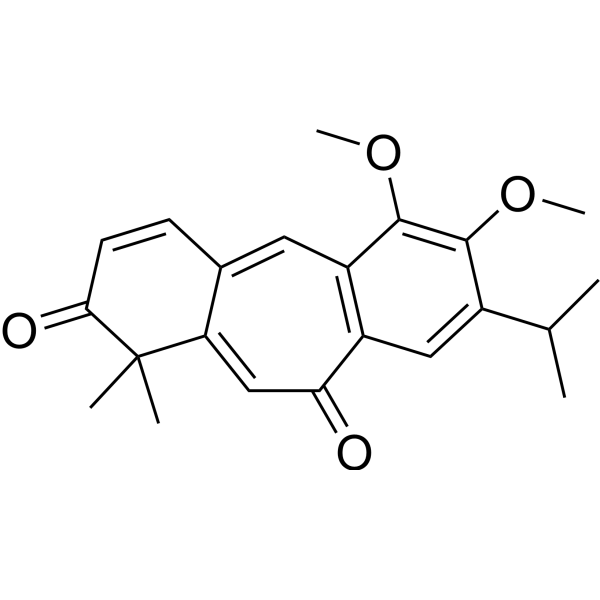
Taxamairin B is a potent anti-inflammatory agent. Taxamairin B decreases proinflammatory cytokines (TNF-α, IL-1β and IL-6) expression and the production of NO and ROS in LPS-induced RAW264.7 cells. Taxamairin B exhibits significant protective effects in LPS-induced acute lung injury in mice .
loading...
    loading...
Referencia número: HY-N19627
No. CAS: 607357-35-7
Synonyms: 3′-M-ECG
3'-O-Methyl-(-)-epicatechin gallate (3′-M-ECG) is a methylated Catechin (HY-N0898) derivative and is an antioxidant agent. 3'-O-Methyl-(-)-epicatechin gallate reduces oxygen consumption and prevents decreases in linoleic and α-linolenic acids to protect canola oil from lipid oxidation when heated .
loading...
    loading...
Referencia número: HY-N5097
No. CAS: 29623-29-8
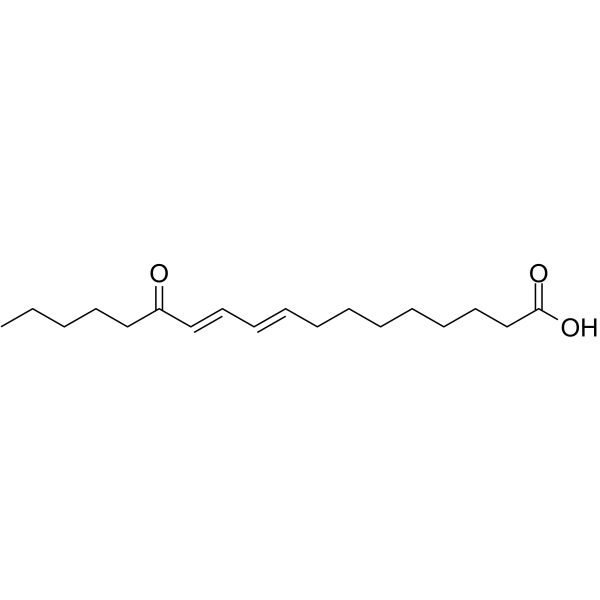
13-Oxo-9E,11E-octadecadienoic acid, an isomer of 9-oxo-ODA, is a potent PPARα activator derived from tomato juice. 13-Oxo-9E,11E-octadecadienoic acid decreases plasma and hepatic triglyceride in obese diabetic mice .
loading...
    loading...
Referencia número: HY-N7133
No. CAS: 537-67-7
Synonyms: N-Phenylaniline hydrochloride
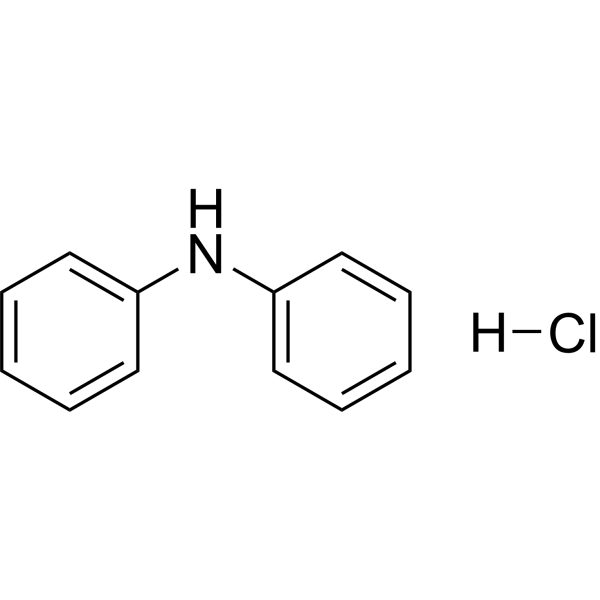
Diphenylamine hydrochloride (N-Phenylaniline hydrochloride) is an antihyperglycemic agent with oral activity and a common structure in non-steroidal anti-inflammatory drugs (NSAIDs) that uncouples oxidative phosphorylation in mitochondria, leading to a decrease in hepatic cell ATP levels and causing liver cell damage. Diphenylamine hydrochloride is also an industrial antioxidant, a dyeing mordant, and is used in agriculture as an antifungal and antibacterial agent .
loading...
    loading...
Referencia número: HY-P0083
No. CAS: 3397-23-7
Synonyms: POR-8
Target:  

Vasopressin Receptor

Áreas de investigación:  

Cardiovascular Disease

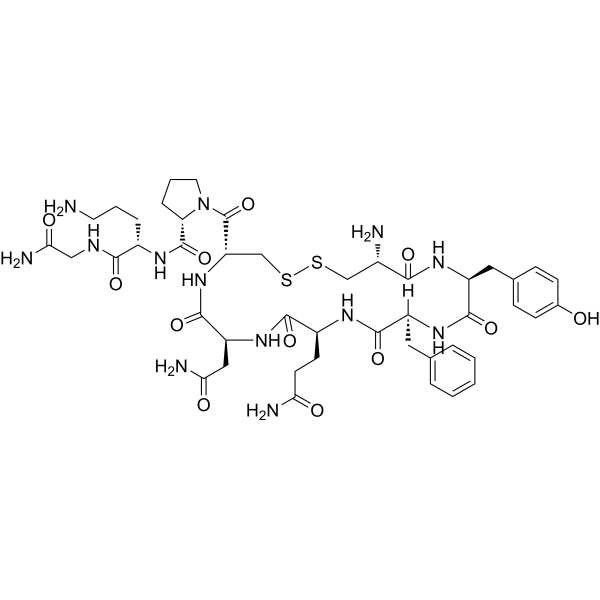
Ornipressin (POR-8) is a vasopressin agonist specific for the V1 receptor. Ornipressin can be used as a local vasoconstrictor. Ornipressin can reverse the hypotension associated with combine general/epidural anesthesia. Ornipressin has antidiuretic activity. Ornipressin decreases renal vascular resistance and increases renal blood flow in renal failure model .
loading...
    loading...
Referencia número: HY-P11782
No. CAS: 254732-11-1
Target:  

GSK-3 CDK Apoptosis

Áreas de investigación:  

Cancer

GTGKT is a CAGE inhibitor. GTGKT binds to CAGE and blocks the binding of CAGE to GSK3β. GTGKT alters the localization of CAGE and inhibits the binding of CAGE to the promoter sequence of Cyclin D1. GTGKT enhances the Apoptotic effect of anticancer agents. GTGKT reduces the expression of Cyclin D1. GTGKT decreases the tumorigenic potential of melanoma and hepatocellular carcinoma cells .
loading...
    loading...
Referencia número: HY-P1306
No. CAS: 869705-22-6
Target:  

GHSR

Áreas de investigación:  

Cardiovascular Disease Inflammation/Immunology

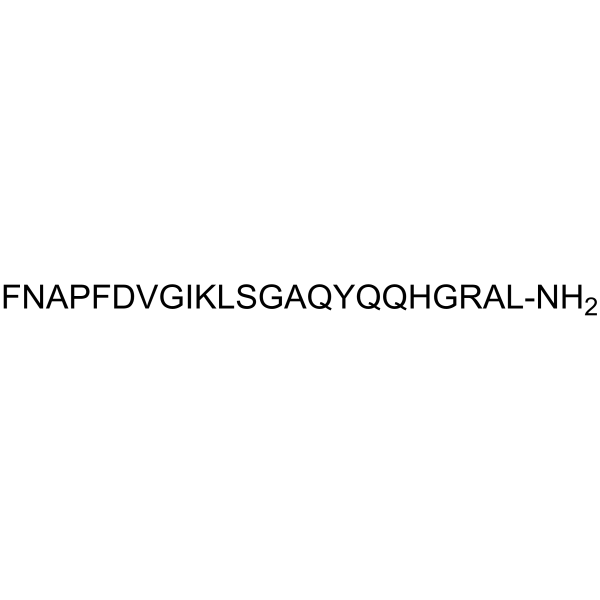
Obestatin(rat), encoded by the Ghrelin gene, is a cpeptide, comprised of 23 amino acids. Obestatin(rat) suppresses food intake, inhibits jejunal contraction, and decreases body-weight gain. Obestatin is an endogenous ligand of G-protein coupled receptor 39 (GPR39). Obestatin(rat) has anti-inflammatory, anti-myocardial infarction and antioxidant activities .
loading...
    loading...
Referencia número: HY-P99608
No. CAS: 569658-80-6

Target:  

HBV

Áreas de investigación:  

Infection

Exbivirumab is a monoclonal antibody directed against highly conserved HBsAg epitopes. Exbivirumab enhances the antiviral activity of hepatitis B immunoglobulin (HBIG). Exbivirumab combined with Libivirumab (HY-P99703) decreases circulating HBsAg and hepatitis B virus (HBV) DNA levels in a chronically infected chimpanzee. Exbivirumab can be used for HBV re-infection in liver transplant .
loading...
    loading...
Referencia número: HY-W017448
No. CAS: 24307-26-4
Synonyms: N,N-Dimethylpiperidinium chloride; PIX
Áreas de investigación:  

Others

Mepiquat chloride (N,N-Dimethylpiperidinium chloride) is a systemic plant growth regulator. Mepiquat chloride reduces the activity of RuBP carboxylase. Mepiquat chloride decreases plant height, total length of vegetative and fruiting branches, and total leaf area of cotton. Mepiquat chloride reduces the net photosynthetic rate of cotton leaves. Mepiquat chloride promotes starch accumulation in cotton leaves without altering sucrose content .
loading...
    loading...
Referencia número: HY-W110242A
No. CAS: 194979-70-9
Target:  

Endogenous Metabolite

Áreas de investigación:  

Cardiovascular Disease

(S)-CPP sodium serves as an inhibitor of the branched-chain α-ketoacid dehydrogenase complex (BCKDC) kinase, commonly referred to as BDK or keto acid dehydrogenase kinase. As a negative regulator of BCKDC activity, the inhibition of BDK by (S)-CPP (with an IC50 of 6.3 μM) results in the activation of the complex and a notable decrease in plasma levels of leucine/isoleucine and valine in wild-type mice.
loading...
    loading...
Referencia número: HY-W201317
No. CAS: 1060968-92-4
Target:  

PPAR

Áreas de investigación:  

Metabolic Disease

E17241 is an inducer of the expression of ABCA1 that increases the protein levels of ABCA1 in RAW 264.7 macrophages. E17241 is also an agonist of peroxisome proliferator-activated receptors (PPARs ). E17241 decreases plasma glucose levels and body weight in KKAy diabetic mice fed a high-fat and high-glucose (HFHG) diet .
loading...
    loading...
Referencia número: HY-W707564
Atorvastatin-d5-1 sodium is the deuterium labeled Atorvastatin sodium (HY-108257). Atorvastatin sodium is an orally active HMG-CoA reductase inhibitor, has the ability to effectively decrease blood lipids. Atorvastatin sodium inhibits human SV-SMC proliferation and invasion with IC50s of 0.39 μM and 2.39 μM, respectively .
loading...
    loading...
Referencia número: HY-112726A
No. CAS: 1478364-40-7
Synonyms: BI-1467335 free base
Target:  

VAP-1 MMP

Áreas de investigación:  

Infection Inflammation/Immunology

PXS-4728A free base is an orally active, selective VAP-1/SSAO inhibitor with an IC50 of 5 nM and a Ki of 175 nM. PXS-4728A free base inhibits the expression of MMP-9. It reduces cell rolling, adhesion and migration, decreases cell infiltration levels, pro-inflammatory cytokines, chemokines and collagen deposition, and improves pulmonary function. PXS-4728A free base reduces the formation and progression of atherosclerotic plaques, and decreases blood lipid and blood glucose levels as well as body weight gain. PXS-4728A free base can be used in research related to chronic obstructive pulmonary disease, cystic fibrosis, acute pulmonary inflammation, acute lung injury, bronchiolitis obliterans syndrome, rhinovirus-exacerbated asthma, sepsis, Klebsiella pneumoniae pulmonary infection and atherosclerosis .
loading...
    loading...
Referencia número: HY-169480
No. CAS: 3003022-09-8
Target:  

Liposome

Áreas de investigación:  

Infection Cancer

Lipid C2 is an ionizable cationic lipid that has been used in the formation of lipid nanoparticles (LNP) for mRNA delivery in vivo. LNPs containing Lipid C2 and encapsulating an mRNA reporter selectively accumulate in the liver and spleen but not the heart, lungs, or kidneys in mice. LNP containing Lipid C2 and encapsulating mRNA encoding the Epstein-Barr virus (EBV) protein latent membrane protein 2 (LMP-2), in combination with an anti-programmed cell death protein 1 (PD-1) antibody, decrease tumor volume and reverse T cell exhaustion, as well as increase the percentage of CD3 +CD8 + central and CD3 +CD8 + effector memory T cells and decrease the percentage of CD3 + T cells expressing Pd-1, in the spleen in a CT26 murine EBV-infected colon cancer model .
loading...
    loading...

