



Branched Fatty Acids

- Formula: C10H16O2
- Molecular Weight: 168.23
Geranic acid (Geranate) acts as a tyrosinase inhibitor and antifungal agent, with an IC50 value of 0.14-2.3 mM against mushroom tyrosinase. Geranic acid reduces the viability of human pancreatic cancer cells and B-lymphoma cells. Geranic acid inhibits mycelial growth of the maize pathogens Colletotrichum graminicola and Fusarium graminearum. Geranic acid is applicable to research related to fungal infections, pancreatic cancer and B-lymphoma.

- Formula: C14H29NO
- Molecular Weight: 227.39
Myristic amide (Myristic acid amide) is an ester product. Myristic amide can be used as a chemical additive, lubricant and pharmaceutical intermediate.
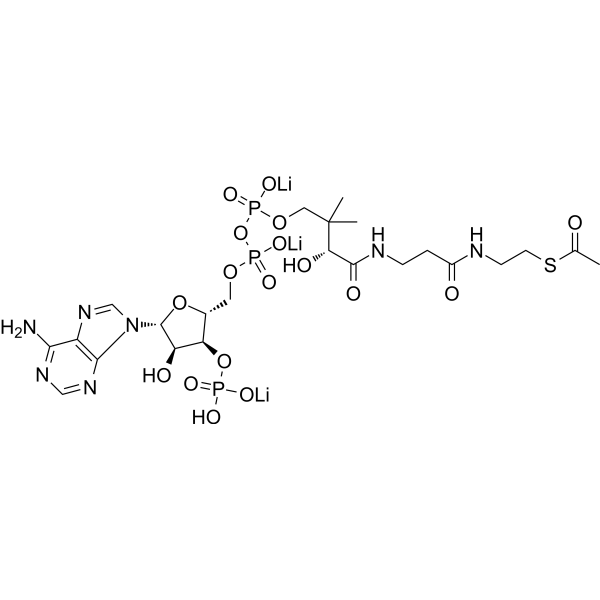
- Formula: C23H35Li3N7O17P3S
- Molecular Weight: 827.37
Acetyl-coenzyme A (Acetyl-CoA) trilithium is a membrane-impermeant central metabolic intermediate, participates in the TCA cycle and oxidative phosphorylation metabolism. Acetyl-coenzyme A trilithium regulates various cellular mechanisms by providing (sole donor) acetyl groups to target amino acid residues for post-translational acetylation reactions of proteins. Acetyl Coenzyme A trilithium is also a key precursor of lipid synthesis.
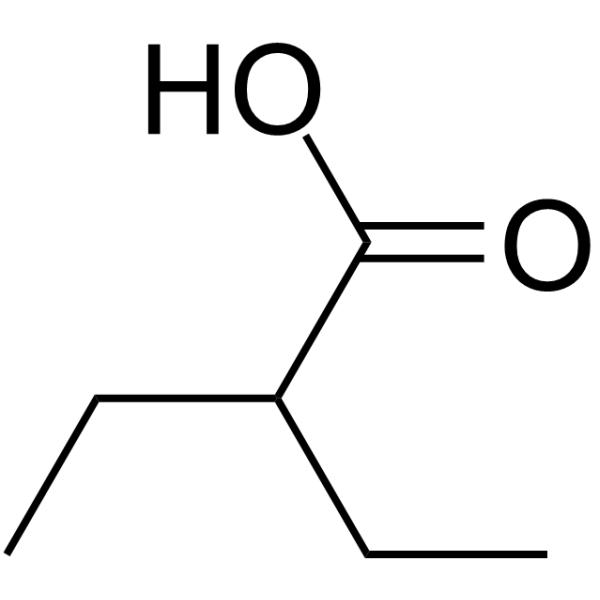
- Formula: C6H12O2
- Molecular Weight: 116.16
2-Ethylbutyric acid is a volatile fatty acid. 2-Ethylbutyric acid exhibits phytotoxicity. 2-Ethylbutyric acid is used as an internal standard in milk and dairy products and as an internal standard (IS) in the calibration of fecal VFA standards. 2-Ethylbutyric acid can be used in the research of embryonic development.
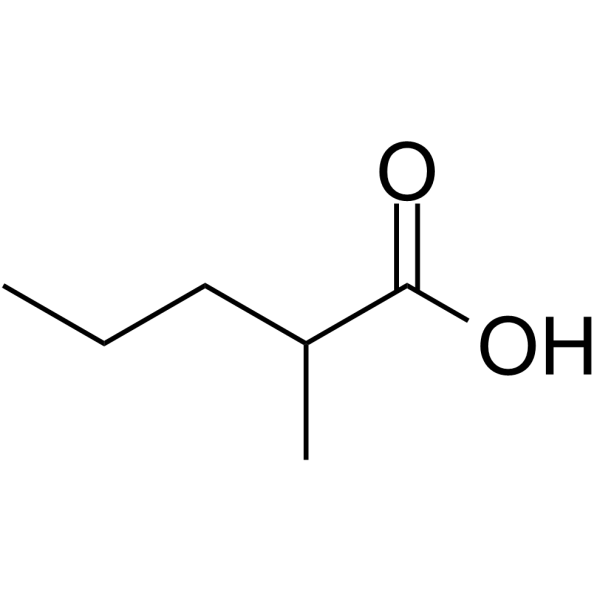
- Formula: C6H12O2
- Molecular Weight: 116.16
2-Methylvaleric acid is a branched short-chain fatty acid (SCFA) produced by the metabolism of branched-chain amino acids by gut microbes. 2-Methylvaleric acid can be used as a potential biomarker for metabolic diseases such as type 2 diabetes, and its content is significantly reduced in the feces of diabetic mice. 2-Methylvaleric acid may regulate host energy metabolism and inflammatory response through G protein-coupled receptors (GPCRs) or histone deacetylase (HDAC) inhibition. 2-Methylvaleric acid can be used to study gut microbe-host interactions and metabolic diseases as a fecal biomarker[1][2].
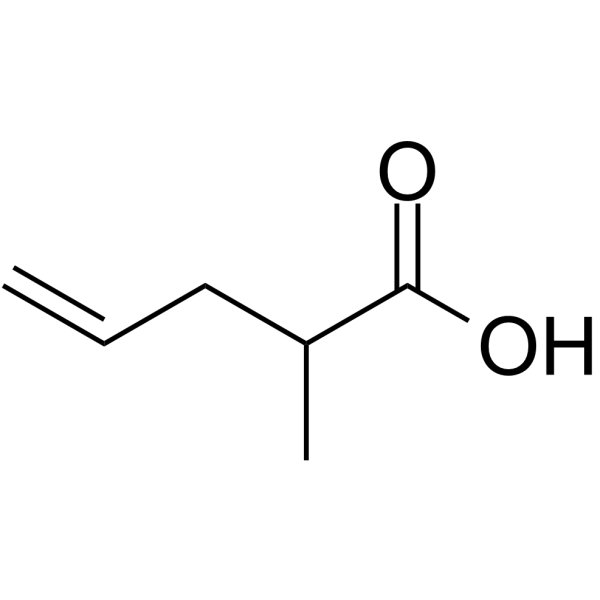
- Formula: C6H10O2
- Molecular Weight: 114.14
2-Methyl-4-pentenoic Acid (2-Methylpent-4-enoic acid) is an organic acid that can be used as a precursor for synthesizing other compounds. Additionally, changes in the level of 2-Methyl-4-pentenoic Acid may be associated with the susceptibility to schizophrenia and type 2 diabetes.

- Formula: C5H10O3
- Molecular Weight: 118.13
3-Hydroxy-2-methylbutanoic acid is a short-chain carboxylic acid and a normal urinary metabolite produced via isoleucine catabolism, fatty acid β-oxidation and ketogenesis. 3-Hydroxy-2-methylbutanoic acid exists as an acylated residue in resin glycosides derived from plants of the Ipomoea genus. 3-Hydroxy-2-methylbutanoic acid can be used in studies related to β-ketothiolase deficiency.
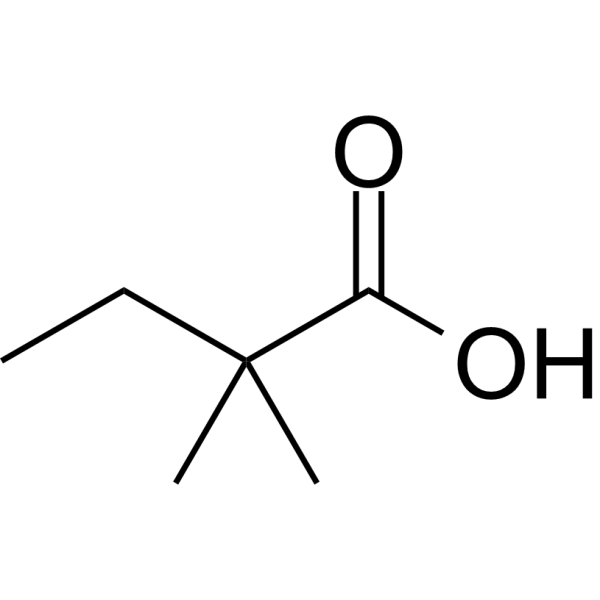
- Formula: C6H12O2
- Molecular Weight: 116.16
Dimebutic acid is an orally active short-chain fatty acid. Dimebutic acid stimulates fetal globin production and alters the balance of Bcl family proteins. Dimebutic acid prolongs red blood cell survival. Dimebutic acid exhibits toxicity in rats. Dimebutic acid can be used in the study of β-thalassemia and sickle cell disease.
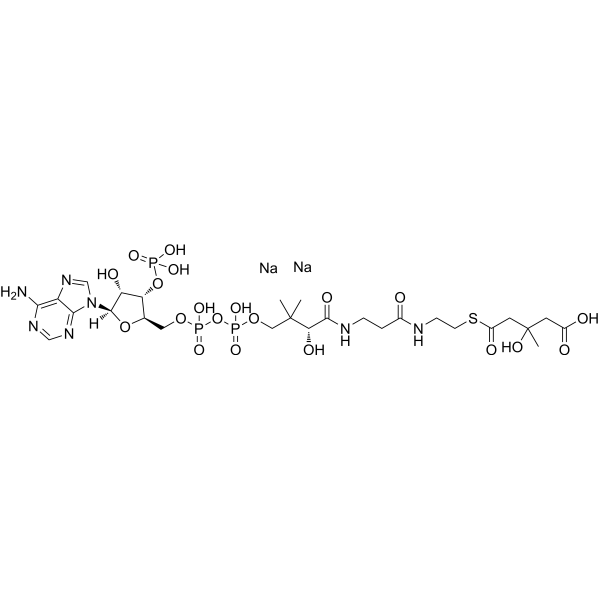
- Formula: C27H44N7Na2O21P3S.xH2O
DL-3-Hydroxy-3-methylglutaryl coenzyme A disodium hydrate is a disodium salt compound of HMG-CoA, is a intermediate of terpenes and ketone bodies. DL-3-Hydroxy-3-methylglutaryl coenzyme A disodium also involves in ester metabolism in vivo, as a precursor for cholesterol synthesis, and regulates cholesterol synthesis by coupling LDL receptor.
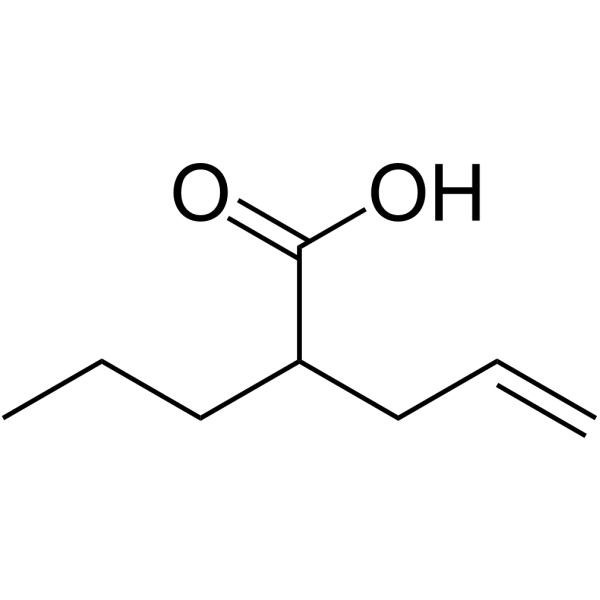
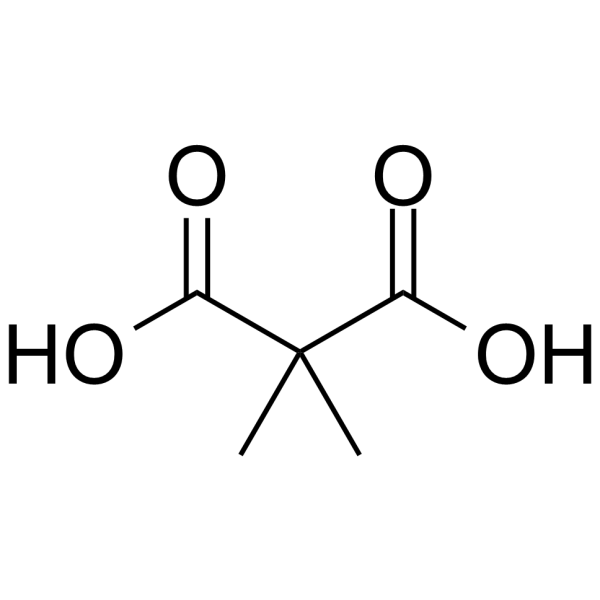
- Formula: C5H8O4
- Molecular Weight: 132.11
Dimethylmalonic acid (Dimethylpropanedioic acid) is a succinate dehydrogenase inhibitor. Dimethylmalonic acid competitively inhibits succinate dehydrogenase, reduces SDH-mediated succinate accumulation, blocks a key step in oxidative phosphorylation, and decreases anti-inflammatory cytokine secretion and ROS production. Dimethylmalonic acid can be used in research on autism spectrum disorders.

- Formula: C5H10O2
- Molecular Weight: 102.13
2-Methylbutanoic acid is a chemical intermediate for a variety of applications such as plasticizers, lubricants and pharmaceuticals.
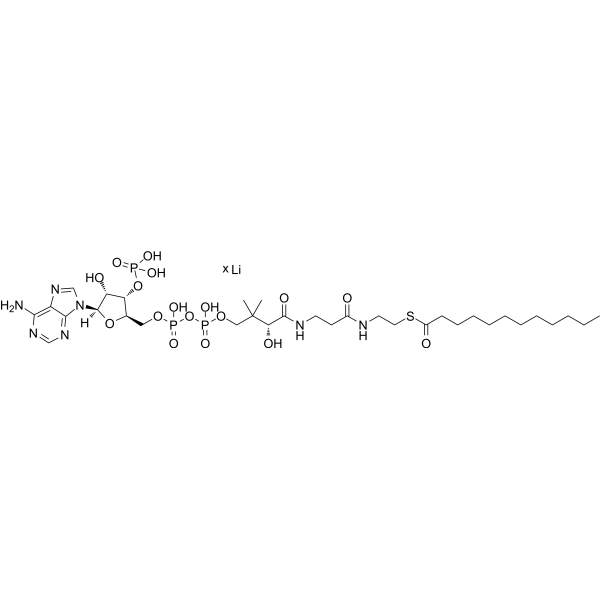
- Formula: C33H58N7O17P3S.xLi
Lauroyl coenzyme A lithium salt is an intermediary in fatty acid synthesis or metabolism, formed by combining long-chain fatty acids (or lauric acid) with coenzyme A. Lauroyl coenzyme A lithium salt is involved in lipid biosynthesis and fatty acid transport, in which coenzyme A acts as a transport molecule to help move and target specific compounds.
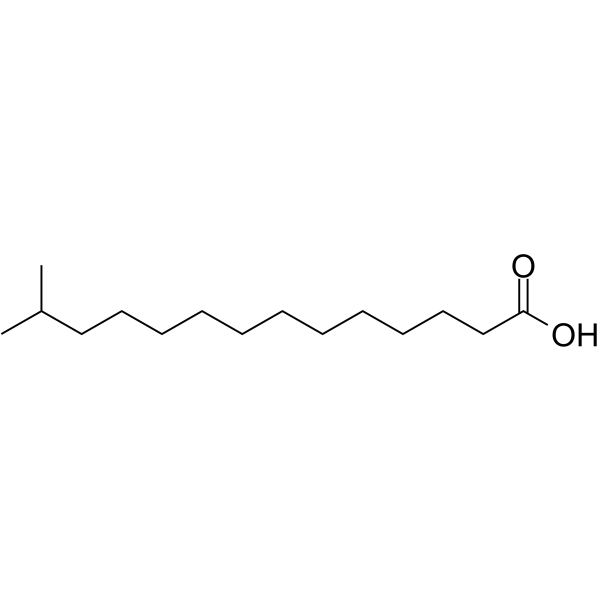
- Formula: C15H30O2
- Molecular Weight: 242.40
13-Methyltetradecanoic acid (13-MTD), a saturated branched-chain fatty acid with potent anticancer effects. 13-Methyltetradecanoic acid induces apoptosis in many types of human cancer cells.
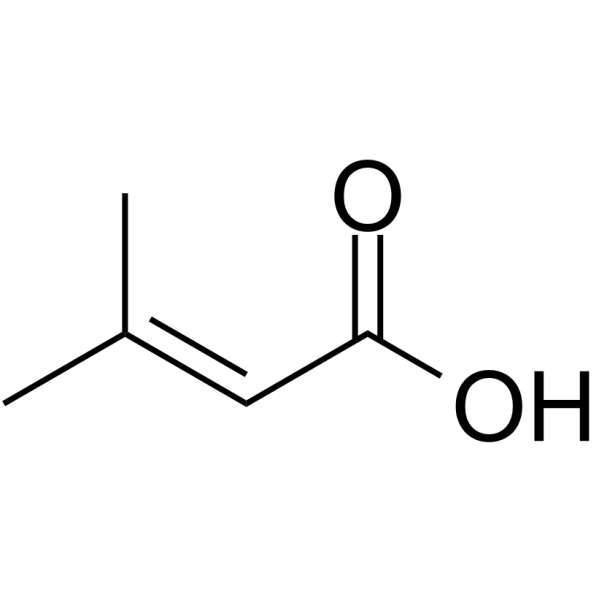
- Formula: C5H8O2
- Molecular Weight: 100.12
3,3-Dimethylacrylic acid is an active small molecule, that can be used as drug intermediate.

- Formula: C22H43NO3
- Molecular Weight: 369.58
N-Palmitoyl-l-leucine (GK144) is a secreted phospholipases A2 inhibitor. N-Palmitoyl-l-leucine can be used for inflammatory diseases.
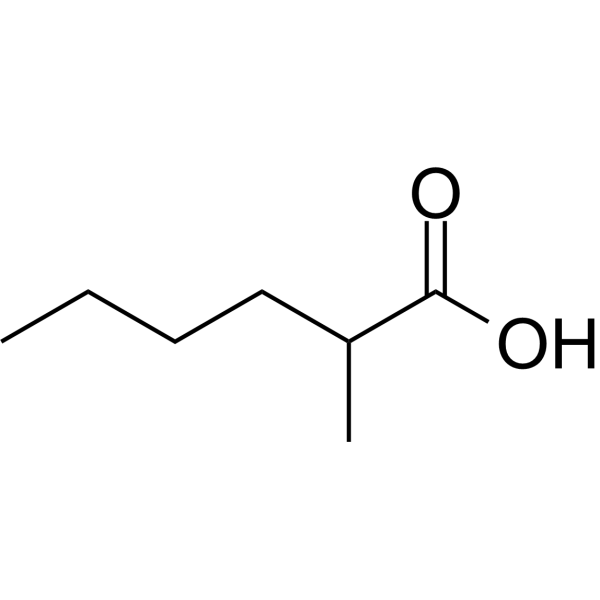
- Formula: C7H14O2
- Molecular Weight: 130.19
2-Methylhexanoic acid is a saturated branched-chain carboxylic acid with a strong "fatty" or "oily" odor. At high concentrations, it is often described as having the smell of lard, chicken fat or sweat; when diluted, it exhibits a dairy, cream or cheese aroma. Therefore, it is commonly used in the formulation of milk, meat (pork/chicken) and baked food flavors. 2-Methylhexanoic acid occurs naturally in fresh apples, cheese, grape brandy, lamb, potatoes and tea.
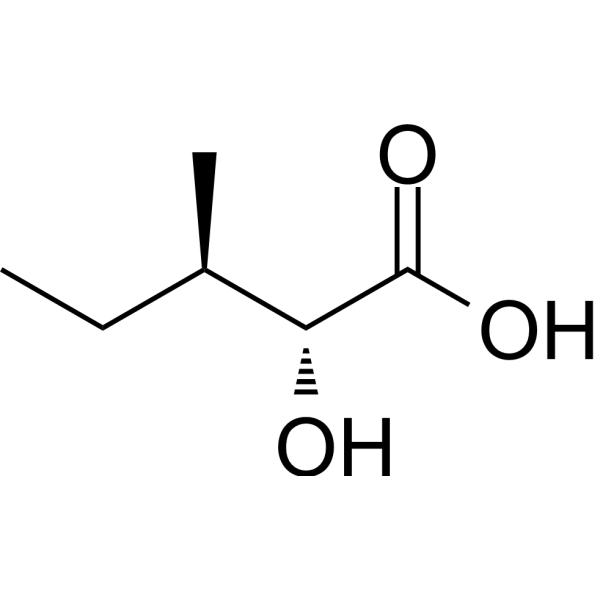
- Formula: C6H12O3
- Molecular Weight: 132.16
(2R,3R)-2-Hydroxy-3-methylpentanoic acid is a building block in the chemical synthesis.
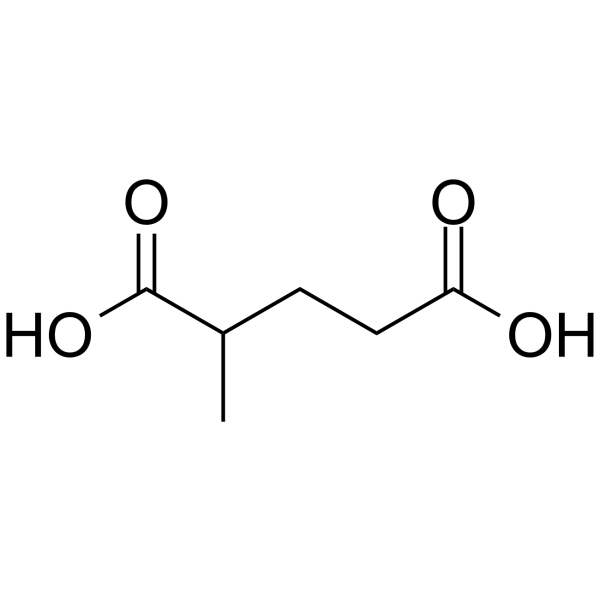
- Formula: C6H10O4
- Molecular Weight: 146.14
2-Methylpentanedioic acid is a metabolite of succinic acid, a citric acid cycle intermediate.
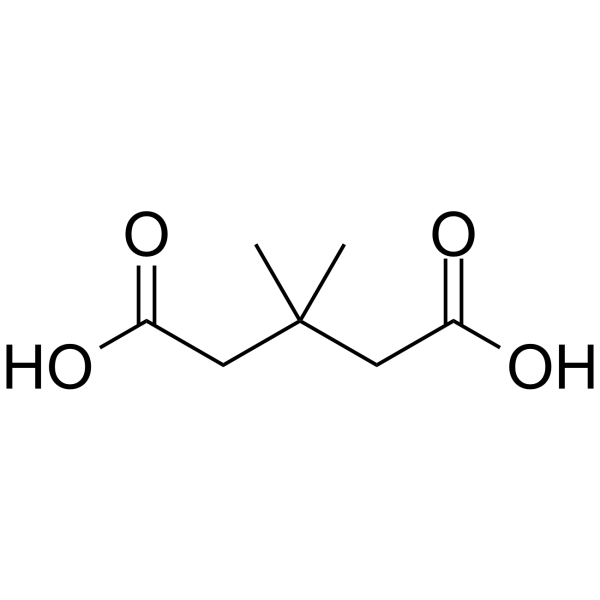
- Formula: C7H12O4
- Molecular Weight: 160.17
3,3-Dimethylglutaric acid is an organic acid derivative and a candidate serum biomarker for sheep cystic echinococcosis. The serum level of 3,3-Dimethylglutaric acid increases significantly in sheep infected with Echinococcus granulosus. 3,3-Dimethylglutaric acid can serve as a ligand to synthesize metal complexes. 3,3-Dimethylglutaric acid is applicable to the research of cystic echinococcosis.



