



SB-265610
Based on 6 publication(s) in Google Scholar
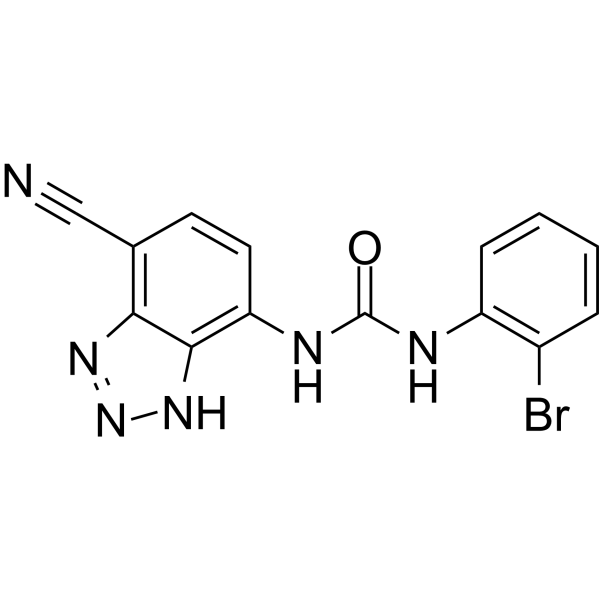
SB-265610 is a selective, competitive, nonpeptide and allosteric CXCR2 antagonist. SB-265610 blocks rat cytokine-induced neutrophil chemoattractant-1 (CINC-1)-induced calcium mobilization and neutrophil chemotaxis with IC50s of 3.7 nM and 70 nM, respectively.
For research use only. We do not sell to patients.
- Purity : 99.03%
- CAS No.: 211096-49-0
- Formula: C14H9BrN6O
- Molecular Weight:357.16
-
Storage:Powder -20°C, 3 years , 4°C, 2 years ; In solvent -80°C, 6 months , -20°C, 1 month

To place orders, for customer services and technical support, please contact: MedChemExpress USA
Tel: 609-228-6898 E-mail: [email protected] [email protected]


-
 Biological Activity
-
Chemical Information
-
Solvent & Solubility
- Protocols
- Purity & Documentation
- References
-
 Help & FAQs


-
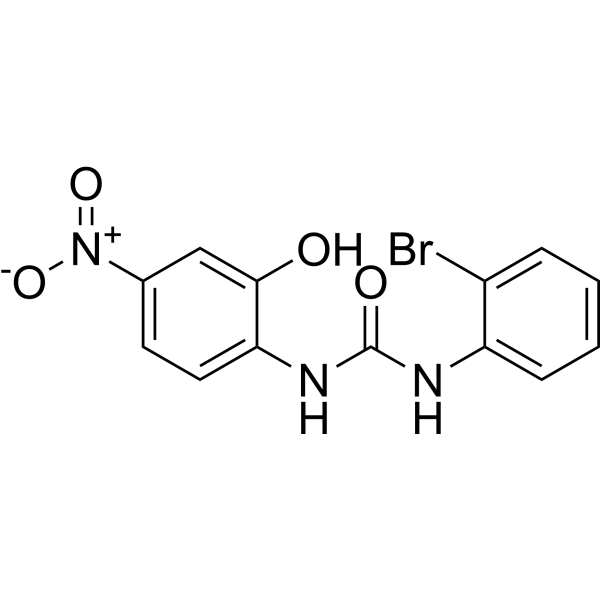
HY-16711
SB225002CXCR2 Antagonist -
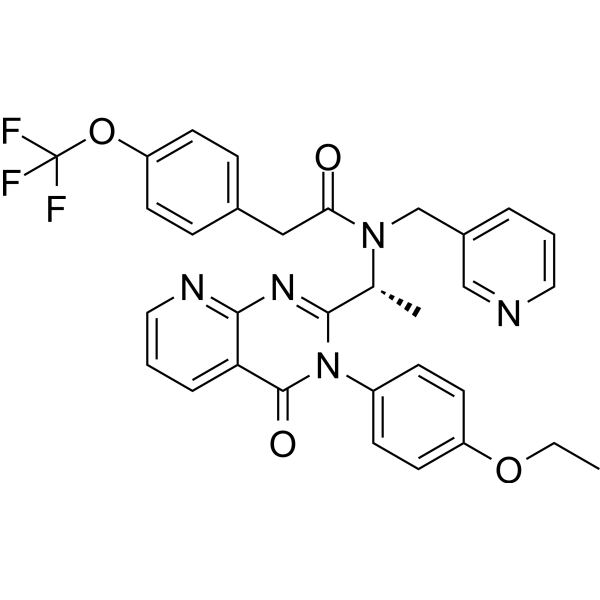
HY-15319
AMG 487CXCR3 Antagonist -
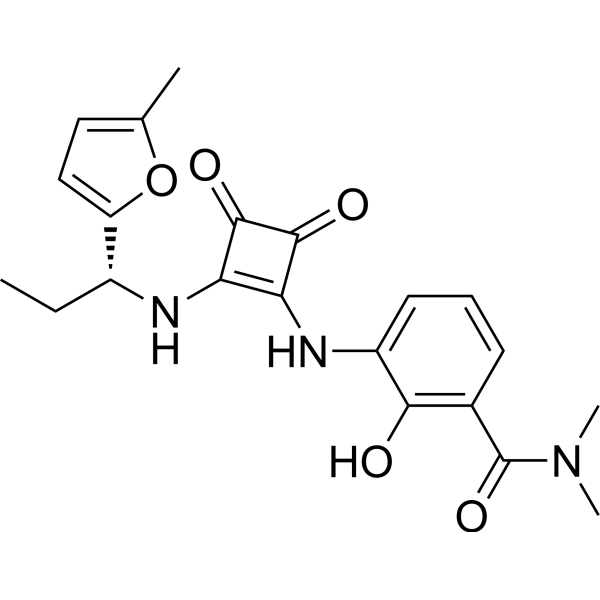
HY-10198
NavarixinCXCR1/2 Antagonist -
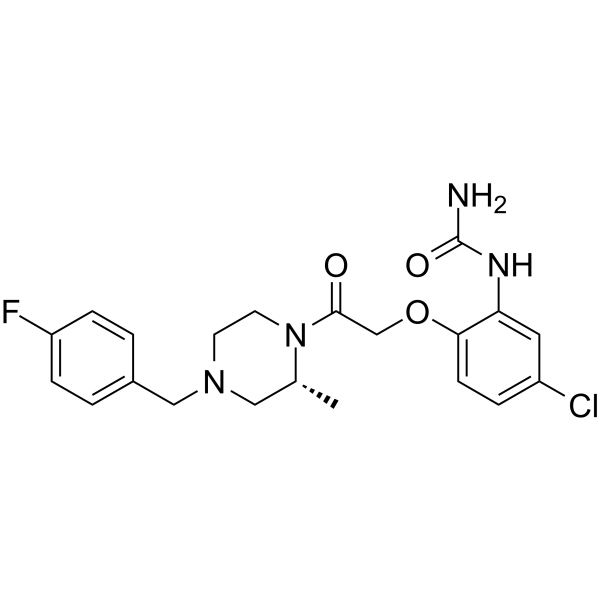
HY-12080
BX471CCR1 Antagonist -
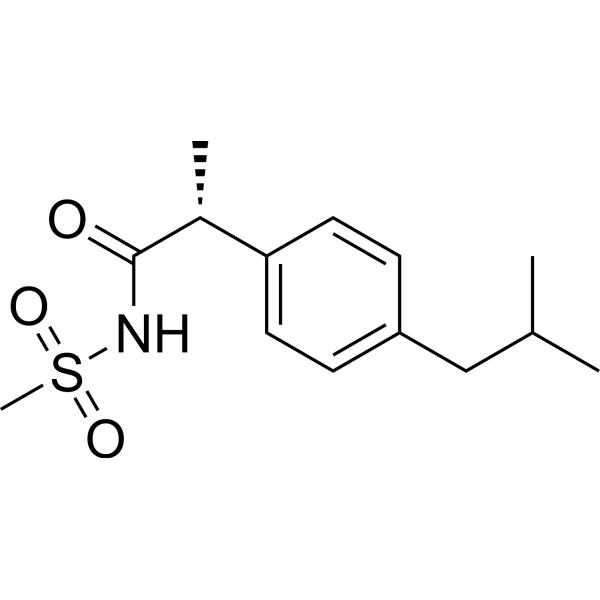
HY-15251
ReparixinCXCR1/2 Inhibitor -
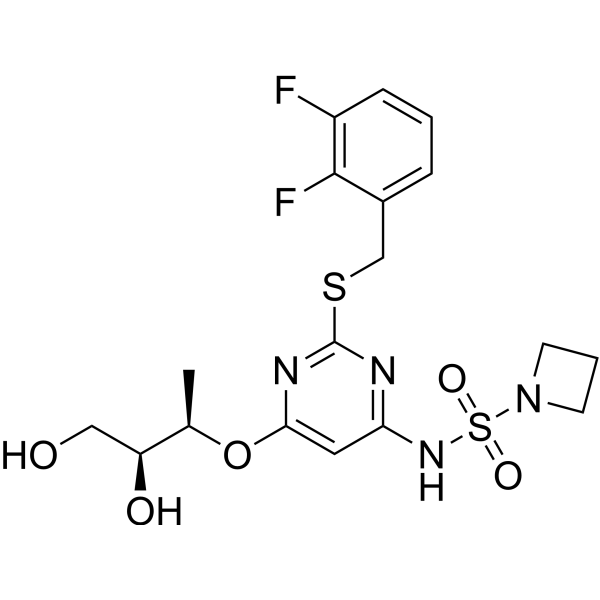
HY-19855
AZD-5069CXCR2 Antagonist -
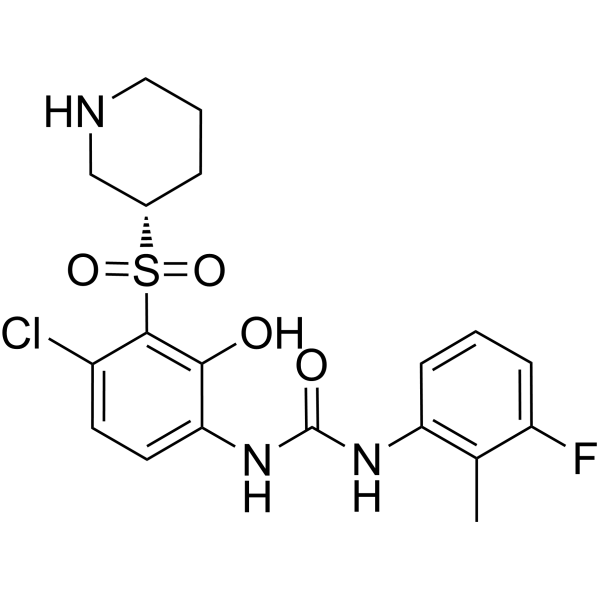
HY-19768
DanirixinCXCR Antagonist -
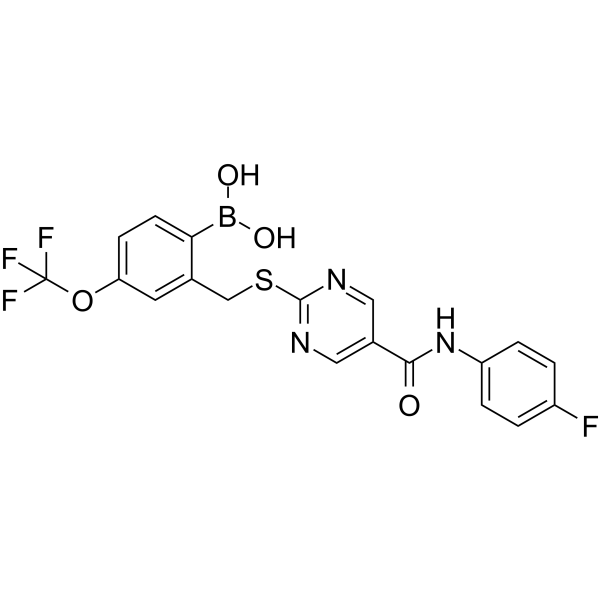
HY-119339
SX-682CXCR1/2 Inhibitor -
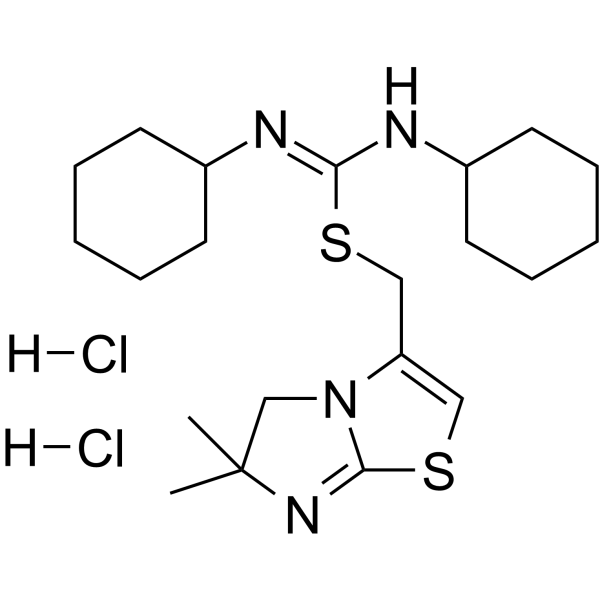
HY-101458A
IT1t dihydrochlorideCXCR4 Antagonist -
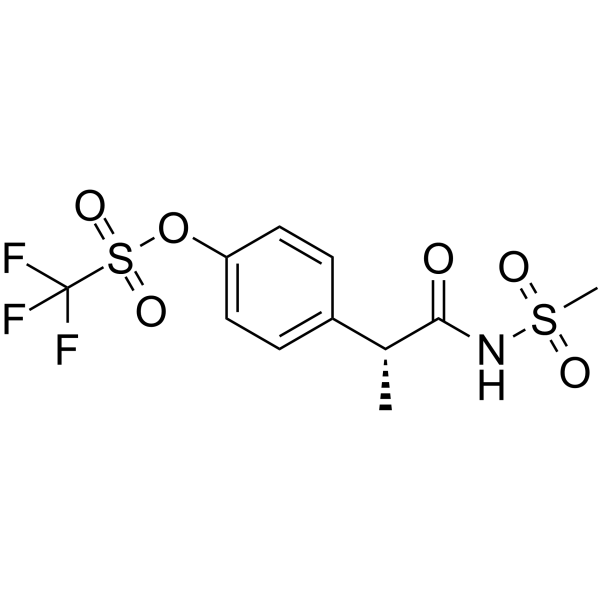
HY-19519
LadarixinDual CXCR1/2 Antagonist -
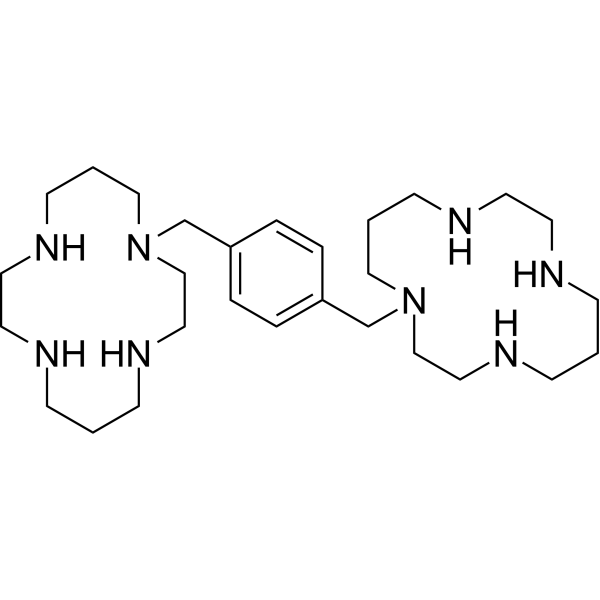
HY-10046
PlerixaforCXCR4 Antagonist -
HY-15418
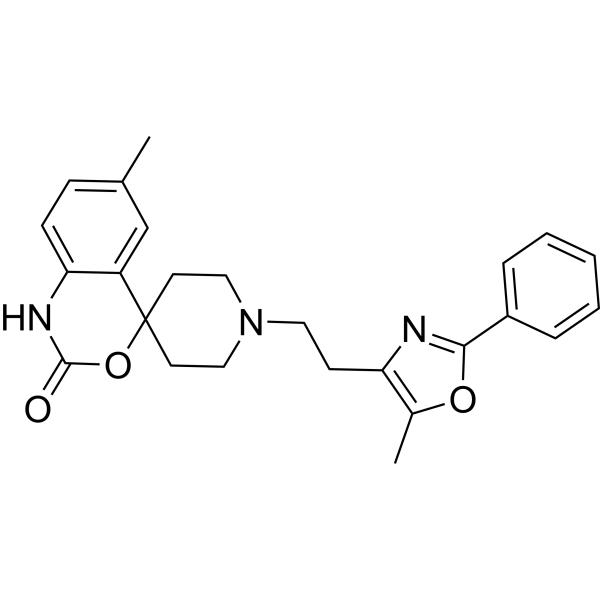
RS 504393CCR2 Antagonist
Publications Citing Use of MedChemExpress (MCE) SB-265610
More

Biological Activity
Description
IC50 & Target
[1]|
CXCR2 |
Cellular Effect
|
Cell Line

|
Type | Value | Description | References |
|---|---|---|---|---|
| CHO | IC50 |
10 nM
Compound: 1
|
Displacement of [125I]IL-8 from CHO cell membranes expressing human CX3C chemokine receptor 2
Displacement of [125I]IL-8 from CHO cell membranes expressing human CX3C chemokine receptor 2
|
[PMID: 12031332] |
In Vitro
In vitro, SB-265610 antagonizes rat cytokine-induced neutrophil chemoattractant-1 (CINC-1)-induced calcium mobilization, IC50 of 3.7 nM, and rat neutrophil chemotaxis in a concentration-dependent manner, IC50 of 70 nM. SB-265610 reduces the antiapoptotic effect of CINC-1 to the levels of those untreated with CINC-1[1].
MedChemExpress (MCE) has not independently confirmed the accuracy of these methods. They are for reference only. Further protocols information, click here.
In Vivo
MedChemExpress (MCE) has not independently confirmed the accuracy of these methods. They are for reference only.
-
Animal Model:MMTV-PyVmT/Tgfbr2MGKO and MMTV-PyVmT/Tgfbr2flox/flox tumors from donor mice[3]
-
Dosage:2 mg/kg/day
-
Administration:Intraperitoneal injection; daily; for two weeks
-
Result:Significantly inhibited the recruitment of Gr-1+CD11b+ cells to the mammary adenocarcinoma.


Chemical Information
-
CAS No. 211096-49-0
-
Appearance Solid
-
Molecular Weight 357.16
-
Formula C14H9BrN6O
-
Color Off-white to yellow
-
SMILES
N#CC1=C(N=NN2)C2=C(C=C1)NC(NC(C=CC=C3)=C3Br)=O
-
Shipping
Room temperature in continental US; may vary elsewhere.
-
Storage
Powder -20°C 3 years 4°C 2 years In solvent -80°C 6 months -20°C 1 month


Publications (6)
-
Journal Impact Factor
-
Most Recent
-
Immunity
Spatiotemporal dynamics of CXCL10 encode contextual immune information revealed by the genetically encoded fluorescent sensor. [Abstract]2025 Sep 9;58(9):2320-2335.e9. PMID: 40818452 -
Mol Biomed
C-X-C motif chemokine ligand 1 derived from oral squamous cell carcinoma promotes cancer-associated fibroblast differentiation and tumor growth. [Abstract]2025 Jun 10;6(1):40. PMID: 40490643 -
Oncogene
USP14-IMP2-CXCL2 axis in tumor-associated macrophages facilitates resistance to anti-PD-1 therapy in gastric cancer by recruiting myeloid-derived suppressor cells. [Abstract]2025 Apr 23. PMID: 40269263 -
Oncogene
CUL4B functions as a tumor suppressor in KRAS-driven lung tumors by inhibiting the recruitment of myeloid-derived suppressor cells. [Abstract]2023 Oct;42(42):3113-3126. PMID: 37653114 -
Cell Rep
Collagen 1-mediated CXCL1 secretion in tumor cells activates fibroblasts to promote radioresistance of esophageal cancer. [Abstract]2023 Oct 17;42(10):113270. PMID: 37851572 -
Biochim Biophys Acta Mol Basis Dis
ANXA1 facilitates myeloid-derived suppressor cell infiltration in the non-small cell lung cancer immunomicroenvironment via the STING/NF-κB/CXCL5/CXCR2 signaling axis to enhance tumor progression. [Abstract]2025 Oct;1871(7):167965. PMID: 40617338


Solvent & Solubility
In Vitro:
DMSO : 33.33 mg/mL (93.32 mM; ultrasonic and warming and heat to 60°C; Hygroscopic DMSO has a significant impact on the solubility of product, please use newly opened DMSO)
Please refer to the solubility information to select the appropriate solvent. Once prepared, please aliquot and store the solution to prevent product inactivation from repeated freeze-thaw cycles.
Storage method and period of stock solution: -80°C, 6 months; -20°C, 1 month. When stored at -80°C, please use it within 6 months. When stored at -20°C, please use it within 1 month.
Please refer to the solubility information to select the appropriate solvent. Once prepared, please aliquot and store the solution to prevent product inactivation from repeated freeze-thaw cycles.
Storage method and period of stock solution: -80°C, 6 months; -20°C, 1 month. When stored at -80°C, please use it within 6 months. When stored at -20°C, please use it within 1 month.
Concentration (start) × Volume (start) = Concentration (final) × Volume (final)
In Vivo:
Select the appropriate dissolution method based on your experimental animal and administration route.
- For the following dissolution methods, please ensure to first prepare a clear stock solution using an In Vitro approach and then sequentially add co-solvents:
- To ensure reliable experimental results, the clarified stock solution can be appropriately stored based on storage conditions. As for the working solution for In Vivo experiments, it is recommended to prepare freshly and use it on the same day.
- The percentages shown for the solvents indicate their volumetric ratio in the final prepared solution. If precipitation or phase separation occurs during preparation, heat and/or sonication can be used to aid dissolution.
Add each solvent one by one: 10% DMSO 40% PEG300 5% Tween-80 45% Saline
Solubility: ≥ 2.5 mg/mL (7.00 mM); Clear solution
This protocol yields a clear solution of ≥ 2.5 mg/mL (saturation unknown).
Taking 1 mL working solution as an example, add 100 μL DMSO stock solution (25.0 mg/mL) to 400 μL PEG300, and mix evenly; then add 50 μL Tween-80 and mix evenly; then add 450 μL Saline to adjust the volume to 1 mL.
Preparation of Saline: Dissolve 0.9 g sodium chloride in ddH₂O and dilute to 100 mL to obtain a clear Saline solution.
In Vivo Dissolution Calculator
Please enter the basic information of animal experiments:
-
-
-
-
Recommended: Prepare an additional quantity of animals to account for potential losses during experiments.
Please enter your animal formula composition:
-
%DMSO +
Recommended: Keep the proportion of DMSO in working solution below 2% if your animal is weak.
-
%+
-
+%Tween-80 + +
-
%Saline +
The co-solvents required include: DMSO, . All of co-solvents are available by MedChemExpress (MCE). , Tween 80. All of co-solvents are available by MedChemExpress (MCE).
Working solution concentration: 0.22 mg/mL
Method for preparing stock solution: mg drug dissolved in μL DMSO. Stock solution concentration: mg/mL.
1. Take μL DMSO stock solution;
2. Add μL .
μL , mix evenly;
3. Then add μL Tween 80, mix evenly;
4. Then add μL
Please ensure that the stock solution in the first step is dissolved to a clear state, and add co-solvents in sequence. You can use ultrasonic heating (ultrasonic cleaner, recommended frequency 20-40 kHz), vortexing, etc. to assist dissolution.

Protocols
-
Cell migration
Cell migration is a method that plays an important role in wound healing, cell differentiation, embryonic development, etc.
-
Chemotaxis Gradient Chamber Assay 1
The chemotaxis gradient chamber assay is based on the principle of observing directional cell migration in response to a stable, linear or quasi-linear concentration gradient of a chemoattractant formed between two fluid reservoirs separated by a narrow observation chamber. Cells placed within the chamber respond to the gradient by polarized movement toward higher chemoattractant concentrations, allowing quantification of chemotactic behavior in real time under microscopy. The classic Zigmond chamber design enables simultaneous visualization of gradient formation and individual cell trajectories, making it suitable for studying leukocyte chemotaxis and other motile cell types in vitro.
-
Under-Agarose Cell Migration Assay
The under-agarose cell migration assay is a classical in vitro chemotaxis method designed to evaluate directed cell movement through a semi-solid agarose matrix toward soluble chemoattractant gradients, enabling visualization and quantification of leukocyte or motile cell migration in a confined 2D-like environment. In this system, cells and chemoattractants are placed in separate wells cut into an agarose gel, allowing diffusion-driven gradient formation that guides directional migration, which is typically assessed by measuring migration distance, cell morphology changes, and accumulation toward the chemoattractant source. This assay has been widely used to study neutrophil and leukocyte chemotaxis as a simple alternative to filter-based migration systems and allows direct microscopic observation of migrating cells under near-physiological confinement conditions.
-
Transwell/Boyden Chamber Migration Assay
The Transwell/Boyden chamber migration assay measures cell movement through a porous membrane separating an upper and lower chamber, usually after a chemoattractant gradient is established by placing cells in the upper chamber and chemoattractant-containing medium in the lower chamber. The readout is generated by quantifying cells that traverse the membrane and appear on the lower membrane surface or in the lower chamber, depending on whether the cell type is adherent or non-adherent. This assay reflects chemotactic or haptotactic migration rather than matrix invasion unless an extracellular-matrix barrier is added to the membrane.
-
Research Protocol for Inflammation-related Diseases
The NLRP3 inflammasome is a cytosolic innate immune signaling platform that integrates priming signals and danger-signal activation to promote caspase-1 activation, maturation of IL-1β and IL-18, and gasdermin D-mediated pyroptotic cell death. The core experimental logic is to determine whether inflammatory disease phenotypes are driven by increased NLRP3 expression, ASC-containing inflammasome assembly, caspase-1 cleavage, GSDMD cleavage, and extracellular release of IL-1β/IL-18 rather than by nonspecific cell injury alone. The pathway is strongly linked to inflammation-related disease phenotypes because monosodium urate crystals activate NALP3/NLRP3 inflammasome signaling in gout-like crystal inflammation, cholesterol crystals activate NLRP3 inflammasomes in atherogenesis models, and DSS-induced intestinal inflammation has been reported to involve NLRP3 inflammasome activity. However, experimental colitis studies also show context-dependent protective effects of NLRP3 inflammasome co
-
Chemotaxis Gradient Chamber Assay 2
Chemotaxis gradient chamber assays measure directional cell migration in response to a soluble chemical gradient by imaging cells as they move across a defined observation region; the readout is generated from time-lapse cell trajectories, displacement toward the gradient, forward migration index, trajectory plots, rose/polar plots, and statistical tests of non-random directionality. The Dunn chamber is a direct-viewing glass chamber in which cells migrate across a bridge between control and chemoattractant wells, allowing observation of cells in a linear concentration gradient; related direct-viewing formats include the Insall chamber, which supports defined unidirectional gradients and high numerical-aperture microscopy, and the μ-Slide Chemotaxis chamber, which supports long-term live-cell imaging and gradient characterization with fluorescent dye.


Purity & Documentation
-
Data Sheet (276 KB)
-
SDS (393 KB)
- English - EN (393 KB)
- Français - FR (393 KB)
- Deutsch - DE (393 KB)
- Norwegian - NO (393 KB)
- Español - ES (393 KB)
- Swedish - SV (393 KB)
- Italian - IT (393 KB)
- Korean - KR (393 KB)
- Portuguese - PT (393 KB)
-
Handling Instructions (2659 KB)
References
[1]. Auten RL, et al. Nonpeptide CXCR2 antagonist prevents neutrophil accumulation in hyperoxia-exposed newborn rats. J Pharmacol Exp Ther. 2001 Oct;299(1):90-5. [Content Brief]
[2]. Milatovic S, et al. Impaired healing of nitrogen mustard wounds in CXCR2 null mice. Wound Repair Regen. 2003 May-Jun;11(3):213-9. [Content Brief]
[3]. Li Yang, et al. Abrogation of TGF beta signaling in mammary carcinomas recruits Gr-1+CD11b+ myeloid cells that promote metastasis. Cancer Cell. 2008 Jan;13(1):23-35. [Content Brief]


Complete Stock Solution Preparation Table
Please refer to the solubility information to select the appropriate solvent. Once prepared, please aliquot and store the solution to prevent product inactivation from repeated freeze-thaw cycles.
Storage method and period of stock solution: -80°C, 6 months; -20°C, 1 month. When stored at -80°C, please use it within 6 months. When stored at -20°C, please use it within 1 month.
| Optional Solvent | Concentration Solvent Mass | 1 mg | 5 mg | 10 mg | 25 mg |
|---|---|---|---|---|---|
| DMSO | 1 mM | 2.7999 mL | 13.9993 mL | 27.9987 mL | 69.9966 mL |
| 5 mM | 0.5600 mL | 2.7999 mL | 5.5997 mL | 13.9993 mL | |
| 10 mM | 0.2800 mL | 1.3999 mL | 2.7999 mL | 6.9997 mL | |
| 15 mM | 0.1867 mL | 0.9333 mL | 1.8666 mL | 4.6664 mL | |
| 20 mM | 0.1400 mL | 0.7000 mL | 1.3999 mL | 3.4998 mL | |
| 25 mM | 0.1120 mL | 0.5600 mL | 1.1199 mL | 2.7999 mL | |
| 30 mM | 0.0933 mL | 0.4666 mL | 0.9333 mL | 2.3332 mL | |
| 40 mM | 0.0700 mL | 0.3500 mL | 0.7000 mL | 1.7499 mL | |
| 50 mM | 0.0560 mL | 0.2800 mL | 0.5600 mL | 1.3999 mL | |
| 60 mM | 0.0467 mL | 0.2333 mL | 0.4666 mL | 1.1666 mL | |
| 80 mM | 0.0350 mL | 0.1750 mL | 0.3500 mL | 0.8750 mL |


SB-265610 Related Classifications
HY-50688 Related Classifications
 Powered by Bioz