2876 Results for "

undergoing

" in MedChemExpress (MCE) Product Catalog:
Products (2876)

2876 Results for "undergoing" in MCE Product Catalog:

Cat. No.: HY-W018781R
CAS No.: 1670-14-0
Research Areas:  

Cancer

Benzamidine hydrochloride (Standard) is the analytical standard of Benzamidine (hydrochloride). This product is intended for research and analytical applications. Benzamidine hydrochloride is a competitive protease inhibitor that blocks the hydrolytic cleavage of glucagon by plasmin, trypsin and thrombin. Benzamidine hydrochloride effectively inhibits the degradation of glucagon by relevant proteases during the collection, storage and analysis of human plasma and blood samples. During in vivo metabolism, Benzamidine hydrochloride undergoes N-hydroxylation and produces multiple metabolites, exhibiting characteristics of delayed excretion or biphasic elimination. Benzamidine hydrochloride only induces slight single-strand DNA breaks at high concentrations and shows no significant genotoxic potential overall. Benzamidine hydrochloride may interfere with the detection of some glucagon antisera, but does not affect key antigen-antibody affinity at specific concentrations. Benzamidine hydrochloride can be used as a stabilizer in glucagon radioimmunoassays to ensure the accuracy and recovery rate of detection results .
loading...
    loading...
Cat. No.: HY-W087008
CAS No.: 6515-36-2
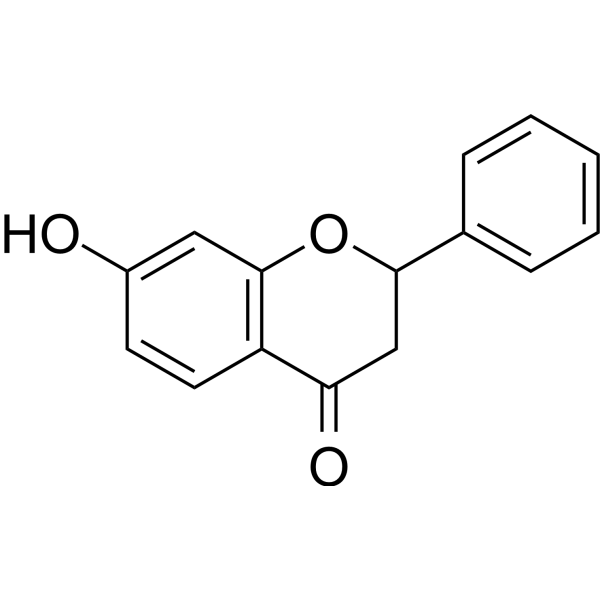
7-Hydroxyflavanone is an aromatase (CYP19) activity inhibitor found in plants with an IC50 of 65 μM, and it also possesses 20S proteasome inhibitory activity. 7-Hydroxyflavanone significantly inhibits primary humoral immunity to SRBC in mice and weakly suppresses DTH. 7-Hydroxyflavanone 1 attenuates Doxorubicin (HY-15142A)-induced oxidative stress, IL-6 inflammation, mitochondrial dysfunction, caspase 3/7 activation, apoptosis, and necrosis, and upregulates the PGC-1α/pAMPK/Beclin-1 autophagy-related pathway. 7-Hydroxyflavanone is extensively metabolized by various fungi, undergoing multiple structural modifications. 7-Hydroxyflavanone can be used in research related to Doxorubicin-induced cardiomyopathy and immune system diseases .
loading...
    loading...
Cat. No.: HY-W105310A
CAS No.: 14379-00-1
Synonyms: Nacr
Research Areas:  

Others

Croconic acid disodium (Nacr) is a lysine crotonylation (Kcr) activator and electroactive material. Croconic acid disodium reduces the expression of HDAC2, HDAC3, SIRT1, and SIRT3, and increases the expression of EP300, CITED1, ACSS2, DPF2, CDYL, MLLT3, and YEATS2. Croconic acid disodium elevates intracellular crotonyl-CoA content and global histone lysine crotonylation levels. Croconic acid disodium promotes the growth of bovine fibroblasts, regulates cell cycle progression, and inhibits bovine fibroblast apoptosis (apoptosis). Croconic acid disodium improves the blastocyst development efficiency of bovine somatic cell nuclear transfer embryos. Croconic acid disodium undergoes reversible lithium intercalation/deintercalation reactions via sodium-lithium ion exchange. Croconic acid disodium is applicable to research related to cell growth promotion .
loading...
    loading...
Cat. No.: HY-W585865
CAS No.: 112710-84-6
Synonyms: UDP-3-O-(3-hydroxytetradecanoyl)-N-acetylglucosamine Tris
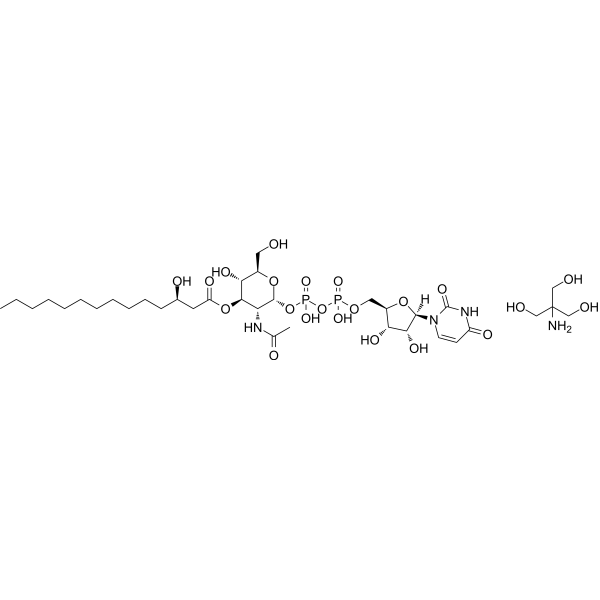
UDP-3-O-acyl-GlcNAc Tris (UDP-3-O-(3-hydroxytetradecanoyl)-N-acetylglucosamine Tris) serves as a deacetylation substrate and biosynthetic intermediate in the biosynthetic pathways of lipid A and Kdo2-lipid A in Escherichia coli. UDP-3-O-acyl-GlcNAc Tris undergoes enzymatic deacetylation via LpxC to produce UDP-3-O-[(R)-3-hydroxymyristoyl]glucosamine and release acetate. UDP-3-O-acyl-GlcNAc Tris accumulates in Escherichia coli extracts in the absence of [(R)-3-hydroxymyristoyl]-acyl carrier protein. UDP-3-O-acyl-GlcNAc Tris can be used in studies related to Gram-negative shock .
loading...
    loading...
Cat. No.: HY-100516
CAS No.: 265114-23-6
Purity:  98.02%
Synonyms: UR-8880
Target:  

COX Cytochrome P450

Research Areas:  

Inflammation/Immunology

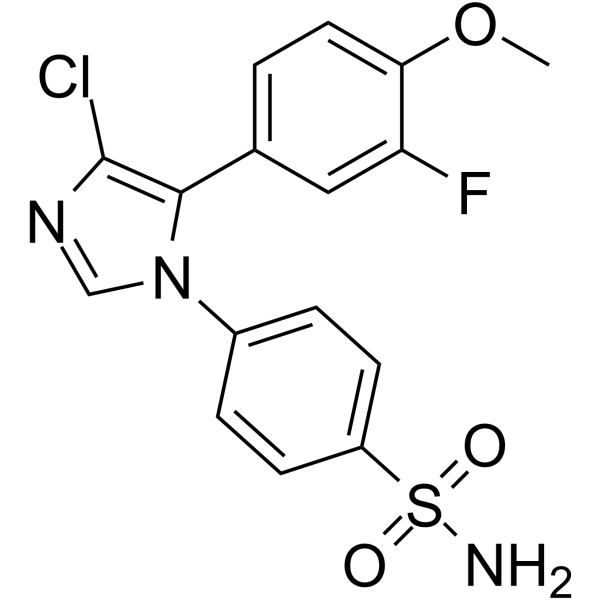
Cimicoxib (UR-8880) is an orally active, blood-brain barrier-permeable COX-2 inhibitor that also exerts targeted inhibition on CYP2D15. It has an IC50 of 66 nM against hCOX-2, an IC50 of 1.6 μM against canine CYP2D15, and an IC50 of 0.056 μM against feline CYP2D15. By inhibiting the COX-2 pathway to reduce the production of thromboxane B2 and prostaglandin E2, Cimicoxib exerts antipyretic, anti-inflammatory and analgesic effects. Cimicoxib is metabolized by CYP2D15 to form demethyl-cimicoxib, undergoes glucuronidation via UDP-glucuronosyltransferases, and exhibits biphasic elimination kinetics in beagle dogs. Cimicoxib is widely used in studies of inflammatory diseases, osteoarthritis, and perioperative pain associated with orthopedic or soft tissue surgeries .
loading...
    loading...
Cat. No.: HY-122940R
CAS No.: 644-06-4
Synonyms: Ageratochromene (Standard)
Precocene II (Standard) is the analytical standard of Precocene II (HY-122940). This product is intended for research and analytical applications. Precocene II (Ageratochromene) is a plant larva hormone antagonists that inhibits the biosynthesis of juvenile hormone. Precocene II inhibits corpora allata function and downregulates juvenile hormone levels, while exerting multiple effects including inducing precocious metamorphosis, forming macropterous morphs, inhibiting ovarian growth, producing cytotoxicity, disrupting insect development, and causing sterility and kidney damage. Precocene II blocks normal nymphal development, causes renal tubular damage and increases blood urea nitrogen levels, and also blocks juvenile hormone biosynthesis in vitro. Precocene II undergoes oxidative metabolism catalyzed by NADPH-dependent monooxygenase to generate a variety of metabolites. Precocene II can be applied in studies related to insect growth regulation and nephrotoxicity .
loading...
    loading...
Cat. No.: HY-137875
CAS No.: 207386-83-2
Purity:  98.60%
Synonyms: N-Benzoyl-Gly-His-Leu hydrate
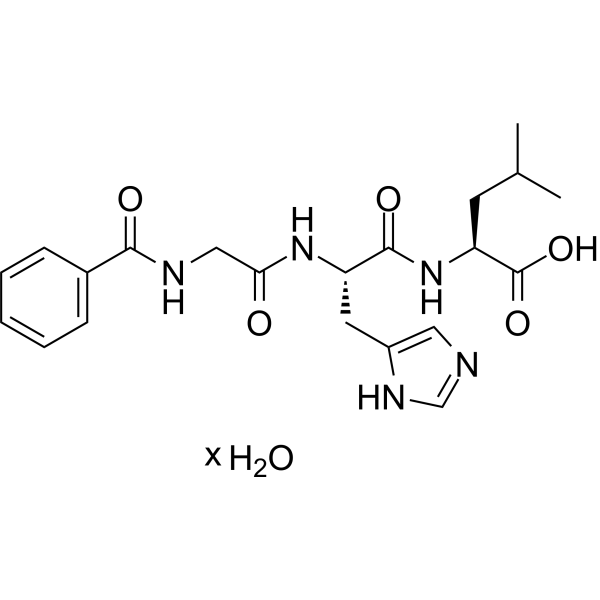
Hippuryl-His-Leu-OH (N-Benzoyl-Gly-His-Leu) hydrate is a specific substrate for angiotensin-converting enzyme ACE I and is a molecular tool used for ACE activity detection in in vitro experiments. Hippuryl-His-Leu-OH hydrate is hydrolyzed by ACE through competitive binding. Under ACE catalysis, Hippuryl-His-Leu-OH hydrate undergoes hydrolysis to produce hippuric acid (HA). The amount of HA produced can be used to quantitatively assess ACE activity or screen for ACE inhibitors. The His-Leu released from Hippuryl-His-Leu-OH hydrate can also react with o-phthalaldehyde or Fluorescamine (HY-D0715) for fluorescence detection. Hippuryl-His-Leu-OH hydrate can be applied to the in vitro screening of ACE inhibitors for hypertension and cardiovascular diseases, and is also used in the study of changes in ACE activity during physiological and pathological processes such as renal compensatory hypertrophy .
loading...
    loading...
Cat. No.: HY-147858A
Purity:  99.19%
Target:  

PROTACs EGFR Apoptosis

Research Areas:  

Inflammation/Immunology Cancer

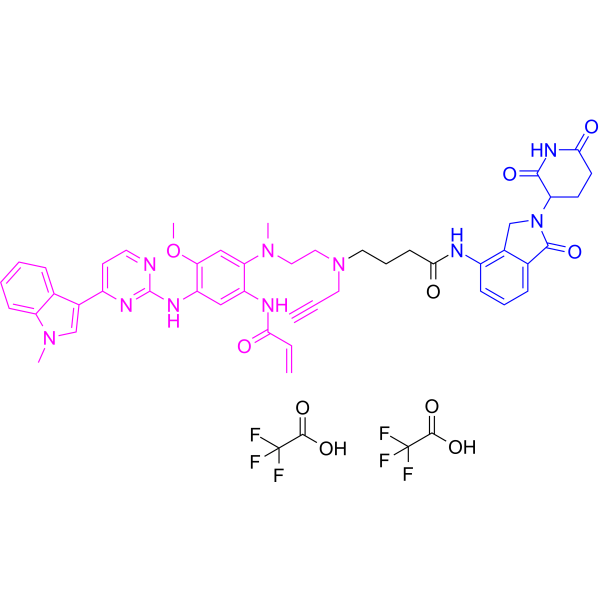
PROTAC EGFR degrader 7 (compound 13b) diTFA is a potent and selective CRBN-recruiting PROTAC EGFR L858R/T790M degrader, with a DC50 of 13.2 nM. PROTAC EGFR degrader 7 diTFA inhibits NCI–H1975 cells proliferation, with an IC50 of 46.82 nM. PROTAC EGFR degrader 7 diTFA significantly induces apoptosis and G2/M phase arrest in NCI–H1975 cell. PROTAC EGFR degrader 7 diTFA shows antitumor activity, and can be used for non-small cell lung cancer (NSCLC) research . PROTAC EGFR degrader 7 diTFA is a click chemistry reagent, it contains an Alkyne group and can undergo copper-catalyzed azide-alkyne cycloaddition (CuAAc) with molecules containing Azide groups.
loading...
    loading...
Cat. No.: HY-14977
CAS No.: 840523-39-9
Target:  

LPL Receptor

Research Areas:  

Inflammation/Immunology

CS-0777-P, the phosphorylated form of CS-0777, acts as a potent and selective modulator of the S1P receptor-1 (S1P1). It exhibits approximately 320-fold higher agonist activity for human S1P1 compared to S1P3, with an EC50 of 1.1 nM. In pharmacological studies, CS-0777-P demonstrated significant effects in vitro as an S1P1 and S1P3 agonist, leading to lowered peripheral blood lymphocyte counts and suppressive effects on experimental autoimmune encephalomyelitis (EAE) in rats. Pharmacokinetic studies in rats revealed rapid lymphocyte count reductions following oral administration, making CS-0777 a promising candidate currently undergoing clinical trials for the treatment of multiple sclerosis (MS) .
loading...
    loading...
Cat. No.: HY-151754
CAS No.: 2109751-74-6
Target:  

ADC Linkers

Research Areas:  

Others

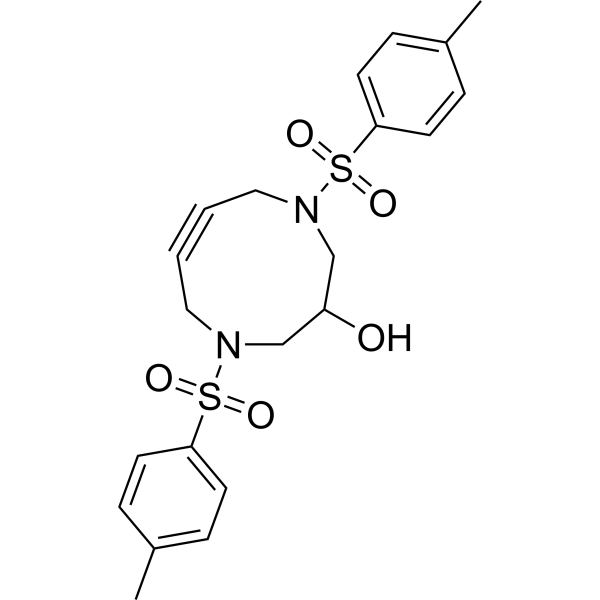
DACN(Tos2,6-OH) is a click chemistry reagent containing an Azide. The alkyne moiety within the ring has a unique bent structure and high reactivity toward cycloaddition reactions. The reactivity of an alkyne heavily depends on the electronic and steric characteristics of the substituents as well as structural strain. In comparison to nonbent acyclic alkynes, cyclononyne alkynes show remarkably high reactivity. Such strain-promoted azide-alkyne cycloadditions (SPAAC) using cycloalkynes have served for reliable molecular conjugation in a broad range of fields. The nitrogens are used as connection points for a variety of functional units. In comparison to cyclooctynes, DACNs possess high thermal and chemical stability along with comparable click reactivity . DACN(Tos2,6-OH) is a click chemistry reagent, it contains an Alkyne group and can undergo copper-catalyzed azide-alkyne cycloaddition (CuAAc) with molecules containing Azide groups.
loading...
    loading...
Cat. No.: HY-151824
CAS No.: 2576508-03-5
Target:  

ADC Linkers

Research Areas:  

Others

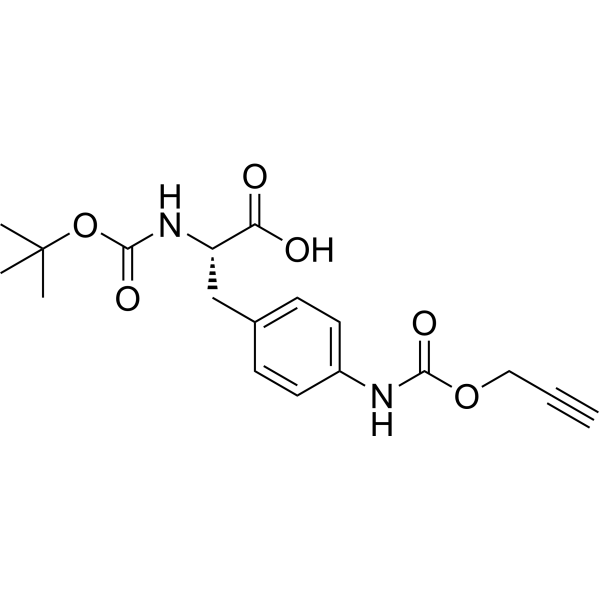
Boc-L-Phe(4-NH-Poc)-OH is a click chemistry reagent containing an azide group. Used as an orthogonally protected building block in peptide synthesis. Propargyloxycarbonyl, commonly abbreviated as Poc or Pryoc, can either be used as alkyne component for standard Click conjugation or in combination with tetrazine linkers in copper-free Diels-Alder type Click reactions. It also has applications as unusual protecting group for amines, hydroxy functions and as esters. All 3 are stable to neat TFA, but can be cleaved at ambient temperature with Co2(CO)8 in TFA:DCM. Deprotection with other transition metals like palladium have also been reported . Boc-L-Phe(4-NH-Poc)-OH is a click chemistry reagent, it contains an Alkyne group and can undergo copper-catalyzed azide-alkyne cycloaddition (CuAAc) with molecules containing Azide groups.
loading...
    loading...
Cat. No.: HY-151837
CAS No.: 2737202-66-1
Target:  

ADC Linkers

Research Areas:  

Others

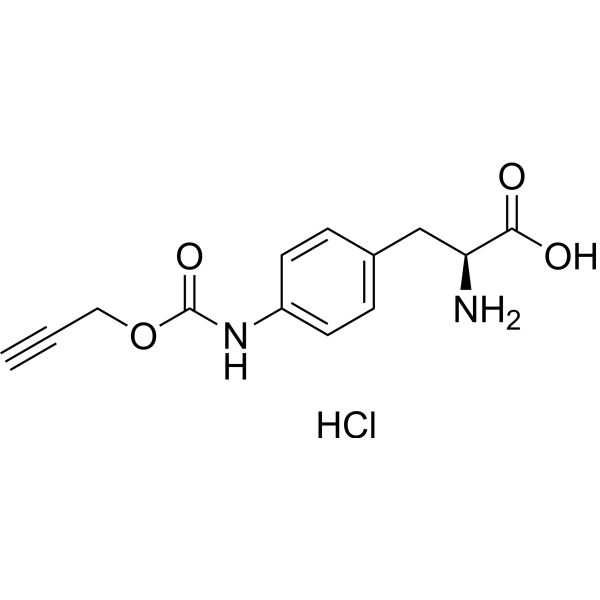
H-L-Phe(4-NH-Poc)-OH (hydrochloride) is a click chemistry reagent containing an azide group. Used as a modified Phe or Tyr analogue in protein and peptide biosynthesis. Propargyloxycarbonyl, commonly abbreviated as Poc or Pryoc, can either be used as alkyne component for standard Click conjugation or in combination with tetrazine linkers in copper-free Diels-Alder type Click reactions. It also has applications as unusual protecting group for amines, hydroxy functions and as esters. All 3 are stable to neat TFA, but can be cleaved at ambient temperature with Co2(CO)8 in TFA:DCM. Deprotection with other transition metals like palladium have also been reported . H-L-Phe(4-NH-Poc)-OH (hydrochloride) is a click chemistry reagent, it contains an Alkyne group and can undergo copper-catalyzed azide-alkyne cycloaddition (CuAAc) with molecules containing Azide groups.
loading...
    loading...
Cat. No.: HY-186341
Research Areas:  

Metabolic Disease

PAB-QMSF2-PEG2-Biotin is a biotin probe for the CAT-S photocatalytic proximity labeling system. PAB-QMSF2-PEG2-Biotin undergoes uncaging under the action of a mitochondria-targeted iridium photocatalyst and blue light (450 nm) to release difluorothioquinone methide (thioQM), which covalently labels nucleophilic residues (Lys/Tyr/Glu/Asp/Trp, etc.) of neighboring proteins. PAB-QMSF2-PEG2-Biotin preferentially labels mitochondrial matrix proteins in live cells. PAB-QMSF2-PEG2-Biotin is conjugated with a biotin tag, enabling detection or isolation of captured proteins. PAB-QMSF2-PEG2-Biotin can be used for research related to type 2 diabetes .
loading...
    loading...
Cat. No.: HY-187335
Research Areas:  

Infection

HadAB/InhA=IN-1 is a dual inhibitor of Mycobacterium tuberculosis InhA and HadAB with an InhA IC50 of 0.81 μM. HadAB/InhA=IN-1 inhibits InhA enzymatic activity in the FAS-II pathway of mycolic acid biosynthesis. HadAB/InhA=IN-1 undergoes EthA-mediated activation to covalently bind HadA and inhibit HadAB dehydratase function in the same FAS-II pathway. HadAB/InhA=IN-1 reduces mycolic acid-containing lipid and mycolic acid production, and accumulates standard fatty acids in Mycobacterium tuberculosis. HadAB/InhA=IN-1 exhibits antimycobacterial activity against drug-susceptible, ethA-deficient, and multi-drug-resistant Mycobacterium tuberculosis isolates. HadAB/InhA=IN-1 shows cytotoxic effects against human cancer and immortalized normal lung fibroblast cells. HadAB/InhA=IN-1 can be used for the research of tuberculosis .
loading...
    loading...
Cat. No.: HY-D1633
CAS No.: 126938-14-5
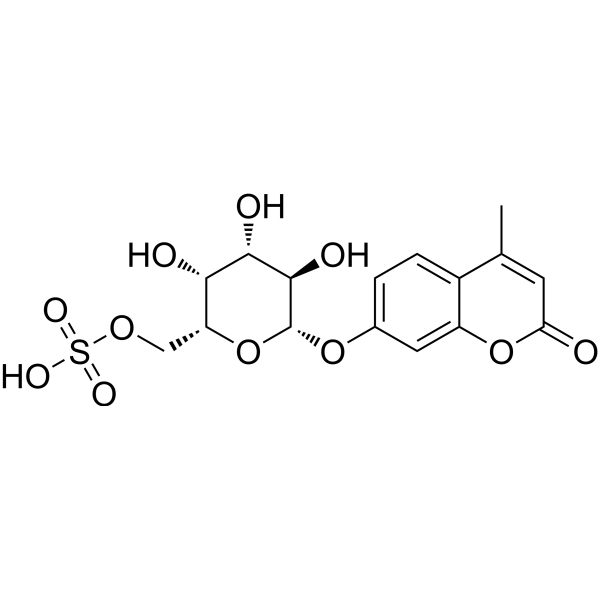
4-Methylumbelliferyl-β-D-galactopyranoside 6-sulfate is a fluorescent dye. 4-Methylumbelliferyl-β-D-galactopyranoside 6-sulfate undergoes desulphation by galactose-6-sulphate sulphatase to form 4-methylumbelliferyl-β-D-galactopyranoside, which is cleaved by β-galactosidase to release fluorescent 4-methylumbelliferone. 4-Methylumbelliferyl-β-D-galactopyranoside 6-sulfate interacts with N-acetylgalactosamine-6-sulfate sulfatase (GALNS) via hydrogen bonds, electrostatic interactions, and steric interactions. 4-Methylumbelliferyl-β-D-galactopyranoside 6-sulfate serves as a substrate in assays measuring galactose-6-sulphate sulphatase and GALNS activity. 4-Methylumbelliferyl-β-D-galactopyranoside 6-sulfate can be used for the research of Morquio disease type A (mucopolysaccharidosis IV A) .
loading...
    loading...
Cat. No.: HY-D2984
CAS No.: 1308789-62-9
Synonyms: SNAP-PEG-NH2
Target:  

Fluorescent Dye

Research Areas:  

Others

BG-PEG-NH2 (SNAP-PEG-NH2) is an amino-terminal fluorescent probe building block and a precursor for site-specific labeling of SNAP-tag fusion proteins. BG-PEG-NH2 undergoes one-step coupling with activated carboxyl esters to form customized SNAP-tag substrates, which covalently bind to SNAP tags via a thioether bond formed at the Cys145 site. After coupling with a caged carboxyfluorescein, BG-PEG-NH2 forms a probe with Ex/Em = 500/524 nm following ultraviolet uncaging. Coupling of BG-PEG-NH2 with SeTau-647-NHS enables visualization of GPCR signal transduction. BG-PEG-NH2 is suitable for coupling reactions in aqueous phases or buffers, conjugation of labels, and labeling of intracellular or cell-surface proteins .
loading...
    loading...
Cat. No.: HY-D3075
CAS No.: 2490504-23-7
Target:  

Fluorescent Dye

Research Areas:  

Others

TPE-2E N-oxide is a fluorescent probe used for hypoxia detection and tumor hypoxia imaging. Due to its active intramolecular motion, TPE-2E N-oxide shows no fluorescence in aqueous solution. In hypoxic environments, its N-oxide group undergoes two-electron reduction by CYP450 reductase and other heme protein reductases expressed under hypoxia, forming hydrophobic aggregates that trigger aggregation-induced emission through the restriction of intramolecular motion. TPE-2E N-oxide exhibits selective lipid droplet localization in cells. The absorption wavelength of TPE-2E N-oxide in dichloromethane is 313 nm; in a 99% hexane/dichloromethane mixed system, its excitation wavelength is 330 nm and emission wavelength is 460 nm. For in vitro cell imaging, excitation is performed at 405 nm, with an emission wavelength range of 430-560 nm .
loading...
    loading...
Cat. No.: HY-D3102
CAS No.: 1015251-87-2
Target:  

Fluorescent Dye

Research Areas:  

Others

CGTDP is a fluorescent probe used for selective labeling of active-site arginine residues, detection of local polarity, and monitoring of conformational changes in enzyme active sites. CGTDP contains a neutral red moiety serving as a polarity-sensitive fluorophore, and a phenylglyoxal unit acting as an arginine-specific labeling group; it undergoes a selective reaction via its α-dicarbonyl moiety with the guanidyl group of arginine residues in enzyme active sites to form a covalent linkage, thereby enabling the reporting of the local microenvironment at the labeled site. The excitation/emission wavelengths are Ex/Em = 398/607 nm and Ex/Em = 507/607 nm; these wavelengths blue-shift in organic solvents, such as Ex/Em = 375/569 nm and Ex/Em = 469/569 nm in THF, and Ex/Em = 375/587 nm and Ex/Em = 470/587 nm in acetonitrile. When labeled onto creatine kinase, its excitation/emission wavelengths are Ex/Em = 493/590 nm .
loading...
    loading...
Cat. No.: HY-D3276
Target:  

Fluorescent Dye

Research Areas:  

Others

PE-Cy7 is a tandem dye conjugate based on fluorescence resonance energy transfer (FRET). Composed of phycoerythrin (PE) as the donor and Cy7 as the acceptor fluorescent dye, PE-Cy7 is suitable for multicolor flow cytometry, laser scanning cytometry and immunofluorescence applications. PE-Cy7 can be conjugated to antibodies or used in the biotin-streptavidin system to label cell surface antigens in immunophenotyping and multiparametric cell analysis. PE-Cy7 undergoes photon-induced oxidative degradation, whose rate depends on light intensity and storage conditions, leading to reduced FRET efficiency and increased PE leakage. PE-Cy7 can be excited at wavelengths of 488 nm, 532 nm or ~760 nm, and its emission signal can be detected using 780/60 nm, 810/90 nm or 785/50 nm bandpass filters, with a Stokes shift of 300 nm .
loading...
    loading...
Cat. No.: HY-N2789
CAS No.: 211238-60-7
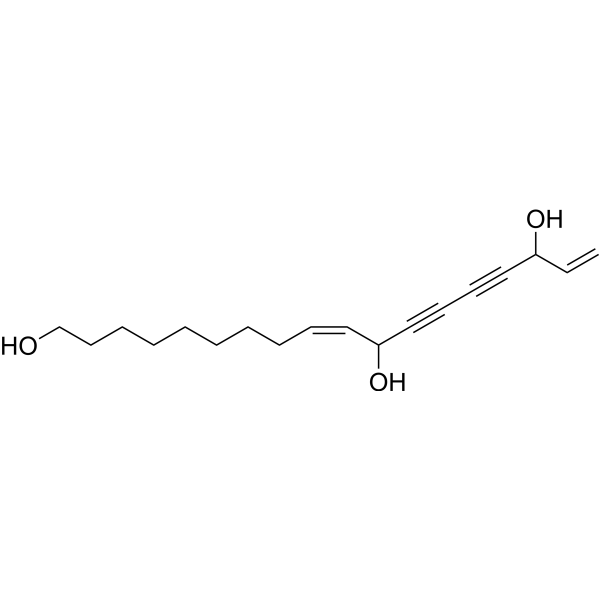
(9Z)-9,17-Octadecadiene-12,14-diyne-1,11,16-triol is a nature product that could be isolated from the ethyl acetate extract of Cassonia barteri (Araliaceae) leaves. (9Z)-9,17-Octadecadiene-12,14-diyne-1,11,16-triol has antibacterial activity against Bacillus subtilis and Pseudomonas fluorescens, antifungal activity against Cladosporium cucumerinum, moiluscicidal activity against Biomphalaria glabrata . (9Z)-9,17-Octadecadiene-12,14-diyne-1,11,16-triol is a click chemistry reagent, it contains an Alkyne group and can undergo copper-catalyzed azide-alkyne cycloaddition (CuAAc) with molecules containing Azide groups.
loading...
    loading...

