3666 Results for "

AddAB repair complex

" in MedChemExpress (MCE) Product Catalog:
Products (3666)

3666 Results for "AddAB repair complex" in MCE Product Catalog:

87
87 Cited Publications
Cat. No.: HY-15777
CAS No.: 1211441-98-3
Purity:  99.94%
Synonyms: LEE011
Target:  

CDK

Research Areas:  

Neurological Disease Cancer

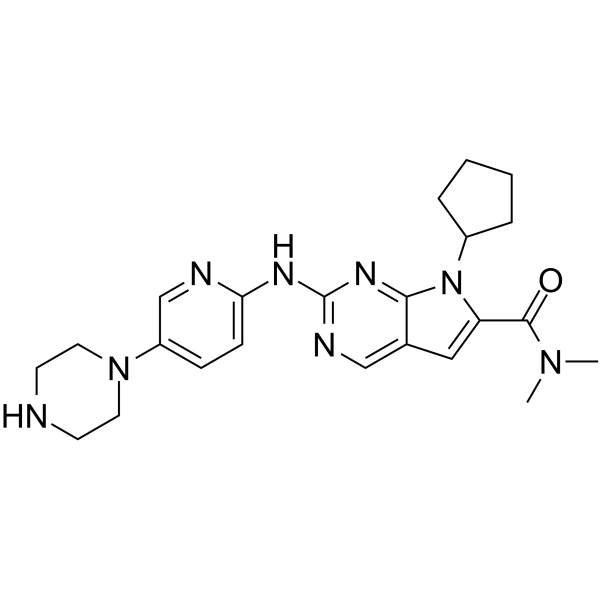
RRibociclib (LEE011) is an ATP-competitive and orally active CDK4/6 inhibitor that crosses the blood-brain barrier with IC50 values of 10 nM and 39 nM, respectively, and is over 1,000-fold less potent against the cyclin B/CDK1 complex .
loading...
    loading...
87
87 Cited Publications
Cat. No.: HY-15777A
CAS No.: 1211443-80-9
Purity:  99.93%
Synonyms: LEE011 hydrochloride
Target:  

CDK

Research Areas:  

Neurological Disease Cancer

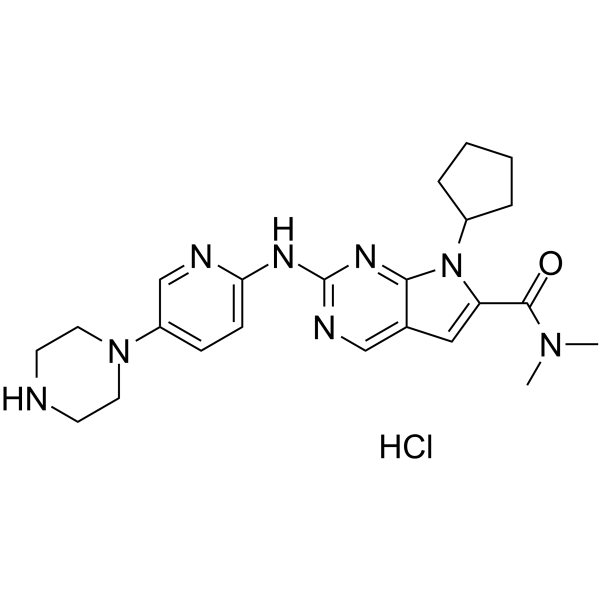
RRibociclib (LEE011) hydrochloride is an ATP-competitive and orally active CDK4/6 inhibitor that crosses the blood-brain barrier with IC50 values of 10 nM and 39 nM, respectively, and is over 1,000-fold less potent against the cyclin B/CDK1 complex .
loading...
    loading...
87
87 Cited Publications
Cat. No.: HY-15777B
CAS No.: 1374639-75-4
Purity:  99.93%
Synonyms: LEE011 succinate
Target:  

CDK

Research Areas:  

Neurological Disease Cancer

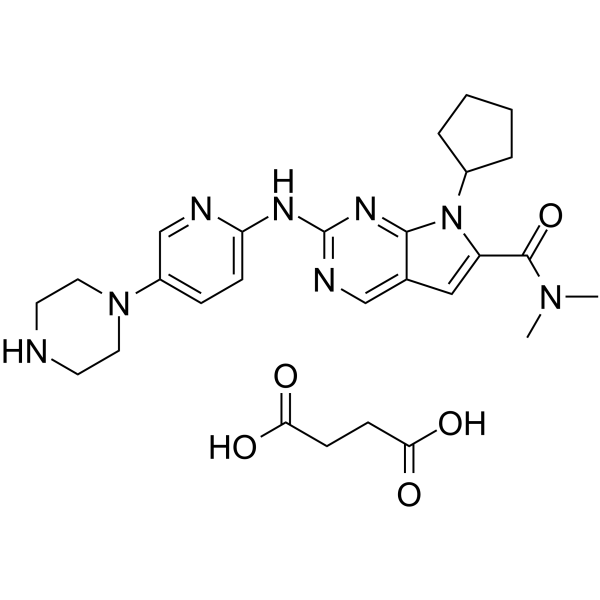
RRibociclib (LEE011) succinate is an ATP-competitive and orally active CDK4/6 inhibitor that crosses the blood-brain barrier with IC50 values of 10 nM and 39 nM, respectively, and is over 1,000-fold less potent against the cyclin B/CDK1 complex .
loading...
    loading...
87
87 Cited Publications
Cat. No.: HY-15777C
CAS No.: 1374639-79-8
Purity:  99.94%
Synonyms: LEE011 succinate hydrate
Target:  

CDK

Research Areas:  

Cancer

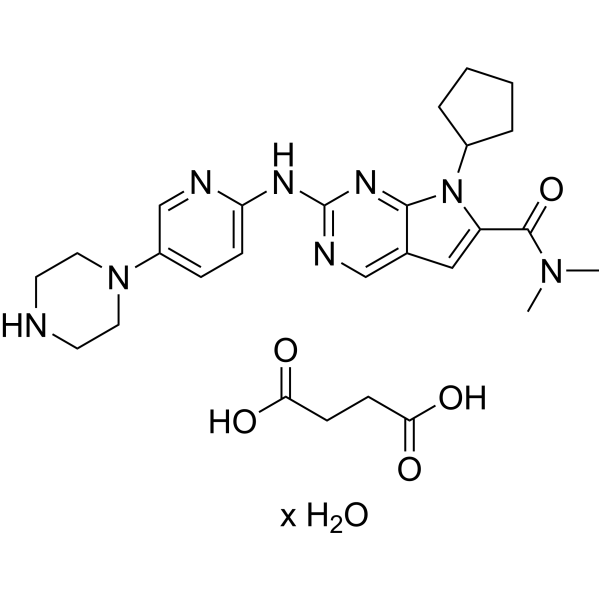
RRibociclib (LEE011) succinate hydrate is an ATP-competitive and orally active CDK4/6 inhibitor that crosses the blood-brain barrier with IC50 values of 10 nM and 39 nM, respectively, and is over 1,000-fold less potent against the cyclin B/CDK1 complex .
loading...
    loading...
75
75 Cited Publications
Cat. No.: HY-50907
CAS No.: 852808-04-9
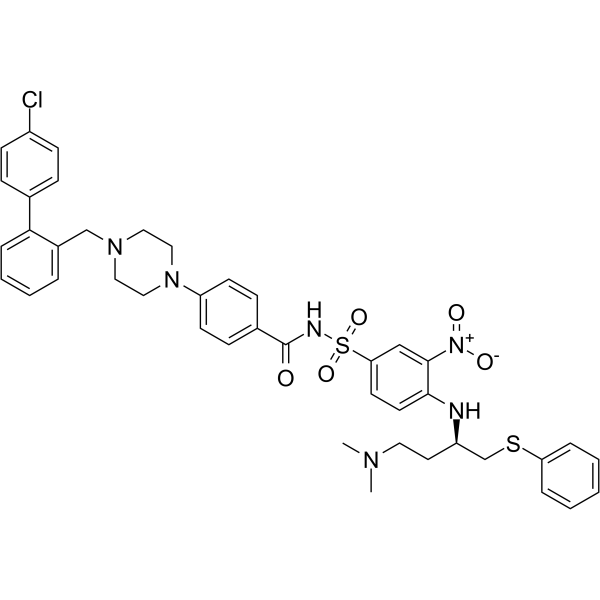
ABT-737, a BH3 mimetic, is a potent Bcl-2, Bcl-xL and Bcl-w inhibitor with EC50s of 30.3 nM, 78.7 nM, and 197.8 nM, respectively. ABT-737 induces the disruption of the BCL-2/BAX complex and BAK-dependent but BIM-independent activation of the intrinsic apoptotic pathway. ABT-737 induces autophagy and has the potential for acute myeloid leukemia (AML) research .
loading...
    loading...
72
72 Cited Publications
Cat. No.: HY-13323
CAS No.: 1138549-36-6
Purity:  99.49%
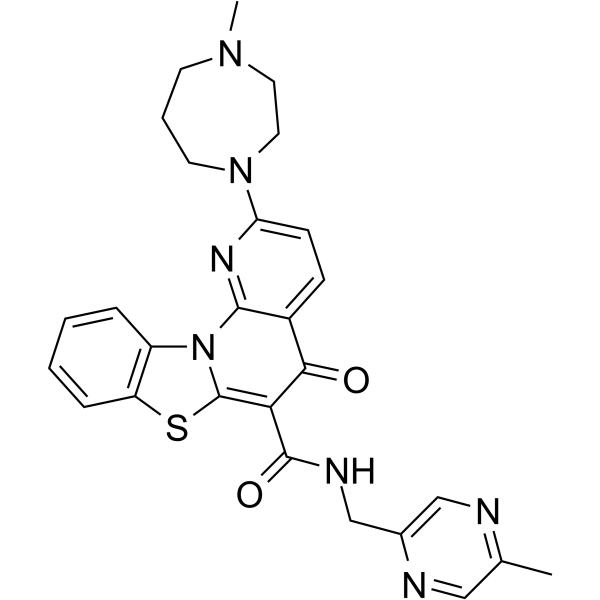
CX-5461 is a selective, orally active RNA polymerase I inhibitor. CX-5461 disrupts the formation of the SL1-rDNA complex, thereby blocking the transcription initiation of ribosomal RNA without altering the activity of RNA polymerase II, DNA replication, or protein translation processes. CX-5461 upregulates the expression of p21, MDM2, Sestrin1/2, and phosphorylated AMPKα, and reduces the level of phosphorylated Akt. CX-5461 induces G2/G2/M cell cycle arrest, Autophagy, Apoptosis, and cellular senescence, and activates CHK1, CHK2, and RPA. CX-5461 can be used in research related to osteosarcoma, cervical cancer, hematologic malignancies, high-grade serous ovarian cancer, and solid tumors .
loading...
    loading...
72
72 Cited Publications
Cat. No.: HY-13323A
Purity:  99.41%
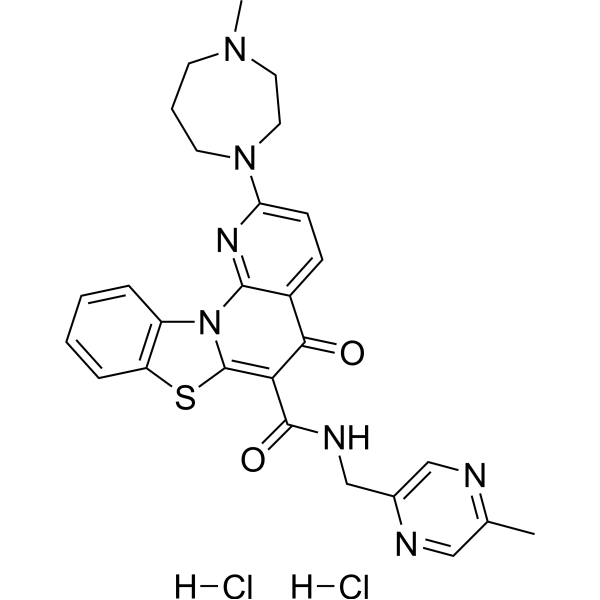
CX-5461 dihydrochloride is a selective, orally active RNA polymerase I inhibitor. CX-5461 dihydrochloride disrupts the formation of the SL1-rDNA complex, thereby blocking the transcription initiation of ribosomal RNA without altering the activity of RNA polymerase II, DNA replication, or protein translation processes. CX-5461 dihydrochloride upregulates the expression of p21, MDM2, Sestrin1/2, and phosphorylated AMPKα, and reduces the level of phosphorylated Akt. CX-5461 dihydrochloride induces G2/G2/M cell cycle arrest, Autophagy, Apoptosis, and cellular senescence, and activates CHK1, CHK2, and RPA. CX-5461 dihydrochloride can be used in research related to osteosarcoma, cervical cancer, hematologic malignancies, high-grade serous ovarian cancer, and solid tumors .
loading...
    loading...
67
67 Cited Publications
Cat. No.: HY-12238
CAS No.: 1127442-82-3
Purity:  99.60%
Synonyms: endo-IWR 1; IWR-1-endo
Target:  

Organoid Wnt

Research Areas:  

Inflammation/Immunology Cancer

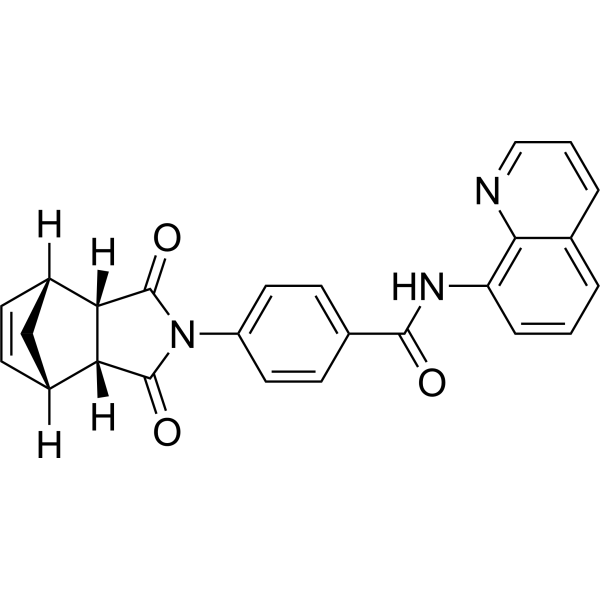
IWR-1 (IWR-1-endo) is a tankyrase inhibitor targeting Wnt/β-catenin (IC50 = 180 nM). IWR-1 compromises critical steps of the canonical Wnt signaling, namely translocation of β-catenin to the nucleus and subsequent TCF/LEF activation and expression of Wnt/β-catenin downstream targets. IWR-1 promotes β-catenin phosphorylation by promoting stability of Axin-scaffolded destruction complexes. IWR-1 can be studied in research for anti-tumor purposes, and diseases such as osteosarcoma, colorectal cancer and psoriasis .
loading...
    loading...
66
66 Cited Publications
Cat. No.: HY-135748A
Poly (I:C):Kanamycin (1:1) sodium is an isometric complex of Poly (I:C) (HY-135748) and Kanamycin (HY-16566). Poly(I:C) sodium, a synthetic analog of double-stranded RNA, is a TLR3 and retinoic acid-inducible gene I receptor (RIG-I and MDA5) agonist. Poly(I:C) sodium can be used as a vaccine adjuvant to enhance innate and adaptive immune responses and induce apoptosis in cancer cells . Kanamycin is an orally active antibacterial agent (Gram-negative/positive bacteria) that inhibits translocation and causes miscoding by binding to the 70S ribosomal subunit. Kanamycin shows good inhibitory activity against Mycobacterium tuberculosis (susceptible and drug-resistant) and Klebsiella pneumoniae, and can be used in the research of tuberculosis and pneumonia .
loading...
    loading...
62
62 Cited Publications
Cat. No.: HY-134813
CAS No.: 2621928-55-8
Purity:  99.97%
Target:  

Ras

Research Areas:  

Cancer

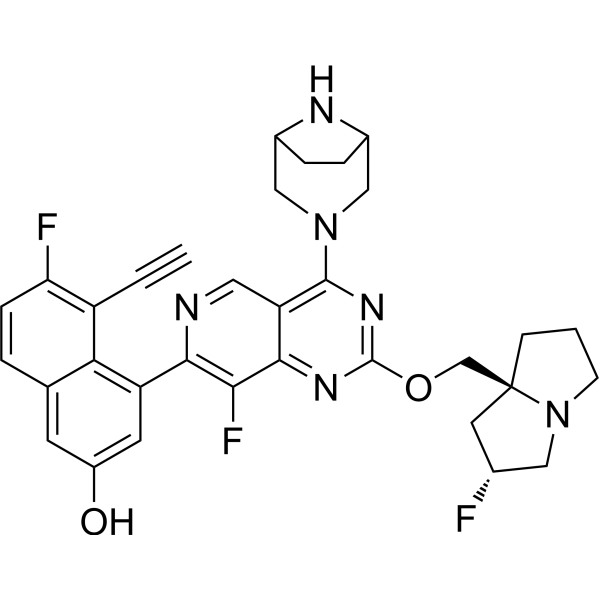
MRTX1133 is a noncovalent, potent, and selective alkyne-based KRAS G12D inhibitor. MRTX1133 optimally fills the switch II pocket and extends three substituents to favorably interact with the protein, resulting in an estimated KD against KRAS G12D of 0.2 pM. MRTX1133 prevents SOS1-catalyzed nucleotide exchange and/or formation of the KRAS G12D/GTP/RAF1 complex, thereby inhibiting mutant KRAS-dependent signal transduction. MRTX1133 selectively inhibits KRAS G12D mutant, but not KRAS wild-type, tumor cells. MRTX1133 has single digit nanomolar activity in cellular assays and marked in vivo efficacy in tumor models harboring KRAS G12D mutations .
loading...
    loading...
57
57 Cited Publications
Cat. No.: HY-N6716
CAS No.: 11078-21-0
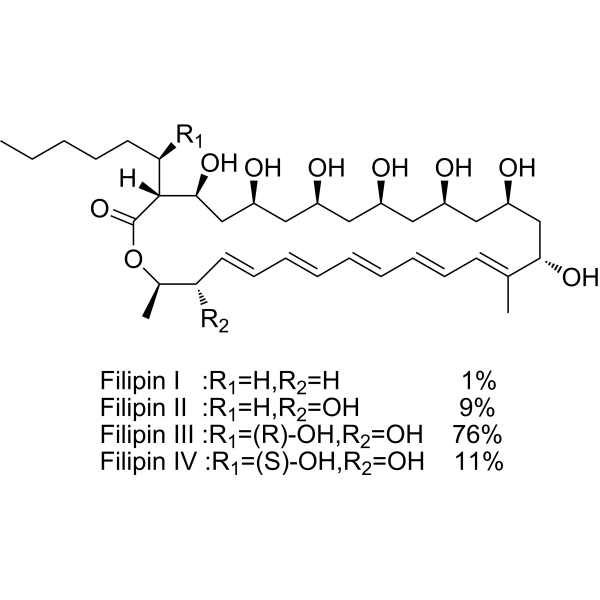
Filipin complex is a potent polyene macrolide antifungal antibiotic. Filipin complex inserts into membranes and sequester cholesterol into complexes and inhibits PRRSV entry. The Filipin complex consists of about 75.8% Filipin III (HY-N6718), 10.8% Filipin IV, 9.1% Filipin II, and 1.2% Filipin I (Ex/Em = 380/430 nm) .
loading...
    loading...
52
52 Cited Publications
Cat. No.: HY-W250163
CAS No.: 64417-72-7
Synonyms: β-DPN lithium; β-NAD lithium; β-Nicotinamide Adenine Dinucleotide lithium
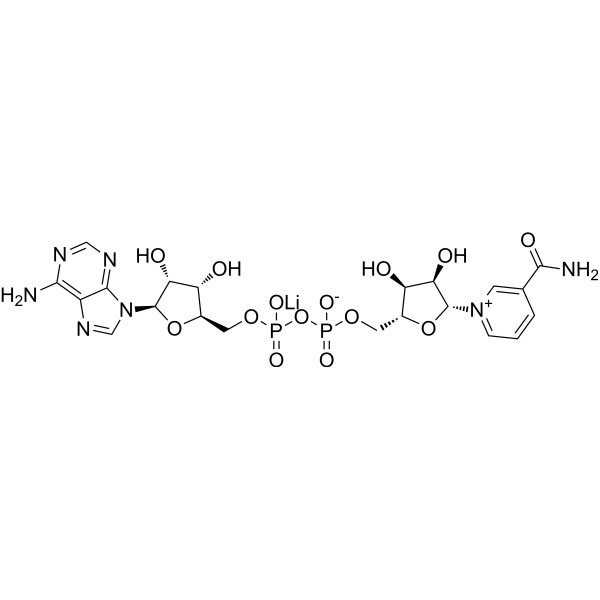
NAD+ lithium (β-DPN lithium) is a lithium salt of nicotinamide adenine dinucleotide. NAD+ is a coenzyme in the REDOX reaction. NAD+ can directly or indirectly affect several key cellular functions, including metabolic pathways, DNA repair, chromatin remodeling, cell aging, and immune cell function .
loading...
    loading...
52
52 Cited Publications
Cat. No.: HY-17439
CAS No.: 55721-31-8
Synonyms: Salinomycin sodium; Sodium salinomycin
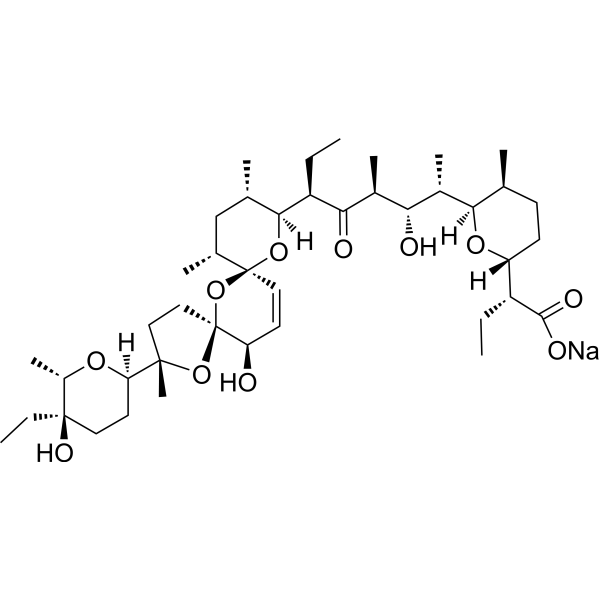
Salinomycin sodium salt (Salinomycin sodium), an antibiotic potassium ionophore, is a potent inhibitor of Wnt/β-catenin signaling. Salinomycin sodium salt acts on the Wnt/Fzd/LRP complex, blocks Wnt-induced LRP6 phosphorylation, and causes degradation of the LRP6 protein. Salinomycin sodium salt shows selective activity against human cancer stem cells .
loading...
    loading...
45
45 Cited Publications
Cat. No.: HY-16591
CAS No.: 1260251-31-7
Synonyms: TL32711
Target:  

IAP Apoptosis HIV

Research Areas:  

Cancer

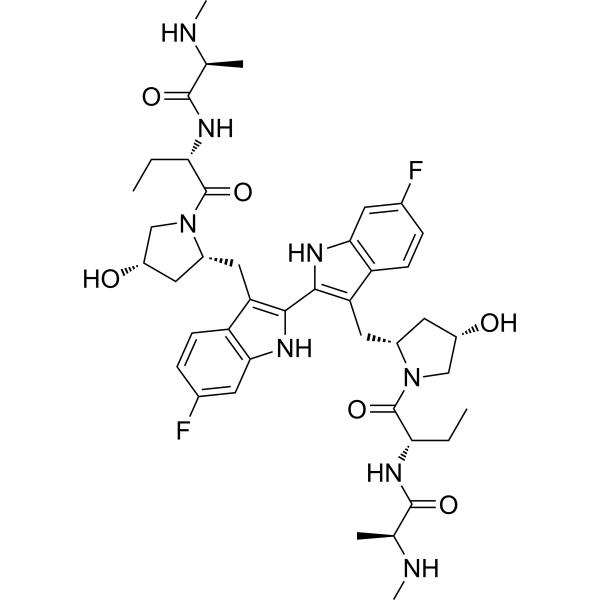
Birinapant (TL32711), a bivalent Smac mimetic, is a potent antagonist for XIAP and cIAP1 with Kds of 45 nM and less than 1 nM, respectively. Birinapant (TL32711) induces the autoubiquitylation and proteasomal degradation of cIAP1 and cIAP2 in intact cells, which results in formation of a RIPK1: caspase-8 complex, caspase-8 activation, and induction of tumor cell death. Birinapant (TL32711) targets TRAF2-associated cIAPs and abrogates TNF-induced NF-κB activation.
loading...
    loading...
38
38 Cited Publications
Cat. No.: HY-12067
CAS No.: 841290-81-1
Purity:  96.70%
Target:  

Syk FLT3 Apoptosis

Research Areas:  

Inflammation/Immunology Cancer

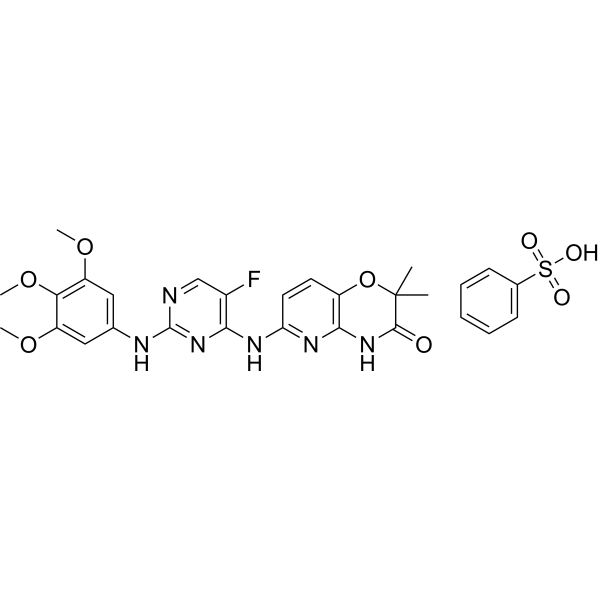
R406 is an orally available and competitive Syk/FLT3 inhibitor for ATP binding with a Ki of 30 nM, potently inhibits Syk kinase activity in vitro with an IC50 of 41 nM, measured at an ATP concentration corresponding to its Km value. R406 reduces immune complex-mediated inflammation . R406 also inhibits Lyn (IC50=63 nM) and Lck (IC50=37 nM) .
loading...
    loading...
38
38 Cited Publications
Cat. No.: HY-11108
CAS No.: 841290-80-0
Purity:  99.80%
Target:  

Syk FLT3 Apoptosis

Research Areas:  

Inflammation/Immunology Cancer

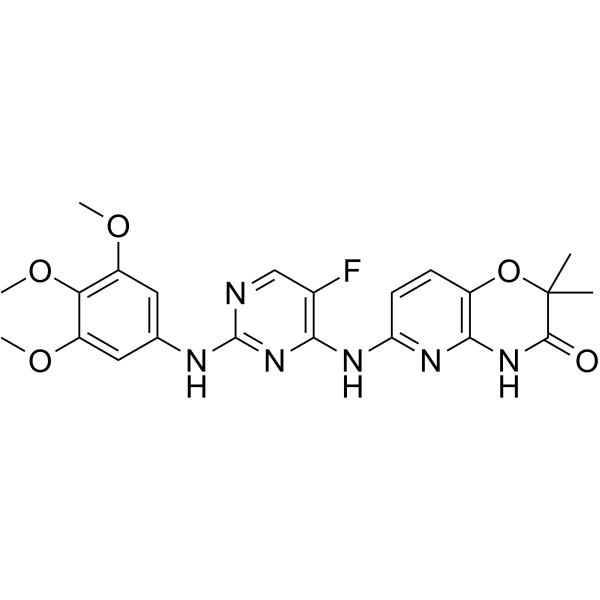
R406 free base is an orally available and competitive Syk/FLT3 inhibitor for ATP binding with a Ki of 30 nM, potently inhibits Syk kinase activity in vitro with an IC50 of 41 nM, measured at an ATP concentration corresponding to its Km value. R406 free base reduces immune complex-mediated inflammation . R406 free base also inhibits Lyn (IC50=63 nM) and Lck (IC50=37 nM) .
loading...
    loading...
37
37 Cited Publications
Cat. No.: HY-W008719
CAS No.: 36913-39-0
Research Areas:  

Neurological Disease

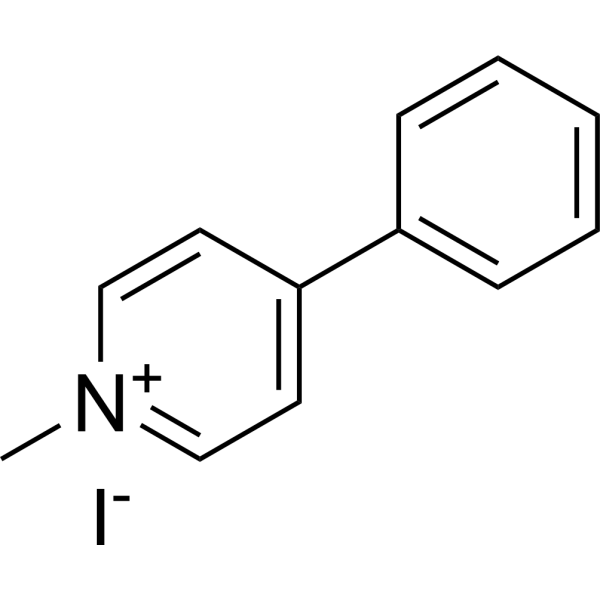
MPP+ iodide, a toxic metabolite of the neurotoxin MPTP, causes symptom of Parkinson's disease in animal models by selectively destroying dopaminergic neurons in substantia nigra. MPP+ iodide is taken up by the dopamine transporter into dopaminergic neurons where it exerts its neurotoxic action on mitochondria by affecting complex I of the respiratory chain. MPP+ iodide is also a high affinity substrate for the serotonin transporter (SERT) .
loading...
    loading...
36
36 Cited Publications
Cat. No.: HY-B0013
CAS No.: 294662-18-3
Synonyms: (-)-Ofloxacin lactate
Research Areas:  

Infection

Lavofloxacin lactate ((-)-ofloxacin lactate) is a class of broad-spectrum antimicrobials that can kill or inhibit a variety of bacteria. Lavofloxacin lactate binds to DNA rotase and topoisomerase IV, resulting in blocked DNA replication and repair, thus inhibiting bacterial growth. Lavofloxacin lactate can be used to study resistance mechanisms in bacteria, including studying resistance genes and mutations .
loading...
    loading...
33
33 Cited Publications
Cat. No.: HY-15247
CAS No.: 1009298-59-2
Purity:  99.32%
Synonyms: AZD2014
Target:  

mTOR Autophagy Apoptosis

Research Areas:  

Cancer

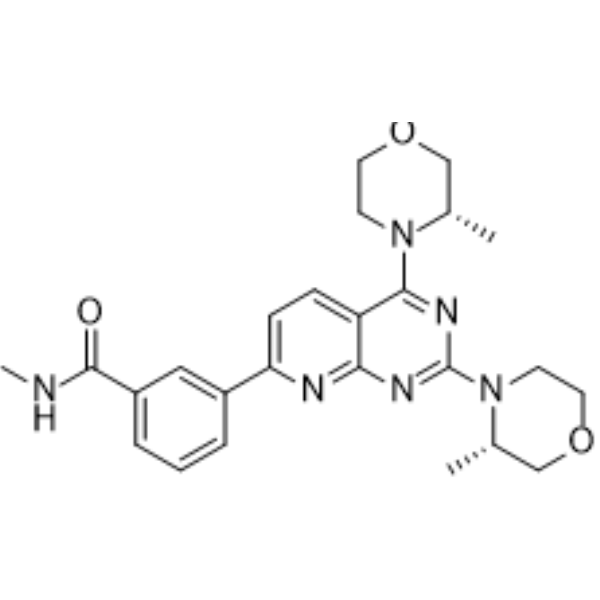
Vistusertib (AZD2014) is an ATP competitive mTOR inhibitor with an IC50 of 2.81 nM. AZD2014 inhibits both mTORC1 and mTORC2 complexes.
loading...
    loading...
33
33 Cited Publications
Cat. No.: HY-16268
CAS No.: 4727-31-5
Synonyms: KGN
Target:  

TGF-beta/Smad

Research Areas:  

Inflammation/Immunology

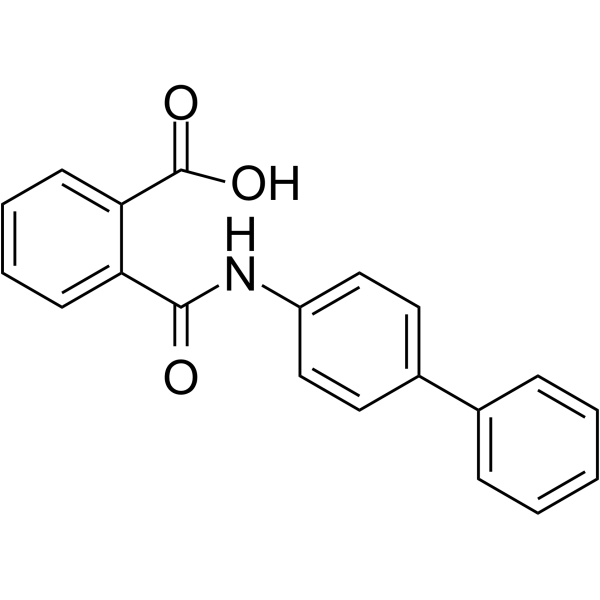
Kartogenin (KGN) is an inducer of chondrogenic tissue formation (EC50: 100 nM). Kartogenin induces chondrogenesis by binding to fibrin A, disrupting its interaction with the transcription factor core binding factor beta subunit (CBFβ), and by modulating the CBFβ-RUNX1 transcriptional program. Kartogenin also promotes tendon-bone junction (TBJ) wound healing by stimulating collagen synthesis. Kartogenin is widely used in cell-free therapy in the field of regeneration for cartilage regeneration and protection, tendon-bone healing, wound healing and limb development. Kartogenin promotes cartilage repair, coordinates limb development, and is also used in osteoarthritis (OA) research .
loading...
    loading...

