

150 Results for "

Apoptosis/Necrosis Inducer

" in MedChemExpress (MCE) Product Catalog:
Products (150)

150 Results for "Apoptosis/Necrosis Inducer" in MCE Product Catalog:

3
3 Cited Publications
Cat. No.: HY-P7309
Purity:  ≥ 95%, as determined by reducing SDS-PAGE.
Synonyms: TNFSF12; TNLG4A; TNF Superfamily Member 12; TNF12; TWEAK; Tumor Necrosis Factor Superfamily Member 12; DR3LG; TNF-Related WEAK Inducer Of Apoptosis; APO3L; Tumor Necrosis Factor Ligand 4A; Tumor Necrosis Factor Ligand Superfamily Member 12; HCG1991317, Is
Species:  
Human
Source:  
CHO
loading...
    loading...
3
3 Cited Publications
Cat. No.: HY-101016
CAS No.: 34450-18-5
Purity:  ≥98.0%
Research Areas:  

Cardiovascular Disease

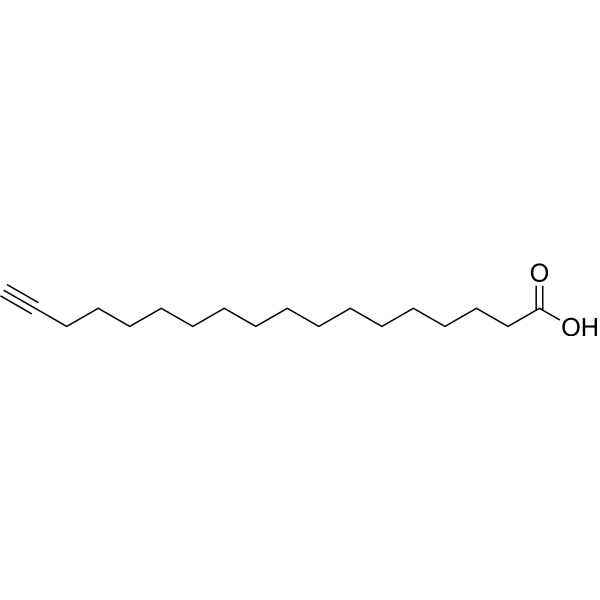
17-ODYA is a CYP450 ω-hydroxylase inhibitor. 17-ODYA is also a potent inhibitor (IC50<100 nM) of the formation of 20-hydroxyeicosatetraenoic acid (20-HETE), epoxyeicosatrienoic acids and dihydroxyeicosatrienoic acids by rat renal cortical microsomes incubated with arachidonic acid. 17-ODYA completely attenuates the isoproterenol (ISO)-induced apoptosis, and necrosis in cultured cardiomyocytes . 17-ODYA is a click chemistry reagent, it contains an Alkyne group and can undergo copper-catalyzed azide-alkyne cycloaddition (CuAAc) with molecules containing Azide groups.
loading...
    loading...
3
3 Cited Publications
Cat. No.: HY-W015490
CAS No.: 130-15-4
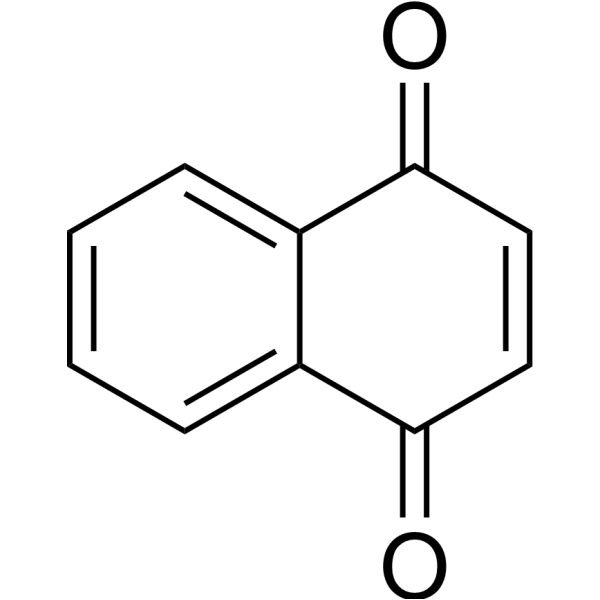
1,4-Naphthoquinone is an inhibitor with broad-spectrum inhibitory activity targeting DNA polymerase, NF-κB and monoamine oxidase (MAO-A/B), with antibacterial and anti-biofilm efficacy. 1,4-Naphthoquinone is a competitive inhibitor of MAO-B (Ki=1.4 μM) and a non-competitive inhibitor of MAO-A (Ki=7.7 μM). 1,4-Naphthoquinone inhibits DNA polymerase pol α, β, γ, δ, ε, λ with IC50 ranging from 5.57-128 μM. 1,4-Naphthoquinone inhibits tumor cell proliferation, induces apoptosis and necrosis, and has anti-angiogenic and anti-inflammatory activities by inducing oxidative stress, depleting glutathione (GSH), inhibiting DNA polymerase-mediated DNA synthesis and blocking NF-κB nuclear translocation. 1,4-Naphthoquinone can be used in anti-bacterial , anti-tumor and anti-inflammatory studies, including inhibition of melanoma and colon cancer cell growth and endothelial cell function, as well as LPS-induced inflammation models .
loading...
    loading...
3
3 Cited Publications
Cat. No.: HY-N5112A
CAS No.: 34539-65-6
Synonyms: Arnebin 1
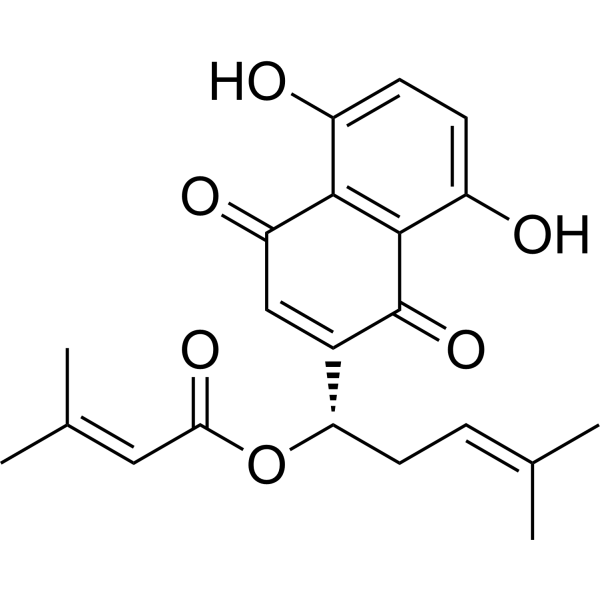
β,β-Dimethylacrylalkannin (Arnebin 1) is an orally active FGFR1 inhibitor (IC50=2.5 μM) and the main active component of Lithospermum erythrorhizon. β,β-Dimethylacrylalkannin blocks downstream signaling by binding to the ATP pocket of FGFR1, and regulates the CDK1/Cdc25C pathway and ROS-JNK axis, thereby inducing G2/M phase arrest, necrosis and apoptosis in cancer cells, and inhibiting tumor proliferation. β,β-Dimethylacrylalkannin also acts as a colistin adjuvant to disrupt the cell membrane of Gram-negative bacteria. β,β-Dimethylacrylalkannin exhibits significant tumor-inhibitory effects with no obvious toxicity in PDX models, but chronic exposure to high doses may alter the relative lung/liver weights of rats, while acute exposure to high doses causes responses such as reduced motor activity. β,β-Dimethylacrylalkannin finds wide application in studies related to hepatocellular carcinoma, colorectal cancer, colistin-resistant bacterial infections, hepatitis and psoriasis .
loading...
    loading...
2
2 Cited Publications
Cat. No.: HY-B0886A
CAS No.: 54-92-2
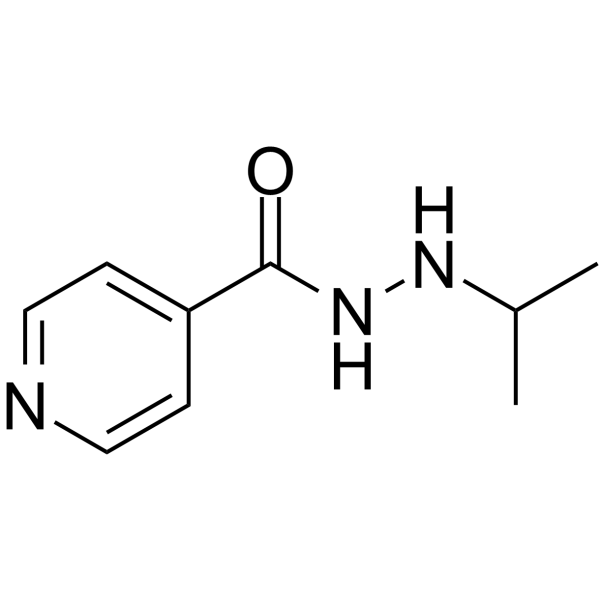
Iproniazid is an orally active, irreversible, non-selective monoamine oxidase (MAO) inhibitor. Iproniazid inhibits MAO activity and enhances Rotenone (HY-B1756)-induced Apoptosis. Iproniazid modulates neurotransmitter levels, affects neuronal function, induces hepatic necrosis, and interferes with the endocrine system. Iproniazid can be used in the research of depression, Parkinson's disease, and hepatotoxicity .
loading...
    loading...
2
2 Cited Publications
Cat. No.: HY-N3029
CAS No.: 1013-69-0
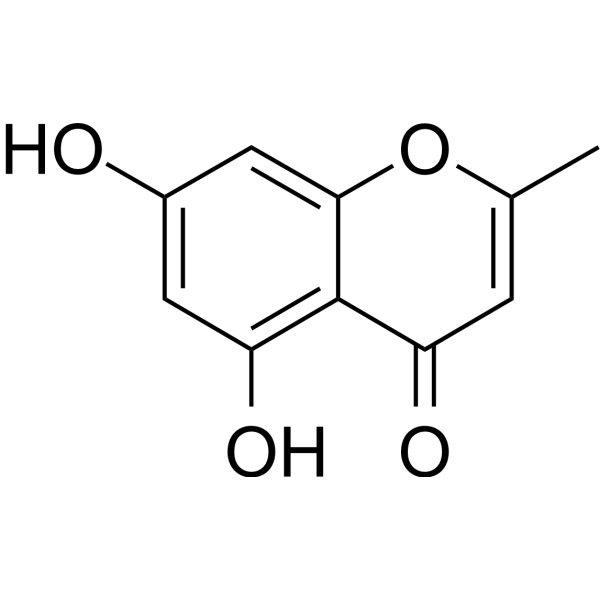
Noreugenin is a phenolic compound found in Calea uniflora Less. Noreugenin inhibits myeloperoxidase activity and reduces levels of proinflammatory cytokines IL-1β and IL-17A levels in LPS (HY-D1056)-induced murine pleurisy model. Noreugenin reduces apoptosis and necrosis. Noreugenin reduces lipid peroxidation, and antioxidant enzyme (CAT, SOD, GST) activity. Noreugenin exhibits anti-inflammatory and antioxidant effects. Noreugenin can be used for the research of inflammatory conditions, such as pleurisy .
loading...
    loading...
2
2 Cited Publications
Cat. No.: HY-B0886
CAS No.: 305-33-9
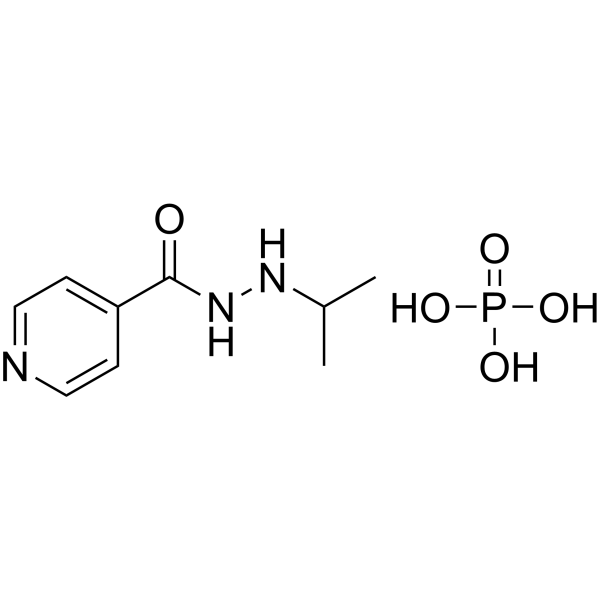
Iproniazid phosphate is an orally active, irreversible, non-selective monoamine oxidase (MAO) inhibitor. Iproniazid phosphate inhibits MAO activity and enhances Rotenone (HY-B1756)-induced Apoptosis. Iproniazid phosphate modulates neurotransmitter levels, affects neuronal function, induces hepatic necrosis, and interferes with the endocrine system. Iproniazid phosphate can be used in the research of depression, Parkinson's disease, and hepatotoxicity .
loading...
    loading...
1
1 Cited Publications
Cat. No.: HY-101200
CAS No.: 16142-27-1
Purity:  99.97%
Synonyms: SIN-1 chloride
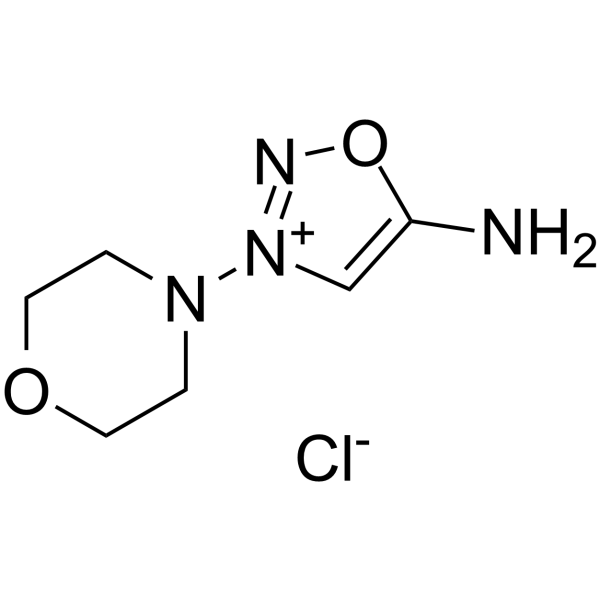
Linsidomine hydrochloride (SIN-1 chloride) is a spontaneous ROS/RNS generator and peroxynitrite donor. Linsidomine hydrochloride is a vasodilator and platelet aggregation inhibitor. Linsidomine hydrochloride induces oxidative stress-induced chondrocyte apoptosis and necrosis. Linsidomine hydrochloride inhibits the migration, proliferation and neointima formation of vascular smooth muscle cells by inhibiting the expression of annexin A2. In addition, low doses of Linsidomine hydrochloride shows protective effects on Zn 2+ treated nerve cells .
loading...
    loading...
1
1 Cited Publications
Cat. No.: HY-B0863
CAS No.: 1071-83-6
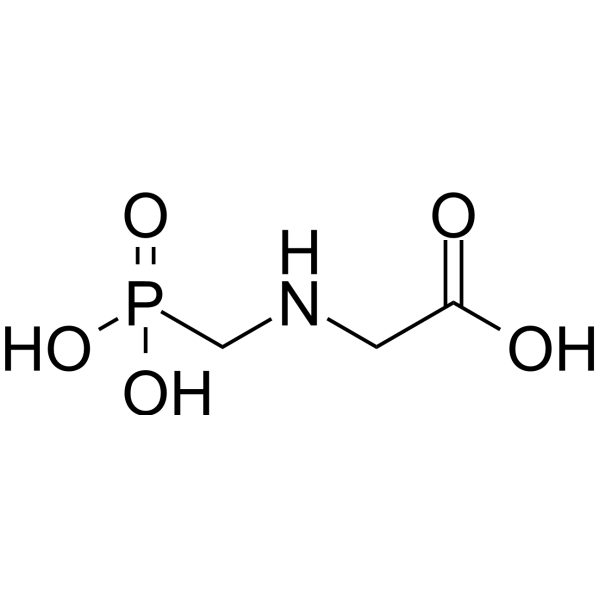
Glyphosate, a non-selective systemic biocide with broad-spectrum activity, is an herbicidal derivative of the amino acid glycine. Glyphosate inhibits the enzymatic activity of the 5-endopyruvylshikimate 3-phosphate synthase (EPSPS) in the shikimic acid pathway, preventing the synthesis of the aromatic amino acids tyrosine, phenylalanine, and tryptophan. Glyphosate induces oxidative stress, neuroinflammation, and mitochondrial dysfunction, processes that lead to neuronal death by autophagia, necrosis, or apoptosis, as well as the appearance of behavioral and motor disorders .
loading...
    loading...
1
1 Cited Publications
Cat. No.: HY-113332
CAS No.: 544-64-9
Purity:  ≥98.0%
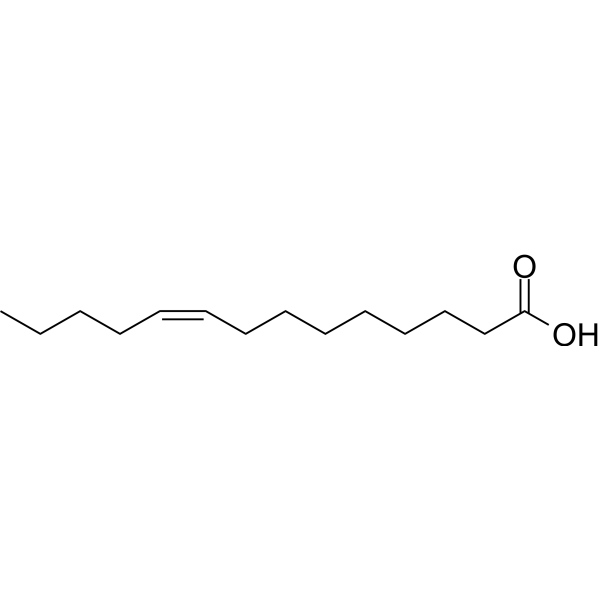
Myristoleic acid, a cytotoxic component in the extract from Serenoa repens, induces apoptosis and necrosis in human prostatic LNCaP cells .
loading...
    loading...
1
1 Cited Publications
Cat. No.: HY-NP006
CAS No.: 308083-69-4
Synonyms: SPA
Protein A (SPA) is an immunoglobulin (Ig)-binding protein that exists on the bacterial surface and can be freely secreted into the extracellular environment. Protein A blocks opsonophagocytosis and induces B cell apoptosis in vitro by binding to the Fc region of antibodies and the Fab region of B cell receptors. Protein A can form toxic immune complexes with IgG, thereby inducing leukocyte necrosis. Protein A contributes to the virulence expression of Staphylococcus aureus. Protein A triggers allergic reactions in IgG-pretreated mouse models. Protein A can be used in studies related to immune system diseases .
loading...
    loading...
1
1 Cited Publications
Cat. No.: HY-P99934
CAS No.: 1820660-69-2
Synonyms: ABBV-621

Research Areas:  

Cancer

Eftozanermin alfa (ABBV-621) is a tumor necrosis factor-related apoptosis-inducing ligand receptor (TRAIL-R) agonist. Eftozanermin alfa is a fusion protein consisting of a mutant immunoglobulin G1-Fc linked to 2 single-chain trimers of TRAIL. Eftozanermin alfa induces apoptosis in tumor cells by activation of death receptors (DR4 receptor and DR5 receptor) with Kds of 780 nM and 635 nM. Eftozanermin alfa can be used for the research of multiple solid and heme malignancies .
loading...
    loading...
1
1 Cited Publications
Cat. No.: HY-N0757
CAS No.: 6926-14-3
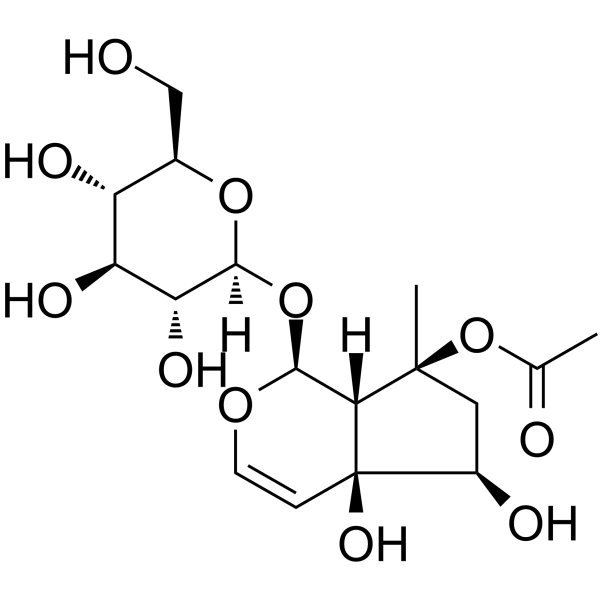
8-O-Acetylharpagide is an orally active iridoid glycoside compound. 8-O-Acetylharpagide exhibits anti-aging activity at low doses and anticancer activity at high doses. 8-O-Acetylharpagide induces late-stage apoptosis and necrosis-like death in cancer cells, and downregulates anti-apoptotic proteins such as Akt, p-Akt and Bcl-2. 8-O-Acetylharpagide is mainly metabolized in rats via demethylation, hydrolysis and glucuronidation, and its active metabolites downregulate the AKT/NF-κB/MMP9 signaling axis. 8-O-Acetylharpagide exerts vasoconstrictive effects by activating vascular α-adrenoceptor .
loading...
    loading...
Cat. No.: HY-W010800
CAS No.: 1510-21-0
Research Areas:  

Cancer

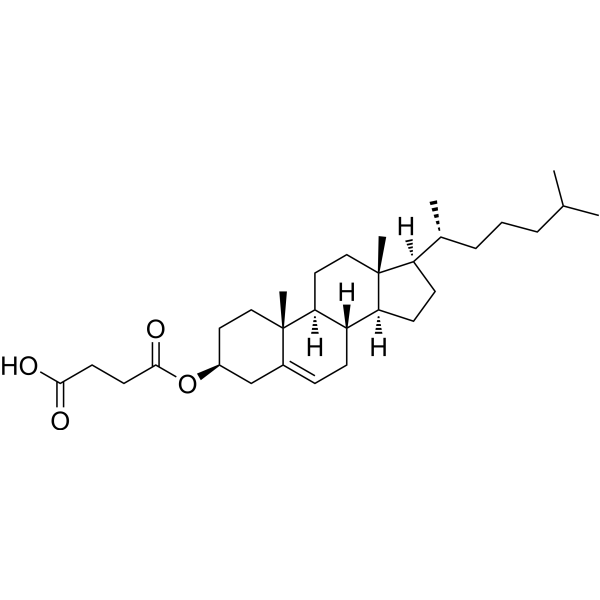
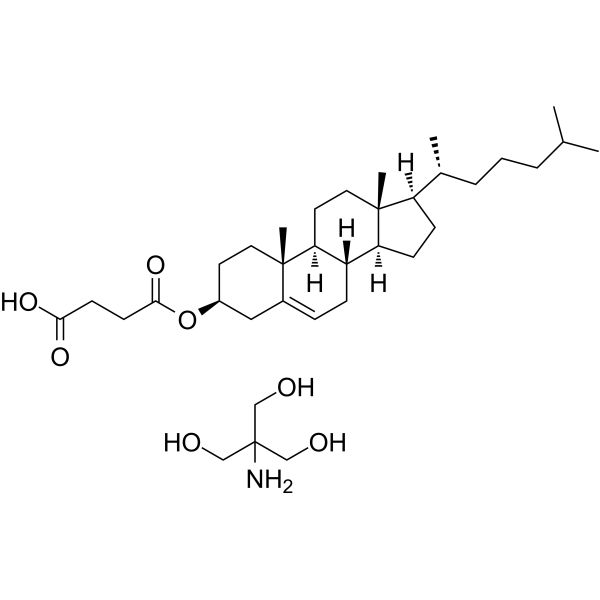
Cholesteryl hemisuccinate is a with hepatoprotective an anticancer activity. Cholesteryl hemisuccinate inhibits Acetaminophen (AAP, HY-66005) hepatotoxicity, and prevents AAP-induced hepatic apoptosis and necrosis. Cholesteryl hemisuccinate inhibits DNA polymerase and DNA topoisomerase to inhibit DNA replication and repair and cell division. Thus, Cholesteryl hemisuccinate inhibits tumor growth .
loading...
    loading...
Cat. No.: HY-W010800A
CAS No.: 102601-49-0
Synonyms: Cholesterol hydrogen succinate Tris salt; CHS-Tris
Cholesterol hemisuccinate (Cholesterol hydrogen succinate) Tris salt is a compound with hepatoprotective and anticancer activity. Cholesterol hemisuccinate Tris salt inhibits Acetaminophen (AAP) (HY-66005) hepatotoxicity, and prevents AAP-induced hepatic apoptosis and necrosis. Cholesterol hemisuccinate Tris salt inhibits DNA polymerase and DNA topoisomerase to inhibit DNA replication and repair and cell division. Cholesterol hemisuccinate Tris salt inhibits tumor growth. Cholesterol hemisuccinate Tris salt can be used for buffer preparation .
loading...
    loading...
Cat. No.: HY-W014839
CAS No.: 139-05-9
Synonyms: Sodium cyclamate; Cyclohexylsulfamic acid sodium
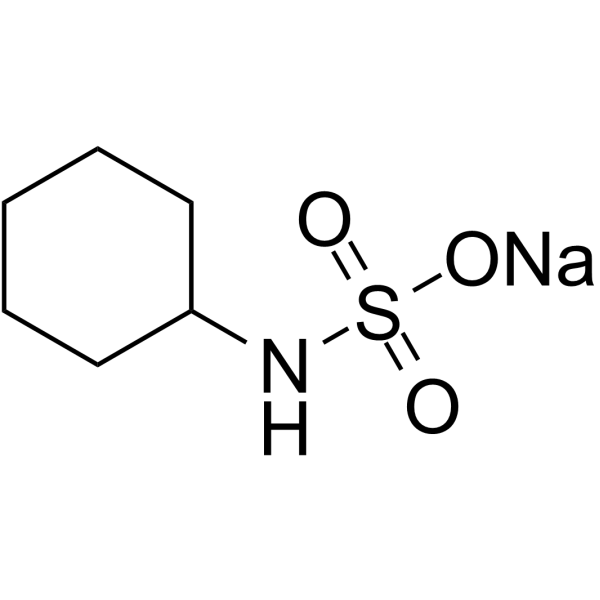
Cyclamic acid sodium (Sodium cyclamate) is a commonly used sweetener. Cyclamic acid sodium is toxic to osteoblasts and can inhibit cell proliferation, induce apoptosis and reduce cell mineralization. Cyclamic acid sodium causes focal necrosis of bladder organs in rats in vitro, which can promote bladder cancer, but some studies have shown that low doses of Cyclamic acid sodium have no carcinogenic effect. In addition, Cyclamic acid sodium has no effect on insulin and glucagon secretion induced by arginine .
loading...
    loading...
Cat. No.: HY-Y0651
CAS No.: 7757-83-7
Sodium sulfite is an inorganic salt used as an antioxidant and preservative. Sodium sulfite is also used in sulfonation and sulfomethylation reactions. Sodium sulfite can also be used as a bleaching agent, desulfurizer, and dechlorinator. Sodium sulfite inhibits hepatocyte proliferation, promotes hepatocyte apoptosis and necrosis, and impairs mitochondrial integrity. Sodium sulfite induces superoxide anion production, primes neutrophils for enhanced superoxide anion generation, and induces neutrophil gene expression. Sodium sulfite can be used in studies related to pulmonary inflammation and gastric tissue injury .
loading...
    loading...
Cat. No.: HY-P99265
CAS No.: 658052-09-6
Synonyms: HGS-ETR1; Anti-Human TNFRSF10A Recombinant Antibody

Target:  

Inhibitory Antibodies

Research Areas:  

Cancer

Mapatumumab (HGS-ETR1) is a fully human IgG1 agonistic monoclonal antibody that targets tumor necrosis factor-related apoptosis-inducing ligand receptor 1 (TRAIL-R1). Mapatumumab can be used for the research of cancer .
loading...
    loading...
Cat. No.: HY-B0541
CAS No.: 100-88-9
Synonyms: Cyclohexylsulfamic acid; Cyclamate
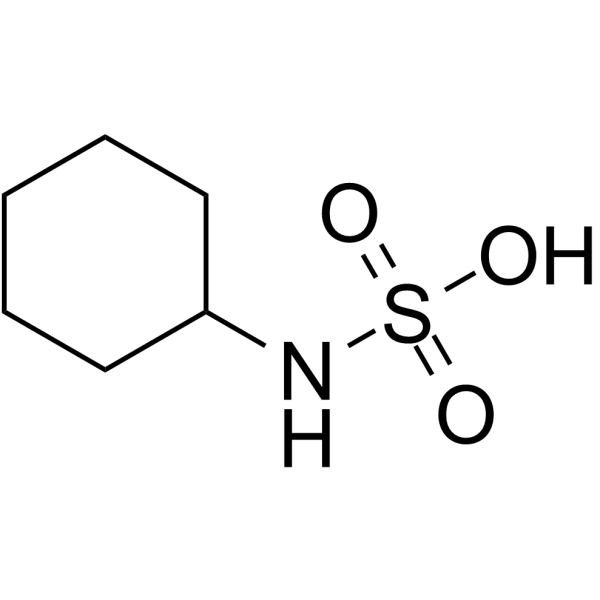
Cyclamic acid (Cyclamate) is a commonly used sweetener. Cyclamic acid sodium is toxic to osteoblasts and can inhibit cell proliferation, induce apoptosis and reduce cell mineralization. Cyclamic acid sodium causes focal necrosis of bladder organs in rats in vitro, which can promote bladder cancer, but some studies have shown that low doses of Cyclamic acid sodium have no carcinogenic effect. In addition, Cyclamic acid sodium has no effect on insulin and glucagon secretion induced by arginine .
loading...
    loading...
Cat. No.: HY-126193
CAS No.: 205432-12-8
Purity:  99.59%
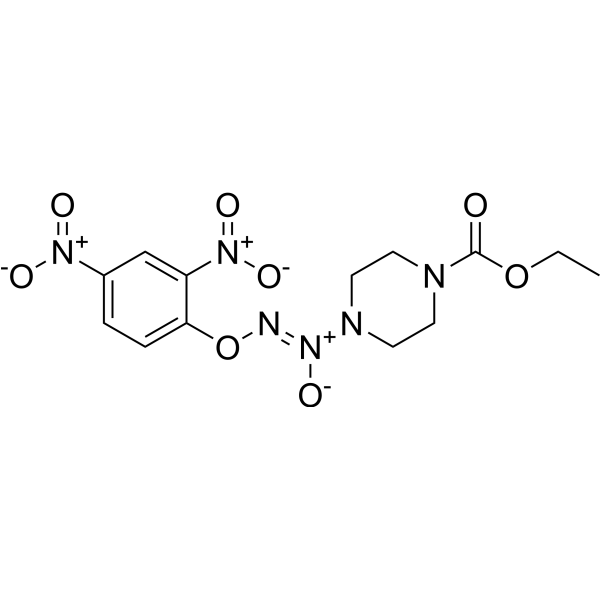
JS-K is a NO donor that reacts with glutathione to generate NO at physiological pH. JS-K induces reactive oxygen species (ROS) to mediate apoptosis. JS-K induces autophagy. JS-K inhibits invasion. JS-K has a broad spectrum anti-proliferative activity in cancer cells. JS-K reduces tumor volume and causes necrosis of implanted tumors in mice .
loading...
    loading...

