85 Results for "

Atrial Fibrillation

" in MedChemExpress (MCE) Product Catalog:
Products (85)

85 Results for "Atrial Fibrillation" in MCE Product Catalog:

Cat. No.: HY-119124
CAS No.: 834919-19-6
Purity:  99.13%
Synonyms: D21-2393
Target:  

Factor Xa

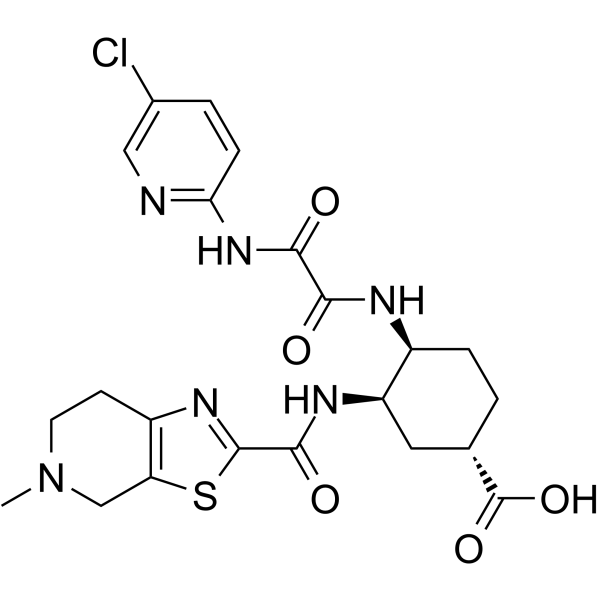
Edoxaban M4 (D21-2393) is an orally active and selective Factor Xa inhibitor with a human Factor Xa IC50 of 1.8 nM. Edoxaban M4 exhibits anticoagulant activity via Factor Xa inhibition. Edoxaban M4 can be used for the research of non-valvular atrial fibrillation, venous thromboembolisms, pulmonary embolism .
loading...
    loading...
Cat. No.: HY-157557
Purity:  99.99%
Target:  

Potassium Channel

Research Areas:  

Cardiovascular Disease

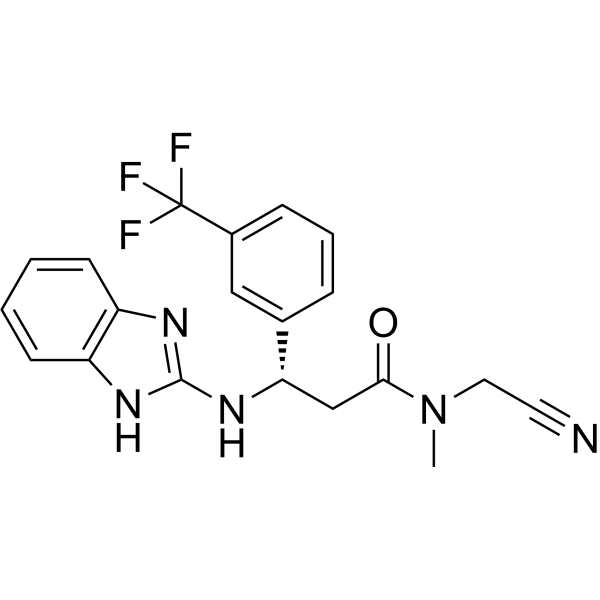
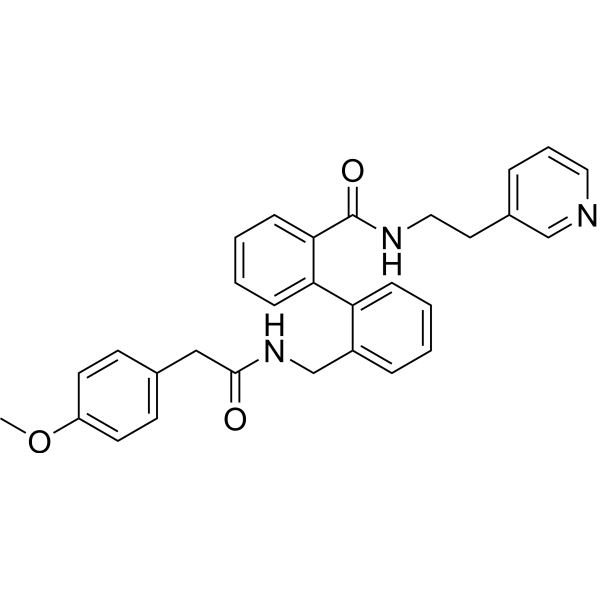
AP30663 is a KCa2 channel inhibitor that can be used for the study of atrial fibrillation .
loading...
    loading...
Cat. No.: HY-B0331AR
CAS No.: 76095-16-4
Synonyms: MK-421 maleate (Standard)
Enalapril maleate (Standard) (MK-421 maleate (Standard)) is the analytical standard of Enalapril maleate (HY-B0331A). This product is intended for research and analytical applications. Enalapril maleate is an orally active angiotensin-converting enzyme inhibitor. Enalapril maleate blocks the conversion of angiotensin I to angiotensin II, regulates the renin-angiotensin system, reduces preload and afterload, and decreases plasma angiotensin II levels. Enalapril maleate inhibits apoptosis, reduces nitric oxide metabolite levels, stabilizes endothelial cells, enhances endothelial antioxidant defense, scavenges reactive oxygen species (ROS), and alleviates neuronal damage. Enalapril maleate attenuates glutathione depletion, protein/lipid oxidation, tissue damage, and type III collagen immunolabeling in organs of diabetic rats. Enalapril maleate reduces systolic blood pressure and urinary albumin excretion, and delays the progression of diabetic cardiac/renal injury. Enalapril maleate is used in research related to asymptomatic left ventricular dysfunction, congestive heart failure, Alzheimer's disease, diabetes mellitus, acute myocardial infarction, atrial fibrillation, hypertension, cerebral ischemia, chronic heart failure, and single-ventricle physiology .
loading...
    loading...
Cat. No.: HY-126133
CAS No.: 340817-81-4
Purity:  99.95%
AM-001 is a selective Epac1 inhibitor with an IC50 value of 47.8-53.7 μM. AM-001 blocks cAMP (Cyclic AMP) (HY-B1511)-induced conformational changes of Epac1, inhibits Epac1-dependent activation of Rap1, and does not compete with cAMP for binding to Epac1. AM-001 disrupts the formation of the Epac1-GRK5 complex, blocks nuclear import of GRK5, and inhibits GRK5-mediated nuclear export of HDAC5 and activation of MEF2. AM-001 can be used in research related to heart disease, myocardial ischemia/reperfusion injury, SARS-CoV-2 infection, influenza A virus infection, atrial fibrillation and idiopathic pulmonary fibrosis .
loading...
    loading...
Cat. No.: HY-B0331AS
CAS No.: 349554-02-5
Synonyms: MK-421-d5maleate
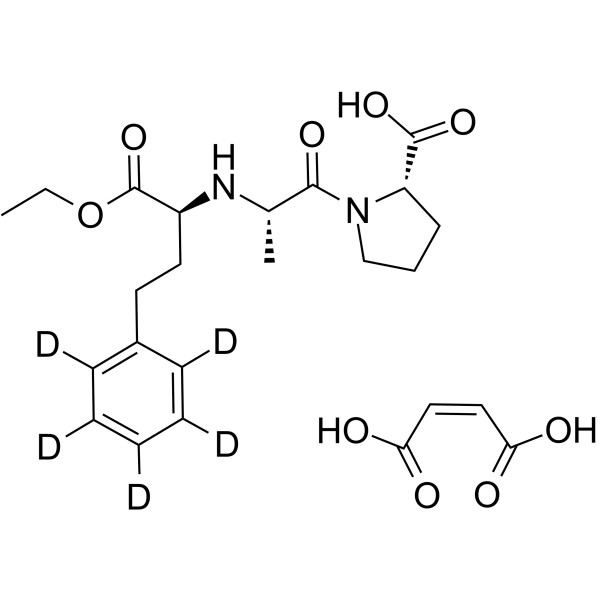
Enalapril-d5 maleate (MK-421 D5 maleate) is the deuterated-labeled Enalapril maleate (HY-B0331A). Enalapril maleate is an orally active angiotensin-converting enzyme inhibitor. Enalapril maleate blocks the conversion of angiotensin I to angiotensin II, regulates the renin-angiotensin system, reduces preload and afterload, and decreases plasma angiotensin II levels. Enalapril maleate inhibits apoptosis, reduces nitric oxide metabolite levels, stabilizes endothelial cells, enhances endothelial antioxidant defense, scavenges reactive oxygen species (ROS), and alleviates neuronal damage. Enalapril maleate attenuates glutathione depletion, protein/lipid oxidation, tissue damage, and type III collagen immunolabeling in organs of diabetic rats. Enalapril maleate reduces systolic blood pressure and urinary albumin excretion, and delays the progression of diabetic cardiac/renal injury. Enalapril maleate is used in research related to asymptomatic left ventricular dysfunction, congestive heart failure, Alzheimer's disease, diabetes mellitus, acute myocardial infarction, atrial fibrillation, hypertension, cerebral ischemia, chronic heart failure, and single-ventricle physiology .
loading...
    loading...
Cat. No.: HY-N3463
CAS No.: 5835-26-7
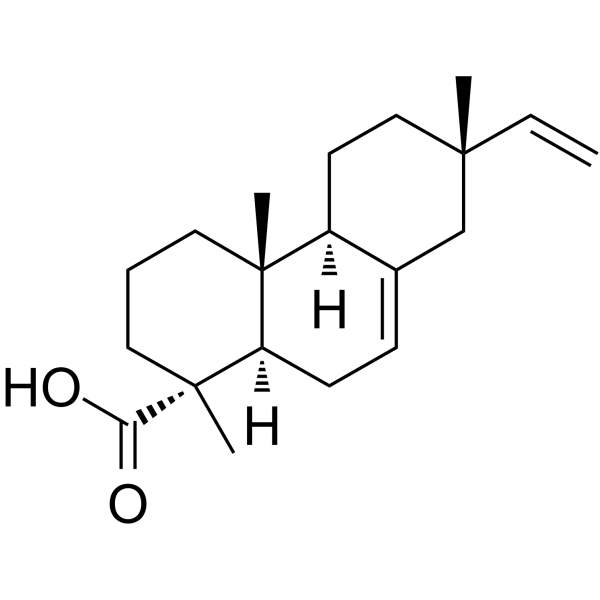
Isopimaric acid is a coniferous tree defense compound. Isopimaric acid binds to AKT and inhibits mTOR phosphorylation, thereby regulating the AKT/mTOR pathway. Isopimaric acid inhibits oxidative stress, inflammation, microglial migration, apoptosis, autophagic flux, ornithine decarboxylase activity, breast cancer proliferation and metastasis, and fungal spore germination. Isopimaric acid also induces M2 microglial polarization, mitochondrial damage, ROS accumulation, starvation-induced colon cancer cell apoptosis, and breast cancer cell cycle arrest. Isopimaric acid activates potassium channels, regulates sodium channels and calcium channels, reduces myocardial excitability, and improves arrhythmia. Isopimaric acid acts as an oxidative substrate for CYP6BW1/3, down-regulates PINK1/Parkin, and regulates calcium homeostasis, oxidative phosphorylation, EMT, and the Wnt pathway. Isopimaric acid exhibits activity against drug-resistant Staphylococcus aureus, repels feeding, and promotes the growth of rice seedlings. Isopimaric acid is suitable for research related to epilepsy, tumors, drug-resistant bacterial infections, atrial fibrillation, hypertension, hyperlipidemia, pulmonary tuberculosis, etc .
loading...
    loading...
Cat. No.: HY-108579
CAS No.: 199934-16-2
Purity:  98.07%
Target:  

Potassium Channel

Research Areas:  

Cardiovascular Disease

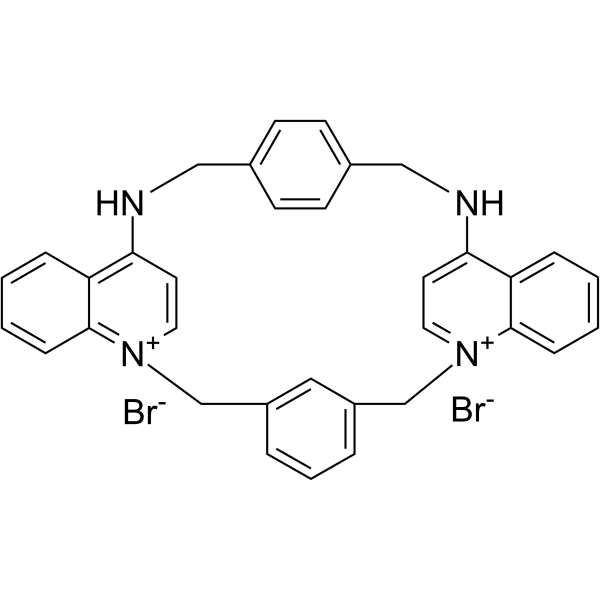
UCL 1684 (dibromide) is a first nanomolar, non-peptidic small conductance calcium-activated potassium (SK) channel blocker. UCL 1684 (dibromide) is effective in preventing the development of atrial fibrillation due to potent atrial-selective inhibition of INa. UCL 1684 (dibromide) causes atrial-selective prolongation of ERP secondary to induction of postrepolarization refractoriness .
loading...
    loading...
Cat. No.: HY-A0236
CAS No.: 37640-71-4
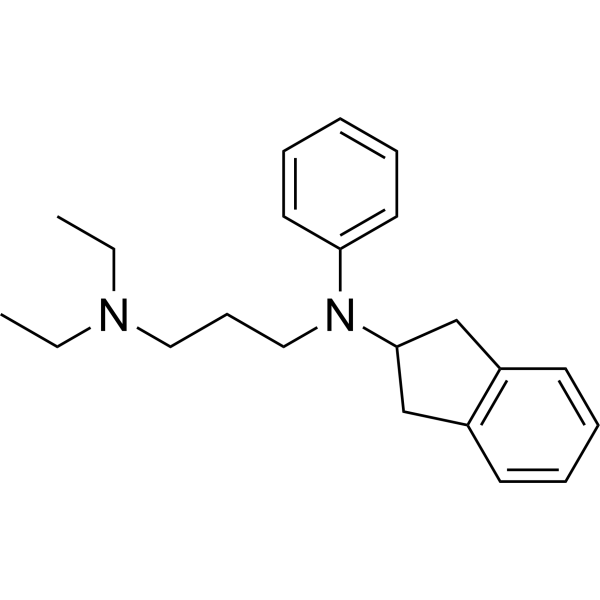
Aprindine is an Ib-class anti-arrhythmic agent. Aprindine mainly exerts its effect by blocking sodium channels (INa), thereby reducing the excitability and conduction velocity of cardiac muscle cells. Aprindine significantly inhibits delayed potassium currents, which helps to prolong the atrial effective refractory period (AERP) and inhibit the occurrence of atrial fibrillation. Aprindine can also regulate intracellular calcium ion concentration by inhibiting Na +/Ca 2+ exchange current (INCX), thereby further stabilizing cardiac electrical activity. Aprindine can be used for the study of atrial fibrillation (AF) and ventricular arrhythmias .
loading...
    loading...
Cat. No.: HY-12753S1
CAS No.: 1346598-70-6
Synonyms: SR35021-dd6 hydrochloride
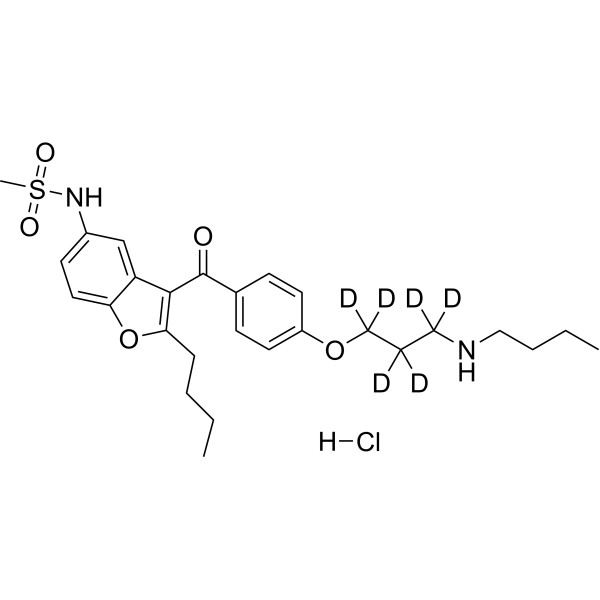
Debutyldronedarone-d6 hydrochloride (SR35021-d6 hydrochloride) is the deuterated-labeled Debutyldronedarone (HY-12753). Debutyldronedarone (SR35021) is a Cytochrome P450 enzyme inhibitor and a Thyroid Hormone Receptor inhibitor, and it is a metabolite of Dronedarone (HY-A0016). Debutyldronedarone inhibits the binding of T3 to TRα1 and TRβ1. Debutyldronedarone reduces the incidence of reperfusion-induced ventricular fibrillation in anesthetized rats, while decreasing their heart rate and blood pressure. Debutyldronedarone can be used in studies related to ventricular fibrillation and atrial fibrillation .
loading...
    loading...
Cat. No.: HY-126486
CAS No.: 767334-89-4
Purity:  98.61%
Synonyms: A293
Target:  

Potassium Channel

Research Areas:  

Cardiovascular Disease

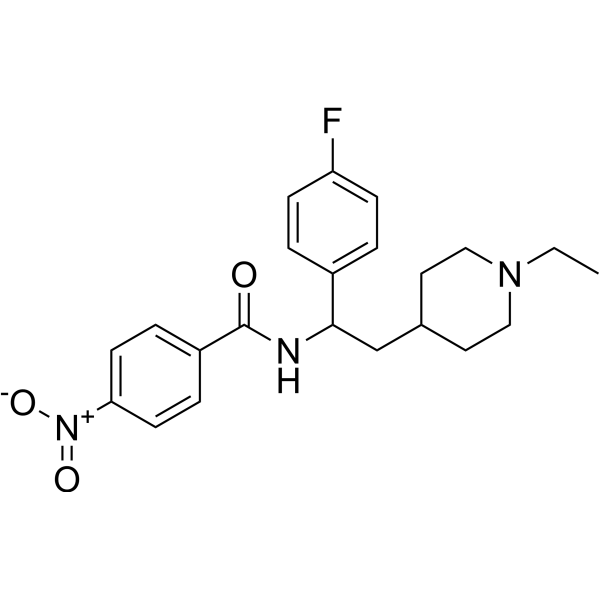
AVE1231 (A293) is a dual-pore potassium channel TASK-1 inhibitor. AVE1231 blocks carbamoylcholine chloride (HY-B1208)-activated IKACh (IC50=8.4 μM). AVE1231 can be used in the study of arrhythmias and atrial fibrillation .
loading...
    loading...
Cat. No.: HY-150682
CAS No.: 2816108-87-7
Target:  

Factor Xa

Research Areas:  

Cardiovascular Disease

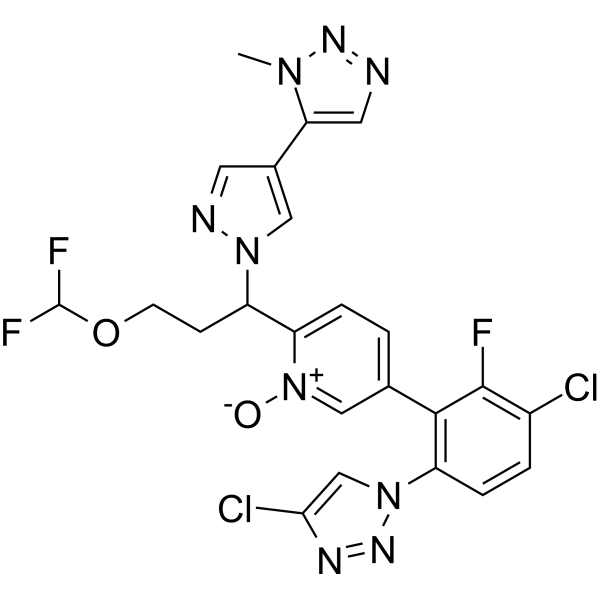
FXIa-IN-9 (compound 3f) is a potent and selective FXIa inhibitor. FXIa-IN-9 can bind with FXIa and form hydrogen bond (human FXIa Ki: 0.17 nM, rabbit FXIa Ki: 0.5 nM). FXIa-IN-9 also has anticoagulant activity, and can be used in the research of thromboembolic diseases such as atrial fibrillation, stroke, myocardial infarction, deep vein thrombosis, and pulmonary embolism .
loading...
    loading...
Cat. No.: HY-122033
CAS No.: 875562-81-5
Target:  

Potassium Channel

Research Areas:  

Cardiovascular Disease

MK-0448 is a specific Kv1.5 inhibitor used in the research of atrial fibrillation .
loading...
    loading...
Cat. No.: HY-A0236A
CAS No.: 33237-74-0
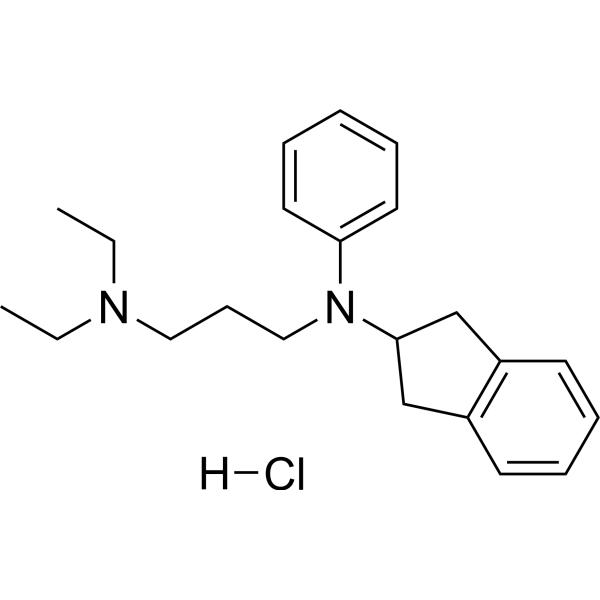
Aprindine hydrochloride is an Ib-class anti-arrhythmic agent. Aprindine hydrochloride mainly exerts its effect by blocking sodium channels (INa), thereby reducing the excitability and conduction velocity of cardiac muscle cells. Aprindine hydrochloride significantly inhibits delayed potassium currents, which helps to prolong the atrial effective refractory period (AERP) and inhibit the occurrence of atrial fibrillation. Aprindine hydrochloride can also regulate intracellular calcium ion concentration by inhibiting Na +/Ca 2+ exchange current (INCX), thereby further stabilizing cardiac electrical activity. Aprindine hydrochloride can be used for the study of atrial fibrillation (AF) and ventricular arrhythmias .
loading...
    loading...
Cat. No.: HY-100795A
CAS No.: 61477-94-9
Purity:  98.77%
Synonyms: (±)-Pirmenol hydrochloride; CI-845
Target:  

mAChR Potassium Channel

Research Areas:  

Cardiovascular Disease

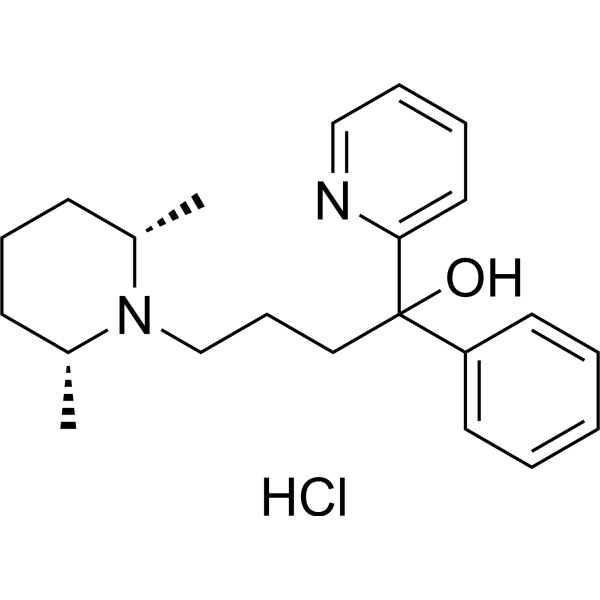
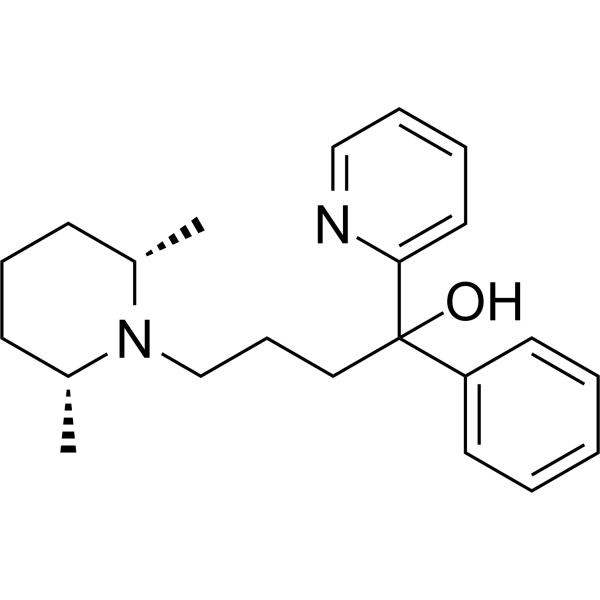
Pirmenol ((±)-Pirmenol) hydrochloride is an orally active antiarrhythmic agent. Pirmenol hydrochloride inhibits IK.ACh (IC50: 0.1 μM) by blocking mAchR. Pirmenol hydrochloride can be used in the research of cardiovascular disease, such as atrial fibrillation .
loading...
    loading...
Cat. No.: HY-118387
CAS No.: 498577-53-0
Target:  

Potassium Channel

Research Areas:  

Cardiovascular Disease

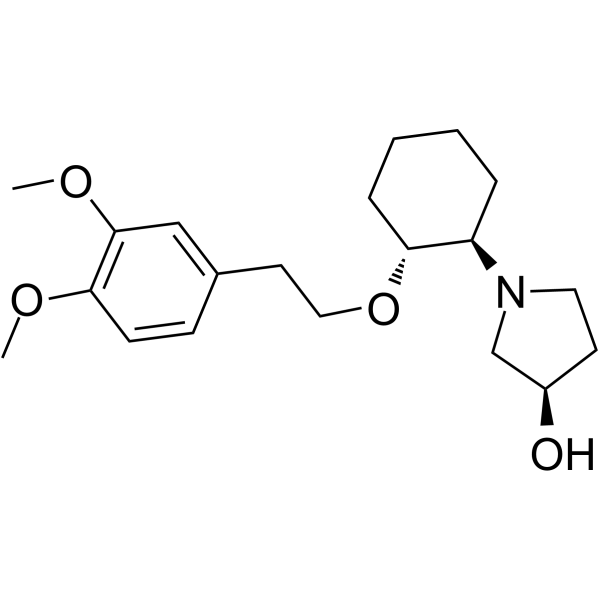
AVE-0118 is a Kv1.5 potassium channel blocker and antiarrhythmic agent. AVE-0118 blocks neuronal Kv1.5 potassium channels, thereby enhancing the release of norepinephrine. AVE-0118 enhances field stimulation-induced neurogenic contraction, an effect sensitive to α1-adrenergic receptor blockade. AVE-0118 terminates persistent atrial fibrillation in some dogs. AVE-0118 is applicable to research related to atrial fibrillation and persistent atrial fibrillation .
loading...
    loading...
Cat. No.: HY-10274S
CAS No.: 2749293-92-1
Purity:  99.28%
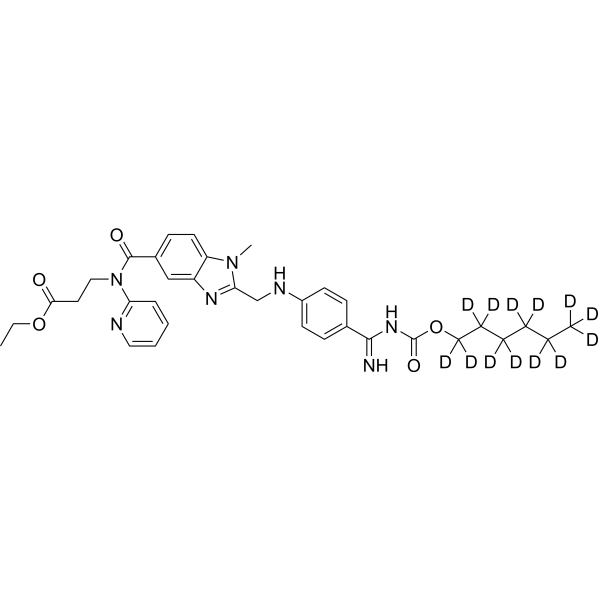
Dabigatran etexilate-d13 is the deuterium labeled Dabigatran etexilate. Dabigatran etexilate (BIBR 1048) is an orally active proagent of Dabigatran. Dabigatran etexilate has anticoagulant effects and is used for the prophylaxis of venousthromboembolism and stroke due to atrial fibrillation .
loading...
    loading...
Cat. No.: HY-10274R
CAS No.: 211915-06-9
Synonyms: BIBR 1048 (Standard)
Research Areas:  

Cardiovascular Disease

Dabigatran etexilate (Standard) is the analytical standard of Dabigatran etexilate. This product is intended for research and analytical applications. Dabigatran etexilate (BIBR 1048) is an orally active proagent of Dabigatran (a direct inhibitor of thrombin). Dabigatran etexilate has anticoagulant effects and is used for the prophylaxis of venousthromboembolism and stroke due to atrial fibrillation .
loading...
    loading...
Cat. No.: HY-14182
CAS No.: 794466-70-9
Synonyms: RSD1235
Target:  

Potassium Channel

Research Areas:  

Cardiovascular Disease

Vernakalant(RSD-1235) is an investigational mixed ion channel blocker that can terminate acute atrial fibrillation (AF) in humans at 2 to 5 mg/kg and may be more atrial-selective than available agents; in treatment of antiarrhythmic.
loading...
    loading...
Cat. No.: HY-147256
CAS No.: 1276186-19-6
Synonyms: Niferidil free base
Target:  

Potassium Channel

Research Areas:  

Cardiovascular Disease

Cavutilide (Niferidil (free base)) is a class III antiarrhythmic agent that inhibits hERG K + channel. Cavutilide has the potential for the study of persistent atrial fibrillation .
loading...
    loading...
Cat. No.: HY-100795
CAS No.: 68252-19-7
Synonyms: (±)-Pirmenol; CI-845 free base
Target:  

mAChR Potassium Channel

Research Areas:  

Cardiovascular Disease

Pirmenol is an orally active antiarrhythmic agent. Pirmenol inhibits IK.ACh (IC50: 0.1 μM) by blocking mAchR. Pirmenol can be used in the research of cardiovascular disease, such as atrial fibrillation .
loading...
    loading...

