396 Results for "

Fluorescence Probe

" in MedChemExpress (MCE) Product Catalog:
Products (396)

396 Results for "Fluorescence Probe" in MCE Product Catalog:

6
6 Cited Publications
Cat. No.: HY-133821
CAS No.: 142234-85-3
Purity:  97.83%
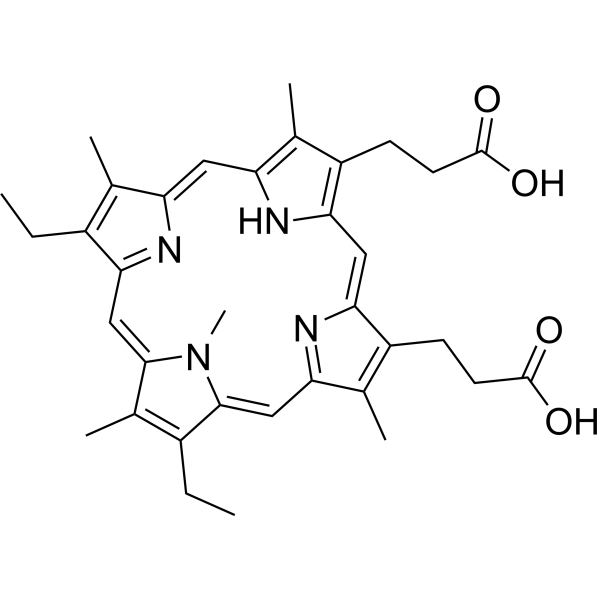
N-Methylmesoporphyrin IX (NMM), a widely used G-quadruplex DNA specific fluorescent binder, is an efficient probe for monitoring Aβ fibrillation. N-Methylmesoporphyrin IX is an in situ inhibitor and an ex situ monitor for Aβ amyloidogenesis both in vitro and in cells. N-Methylmesoporphyrin IX is sensitive to G-quadruplexes DNA but has no response to duplexes, triplexes and single-stranded forms DNA. N-Methylmesoporphyrin IX is nonfluorescent alone or in monomeric Aβ environments, but emits strong fluorescence through stacking with the Aβ assemblies .
loading...
    loading...
5
5 Cited Publications
Cat. No.: HY-D1431
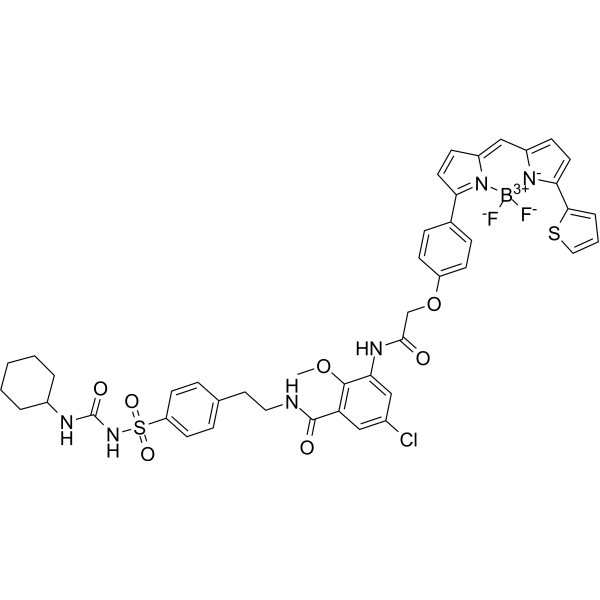
ER-Tracker dye is a derivative of BODIPY series dyes coupled with Glibenclamide (HY-15206), highly selective binding to the endoplasmic reticulum, non-toxic to cells at low concentrations, this type of dye is an environmentally sensitive probe, and formaldehyde treatment can still retain part of the fluorescence, with high fluorescence life, good extinction coefficient and other characteristics. Glibenclamide is an atp-dependent K + channel blocker (Kir6, KATP) and CFTR Cl-channel blocker that binds in the endoplasmic reticulum. ER-Tracker is not suitable for staining cells after fixation. Ex/Em=587/615 nm .
loading...
    loading...
4
4 Cited Publications
Cat. No.: HY-D0309
CAS No.: 989-38-8
Synonyms: Basic Red 1
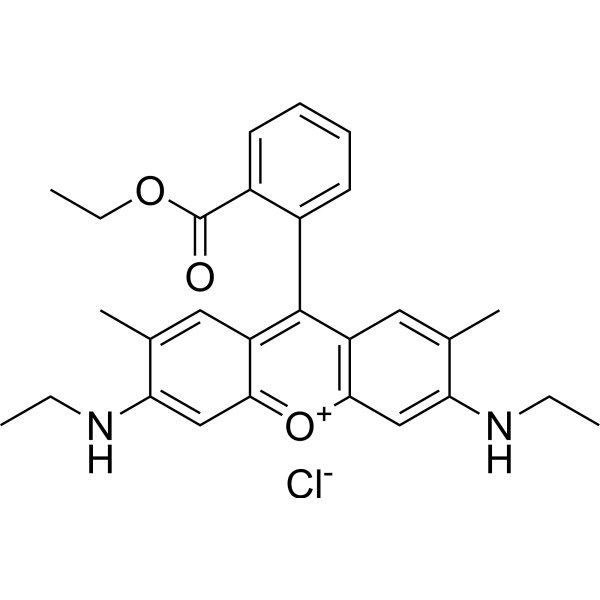
Rhodamine dyes are membrane-permeable cationic fluorescent probes that specifically recognize mitochondrial membrane potentials, thereby attaching to mitochondria and producing bright fluorescence, and at certain concentrations, rhodamine dyes have low toxicity to cells, so they are commonly used to detect mitochondria in animal cells, plant cells, and microorganisms .
loading...
    loading...
4
4 Cited Publications
Cat. No.: HY-D0155
CAS No.: 288574-78-7
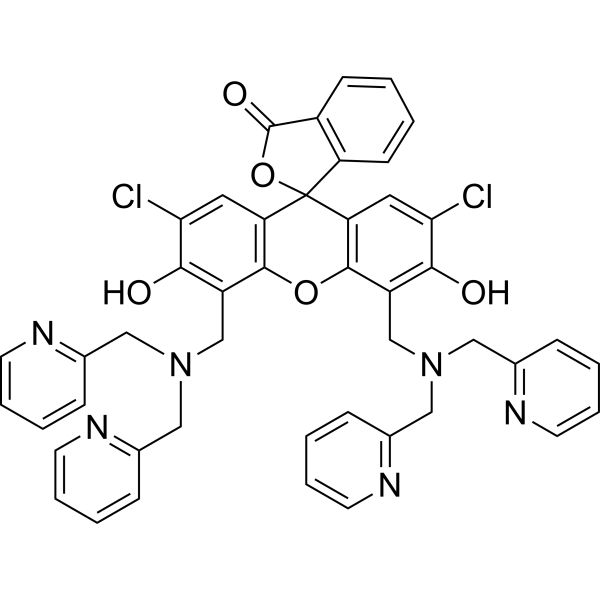
Zinpyr-1 is a zinc-responsive fluorescent indicator and a membrane-permeable metal-binding probe. Zinpyr-1 forms a complex with Mn 2+ ions and generates a fluorescence turn-on signal. Zinpyr-1 binds to free zinc ions in serum, enabling quantitative detection of free zinc concentration. Zinpyr-1 produces fluorescence signals reflecting the relative zinc concentration in plant root cells, localizes to specific layers of plant root cells, and can be used to support analyses related to plant zinc transporter mutations and homeostasis .
loading...
    loading...
4
4 Cited Publications
Cat. No.: HY-153006
CAS No.: 106070-31-9
Purity:  99.14%
Synonyms: DCFH2
Research Areas:  

Others

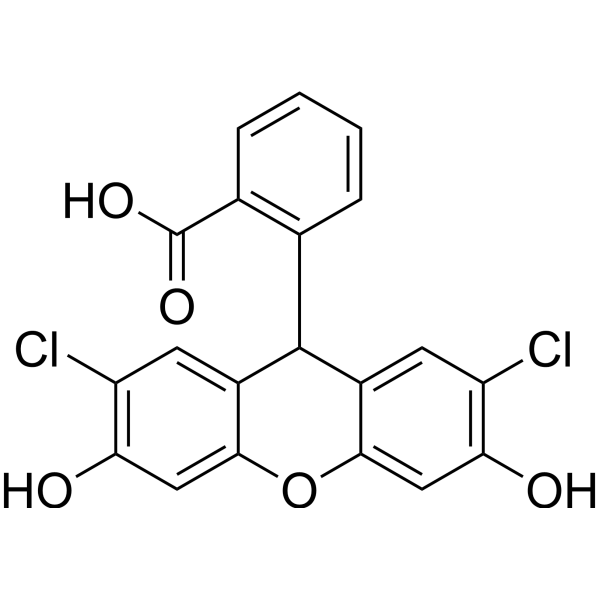
2,7-Dichlorodihydrofluorescein (DCFH2) is a non-fluorescent reactive oxygen species (ROS) probe with an excitation wavelength of 485-500 nm and an emission wavelength of 515-530 nm. 2,7-Dichlorodihydrofluorescein is first hydrolyzed by intracellular esterases and then oxidized by ROS to generate non-biomembrane-permeable, highly fluorescent 2,7-dichlorofluorescein (DCF). The fluorescence intensity of DCF is positively correlated with the ROS concentration. 2,7-Dichlorodihydrofluorescein can undergo oxidation reactions with a variety of ROS (such as ·OH, H2O2, ONOO -, etc.) and is used to quantitatively detect the level of oxidative stress inside and outside cells. It is suitable for oxidative stress analysis in in vitro cell models and in vivo targeted delivery (such as liver-targeted liposomes) .
loading...
    loading...
3
3 Cited Publications
Cat. No.: HY-D2346
HBmito Crimson is a deep red fluorescent probe (λex: 658 nm, λem: 678 nm) for the inner mitochondrial membrane. HBmito Crimson is a cell membrane-permeable probe with high selectivity for the mitochondrial inner membrane, suitable for specific fluorescence staining of the inner mitochondrial membrane in living cells. HBmito Crimson has high photostability and brightness, suitable for long-term dynamic fluorescence imaging.
loading...
    loading...
3
3 Cited Publications
Cat. No.: HY-15942
CAS No.: 91809-66-4
Target:  

Fluorescent Dye

Research Areas:  

Others

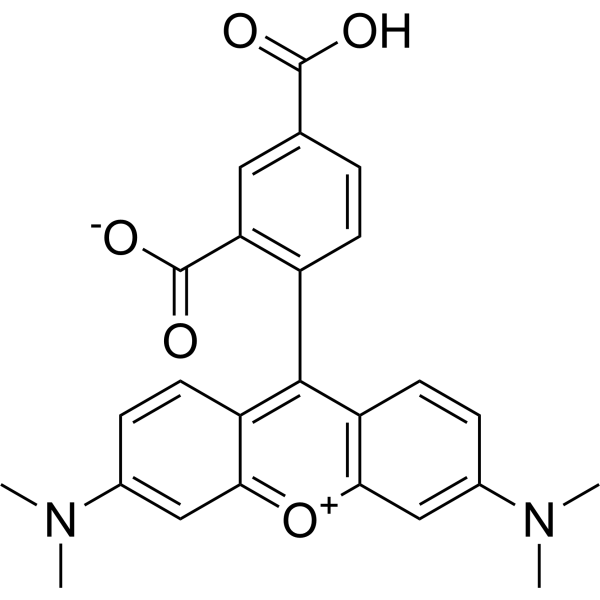
5-TAMRA can produce bright, pH-insensitive orange-red fluorescence (excitation and emission extremes of 546/579) and has good photostability. 5-TAMRA is mainly used as a fluorescent marker for the synthesis and study of specific oligonucleotide probes .
loading...
    loading...
2
2 Cited Publications
Cat. No.: HY-101027
CAS No.: 2079896-25-4
Purity:  98.22%
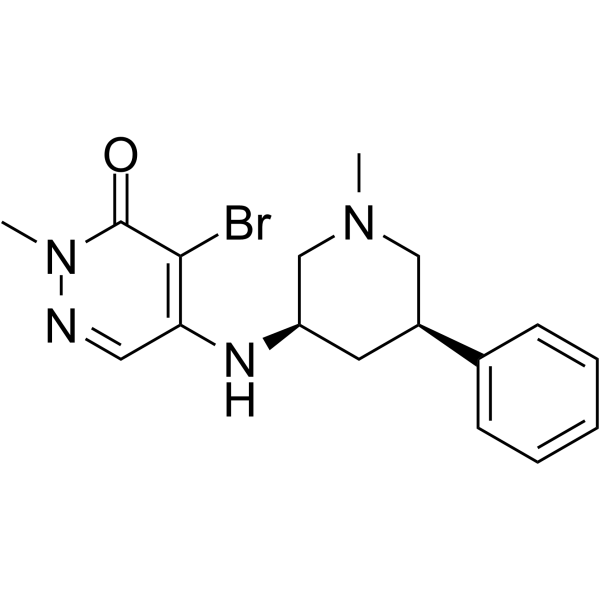
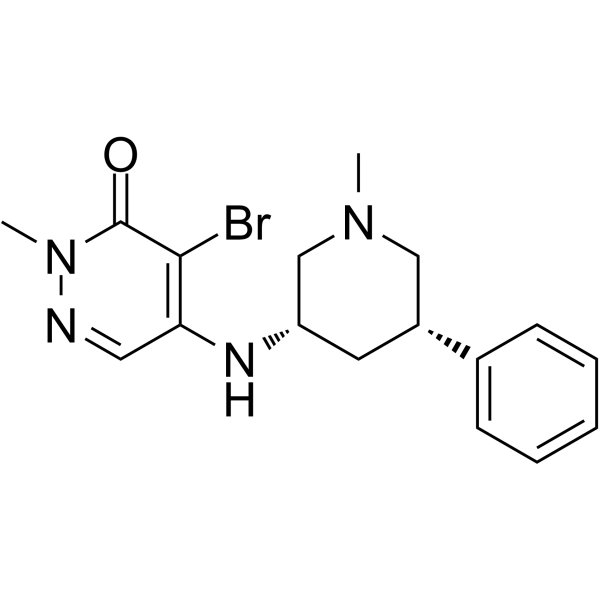
GSK 4027 is a chemical probe for the PCAF/GCN5 bromodomain with an pIC50 of 7.4±0.11 for PCAF in a time-resolved fluorescence resonance energy transfer (TR-FRET) assay.
loading...
    loading...
2
2 Cited Publications
Cat. No.: HY-D1094
CAS No.: 126208-12-6
Synonyms: SNARF 1
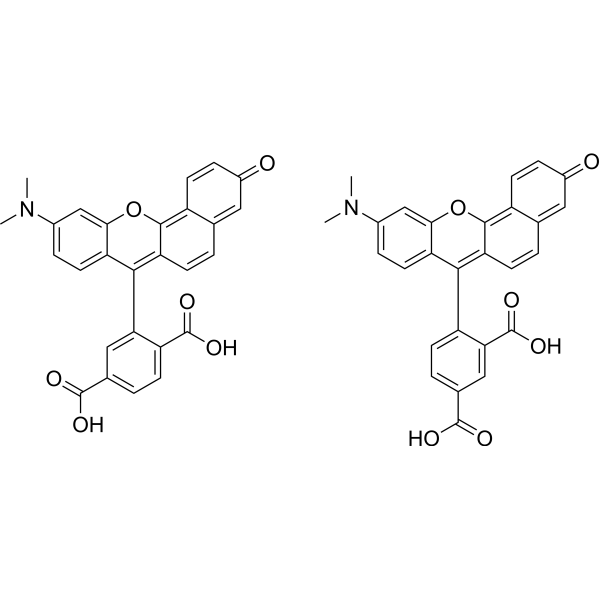
Carboxy-SNARF 1 (5/6-mixture) (SNARF 1) is a fluorescent probe that is sensitive to pH (Ex: 488 nm). Carboxy-SNARF 1 (5/6-mixture) can be used for measurement pH. Carboxy-SNARF 1 (5/6-mixture) exhibits a significant emission shift from yellow-orange (Em: 580 nm) to deep red fluorescence (Em: 640 nm) under acidic and basic conditions (pH=7-8), respectively .
loading...
    loading...
2
2 Cited Publications
Cat. No.: HY-D0150
CAS No.: 107091-89-4
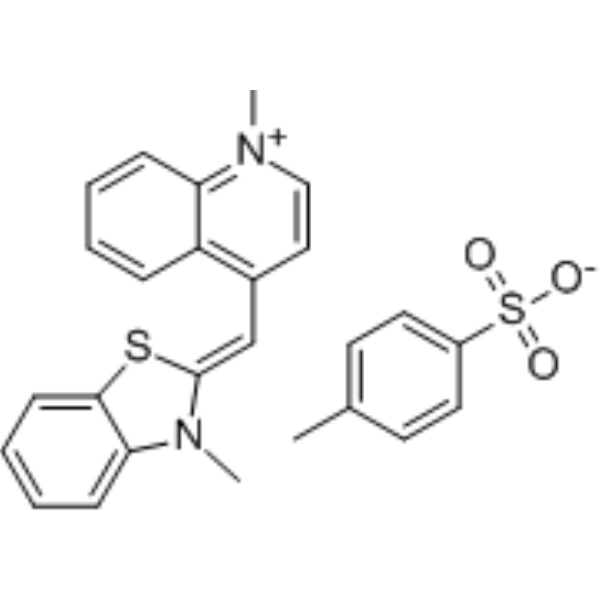
Thiazole Orange is an asymmetric anthocyanin dye that can be coupled with oligonucleotides (ONs) to prepare fluorescent hybridization probes. Thiazole Orange has been widely used in biomolecular detection and staining of DNA/ RNA in gels and can be used for reticulocyte analysis. Thiazole orange generates a significant fluorescence enhancement and high quantum yield when it binds with nucleic acids, especially RNA. Thiazole orange can permeate living cell membranes. Thiazole orange can use UV light for detection, but can also be detected with blue light. The excitation and emission of Thiazole orange are λex = 510 nm (488 nm and 470 nm also show strong excitation) and λem = 527 nm, respectively .
loading...
    loading...
1
1 Cited Publications
Cat. No.: HY-D1730
CAS No.: 1374019-99-4
Target:  

Fluorescent Dye

Research Areas:  

Others

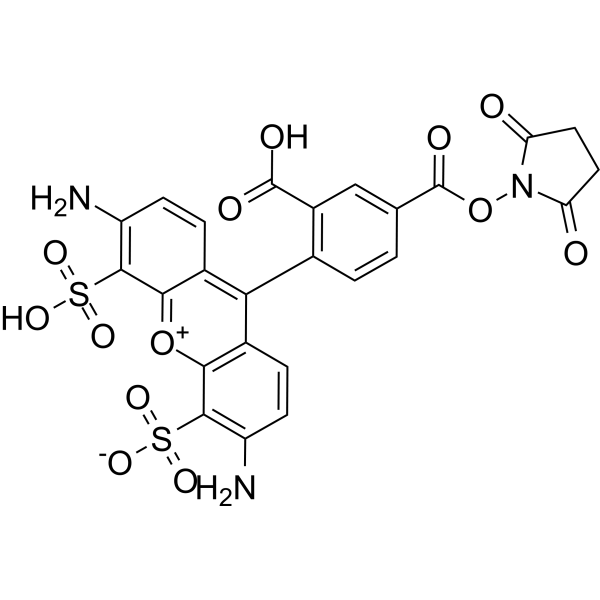
AF488 NHS ester is an amine specific fluorescence probe (Em=525 nm). AF488 NHS ester reacts with sulfhydryl groups and amines in aqueous and biological samples then change their chemical structure and fluorescence properties after derivatization .
loading...
    loading...
1
1 Cited Publications
Cat. No.: HY-119977
CAS No.: 359010-70-1
Research Areas:  

Others

APF is a cell-permeable fluorogenic probe to measure hydroxyly radical of ROS. APF is nonfluorescent and produces bright green fluorescence upon reaction with hydroxyl radical. APF can be used to detect intracellular reactive oxygen species (ROS) (Ex/Em=490/525 nm) .
loading...
    loading...
1
1 Cited Publications
Cat. No.: HY-D0896
CAS No.: 82-76-8
Synonyms: ANSA; 8-Anilino-1-naphthalenesulfonic acid
ANS (8-Anilino-1-naphthalenesulfonic acid) is a competitive inhibitor targeting thyroxine binding globulin (TBG) (Ki=2.09×10 6 M -1). ANS is used in radioimmunoassay by displacing bound triiodothyronine (T3) to improve detection sensitivity. ANS can block the protein binding site of T3 and release free T3 for antibody recognition. As a fluorescent probe, ANS can specifically bind to the hydrophobic region of proteins (such as membrane proteins) and monitor the dynamics of protein conformation through changes in fluorescent signals. It is widely used in biochemical research and antibacterial material development .
loading...
    loading...
1
1 Cited Publications
Cat. No.: HY-D1730A
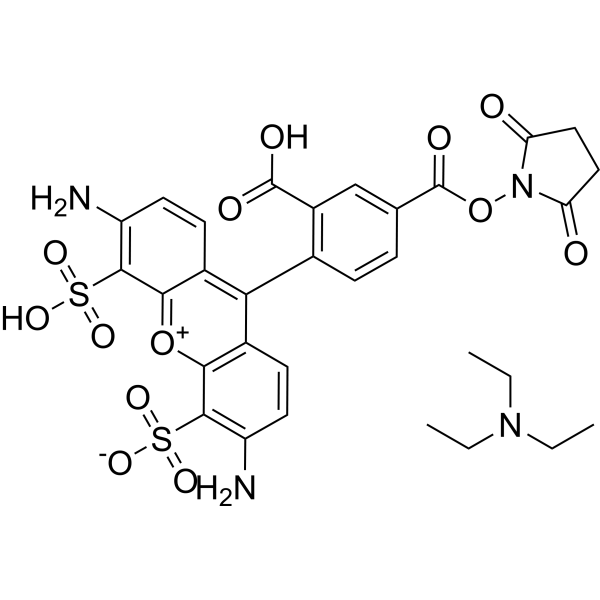
AF488 NHS ester TEA is an amine specific fluorescence probeem=525 nm=525 nm). AF488 NHS ester reacts with sulfhydryl groups and amines in aqueous and biological samples then change their chemical structure and fluorescence properties after derivatization. AF488 exhibits the λem and λex wavelength of 520 nm and 470 nm, respectively .
loading...
    loading...
1
1 Cited Publications
Cat. No.: HY-D1244
CAS No.: 1043865-37-7
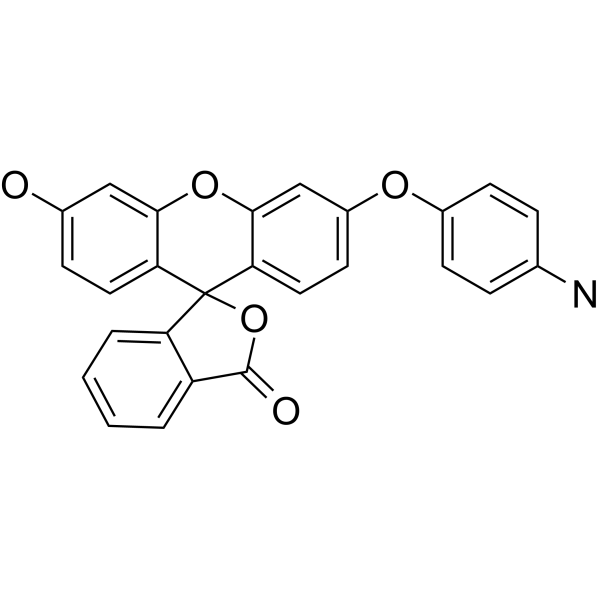
CO probe 1 (probe 2) is a highly efficient fluorescent CO probe (Ex=493 nm) with an allyl ether reaction site. In the presence of PdCl₂, CO reduces Pd 2+ to Pd 0, triggering a Tsuji-Trost reaction that removes the allyl protecting group, releases fluorescein, and generates a significant fluorescence signal. CO probe 1 has high selectivity, rapid response (fluorescence enhancement of 150 times within 20 minutes), and low cytotoxicity, and can be used for real-time imaging of CO in living cells. CO probe 1 may be used to study pathological mechanisms involving CO signaling regulation, such as inflammation, vascular disease, or cancer .
loading...
    loading...
1
1 Cited Publications
Cat. No.: HY-D0029
CAS No.: 27599-63-9
Synonyms: 5(6)-AFM; Fluoresceinamine mixed isomers
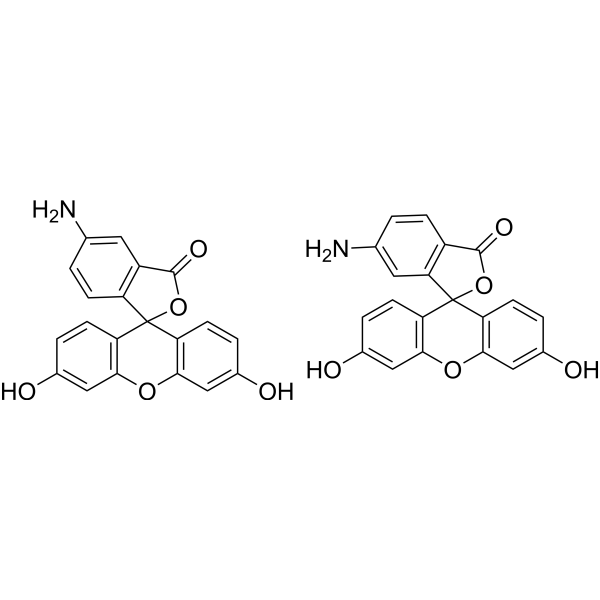
5(6)-Aminofluorescein (5(6)-AFM) is an amino-containing fluorescein dye primarily used for biomolecular labeling, fluorescence imaging, and as a precursor for the synthesis of fluorescent probes (Ex/Em = 495/515 nm).
loading...
    loading...
1
1 Cited Publications
Cat. No.: HY-D0896A
CAS No.: 28836-03-5
Synonyms: NSC 1746 ammonium; Peri acid, phenyl- ammonium; Phenyl peri acid ammonium
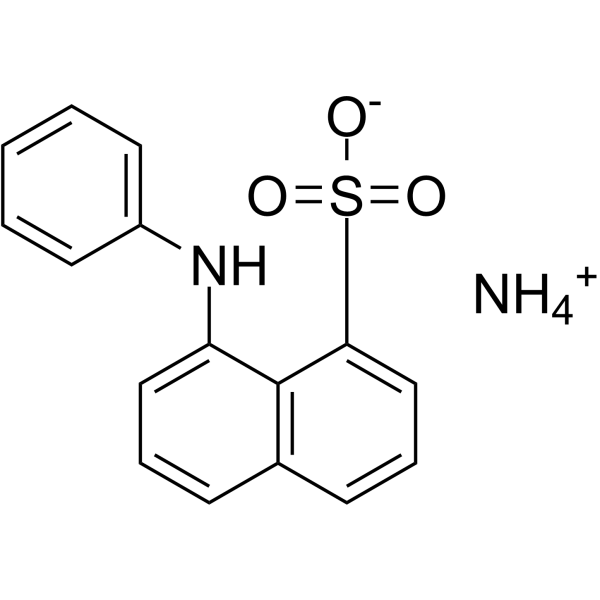
ANS ammonium is a potent antibacterial agent and a textile dye. ANS ammonium can be used as fluorescence probe. ANS ammonium blocks the binding of triiodothyronine to thyroxine binding globulin in radioimmunoassay of triiodothyronine .
loading...
    loading...
1
1 Cited Publications
Cat. No.: HY-D1601
CAS No.: 98907-26-7
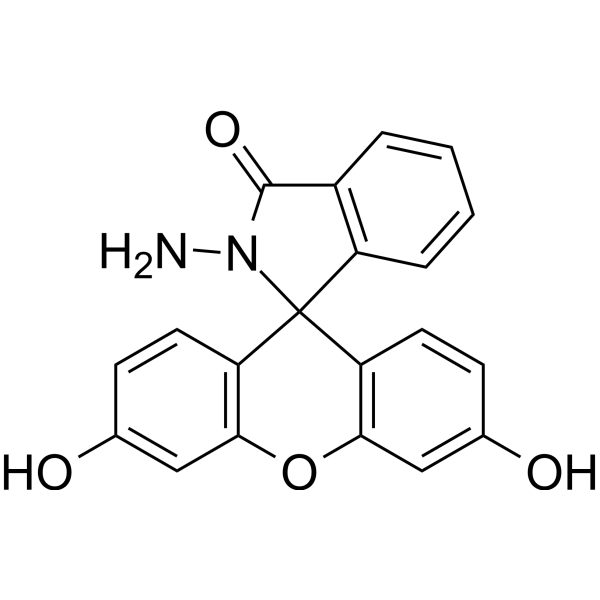
N-Aminofluorescein is a fluorescein hydrazide with spiro form, a highly selective and sensitive fluorescence probe for Cu 2+. N-Aminofluorescein has no selective fluorescence response to other common metal ions, can be used for direct detection of Cu 2+ in biological systems with λex/em=495/516 nm . N-Aminofluorescein can be used to measure the concentration of copper ions in cells .
loading...
    loading...
1
1 Cited Publications
Cat. No.: HY-D1378
CAS No.: 959839-06-6
Target:  

Fluorescent Dye

Research Areas:  

Others

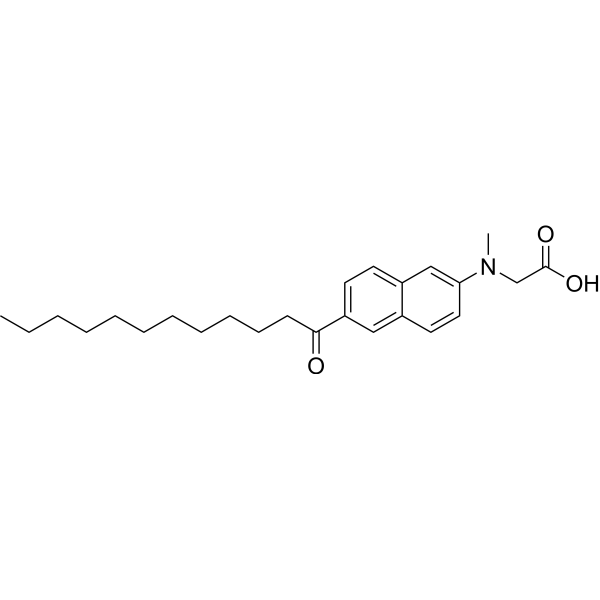
C-Laurdan is a modified Laurdan (HY-D0080) probe that imaging lipid rafts with environmentally sensitive fluorescence. C-Laurdan can be used in research of lipid arrangement and fluidity in biological membranes or artificial lipid membranes .
loading...
    loading...
1
1 Cited Publications
Cat. No.: HY-101027A
CAS No.: 2079886-19-2
Purity:  98.06%
GSK4028 is the enantiomeric negative control of GSK4027, which is a PCAF/GCN5 bromodomain chemical probe, the pIC50 of GSK4028 is 4.9 in a time-resolved fluorescence resonance energy transfer (TR-FRET) assay.
loading...
    loading...

