

352 Results for "

NSCLC

" in MedChemExpress (MCE) Product Catalog:
Products (352)

352 Results for "NSCLC" in MCE Product Catalog:

6
6 Cited Publications
Cat. No.: HY-112870A
CAS No.: 2130958-55-1
Purity:  99.97%
Synonyms: Alflutinib mesylate; Furmonertinib mesylate; AST2818 mesylate
Target:  

EGFR

Research Areas:  

Inflammation/Immunology Cancer

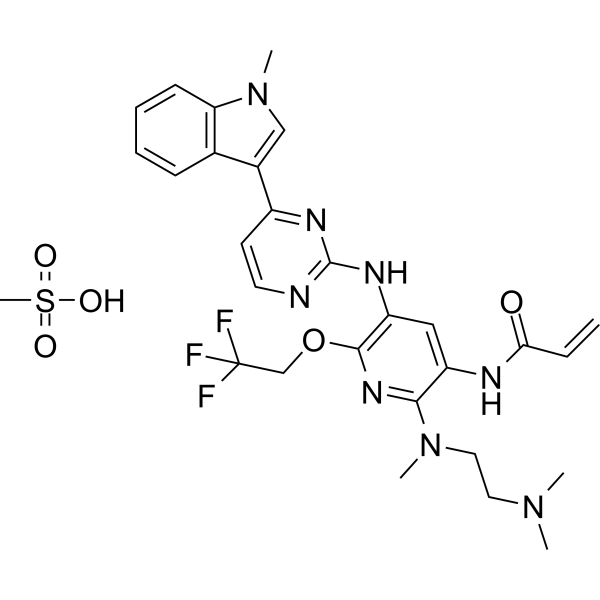
Firmonertinib (Alflutinib; Furmonertinib) mesylate is is an orally active, mutant-selective, and blood-brain barrier penetrant EGFR inhibitor. Firmonertinib mesylate inhibits EGFR active mutations as well as the T790M acquired resistant mutation. Firmonertinib mesylate has the potential for the research of cancer diseases, especially advanced non-small cell lung cancer (NSCLC) with EGFR ex20ins mutation .
loading...
    loading...
5
5 Cited Publications
Cat. No.: HY-19939S
CAS No.: 1476074-39-1
Synonyms: M9831
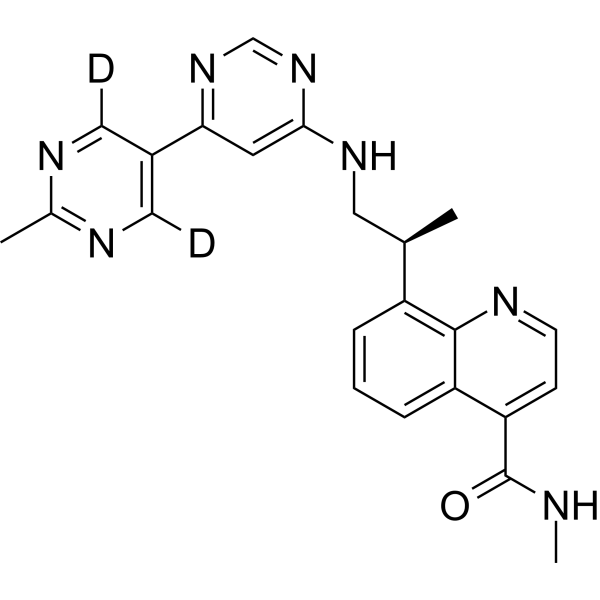
VX-984 is an orally active, potent, selective and BBB-penetrated DNA-PK inhibitor. VX-984 efficiently inhibits NHEJ (non-homologous end joining) and increases DSBs (DNA double-strand breaks). VX-984 can be used for glioblastomas (GBM) and non-small cell lung cancer (NSCLC) research. VX-984 is a de novo deuterium .
loading...
    loading...
5
5 Cited Publications
Cat. No.: HY-P9971
CAS No.: 1798286-48-2
Synonyms: SHR-1210; INCSHR1210

Target:  

PD-1/PD-L1

Research Areas:  

Cancer

Camrelizumab (SHR-1210) is a potent humanied high-affinity IgG4-κ monoclonal antibody (mAb) to PD-1. Camrelizumab binds PD-1 at a high affinity of 3 nM and inhibits the binding interaction of PD-1 and PD-L1 with an IC50 of 0.70 nM. Camrelizumab acts as anti-PD-1/PD-L1 agent and can be used for cancer research, including NSCLC, ESCC, Hodgkin lymphoma, and advanced HCC et,al .
loading...
    loading...
5
5 Cited Publications
Cat. No.: HY-151563A
Purity:  99.56%
Target:  

Deubiquitinase

Research Areas:  

Cancer

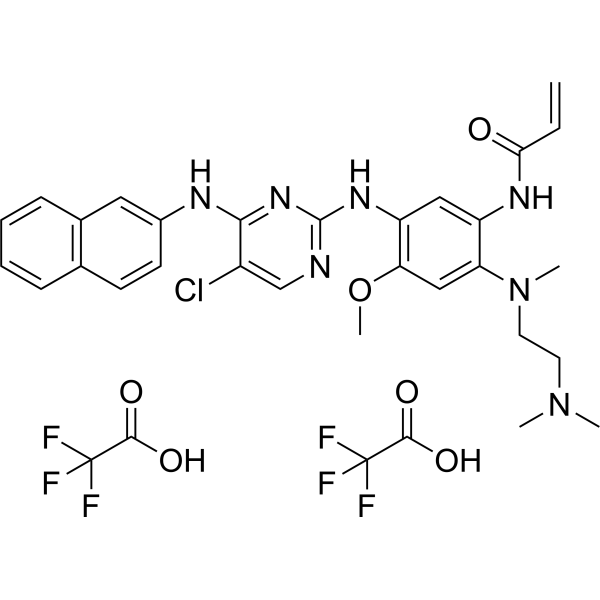
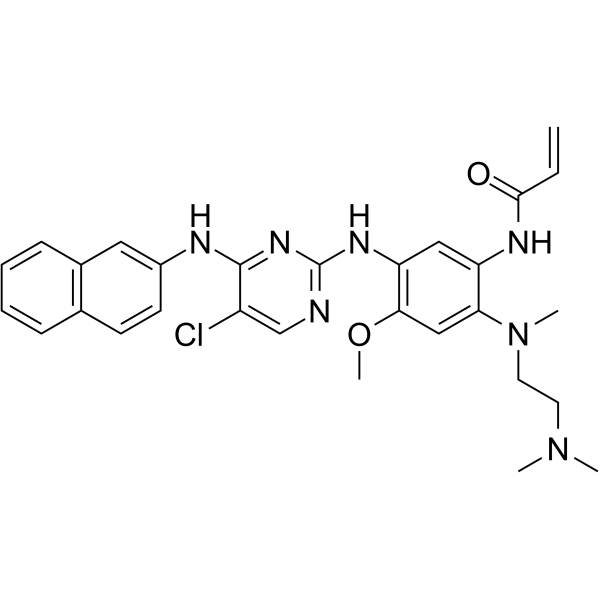
OTUB1/USP8-IN-1 TFA is the TFA salt form of OTUB1/USP8-IN-1 (HY-151563). OTUB1/USP8-IN-1 TFA is a dual inhibitor for OTUB1/USP8, IC50 for OTUB1 and USP8 is 0.17 and 0.28 nM, respectively. OTUB1/USP8-IN-1 TFA inhibits proliferation of NSCLC cells. OTUB1/USP8-IN-1 TFA exhibits good pharmacokinetic characters in ICR mouse, and exhibits antitumor activity in H1975 xenograft mouse model .
loading...
    loading...
4
4 Cited Publications
Cat. No.: HY-119307
CAS No.: 287405-51-0
Purity:  99.67%
Synonyms: TMI-005
Target:  

MMP TNF Receptor

Research Areas:  

Cancer

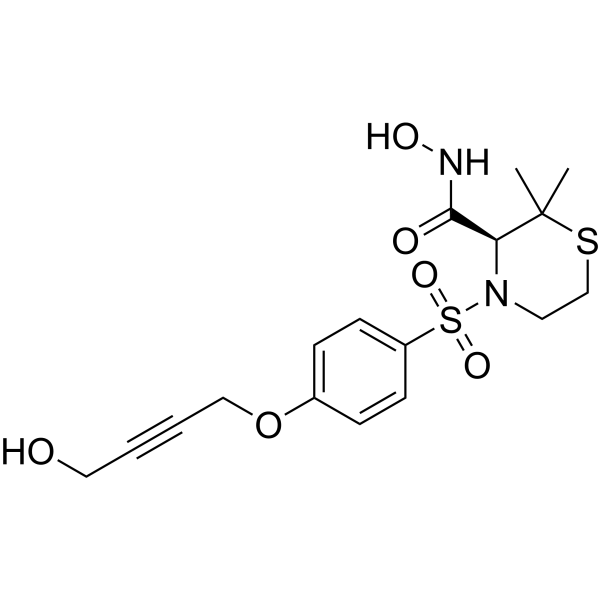
Apratastat (TMI-005) is an orally active, non-selective and reversible TACE/MMPs inhibitor, can inhibit inhibit the release of TNF-α. Apratastat has the potential to overcome radiotherapy-resistance in non-small cell lung cancer (NSCLC) . Apratastat is a click chemistry reagent, it contains an Alkyne group and can undergo copper-catalyzed azide-alkyne cycloaddition (CuAAc) with molecules containing Azide groups.
loading...
    loading...
3
3 Cited Publications
Cat. No.: HY-119182
CAS No.: 54824-17-8
Purity:  99.79%
Synonyms: NSC 300288
Target:  

DNA/RNA Synthesis

Research Areas:  

Cancer

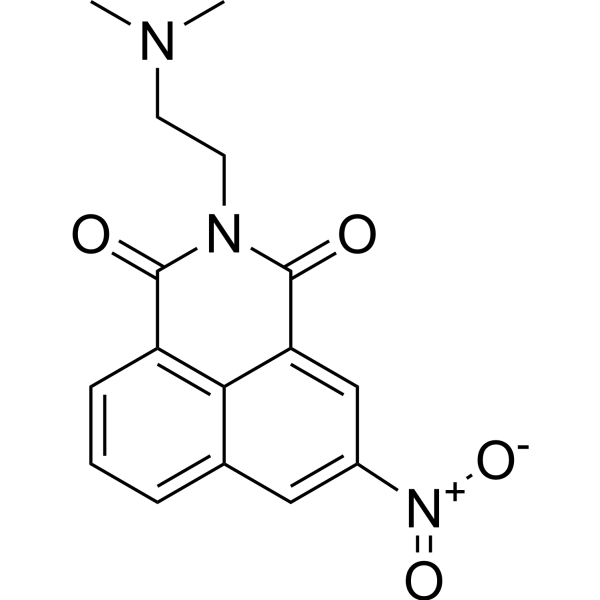
Mitonafide (NSC 300288) is a cytostatic agent. Mitonafide binds to double-stranded DNA through intercalation, and inhibits DNA and RNA synthesis. Mitonafide is an antitumor agent that can be used in the research of cancers, such as non-small cell lung cancer (NSCLC), leukemia .
loading...
    loading...
3
3 Cited Publications
Cat. No.: HY-13299
CAS No.: 1001917-37-8
Purity:  98.34%
Target:  

c-Met/HGFR

Research Areas:  

Cancer

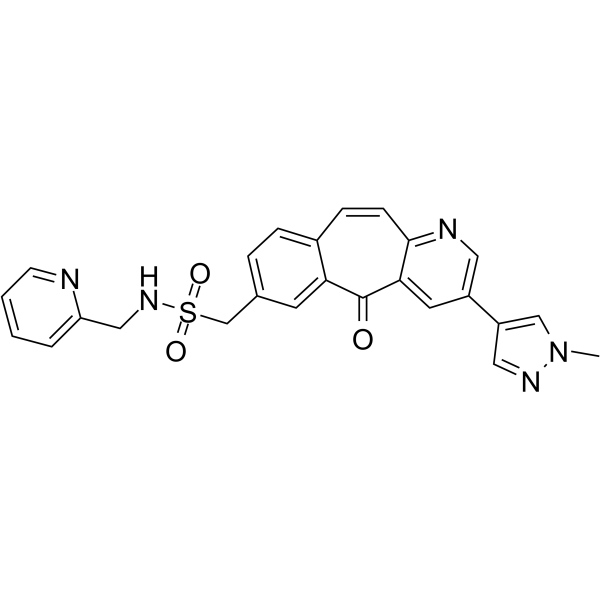
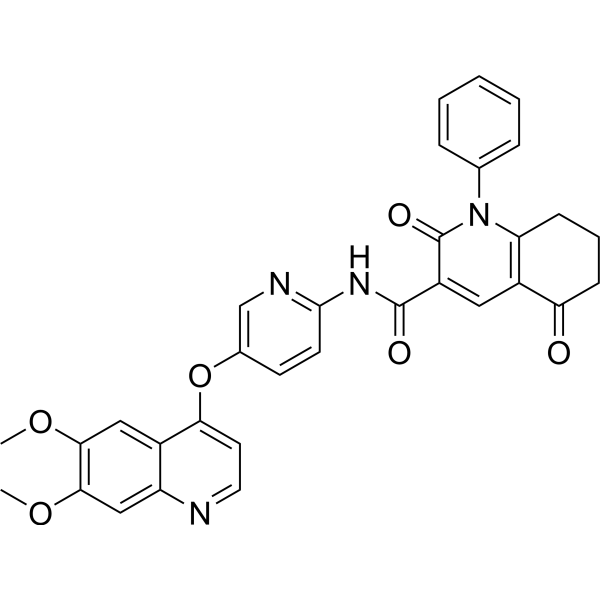
MK-8033 is an orally active ATP competitive c-Met/Ron dual inhibitor (IC50s: 1 nM (c-Met),7 nM (Ron)), with preferential binding to the activated kinase conformation. MK-8033 can be used in the research of cancers, such as breast and bladder cancers, non-small cell lung cancers (NSCLCs) .
loading...
    loading...
3
3 Cited Publications
Cat. No.: HY-13299A
CAS No.: 1283000-43-0
Purity:  99.86%
Target:  

c-Met/HGFR

Research Areas:  

Cancer

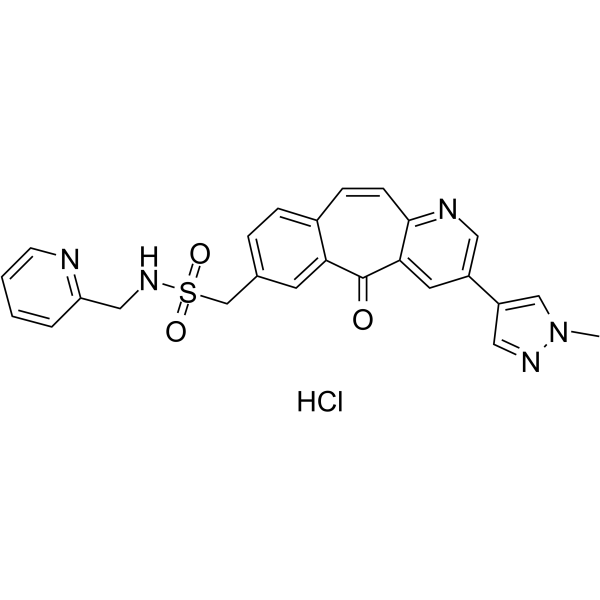
MK-8033 hydrochloride is an orally active ATP competitive c-Met/Ron dual inhibitor (IC50s: 1 nM (c-Met),7 nM (Ron)), with preferential binding to the activated kinase conformation. MK-8033 hydrochloride can be used in the research of cancers, such as breast and bladder cancers, non-small cell lung cancers (NSCLCs) .
loading...
    loading...
3
3 Cited Publications
Cat. No.: HY-110088
CAS No.: 922150-11-6
Purity:  99.73%
Target:  

MDM-2/p53

Research Areas:  

Cancer

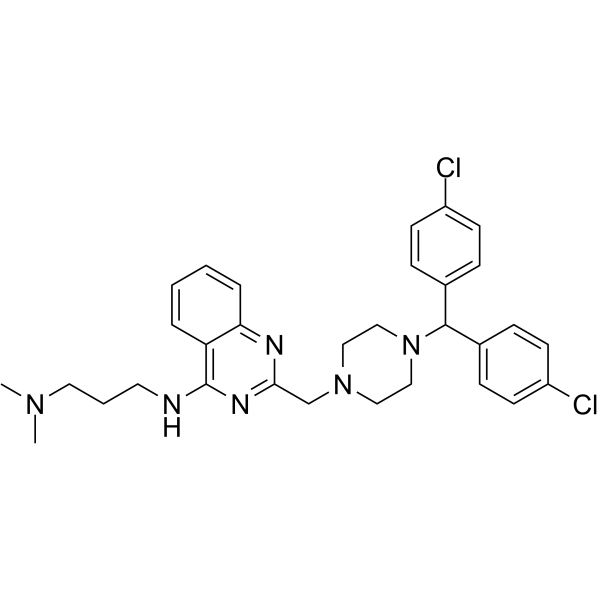
SCH529074 is a potent and orally active p53 activator. SCH529074 binds specifically and conformation-dependently to p53 DBD ( DNA binding domain) with a Ki of 1-2 μM in a saturable manner. SCH529074 restores mutant p53 function and interrupts HDM2-mediated ubiquitination of wild Type p53. SCH529074 can be used for the study of non-small-cell lung carcinoma (NSCLC) .
loading...
    loading...
3
3 Cited Publications
Cat. No.: HY-N6871
CAS No.: 514-10-3
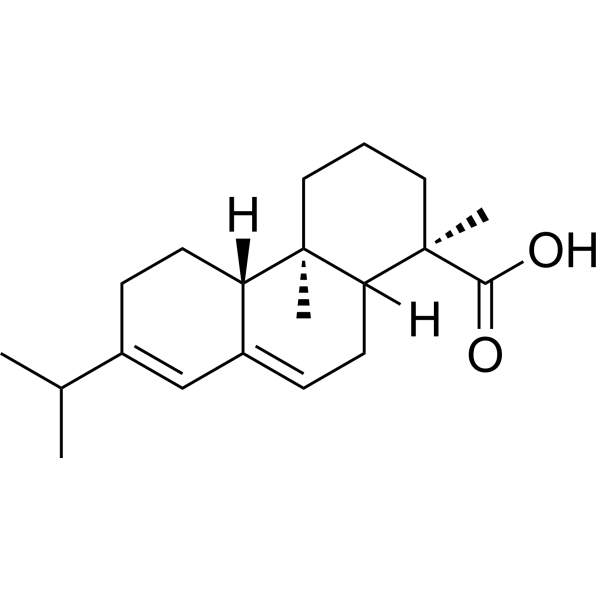
Abietic acid, an orally active diterpene isolated from Colophony, displays significant anti-proliferative, anti-inflammatory, anti-obesity effect, bacteriostatic, cell cycle arresting and pro-apoptotic activities. Abietic acid inhibits lipoxygenase activity for allergy. Abietic acid enhances cell migration and tube formation in HUVECs. Abietic acid induces significant angiogenic potential, which is associated with upregulation of extracellular signal-regulated kinase (ERK) and p38 expression. Abietic acid attenuates sepsis-induced lung injury by inhibiting nuclear factor kappa-light-chain-enhancer of activated B cells (NF-κB) pathway to inhibit M1 macrophage polarization. Abietic acid exhibits a positive effect against liver injury by attenuating inflammation and ferroptosis. Abietic acid shows accelerated wound closure in a mouse model of cutaneous wounds. Abietic acid significantly reduces the proliferation and growth of NSCLC cells by IKKβ inhibition.Additionally, Abietic acid ameliorates psoriasis-like inflammation and modulates gut microbiota in mice. Abietic acid is promising for research in non-small-cell lung cancer (NSCLC), liver injury-related deseases and psoriasis .
loading...
    loading...
3
3 Cited Publications
Cat. No.: HY-153268
CAS No.: 2607829-38-7
Purity:  99.03%
Synonyms: BDTX-1535; EGFR-IN-76
Target:  

EGFR

Silevertinib (BDTX-1535) is an irreversible, brain-penetrant, selective and orally active EGFR inhibitor with wild-type EGFR-sparing. Silevertinib targets key EGFR resistance mutations, including the kinase domain (C797S, L718Q, G724S, S768I), extracellular domain (EGFRvIII, A289X), and EGFR amplification. Silevertinib exerts anti-tumor activity with well tolerated in vivo. Silevertinib can be used for non-small cell lung cancer (NSCLC) and glioblastoma (GBM) research .
loading...
    loading...
2
2 Cited Publications
Cat. No.: HY-114358
CAS No.: 1646839-59-9
Purity:  98.59%
Synonyms: ONO-7475
Research Areas:  

Cancer

Tamnorzatinib (ONO-7475) is a potent, selective, and orally active Axl/Mer inhibitor with IC50 values of 0.7 nM and 1.0 nM, respectively. Tamnorzatinib sensitizes AXL-overexpressing EGFR-mutant NSCLC cells to the EGFR-TKIs, suppresses the emergence and maintenance of tolerant cells. Tamnorzatinib combines with Osimertinib (HY-15772) provides a bright promise for the study of EGFR-mutated non-small cell lung cancer (NSCLC).
loading...
    loading...
2
2 Cited Publications
Cat. No.: HY-19642A
CAS No.: 2319837-80-2
Synonyms: MGCD265 hydrochloride
Target:  

TAM Receptor c-Met/HGFR

Research Areas:  

Cancer

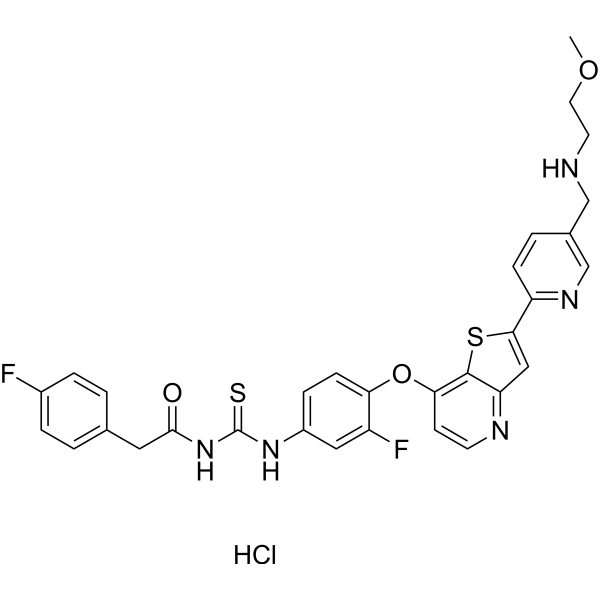
Glesatinib hydrochloride (MGCD265 hydrochloride) is an orally active, potent MET/SMO dual inhibitor. Glesatinib hydrochloride, a tyrosine kinase inhibitor, antagonizes P-glycoprotein (P-gp) mediated multidrug resistance (MDR) in non-small cell lung cancer (NSCLC) .
loading...
    loading...
2
2 Cited Publications
Cat. No.: HY-153604
CAS No.: 3034769-78-0
Purity:  98.68%
Research Areas:  

Cancer

MC4171 (compound 34) is a selective KAT8 inhibitor (IC50=8.1 µM). MC4171 has been shown to exhibit moderate micromolar antiproliferative activity in different cancer cell lines, including NSCLC and AML, with potential for studying cancer .
loading...
    loading...
2
2 Cited Publications
Cat. No.: HY-138751A
Purity:  ≥98.0%
Synonyms: ASK120067 diTFA
Target:  

EGFR

Research Areas:  

Cancer

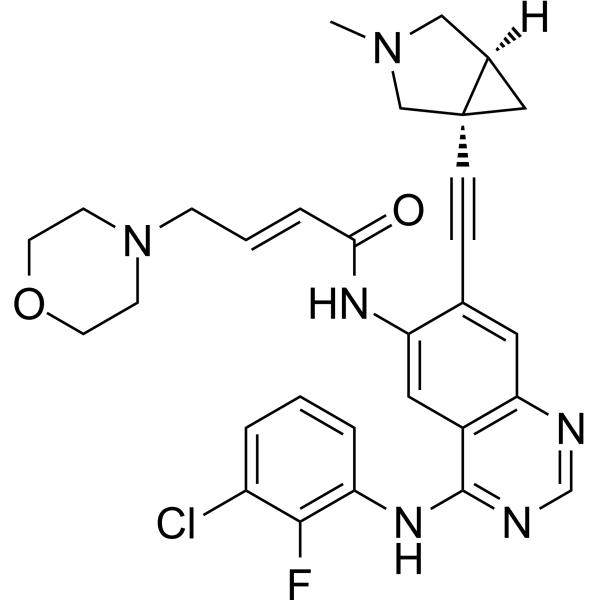
limertinib (ASK120067) diTFA is a potent and orally active inhibitor of EGFR T790M (IC50: 0.3 nM) with selectivity over EGFR WT (IC50: 6.0 nM). limertinib diTFA is a third-generation EGFR-TKI for the research of non-small cell lung cancer (NSCLC) .
loading...
    loading...
2
2 Cited Publications
Cat. No.: HY-138751
CAS No.: 1934259-00-3
Purity:  99.12%
Synonyms: ASK120067
Target:  

EGFR

Research Areas:  

Cancer

limertinib (ASK120067) is a potent and orally active inhibitor of EGFR T790M (IC50:0.3 nM) with selectivity over EGFR WT (IC50:6.0 nM). limertinib is a third-generation EGFR-TKI for the research of non-small cell lung cancer (NSCLC) .
loading...
    loading...
2
2 Cited Publications
Cat. No.: HY-114842
CAS No.: 1644626-43-6
Purity:  99.84%
Target:  

DNA/RNA Synthesis

Research Areas:  

Cancer

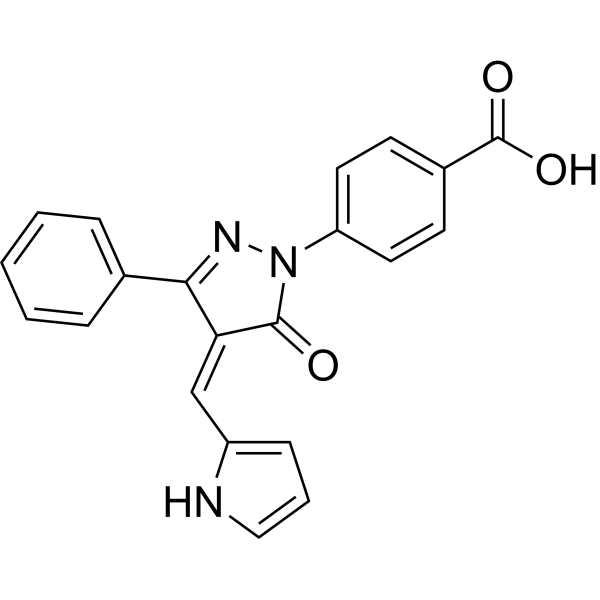
TDRL-551 is a potent replication protein A (RPA) inhibitor (IC50 = 18 µM). TDRL-551 inhibits RPA-DNA interaction and increases the anti-cancer efficacy of Platinum (Pt)-based chemotherapy. TDRL-551 can be used for the research of cancer, such as non-small cell lung cancer (NSCLC) .
loading...
    loading...
1
1 Cited Publications
Cat. No.: HY-P99269
CAS No.: 216669-97-5
Synonyms: BIBH 1; Anti-Human FAP Recombinant Antibody

Target:  

FAP

Research Areas:  

Cancer

Sibrotuzumab (BIBH 1) is a humanized IgG1 monoclonal antibody targets fibroblast activation protein (FAP). Sibrotuzumab can be used for the research of colorectal cancer and non-small cell lung cancer (NSCLC) .
loading...
    loading...
1
1 Cited Publications
Cat. No.: HY-148900
CAS No.: 1375060-02-8
Purity:  99.01%
Target:  

E1/E2/E3 Enzyme

Research Areas:  

Cancer

SCFSkp2-IN-2 (Compound AAA-237) is a Skp2 inhibitor with a KD of 28.77 μM. AAA-237 induces apoptosis of NSCLC cells and shows antitumor activities .
loading...
    loading...
1
1 Cited Publications
Cat. No.: HY-139047
CAS No.: 332063-87-3
Purity:  98.08%
Target:  

GLUT

Research Areas:  

Cancer

SW157765 is a selective non-canonical glucose transporter GLUT8 (SLC2A8) inhibitor. KRAS/KEAP1 double mutant NSCLC cells are selectively sensitive to the SW157765, due to the convergent consequences of dual KRAS and NRF2 modulation of metabolic and xenobiotic gene regulatory programs .
loading...
    loading...

