161 Results for "

Neurodegenerative Disorders

" in MedChemExpress (MCE) Product Catalog:
Products (161)

161 Results for "Neurodegenerative Disorders" in MCE Product Catalog:

1
1 Cited Publications
Cat. No.: HY-117709
CAS No.: 1404562-17-9
Purity:  98.90%
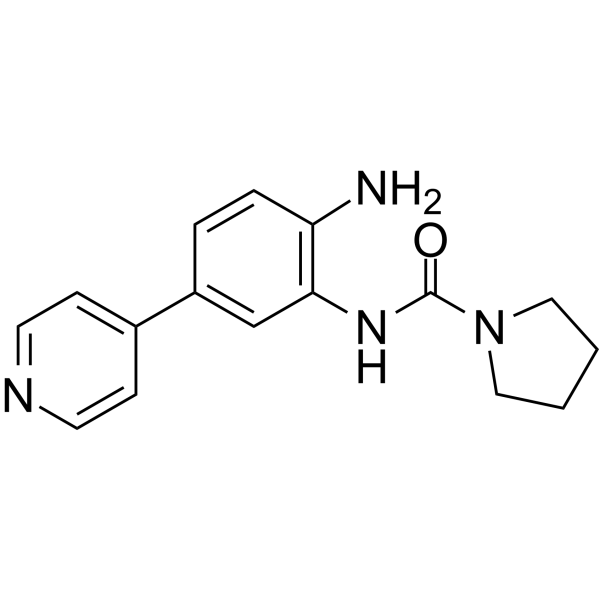
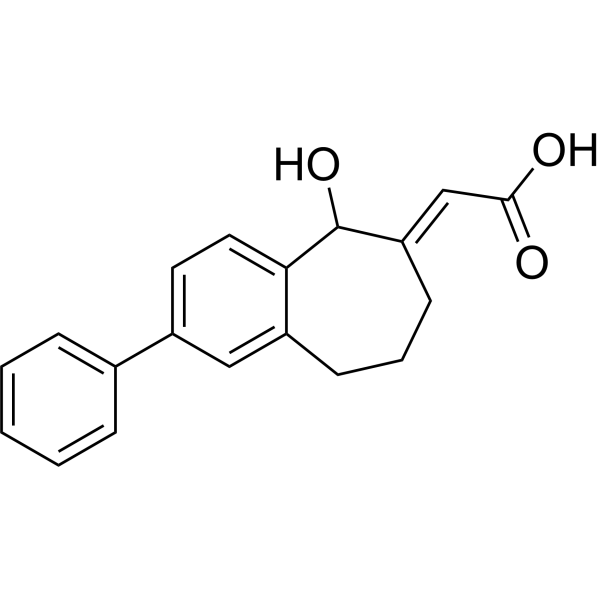
BRD6688 is a selective HDAC inhibitor with IC50 values of 21 nM and 100 nM for HDAC1 and HDAC2, respectively. BRD6688 induces histone H4K12 and H3K9 acetylation. BRD6688 decreases CK2-induced HDAC2 phosphorylation. BRD6688 induces macrophage M1 to M2 polarization and renal cell proliferation. BRD6688 is used in research on neurodegenerative diseases, acute kidney injury, pain, and anxiety disorders .
loading...
    loading...
1
1 Cited Publications
Cat. No.: HY-108359
CAS No.: 237430-03-4
Purity:  99.85%
Synonyms: 9-Nitropaullone; NSC 705701
Target:  

CDK GSK-3 Apoptosis

Research Areas:  

Cancer

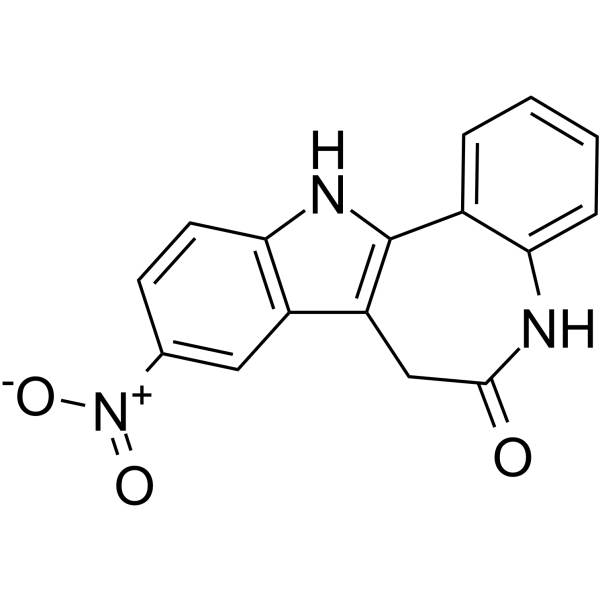
Alsterpaullone (9-Nitropaullone) is a potent CDK inhibitor, with IC50s of 35 nM, 15 nM, 200 nM and 40 nM for CDK1/cyclin B, CDK2/cyclin A, CDK2/cyclin E and CDK5/p35, respectively. Alsterpaullone also competes with ATP for binding to GSK-3alpha/GSK-3beta with IC50s of both 4 nM. Alsterpaullone has antitumor activity, and possesses potential for the study in neurodegenerative and proliferative disorders . Alsterpaullone induces apoptosis in leukemia cell line .
loading...
    loading...
1
1 Cited Publications
Cat. No.: HY-142035
CAS No.: 58160-95-5
Purity:  99.70%
N-Propargylglycine is a brain-penetrant and orally active PRODH inhibitor. N-Propargylglycine covalently modifies enzyme-bound FAD and active site lysine, causing enzyme structural distortion, protein decay, and irreversible inhibition of proline and 4-hydroxyproline catabolism. N-Propargylglycine induces UPRmt, upregulates mitochondrial chaperones and YME1L1, enhances mitochondrial proteostasis, blocks astrocytic L-proline consumption, and abolishes L-proline’s ATP-maintaining and viability-protective effects. N-Propargylglycine stimulates neural processes, increases brain proline, hydroxyproline, and sarcosine levels, partially normalizes Huntington’s disease whole brain transcriptomes. N-Propargylglycine reduces hyperoxaluria, prevents calcium oxalate stone formation, reduces kidney tubular damage, and restores weight and survival in Grhpr knockout mice. N-Propargylglycine can be used for the research of breast cancer, neurodegenerative disorders, Huntington’s disease, and primary hyperoxaluria type 2 .
loading...
    loading...
Cat. No.: HY-N1100
CAS No.: 486-64-6
Synonyms: (-)-Vasicinone
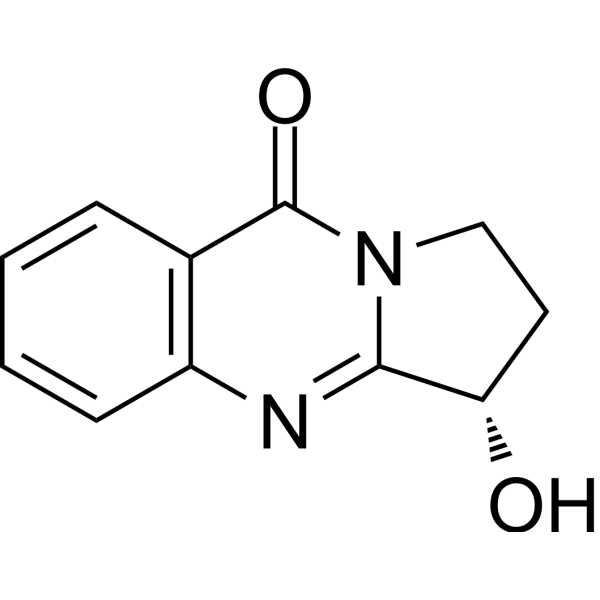
Vasicinone is a quinazoline alkaloid isolated from the Adhatoda vasica. Vasicinone is a potential agent for Parkinson's disease and possibly other oxidative stress-related neurodegenerative disorders .
loading...
    loading...
Cat. No.: HY-175748
CAS No.: 3056154-69-6
MK-7337 is an α-synuclein ligand with an affinity of < 1 nM. MK-7337 labeled with 11C can be used as a PET tracer for neurodegenerative disorders like Parkinson’s disease imagination .
loading...
    loading...
Cat. No.: HY-160236
CAS No.: 86321-32-6
Target:  

Drug Metabolite

Research Areas:  

Neurological Disease

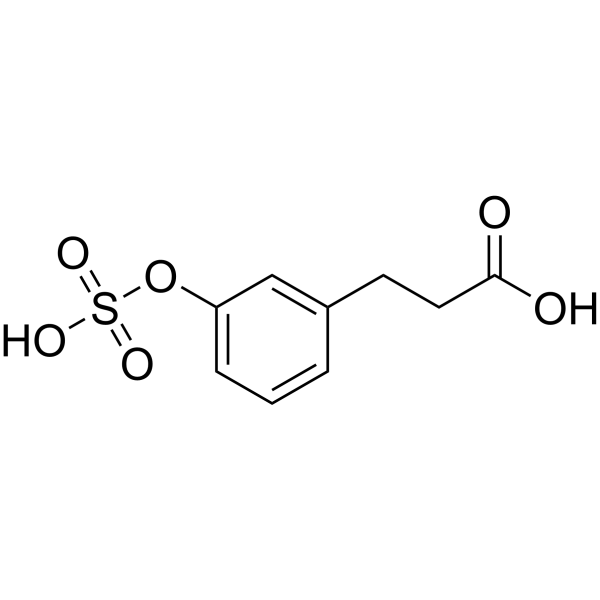
3-(3-Sulfooxyphenyl) propanoic acid is a metabolite of Echinacoside (HY-N0020). It promotes neural, psychological and brain health, enhances the proliferation, function and activity of brain cells, and facilitates extinction learning. 3-(3-Sulfooxyphenyl) propanoic acid can be used in research related to anxiety disorders, post-traumatic stress disorder, extinction learning deficits, autism, as well as neurodegenerative diseases including Parkinson's disease and Alzheimer's disease .
loading...
    loading...
Cat. No.: HY-154847
CAS No.: 1308257-47-7
Purity:  99.48%
Target:  

WDR5

WM-662 is a WDR5-MYC interaction inhibitor, with an IC50 of 18 μM. WM-662 has potential for the research of cancer, aging, and neurodegenerative disorders .
loading...
    loading...
Cat. No.: HY-153830
CAS No.: 4201-62-1
Synonyms: C16 Lactosylceramide (d18:1/16:0)
LacCer (d18:1/16:0) (C16 Lactosylceramide (d18:1/16:0)) is an endogenous bioactive sphingolipid that can form membrane microdomains with Lyn kinase and the αi subunits of inhibitory G protein-coupled receptors (GPCRs). The levels of LacCer (d18:1/16:0) are elevated in the plasma of insulin-resistant cattle. In a mouse model of Niemann-Pick type C1 disease (a neurodegenerative cholesterol-sphingolipid lysosomal storage disorder), the expression of LacCer (d18:1/16:0) is also upregulated. LacCer (d18:1/16:0) can be used in research on metabolic diseases and neurodegenerative diseases .
loading...
    loading...
Cat. No.: HY-153175
CAS No.: 924759-42-2
Purity:  99.08%
Target:  

RET

Research Areas:  

Neurological Disease

BT44 is a selective RET activator. BT44 can penetrate through the blood-brain barrier and can be used for the research of neurodegenerative disorders and diabetes mellitus .
loading...
    loading...
Cat. No.: HY-103493
CAS No.: 1476727-50-0
Purity:  99.57%
Research Areas:  

Neurological Disease

TAK-915 is a potent, selective, brain-penetrant and orally active phosphodiesterase 2A (PDE2A) inhibitor with an IC50 of 0.61 nM. TAK-915 is >4100-fold more selectivity for PDE2A than PDE1A. TAK-915 has the potential for neuropsychiatric and neurodegenerative disorders treatment .
loading...
    loading...
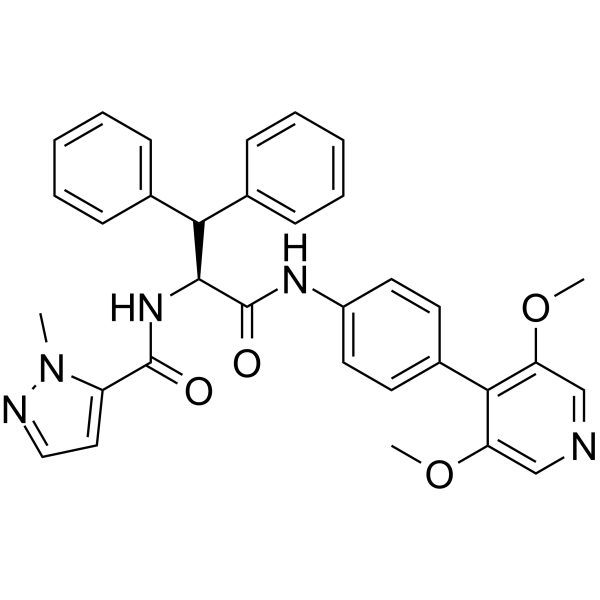
Cat. No.: HY-169003
CAS No.: 3067184-99-7
Target:  

Virus Protease

Research Areas:  

Infection Neurological Disease Cancer

STT3A/B-IN-1 is an orally active STT3A/B inhibitor with antiviral activity. STT3A/B-IN-1 upregulates DERL3 gene expression levels. STT3A/B-IN-1 is promising for research of viral diseases, including cancer and neurodegenerative disorders .
loading...
    loading...
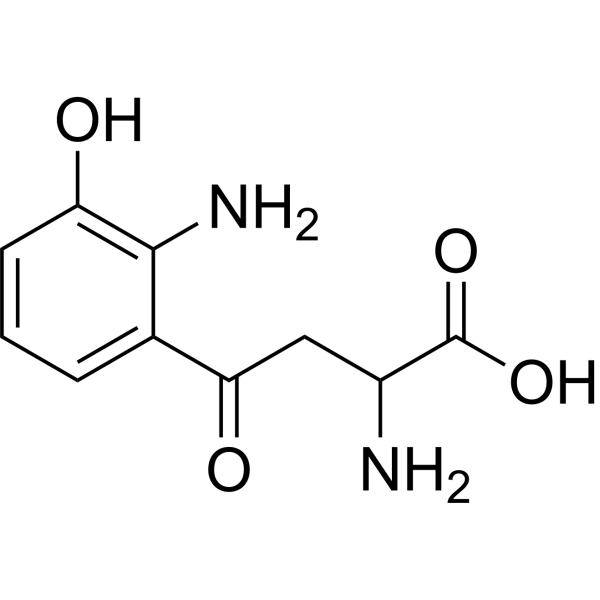
Cat. No.: HY-113294R
CAS No.: 484-78-6
Synonyms: 3-Hydroxy-DL-kynurenine (Standard)
3-Hydroxykynurenine (Standard) is the analytical standard of 3-Hydroxykynurenine. This product is intended for research and analytical applications. 3-Hydroxykynurenine, a metabolite of tryptophan, is a potential endogenous neurotoxin whose increased levels have been described in several neurodegenerative disorders. 3-Hydroxykynurenine induces neuronal apoptosis .
loading...
    loading...
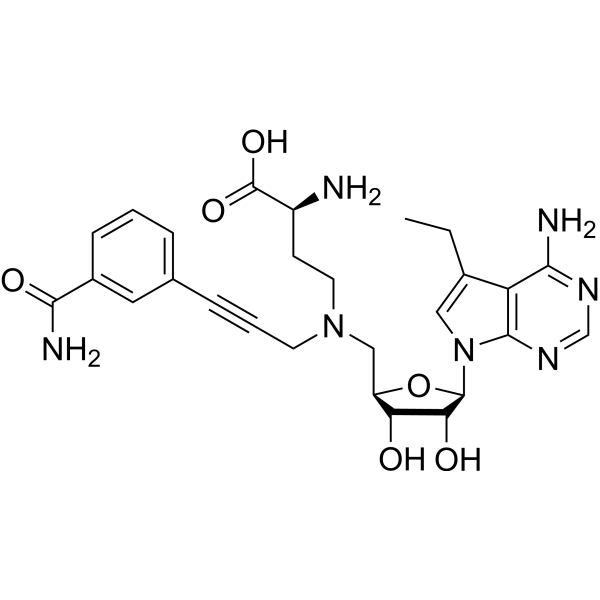
Cat. No.: HY-161316
NNMT-IN-5 (Compound 3-12) is a potent nicotinamide N-methyltransferase (NNMT) inhibitor (IC50 = 47.9 ± 0.6 nM). NNMT-IN-5 also has an excellent selectivity profile over a panel of human methyltransferases. NNMT-IN-5 can be used for the research of cancer, diabetes, metabolic disorders, and neurodegenerative diseases .
loading...
    loading...
Cat. No.: HY-151240
CAS No.: 85305-88-0
Purity:  98%
Target:  

Endogenous Metabolite

Research Areas:  

Neurological Disease

Galactosylceramide (GalC) is a galactosylceramide that has been implicated in many physiological and pathological phenomena. For example, important lysosomal storage disorders such as Gaucher disease (GD) and neurodegenerative diseases are characterized by GlcCer accumulation.
loading...
    loading...
Cat. No.: HY-101490
CAS No.: 1904611-63-7
Purity:  ≥98.0%
Research Areas:  

Neurological Disease

PDE1-IN-2 is a PDE1 inhibitor extracted from patent WO2016/55618 A1, example 31. PDE1-IN-2 has IC50 values of 6 nM, 140 nM and 164 nM for PDE1C, PDE1B and PDE1A, respectvely. PDE1-IN-2 is developed for the research of neurodegenerative disorders and psychiatric disorders .
loading...
    loading...
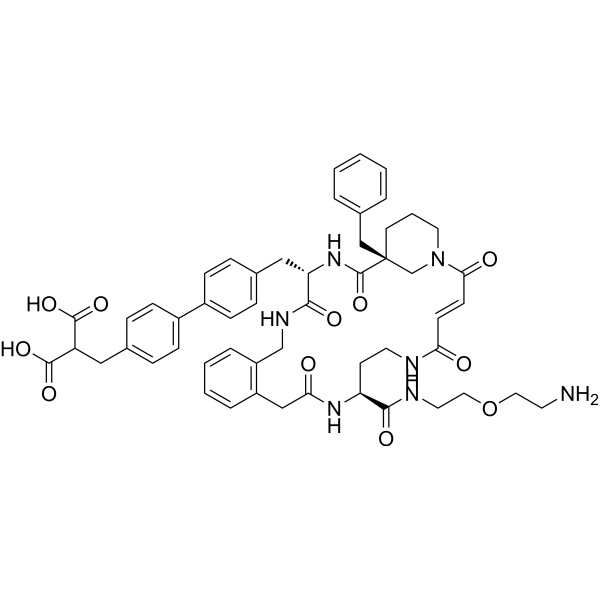
Cat. No.: HY-P991374

Target:  

Tau Protein

Research Areas:  

Neurological Disease

PNT001 is a human IgG1 monoclonal antibody (mAb) targeting cis-pT231 Tau. PNT001 can be used in Neurodegenerative disorders and Traumatic brain injuries research. Recommended isotype control: Human IgG1 kappa, Isotype Control (HY-P99001) .
loading...
    loading...
Cat. No.: HY-151487
CAS No.: 2651994-75-9
Target:  

Cyclophilin

CypD-IN-3 is a potent and subtype-selective cyclophilin D (CypD) inhibitor. CypD-IN-3 has CypD affinity with an IC50 value of 0.01 μM. CypD-IN-3 can be used for the research of several diseases including oxidative stress, neurodegenerative disorders, liver diseases, aging, autophagy and diabetes .
loading...
    loading...
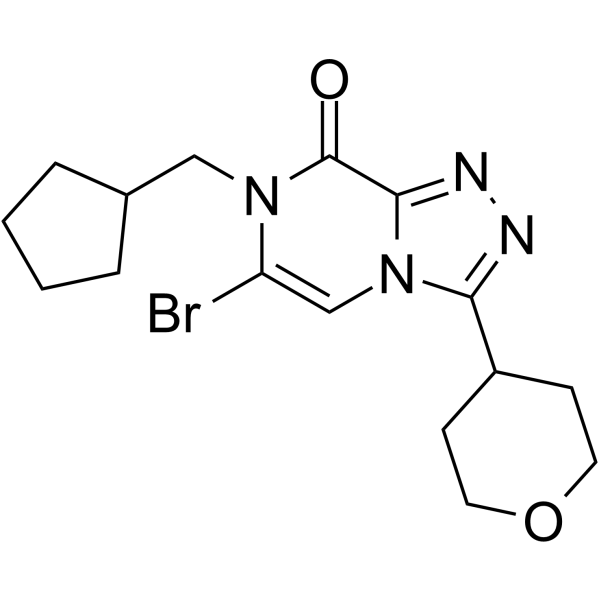
Cat. No.: HY-145430
CAS No.: 2748749-29-1
Purity:  98.80%
IL-17A modulator-1 is a IL-17A modulator, extracted from patent WO2021239743+A1, example 9. IL-17A modulator-1 inhibits the biological action of IL-17A with a pIC50 of 8.2. IL-17A modulator-1 can be used for the research of diseases or disorders associated with modulation of IL-17A activity including diseases with an immune component or autoimmune pathol, cancer and neurodegenerative disorders .
loading...
    loading...
Cat. No.: HY-151797
CAS No.: 2368927-41-5
Target:  

CaMK

Research Areas:  

Neurological Disease

Ph-HTBA is a high-affinity, brain-penetrating modulator for CaMKIIα. Ph-HTBA has binding affinity for CaMKIIα with a Kd value of 757 nM. Ph-HTBA can be used for the research of ischemia and neurodegenerative disorders .
loading...
    loading...
Cat. No.: HY-P4295
CAS No.: 71732-53-1
Synonyms: PADK
Target:  

Cathepsin γ-secretase

Research Areas:  

Neurological Disease

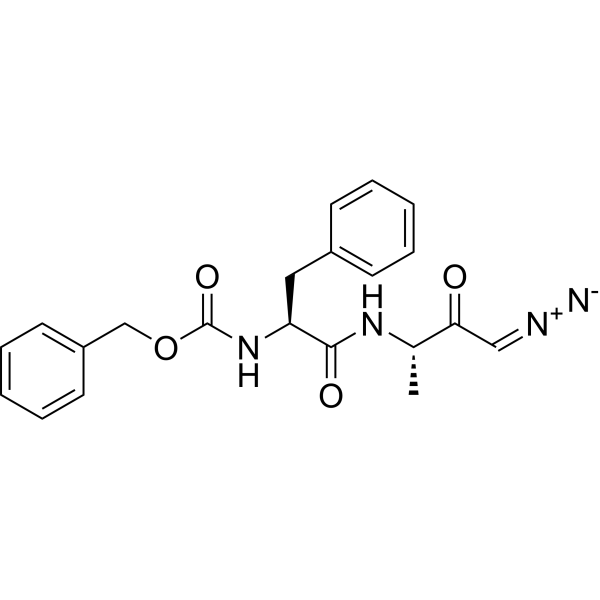
Z-Phe-Ala-diazomethylketone binds directly to Aβ42 monomers and small oligomers. Z-Phe-Ala-diazomethylketone inhibits the formation of Aβ42 dodecamers and inhibits Aβ42 fibril formation in the solution. Z-Phe-Ala-diazomethylketone has the potential for neurodegenerative disorders research .
loading...
    loading...

