79 Results for "

OATPs

" in MedChemExpress (MCE) Product Catalog:
Products (79)

79 Results for "OATPs" in MCE Product Catalog:

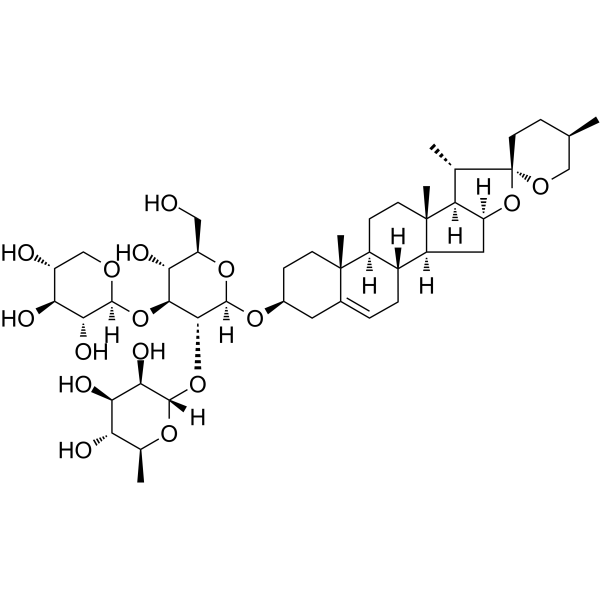
Cat. No.: HY-N3504
CAS No.: 65604-80-0
Ophiopogonin D' is a steroidal saponin and a SIRT1 activator. Ophiopogonin D' can also regulate the activities of transporters OATP1B1 and OATP1B3. Ophiopogonin D' exhibits certain toxicity to tumor cells. Ophiopogonin D' can be used in tumor research .
loading...
    loading...
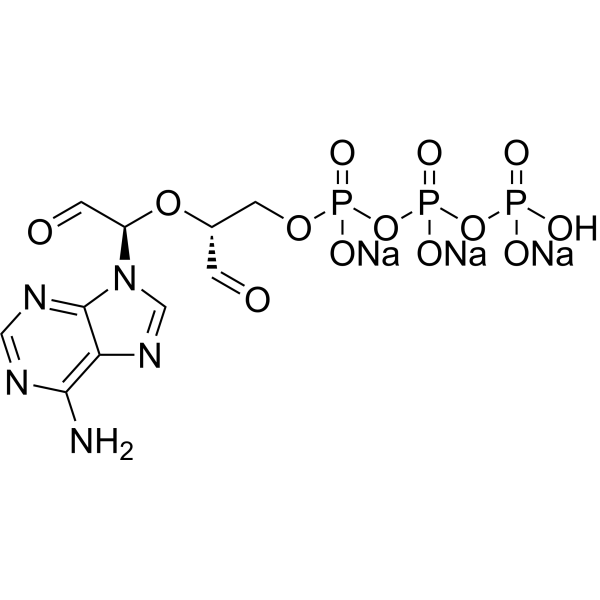
Cat. No.: HY-137888A
CAS No.: 71997-40-5
Purity:  ≥98.0%
Synonyms: oATP trisodium salt
Oxidized ATP (oATP) trisodium salt is a broad-spectrum P2 receptor inhibitor. Oxidized ATP trisodium salt irreversibly antagonizes P2X7R activation. Oxidized ATP trisodium salt inhibits c-reactive protein (CRP)-induced NLRP3 inflammasome activation. Oxidized ATP trisodium salt can be used for research of atherosclerosis .
loading...
    loading...
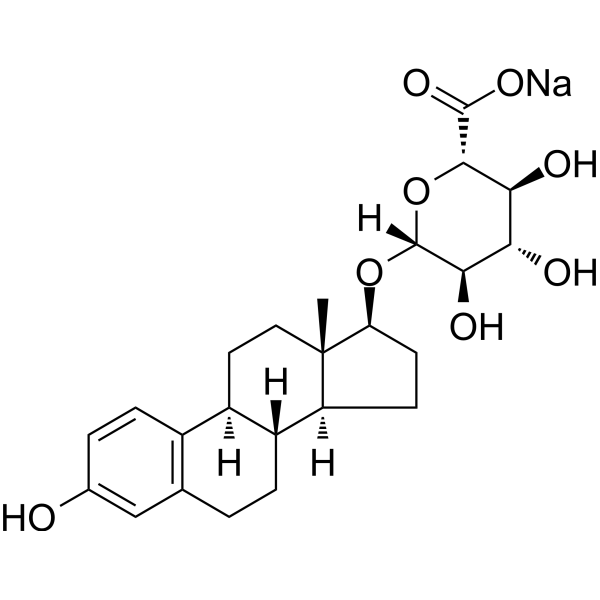
Cat. No.: HY-129987
CAS No.: 15087-02-2
Purity:  99.46%
Estradiol 17-(β-D-Glucuronide) sodium is a D-ring glucuronide metabolite of natural estrogen formed in the liver. Estradiol 17-(β-D-Glucuronide) sodium is a substrate of the organic anion-transporting polypeptide family (Oatp) and multidrug resistance-associated protein 2 (Mrp2). Estradiol 17-(β-D-Glucuronide) sodium regulates MRP8-mediated transport processes and inhibits MRP8-mediated transport of dehydroepiandrosterone 3-sulfate and taurocholic acid. Estradiol 17-(β-D-Glucuronide) sodium induces immediate, reversible reduction of bile flow and acute intrahepatic cholestasis in female rats without altering the bile acid composition in bile. Estradiol 17-(β-D-Glucuronide) sodium can be used in studies related to intrahepatic cholestasis .
loading...
    loading...
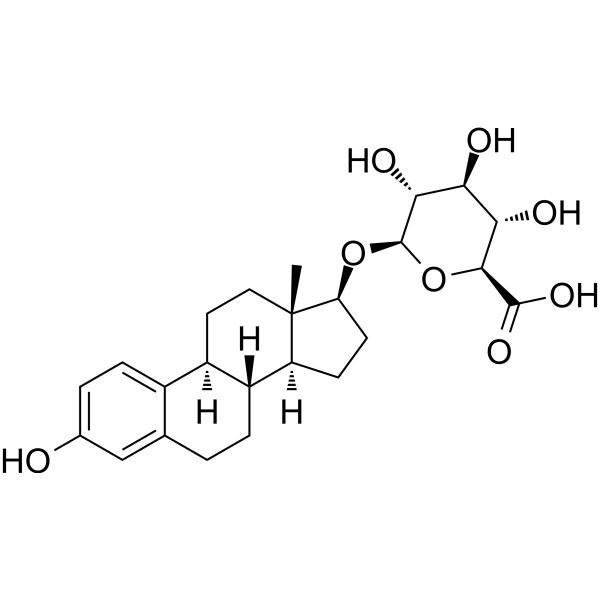
Cat. No.: HY-W353102
CAS No.: 1806-98-0
Estradiol 17-(β-D-Glucuronide) is a D-ring glucuronide metabolite of natural estrogen formed in the liver. Estradiol 17-(β-D-Glucuronide) is a substrate of the organic anion-transporting polypeptide family (Oatp) and multidrug resistance-associated protein 2 (Mrp2). Estradiol 17-(β-D-Glucuronide) regulates MRP8-mediated transport processes and inhibits MRP8-mediated transport of dehydroepiandrosterone 3-sulfate and taurocholic acid. Estradiol 17-(β-D-Glucuronide) induces immediate, reversible reduction of bile flow and acute intrahepatic cholestasis in female rats without altering the bile acid composition in bile. Estradiol 17-(β-D-Glucuronide) can be used in studies related to intrahepatic cholestasis .
loading...
    loading...
Cat. No.: HY-126848
CAS No.: 64118-81-6
Purity:  95.6%
Synonyms: D-1-O-G
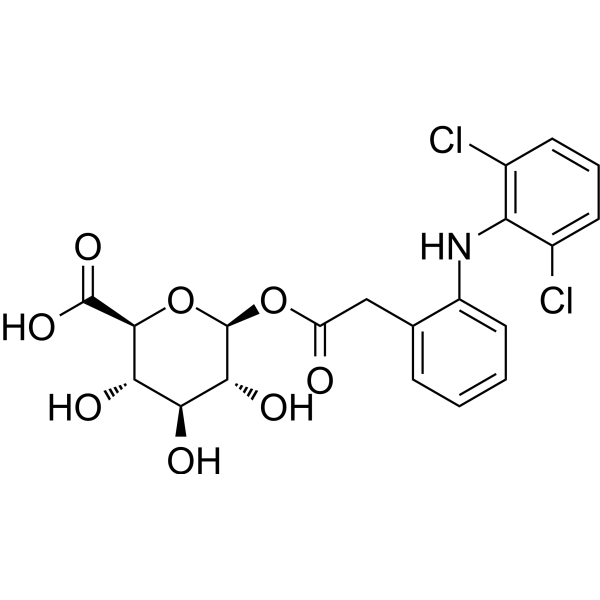
Diclofenac acyl glucuronide (D-1-O-G) is an orally active glucuronide metabolite of Diclofenac (HY-15036). Diclofenac acyl glucuronide exhibits SOD inhibitory activity, COX-1 inhibitory activity (IC50 = 0.620 μM), and COX-2 inhibitory activity (IC50 = 2.91 μM). Diclofenac acyl glucuronide induces reactive oxygen species (ROS) production and acts as a substrate of OATP2B1. Diclofenac acyl glucuronide induces small intestinal ulcers . Diclofenac acyl glucuronide can be used in research related to intestinal diseases and small intestinal ulcers .
loading...
    loading...
Cat. No.: HY-113293BS1
CAS No.: 285979-80-8
Purity:  99.38%
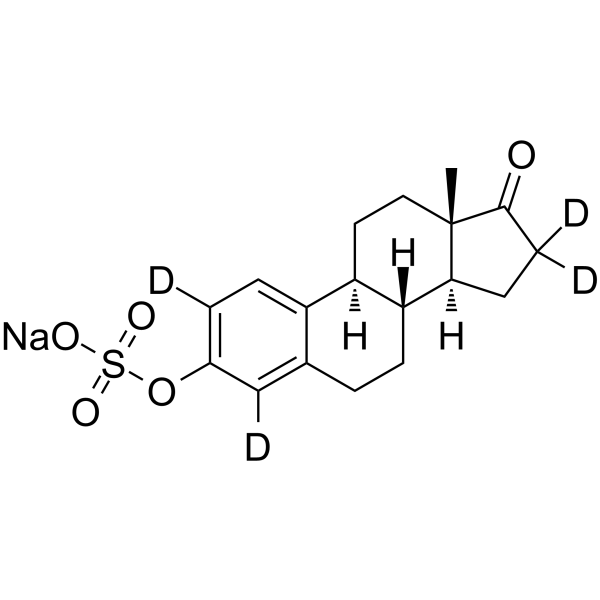
Estrone sulfate-d4 sodium is the deuterium labeled Estrone sulfate sodium (HY-113293B). Estrone sulfate sodium is an inactive endogenous estrogen that can be converted into Estrone (HY-B0234) and Estradiol (HY-B0141). Estrone sulfate sodium is also a substrate of the OATP1B3 transporter. Estrone sulfate sodium can be converted into Estrone and Estradiol in normal mammary parenchymal cells. Estrone sulfate sodium stimulates the growth of nitrosomethylurea-induced mammary tumors in ovariectomized rats and the colony formation of dispersed nitrosomethylurea mammary cells, with conversion into Estrone and Estradiol occurring both in vivo and in vitro during this process. Estrone sulfate sodium is applicable to breast cancer-related research .
loading...
    loading...
Cat. No.: HY-B1361
CAS No.: 7280-37-7
Synonyms: Piperazine estrone sulfate; Estrone sulfate piperazine salt
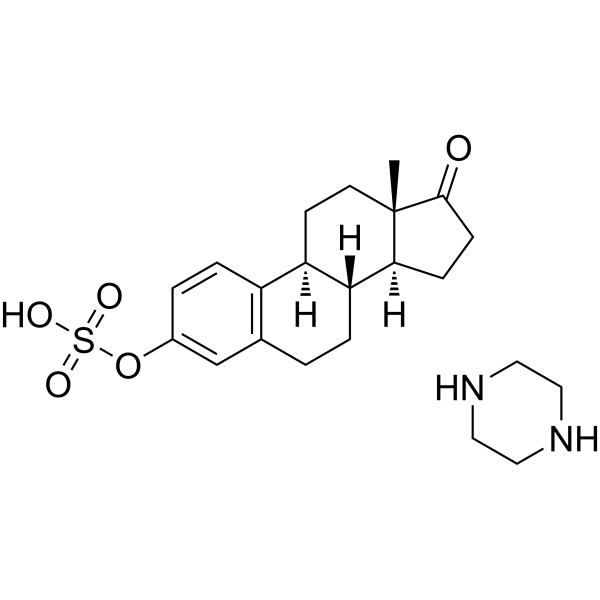
Estropipate (Piperazine estrone sulfate; Estrone sulfate piperazine salt) is an inactive endogenous estrogen that can be converted into Estrone (HY-B0234) and Estradiol (HY-B0141). Estropipate is an orally active estrogen receptor α agonist and a selective OATP1B1 inhibitor. Estropipate inhibits OATP1B1-mediated uptake of statin substrates. Estropipate regulates the estrogen signaling pathway and ameliorates sensory processing and arousal-related behavioral deficits in scn1lab-mutant zebrafish. Estropipate can be used in studies related to autism .
loading...
    loading...
Cat. No.: HY-128828
CAS No.: 265989-46-6
Purity:  98.01%
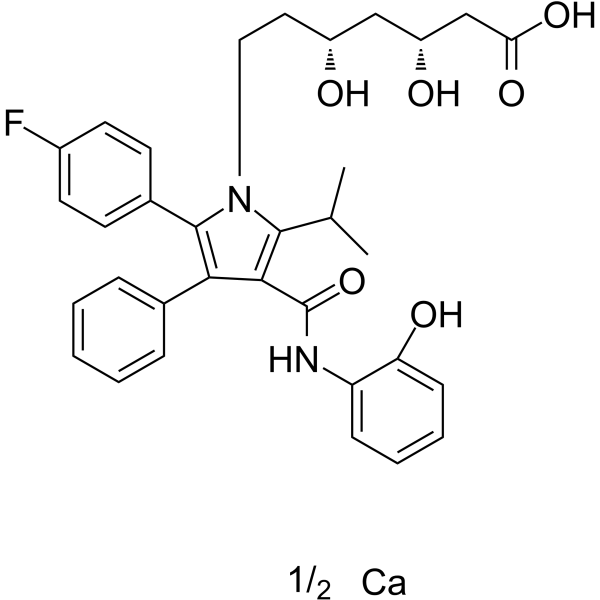
2-Hydroxy atorvastatin calcium salt is an orally active OATP1B1 substrate and inhibitor of 3-hydroxy-3-methylglutaryl-coenzyme A reductase (3-hydroxy-3-methylglutaryl-coenzyme A reductase). 2-Hydroxy atorvastatin calcium salt enters cells via OATP1B1-mediated cellular uptake and inhibits de novo hepatic cholesterol synthesis. As an active metabolite of Atorvastatin (HY-B0589), 2-Hydroxy atorvastatin calcium salt contributes to the inhibitory activity against plasma HMG-CoA reductase. 2-Hydroxy atorvastatin calcium salt can be biotransformed into an inactive lactone form, which can be hydrolyzed back to its active acid form chemically or enzymatically. 2-Hydroxy atorvastatin (calcium salt) can be used in the research of hypercholesterolemia .
loading...
    loading...
Cat. No.: HY-W002438
CAS No.: 2380-86-1
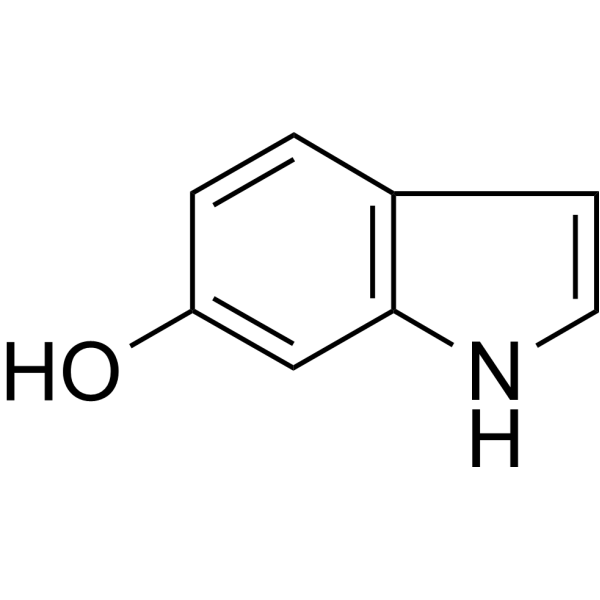
6-Hydroxyindole is an orally active, endogenous long-acting OATP1B1 inhibitor. 6-Hydroxyindole does not alter the cell surface expression or subcellular localization of OATP1B1. 6-Hydroxyindole protects cells against Ferroptosis. 6-Hydroxyindole possesses intrinsic radical-trapping antioxidant activity. 6-Hydroxyindole serves as a component of oxidative hair dyes. 6-Hydroxyindole can be used in research related to renal failure and neurodegenerative diseases .
loading...
    loading...
Cat. No.: HY-12008R
CAS No.: 183319-69-9
Synonyms: CP-358774 hydrochloride (Standard); NSC 718781 hydrochloride (Standard); OSI-774 hydrochloride (Standard)
Erlotinib Hydrochloride Standard (CP-358774 hydrochloride Standard) is the analytical standard of Erlotinib Hydrochloride (HY-12008). This product is intended for research and analytical applications. Erlotinib (CP-358774) Hydrochloride is a selective, orally active EGFR tyrosine kinase inhibitor. Erlotinib Hydrochloride also acts as a substrate and inhibitor of OATP2B1, with an IC50 of approximately 0.079 μM for inhibiting OATP2B1-mediated uptake of estrone 3-sulfate. Erlotinib Hydrochloride blocks EGFR phosphorylation, downstream signal transduction, as well as the growth and proliferation of cancer cells. Erlotinib Hydrochloride inhibits MMP-10-mediated renal injury, fibrotic lesions, the ERK1/2, GSK-3β and β-catenin signaling pathways, as well as the deposition of fibronectin, α-SMA, collagen and renal injury markers. Erlotinib Hydrochloride is metabolized via CYP3A to produce the active metabolite OSI-420. Erlotinib Hydrochloride can be used in research related to non-small cell lung cancer, gastric cancer, papillary renal cell carcinoma, EGFR inhibitor resistance and renal fibrosis .
loading...
    loading...
Cat. No.: HY-50896S
CAS No.: 1034651-23-4
Synonyms: CP-358774-d6; NSC 718781-d6; OSI-774-d6
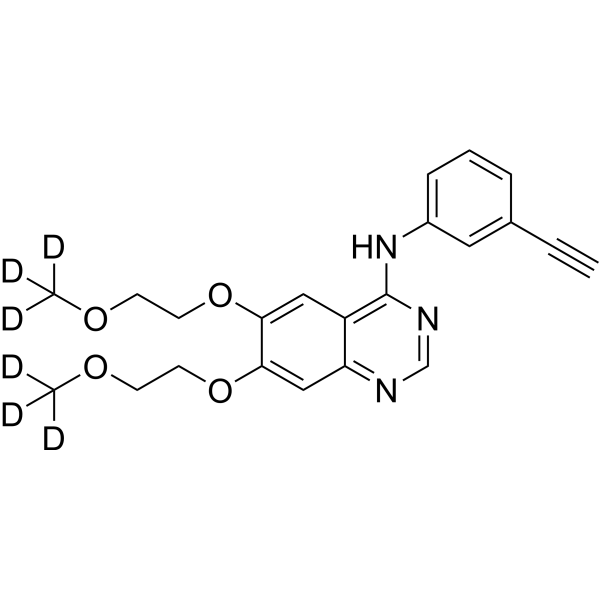
Erlotinib-d6 (CP-358774-d6) is the deuterated-labeled Erlotinib (HY-50896). Erlotinib (CP-358774) is a selective, orally active EGFR tyrosine kinase inhibitor. Erlotinib also acts as a substrate and inhibitor of OATP2B1, with an IC50 of approximately 0.079 μM for inhibiting OATP2B1-mediated uptake of estrone 3-sulfate. Erlotinib blocks EGFR phosphorylation, downstream signal transduction, as well as the growth and proliferation of cancer cells. Erlotinib inhibits MMP-10-mediated renal injury, fibrotic lesions, the ERK1/2, GSK-3β and β-catenin signaling pathways, fibronectin, α-SMA, collagen deposition, and renal injury markers. Erlotinib is metabolized via CYP3A to produce the active metabolite OSI-420. Erlotinib can be used in research related to non-small cell lung cancer, gastric cancer, papillary renal cell carcinoma, pancreatic cancer, renal fibrosis, and other conditions .
loading...
    loading...
Cat. No.: HY-10465R
CAS No.: 1009119-65-6
Synonyms: BMS-790052 dihydrochloride (Standard); EBP 883 dihydrochloride (Standard)
Target:  

Reference Standards HCV

Research Areas:  

Infection

Daclatasvir (dihydrochloride) (Standard) is the analytical standard of Daclatasvir (dihydrochloride). This product is intended for research and analytical applications. Daclatasvir dihydrochloride (BMS-790052 dihydrochloride) is a potent and orally active HCV NS5A protein inhibitor with EC50s range of 9-146 pM for multiple HCV replicon genotypes. Daclatasvir dihydrochloride is also an organic anion transporting polypeptide 1B (OATP1B) and OATP1B3 inhibitor with IC50s of 1.5 µM and 3.27 µM, respectively .
loading...
    loading...
Cat. No.: HY-12008S1
CAS No.: 1210610-07-3
Synonyms: CP-358774-13C6 hydrochloride; NSC 718781-13C6 hydrochloride; OSI-774-13C6 hydrochloride
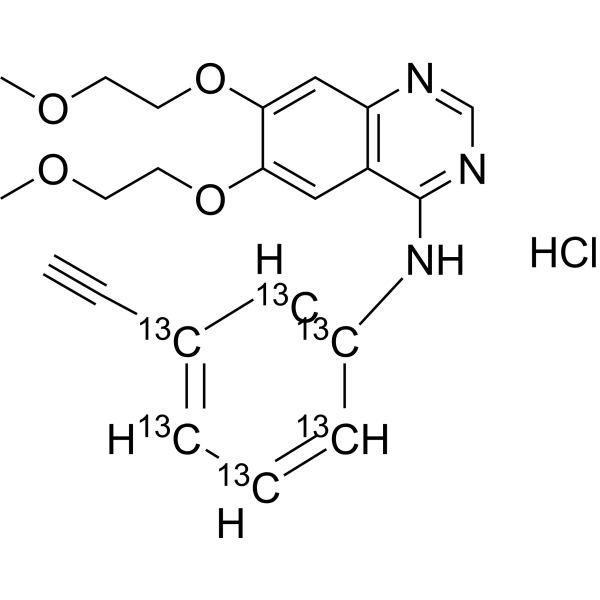
Erlotinib- 13C6 hydrochloride (CP-358774- 13C6 hydrochloride) is the 13C-labeled Erlotinib Hydrochloride (HY-12008). Erlotinib (CP-358774) Hydrochloride is a selective, orally active EGFR tyrosine kinase inhibitor. Erlotinib Hydrochloride also acts as a substrate and inhibitor of OATP2B1, with an IC50 of approximately 0.079 μM for inhibiting OATP2B1-mediated uptake of estrone 3-sulfate. Erlotinib Hydrochloride blocks EGFR phosphorylation, downstream signal transduction, as well as the growth and proliferation of cancer cells. Erlotinib Hydrochloride inhibits MMP-10-mediated renal injury, fibrotic lesions, the ERK1/2, GSK-3β and β-catenin signaling pathways, as well as the deposition of fibronectin, α-SMA, collagen and renal injury markers. Erlotinib Hydrochloride is metabolized via CYP3A to produce the active metabolite OSI-420. Erlotinib Hydrochloride can be used in research related to non-small cell lung cancer, gastric cancer, papillary renal cell carcinoma, EGFR inhibitor resistance and renal fibrosis .
loading...
    loading...
Cat. No.: HY-156701
CAS No.: 1428988-21-9
Research Areas:  

Endocrinology

BAY-1128688 is a selective, orally active aldo-keto reductase family 1 member C3 (AKR1C3) inhibitor with an IC50 of 1.4 nM. BAY-1128688 inhibits OATP, BSEP, MRP4, NTCP, UGT1A1, MRP2, and MRP3. BAY-1128688 induces reactive oxygen species (ROS) production, inhibits the mitochondrial electron transport chain, and increases circulating androsterone, etiocholanolone, dihydrotestosterone, and serum bilirubin concentrations. BAY-1128688 alters bilirubin disposition, leading to elevated plasma bilirubin, independent of liver injury. BAY-1128688 can be used in research on endometriosis and polycystic ovary syndrome .
loading...
    loading...
Cat. No.: HY-119695B
CAS No.: 530112-57-3
Synonyms: Tenivastatin calcium hydrate
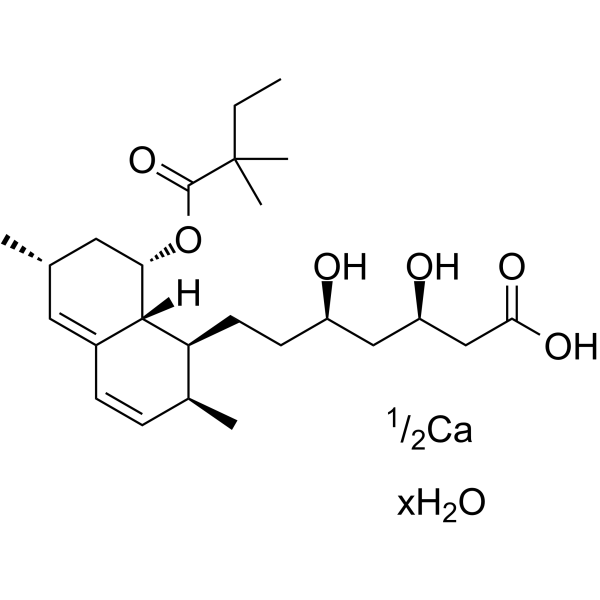
Simvastatin acid (Tenivastatin) calcium hydrate is a potent HMG-CoA reductase (HMGCR) inhibitor. Simvastatin acid calcium hydrate reduces Indoxyl sulfate-mediated reactive oxygen species (ROS) production in human cardiomyocytes. Simvastatin acid calcium hydrate can also modulates OATP3A1 expression in cardiomyocytes and HEK293 cells transfected with the OATP3A1 gene .
loading...
    loading...
Cat. No.: HY-12008A
CAS No.: 248594-19-6
Synonyms: CP-358774 mesylate; NSC 718781 mesylate; OSI-774 mesylate
Target:  

EGFR OAT ERK GSK-3 β-catenin

Research Areas:  

Endocrinology Cancer

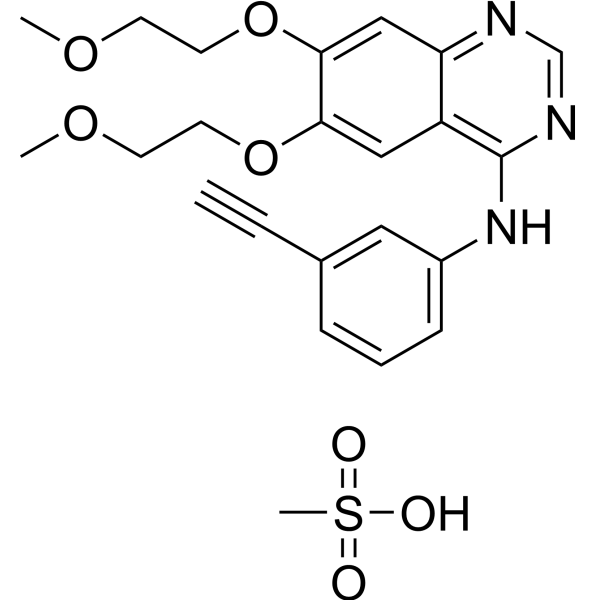
Erlotinib (CP-358774) mesylate is a selective, orally active EGFR tyrosine kinase inhibitor. Erlotinib mesylate also acts as a substrate and inhibitor of OATP2B1, with an IC50 of approximately 0.079 μM for inhibiting OATP2B1-mediated uptake of estrone 3-sulfate. Erlotinib mesylate blocks EGFR phosphorylation, downstream signal transduction, as well as the growth and proliferation of cancer cells. Erlotinib mesylate inhibits MMP-10-mediated renal injury, fibrotic lesions, the ERK1/2, GSK-3β and β-catenin signaling pathways, as well as the deposition of fibronectin, α-SMA, collagen and renal injury markers. Erlotinib mesylate is metabolized via CYP3A to produce the active metabolite OSI-420. Erlotinib mesylate can be used in research related to non-small cell lung cancer, gastric cancer, papillary renal cell carcinoma, EGFR inhibitor resistance and renal fibrosis .
loading...
    loading...
Cat. No.: HY-16443
CAS No.: 173534-37-7
Target:  

OAT

Research Areas:  

Metabolic Disease

S-4048 is a glucose-6-phosphate translocase modulator and hypoglycemic agent. S-4048 is taken up by hepatocytes via OATP-1 and is rapidly eliminated via the hepatobiliary system in rats. S-4048 blocks glucose-6-phosphate translocase, prevents glucose-6-phosphate from entering the endoplasmic reticulum, and thereby interferes with the glucose-6-phosphatase system (i.e., the final step of hepatic gluconeogenesis and glycogenolysis) to regulate hepatic glucose production. S-4048 completely inhibits glucose production from pyruvate in GLUT2-deficient hepatocytes without affecting the release of cytoplasmic glucose. S-4048 effectively reduces blood glucose levels in rats and has been used in studies related to type 2 diabetes .
loading...
    loading...
Cat. No.: HY-113293
CAS No.: 481-97-0
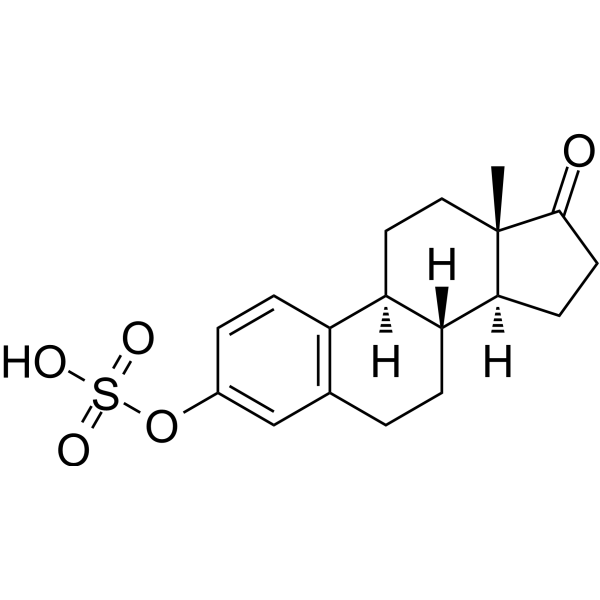
Estrone sulfate is an inactive endogenous estrogen that can be converted into Estrone (HY-B0234) and Estradiol (HY-B0141). Estrone sulfate is also a substrate of the OATP1B3 transporter. Estrone sulfate can be converted into Estrone and Estradiol in normal mammary parenchymal cells. Estrone sulfate stimulates the growth of nitrosomethylurea-induced mammary tumors in ovariectomized rats and the colony formation of dispersed nitrosomethylurea mammary cells, with conversion into Estrone and Estradiol occurring both in vivo and in vitro during this process. Estrone sulfate is applicable to breast cancer-related research .
loading...
    loading...
Cat. No.: HY-W016415
CAS No.: 612-37-3
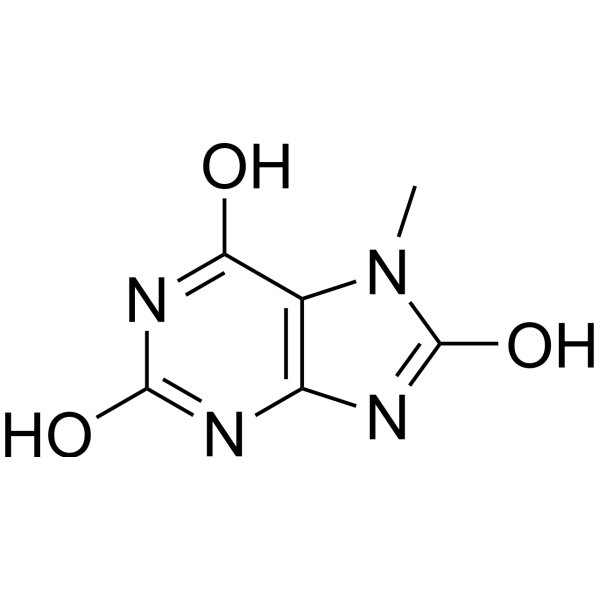
7-Methyluric acid is a methylated purine metabolite of Theobromine (HY-N0138) and Caffeine. 7-Methyluric acid is a substrate of OAT1 (SLC22A6) and OAT3 (SLC22A8). 7-Methyluric acid is not transported by OATP1B1, OATP1B3, OCT2, MATE1, or P-glycoprotein. 7-Methyluric acid can be used in studies on urolithiasis .
loading...
    loading...
Cat. No.: HY-B0804R
CAS No.: 42200-33-9
Synonyms: SQ-11725 (Standard)
Nadolol (Standard) is the analytical standard of Nadolol. This product is intended for research and analytical applications. Nadolol (SQ-11725) is a non-selective and orally active β-adrenergic receptors blocker and is a substrate of organic anion transporting polypeptide 1A2 (OATP1A2). Nadolol has the the potential for high blood pressure, angina pectoris and vascular headaches research .
loading...
    loading...

