123 Results for "

Polyphenols

" in MedChemExpress (MCE) Product Catalog:
Products (123)

123 Results for "Polyphenols" in MCE Product Catalog:

1
1 Cited Publications
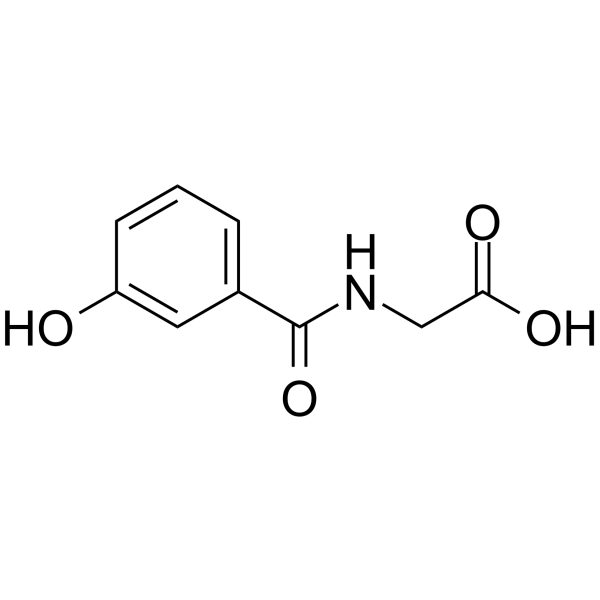
Cat. No.: HY-113085
CAS No.: 1637-75-8
Purity:  99.83%
3-Hydroxyhippuric acid is an acylglycine. 3-Hydroxyhippuric acid inhibits kynureninase (Ki=60 μM). The concentration of 3-Hydroxyhippuric acid in autistic experimental groups is higher than that in control groups. 3-Hydroxyhippuric acid is a biomarker for Clostridium and is positively correlated with the content of Clostridium. 3-Hydroxyhippuric acid is one of the major metabolites of catechin-rich and wine polyphenol-rich diets. 3-Hydroxyhippuric acid can be used in the research of neurodegenerative diseases and autism spectrum disorders .
loading...
    loading...
1
1 Cited Publications
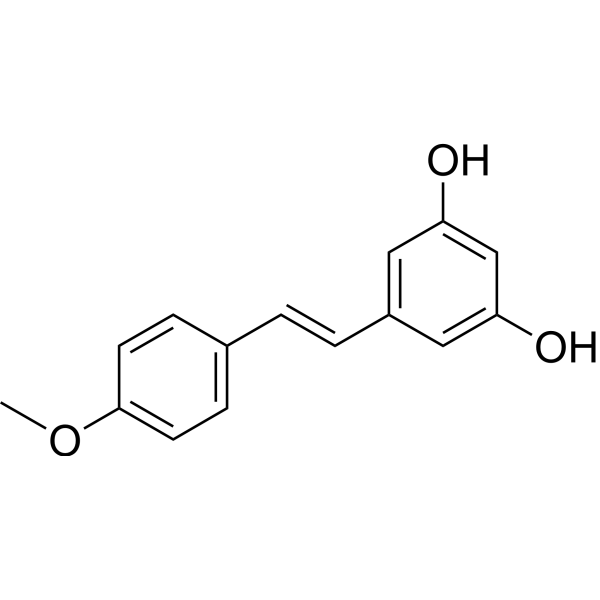
Cat. No.: HY-N2485
CAS No.: 33626-08-3
Synonyms: 4'-O-Methylresveratrol
4'-Methoxyresveratrol (4'-O-Methylresveratrol) is a polyphenol derived from Dipterocarpaceae, with antiandrogenic, antifungal and anti-inflammatory activities. 4'-Methoxyresveratrol alleviates AGE-induced inflammation through suppressing RAGE-mediated MAPK/NF-κB signaling pathway and NLRP3 inflammasome activation .
loading...
    loading...
1
1 Cited Publications
Cat. No.: HY-W016562R
CAS No.: 495-69-2
Synonyms: Benzoylglycine (Standard)
Hippuric acid (Standard) is the analytical standard of Hippuric acid. This product is intended for research and analytical applications. Hippuric Acid is an orally active metabolite. Hippuric Acid can be produced by intestinal microorganisms from the metabolism of polyphenols, benzoic acid. Hippuric Acid decreases NRF2, MMP9 and leads to ROS accumulation. Hippuric Acid activates TGFβ/SMAD signaling. Hippuric Acid improves hyperuricemia and colitis. Hippuric Acid can also be used in cardiovascular disease research . .
loading...
    loading...
1
1 Cited Publications
Cat. No.: HY-135115
CAS No.: 31773-95-2
Purity:  95.16%
Synonyms: 3,4-DHPEA-EA
Oleuropein Aglycone (3,4-DHPEA-EA) is a polyphenol and the aglycone form of oleuropein (HY-N0292), formed by enzymatic, acidic or acetylated hydrolysis of oleuropein. Dietary intake of oleuropein Aglycone (50 mg/kg diet) increases the number of neuronal autophagic vesicles, reverses cognitive deficits in the TgCRND8 transgenic mouse model of Alzheimer's disease, and reduces the levels of histone deacetylase 2 (HDAC2) in the cortex and hippocampus. Oleuropein Aglycone increases urinary norepinephrine, interscapular brown adipose tissue epinephrine, and UCP1 protein levels, and reduced plasma leptin levels and total abdominal adipose tissue weight in a rat model of high-fat diet-induced obesity. Oleuropein Aglycone also reduced lung neutrophil infiltration, lipid peroxidation, and IL-1β levels in a mouse model of carrageenan-induced pleurisy.
loading...
    loading...
Cat. No.: HY-125860
CAS No.: 9002-10-2
Synonyms: Polyphenol oxidase
Target:  

Tyrosinase

Tyrosinase (EC 1.14.18.1) (Polyphenol oxidase) is a rate-limiting enzyme that controls the production of melanin. Tyrosinase is mainly found in melanosomes synthesized by skin melanocytes. Tyrosinase can be used in research on Parkinson's disease, melanoma and pigmentation .
loading...
    loading...
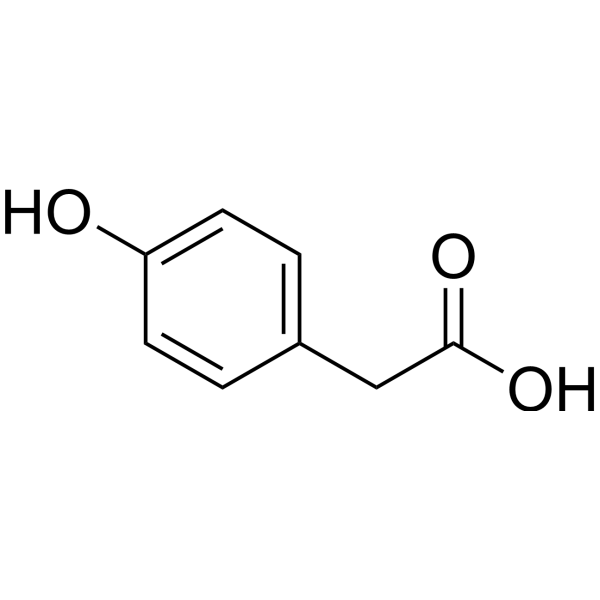
Cat. No.: HY-N1902
CAS No.: 156-38-7
4-hydroxyphenylacetic acid, a major microbiota-derived metabolite of polyphenols, is involved in the antioxidative action. 4-hydroxyphenylacetic acid induces expression of Nrf2 .
loading...
    loading...
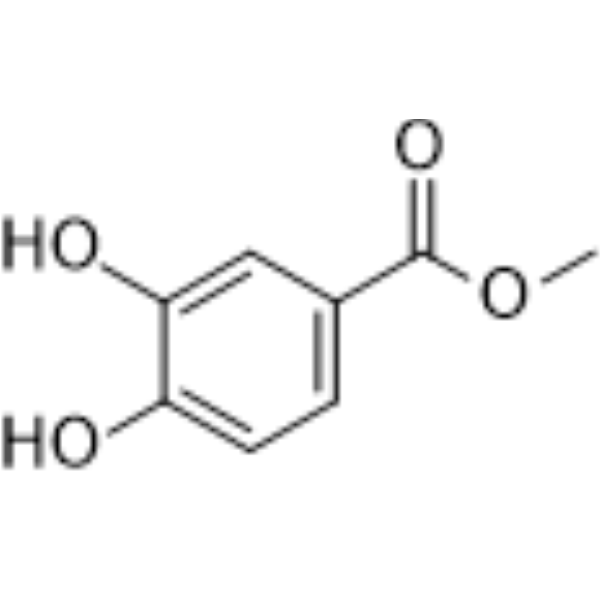
Cat. No.: HY-Z0548
CAS No.: 2150-43-8
Synonyms: Protocatechuic acid methyl ester; Methyl protocatechuate
Methyl 3,4-dihydroxybenzoate (Protocatechuic acid methyl ester; Methyl protocatechuate) is a major metabolite of antioxidant polyphenols found in green tea. Antioxidant and anti-inflammatory effect .
loading...
    loading...
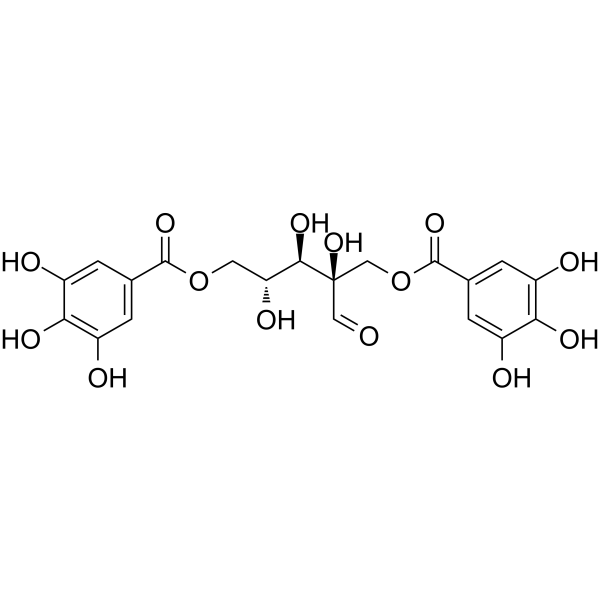
Cat. No.: HY-N4117
CAS No.: 469-32-9
Hamamelitannin, a polyphenol extracted from the bark of Hamamelis virginiana, is a quorum-sensing (QS) inhibitor. Hamamelitannin increases antibiotic susceptibility of staphylococcus aureus biofilms by affecting peptidoglycan biosynthesis and eDNA release .
loading...
    loading...
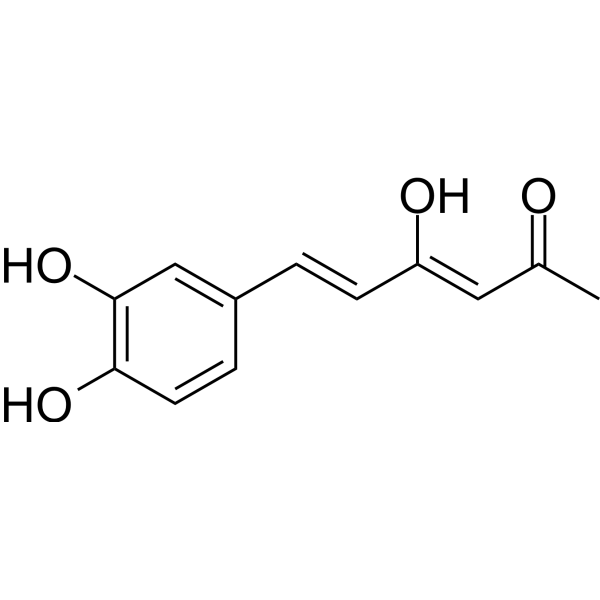
Cat. No.: HY-150521
CAS No.: 173933-40-9
Purity:  99.67%
Hispolon, a polyphenol, can be isolated from Phellinus linteus. Hispolon possesses anticancer, antidiabetic, antioxidant, antiviral, hepatoprotective, anti-diabetic, and anti-inflammatory activities .
loading...
    loading...
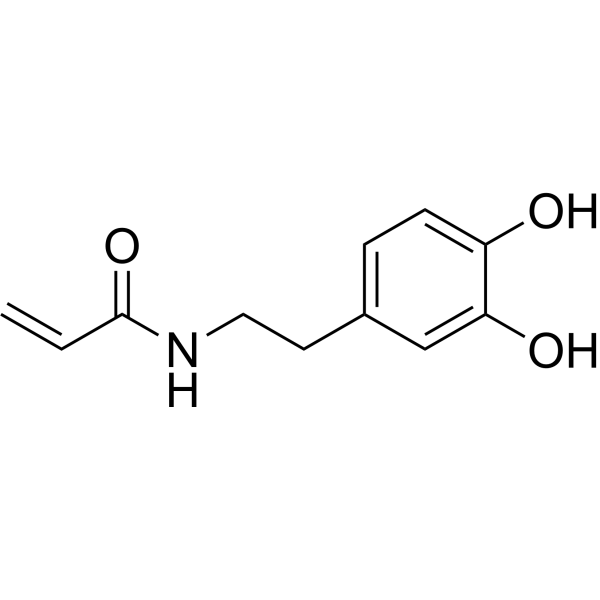
Cat. No.: HY-29035
CAS No.: 201610-44-8
Target:  

Collagen

Research Areas:  

Others

Dopamine acrylamide, a polyphenol derivative, can cross-link collagen mainly via noncovalent bonding under acidic-non-oxidized conditions .
loading...
    loading...
Cat. No.: HY-113158
CAS No.: 2482-25-9
Purity:  99.75%
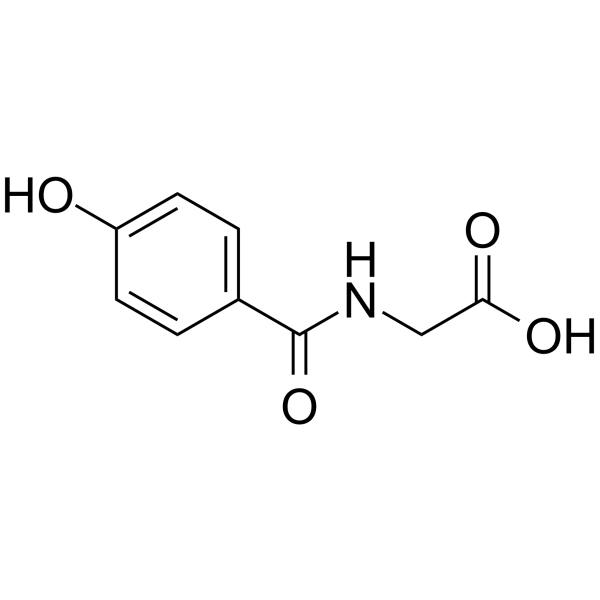
4-Hydroxyhippuric acid is a metabolite of polyphenols. 4-Hydroxyhippuric acid is generated via medium-chain acyl-CoA dehydrogenase (MCAD)-dependent β-oxidation of microbially-produced 3-(4-hydroxyphenyl)propionic acid, followed by host glycine conjugation. 4-Hydroxyhippuric acid can be simultaneously detected in urine as a biomarker of dietary polyphenol intake .
loading...
    loading...
Cat. No.: HY-N0063R
CAS No.: 65995-63-3
Punicalagin (Standard) is the analytical standard of Punicalagin. This product is intended for research and analytical applications. Punicalagin is a polyphenol ingredient isolated from Pomegranate (Punica granatum L.) or the leaves of Terminalia catappa L.. Punicalagin is a reversible and non-competitive 3CLpro inhibitor and inhibits SARS-CoV-2 replication in vitro. Punicalagin is an anti-hepatitis B virus (HBV) agent and has antioxidant, anti-inflammatory, and anticancer effects. Punicalagin has the potential for the research of COVID-19 .
loading...
    loading...
loading...
    loading...
Cat. No.: HY-N1579R
CAS No.: 87-66-1
Pyrogallol (Standard) is the analytical standard of Pyrogallol. This product is intended for research and analytical applications. Pyrogallol is a polyphenol compound, which has anti-fungal and anti-psoriatic properties. Pyrogallol is a reductant that is able to generate free radicals, in particular superoxide anions.
loading...
    loading...
Cat. No.: HY-W115789
CAS No.: 1344-09-8
Sodium silicate is a water-soluble silicate. Sodium silicate is widely used as a binder, particularly in the production of detergents, soaps, and cleaners. Sodium silicate promotes the deposition of suberin polyphenols and lignin at wound sites of potato tubers, accelerates callus structure formation, enhances ROS production, and induces the synthesis of total phenols and flavonoids. Sodium silicate reduces the weight loss rate and disease index of wounded potato tubers during storage .
loading...
    loading...
Cat. No.: HY-150526
CAS No.: 2708237-76-5
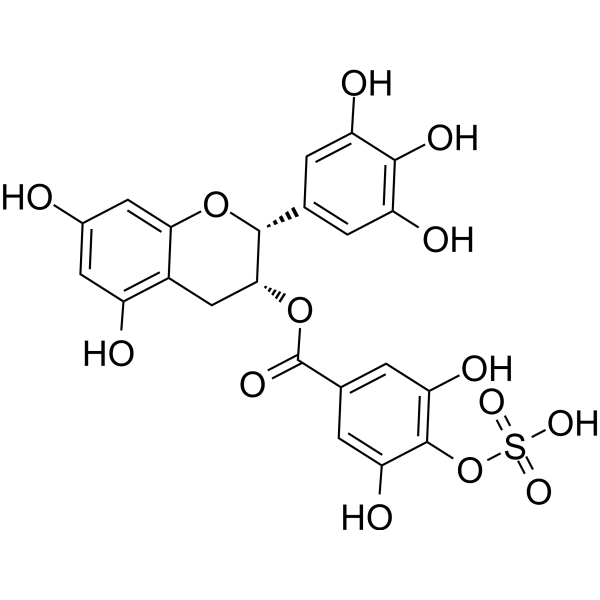
EGCG-4″-sulfate is a major polyphenol in green tea, which can inhibit cell proliferation and induce cell apoptosis. (-)-Epigallocatechin Gallate sulfate inhibits glutamate dehydrogenase 1/2 (GDH1/2, GLUD1/2) activity. EGCG-4″-sulfate has a potent anticancer, antioxidant and anti-inflammatory properties against various types of cancers such as colorectal cancer, myeloid leukemia, thyroid carcinoma .
loading...
    loading...
Cat. No.: HY-N10668
CAS No.: 57061-17-3
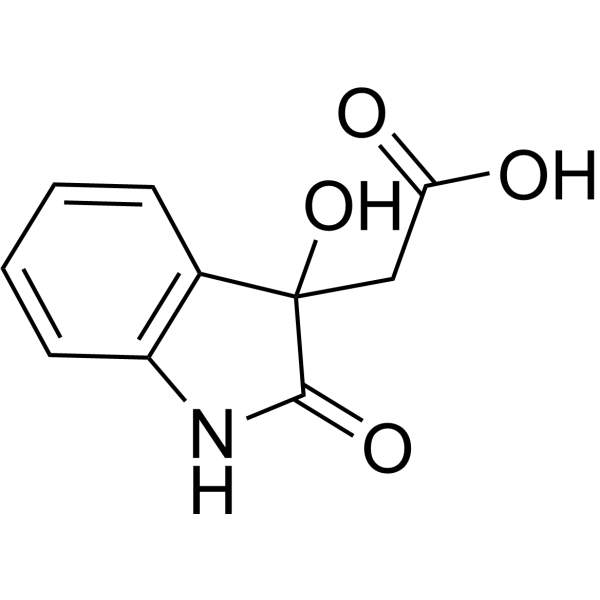
2-(3-Hydroxy-2-oxoindolin-3-yl)-acetic acid (compound 29) is a natural polyphenol compound found in hop bract .
loading...
    loading...
Cat. No.: HY-N9919
CAS No.: 142474-53-1
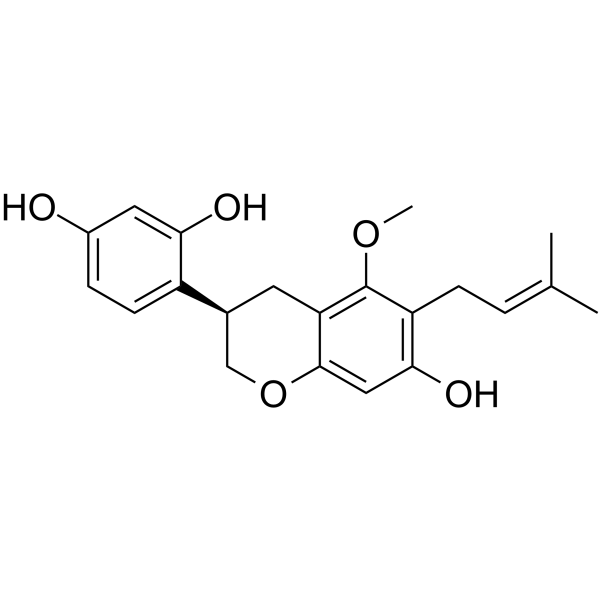
Glyasperin C is a potent and reversible noncompetitive inhibitor of neuraminidase with an IC50 of 20% at 200 μM. Glyasperin C is a polyphenol isolated from the roots of Glycyrrhiza uralensis .
loading...
    loading...
Cat. No.: HY-129137
CAS No.: 18376-31-3
Purity:  99.6%
Synonyms: Cy 3-soph
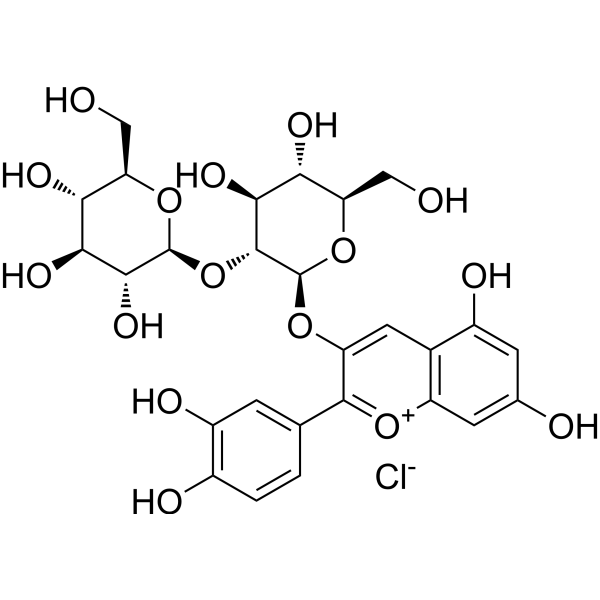
Cyanidin 3-sophoroside chloride is a potent non-competitive reversible polyphenol oxidase (PPO)/Tyrosinase inhibitor. Also, Cyanidin 3-sophoroside chloride can be used as an anti-browning agent to inhibit the degree of PPO browning, enhance the antioxidant damage capacity of fruits and prolong the storage period .
loading...
    loading...
Cat. No.: HY-N0192R
CAS No.: 497-76-7
Synonyms: β-Arbutin (Standard)
Arbutin (Standard) is the analytical standard of Arbutin. This product is intended for research and analytical applications. Arbutin (β-Arbutin) is a competitive inhibitor of tyrosinase, with Kiapp values of 1.42 mM for monophenolase; 0.9 mM for diphenolase. Arbutin is also used as depigmenting agents . Arbutin is a natural polyphenol isolated from the bearberry plant Arctostaphylos uvaursi, possesses with anti-oxidant, anti-inflammatory and anti-tumor properties .
loading...
    loading...

