



243 Results for "

cytotoxic effect

" in MedChemExpress (MCE) Product Catalog:
Products (243)

243 Results for "cytotoxic effect" in MCE Product Catalog:

  • Categories Recommended:
    More
1
1 Cited Publications
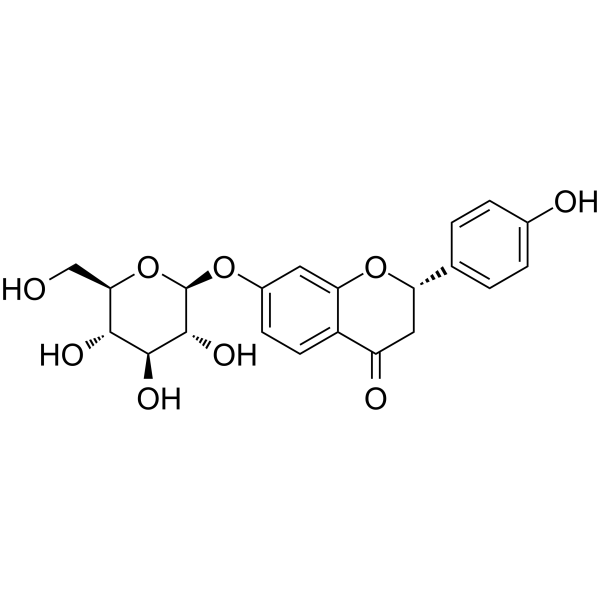
Cat. No.: HY-N2123
CAS No.: 5088-75-5
Neoliquiritin is a flavonoid and flavanone-derived cytotoxic agent with anticancer activity and neuroprotective effects. Neoliquiritin exhibits excellent tumor specificity, exerting a more pronounced killing effect on cancer cells compared with normal oral cells. Neoliquiritin also exerts neuroprotective effects by inhibiting ATP depletion and the elevation of caspase 3/7 activity. Widely present in the roots of Glycyrrhiza uralensis, Glycyrrhiza inflata and Glycyrrhiza glabra, Neoliquiritin can be applied to studies on human oral squamous cell carcinoma, leukemia, Parkinson's disease and other conditions .
loading...
    loading...
1
1 Cited Publications
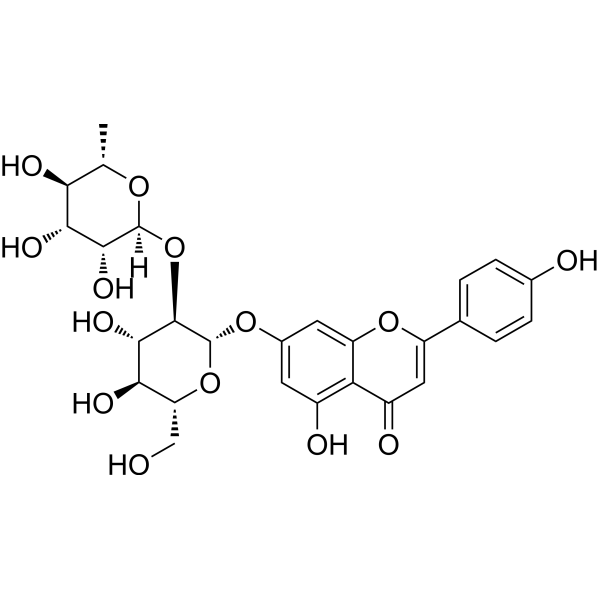
Cat. No.: HY-N0755
CAS No.: 17306-46-6
Rhoifolin is a flavone glycoside can be isolated from Rhus succedanea. Rhoifolin has anti-diabetic effect acting through enhanced adiponectin secretion, tyrosine phosphorylation of insulin receptor-β and glucose transporter 4 (GLUT 4) translocation. Rhoifolin has an anti-inflammatory action via multi-level regulation of inflammatory mediators. Rhoifolin ameliorates titanium particle-stimulated osteolysis and attenuates osteoclastogenesis via RANKL-induced NF-κB and MAPK pathways. Rhoifolin also has cytotoxic activity against different cancer cell lines .
loading...
    loading...
1
1 Cited Publications
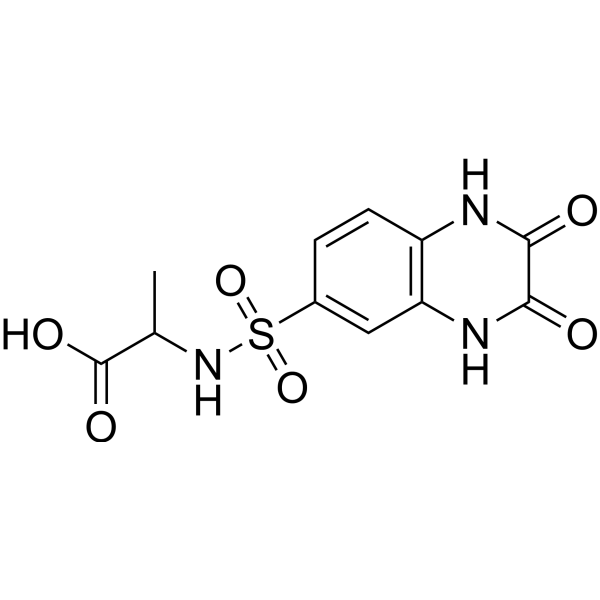
Cat. No.: HY-119024
CAS No.: 112170-24-8
Purity:  98.88%
Target:  

SHP1 STAT

Research Areas:  

Cancer

BCI-137 is a Argonaute 2 (AGO2) inhibitor. By inhibiting AGO2 function, reducing PTPN6/SHP-1 protein levels and enhancing STAT1 phosphorylation, BCI-137 restores the sensitivity of tumor cells to IFN-γ. BCI-137 effectively enhances the recruitment, activation and cytotoxicity of CD8 + T cells. BCI-137 exerts a synergistic effect with anti-PD-1 antibodies and significantly reduces tumor volume in preclinical mouse models. BCI-137 exhibits favorable safety profiles and does not cause significant weight loss or death in mice. BCI-137 can be used in research related to bladder cancer, colorectal cancer, melanoma and other related fields .
loading...
    loading...
1
1 Cited Publications
Cat. No.: HY-P99014
CAS No.: 1864871-20-4
Synonyms: ARGX-110

Research Areas:  

Inflammation/Immunology Cancer

Cusatuzumab (ARGX-110) is a selective competitive blocker targeting CD70 (with an equilibrium dissociation constant of 17 pM for binding to human CD70). Cusatuzumab also possesses enhanced antibody-dependent cell-mediated cytotoxicity (ADCC) activity. It is a humanized IgG1 monoclonal antibody, artificially synthesized through humanization and genetic engineering modifications (CH2 region mutation to enhance effector function). Cusatuzumab has a dual mechanism of action: firstly, it competitively blocks the interaction between CD70 and CD27, inhibiting the CD27-NF-κB signaling pathway, reducing regulatory T cell (Treg) activation and tumor cell proliferation; secondly, by enhancing binding to FcγRIIIa, it mediates ADCC and antibody-dependent cellular phagocytosis (ADCP), directly lysing CD70-positive tumor cells. Cusatuzumab can efficiently eliminate leukemia stem cells (LSCs), induce tumor cell differentiation and apoptosis, restore immune surveillance, and target CD70-positive tumors. Cusatuzumab is used in the study of acute myeloid leukemia (AML) .
loading...
    loading...
Cat. No.: HY-P99653
CAS No.: 1929549-92-7
Synonyms: VAY-736

Target:  

TNF Receptor

Research Areas:  

Inflammation/Immunology Cancer

Ianalumab (VAY-736) is a human, decarboxylated antibody against BAFF-R. Ianalumab can block the interaction between BAFF and BAFF-R and antagonize the apoptosis protection mediated by BAFF. Ianalumab exerts antibody-dependent cytotoxic (ADCC), depending on effector cell activation mediated by immune receptor tyrosine activation motif (ITAM) .
loading...
    loading...
Cat. No.: HY-P99623
CAS No.: 1664355-28-5
Synonyms: MGD006; S80880

Target:  

CD3

Research Areas:  

Cancer

Flotetuzumab (MGD006; S80880) is an investigational CD123/CD3 bispecific dual-affinity retargeting antibody (DART) molecule. Flotetuzumab reactivates T cells by simultaneously binding to CD123 in target cells and CD3 in effector T cells, leading to T-cell-mediated cytotoxicity in target cells. Flotetuzumab shows inhibitory effect on a mouse model of patient-derived xenograft (PDX) in acute myeloid leukemia (AML) .
loading...
    loading...
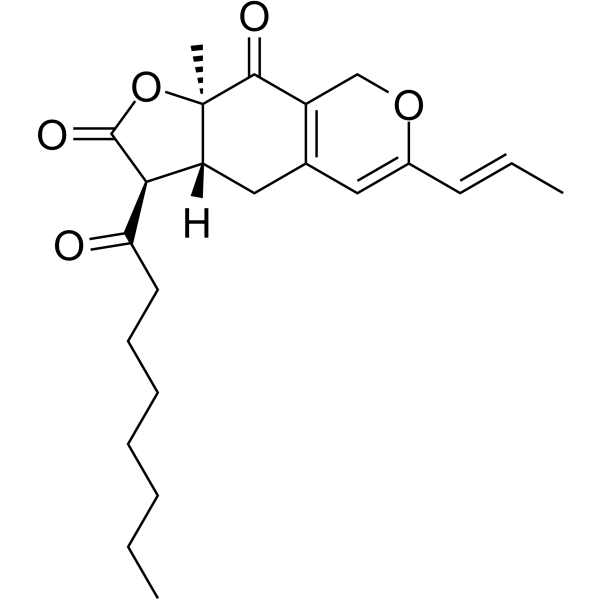
Cat. No.: HY-N6642
CAS No.: 50980-32-0
Ankaflavin, isolated from Monascus-Fermented red rice, is an orally active PPARγ agonist. Ankaflavin exhibits selective cytotoxic effect and induces cell death through apoptosis on cancer cells. Ankaflavin has anti-inflammatory, anti-cancer, antiatherosclerotic, and hypolipidemic effects .
loading...
    loading...
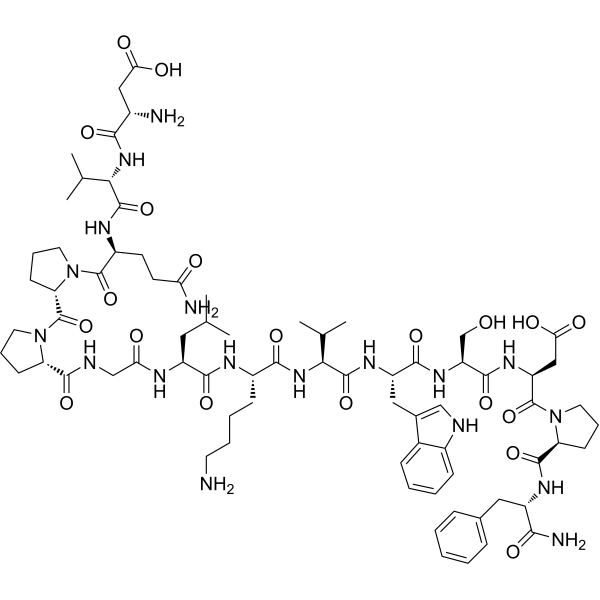
Cat. No.: HY-P5762
CAS No.: 1415039-79-0
Synonyms: PNX-14
Target:  

GnRH Receptor

Research Areas:  

Neurological Disease

Phoenixin-14 (PNX-14) is one of the endogenous active isoform, and generates anxiolytic effect via the activation of the AHA GnRH system in mice. Phoenixin-14 inhibits ischemia/reperfusion-induced cytotoxicity in microglia .
loading...
    loading...
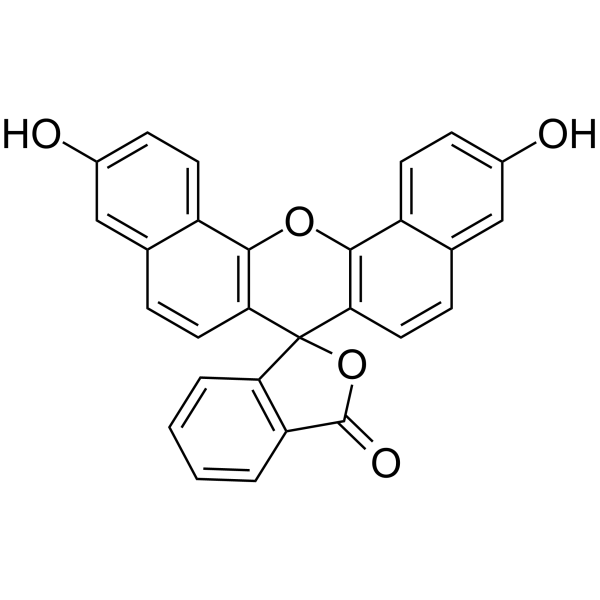
Cat. No.: HY-124473
CAS No.: 61419-02-1
Purity:  99.52%
Synonyms: Naphthafluorescein
Research Areas:  

Cancer

Naphthofluorescein inhibits the interaction between HIF-1 and Mint3. Naphthofluorescein suppresses Mint3-dependent HIF-1 activity and glycolysis in cancer cells and macrophages without cytotoxicity in vitro and adverse effect in vivo . Naphthofluorescein is also a fluorescent pH-sensitive probe that can be used for functional Cerenkov imaging .
loading...
    loading...
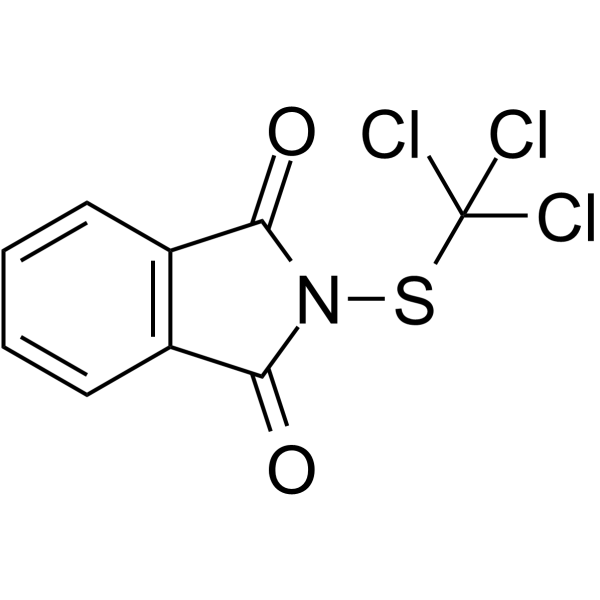
Cat. No.: HY-B1878
CAS No.: 133-07-3
Research Areas:  

Infection

Faltan is a dicarboximide fungicide, widely used on vines and several vegetable crops, and is also cytotoxic effect on human bronchial epithelial cells .
loading...
    loading...
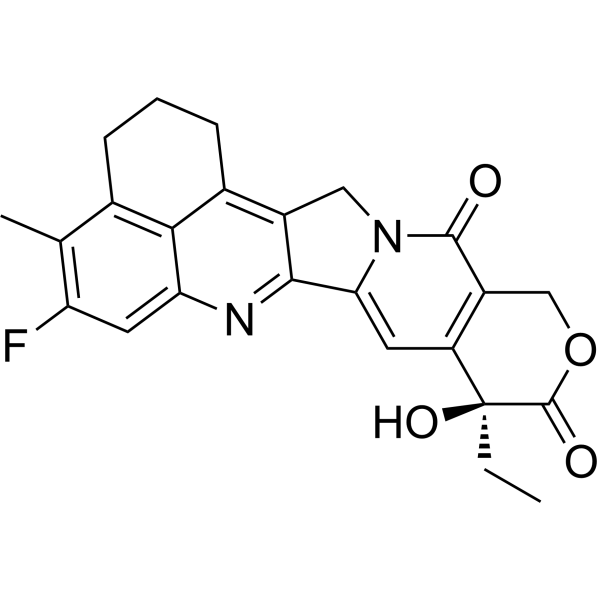
Cat. No.: HY-148058
CAS No.: 210346-40-0
Purity:  99.87%
Target:  

Topoisomerase

Research Areas:  

Cancer

Topoisomerase I inhibitor 8 is a potent topoisomerase I inhibitor. Topoisomerase I inhibitor 8 is a hexacyclic analogue of camptothecin, and displays cytotoxic effect against tumor cells .
loading...
    loading...
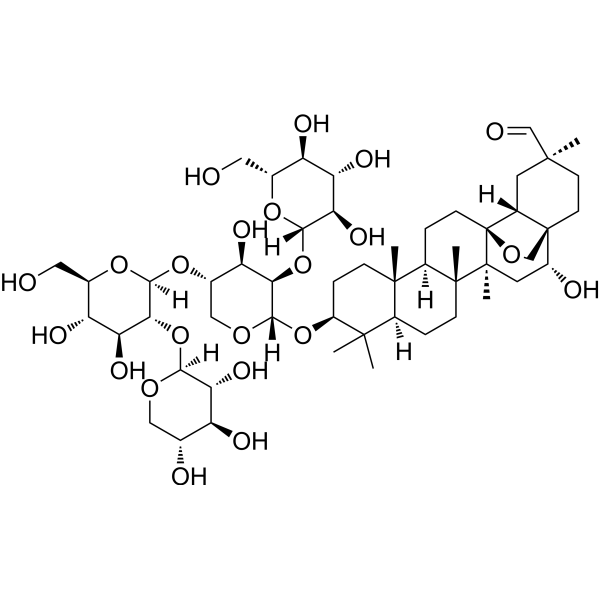
Cat. No.: HY-N0206
CAS No.: 23643-61-0
Synonyms: Deglucocyclamin; LTS-4; Saxifragifolin B
Ardisiacrispin A (Deglucocyclamin) is a common triterpenoid saponin from Ardisia species. Ardisiacrispin A has similar biological properties with some triterpenoid saponins in A. crenata which is one of the species of genus Ardisia and exhibits cytotoxic effect on tumor cells, immunomodulatory and antiviral activities .
loading...
    loading...
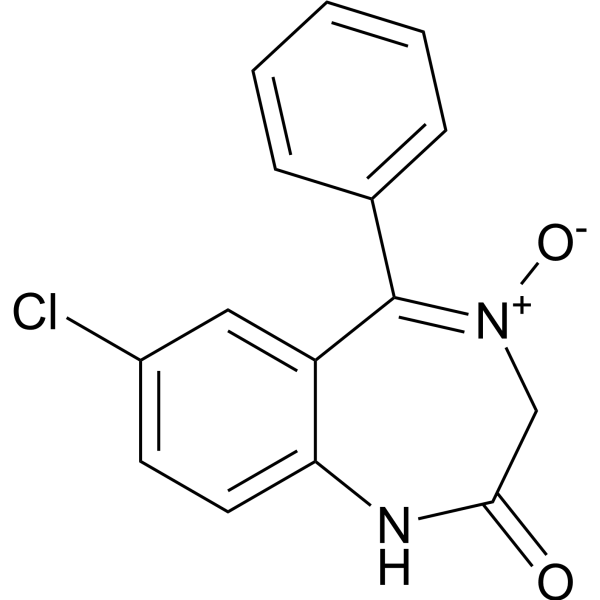
Cat. No.: HY-136591
CAS No.: 963-39-3
Purity:  ≥99.0%
Target:  

Drug Metabolite

Research Areas:  

Neurological Disease Cancer

Demoxepam is a major metabolite of Chlordiazepoxide. Demoxepam exhibits cytotoxicity activity against cancer cell lines. Demoxepam has anticonvulsant and anxiolytic effects. Demoxepam has an inhibitory effect on in vitro [ 3H]tryptophan binding to rat hepatic nuclei .
loading...
    loading...
Cat. No.: HY-P99015
CAS No.: 880486-59-9

Target:  

TNF Receptor

Research Areas:  

Cancer

Dacetuzumab (SGN-40) is a humanized IgG1, anti-CD40 monoclonal antibody with anti-lymphoma activity. Dacetuzumab kills tumor cells via immune effector functions (antibody-dependent cellular cytotoxicity and phagocytosis [ADCC/ADCP]). Dacetuzumab ((SGN-40) can be used for multiple myeloma research .
loading...
    loading...
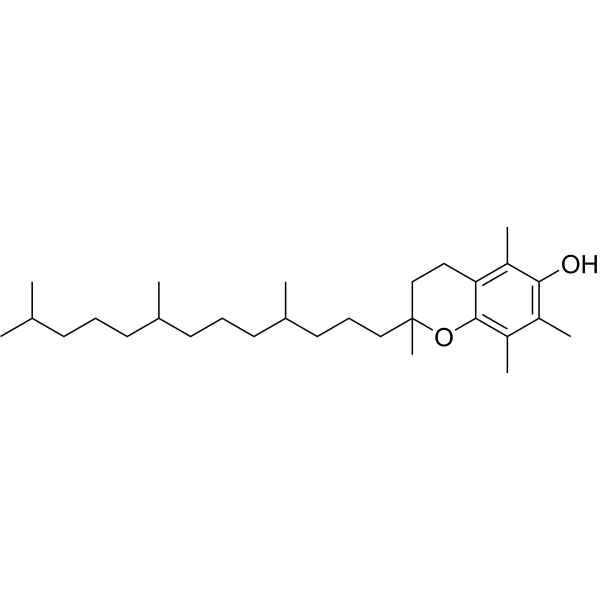
Cat. No.: HY-W020044R
CAS No.: 10191-41-0
Synonyms: DL-α-Tocopherol (Standard)
DL-alpha-Tocopherol (Standard) is the analytical standard of DL-alpha-Tocopherol. This product is intended for research and analytical applications. DL-alpha-Tocopherol is a synthetic vitamin E, with antioxidation effect. DL-alpha-Tocopherol protects human skin fibroblasts against the cytotoxic effect of UVB .
loading...
    loading...
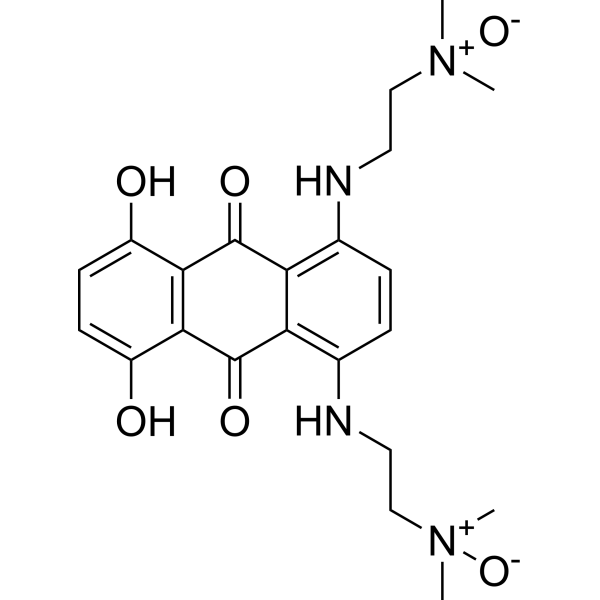
Cat. No.: HY-13562
CAS No.: 136470-65-0
Synonyms: AQ4N
Target:  

NO Synthase

Research Areas:  

Cancer

Banoxantrone (AQ4N), as a prototype hypoxia selective cytotoxin, can be reduced to AQ4, a potent topoisomerase II inhibitor. Banoxantrone selectively kills hypoxic cells via an iNOS-dependent mechanism. Banoxantrone shows a potent cytotoxicity and hypoxia-selective effect enhanced by radiation .
loading...
    loading...
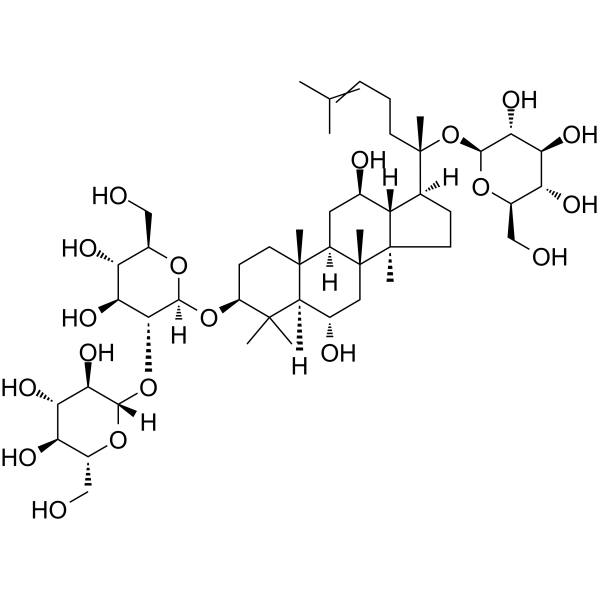
Cat. No.: HY-N4265
CAS No.: 156009-80-2
Vinaginsenoside R4, isolated from the leaves of hydroponic Panax ginseng. It has an inhibitory effect on melanin biosynthesis without any cytotoxic effects on the melan-a cells, and enhances the depigmentation on the zebrafish .
loading...
    loading...
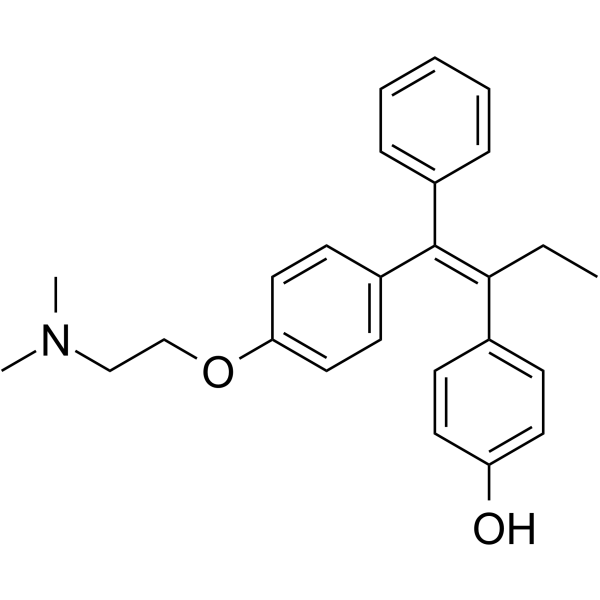
Cat. No.: HY-124414
CAS No.: 82413-23-8
Purity:  99.2%
Research Areas:  

Cancer

4'-Hydroxytamoxifen is a metabolite of Tamoxifen. 4'-Hydroxytamoxifen shows higher affinity for the ER than Tamoxifen. 4'-Hydroxytamoxifen induces a non-apoptotic cytotoxic effect in human endometrial adenocarcinoma cells .
loading...
    loading...
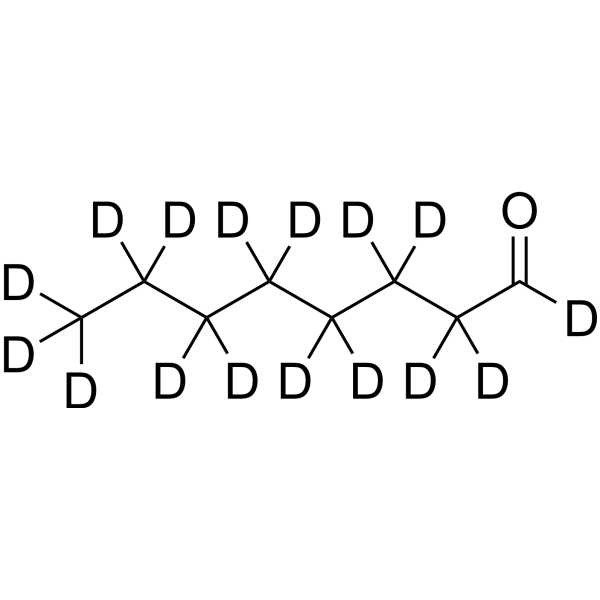
Cat. No.: HY-N8015S
CAS No.: 1219794-66-7
Octanal-d16 is the deuterium labeled Octanal. Octanal is a fragrant aldehyde with antioxidant and antibacterial activity. Its antifungal effect against G. citri-aurantii may be related to the disruption of cell membrane integrity and the leakage of cellular components. Additionally, Octanal exhibits cytotoxicity towards HeLa cells, with an IC50 value of 3.5 μg/mL .
loading...
    loading...
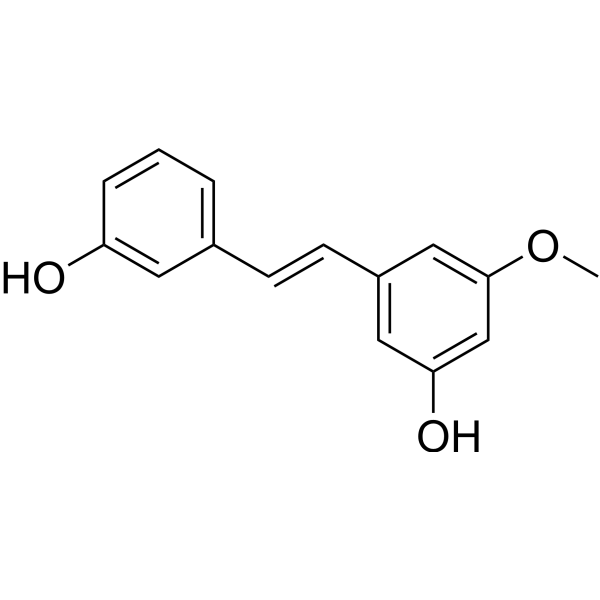
Cat. No.: HY-116885
CAS No.: 220862-05-5
Thunalbene is a stilbene derivative isolated from Thunia alba. Thunalbene has a weak inhibitory effect on nitric oxide production and is not cytotoxic .
loading...
    loading...

