1217 Results for "

stem

" in MedChemExpress (MCE) Product Catalog:
Products (1217)

1217 Results for "stem" in MCE Product Catalog:

29
29 Cited Publications
Cat. No.: HY-13919
CAS No.: 83280-65-3
Purity:  99.94%
Synonyms: BBI608
Target:  

STAT

Research Areas:  

Cancer

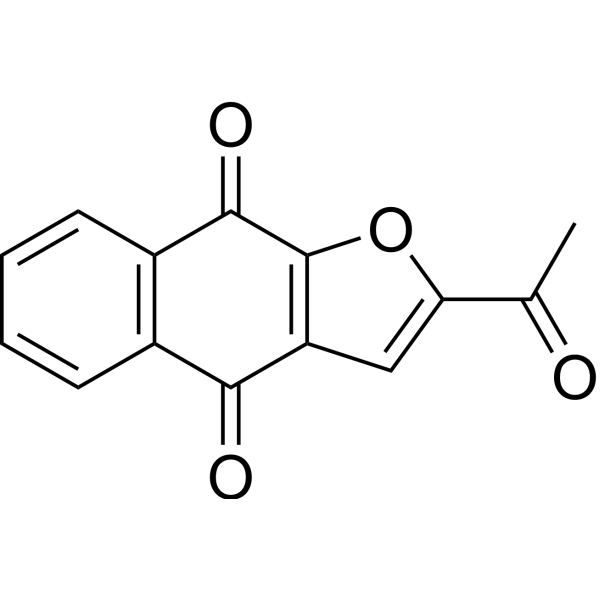
Napabucasin (BBI608) is a STAT3 inhibitor which blocks stem cell activity in cancer cells.
loading...
    loading...
26
26 Cited Publications
Cat. No.: HY-15036
CAS No.: 15307-86-5
Purity:  99.92%
Target:  

COX Apoptosis

Research Areas:  

Inflammation/Immunology Cancer

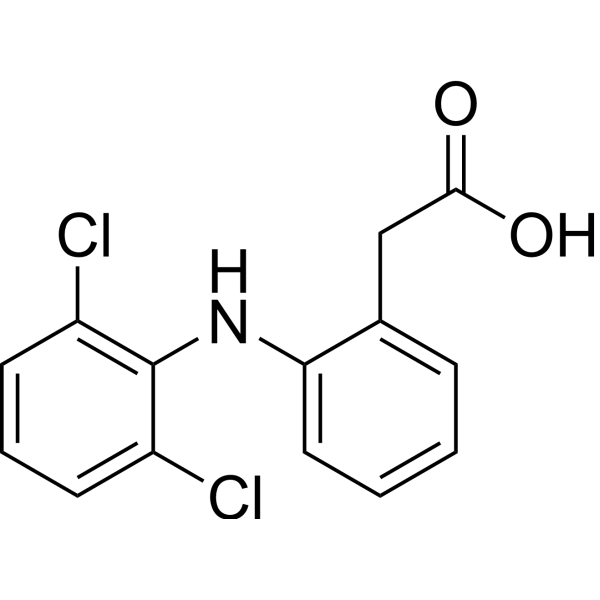
Diclofenac is a potent and nonselective anti-inflammatory agent, acts as a COX inhibitor, with IC50s of 4 and 1.3 nM for human COX-1 and COX-2 in CHO cells , and 5.1 and 0.84 μM for ovine COX-1 and COX-2, respectively . Diclofenac induces apoptosis of neural stem cells (NSCs) via the activation of the caspase cascade .
loading...
    loading...
26
26 Cited Publications
Cat. No.: HY-15038
CAS No.: 15307-81-0
Purity:  99.99%
Target:  

COX Apoptosis

Research Areas:  

Inflammation/Immunology Cancer

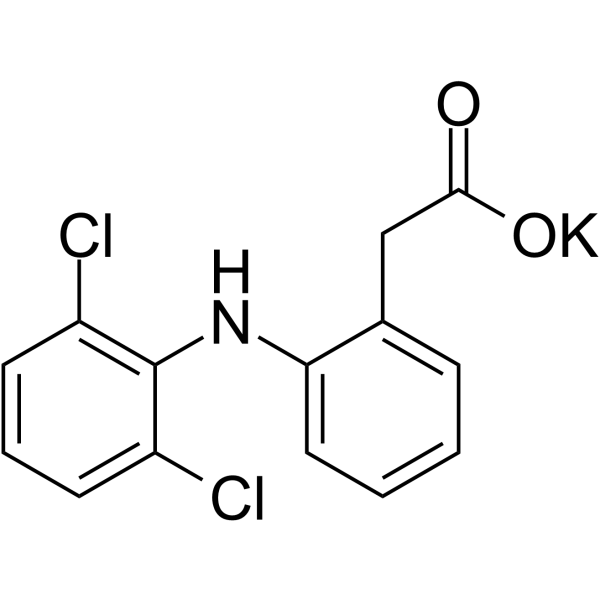
Diclofenac potassium is a potent and nonselective anti-inflammatory agent, acts as a COX inhibitor, with IC50s of 4 and 1.3 nM for human COX-1 and COX-2 in CHO cells , and 5.1 and 0.84 μM for ovine COX-1 and COX-2, respectively . Diclofenac potassium induces apoptosis of neural stem cells (NSCs) via the activation of the caspase cascade .
loading...
    loading...
26
26 Cited Publications
Cat. No.: HY-15036A
CAS No.: 78213-16-8
Purity:  99.95%
Target:  

COX Apoptosis

Research Areas:  

Inflammation/Immunology Cancer

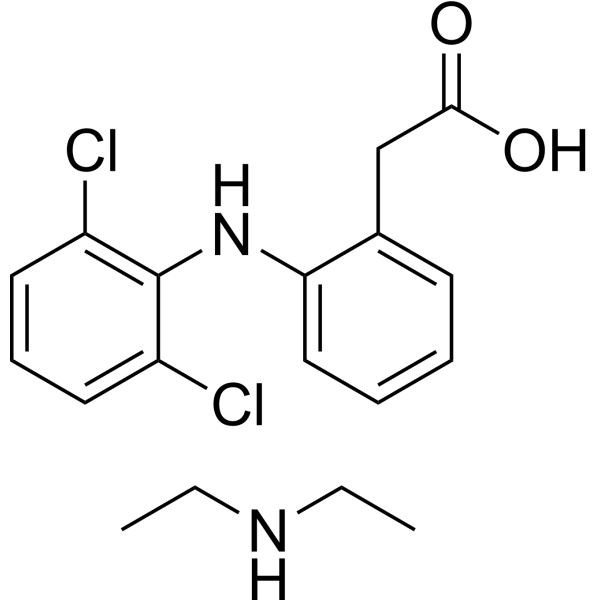
Diclofenac diethylamine is a potent and nonselective anti-inflammatory agent, acts as a COX inhibitor, with IC50s of 4 and 1.3 nM for human COX-1 and COX-2 in CHO cells , and 5.1 and 0.84 μM for ovine COX-1 and COX-2, respectively . Diclofenac diethylamine induces apoptosis of neural stem cells (NSCs) via the activation of the caspase cascade .
loading...
    loading...
26
26 Cited Publications
Cat. No.: HY-15037
CAS No.: 15307-79-6
Purity:  99.94%
Synonyms: GP 45840
Target:  

COX Apoptosis

Research Areas:  

Inflammation/Immunology Cancer

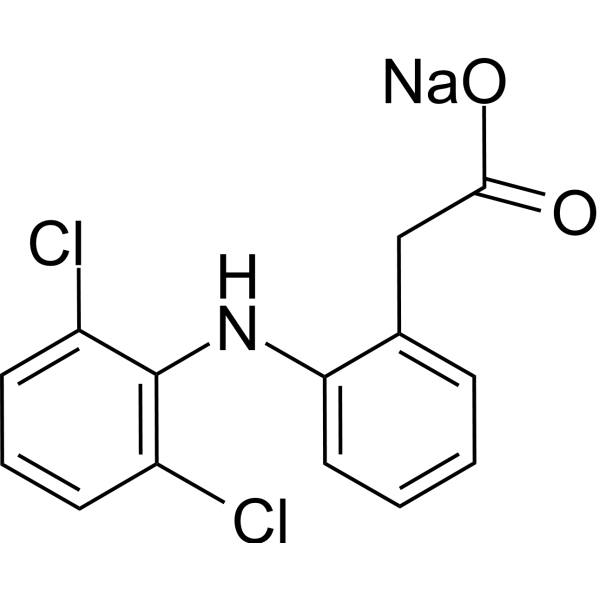
Diclofenac Sodium (GP 45840) is a potent and nonselective anti-inflammatory agent, acts as a COX inhibitor, with IC50s of 4 and 1.3 nM for human COX-1 and COX-2 in CHO cells , and 5.1 and 0.84 μM for ovine COX-1 and COX-2, respectively . Diclofenac Sodium induces apoptosis of neural stem cells (NSCs) via the activation of the caspase cascade .
loading...
    loading...
21
21 Cited Publications
Cat. No.: HY-N0020
CAS No.: 82854-37-3
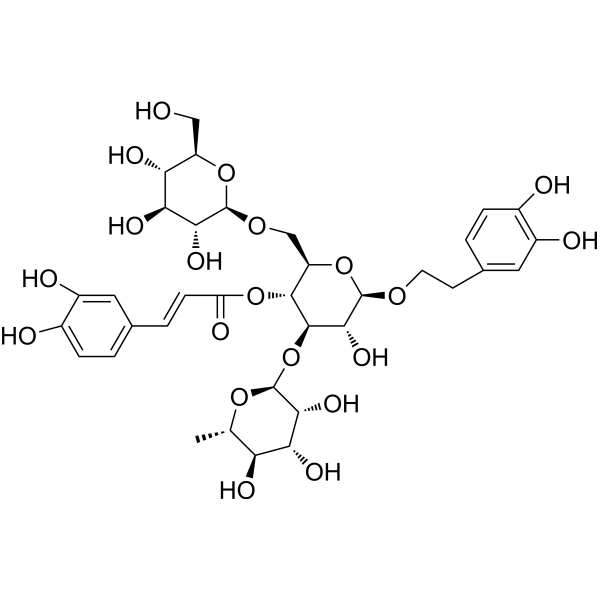
Echinacoside, one of the phenylethanoids isolated from the stems of Cistanche deserticola, effectively inhibits Wnt/β-catenin signaling. Echinacoside elicits neuroprotection by activating Trk receptors and their downstream signal pathways. Antiosteoporotic activity .
loading...
    loading...
20
20 Cited Publications
Cat. No.: HY-18632A
CAS No.: 1902123-72-1
Target:  

Histone Demethylase

Research Areas:  

Cancer

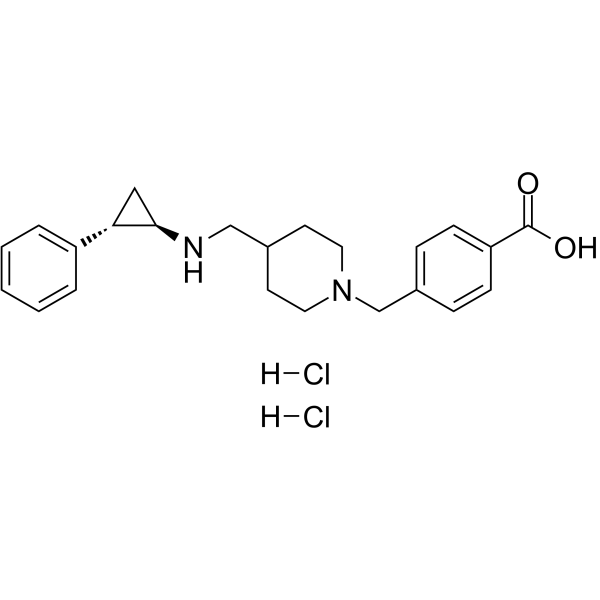
GSK2879552 dihydrochloride an orally active, selective and irreversible inhibitor of lysine specific demethylase 1 (LSD1/KDM1A), with potential antineoplastic activity .
loading...
    loading...
19
19 Cited Publications
Cat. No.: HY-16900
CAS No.: 61413-54-5
Synonyms: (R,S)-Rolipram; (±)-Rolipram; ZK 62711
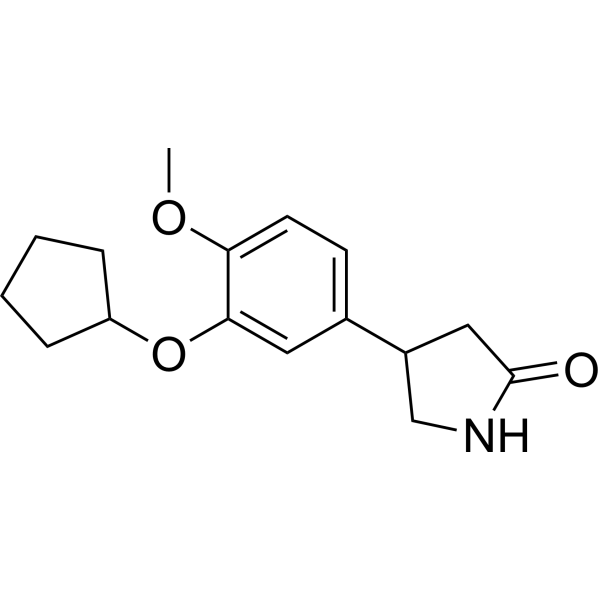
Rolipram is a PDE4 inhibitor, with blood-brain barrier permeability, that reverses β-amyloid-induced learning and memory impairment in rats. Rolipram elevates intracellular cAMP and clevels and regulates the cAMP/CREB signaling pathway, thereby alleviating neuroinflammation and apoptotic responses. Rolipram promotes neuronal differentiation of human bone marrow mesenchymal stem cells and inhibits Methamphetamine- and morphine-induced hyperlocomotion in mice. Rolipram also reduces the viability of glioblastoma stem-like cells and enhances Bevacizumab (HY-P9906)-induced cell death. Rolipram inhibits the expression of proinflammatory cytokines and enhances central noradrenergic transmission. Rolipram is mainly used in studies related to various central nervous system diseases including Alzheimer's disease, major depressive disorder, glioblastoma multiforme, and multiple sclerosis .
loading...
    loading...
18
18 Cited Publications
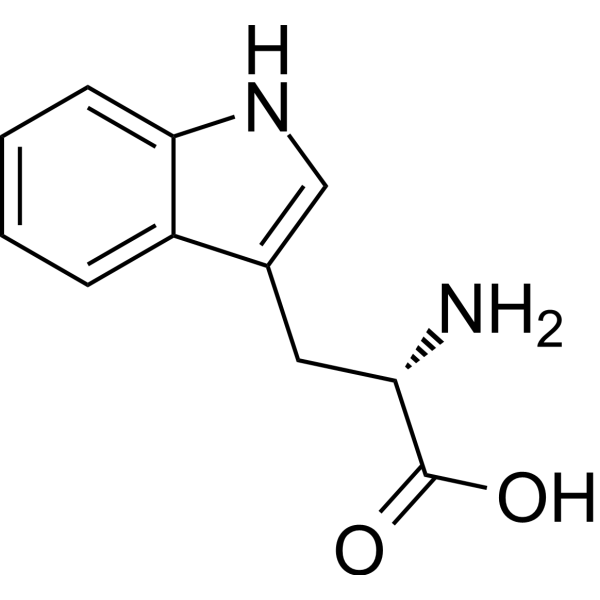
Cat. No.: HY-N0623
CAS No.: 73-22-3
Synonyms: Tryptophan; Tryptophane
L-Tryptophan (Tryptophan) is an orally active and essential amino acid that is the precursor of serotonin, melatonin, and vitamin B3. L-Tryptophan can promote an increase in stemness and osteogenic ability of BMSCs in vitro and in vivo. L-Tryptophan inhibits cell proliferation and induced cell cycle arrest with high levels .
loading...
    loading...
18
18 Cited Publications
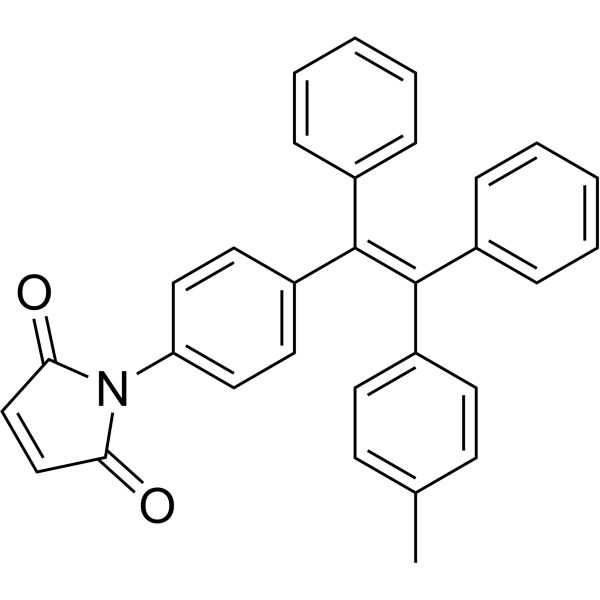
Cat. No.: HY-143218
CAS No.: 1245606-71-6
Purity:  98.05%
Synonyms: Tetraphenylethene maleimide
TPE-MI (Tetraphenylethene maleimide) is a thiol probe for measuring unfolded protein load and proteostasis in cells (the excitation wavelength is 350 nm and the emission wavelength is 470 nm). TPE-MI can report imbalances in proteostasis in induced pluripotent stem cell models of Huntington disease, as well as cells transfected with mutant Huntington exon 1 before the formation of visible aggregates. TPE-MI also detects protein damage following dihydroartemisinin research of the malaria parasites Plasmodium falciparum .
loading...
    loading...
18
18 Cited Publications
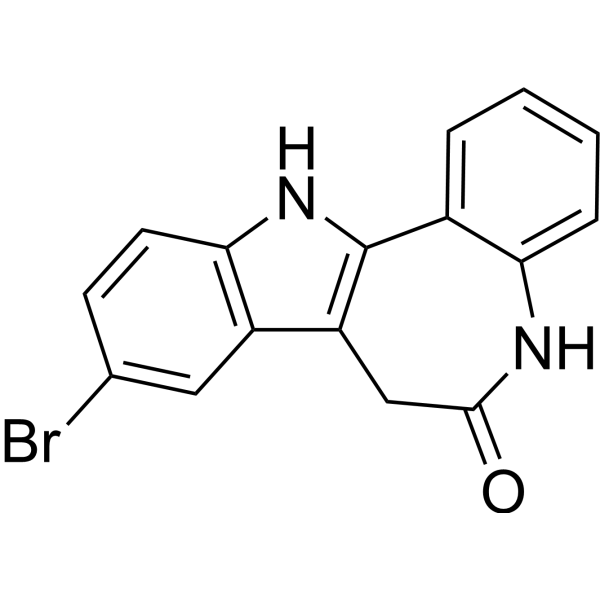
Cat. No.: HY-12302
CAS No.: 142273-20-9
Purity:  98.20%
Synonyms: 9-Bromopaullone; NSC-664704
Target:  

CDK GSK-3

Research Areas:  

Cancer

Kenpaullone is a potent inhibitor of CDK1/cyclin B and GSK-3β, with IC50s of 0.4 μM and 23 nM, and also inhibits CDK2/cyclin A, CDK2/cyclin E, and CDK5/p25 with IC50s of 0.68 μM, 7.5 μM, 0.85 μM, respectively. Kenpaullone, a small molecule inhibitor of KLF4, reduces self-renewal of breast cancer stem cells and cell motility in vitro.
loading...
    loading...
15
15 Cited Publications
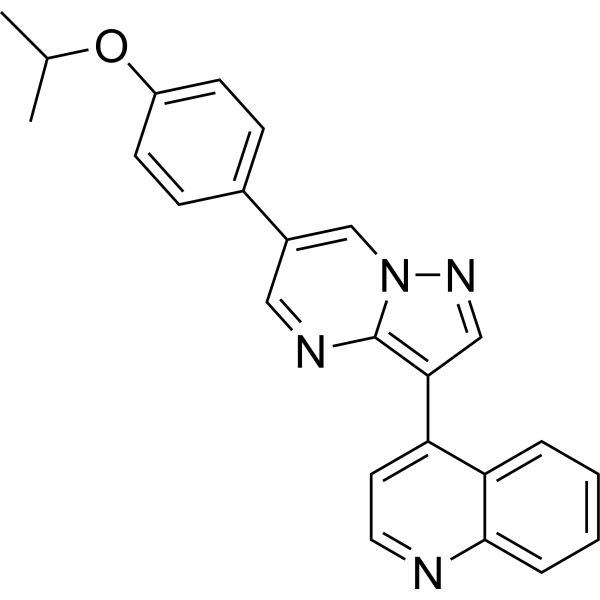
Cat. No.: HY-12273
CAS No.: 1206711-16-1
Purity:  99.93%
DMH-1 is a selective BMP inhibitor. DMH-1 upregulates the expression of SOX1. DMH-1 increases cardiomyocyte progenitor cells and promotes the differentiation of mouse embryonic stem cells into cardiomyocytes. DMH-1 induces the differentiation of hiPSC-derived neural progenitor cells into β3-tubulin-positive neurons .
loading...
    loading...
14
14 Cited Publications
Cat. No.: HY-112005
CAS No.: 4004-05-1
Purity:  98.80%
Synonyms: Dioleoylphosphatidylethanolamine; 1,2-Dioleoyl-sn-glycero-3-phosphoethanolamine
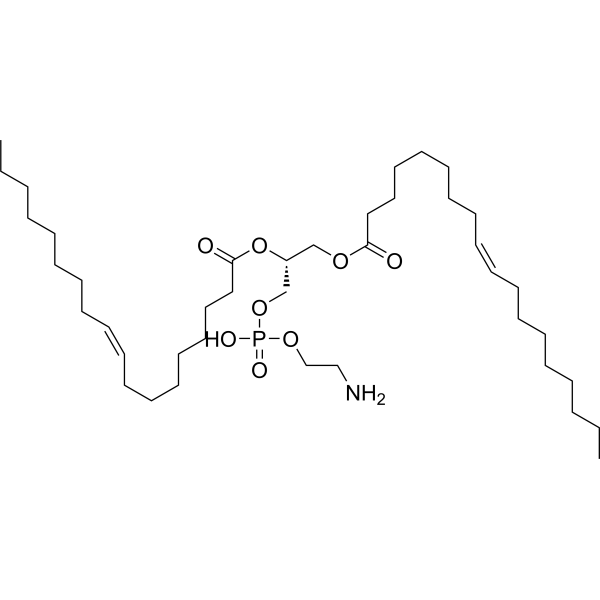
DOPE (Dioleoylphosphatidylethanolamine; 1,2-Dioleoyl-sn-glycero-3-phosphoethanolamine) is an orally active inhibitor of ferroptosis with anti-inflammatory and intestinal barrier maintenance activities. DOPE regulates the expression of ACSL4, SLC7A11 and GPX4 to restore the redox system balance, thereby reducing the levels of lipid peroxides, iron ions and intestinal inflammatory factors (IL-1β and IL-6). DOPE promotes the migration and proliferation of intestinal epithelial cells and increases the level of tight junction proteins; it also destabilizes endosomal membranes, mediates the conjugation of RVG peptides with mesenchymal stem cell-derived exosomes to enhance brain targeting. DOPE can be applied to research related to neonatal necrotizing enterocolitis and Alzheimer's disease .
loading...
    loading...
13
13 Cited Publications
Cat. No.: HY-131042
CAS No.: 42464-96-0
Purity:  99.80%
Research Areas:  

Metabolic Disease

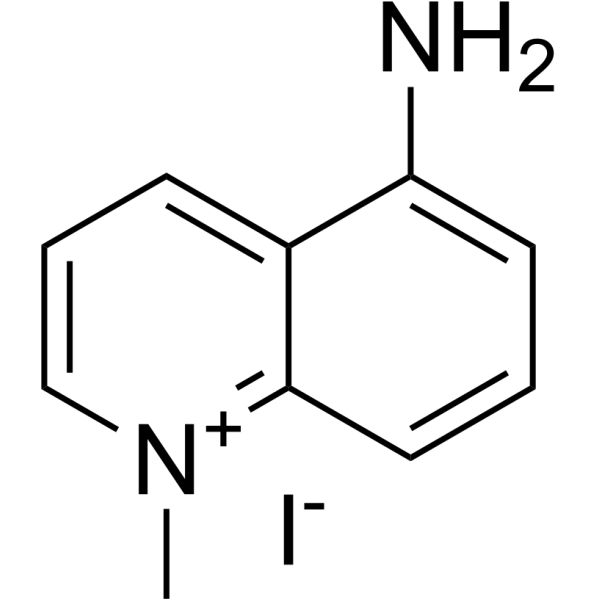
NNMTi is a potent nicotinamide N-methyltransferase (NNMT) inhibitor (IC50=1.2 μM) and selectively binds to the NNMT substrate-binding site residues . NNMTi  promotes myoblast differentiation in vitro and enhances fusion and regenerative capacity of muscle stem cells (muSCs) in aged mice .
loading...
    loading...
13
13 Cited Publications
Cat. No.: HY-Y0337
CAS No.: 52-90-4
Synonyms: Cysteine
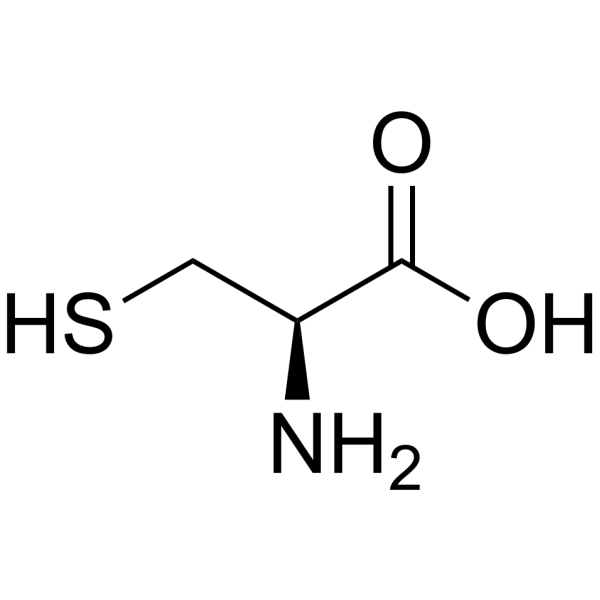
L-Cysteine (Cysteine) is an orally active conditionally essential amino acid with hypoglycemic effects, which acts as a precursor for biologically active molecules such as hydrogen sulphide (H2S), glutathione and taurine. L-Cysteine promotes the proliferation and differentiation of neural stem cells via the CBS/H2S pathway. L-Cysteine suppresses ghrelin and reduces appetite in rodents and humans. L-Cysteine can be used as an anorectic agent .
loading...
    loading...
12
12 Cited Publications
Cat. No.: HY-13257
CAS No.: 1226056-71-8
Purity:  99.57%
Target:  

ROCK

Research Areas:  

Cancer

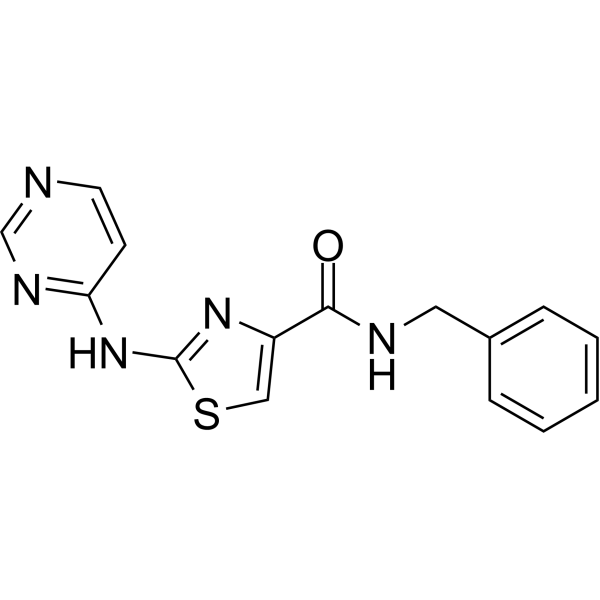
Thiazovivin is a potent ROCK inhibitor, which can protect human embryonic stem cells. Thiazovivin improves the efficiency of iPSC generation.
loading...
    loading...
12
12 Cited Publications
Cat. No.: HY-106101
CAS No.: 512-64-1
Purity:  98.57%
Synonyms: Quinomycin A; NSC-13502
Research Areas:  

Cancer

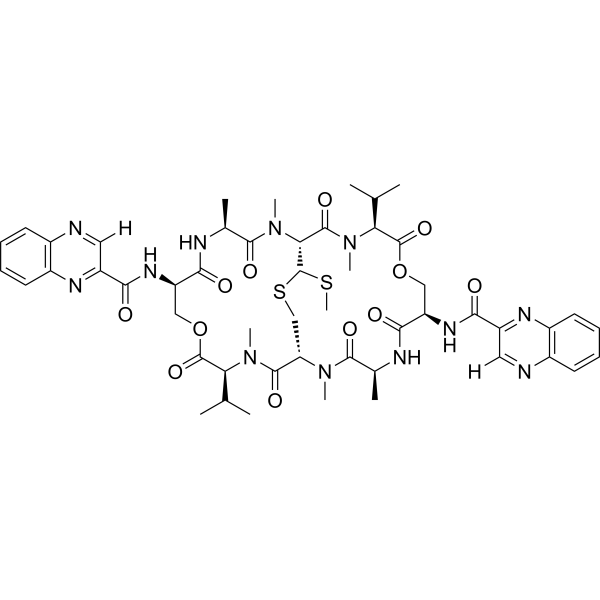
Echinomycin (Quinomycin A) is potent small-molecule and cell-permeable inhibitor of hypoxia-inducible factor-1 (HIF-1) DNA-binding activity. Echinomycin selectively inhibits the cancer stem cells (CSCs) with an IC50 of 29.4 pM .
loading...
    loading...
12
12 Cited Publications
Cat. No.: HY-12323
CAS No.: 832115-62-5
Purity:  99.19%
Synonyms: Isoxazole 9
Target:  

Calcium Channel

Research Areas:  

Neurological Disease

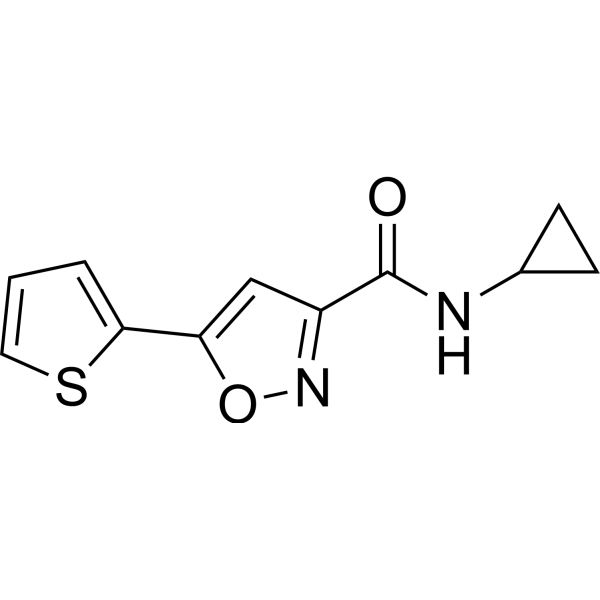
ISX-9 (Isoxazole 9) is a potent inducer of adult neural stem cell differentiation. ISX-9 activates Ca 2+ influx through both voltage-gated Ca 2+ channels and NMDA receptors and increases neuroD expression. ISX-9 also induces cardiomyogenic differentiation of Notch-activated epicardium-derived cells (NECs) .
loading...
    loading...
12
12 Cited Publications
Cat. No.: HY-12794
CAS No.: 1383716-40-2
Purity:  99.63%
Target:  

PI3K Autophagy

Research Areas:  

Neurological Disease Cancer

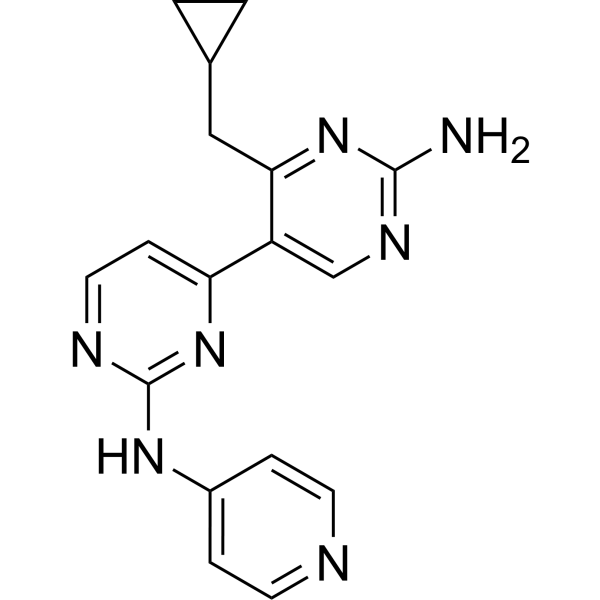
Vps34-PIK-III is an orally active and selective VPS34 inhibitor (IC50=18 nM). Vps34-PIK-III effectively inhibits autophagy and can be used as a molecular tool. vps34-PIK-III is also a PI3K inhibitor that inhibits the expression of genes in liver cancer stem cells (CSCs) .
loading...
    loading...
12
12 Cited Publications
Cat. No.: HY-103701
CAS No.: 23313-12-4
Purity:  36.8%
Synonyms: 2-Phospho-L-ascorbic acid; LAA2P
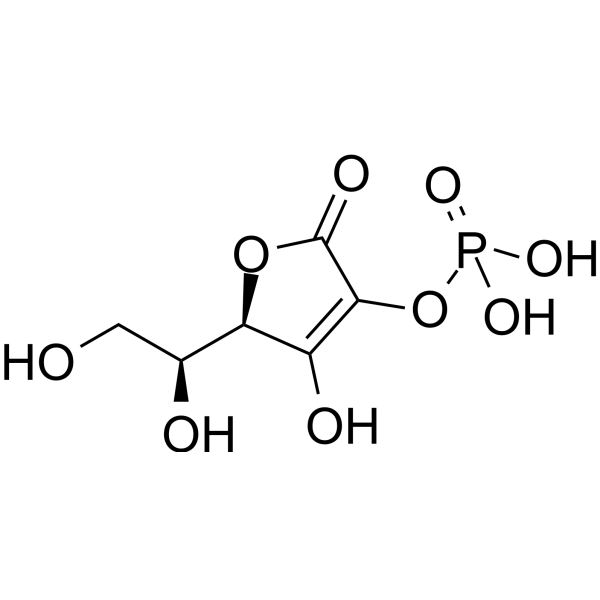
L-ascorbic acid 2-phosphate (2-Phospho-L-ascorbic acid) is a long-acting vitamin C derivative that can stimulate collagen formation and expression . L-ascorbic acid 2-phosphate (2-Phospho-L-ascorbic acid) can be used as a culture medium supplement for the osteogenic differentiation of human adipose stem cells (hASCs). L-ascorbic acid 2-phosphate increases alkaline phosphatase (ALP) activity and expression of runx2A in hASCs during the osteogenic differentiation .
loading...
    loading...

