
194 Results for "

tissue damage

" in MedChemExpress (MCE) Product Catalog:
Products (194)

194 Results for "tissue damage" in MCE Product Catalog:

1
1 Cited Publications
Cat. No.: HY-B1398
CAS No.: 83-07-8
Synonyms: 4-Aminophenazone
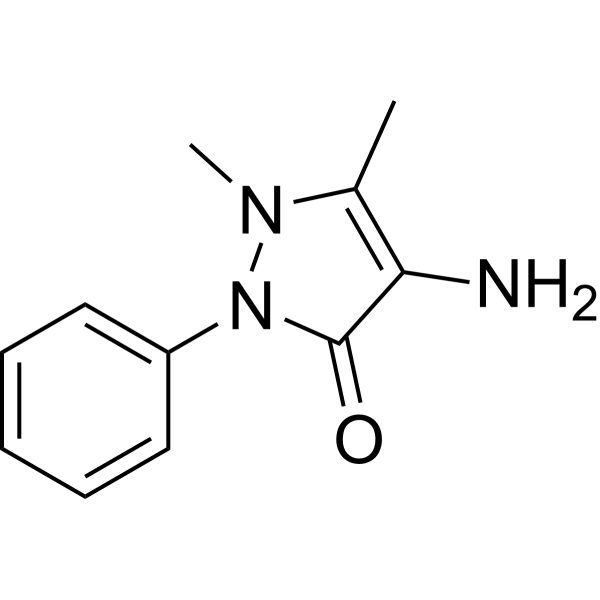
Ampyrone (4-Aminophenazone; 4-Aminoantipyrine) is a reversible and low-damage optical clearing agent and non-selective COX inhibitor based on UV absorption properties. Ampyrone can improve the optical transmittance of mouse skin and other tissues. Ampyrone can induce tissue refractive index matching by enhancing UV absorption, reduce light scattering, and achieve tissue transparency in vivo. Ampyrone reduces the synthesis of prostaglandin PGE2, thereby exerting anti-inflammatory, analgesic and antipyretic effects. Ampyrone inhibits DNA damage, cell apoptosis and immune cell phagocytosis induced by Doxorubicin (HY-15142A) and Cisplatin (HY-17394), etc., and participates in the regulation of toxicity in tumor chemotherapy .
loading...
    loading...
1
1 Cited Publications
Cat. No.: HY-P99673
CAS No.: 2226742-52-3
Synonyms: REGN-3500; SAR-440340

Research Areas:  

Inflammation/Immunology

Itepekimab (REGN-3500) is an IgG4 monoclonal antibody against IL-33. Itepekimab reduced airway inflammation and related tissue damage in preliminary clinical studies. Itepekimab has potential effects in asthma, chronic obstructive pulmonary disease (COPD), and atopic dermatitis (AD) .
loading...
    loading...
1
1 Cited Publications
Cat. No.: HY-B0111
CAS No.: 67392-87-4
Synonyms: Dihydrospirorenone
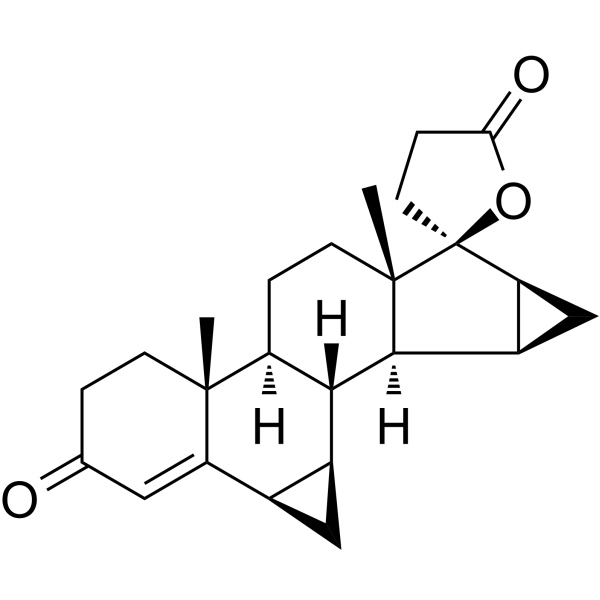
Drospirenone (Dihydrospirorenone) is an orally active fourth-generation progestin that interacts with the progesterone receptor (PR) and androgen receptor (AR). Drospirenone significantly decreases both plasminogen activator inhibitor-1 (PAI-1) and tissue plasminogen activator (tPA) via the AR. Drospirenone can produce DNA damage in bone marrow cells of female mice. .
loading...
    loading...
1
1 Cited Publications
Cat. No.: HY-B1589A
CAS No.: 3505-38-2
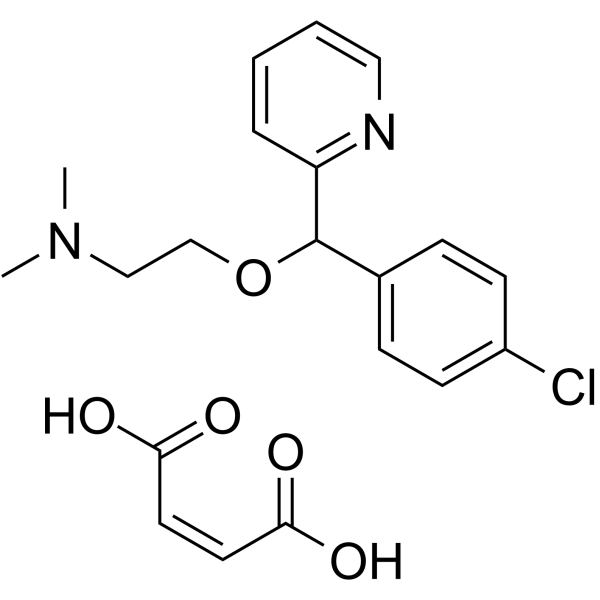
Carbinoxamine maleate salt is a blood-brain barrier-permeable histamine H1 receptor antagonist. Carbinoxamine maleate salt blocks the action of histamine on H1 receptors, reducing symptoms such as sneezing, rhinitis, rhinorrhea, erythema, pruritus and urticaria. Carbinoxamine maleate salt inhibits influenza virus entry into cells via endocytosis, targets the early stage of the viral life cycle, and simultaneously reduces viral replication levels in the lungs, alleviating pathological damage and inflammatory responses in lung tissues. Carbinoxamine maleate salt can be used in research on allergic rhinitis, influenza, etc.
loading...
    loading...
1
1 Cited Publications
Cat. No.: HY-151642
CAS No.: 105928-88-9
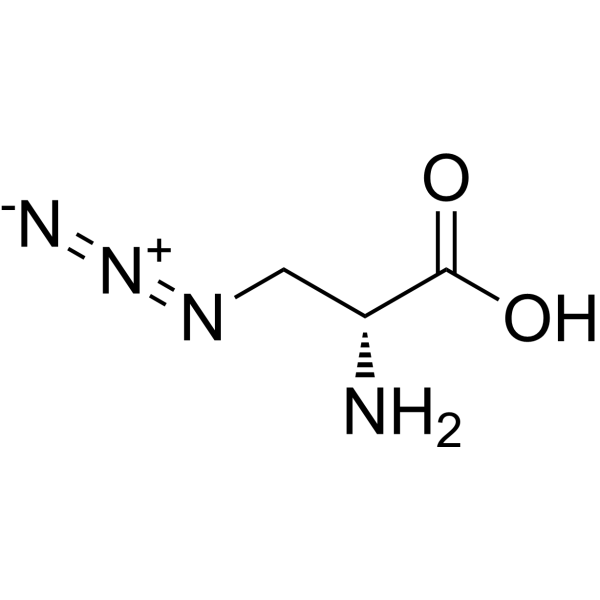
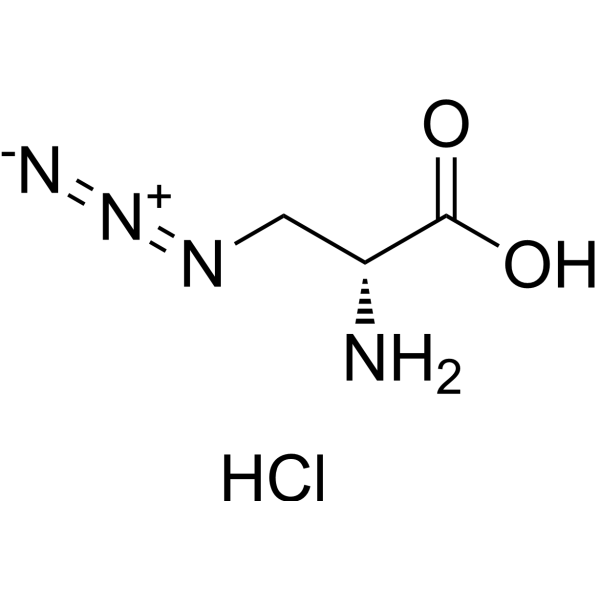
3-Azido-D-alanine is an orally active, selective metabolic tracer applicable for click chemistry labeling. 3-Azido-D-alanine can be selectively incorporated into bacterial cell wall peptidoglycans, introducing azido groups to enable copper-free click chemistry-based modification, labeling and single-cell tracing, while it cannot be metabolically incorporated by mammalian cells. 3-Azido-D-alanine can be used in studies related to bacterial infection, intracranial infection, otitis media, intestinal inflammation and tissue damage, as well as sepsis .
loading...
    loading...
1
1 Cited Publications
Cat. No.: HY-P1108A
Target:  

CRFR

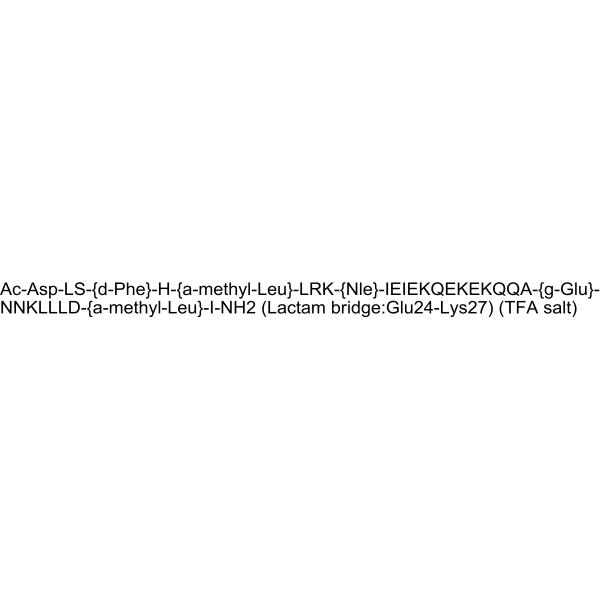
Astressin 2B TFA is a blood-brain barrier-impermeable, highly selective CRFR2 antagonist (rCRFR2, IC50=0.57 nM). Astressin 2B TFA blocks the protective effects mediated by CRFR2, thereby exacerbating indomethacin (HY-14397)-induced hemorrhagic intestinal injury in rats. Astressin 2B TFA reverses the protective effects of Urocortin 1 against intestinal hypermotility, bacterial invasion and upregulation of inflammatory mediators. Astressin 2B TFA also blocks the anxiogenic effect of Urocortin 2 and attenuates stress-induced anxiety-related behaviors. In the Clostridioides difficile toxin A (C. difficile toxin A)-mediated enteritis model, Astressin 2B TFA mimics the phenotype of CRFR2-deficient mice, significantly exacerbating intestinal epithelial damage, edema, neutrophil migration and the expression of multiple proinflammatory cytokines. Astressin 2B TFA is an important tool molecule for investigating the intestinal protective mechanisms of CRFR2 .
loading...
    loading...
1
1 Cited Publications
Cat. No.: HY-19416
CAS No.: 286475-30-7
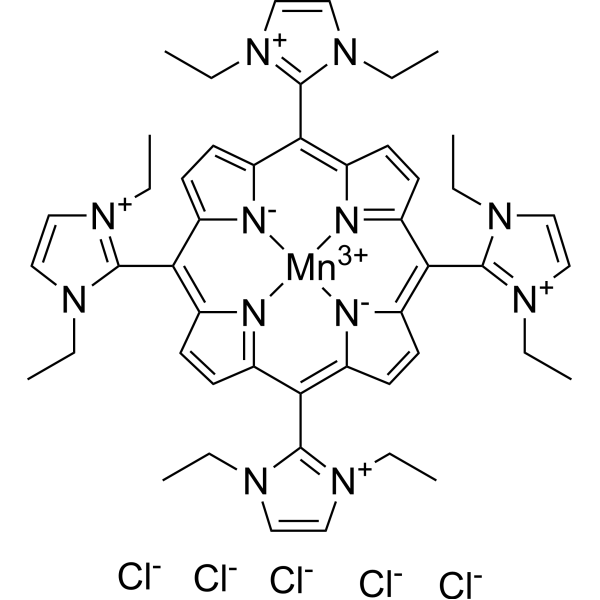
AEOL-10150 pentachloride is a metalloporphyrin-catalyzed antioxidant and a superoxide dismutase mimetic. AEOL-10150 pentachloride scavenges ROS and RNS, and modulates the NF-κB signaling pathway. AEOL-10150 pentachloride has potent antioxidant and anti-inflammatory activities. AEOL-10150 pentachloride effectively mitigates tissue damage caused by radiation and chemical agents such as CEES (HY-W199190). AEOL-10150 pentachloride synergizes with radiotherapy to exert anticancer effects on prostate tumors .
loading...
    loading...
1
1 Cited Publications
Cat. No.: HY-151642A
CAS No.: 1379690-01-3
Purity:  99.13%
3-Azido-D-alanine (hydrochloride) is an orally active, selective metabolic tracer applicable for click chemistry labeling. 3-Azido-D-alanine (hydrochloride) can be selectively incorporated into bacterial cell wall peptidoglycans, introducing azido groups to enable copper-free click chemistry-based modification, labeling and single-cell tracing, while it cannot be metabolically incorporated by mammalian cells. 3-Azido-D-alanine (hydrochloride) can be used in studies related to bacterial infection, intracranial infection, otitis media, intestinal inflammation and tissue damage, as well as sepsis .
loading...
    loading...
1
1 Cited Publications
Cat. No.: HY-173425
CAS No.: 2912492-05-6
STING-IN-15 is an orally active STING inhibitor, with an IC50 of 116 nM against h-STING and an IC50 of 96.3 nM against m-STING. STING-IN-15 inhibits the STING signaling pathway in cells, reduces the secretion of IFN-β and IP-10, downregulates the expression of ISG15, ISG56 and TNF-α, and suppresses the phosphorylation of TBK1/IRF3. STING-IN-15 alleviates systemic and renal inflammation induced by STING agonists in mice, reduces tissue damage and the expression of interferon pathway genes, and inhibits spontaneous tissue inflammation in mice. STING-IN-15 can be used for the research of acute kidney injury and autoimmune/inflammatory diseases .
loading...
    loading...
1
1 Cited Publications
Cat. No.: HY-N8157
CAS No.: 1464-33-1
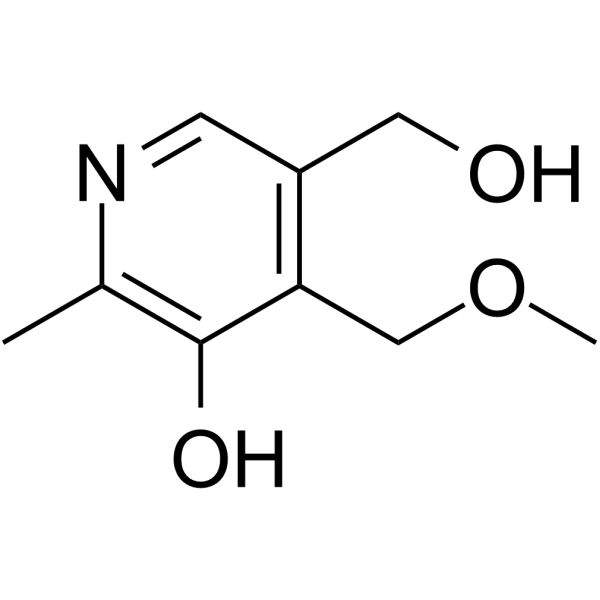
4'-O-Methylpyridoxine is an orally active antivitamin B6 compound found in Ginkgo biloba seeds and leaves. 4'-O-Methylpyridoxine inhibits pyridoxal kinase. 4'-O-Methylpyridoxine reduces brain pyridoxal-5'-phosphate (PLP) levels, decreases gamma-aminobutyric acid/glutamate (GABA/Glu) ratio. 4'-O-Methylpyridoxine increases plasma levels of pyridoxal-5'-phosphate and pyridoxal. 4'-O-Methylpyridoxine induces hyperactivity, convulsions, pathological tissue changes, organ damage in rodent brain and heart .
loading...
    loading...
1
1 Cited Publications
Cat. No.: HY-123581
CAS No.: 81810-66-4
Purity:  98.00%
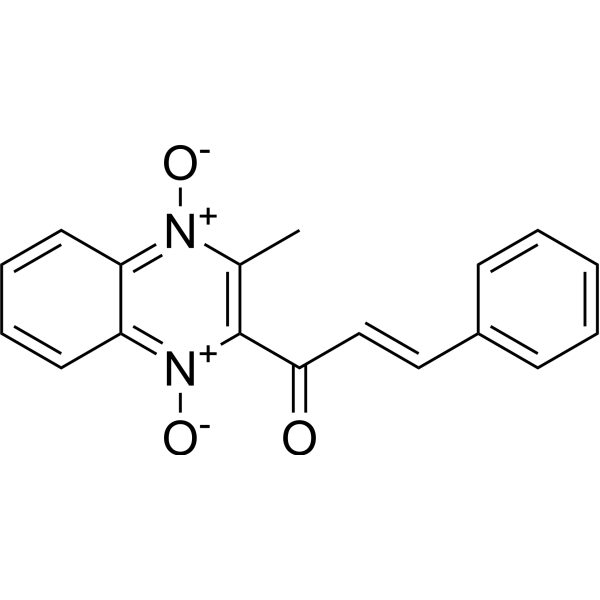
Quinocetone is an orally active animal feed additive used to increase the meat production of livestock and poultry. Quinocetone exhibits antibacterial activity against a variety of pathogenic microorganisms. Quinocetone exhibits tissue-specific (liver, lymphocyte) toxicity. Quinocetone induces autophagy in cells through the ATF6/DAPK1 pathway. Quinocetone activates the NF-κB and iNOS pathways, leading to cell apoptosis, hepatocyte vacuolar degeneration and fibrosis. Quinocetone can inhibit Nrf2/HO-1 and induce the generation of reactive oxygen species (ROS), leading to oxidative stress and DNA damage .
loading...
    loading...
1
1 Cited Publications
Cat. No.: HY-100573A
CAS No.: 432531-71-0
Purity:  98.84%
(E/Z)-Necrosulfonamide is a racemic compound of Necrosulfonamide (HY-100573). Necrosulfonamide is a MLKL and Gasdermin D (GSDMD) inhibitor, capable of separately inhibiting necroptosis and pyroptosis of cells. Necrosulfonamide does not affect the activation of upstream signals, but specifically inhibits the downstream executor oligomerization step. Necrosulfonamide reduces the expression of the key kinases NLRP3 and caspase-1 involved in necroptosis and pyroptosis, activate the Nrf2 pathway and the downstream antioxidant enzymes, and also downregulates a variety of inflammatory factors. Necrosulfonamide plays significant roles in various diseases such as neurodegenerative diseases (such as Parkinson’s disease), tissue damage and ischemia-reperfusion injury, inflammatory bowel disease, osteoarthritis and fracture repair, and hair loss by regulating two important programmed necrosis pathways.
loading...
    loading...
1
1 Cited Publications
Cat. No.: HY-N2466
CAS No.: 75921-69-6
Synonyms: MT-I; [Nle4,D-Phe7]-α-MSH
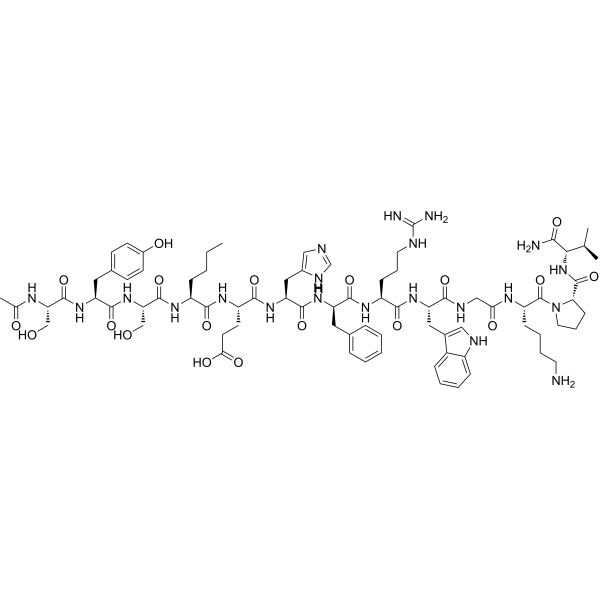
Melanotan I (MT-I; [Nle4,D-Phe7]-α-MSH) is an α-MSH (HY-P0252) analog, synthetic melanotropic peptide, and melanocortin receptor (MCR) agonist. Melanotan I induces skin tanning by mimicking the action of α-MSH on the melanocortin 1 receptor (MC1R) in melanocytes. As an appetite suppressant, Melanotan I impairs the ability of insulin to inhibit endogenous glucose production, suppresses leptin secretion from adipose tissue, and thereby reduces voluntary feed intake in ewes. Melanotan I can be used in research related to UV-induced skin damage, polymorphic light eruption, ruminant feeding, and sexual dysfunction .
loading...
    loading...
1
1 Cited Publications
Cat. No.: HY-N2466A
CAS No.: 1566590-77-9
Synonyms: MT-I acetate; [Nle4,D-Phe7]-α-MSH acetate
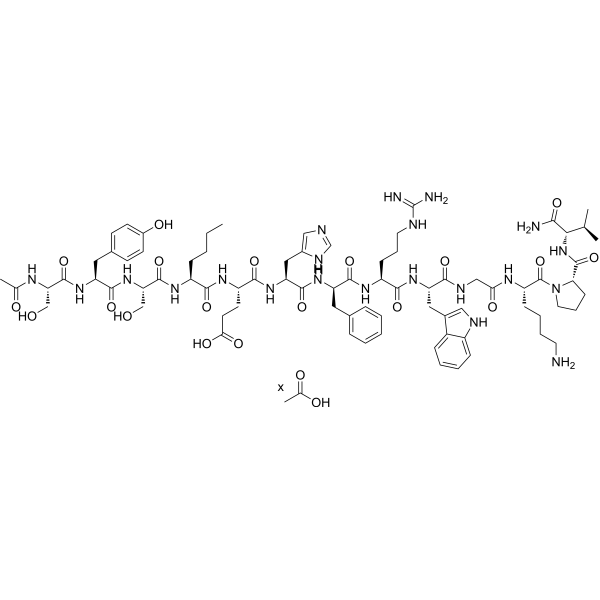
Melanotan I (MT-I; [Nle4,D-Phe7]-α-MSH) acetate is an α-MSH (HY-P0252) analog, synthetic melanotropic peptide, and melanocortin receptor (MCR) agonist. Melanotan I acetate induces skin tanning by mimicking the action of α-MSH on the melanocortin 1 receptor (MC1R) in melanocytes. As an appetite suppressant, Melanotan I acetate impairs the ability of insulin to inhibit endogenous glucose production, suppresses leptin secretion from adipose tissue, and thereby reduces voluntary feed intake in ewes. Melanotan I acetate can be used in research related to UV-induced skin damage, polymorphic light eruption, ruminant feeding, and sexual dysfunction .
loading...
    loading...
1
1 Cited Publications
Cat. No.: HY-W016409
CAS No.: 3943-89-3
Synonyms: Protocatechuic acid ethyl ester
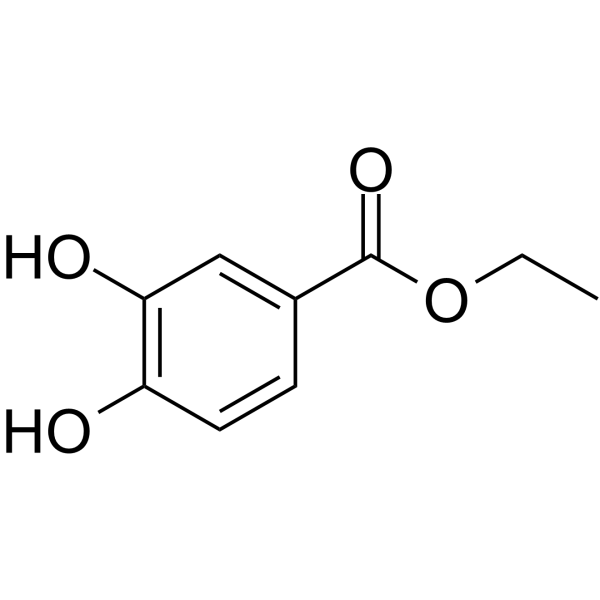
Ethyl 3,4-dihydroxybenzoate (Protocatechuic acid ethyl ester) is an orally effective, blood-brain barrier-permeable, competitive prolyl hydroxylase (PHD) inhibitor that inhibits the hydroxylation modification of hypoxia-inducible factor (HIF) by PHD. Ethyl 3,4-dihydroxybenzoate stabilizes HIF-1α by inhibiting PHD, activates downstream pathways to induce autophagy and apoptosis of tumor cells, and regulates inflammatory responses, inhibits the NF-κB pathway, improves vascular permeability, and promotes osteoblast differentiation. Ethyl 3,4-dihydroxybenzoate has anti-tumor, anti-hypoxic injury, and bone metabolism regulation effects. It can also be used in the research of cardiovascular protection (such as reducing myocardial ischemic damage), bone tissue engineering (promoting osteogenesis/inhibiting osteoclast differentiation), and prevention and treatment of high-altitude cerebral edema .
loading...
    loading...
1
1 Cited Publications
Cat. No.: HY-N4183
CAS No.: 72357-31-4
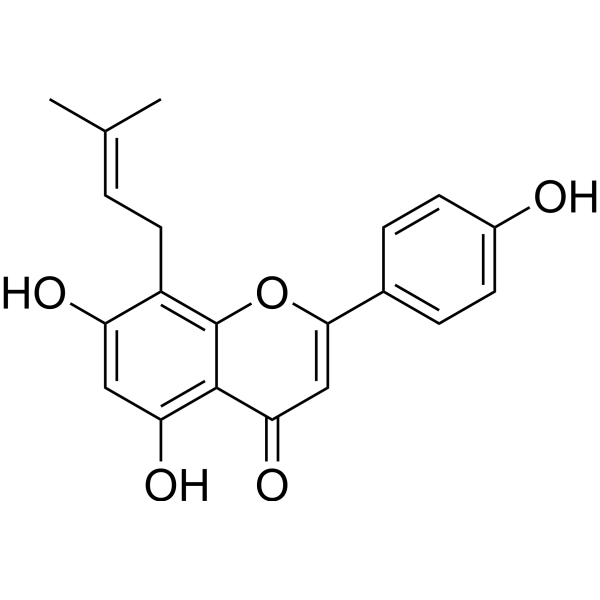
Licoflavone C is a broad-spectrum antiviral inhibitor with estrogen-like properties. Licoflavone C binds to viral endonuclease (CEN) and inhibits the replication of various bunyaviruses including severe fever with thrombocytopenia syndrome virus (SFTSV) and lymphocytic choriomeningitis virus in a non-substrate competitive manner. The IC50 values of Licoflavone C against SFTSV CEN and SFTSV CEN are 35.5 μM and 135.8 μM, respectively, and its Kd value against SFTSV CEN is 9.53 μM. After viral entry into cells, Licoflavone C reduces viral loads in mouse tissues in a dose-dependent manner, and exhibits extremely low cytotoxicity and genotoxicity. Licoflavone C induces apoptosis by increasing caspase 3/7 activity, blocks the cell cycle, and alleviates chemotherapy-induced chromosomal damage. Licoflavone C is applicable to the research on severe fever with thrombocytopenia syndrome and related viral infection mechanisms .
loading...
    loading...
Cat. No.: HY-W018026
CAS No.: 32462-30-9
Synonyms: L-p-Hydroxyphenylglycine; 4-Hydroxy-L-phenylglycine; UK 25842
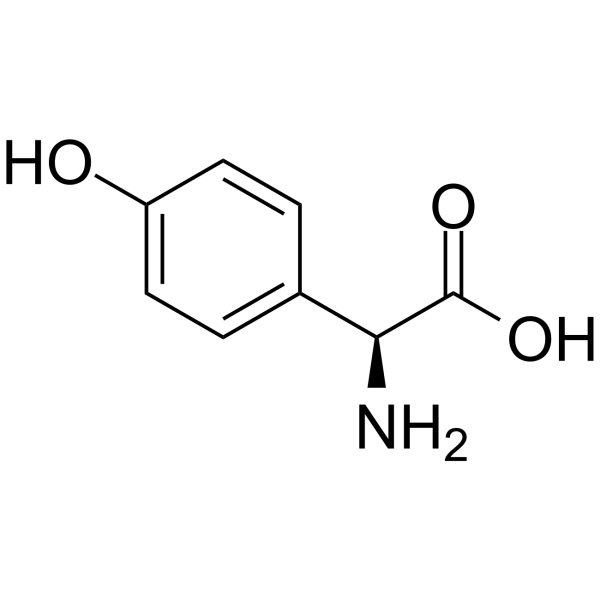
Oxfenicine (L-p-Hydroxyphenylglycine) is an orally active carnitine palmitoyltransferase-1 inhibitor. Oxfenicine inhibits the oxidation of fatty acids in the heart, protecting cardiac tissue from necrotic damage during ischemia, and also has an inhibitory effect on cardiac tissue apoptosis. In addition, Oxfenicine promotes lipolysis in a high-fat diet rat model. Oxfenicine can be used in the study of cardiovascular and metabolic diseases .
loading...
    loading...
Cat. No.: HY-B1770
CAS No.: 7681-82-5
Sodium Iodide is a compound composed of sodium ions and iodine ions. Sodium Iodide scavenges hydrogen peroxide. Sodium Iodide maintains the level of thyroid hormone T3 through its iodine component. Sodium Iodide protects tissues from oxidative damage and regulates thyroid homeostasis. Sodium Iodide relieves acute myocardial infarction .
loading...
    loading...
Cat. No.: HY-P2807F
CAS No.: 9001-60-9
Synonyms: LAD, LD, LDH, LAD (bovine heart), LD (bovine heart), LDH (bovine heart)
Target:  

Lactate Dehydrogenase

Research Areas:  

Cardiovascular Disease

Lactate Dehydrogenase (LDH), Bovine Heart (LAD) is an oxidoreductase that catalyzes the reversible conversion between lactate and pyruvate. Lactate Dehydrogenase (LDH), Bovine Heart is mainly used in life science research, tissue damage diagnosis, and as an enzyme marker .
loading...
    loading...
Cat. No.: HY-131394
CAS No.: 7226-77-9
Purity:  99.96%
Synonyms: 5hmdC
Research Areas:  

Cancer

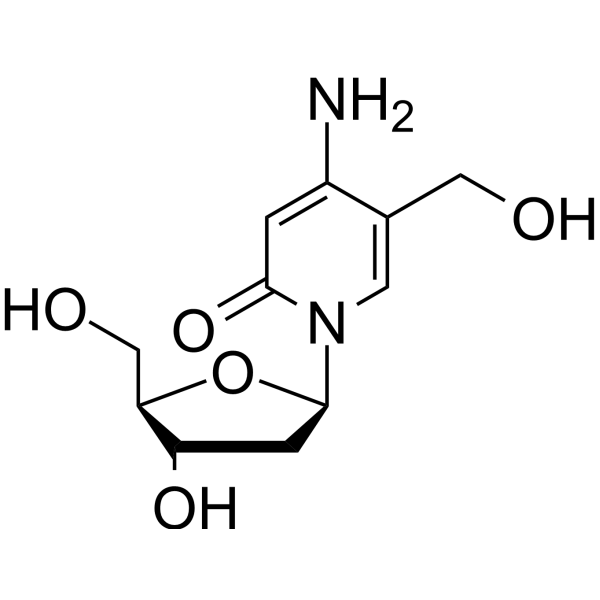
5-Hydroxymethyl-2’-deoxycytidine (5hmdC) is an oxidation derivative of 5-methyl-2'-deoxycytidine (5-mdC) in DNA. 5-Hydroxymethyl-2’-deoxycytidine may serve as a marker of irreversibly damaged cells .
loading...
    loading...

