84 Results for "

carbon source

" in MedChemExpress (MCE) Product Catalog:
Products (84)

84 Results for "carbon source" in MCE Product Catalog:

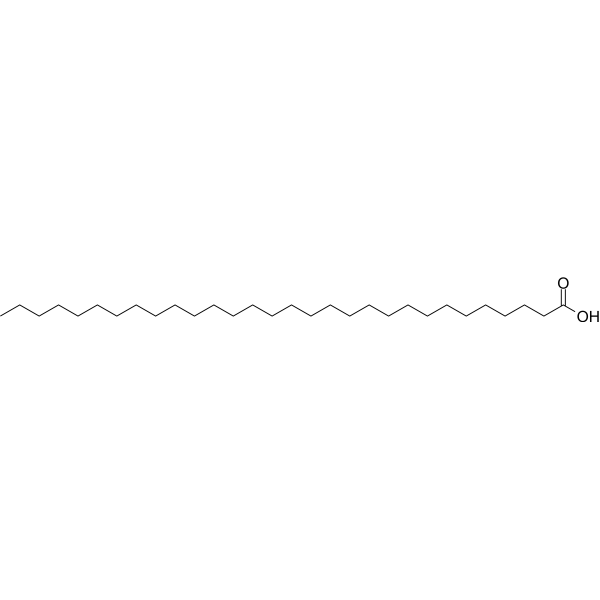
Cat. No.: HY-N8451
CAS No.: 506-50-3
Synonyms: Triacontanoic acid
Melissic acid, which belongs to the category of long-chain saturated fatty acids. It is a 30-carbon straight-chain fatty acid found in a variety of natural sources, including beeswax and coconut oil. Due to its unique physical properties, such as high melting point and viscosity, Melissic acid has a variety of uses in industry. It can be used as a lubricant in the production of some plastics and rubber, and is also used in the manufacture of surfactants and detergents.
loading...
    loading...
Cat. No.: HY-119445A
CAS No.: 140686-17-5
Purity:  99.82%
Synonyms: 2-O-beta-D-Glucopyranosyl-D-glucopyranose monohydrate
Sophorose monohydrate (2-O-beta-D-Glucopyranosyl-D-glucopyranose monohydrate) is a disaccharide linked by a β-1,2-glycosidic bond; it can be synthesized from high concentrations of glucose via the transglycosylation reaction of glycoside hydrolases. Sophorose monohydrate is the most potent soluble inducer of Trichoderma reesei cellulase, and a glucose-Sophorose monohydrate mixture (MGDC) can be used as a combined carbon source and inducer for Trichoderma cellulase fermentation. Sophorose monohydrate is suitable for use in metabolism-related research .
loading...
    loading...
Cat. No.: HY-W019872
CAS No.: 7722-76-1
Ammonium dihydrogen phosphate is an ammonium phosphate salt with both hydrogenation and dehydration properties. Ammonium dihydrogen phosphate decomposes to form phosphoric acid and ammonia upon heating, and serves as a main component of fertilizers. Ammonium dihydrogen phosphate promotes glycosidic bond cleavage, formation of dehydrated sugars and furans, biomass carbonization, hydrogen donor reactions, and lignin bond weakening. Ammonium dihydrogen phosphate selectively promotes the production of furfural and levoglucosenone during the pyrolysis of lignocellulosic biomass. Ammonium dihydrogen phosphate can be used as a nitrogen/phosphorus source and activator for the preparation of nitrogen-phosphorus co-doped activated carbon. Ammonium dihydrogen phosphate acts as a sucrose conversion catalyst in sustainable wood adhesive formulations. Ammonium dihydrogen phosphate is applicable to related research in various fields such as agriculture and electronics .
loading...
    loading...
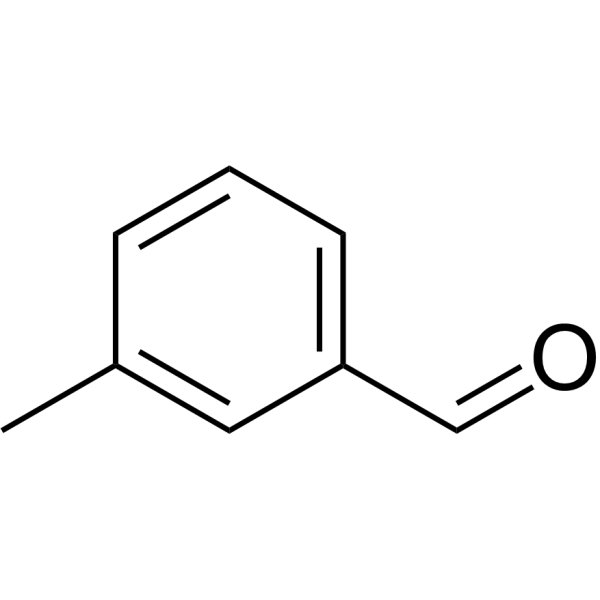
Cat. No.: HY-78086
CAS No.: 620-23-5
Synonyms: 3-Methylbenzaldehyde
m-Tolualdehyde (3-Methylbenzaldehyde) is an aldehyde metabolite produced by m-xylene metabolism, and it bidirectionally regulates the CYP 2B1, CYP 2E1, and CYP 4B1 isoenzymes in the respiratory tract of rats. m-Tolualdehyde serves as an oxidation substrate and carbon source for Pseudomonas Pxy, and it can be oxidized to m-toluic acid in an NAD + -dependent manner. m-Tolualdehyde exerts a dose-dependent inhibitory effect on CYP 2B1 and CYP 2E1 in the nasal mucosa and lungs of rats, and a dose-dependent activating effect on pulmonary CYP 4B1. m-Tolualdehyde can form aldehyde-heme adducts with the heme group of cytochrome P450. m-Tolualdehyde can be used in studies related to metabolic enzymes in the respiratory tract of rats .
loading...
    loading...
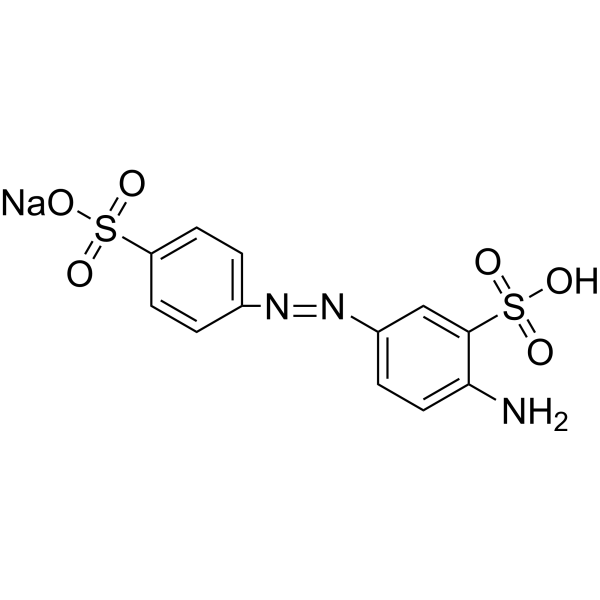
Cat. No.: HY-D0705
CAS No.: 74543-21-8
Synonyms: Hydrogen 4-aminoazobenzene-3,4'-disulphonate sodium salt
Acid Yellow 9 monosodium salt is an azo dye, degraded by Pseudomonas fluorescens as sole source of carbon, nitrogen and energy for the bacterium .
loading...
    loading...
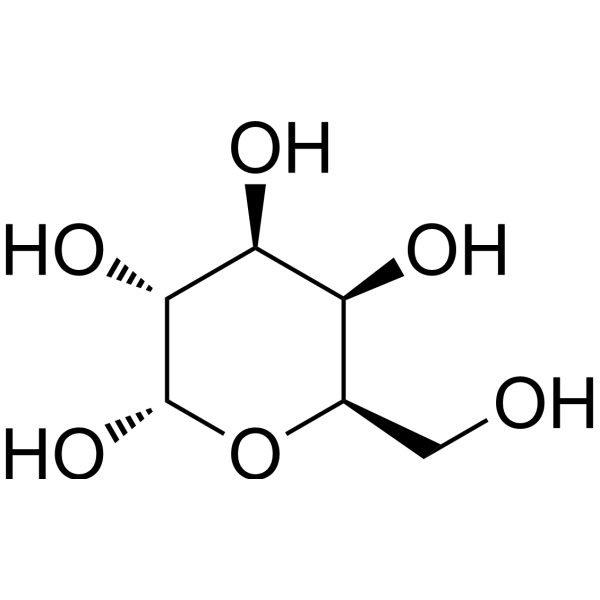
Cat. No.: HY-121370
CAS No.: 3646-73-9
α-D-Galactose is a isomer of D-galactose (HY-N0210). α-D-Galactose is a polysaccharide and can be used as a carbon source .
loading...
    loading...
Cat. No.: HY-N2024R
CAS No.: 69-79-4
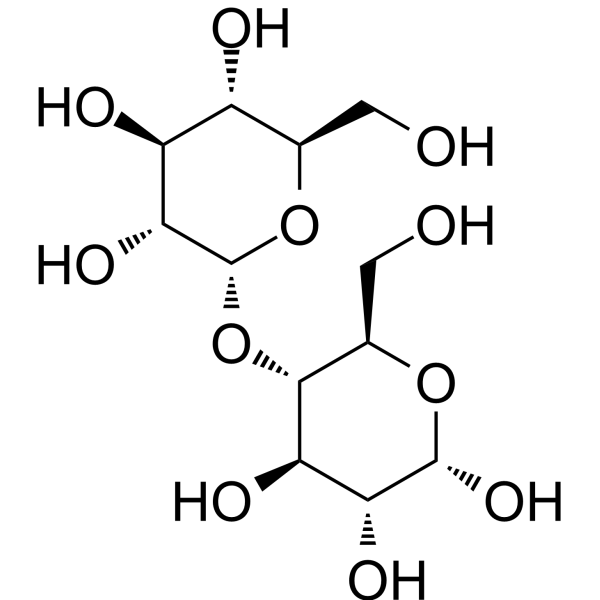
Maltose (Standard) is the analytical standard of Maltose. This product is intended for research and analytical applications. Maltose is a disaccharide composed of two glucose molecules linked together. Maltose is an endogenous metabolic product in plants, yeast, or bacteria, and it participates in carbon source storage and metabolism. Maltose is a key core metabolite and main transport form in the temporary starch degradation, carbon output, and subsequent sucrose synthesis metabolism of the night chloroplast. In X. dendrorhous, maltose can act as a sugar donor and is converted into isomaltulose by α-glucosidase (α-Glucosidase). Maltose can act as a osmotic agent, supporting continuous capillary ultrafiltration and preventing severe metabolic disorders.
loading...
    loading...
Cat. No.: HY-W779019
CAS No.: 1262683-58-8
Synonyms: D-(+)-Xylose-13C5; (+)-Xylose-13C5; Wood sugar-13C5
Xylose- 13C5 (D-(+)-Xylose- 13C5) is 13C labeled Xylose. Xylose (D-(+)-Xylose) is a natural pentose sugar that is catalyzed by xylose isomerase to form xylulose, which is a key step in the anaerobic ethanol fermentation of Xylose. Xylose can be used by microorganisms to produce fuels, chemicals, and bulk industrial enzymes. Xylose provides the substances and energy for cells, as a carbon source for the biosynthesis of high-value chemicals and biofuel. Xylose can be used to fully explore lignocellulose resources and provide a new direction for microbia fermentation .
loading...
    loading...
Cat. No.: HY-Y0837
CAS No.: 2749-11-3
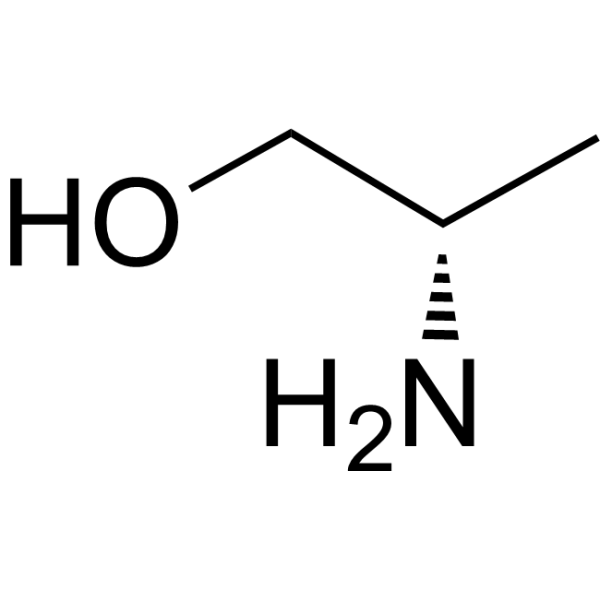
Synonyms: (S)-2-Amino-1-propanol; (S)-2-Aminopropanol; (S)-Alaninol
L-Alaninol ((S)-2-Amino-1-propanol; (S)-2-Aminopropanol; (S)-Alaninol) is a chiral amino alcohol that serves as a precursor for Levofloxacin (HY-B0330) and Metolachlor (HY-B1871). L-Alaninol acts as the sole carbon source for Pseudomonas sp. strain KIE171, and it is a metabolite produced by the hydrolysis of γ-glutamyl-L-alaninol. L-Alaninol functions as a substrate for oxidative/deaminative degradation and undergoes enzymatic glutamylation via IpuC. It is used as a synthetic building block in the fields of agriculture, pharmaceuticals, and peptide chemistry, and also serves as a chiral auxiliary .
loading...
    loading...
Cat. No.: HY-N0537S3
CAS No.: 131771-69-2
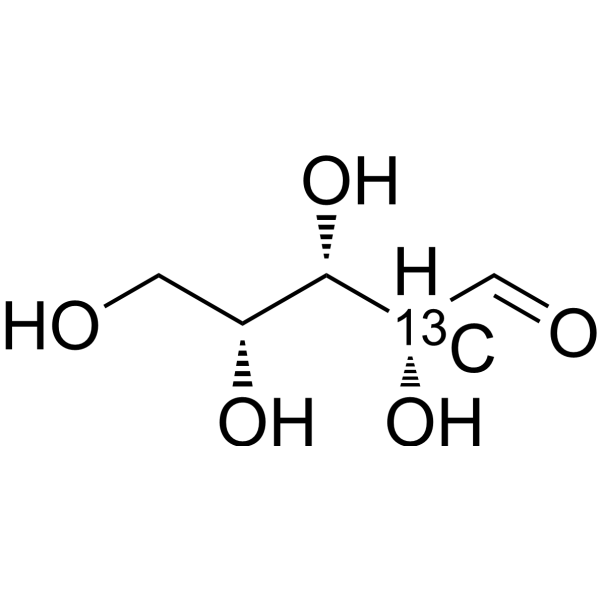
Synonyms: D-(+)-Xylose-2-13C; (+)-Xylose-2-13C; Wood sugar-2-13C
Xylose-2- 13C (D-(+)-Xylose-2- 13C) is the 13C labeled Xylose (HY-N0537). Xylose (D-(+)-Xylose) is a natural pentose sugar that is catalyzed by xylose isomerase to form xylulose, which is a key step in the anaerobic ethanol fermentation of Xylose. Xylose can be used by microorganisms to produce fuels, chemicals, and bulk industrial enzymes. Xylose provides the substances and energy for cells, as a carbon source for the biosynthesis of high-value chemicals and biofuel. Xylose can be used to fully explore lignocellulose resources and provide a new direction for microbia fermentation .
loading...
    loading...
Cat. No.: HY-W587486R
CAS No.: 19213-70-8
N-Acetyltaurine (Standard) is the analytical standard of N-Acetyltaurine (HY-W587486). This product is intended for research and analytical applications. N‑acetyltaurine is an orally active endogenous sulfonate that is synthesized from taurine and acetate in the renal cortex. N‑acetyltaurine supports bacterial growth as a sole fixed nitrogen or carbon source. N‑acetyltaurine buffers acetyl moieties of mitochondrial acetyl‑CoA in skeletal muscle. N‑acetyltaurine reduces food intake and body weight in obese and lean wild‑type mice in a GFRAL‑dependent manner. N‑acetyltaurine can be used for the research of diet‑induced obesity, hyperacetatemia and diabetes .
loading...
    loading...
Cat. No.: HY-N3686R
CAS No.: 488-82-4
D-Arabitol (Standard) is the analytical standard of D-Arabitol (HY-N3686). This product is intended for research and analytical applications. D-Arabitol is an orally active D-enantiomer of arabitol. D-Arabitol modulates the composition of gut microbiota, increases short-chain fatty acids, and promotes AMPK-PGC-1α-related browning of white adipose tissue. D-Arabitol improves weight gain, fat accumulation, insulin resistance, lipid deposition and inflammatory responses. D-Arabitol serves as the sole carbon/energy source for Bacillus methanolicus MGA3, a strain that can co-utilize it with mannitol. D-Arabitol is applicable to obesity-related research .
loading...
    loading...
Cat. No.: HY-134560
CAS No.: 147795-40-2
Purity:  99.62%
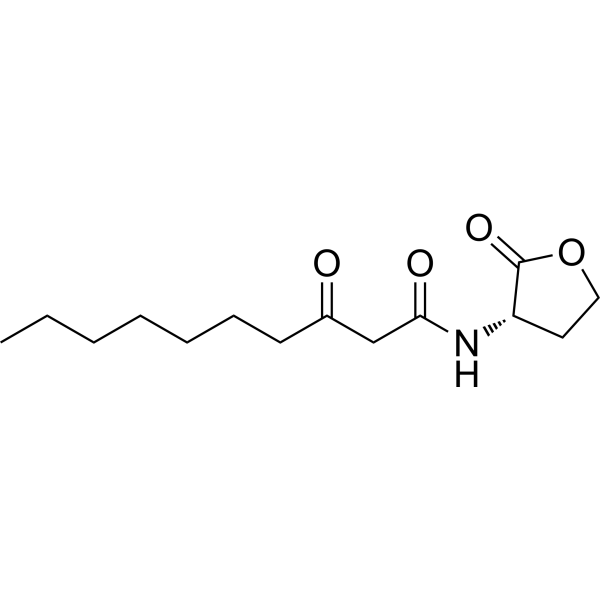
Synonyms: 3-Oxo-C10-HSL
N-(3-Oxodecanoyl)-L-homoserine lactone (3-Oxo-C10-HSL) is a bacterial signaling molecule with quorum-sensing agonistic activity and competitive antagonistic activity against short-chain AHLs. N-(3-Oxodecanoyl)-L-homoserine lactone binds to VanR to form a complex, activates the transcription of the vanI gene, and establishes an autoregulatory loop for its own synthesis. N-(3-Oxodecanoyl)-L-homoserine lactone inhibits the synthesis of violacein induced by short-chain AHLs. N-(3-Oxodecanoyl)-L-homoserine lactone serves as the sole carbon and nitrogen source for Rhodococcus erythropolis W2 and can be completely degraded. N-(3-Oxodecanoyl)-L-homoserine lactone can be used in studies related to bacterial infections .
loading...
    loading...
Cat. No.: HY-Y0403
CAS No.: 535-80-8
Synonyms: m-Chlorobenzoic acid
Research Areas:  

Infection

3-Chlorobenzoic acid (m-Chlorobenzoic acid) is the only carbon source for the bacterium .
loading...
    loading...
Cat. No.: HY-N10373
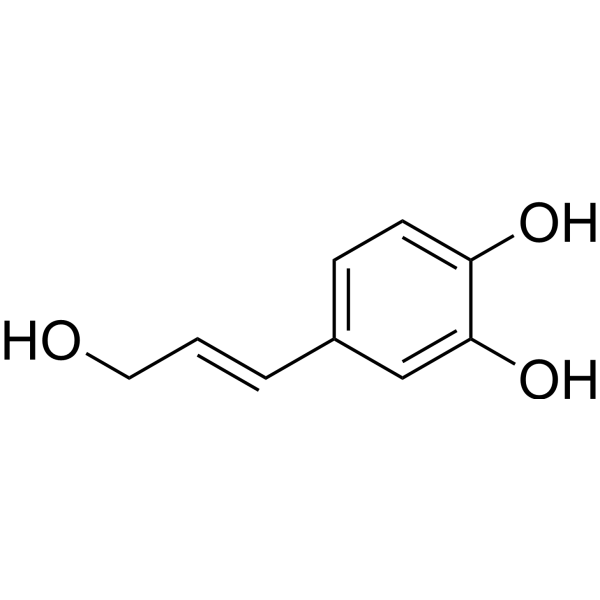
CAS No.: 3598-26-3
Caffeoyl alcohol is a monomer constituting Catechyl lignin. Catechyl lignin is a linear homopolymer of caffeyl alcohol, a natural source of carbon fiber and high-value chemicals .
loading...
    loading...
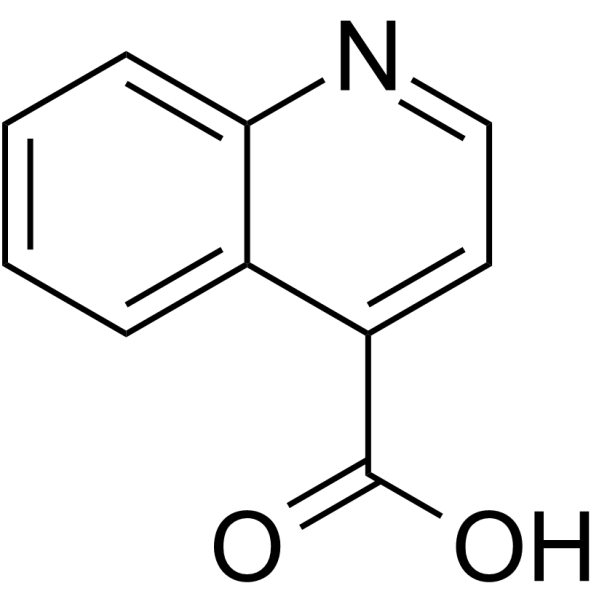
Cat. No.: HY-Y0057
CAS No.: 486-74-8
Synonyms: Cinchoninic acid; 4-Carboxyquinoline; NSC 13138
4-Quinolinecarboxylic acid (Cinchoninic acid; 4-Carboxyquinoline; NSC 13138) is a quinoline derivative and also an Endogenous Metabolite. 4-Quinolinecarboxylic acid can serve as the sole carbon source for the growth of the soil bacterium Microbacterium sp. H2 .
loading...
    loading...
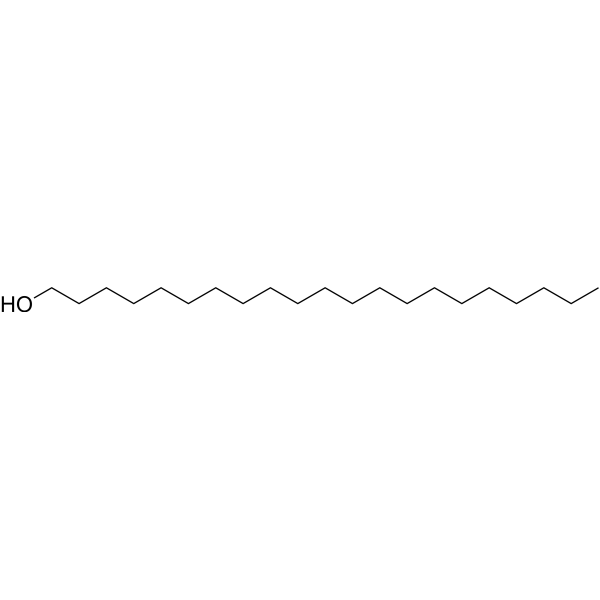
Cat. No.: HY-134645
CAS No.: 15594-90-8
Synonyms: Heneicosyl alcohol
Research Areas:  

Others

1-Heneicosanol is a long-chain alcohol with 21 carbon atoms commonly used in the production of surfactants, lubricants and pharmaceuticals. It can be found in various natural sources such as vegetable waxes and insect pheromones. Additionally, it has been shown to be bioactive against plants and animals and has antimicrobial properties.
loading...
    loading...
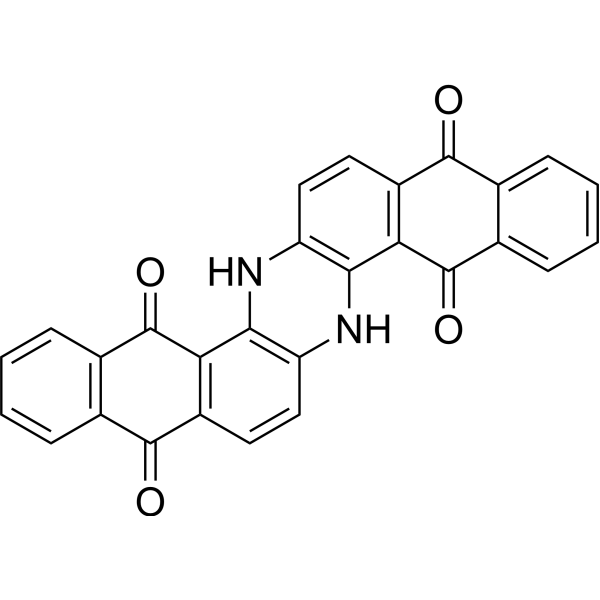
Cat. No.: HY-D1220
CAS No.: 81-77-6
Synonyms: Indanthrene; Vat Blue 4
Research Areas:  

Infection

Pigment blue 60 (Indanthrene) is an anthraquinone-based dye used as a model in studies of conjugated polymer degradation. Pigment blue 60 targets YfeX-like peroxidases, binds to the catalytic pocket, and undergoes oxidative cleavage. Pigment blue 60 serves as a carbon and energy source for Pseudomonas aeruginosa. Pigment blue 60 is efficiently removed and degraded by Pseudomonas aeruginosa .
loading...
    loading...
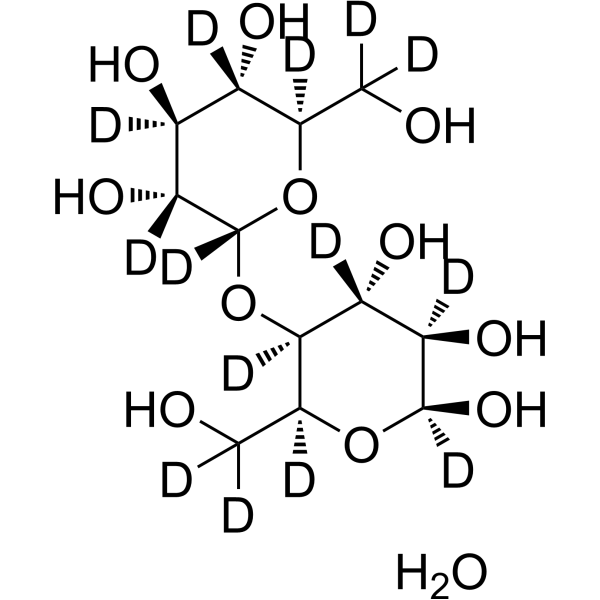
Cat. No.: HY-N2024AS
Maltose monohydrate-d14 is the deuterium labeled Maltose monohydrate. Maltose monohydrate is a disaccharide composed of two glucose molecules linked together. Maltose monohydrate is an endogenous metabolic product in plants, yeast, or bacteria, and it participates in carbon source storage and metabolism. Maltose monohydrate is a key core metabolite and main transport form in the temporary starch degradation, carbon output, and subsequent sucrose synthesis metabolism of the night chloroplast. In X. dendrorhous, maltose can act as a sugar donor and is converted into isomaltulose by α-glucosidase. Maltose monohydrate can act as a osmotic agent, supporting continuous capillary ultrafiltration and preventing severe metabolic disorders.
loading...
    loading...
Cat. No.: HY-N2024B
CAS No.: 69-79-4
Maltose solution, 20% in H2O is a 20% aqueous maltose solution. Maltose is a disaccharide composed of two glucose molecules linked together. Maltose is an endogenous metabolic product in plants, yeast, or bacteria, and it participates in carbon source storage and metabolism. Maltose is a key core metabolite and main transport form in the temporary starch degradation, carbon output, and subsequent sucrose synthesis metabolism of the night chloroplast. In X. dendrorhous, maltose can act as a sugar donor and is converted into isomaltulose by α-glucosidase. Maltose can act as a osmotic agent, supporting continuous capillary ultrafiltration and preventing severe metabolic disorders .
loading...
    loading...

