

523 Results for "

Pathogen

" in MedChemExpress (MCE) Product Catalog:
Products (523)

523 Results for "Pathogen" in MCE Product Catalog:

Cat. No.: HY-N16745
CAS No.: 27067-70-5
5-Hydroxynoracronycine is a selective inhibitor targeting Leishmania, HIV-1 protease, and nitric oxide (NO) production. 5-Hydroxynoracronycine has an IC50 of 93.1 μmol/L against HIV-1 protease and an IC50 of 0.19 mg/mL for scavenging DPPH free radicals. 5-Hydroxynoracronycine exerts anti-leishmanial, anti-HIV, antioxidant and antibacterial activities by inhibiting pathogen proliferation, enzyme activity and inflammation-related NO excessive production. 5-Hydroxynoracronycine can be used in the research of leishmaniasis, HIV infection, and inflammation-related diseases .
loading...
    loading...
Cat. No.: HY-N3968
CAS No.: 17303-67-2
Synonyms: GTN; (R)-(+)-Goniothalamin
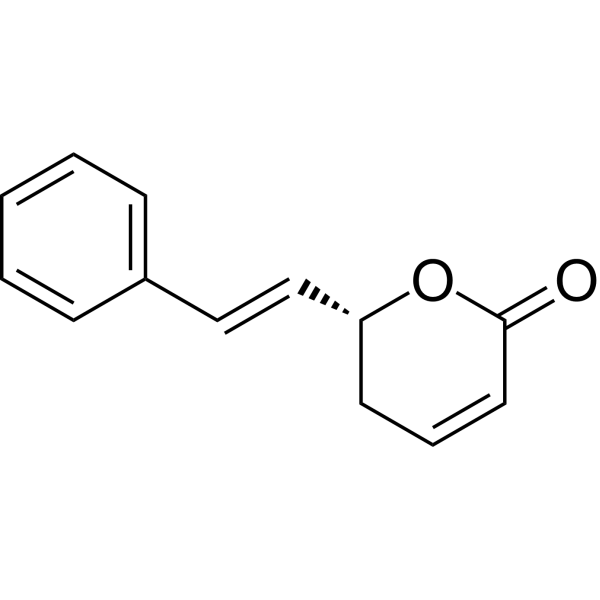
Goniothalamin (GTN) is a styryl lactone. Goniothalamin exhibits insecticidal, anti-tumor and antibacterial activities. Goniothalamin induces cell cycle arrest and apoptosis in tumor cells. Goniothalamin acts as a larvicide against Culex quinquefasciatus larvae and as a cytotoxin against brine shrimp larvae. Goniothalamin functions as an antibacterial agent against Gram-positive and Gram-negative bacteria, and also acts as an antifungal agent against pathogens including Candida albicans, Trichophyton rubrum and Trichophyton mentagrophytes. Goniothalamin is applicable to research related to breast cancer, lymphatic filariasis, bacterial infections and fungal infections .
loading...
    loading...
Cat. No.: HY-N7059R
CAS No.: 96-82-2
Lactobionic acid (Standard) is an analytical standard for lactobionic acid. This product is intended for use in research and analytical applications. Lactobionic acid is a bionic acid that can be naturally found in the Caspian Sea yogurt and chemically constituted of a gluconic acid bonded to a galactose. Lactobionic acid has antioxidant, antimicrobial, chelating, stabilizer, acidulant, and moisturizing properties. Lactobionic acid can be obtained by electrolytic methods, microbial fermentation or biocatalytic approaches. Lactobionic acid can be used in foodstuffs, to produce new functional products and against food-borne pathogens. Lactobionic acid inhibits DNA repair and protein synthesis, induction of oxidative stress and inhibition of metabolic pathways against MRSA .
loading...
    loading...
Cat. No.: HY-P10400A
Target:  

Phytohormone

Research Areas:  

Infection

AtPep1 TFA is an endogenous inducer of innate immune responses. AtPep1 TFA can be isolated from Arabidopsis thaliana leaves. AtPep1 TFA activates the transcription of defensin (PDF1.2), the expression of PROPEP1, the synthesis of hydrogen peroxide (H2O2) near leaf veins, and the alkalization of Arabidopsis suspension cell culture medium. AtPep1 TFA induces the expression of genes encoding defensins and PR-1. AtPep1 TFA is applicable to studies related to Pythium irregulare infection and pathogen infection .
loading...
    loading...
Cat. No.: HY-P1938
CAS No.: 2854-40-2
Target:  

Bacterial

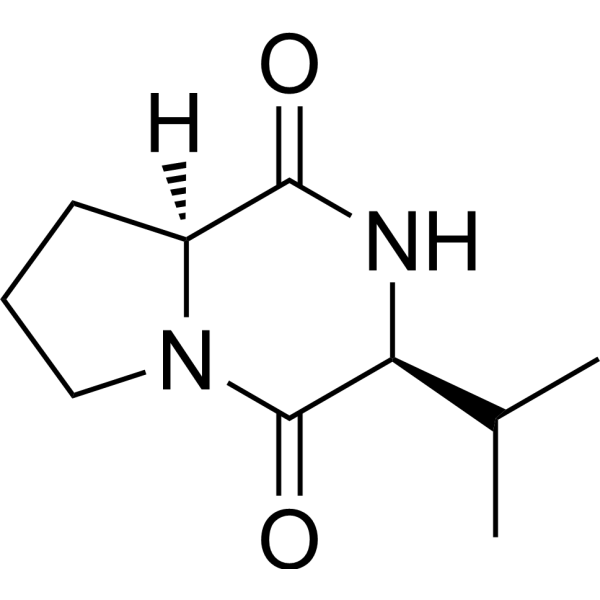
Cyclo(L-Pro-L-Val) is an antimicrobial and anti-inflammatory agent. Cyclo(L-Pro-L-Val) has toxic activity against plant pathogens such as R. fascians LMG 3605, and its potency may be comparable to that of Chloramphenicol (HY-B0239). Cyclo(L-Pro-L-Val) can inhibit the phosphorylation of IKKα, IKKβ, NF-κB, etc., and the activation of iNOS and COX-2, thereby exerting anti-inflammatory activity. Cyclo(L-Pro-L-Val) can be used in the research of biopesticides in the agricultural field, as well as in the research of inflammation-related diseases .
loading...
    loading...
Cat. No.: HY-P5601A
Target:  

Bacterial Fungal

Research Areas:  

Infection

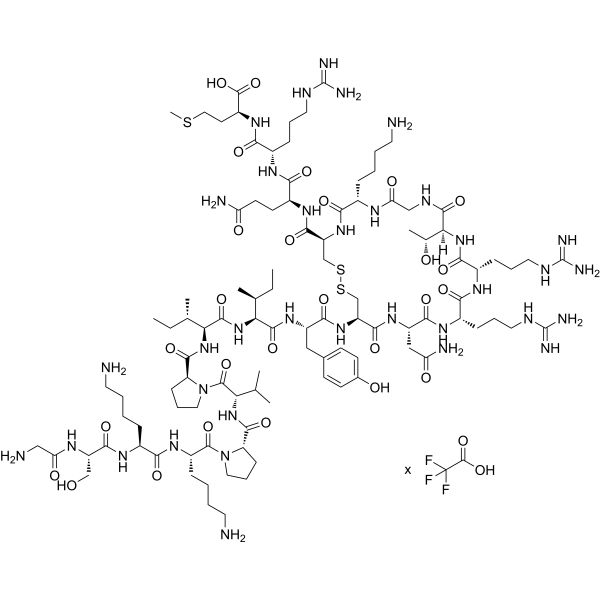
Thanatin TFA is an inducible cationic antimicrobial peptide. Thanatin TFA s a pathogen-inducible single-disulfide-bond-containing β-hairpin AMP. Thanatin TFA displays broad-spectrum activity against both Gram-negative and Gram-positive bacteria as well as against various species of fungi with MICs of 0.3-40 µM, 0.6-40 µM and 0.6-20 µM, respectively. Thanatin TFA has the property of competitive replacement of divalent cations from bacterial outer membrane (OM), leading to OM disruption .
loading...
    loading...
Cat. No.: HY-P5642
CAS No.: 536757-16-1
Synonyms: RC-101
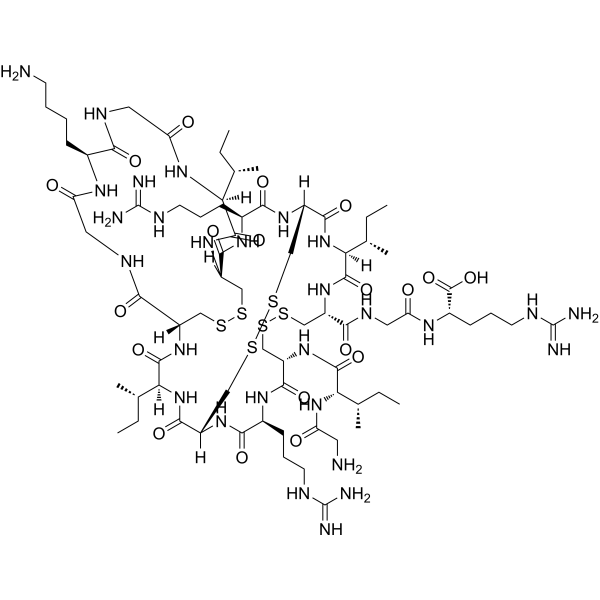
Retrocyclin-101 (RC-101) is a synthetic cyclic θ-defensin, a broad-spectrum antimicrobial peptide with anti-pathogen (covering viruses, bacteria and fungi) activity and anti-inflammatory activity. Retrocyclin-101 exhibits significant inhibitory activity against HIV, SARS-CoV-2, flaviviruses, influenza viruses, HSV-1/2, Staphylococcus aureus and others. Retrocyclin-101 inhibits TLR4 and TLR2-mediated signal transduction and reduces pro-inflammatory cytokine expression .
loading...
    loading...
Cat. No.: HY-W747972A
CAS No.: 6789-80-6
(Z)-3-Hexenal is an isomer of Hydrosorbaldehyde (HY-W747972). (Z)-3-Hexenal is a green leaf volatile and also the main contributor to the fresh, grassy aroma of tea leaves. (Z)-3-Hexenal undergoes irreversible conversion to (E)-2-hexenal via (Z)-3:(E)-2-hexenal isomerase (CsHI). (Z)-3-Hexenal plays a key role in protecting plants against biotic stresses (such as pathogens and insects) and acting as a signaling chemical .
loading...
    loading...
Cat. No.: HY-189006
CAS No.: 3066273-36-4
Research Areas:  

Infection

MBL-IN-7 is a potent metallo-β-lactamase (MBLs) inhibitor. The IC50 values of MBL-IN-7 against NDM-1, IMP-1, VIM-1, VIM-2, and L1 are 11 nM, 69 nM, 29 nM, 12 nM, and 85 μM, respectively. MBL-IN-7 is an antibiotic adjuvant. MBL-IN-7 competitively inhibits enzyme activity primarily by coordinating with zinc ions in the active site of MBLs and forming hydrogen bonds and π interactions, thereby protecting carbapenem antibiotics from hydrolysis. MBL-IN-7 is applicable to research related to carbapenem-resistant Gram-negative bacterial infections .
loading...
    loading...
Cat. No.: HY-137371
CAS No.: 148409-20-5
Purity:  97.31%
Research Areas:  

Infection Cancer

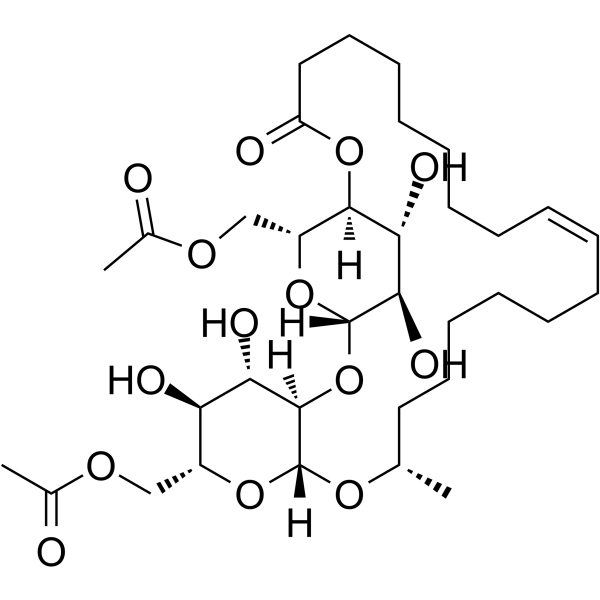
Lactonic sophorolipid is an apoptosis inducer and antimicrobial surfactant with antitumor activity. Lactonic sophorolipid regulates Bax/Bcl-gene expression through caspase-3/9 and induces apoptosis in tumor cells. Lactonic sophorolipid can disrupt cell membrane permeability and exert antibacterial effects (MIC for oral pathogens is 100-400 μg/mL). Lactonic sophorolipid promotes mitochondrial membrane potential depolarization, activates the intrinsic apoptotic pathway, and can synergize with antibiotics to enhance the antibacterial effect. Lactonic sophorolipid can be used in liver cancer research and the development of oral hygiene antibacterial agents[1][2][3].
loading...
    loading...
Cat. No.: HY-137990
CAS No.: 3774-64-9
Purity:  97.75%
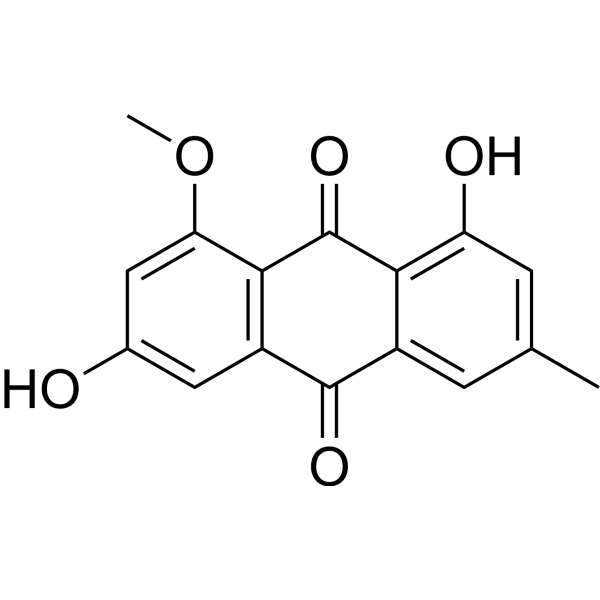
Questin is an anthraquinone compound and antibacterial agent. Questin can be isolated from marine-derived fungi and plants. Questin inhibits Cdc25B phosphatase. Questin exhibits antibacterial activity against V. harveyi, V. anguillarum, V. cholerae, and V. parahemolyticus with MIC values of 31.25 µg/mL, 62.5 µg/mL, 62.5 µg/mL, and 125 µg/mL. Questin displays antiprotozoal activity against the animal protozoan pathogen Tritrichomonas foetus, with a MIC of 12.5 µg/mL. Questin has anticancer activity against lung and colon cancer .
loading...
    loading...
Cat. No.: HY-176923
CAS No.: 28170-90-3
Research Areas:  

Infection

1,3-Bis (isothiocyanatomethyl) benzene is an isothiocyanate compound and also a plant regulator with stomatal closure-inducing activity. 1,3-Bis (isothiocyanatomethyl) benzene increases the production of ROS and NO in guard cells. 1,3-Bis (isothiocyanatomethyl) benzene can inhibit plant diseases caused by pathogens invading through plant stomata, including grape downy mildew, cucumber downy mildew and wheat leaf rust. 1,3-Bis (isothiocyanatomethyl) benzene can be used in studies related to grape downy mildew, cucumber downy mildew and wheat leaf rust .
loading...
    loading...
Cat. No.: HY-177849
Synonyms: Amphotericin B liposome
Research Areas:  

Infection

Liposomal Amphotericin B (Amphotericin B liposome) is a liposomal formulation of Amphotericin B (HY-B0221) that can cross the blood-brain barrier. Liposomal Amphotericin B binds to fungal cell walls and releases Amphotericin B to bind Ergosterol (HY-N0181), inducing pore formation, ion leakage, and fungal cell death. Liposomal Amphotericin B exhibits fungicidal activity against a broad spectrum of fungal pathogens, also shows activity against Leishmania, and the liposomal formulation has lower acute and chronic toxicity as well as a lower risk of fungal resistance .
loading...
    loading...
Cat. No.: HY-182305
CAS No.: 2411865-57-9
Target:  

Bacterial

Research Areas:  

Infection

VKT-17-P4-23 is a blood-brain barrier-permeable DksA inhibitor. DksA is a highly conserved transcriptional regulator in Gram-negative bacteria, with a Kd of 124 μM. Through the DksA-regulated, SPI-2-dependent survival pathway, VKT-17-P4-23 exhibits antibacterial activity against both planktonic and intracellular pathogens such as Salmonella, and also effectively combats persistent bacteria that are difficult to eliminate. VKT-17-P4-23 can be used in studies of Salmonella infection .
loading...
    loading...
Cat. No.: HY-N7151
CAS No.: 108354-13-8
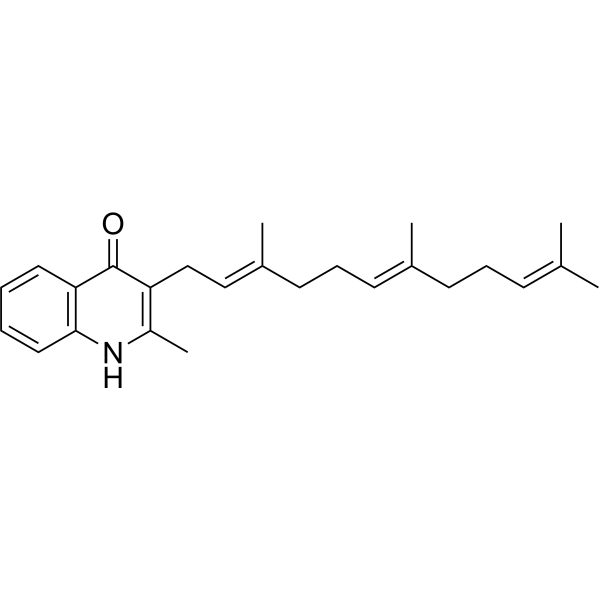
Aurachin D is an antibiotic and selective cytochrome bd oxidase inhibitor. Aurachin D exhibits inhibitory effects against Gram-positive bacteria and a small number of fungi, with an IC50 value of 0.1 μM against Escherichia coli and an IC50 value ranging from 0.13 to 33 μM against Mycobacterium tuberculosis. Aurachin D binds to and inhibits cytochrome bd oxidase, thereby blocking the electron transfer process, disrupting the respiratory chain and energy metabolism of pathogens. Aurachin D can be used in research related to leishmaniasis, malaria, Chagas disease, African trypanosomiasis, and tuberculosis [2] .
loading...
    loading...
Cat. No.: HY-P2260B
Target:  

HIV

Research Areas:  

Infection

Tat-beclin 1 scrambled is the scrambled part and a scrambled control of Tat-beclin 1 (HY-P2260), which is derived from a region of the autophagy protein, beclin 1. beclin 1 induces autophagy via binding human immunodeficiency virus, HIV-1 Nef and interacting with negative regulator GAPR-1 (GLIPR2). Tat-beclin 1 decreases the accumulation of polyglutamine expansion protein aggregates and the replication of several pathogens, such as HIV-1. Tat-beclin 1 also reduces mortality in mice infected with chikungunya or West Nile virus .
loading...
    loading...
Cat. No.: HY-P2260C
Target:  

HIV

Research Areas:  

Infection

Tat-beclin 1 scrambled TFA is the scrambled part and a scrambled control of Tat-beclin 1 (HY-P2260), which is derived from a region of the autophagy protein, beclin 1. beclin 1 induces autophagy via binding human immunodeficiency virus, HIV-1 Nef and interacting with negative regulator GAPR-1 (GLIPR2). Tat-beclin 1 decreases the accumulation of polyglutamine expansion protein aggregates and the replication of several pathogens, such as HIV-1. Tat-beclin 1 also reduces mortality in mice infected with chikungunya or West Nile virus .
loading...
    loading...
Cat. No.: HY-W010203S1
CAS No.: 55320-60-0
2-Decanone-d5-1 is the deuterium labeled 2-Decanone (HY-W010203). 2-Decanone is an antifungal agent. 2-Decanone inhibits pathogen mycelial growth, spore germination, and appressorium formation. 2-Decanone downregulates spore germination-related genes (MfBmp1) and penetration structure formation genes (MfPls1), inducing reactive oxygen species (ROS) accumulation to trigger mitochondrial damage and subsequent spore apoptosis. 2-Decanone is promising for research of postharvest disease control in fruits and vegetables .
loading...
    loading...
Cat. No.: HY-182278
CAS No.: 1676101-39-5
Research Areas:  

Infection

Flubeneteram is a succinate dehydrogenase inhibitor with an IC50 of 0.0484 μM. Flubeneteram disrupts succinate dehydrogenase activity. Flubeneteram demonstrates protective effects against Rhizoctonia solani and Sphaerotheca fuliginea in preclinical models. Flubeneteram can be used for research related to fungal infections .
loading...
    loading...
Cat. No.: HY-W013827
CAS No.: 641-74-7
Synonyms: 1,4:3,6-Dianhydromannitol
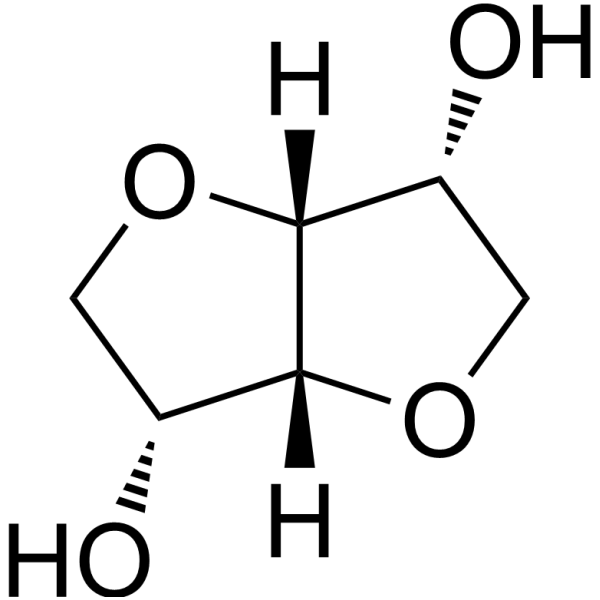
Isomannide (1,4:3,6-Dianhydromannitol) is a cyclic diol and a derivative of Isosorbide (HY-B1469). Isomannide serves as a starting material for chiral solubilizers and a linker group for novel bacterial topoisomerase inhibitors (NBTIs). Isomannide is also used in the synthesis of biocompatible polymers .
loading...
    loading...

