

8522 Results for "

binding

" in MedChemExpress (MCE) Product Catalog:
Products (8522)

8522 Results for "binding" in MCE Product Catalog:

47
47 Cited Publications
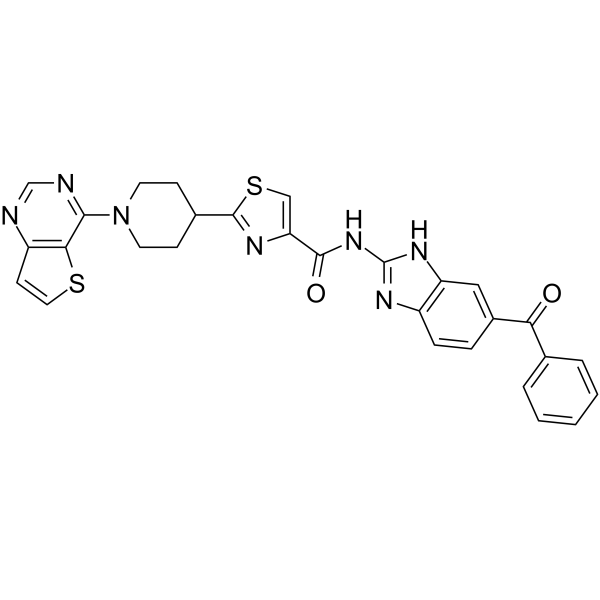
Cat. No.: HY-10074
CAS No.: 507475-17-4
Purity:  98.60%
Target:  

IKK STAT Apoptosis

Research Areas:  

Inflammation/Immunology Cancer

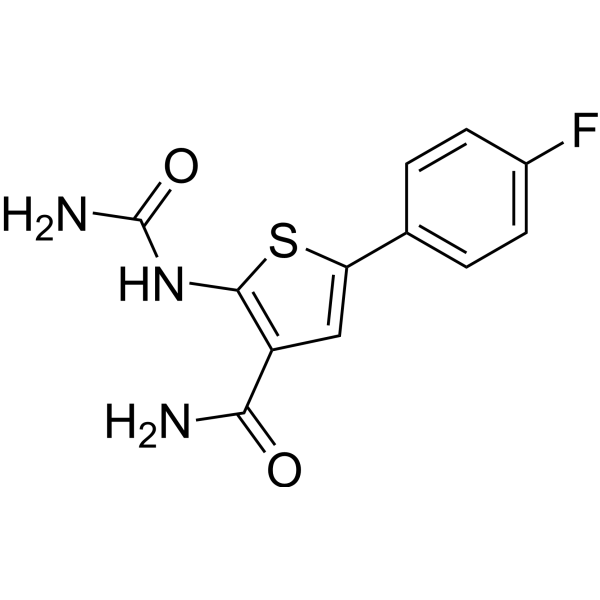
TPCA-1 is a potent and selective inhibitor of IKK-2 with IC50 of 17.9 nM. TPCA-1 is an effective inhibitor of STAT3 phosphorylation, DNA binding, and transactivation.
loading...
    loading...
47
47 Cited Publications
Cat. No.: HY-16928
CAS No.: 14930-96-2
Synonyms: Phomin
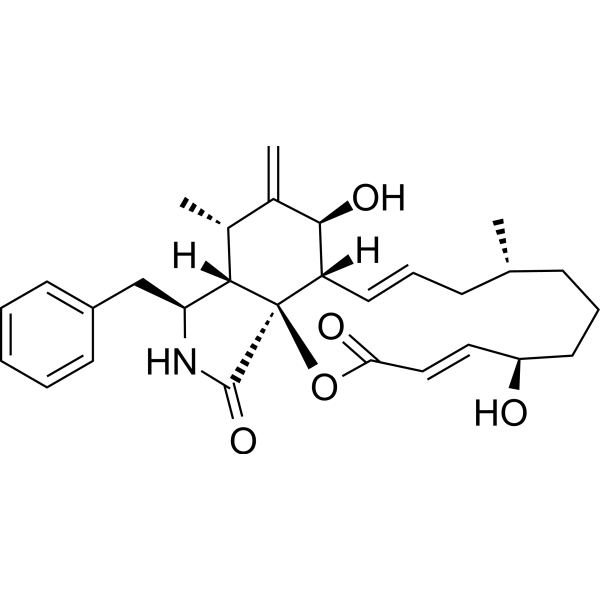
Cytochalasin B is a cell-permeable mycotoxin binding to the barbed end of actin filaments, disrupting the formation of actin polymers, with Kd value of 1.4-2.2 nM for F-actin. Cytochalasin B blocks cell migration.
loading...
    loading...
47
47 Cited Publications
Cat. No.: HY-P9917
CAS No.: 375823-41-9
Synonyms: Anti-Human IL6R, Humanized Antibody; RG-1569; rhPM-1
Tocilizumab (Anti-Human IL6R, Humanized Antibody) is an anti-human interleukin-6 receptor (IL-6R) neutralizing antibody, prevents binding of IL-6 to the IL-6R, thereby inhibiting both classic and trans-signaling. Tocilizumab (Anti-Human IL6R, Humanized Antibody) can be used for the treatment of rheumatoid arthritis . Tocilizumab is remarkablely effective for the study of severe COVID-19 (coronavirus disease) .
loading...
    loading...
46
46 Cited Publications
Cat. No.: HY-P0264
CAS No.: 133514-43-9
Synonyms: Avexitide
Target:  

GLP Receptor

Research Areas:  

Metabolic Disease

Exendin(9-39) amide (Avexitide) is a glucagon-like peptide-1 (GLP-1) antagonist that competes with endogenous GLP-1 for binding to GLP-1 receptors, thereby antagonizing the effects of excess GLP-1 secretion. Exendin(9-39) amide can be used to study postoperative hypoglycemia (PBH) .
loading...
    loading...
43
43 Cited Publications
Cat. No.: HY-110164
CAS No.: 1781835-20-8
Target:  

Adiponectin Receptor

Research Areas:  

Metabolic Disease

AdipoRon hydrochloride is an orally active and specific AdipoR agonist, binding to AdipoR1 and AdipoR2, with Kds of 1.8 and 3.1 μM, respectively.
loading...
    loading...
43
43 Cited Publications
Cat. No.: HY-15848
CAS No.: 924416-43-3
Purity:  99.88%
Target:  

Adiponectin Receptor

Research Areas:  

Metabolic Disease

AdipoRon is an orally active adiponectin receptor (AdipoR) agonist, binding to AdipoR1 and AdipoR2 with Kds of 1.8 and 3.1 μM, respectively.
loading...
    loading...
43
43 Cited Publications
Cat. No.: HY-P7004
Purity:  ≥ 95%, as determined by reducing SDS-PAGE.
Synonyms: FGF2; BFGF; Prev. FGFB; Basic Fibroblast Growth Factor; Fibroblast Growth Factor 2 (Basic); Fibroblast Growth Factor; Heparin-binding Growth Factor 2; Prostatropin; HBGF-2; FGF2A; FGF-2; FGF; Fibroblast Growth Factor 2; Basic Fibroblast Growth Factor BFGF
Species:  
Human
Source:  
E. coli
loading...
    loading...
41
41 Cited Publications
Cat. No.: HY-12497
CAS No.: 219766-25-3
Purity:  99.90%
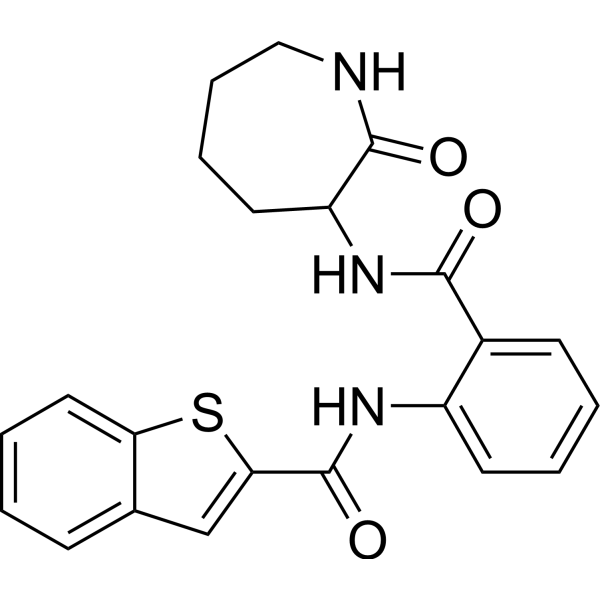
ANA-12 is a brain-penetrant, selective TrkB antagonist with IC50 values of 45.6 nM and 41.1 μM, and Kd values of 10 nM and 12 μM, for high- and low-affinity sites, respectively. ANA-12 specifically inhibits BDNF-induced TrkB receptor activation and its downstream signaling cascades by directly and non-competitively binding to the TrkB receptor, without affecting the functions of TrkA and TrkC. ANA-12 is used in research concerning neuropsychiatric disorders (such as depression and anxiety), acute and chronic pain, neuroimmune inflammation, and the mechanisms of learning and memory .
loading...
    loading...
40
40 Cited Publications
Cat. No.: HY-15319
CAS No.: 473719-41-4
Purity:  99.80%
Target:  

CXCR

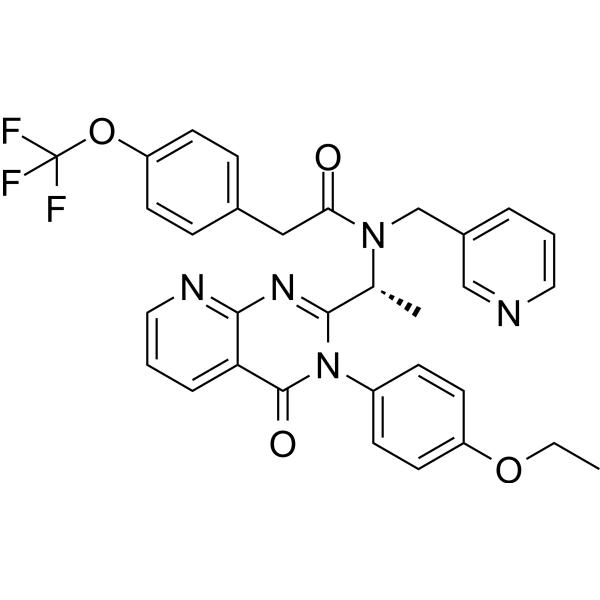
AMG 487 is an orally active and selective antagonist of CXC chemokine receptor 3 (CXCR3) which inhibits the binding of CXCL10 and CXCL11 to CXCR3 with IC50s of 8.0 and 8.2 nM, respectively .
loading...
    loading...
38
38 Cited Publications
Cat. No.: HY-12067
CAS No.: 841290-81-1
Purity:  96.70%
Target:  

Syk FLT3 Apoptosis

Research Areas:  

Inflammation/Immunology Cancer

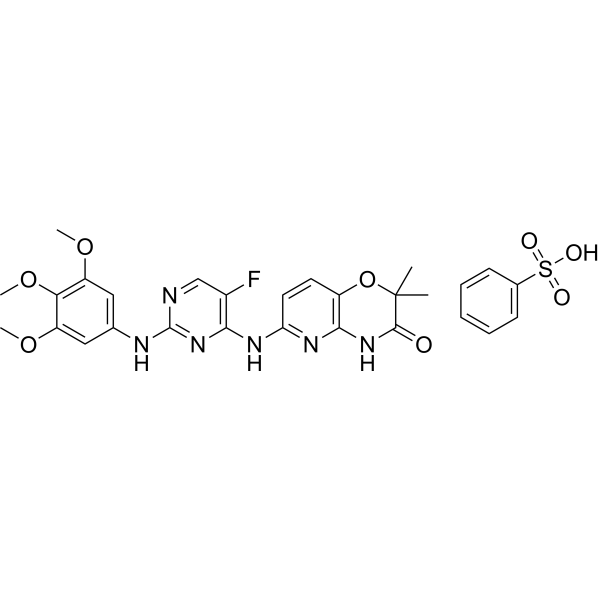
R406 is an orally available and competitive Syk/FLT3 inhibitor for ATP binding with a Ki of 30 nM, potently inhibits Syk kinase activity in vitro with an IC50 of 41 nM, measured at an ATP concentration corresponding to its Km value. R406 reduces immune complex-mediated inflammation . R406 also inhibits Lyn (IC50=63 nM) and Lck (IC50=37 nM) .
loading...
    loading...
38
38 Cited Publications
Cat. No.: HY-11108
CAS No.: 841290-80-0
Purity:  99.80%
Target:  

Syk FLT3 Apoptosis

Research Areas:  

Inflammation/Immunology Cancer

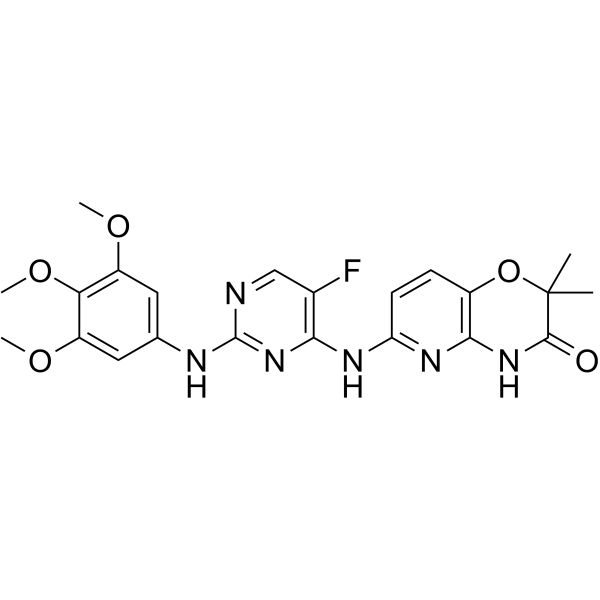
R406 free base is an orally available and competitive Syk/FLT3 inhibitor for ATP binding with a Ki of 30 nM, potently inhibits Syk kinase activity in vitro with an IC50 of 41 nM, measured at an ATP concentration corresponding to its Km value. R406 free base reduces immune complex-mediated inflammation . R406 free base also inhibits Lyn (IC50=63 nM) and Lck (IC50=37 nM) .
loading...
    loading...
37
37 Cited Publications
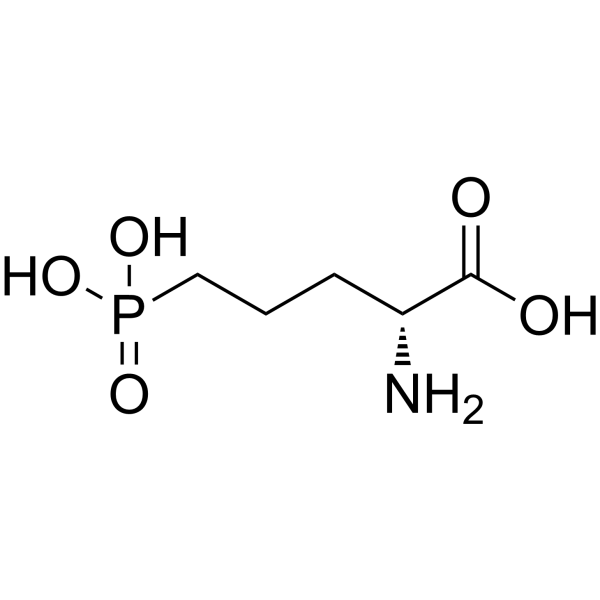
Cat. No.: HY-100714A
CAS No.: 79055-68-8
Purity:  99.94%
Synonyms: D-APV; D-2-Amino-5-phosphonovaleric acid
Target:  

iGluR

Research Areas:  

Neurological Disease

D-AP5 (D-APV) is a selective and competitive NMDA receptor antagonist with a Kd of 1.4 μM. D-AP5 (D-APV) inhibits the glutamate binding site of NMDA receptors .
loading...
    loading...
37
37 Cited Publications
Cat. No.: HY-10496
CAS No.: 913822-46-5
Purity:  99.24%
Target:  

NF-κB Influenza Virus

Research Areas:  

Infection Cancer

SC75741 is a broad and efficient NF-κB inhibitor with an IC50 of 200 nM for p65 . SC75741 blocks influenza viruses (IV) replication. SC75741 impairs DNA binding of the NF-κB subunit p65, resulting in reduced expression of cytokines, chemokines, and pro-apoptotic factors. SC75741 subsequently inhibits caspase activation and blocks caspase-mediated nuclear export of viral ribonucleoproteins .
loading...
    loading...
37
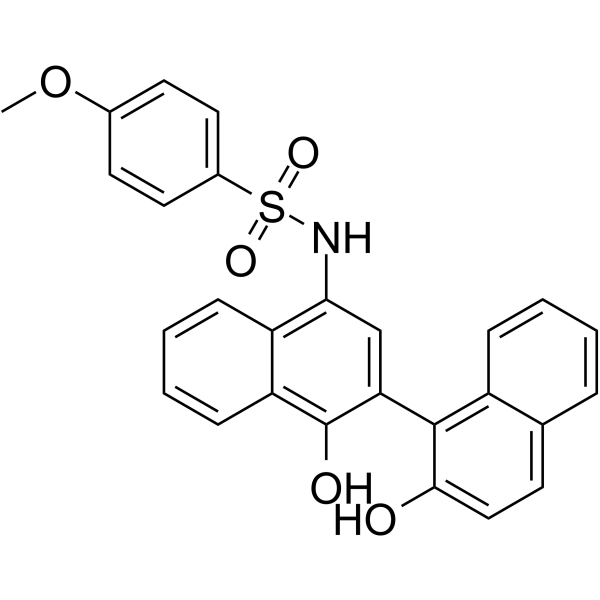
37 Cited Publications
Cat. No.: HY-112288
CAS No.: 432001-19-9
Purity:  99.90%
Synonyms: TTI-101
C188-9 (TTI-101) is a STAT3 inhibitor with a Kd value of 4.7 nM. C188-9 targets the SH2 domain of STAT3, blocks the processes of STAT3 ligand binding, receptor recruitment, homodimerization and phosphorylation, and regulates STAT3-mediated genes associated with tumorigenesis and radioresistance. C188-9 regulates STAT1-mediated genes related to radioresistance and reduces the activation level of STAT1. C188-9 downregulates the expression of DNMT1, enhances DAC-induced demethylation and re-expression of RASSF1A, and simultaneously potentiates the anti-tumor effect of DAC on pancreatic cancer cells. C188-9 inhibits both anchorage-dependent and anchorage-independent growth of cancer cells, induces Apoptosis, blocks the growth of tumor xenografts, and suppresses muscle atrophy. C188-9 maintains muscle mass, increases body weight and improves grip strength in tumor-bearing mice. C188-9 can be used in research related to head and neck squamous cell carcinoma, pancreatic cancer, sepsis-related skeletal muscle wasting, non-small cell lung cancer, acute myeloid leukemia and cancer cachexia .
loading...
    loading...
35
35 Cited Publications
Cat. No.: HY-D1913
Fe2Orange is a Fe 2+ selective probe with an excitation wavelength of 543 nm and an emission wavelength of 580 nm. Fe2Orange emits fluorescence after binding to intracellular Fe 2+, thereby achieving specific labeling of Fe 2+. Fe2Orange is used to detect the content and distribution of Fe 2+ in cells .
loading...
    loading...
35
35 Cited Publications
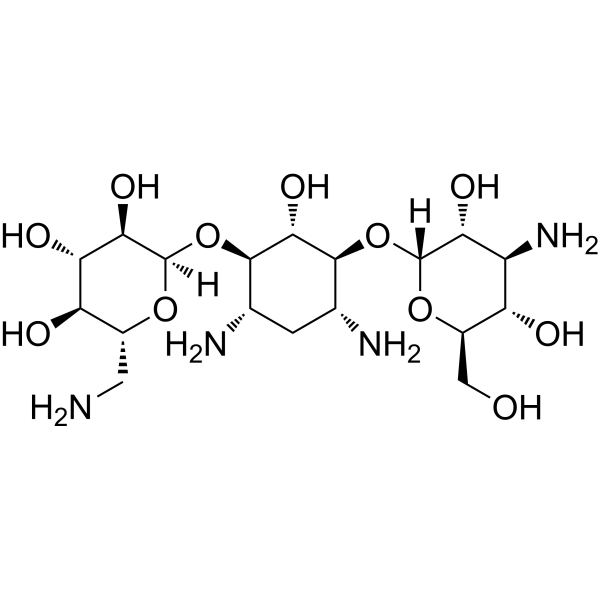
Cat. No.: HY-16566
CAS No.: 59-01-8
Synonyms: Kanamycin A
Kanamycin (Kanamycin A) is an orally active antibacterial (gram-negative/positive bacteria) agent, inhibits translocation and causes misencoding by binding to the 70 S ribosomal subunit. Kanamycin shows good inhibitory activity to both M. tuberculosis (sensitive and drug-resistant ) and K. pneumonia, which can be used in studies of tuberculosis and pneumonia .
loading...
    loading...
35
35 Cited Publications
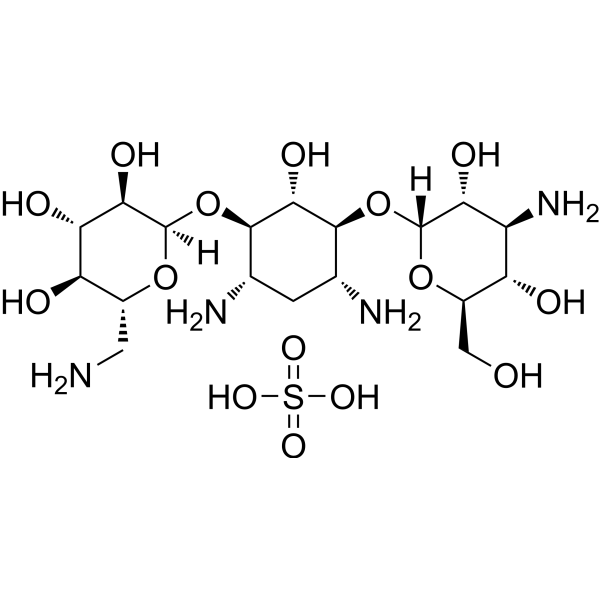
Cat. No.: HY-16566A
CAS No.: 25389-94-0
Synonyms: Kanamycin A sulfate
Kanamycin (Kanamycin A) sulfate is an orally active antibacterial (gram-negative/positive bacteria) agent, inhibits translocation and causes misencoding by binding to the 70 S ribosomal subunit. Kanamycin sulfate shows good inhibitory activity to both M. tuberculosis (sensitive and drug-resistant ) and K. pneumonia, which can be used in studies of tuberculosis and pneumonia .
loading...
    loading...
35
35 Cited Publications
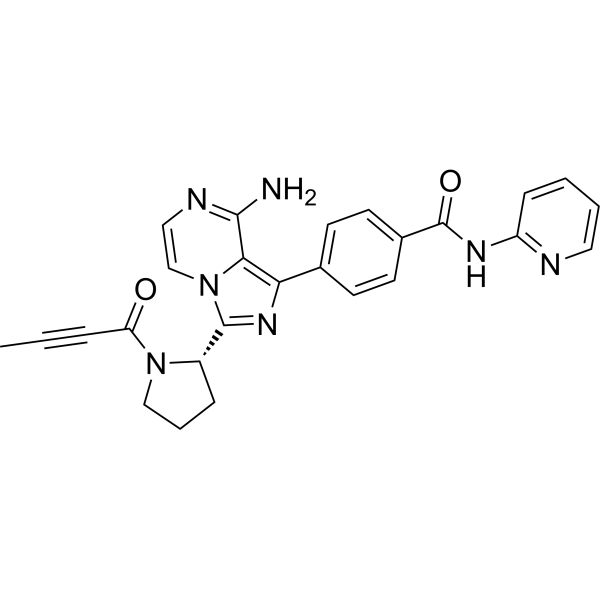
Cat. No.: HY-17600
CAS No.: 1420477-60-6
Synonyms: Calquence; ACP-196
Target:  

Btk

Acalabrutinib (ACP-196) is an orally active, irreversible, and highly selective second-generation BTK inhibitor. Acalabrutinib binds covalently to Cys481 in the ATP-binding pocket of BTK. Acalabrutinib demonstrates potent on-target effects and efficacy in mouse models of chronic lymphocytic leukemia (CLL). Acalabrutinib can be used for CLL research . Acalabrutinib is a click chemistry reagent, itcontains an Alkyne group and can undergo copper-catalyzed azide-alkyne cycloaddition (CuAAc) with molecules containing Azide groups.
loading...
    loading...
34
34 Cited Publications
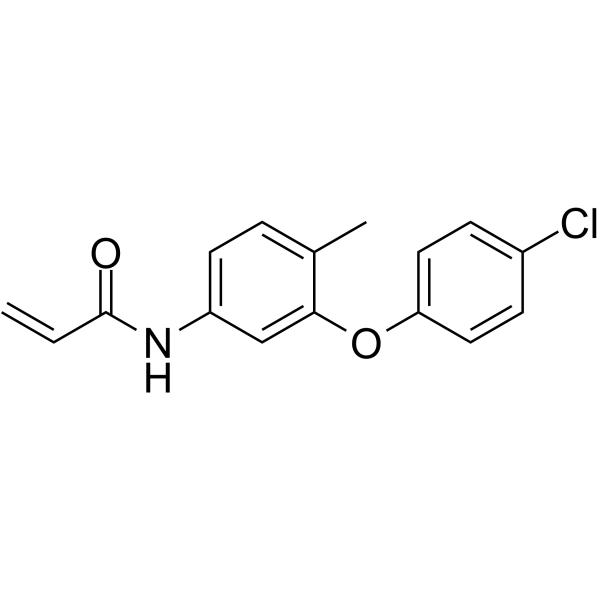
Cat. No.: HY-138565
CAS No.: 2563855-03-6
Purity:  99.89%
Target:  

YAP

Research Areas:  

Cancer

K-975 is a potent, selective and orally active TEAD inhibitor, with a strong inhibitory effect against protein-protein interactions between YAP1/TAZ and TEAD. K-975 covalently binds to Cys359 located in the palmitate-binding pocket of TEAD via an acrylamide structure. K-975 exhibits antitumor activity on malignant pleural mesothelioma .
loading...
    loading...
33
33 Cited Publications
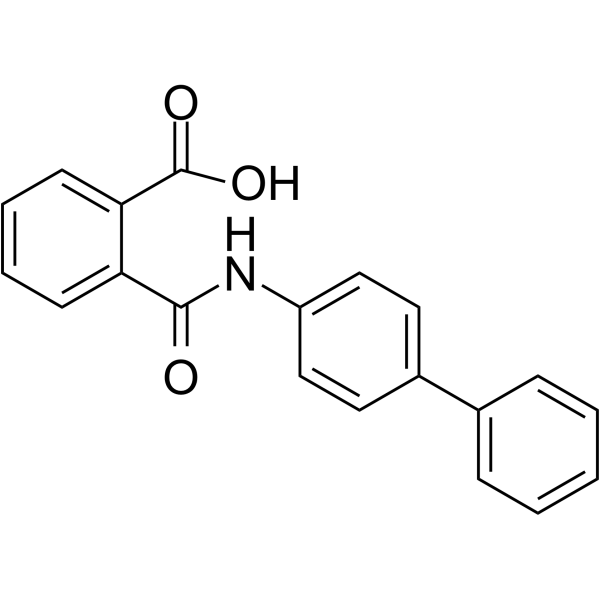
Cat. No.: HY-16268
CAS No.: 4727-31-5
Synonyms: KGN
Target:  

TGF-beta/Smad

Research Areas:  

Inflammation/Immunology

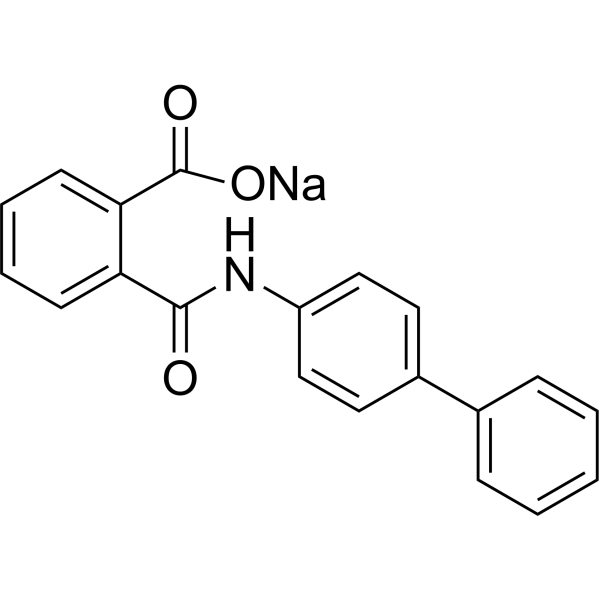
Kartogenin (KGN) is an inducer of chondrogenic tissue formation (EC50: 100 nM). Kartogenin induces chondrogenesis by binding to fibrin A, disrupting its interaction with the transcription factor core binding factor beta subunit (CBFβ), and by modulating the CBFβ-RUNX1 transcriptional program. Kartogenin also promotes tendon-bone junction (TBJ) wound healing by stimulating collagen synthesis. Kartogenin is widely used in cell-free therapy in the field of regeneration for cartilage regeneration and protection, tendon-bone healing, wound healing and limb development. Kartogenin promotes cartilage repair, coordinates limb development, and is also used in osteoarthritis (OA) research .
loading...
    loading...

